


As one of the most remote and untamed national parks in the country, Khaudum remains one of Namibia’s best-kept secrets. There are no fences, no infrastructure – just raw wilderness.

Even in the best of times, the roads are nothing more than sandy jeep tracks. A 4×4 vehicle is essential, traveling in convoy is highly recommended, and a GPS can be your best friend.
And the best part? No crowds.
After the rains, the Nyae Nyae Pan fills up, attracting flocks of flamingos. On one occasion, three hippos were spotted in the far distance – likely having travelled over a hundred kilometers through deep sand to reach the water.


The region is also home to the San (Bushmen) communities, among the oldest cultures on earth.


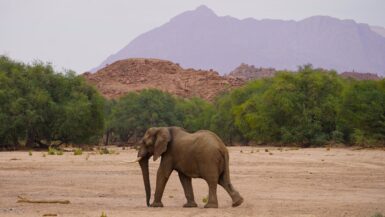
Khaudum shelters over 3,000 elephants, particularly visible during the dry season. These elephants are wild and often more aggressive than those in more visited parks. With no natural predators, a calf born every two years, and enormous daily needs for food and water, their growing numbers often challenge the balance of the park’s delicate ecosystem.


Here, the law of the strongest applies: when a herd of elephants storms in, there’s no room for anyone else.


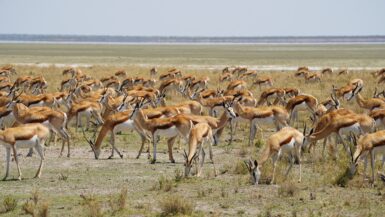
While some of the artificial waterholes are fitted with pumps, the wait can be long for the thirsty antelopes nearby, standing in the dust until it’s their turn.


Occasionally, a sable antelope – rarely seen elsewhere in Namibia, emerges from the bush.

A monumental baobab tree, visible from afar, stands like a sentinel over the savannah.

Some cats hide. Others pose in full view.


It’s wild. It’s rough. It’s not polished.
It’s Namibia at its best.
Leave a reply
You must be logged in to post a comment.