


Located in northern Namibia, just south of Ovamboland, Etosha is a vast wildlife sanctuary—easily accessible via a tarmac road. What makes it stand out:
- It’s iconic Etosha Pan, a massive salt flat spanning about 4,800 square kilometres, turns into a shallow lake after the rains—drawing thousands of flamingos and other migratory birds.
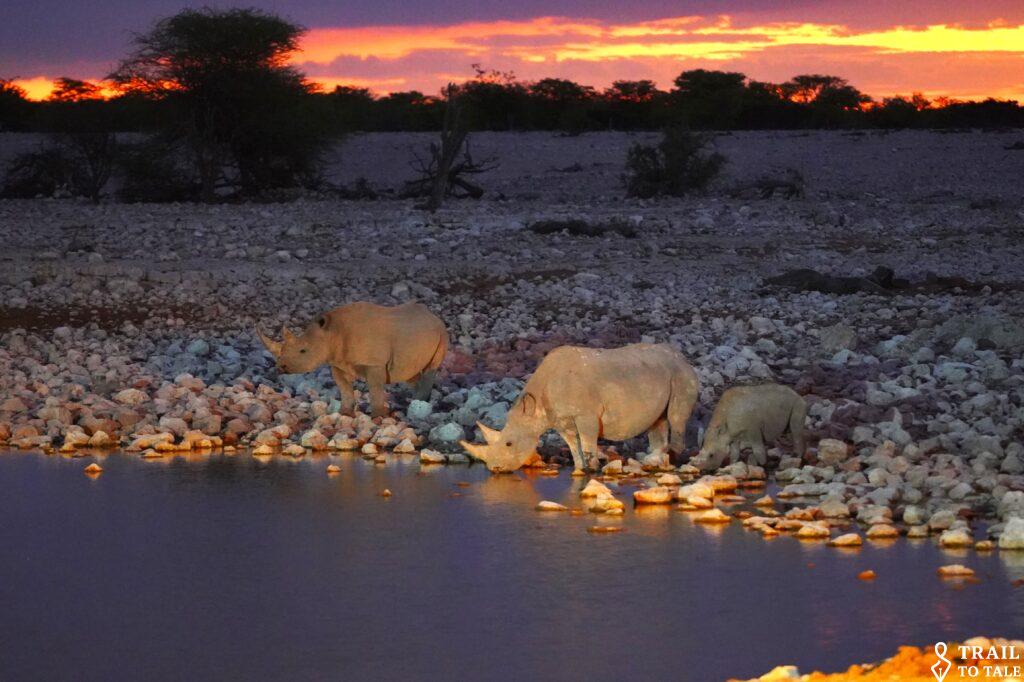
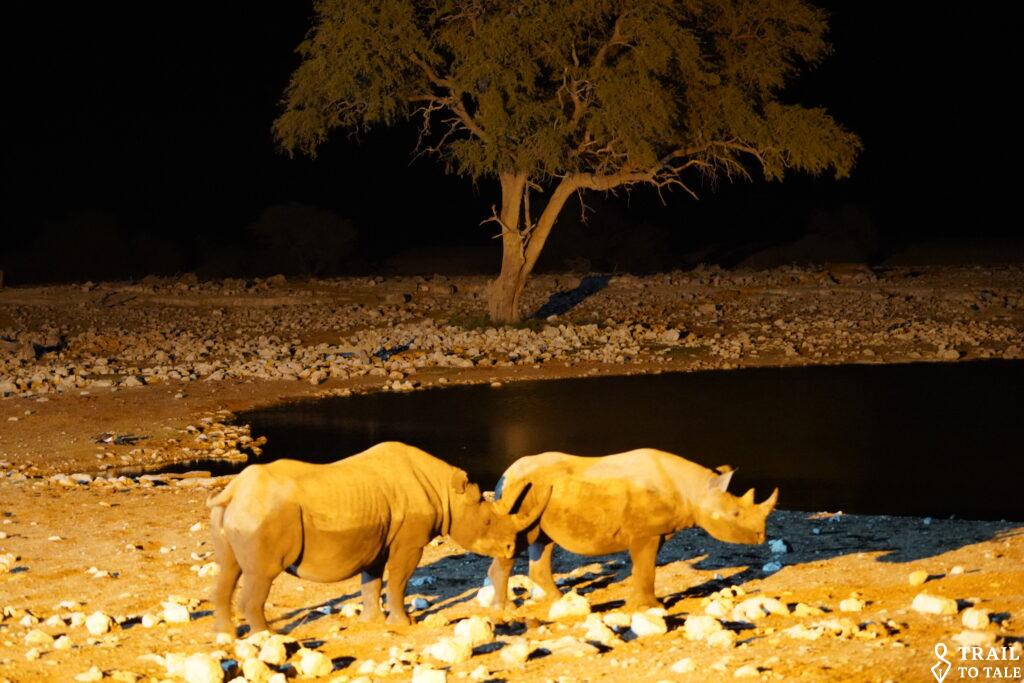
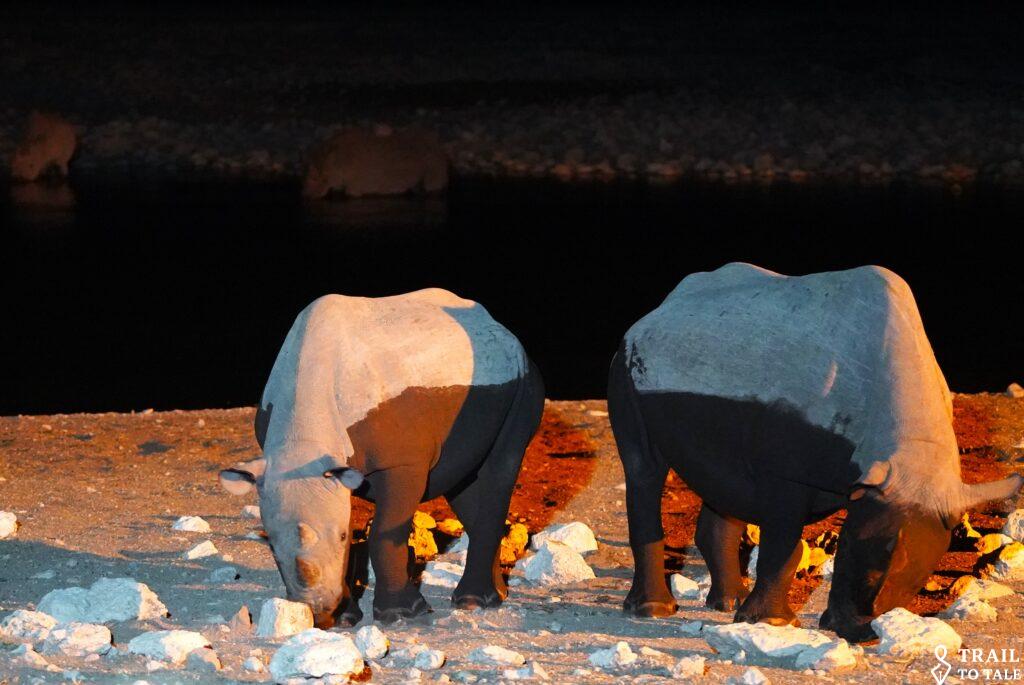
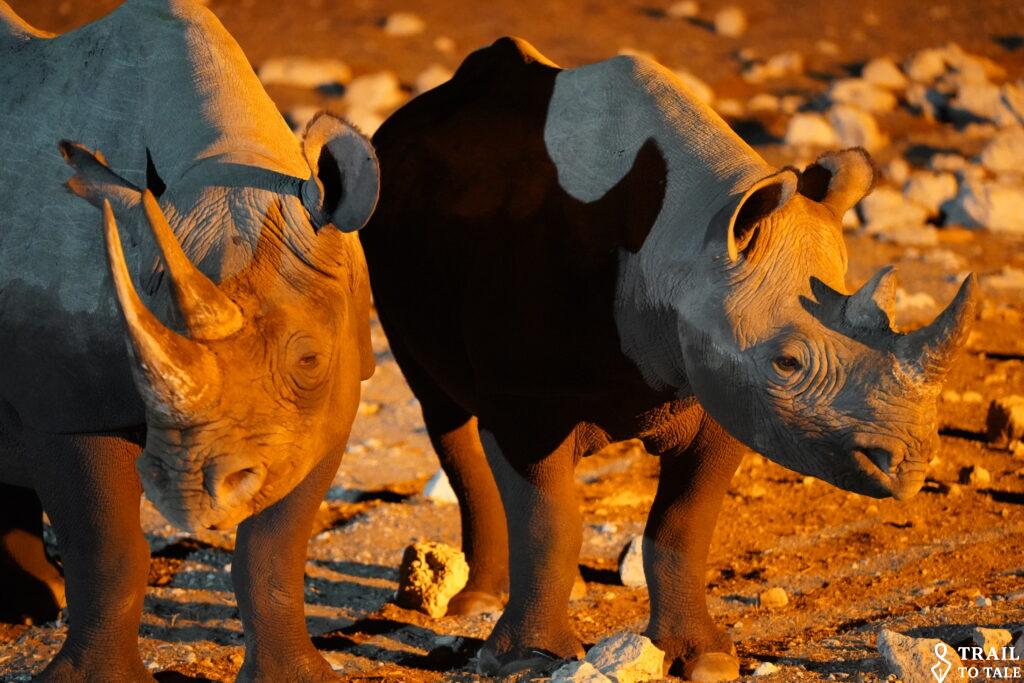
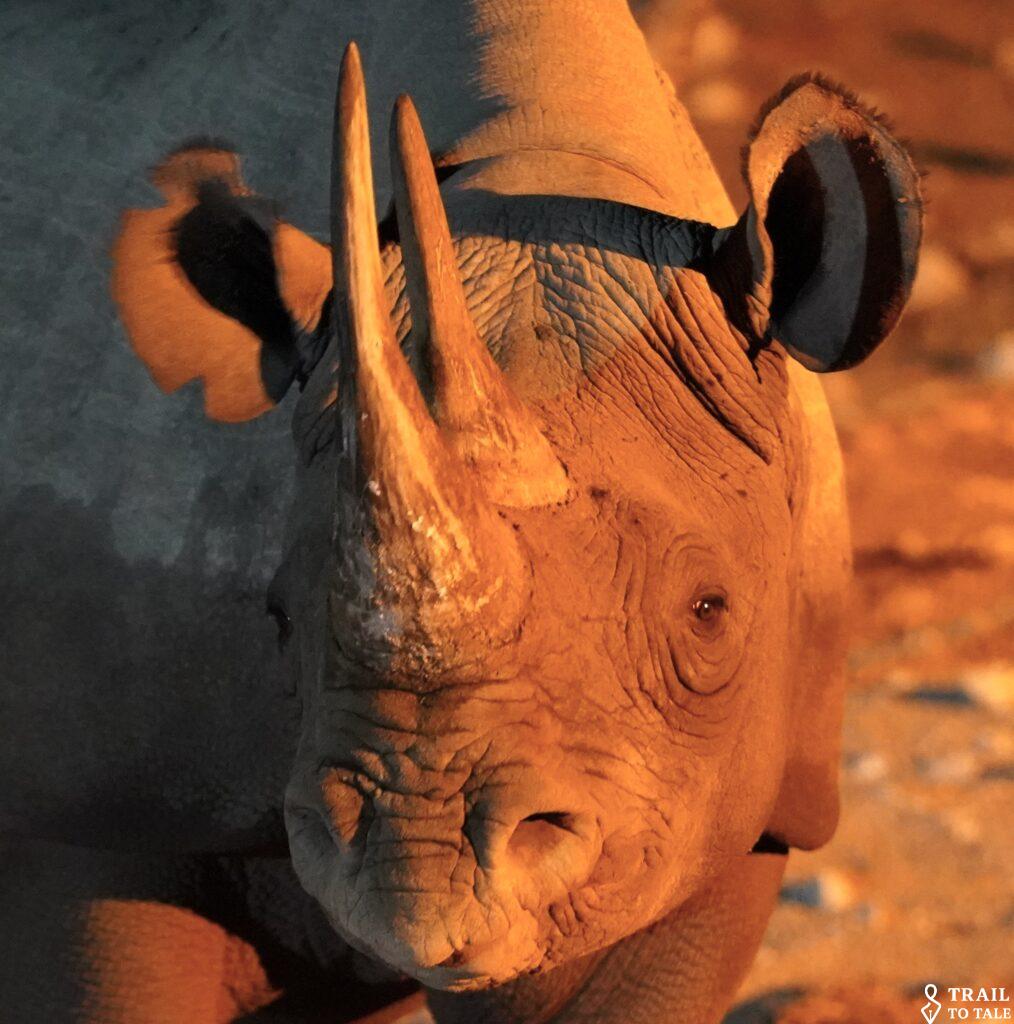
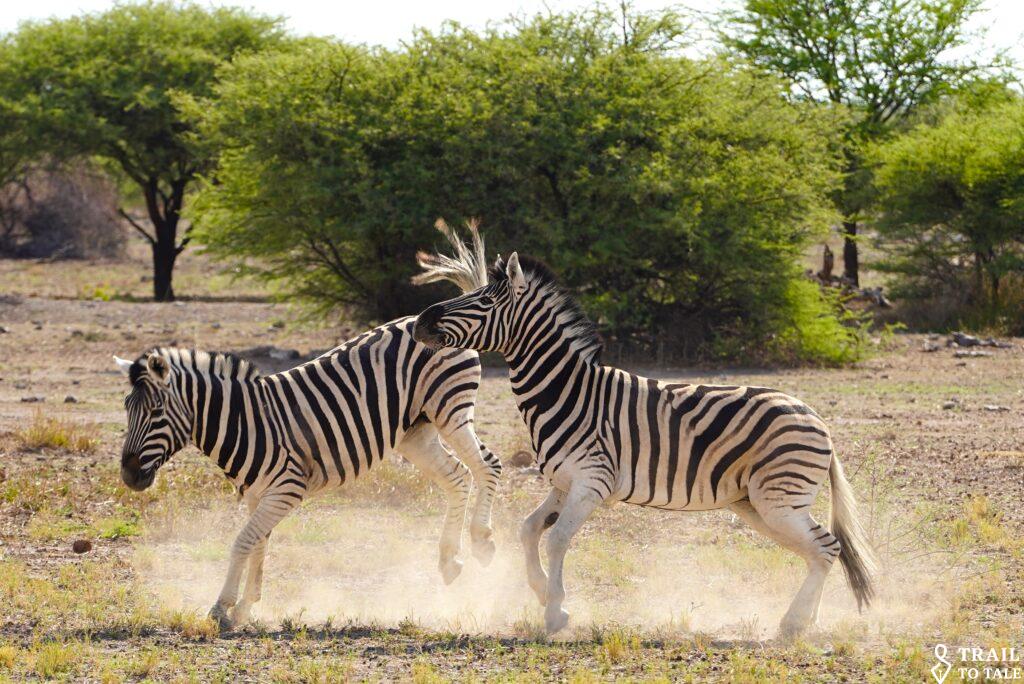
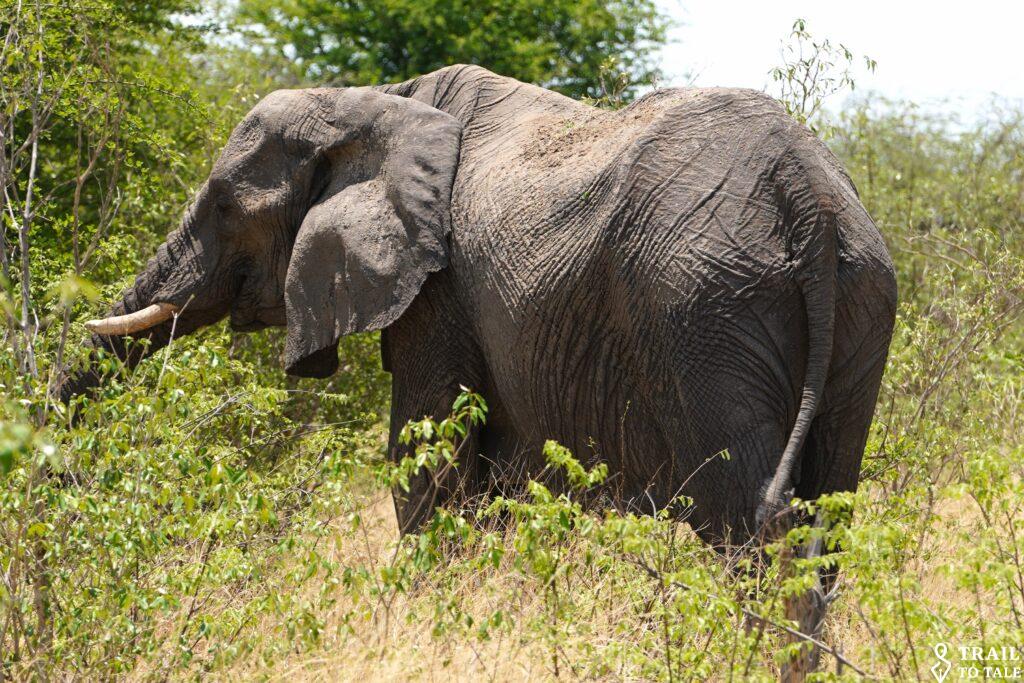
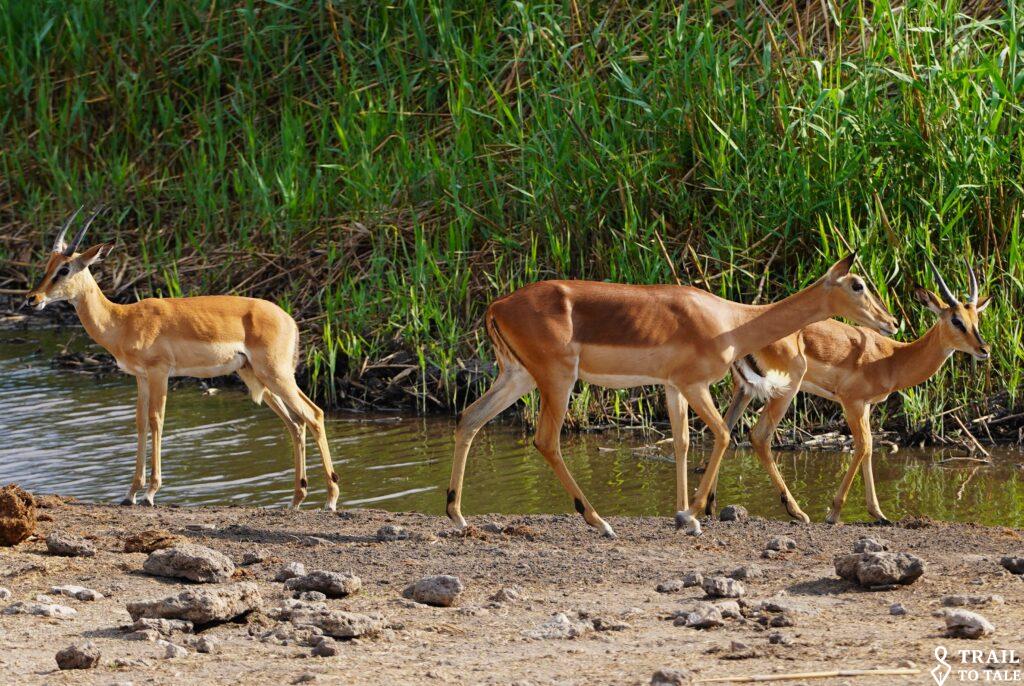
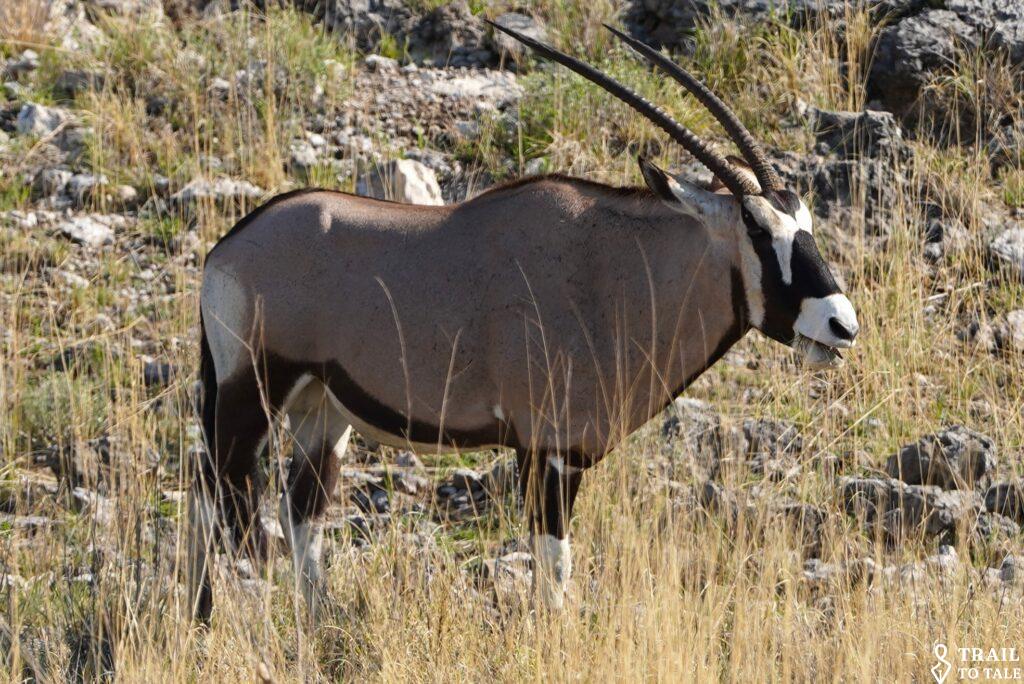
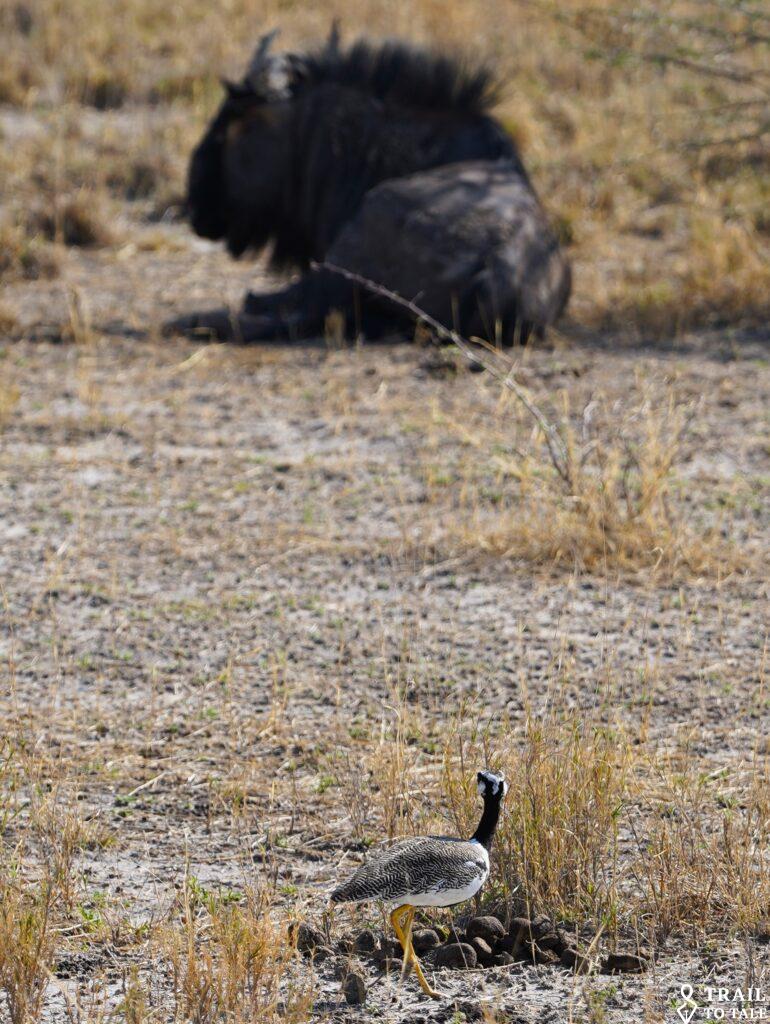
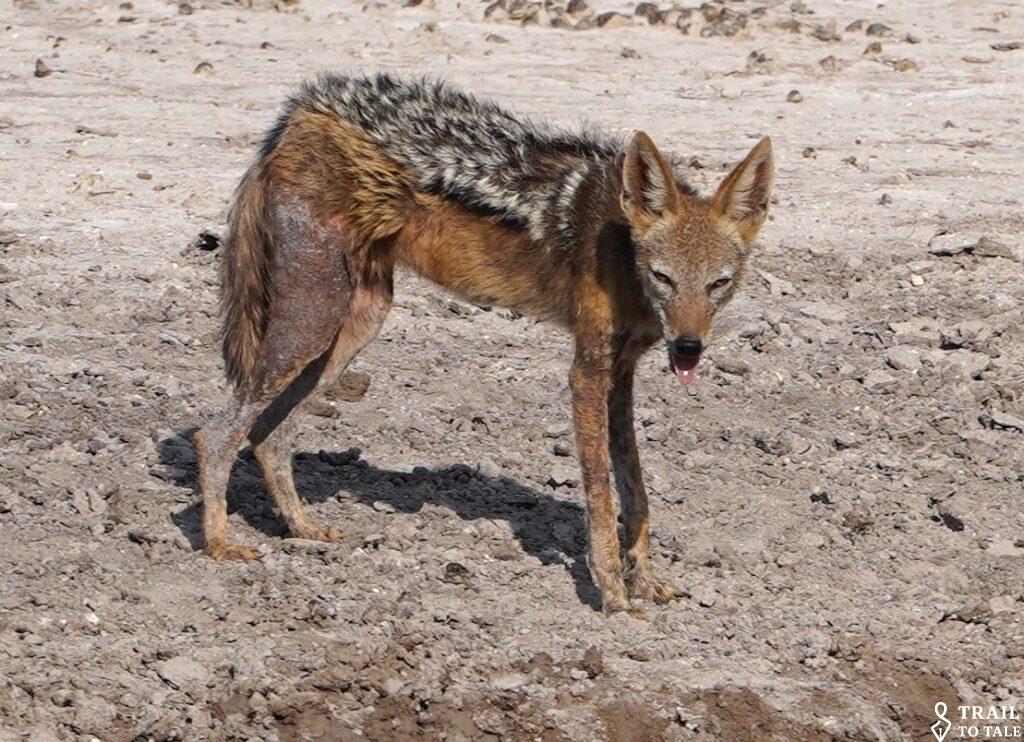
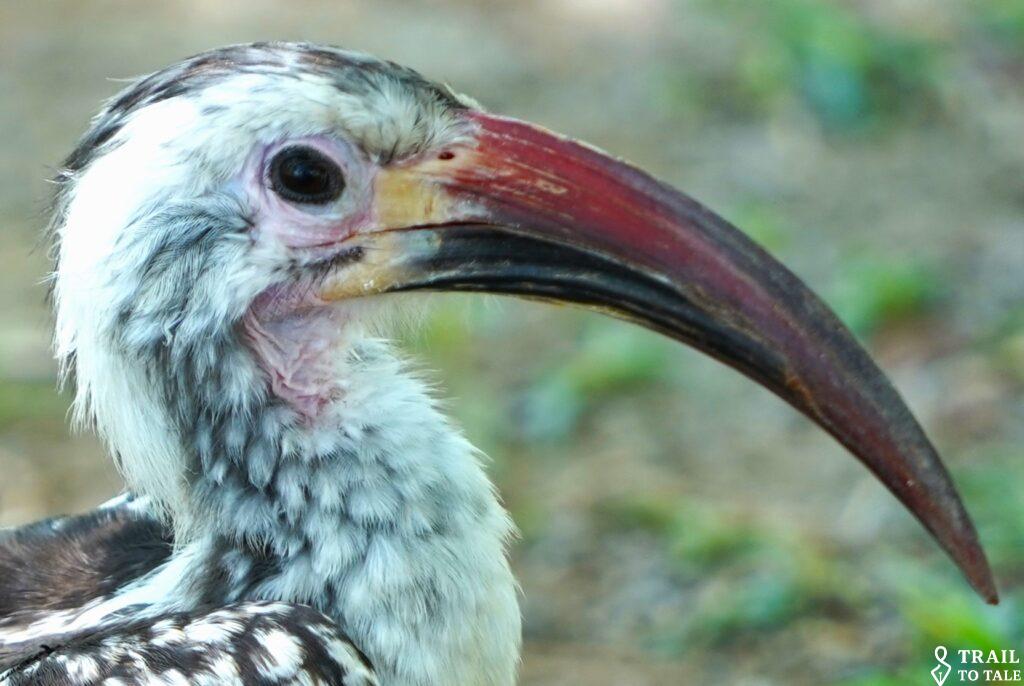
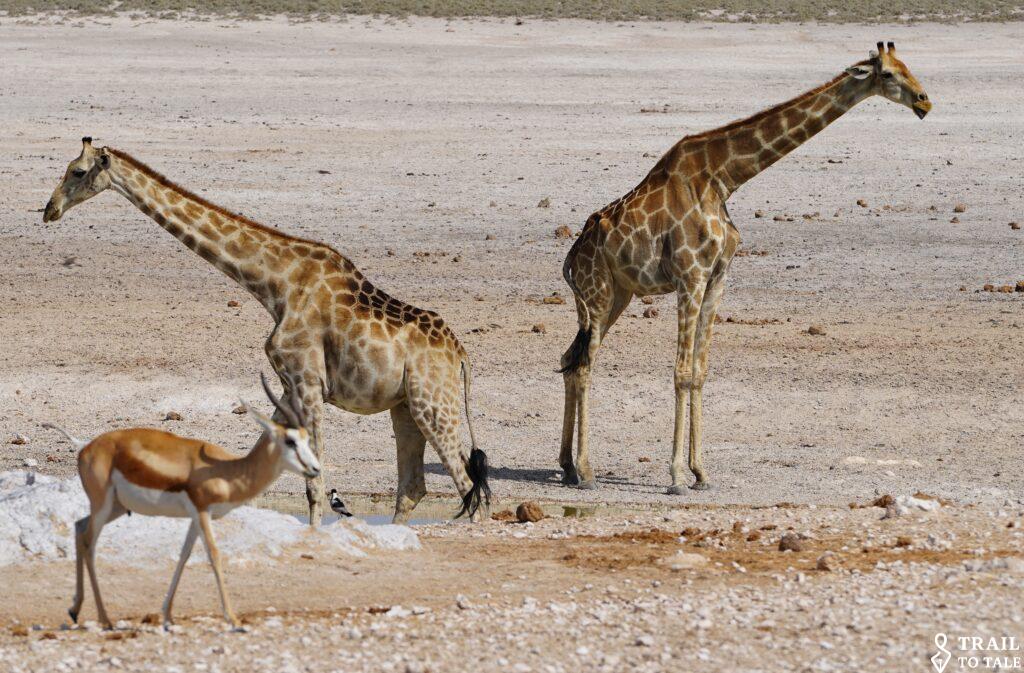
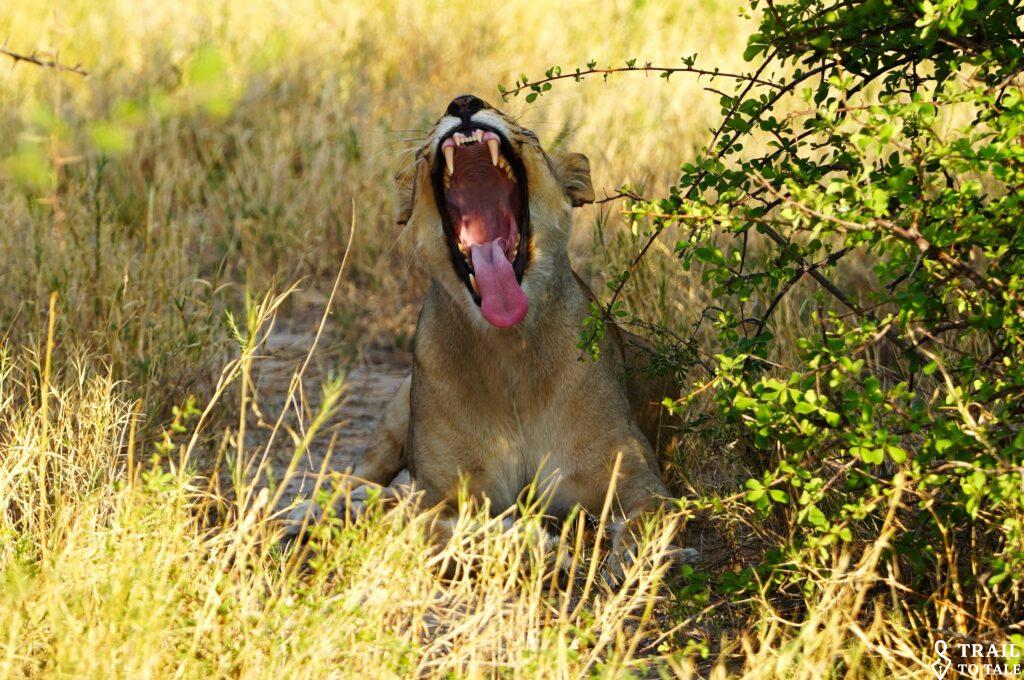
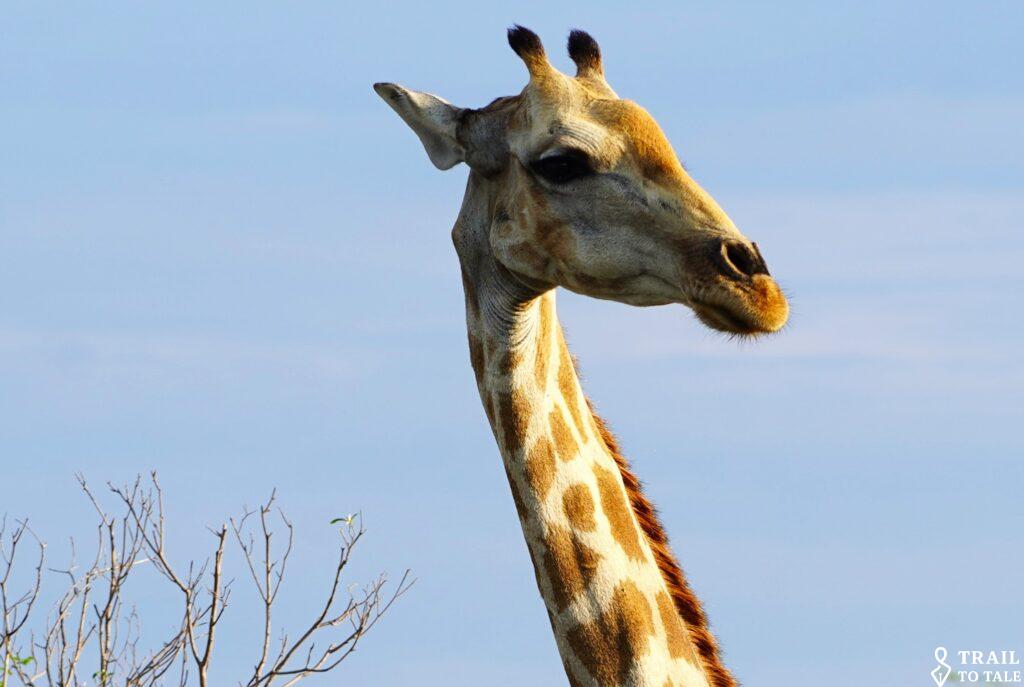
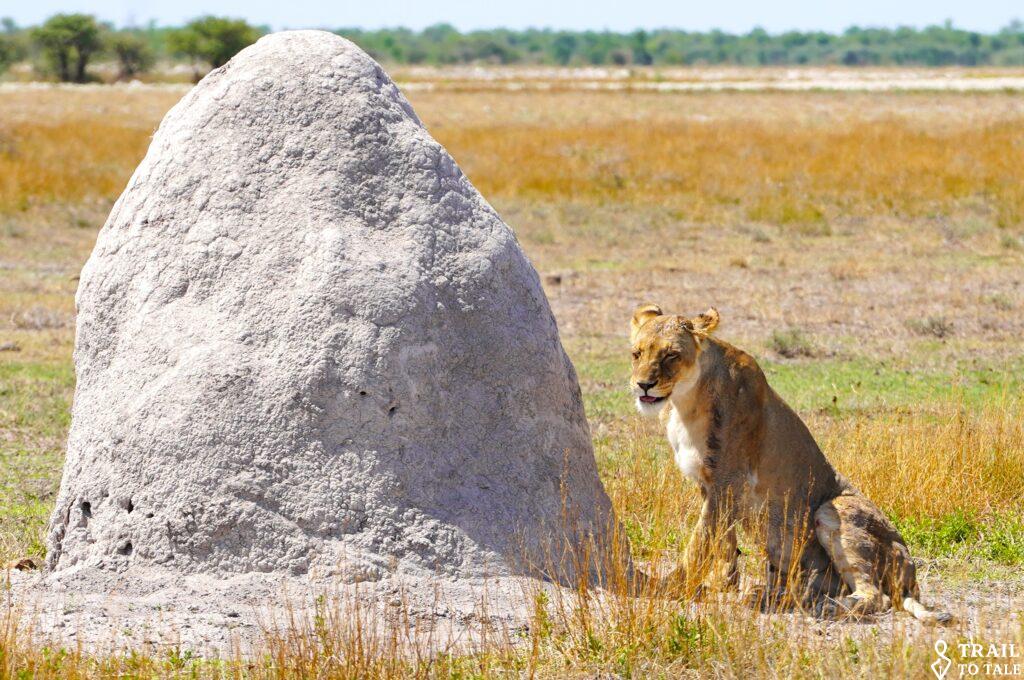
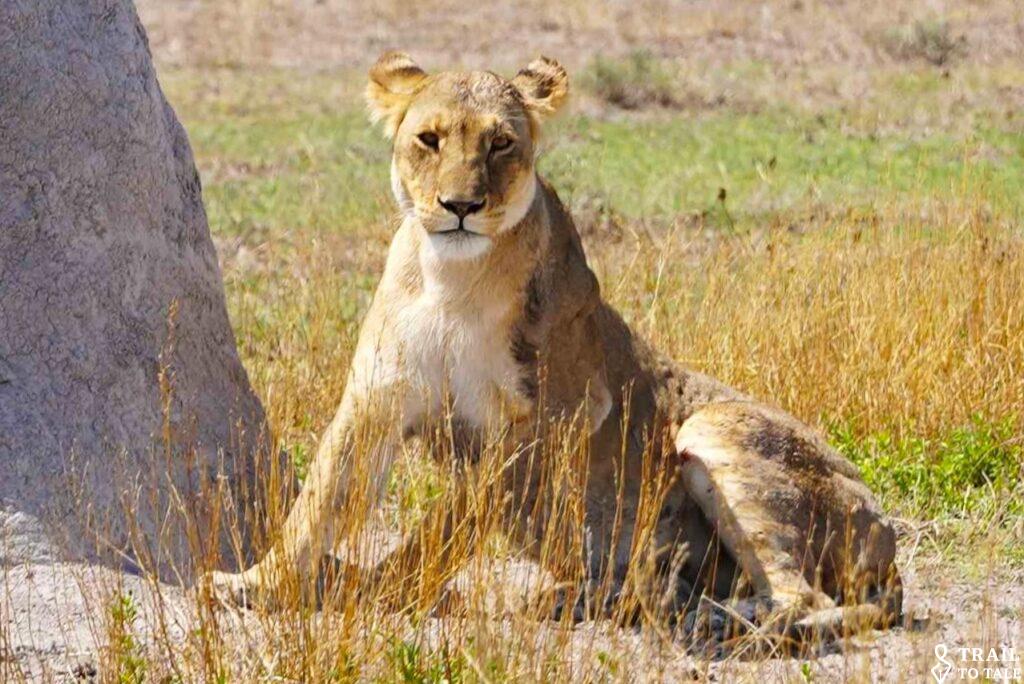
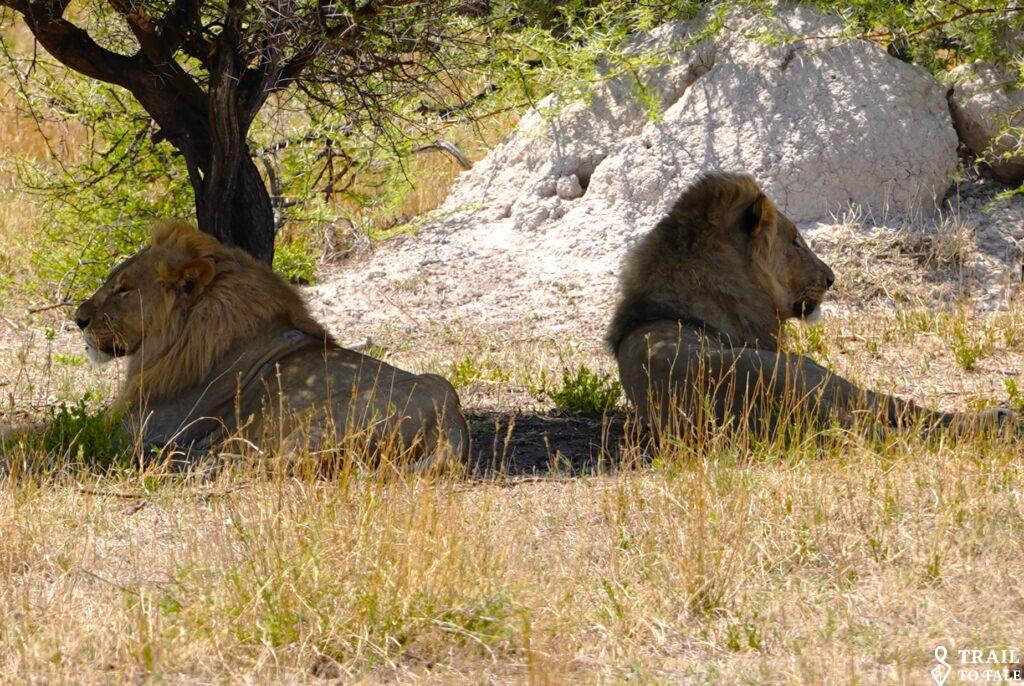
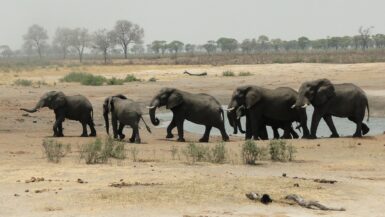
- Etosha is home to the Big Four (excluding the Cape buffalo): lion, elephant, leopard, and one of the last wild populations of endangered black rhino—alongside antelopes, cheetahs, and hyenas.
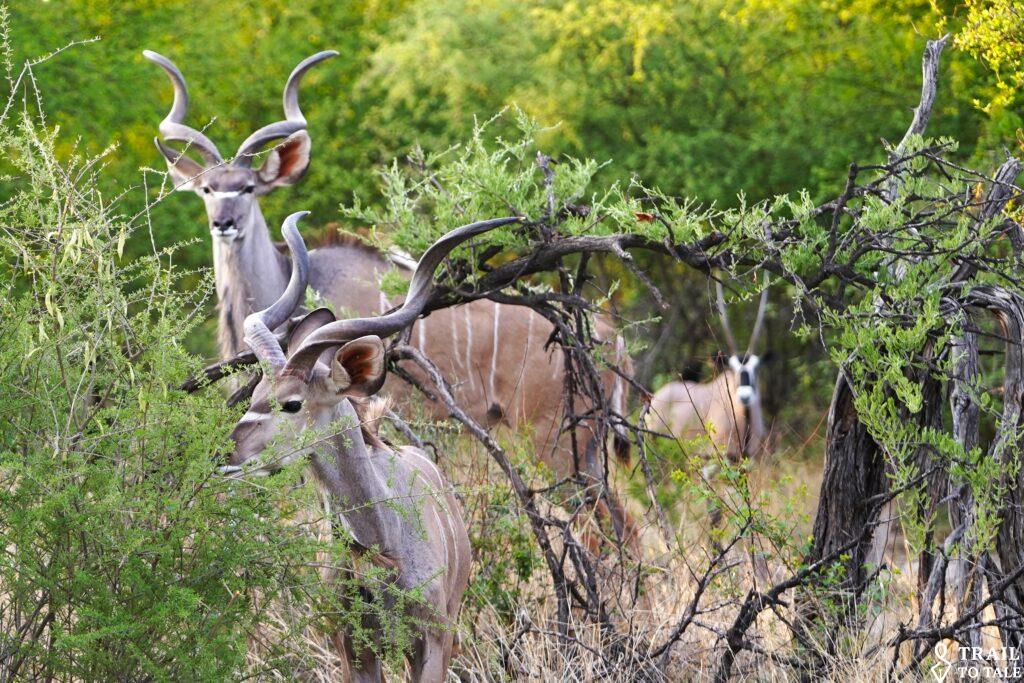
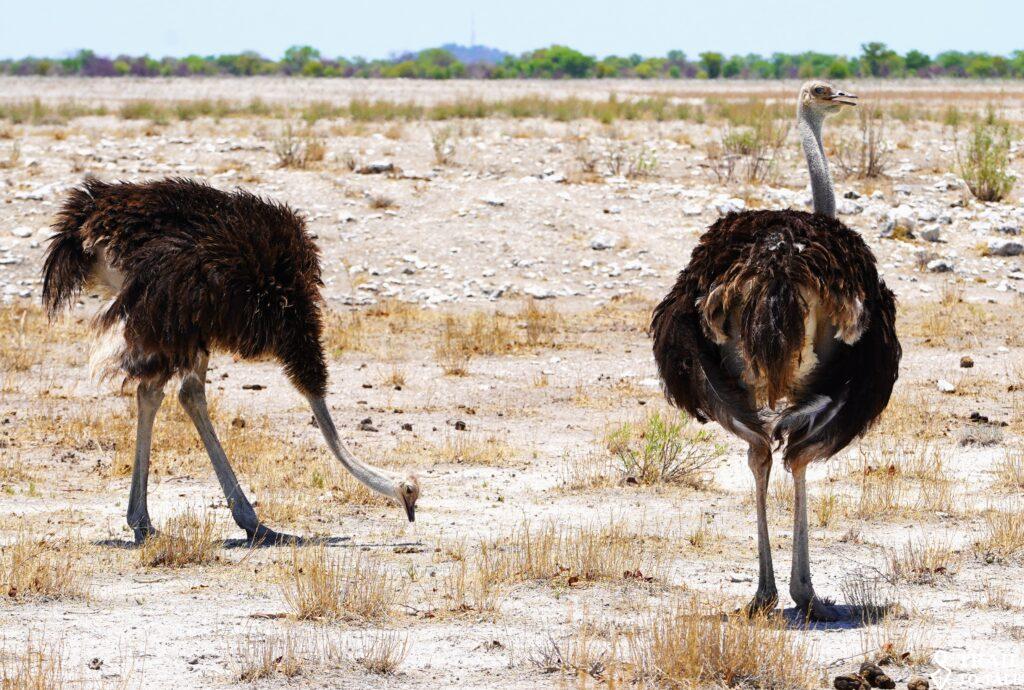
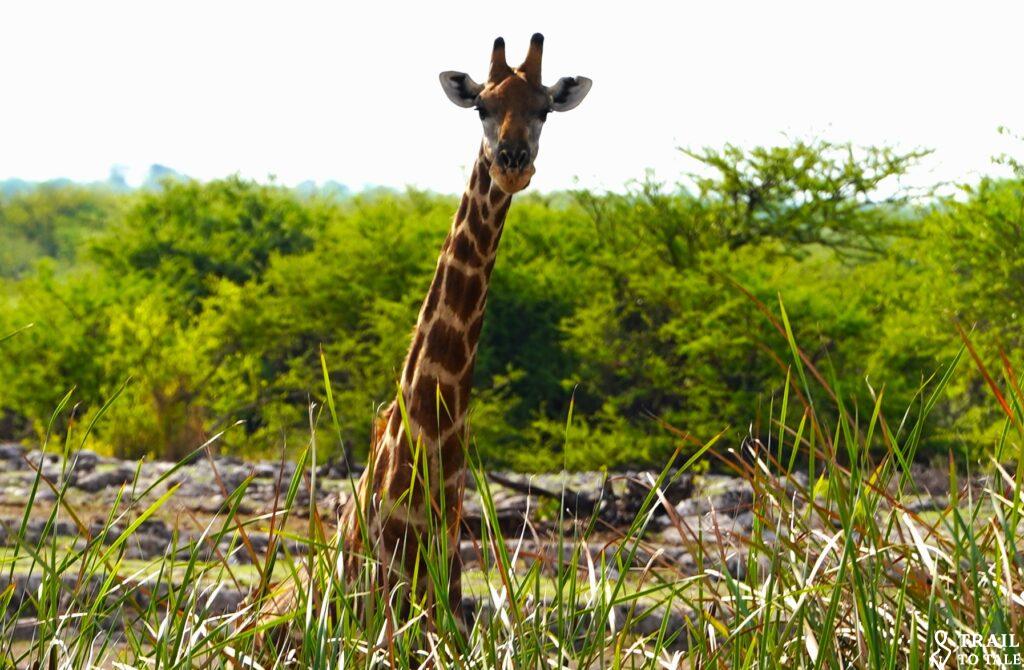
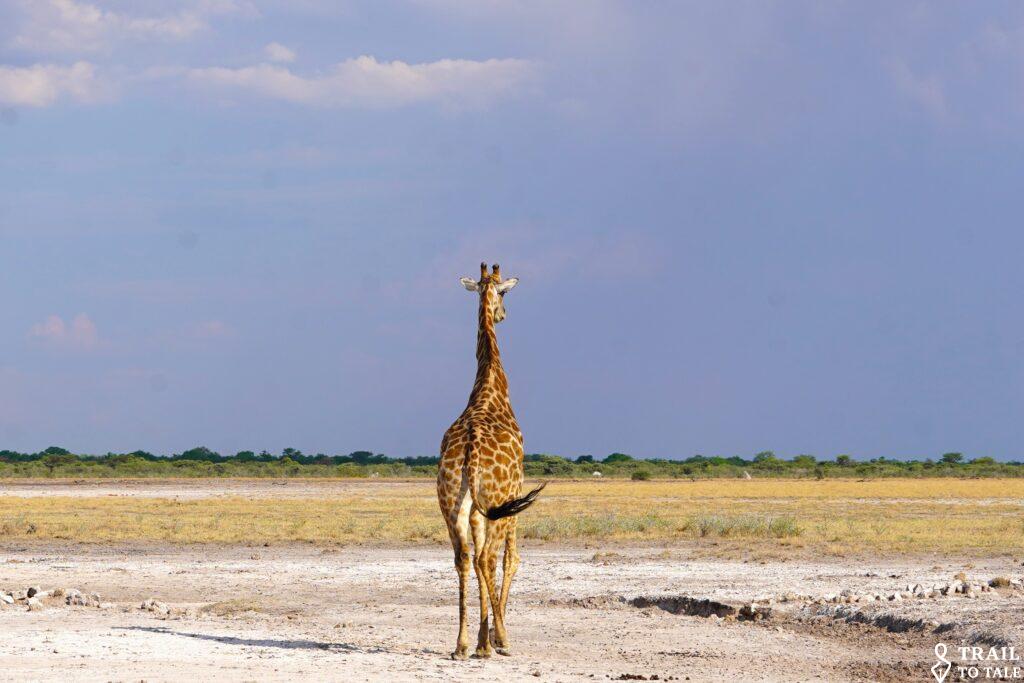
- The park’s open landscapes of grassland and thorn scrub make wildlife viewing especially rewarding—you can often spot game from far across the plains.
- Unlike many other reserves in Africa, Etosha is self-drive safari friendly, letting travelers explore at their own pace with excellent chances of close encounters.
Etosha was declared a national park in 1907. The author has known this national jewel since 1968, when he and 12 fellow Boy Scouts from across the country—then still called South West Africa under the Republic of South Africa—were based for several weeks at the western rest camp, Okaukuejo.
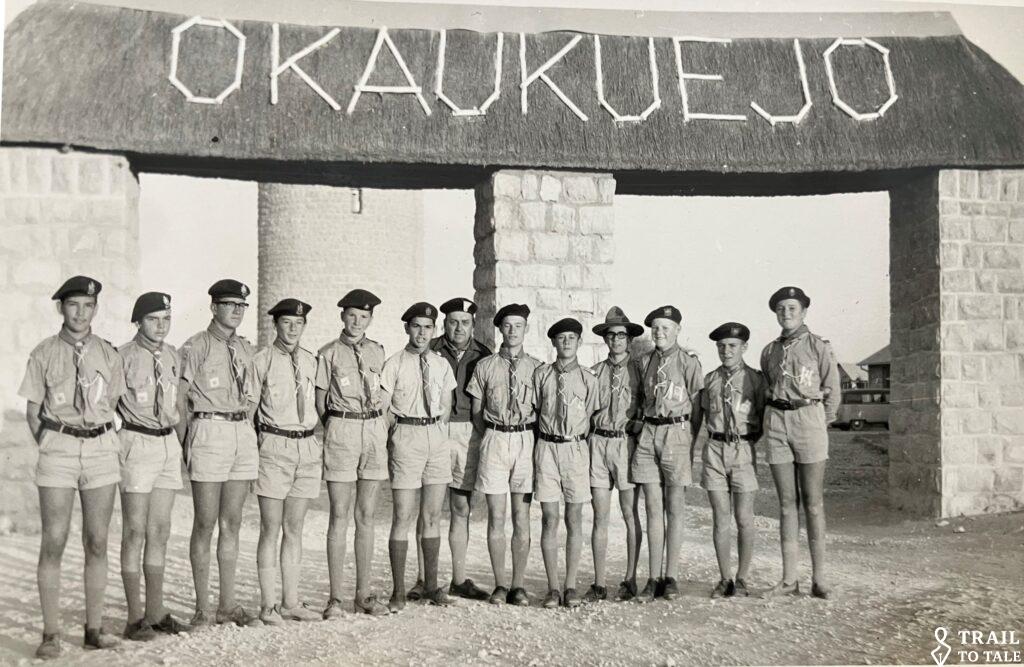
Their tasks included chopping wood for nightly campfires, cleaning the grounds, riding out with rangers to clear waterholes, and helping record and count wildlife. At the time, the legendary Peter Stark—author of The White Bushman—was also stationed there as a game warden, though he spent most of his time out in the bush tracking poachers.
Today, Okaukuejo is reached by passing through the town of Outjo.
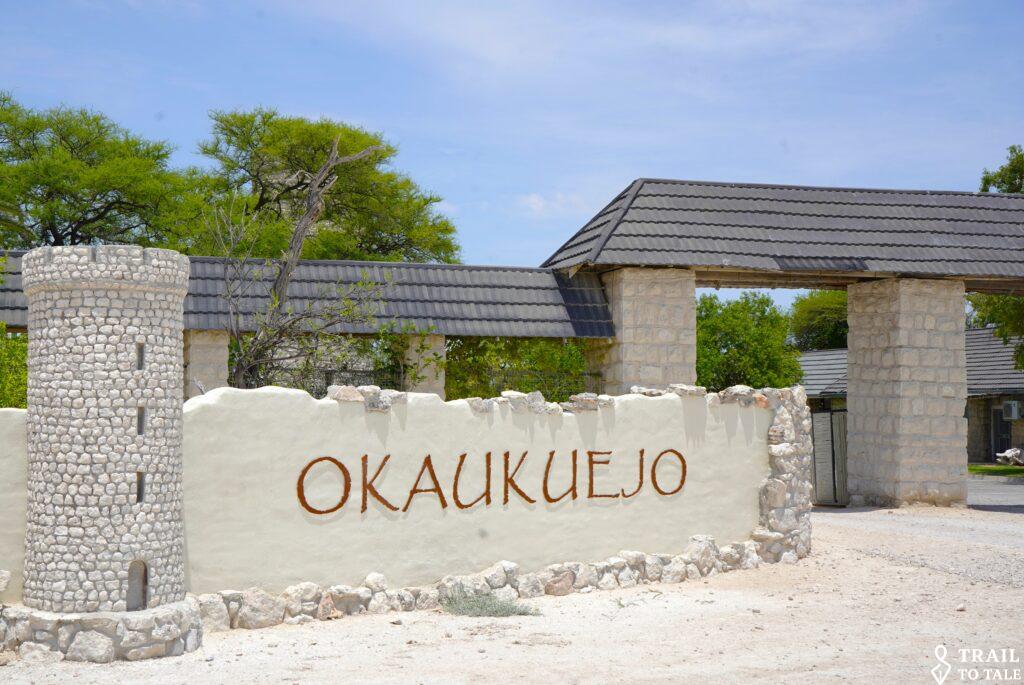
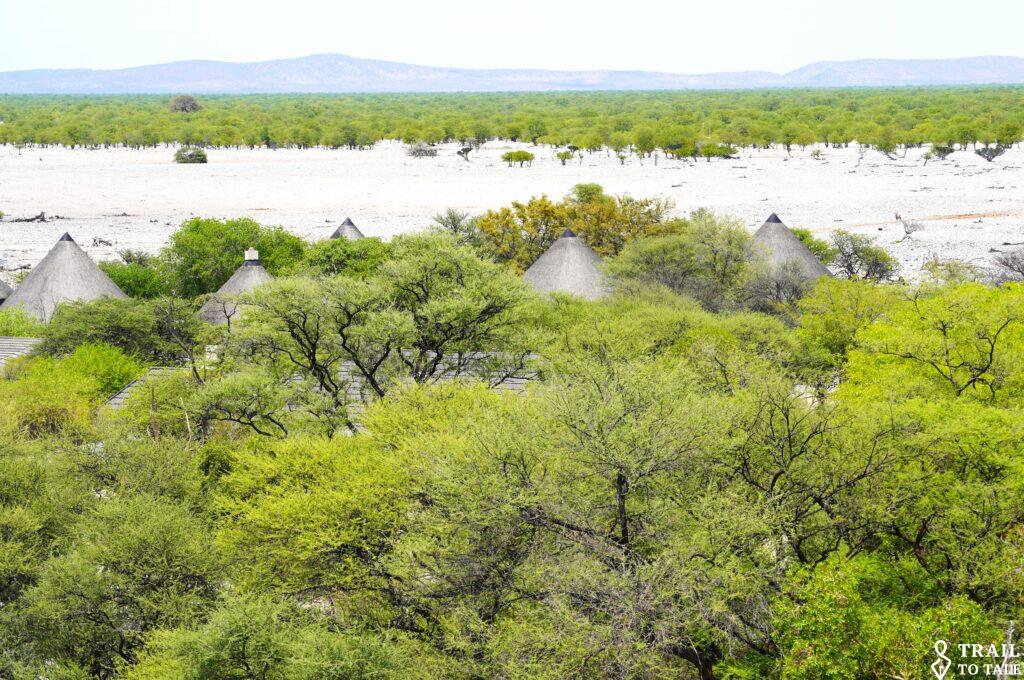
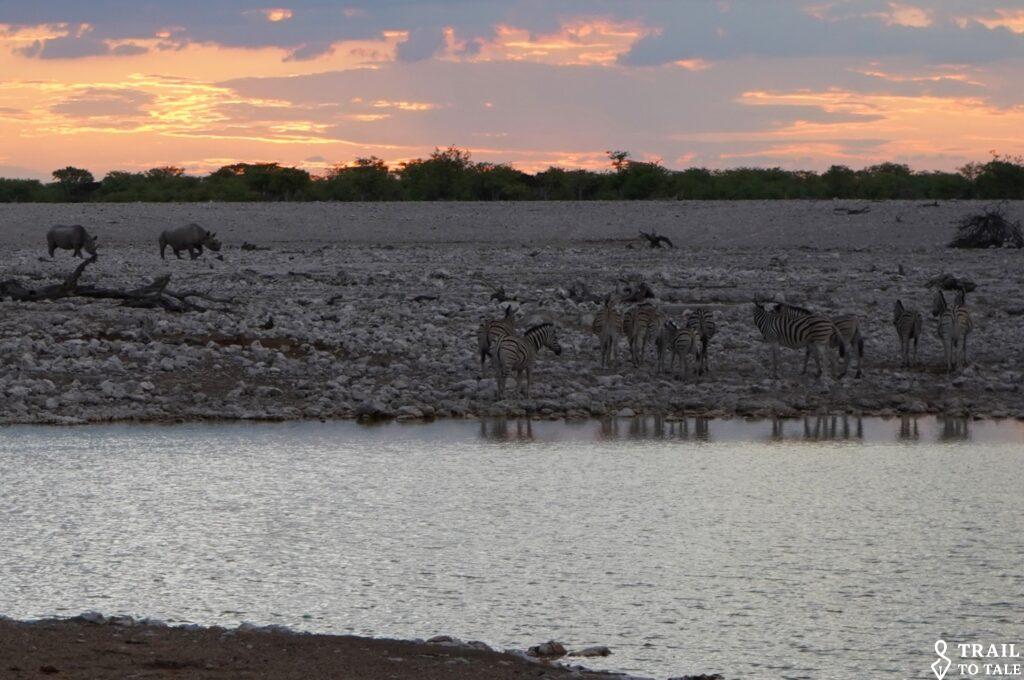
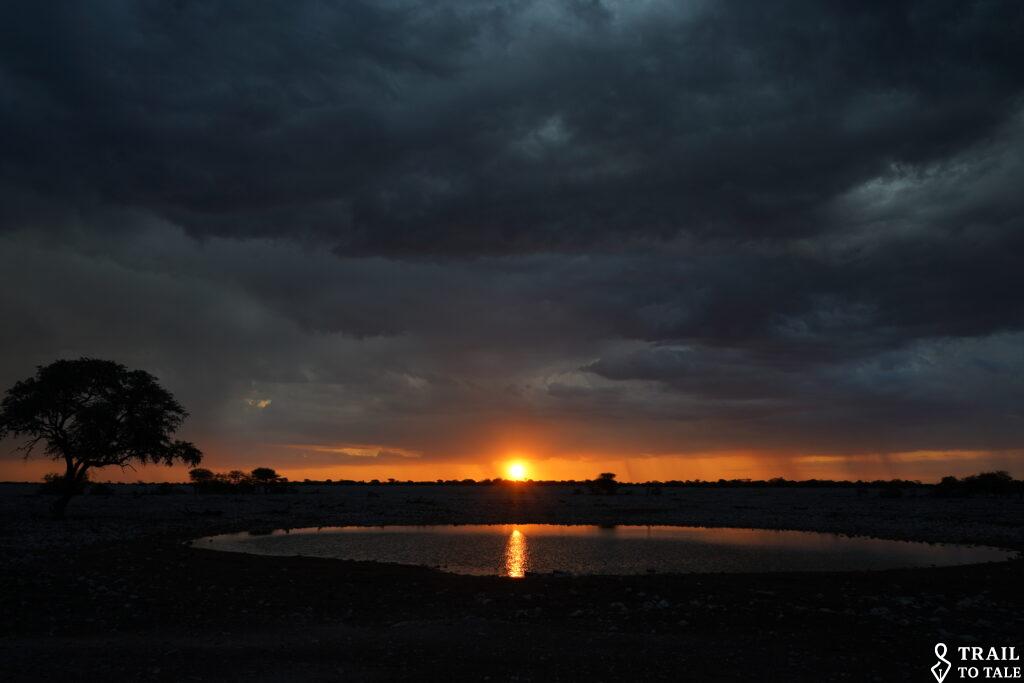
The waterhole just next to the camp is a fantastic place to settle in for an evening watch, as thirsty game animals often gather there around sunset—sometimes in large numbers.
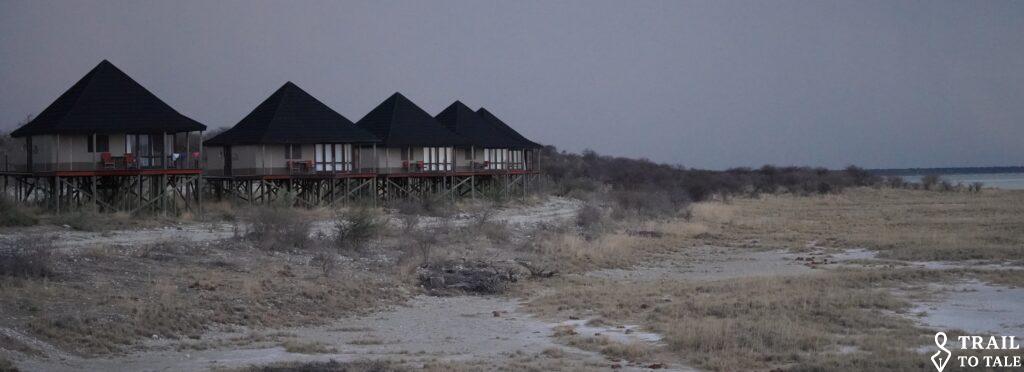
If entering Etosha National Park from the north via Omuthiya, you’ll soon reach the remote rest camp of Onkoshi, offering a quieter experience of the park.
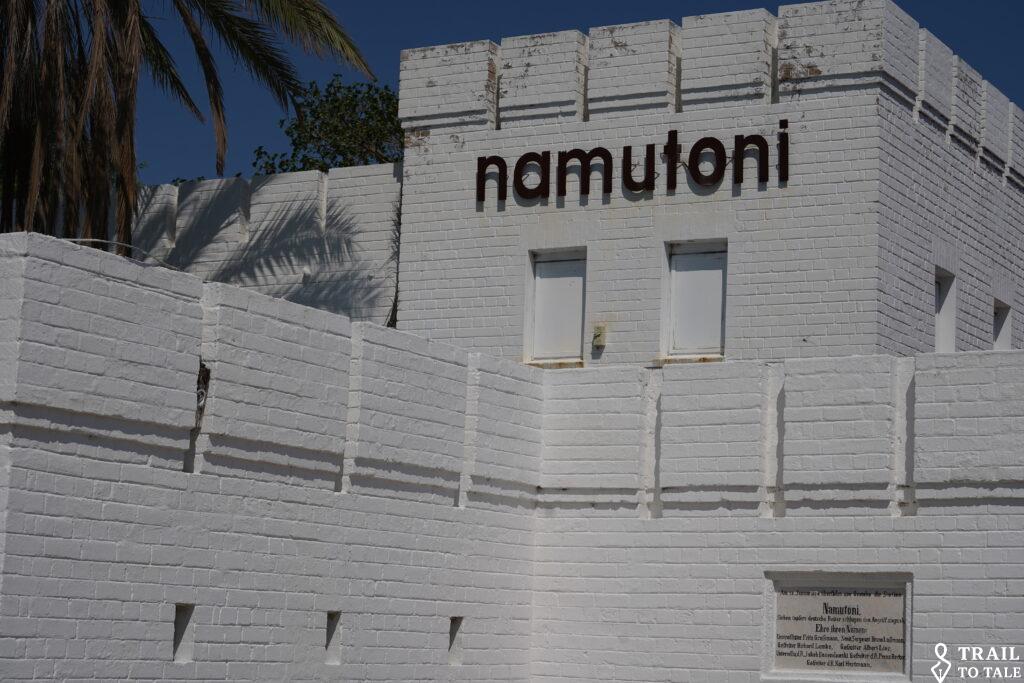
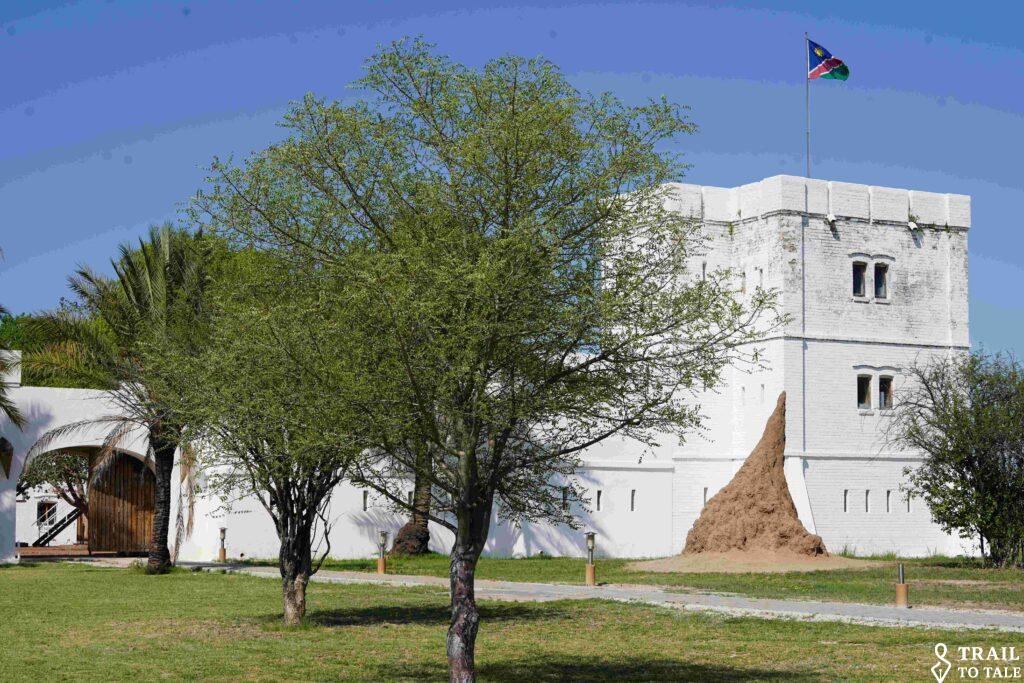
To the east lies Fort Namutoni, now converted into a rest camp. Dating back to the colonial era, it played a notable role in history: on 28 January 1909, the fort was attacked by 500 warriors of the Ovambo tribe. Remarkably, just seven German Schutztruppe managed to repel the assault and hold their position.
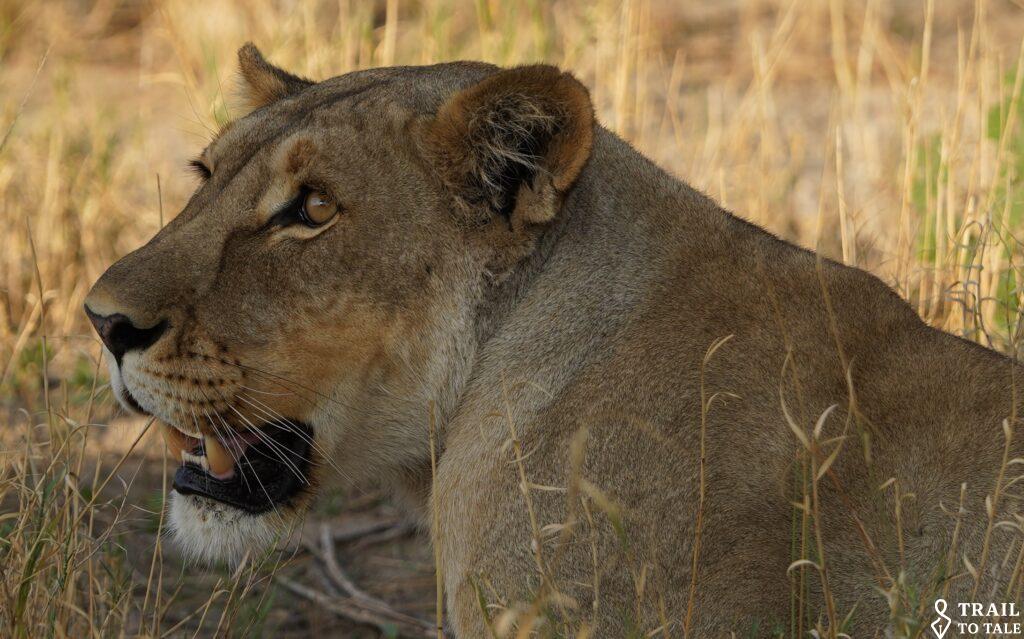
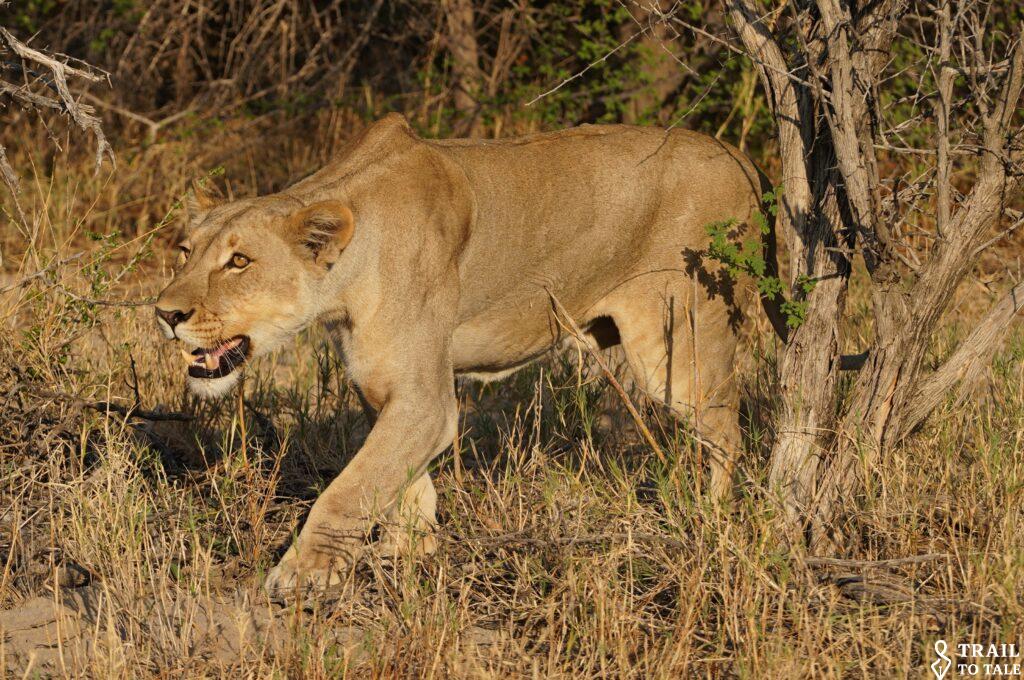
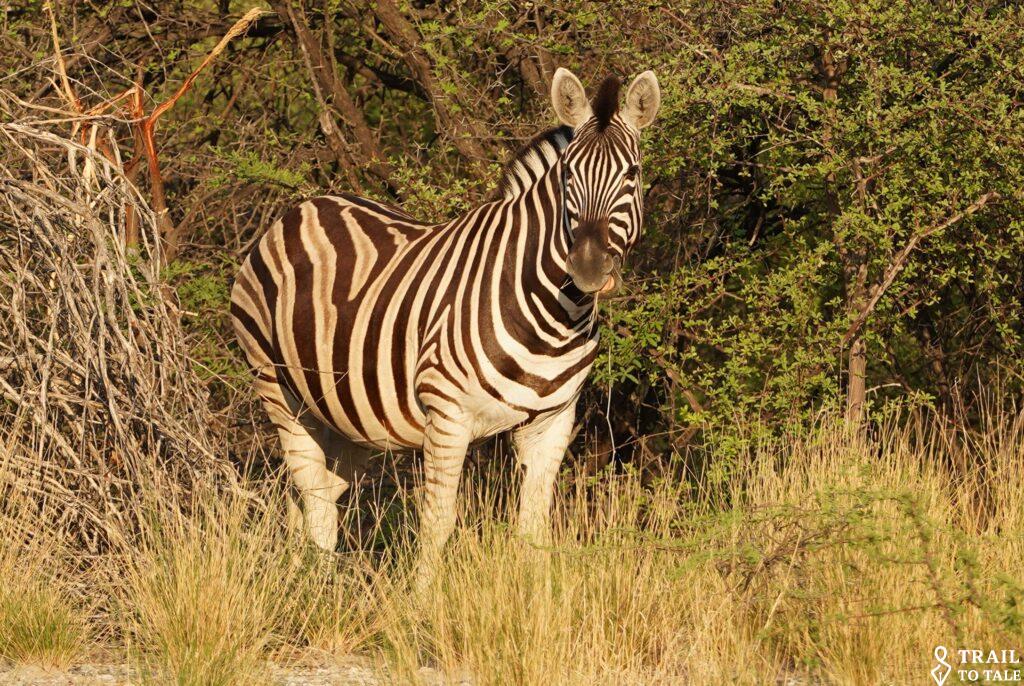
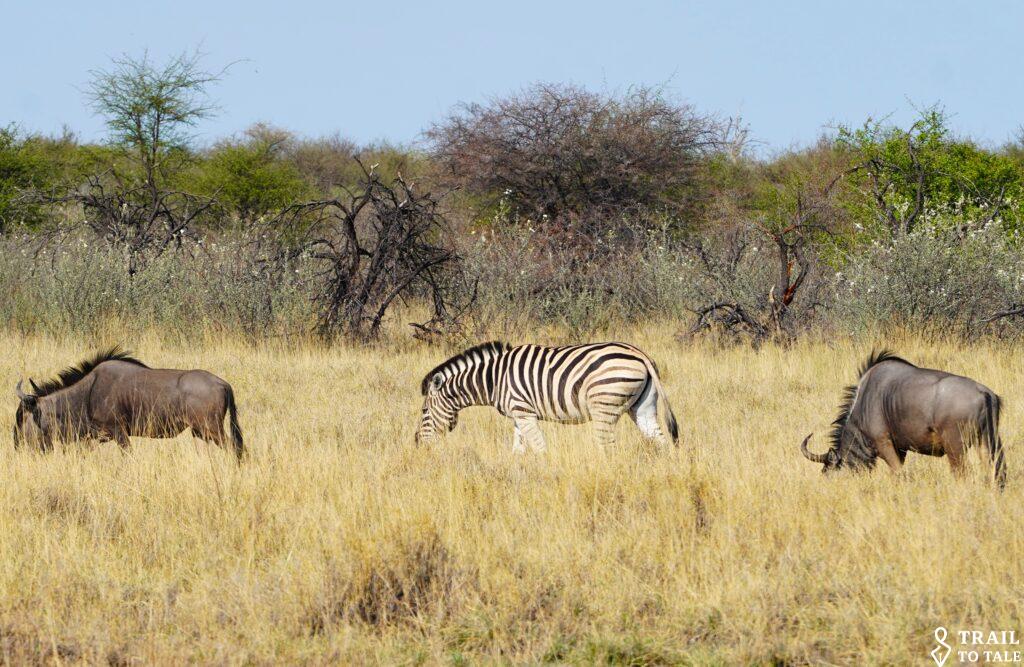
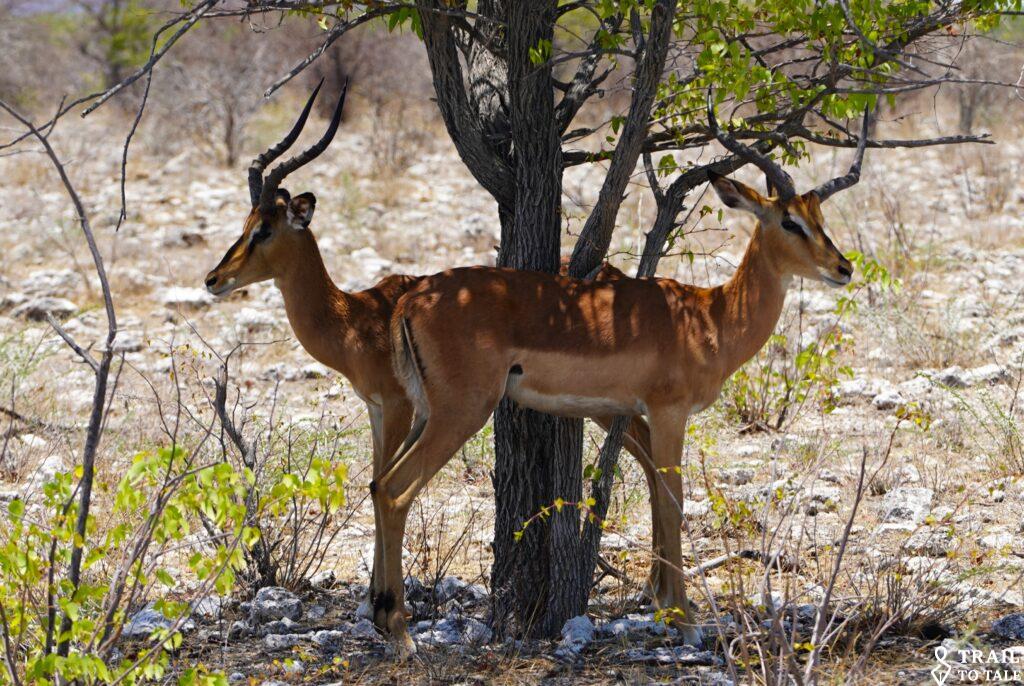
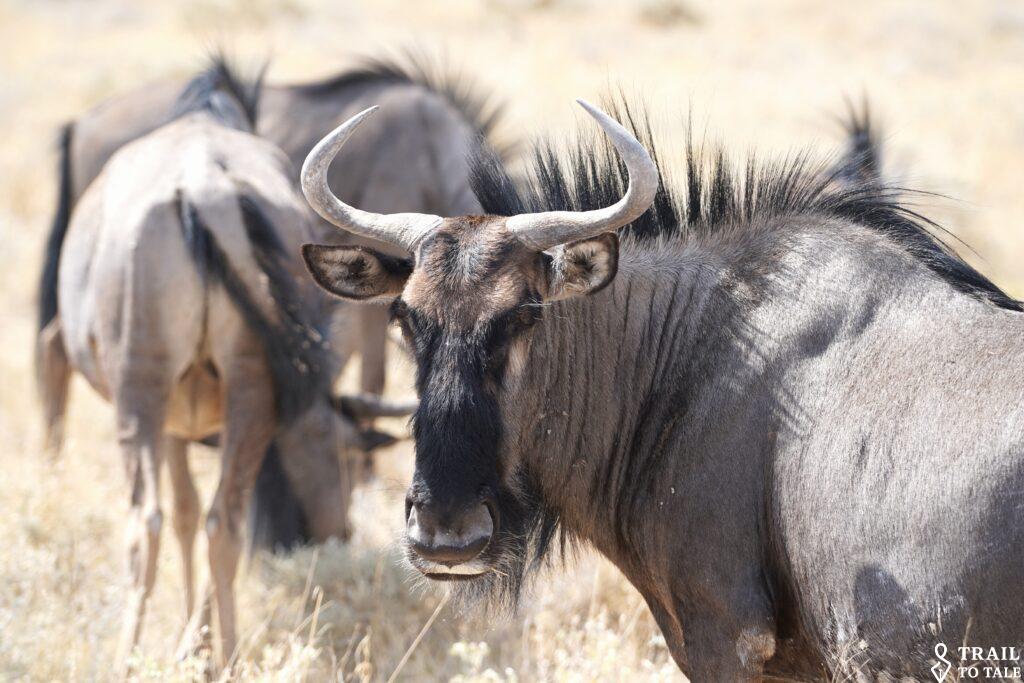
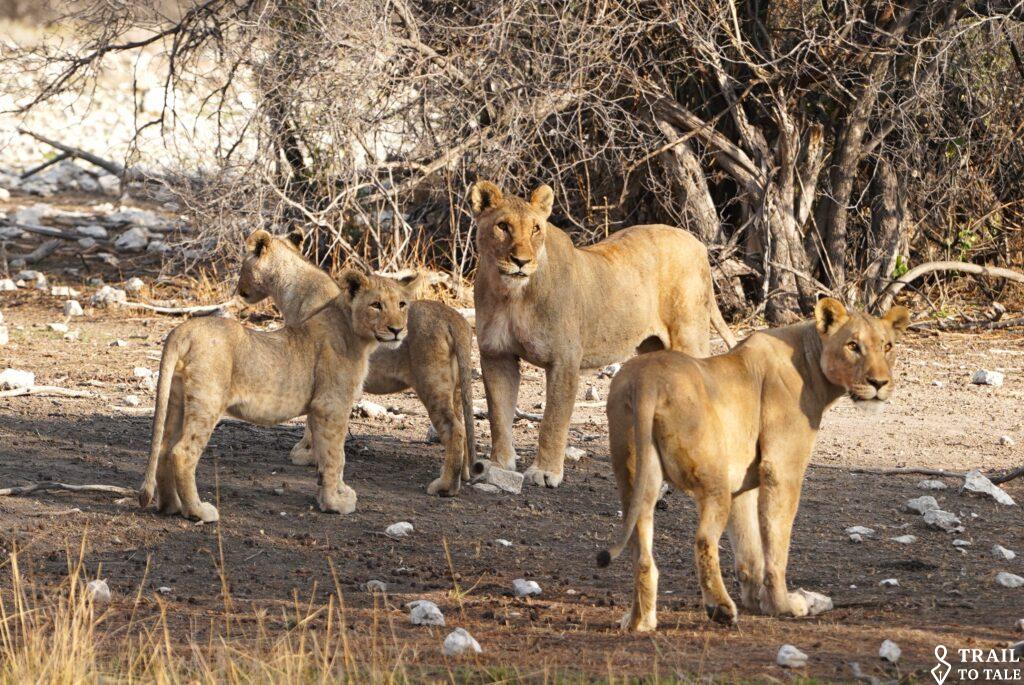
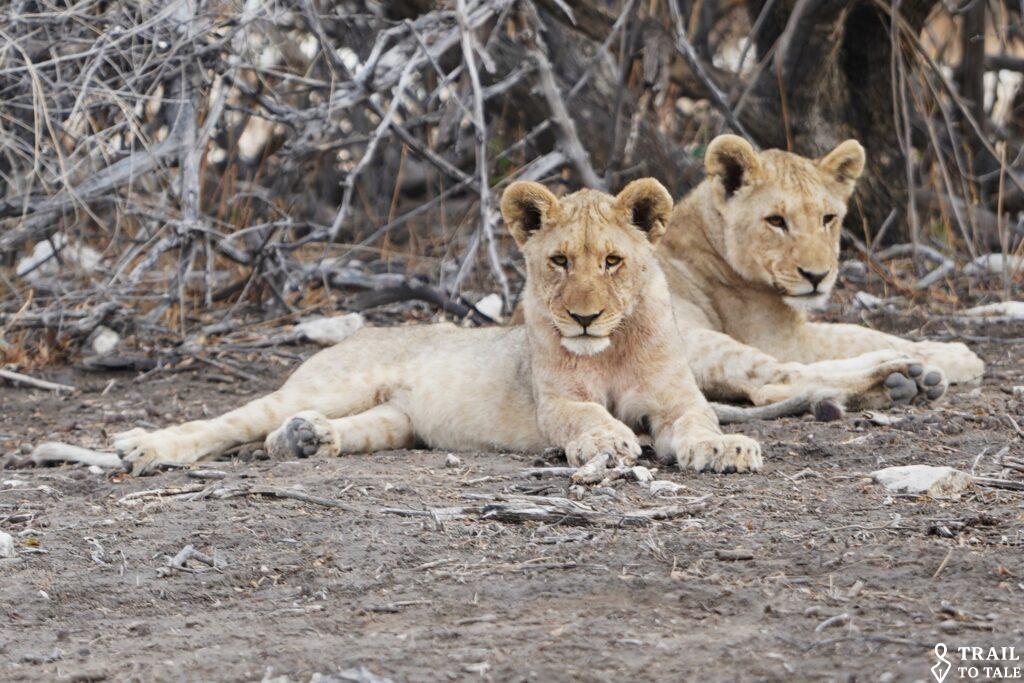
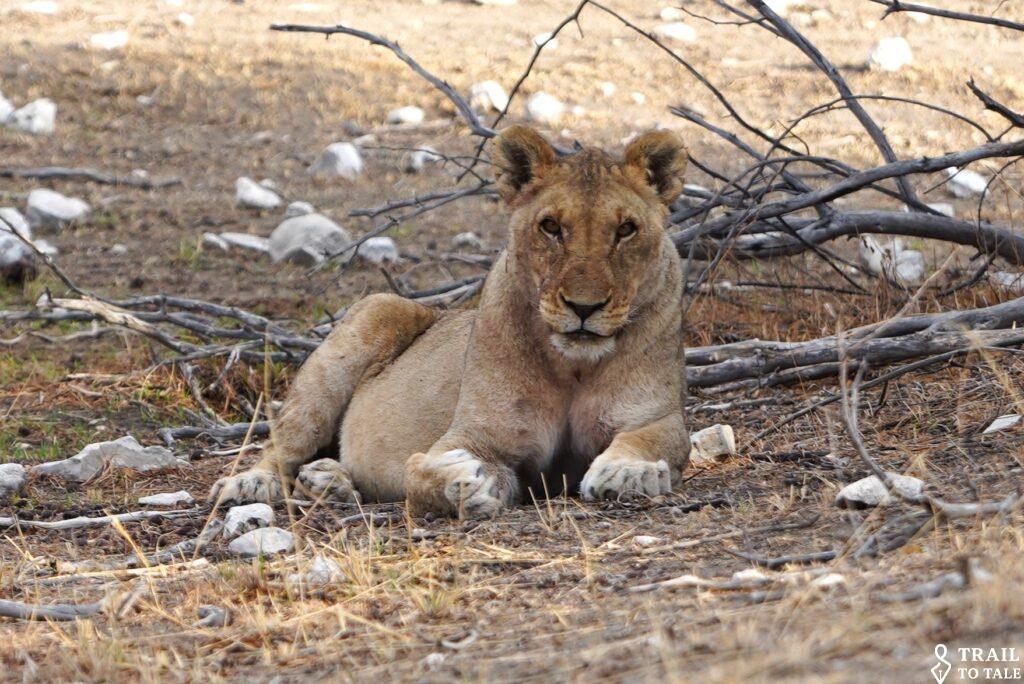
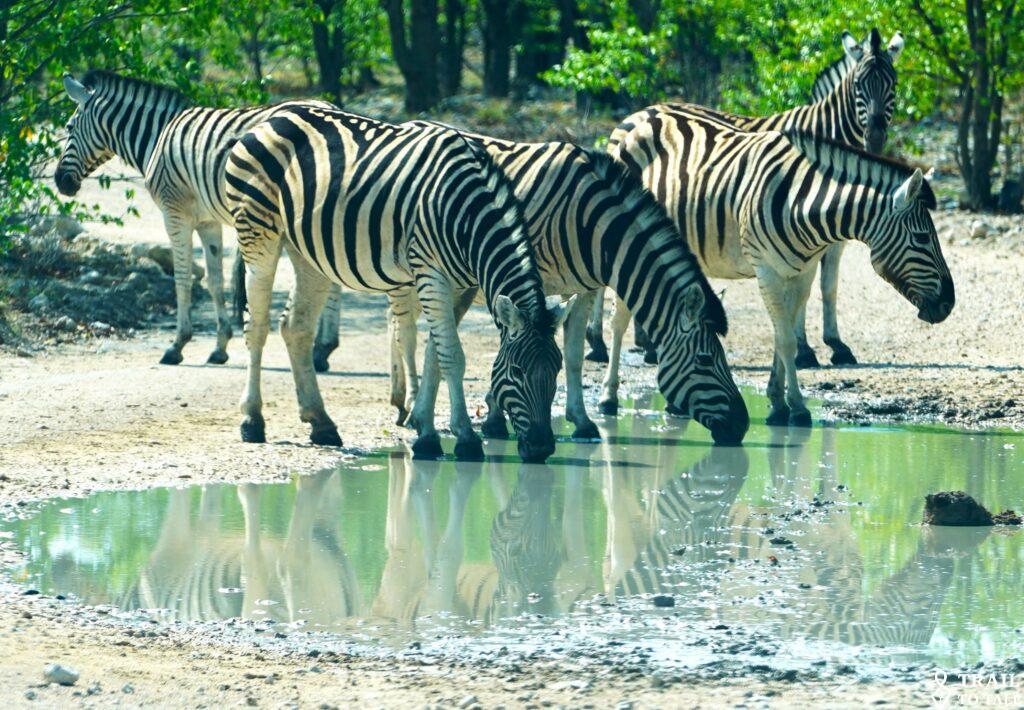
The best time to visit Etosha National Park is during the dry season (June to October), when animals congregate around waterholes and temperatures are cooler. During the wet season, roads can become muddy, and some areas may be inaccessible.
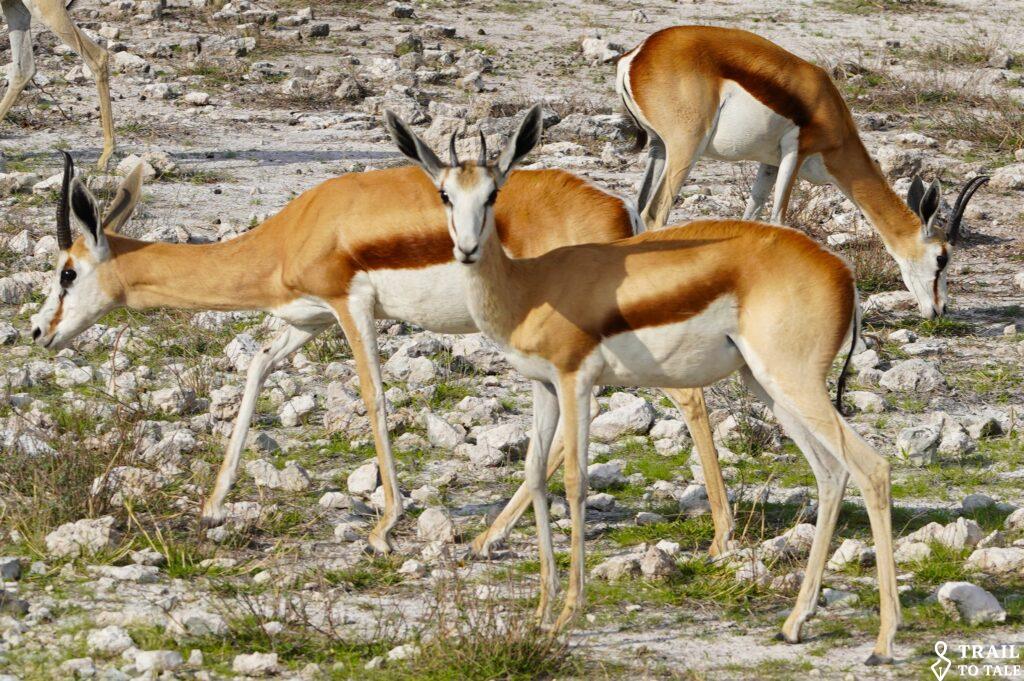
Springbok Herds on the Move
Leave a reply
You must be logged in to post a comment.