• Menu
  • Menu

Blog

Touring the southern provinces of Pakistan – Sindh’s heritage and Punjab’s history  

Karachi, Pakistan’s largest port and commercial hub, is the business center of this complex and highly diverse country. Many buildings were built during the British Raj between 1882 and 1889, The ‘Empress Market’, dominated by its 140-foot clock tower. Once one of Karachi’s principal marketplaces, it remains one of the city’s most recognizable colonial landmarks...

The Wakhan Corridor

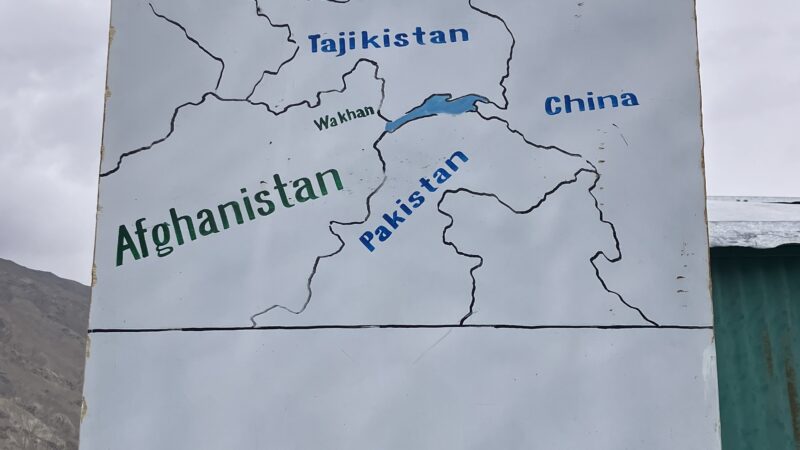
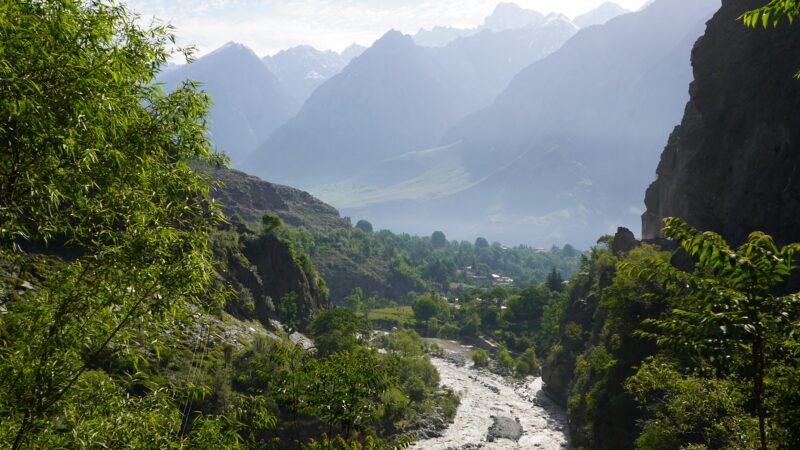
From Kabul it takes approximately 800 km north and crossing five provinces before reaching Badakhshan and, finally, its remote eastern district, the Wakhan Corridor. Here, the road gradually disappears into a world of towering mountains, barren valleys and vast distances. This narrow strip of Afghan territory is wedged between Tajikistan and Pakistan. At its eastern...

The North – Where the World’s Three Highest Mountain Ranges meet

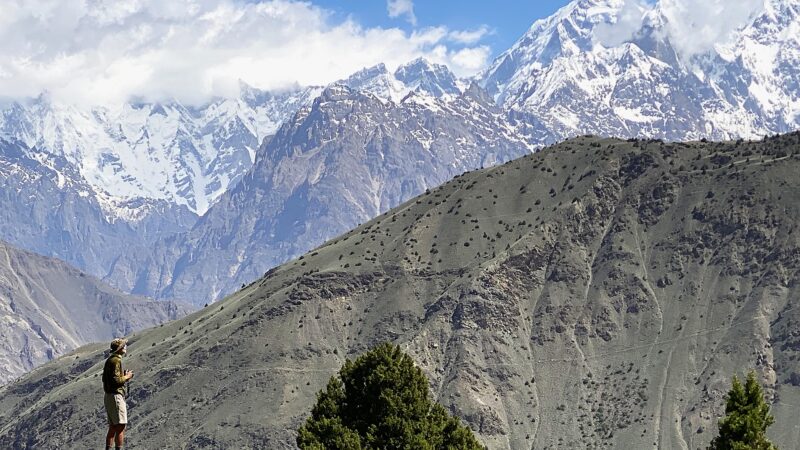
Standing at the confluence of the Karakoram, Hindu Kush, and Himalayas is a humbling reminder of nature’s scale. Over four decades, Nepal has never lost its beauty, but it has changed. Since the author’s first trek in 1981 to the base camps of Mount Everest, Lhotse, and Nuptse, he returned many times. The towering peaks remain, but the atmosphere has shifted...

Rural Afghanistan

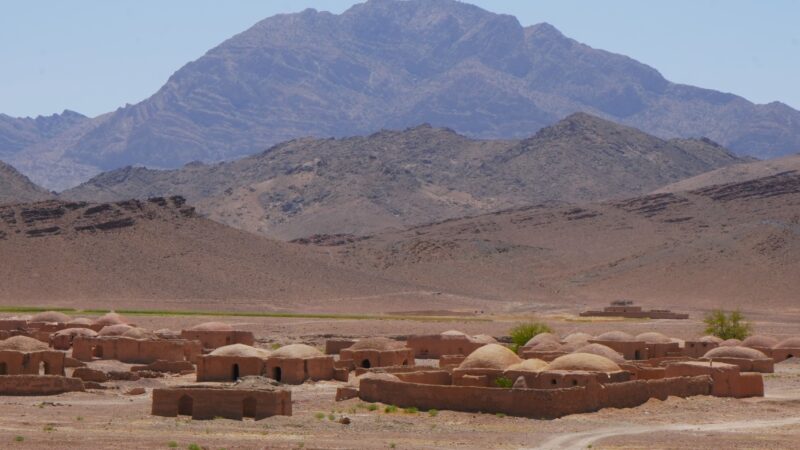
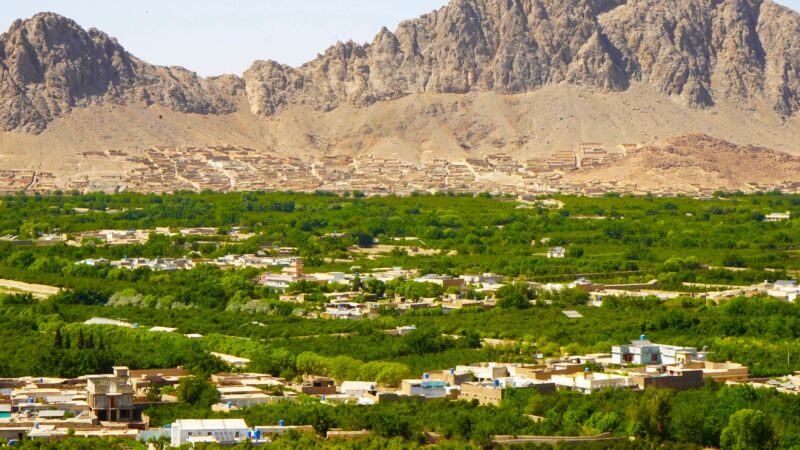
Away from Afghanistan’s major cities, a much more traditional and conservative way of life is clearly evident. Villages are often built from sun-dried bricks made of sand, clay and straw, with walls later plastered with mud. Alternatively, carefully stacked local rocks, skillfully bonded with mud or clay, serve the same purpose. Within these villages, women and girls...

Lapis Lazuli – Blue Lakes of Band-e Amir

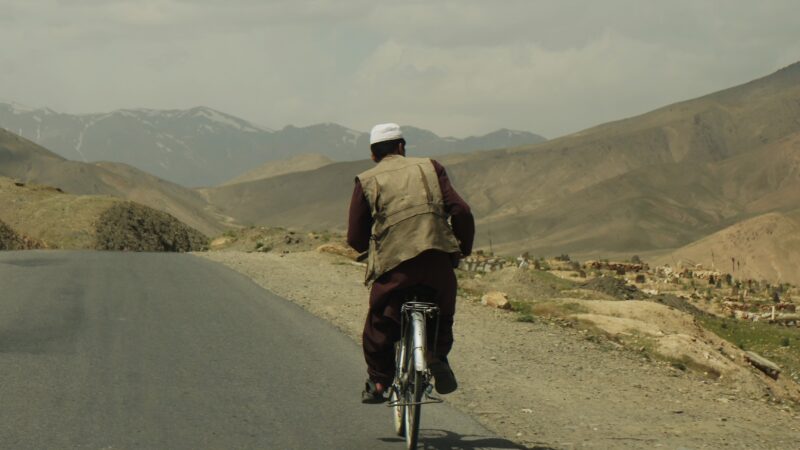
Towards the Hindukush. Passing the occasional clay walled settlement. ‘Four-legged transport’, A long winding road to a remote part of northern Afghanistan.   One of the many check points clearly mark with the Taliban flag. This natural wonder is among the most striking landscapes in the country: a blue lake in this baren, desert like surrounding. A chain...

The Bamyan Valley  – The tragic history:  3 very different eras of destruction in the same valley

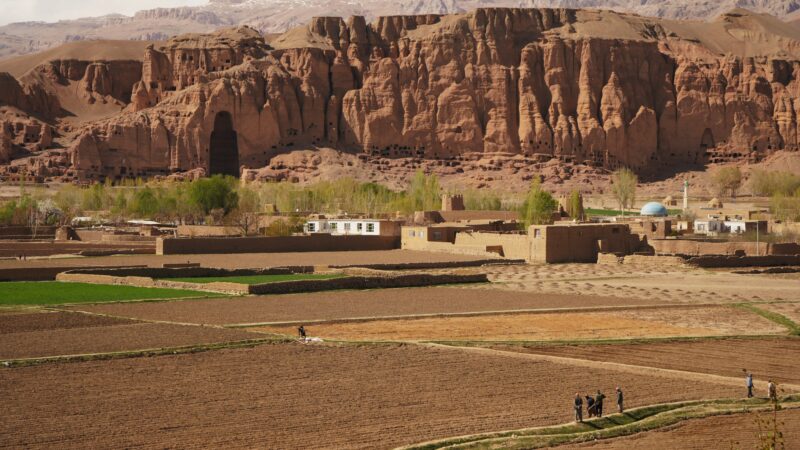
1) The Bamyan Buddhas were two monumental statues carved into the cliffs in the peaceful Hazarajat region of central Afghanistan in the 6th century, standing about 55 m and 38 m high. They were among the largest standing Buddha figures in the world and symbolized the region’s importance as a Buddhist center among the most remarkable cultural treasures of Central...