


Away from Afghanistan’s major cities, a much more traditional and conservative way of life is clearly evident.
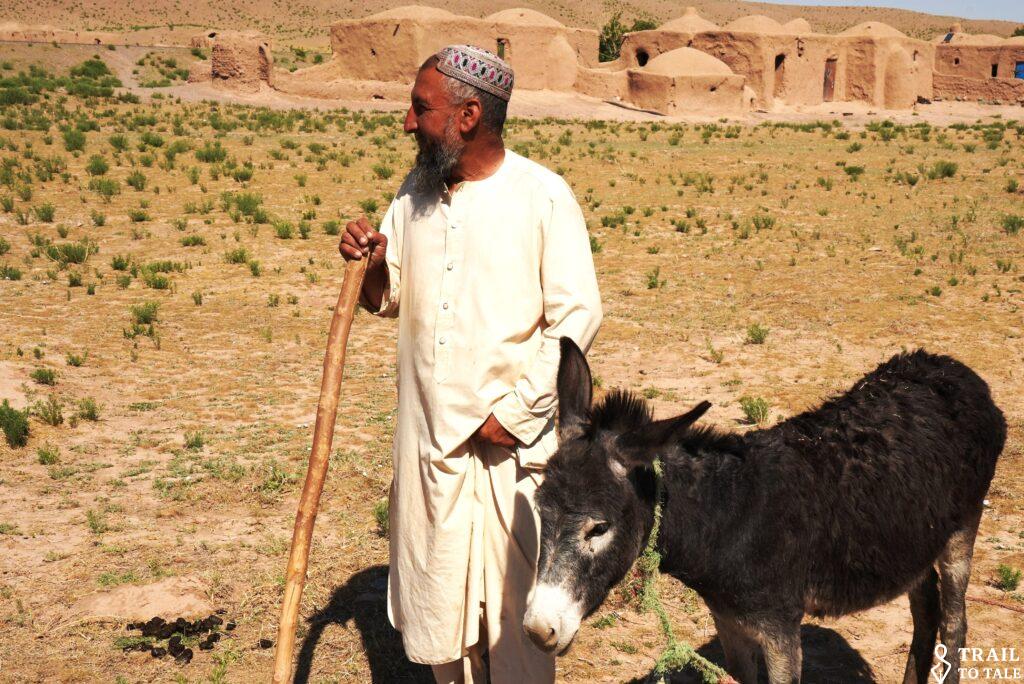
Villages are often built from sun-dried bricks made of sand, clay and straw, with walls later plastered with mud.
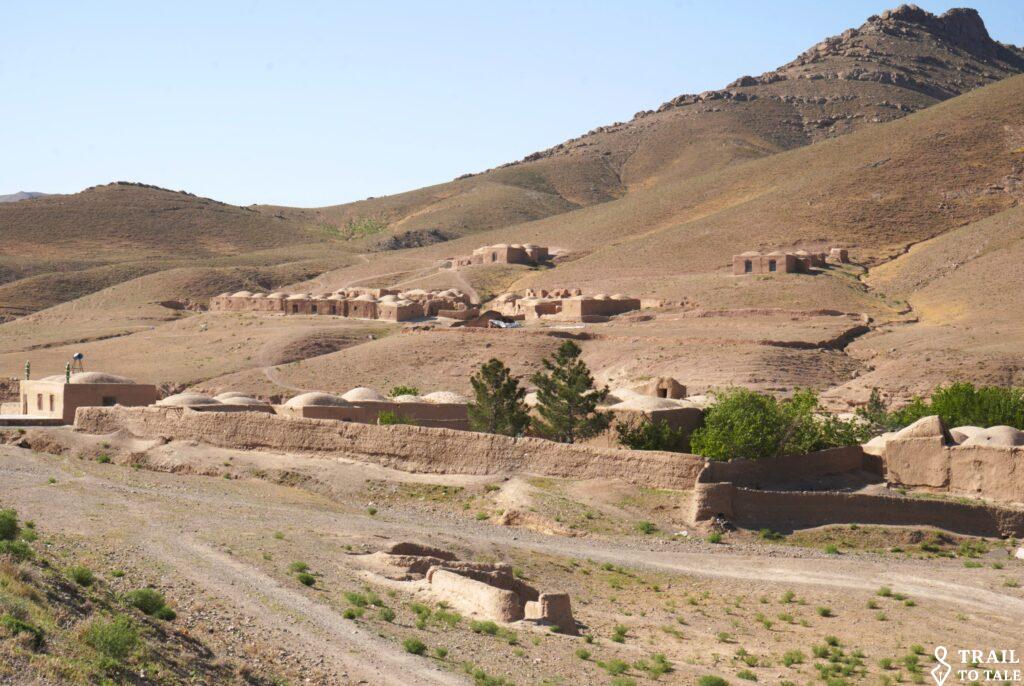
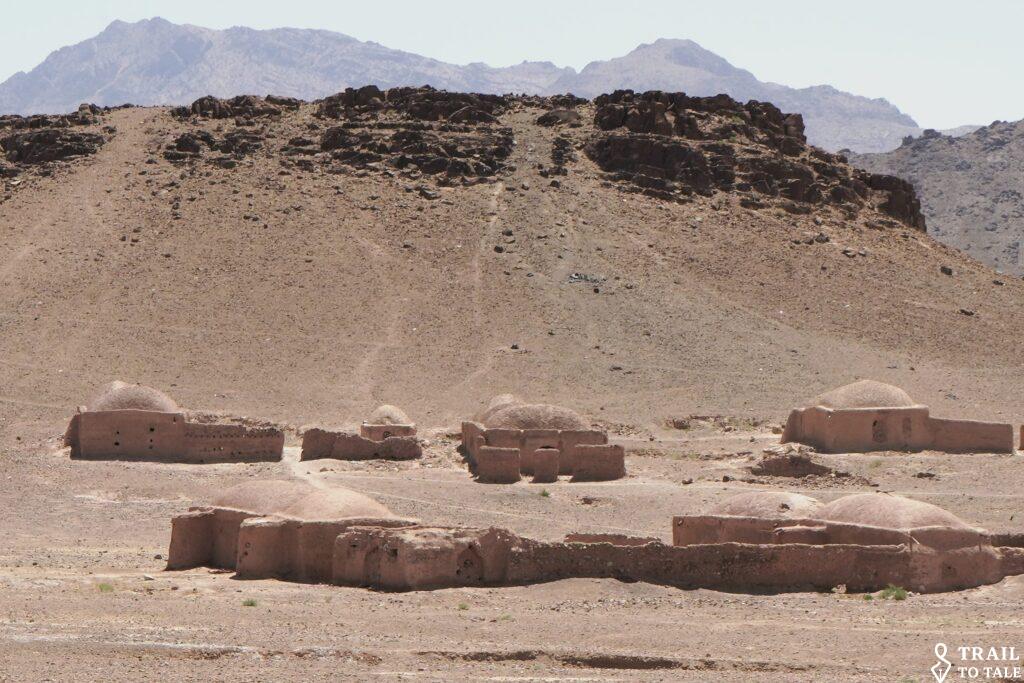
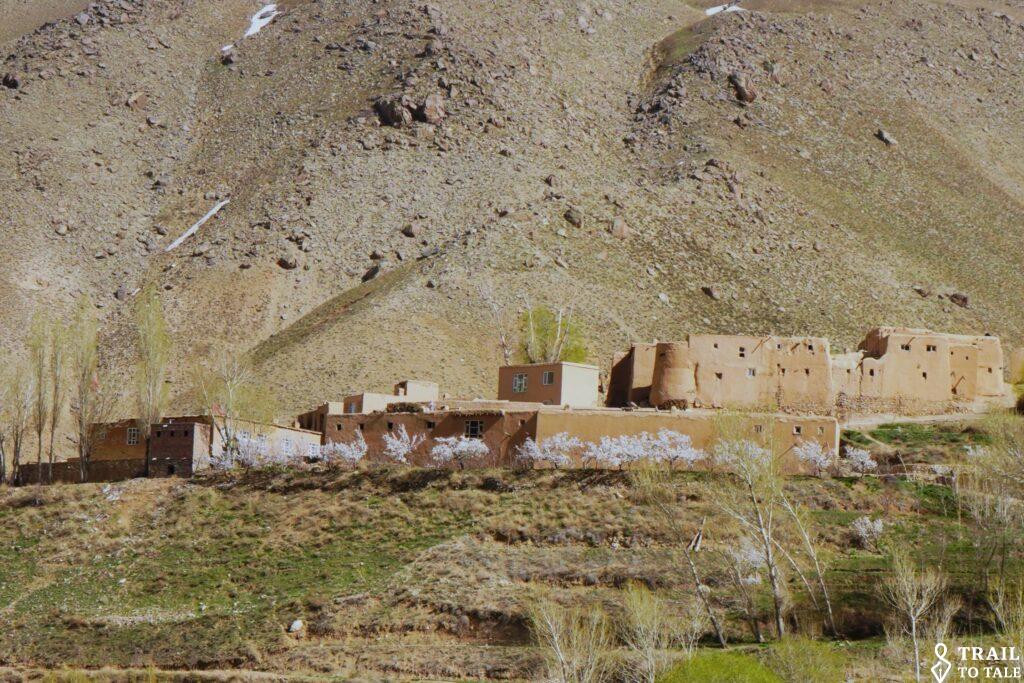
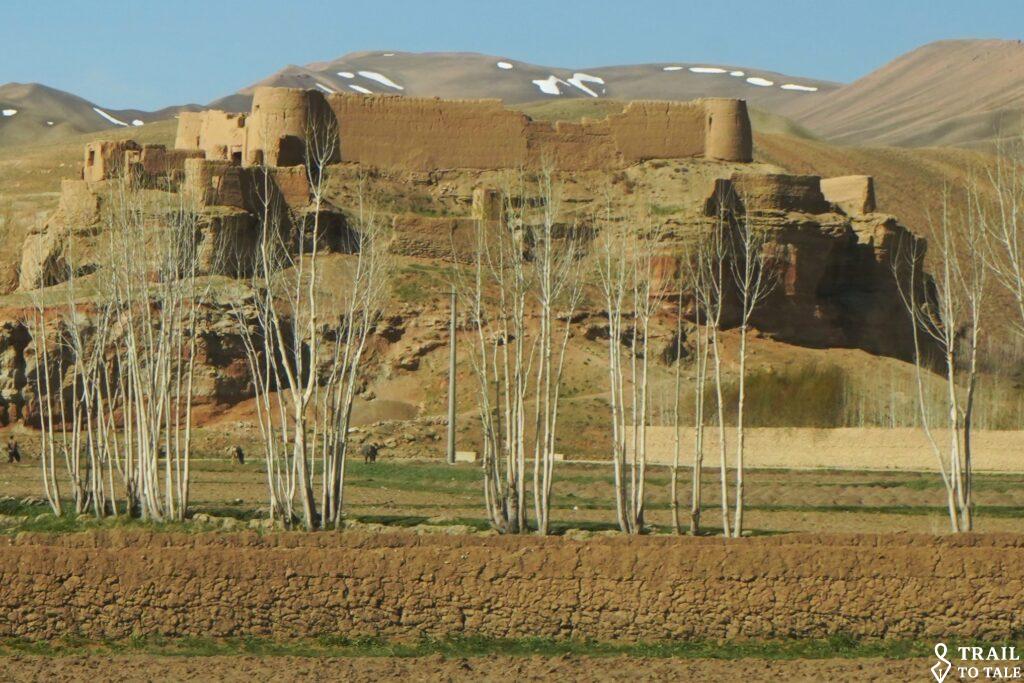
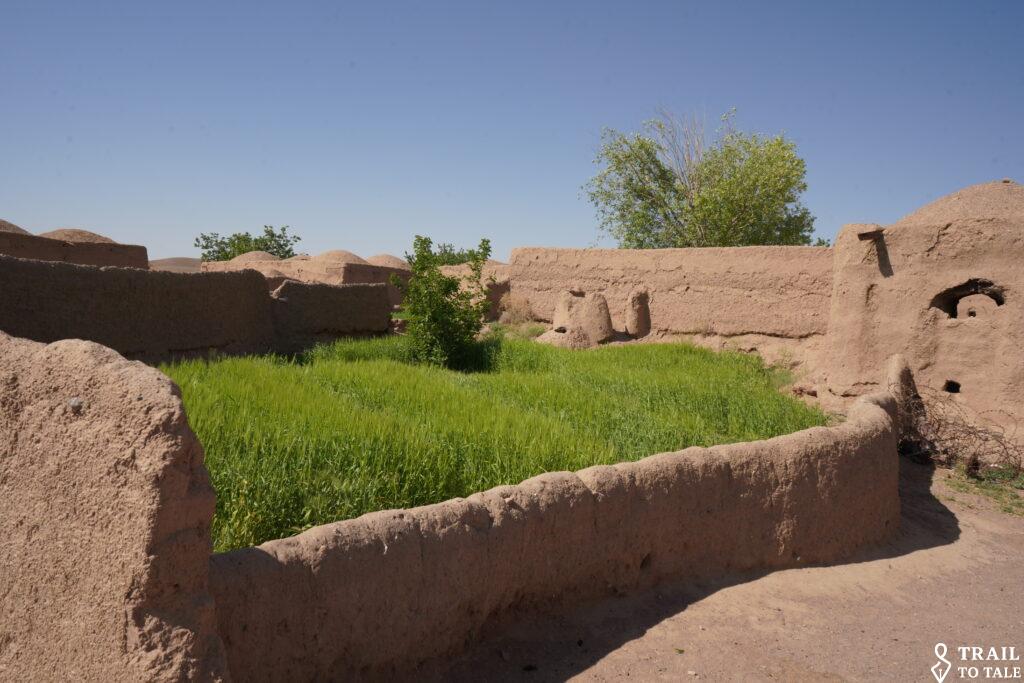
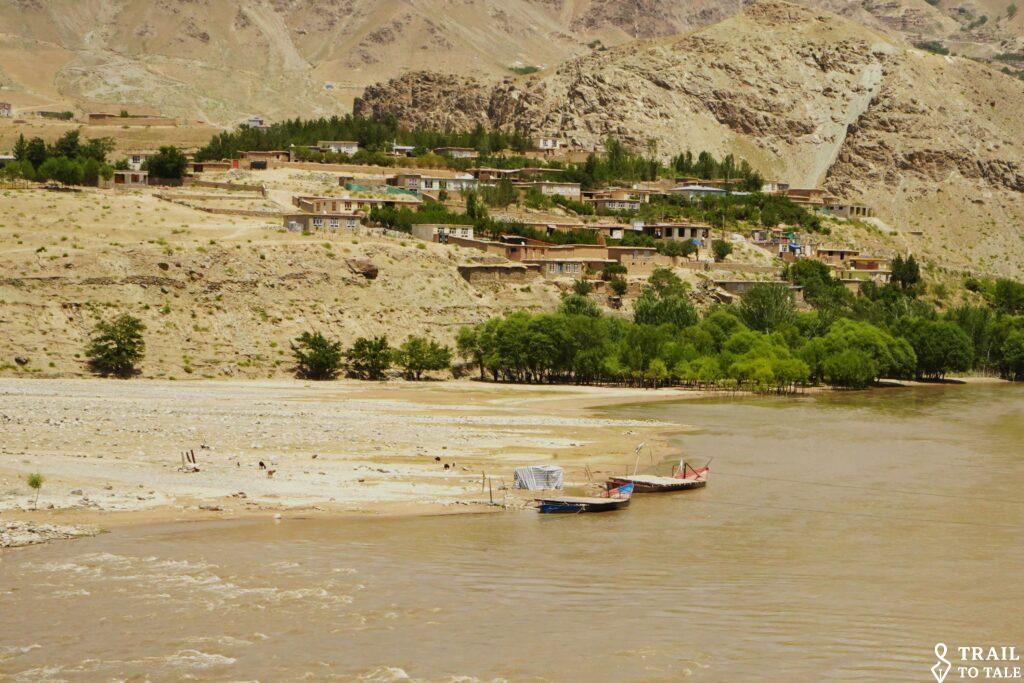
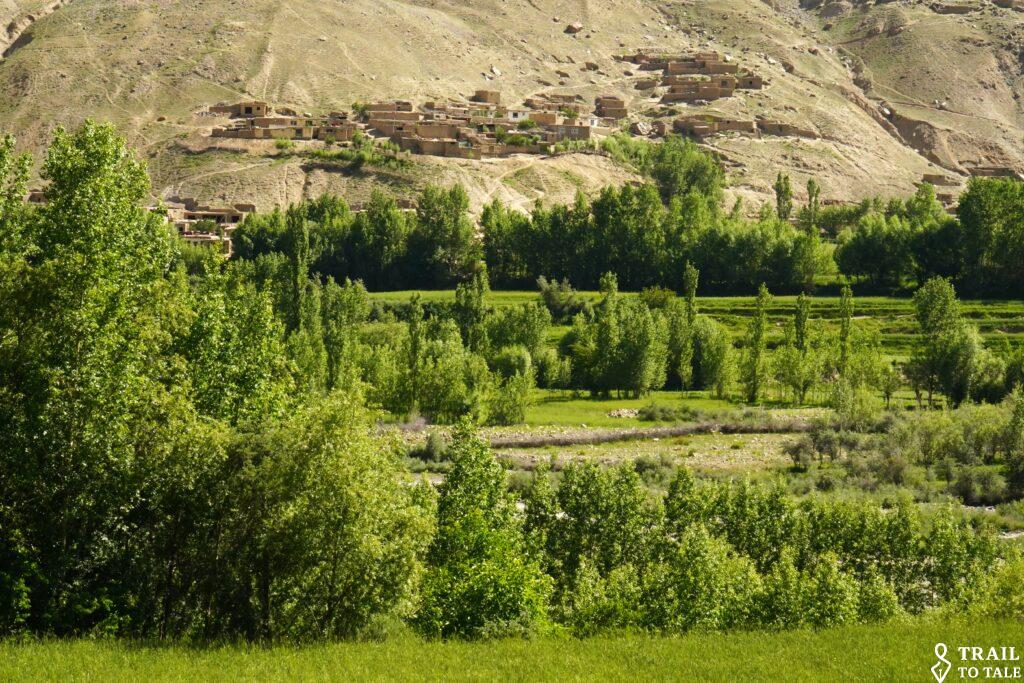
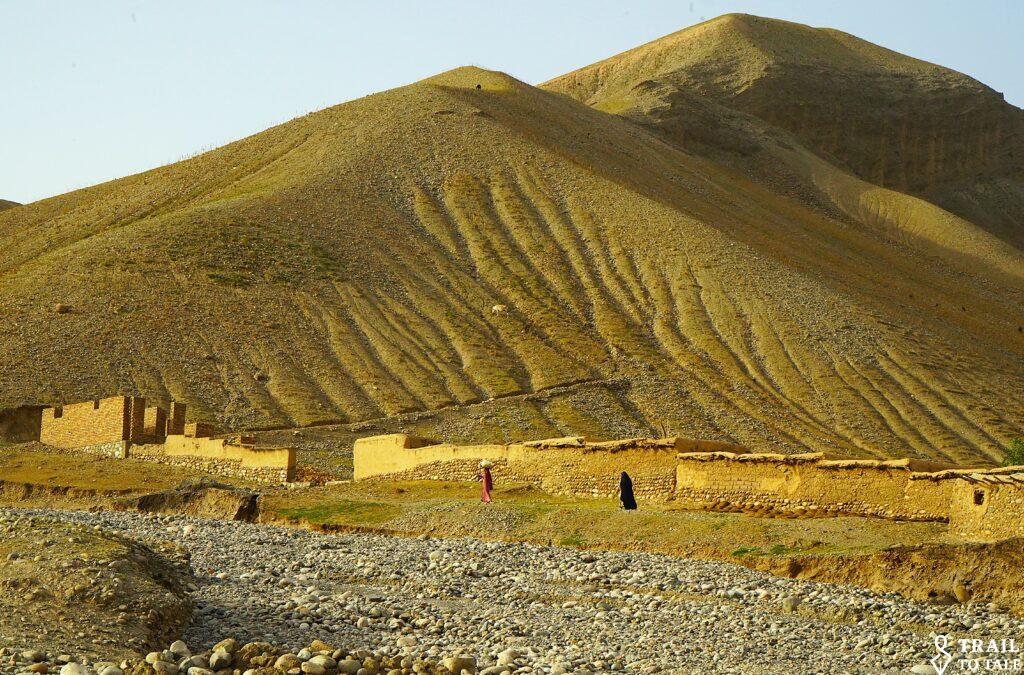
Alternatively, carefully stacked local rocks, skillfully bonded with mud or clay, serve the same purpose.
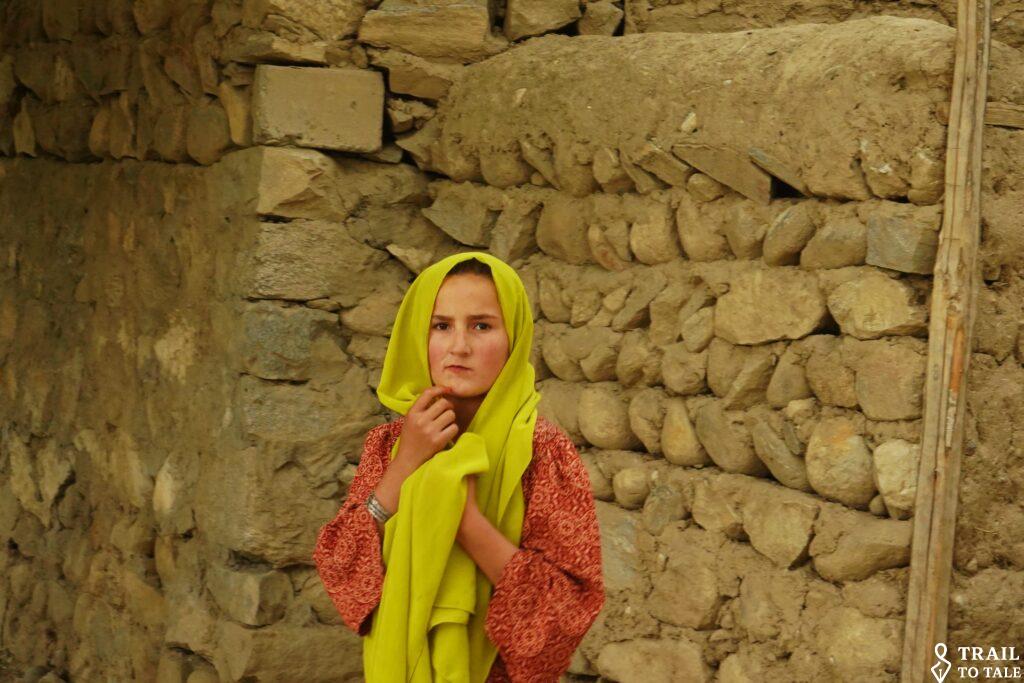
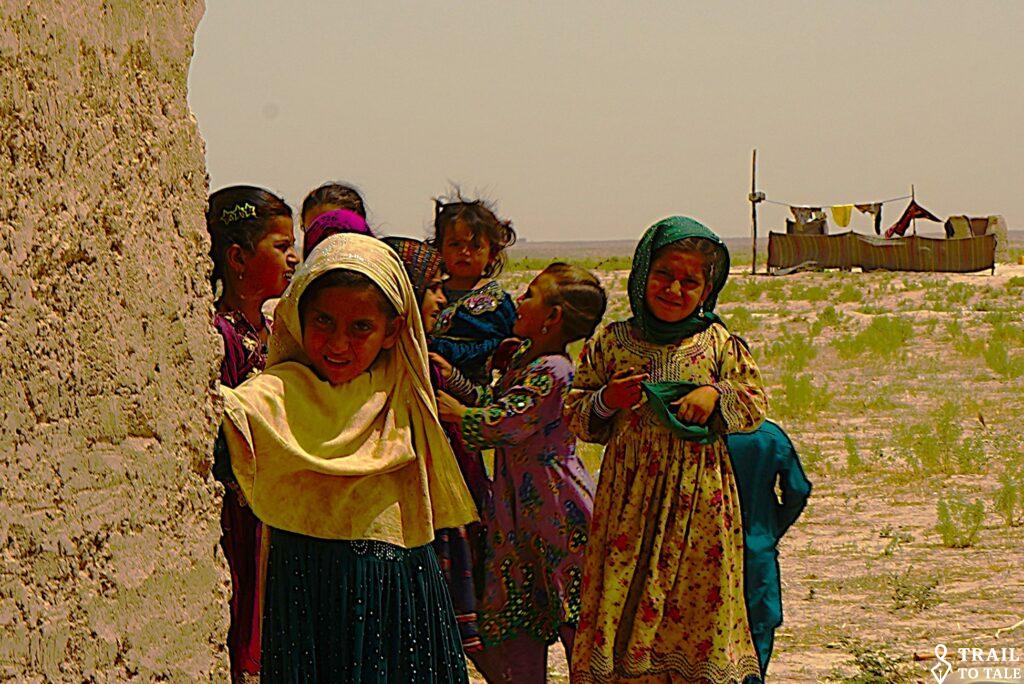
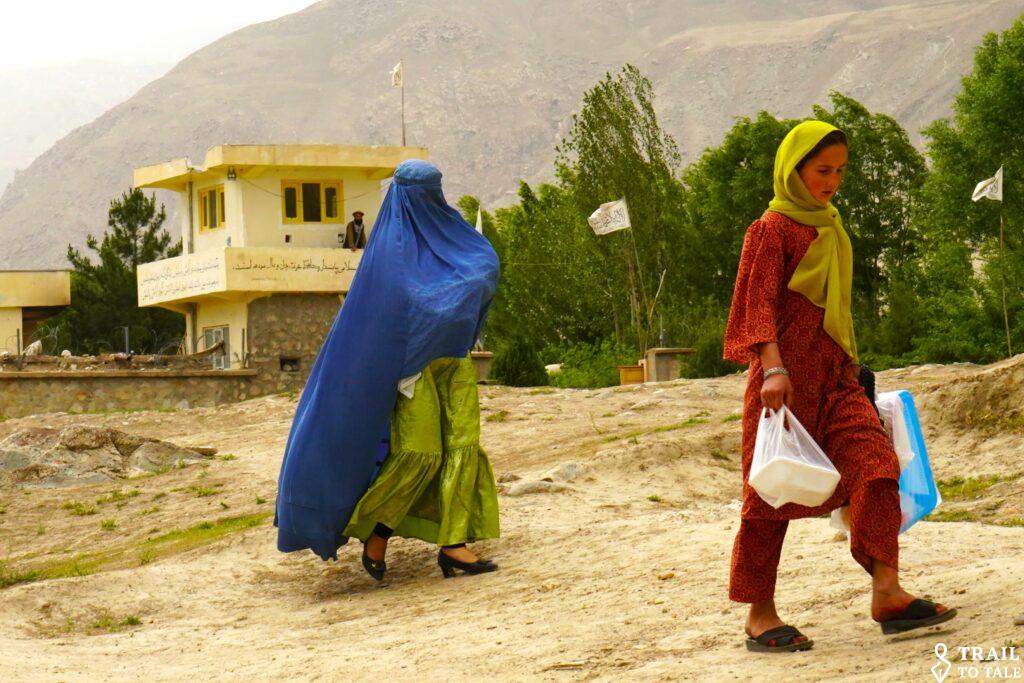
Within these villages, women and girls are frequently kept out of sight behind the protective walls of their homes.
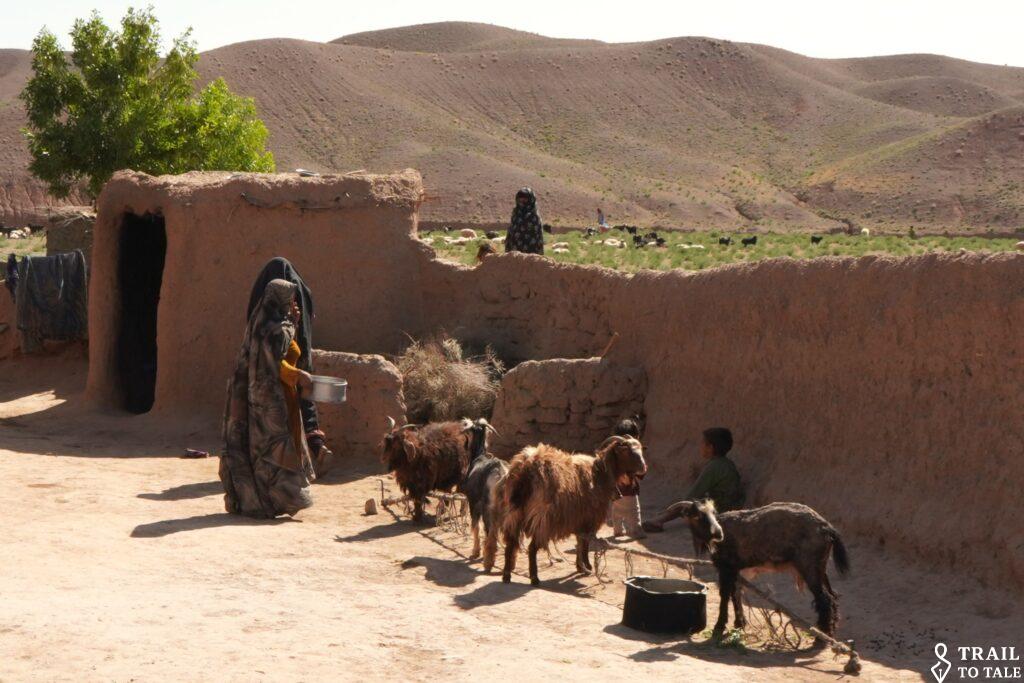
When encountered in the open, they often shy away from the camera.
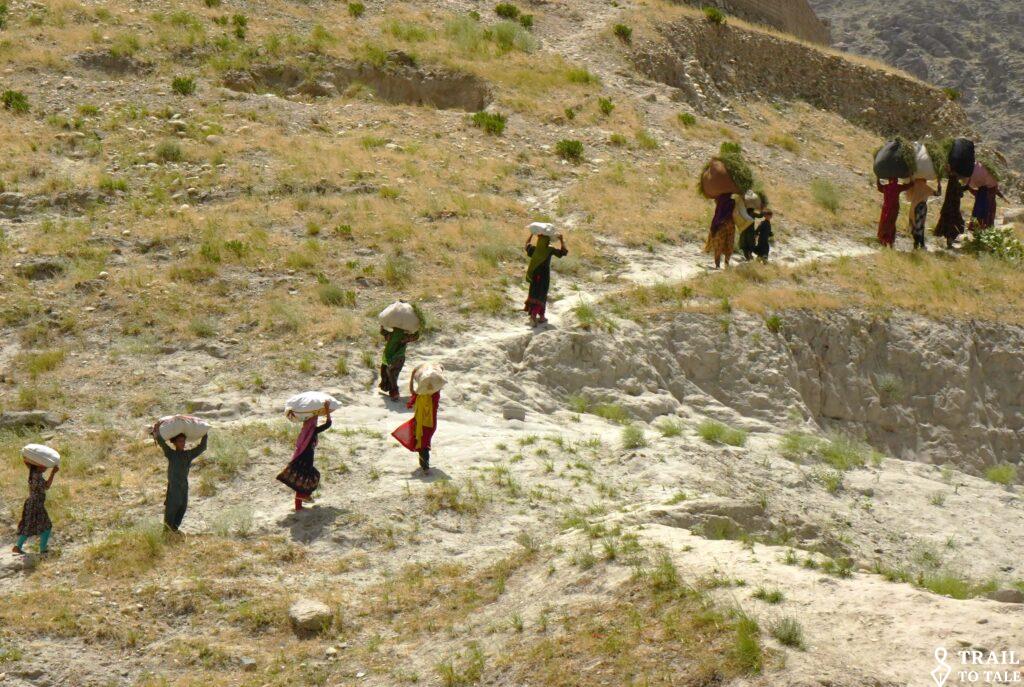
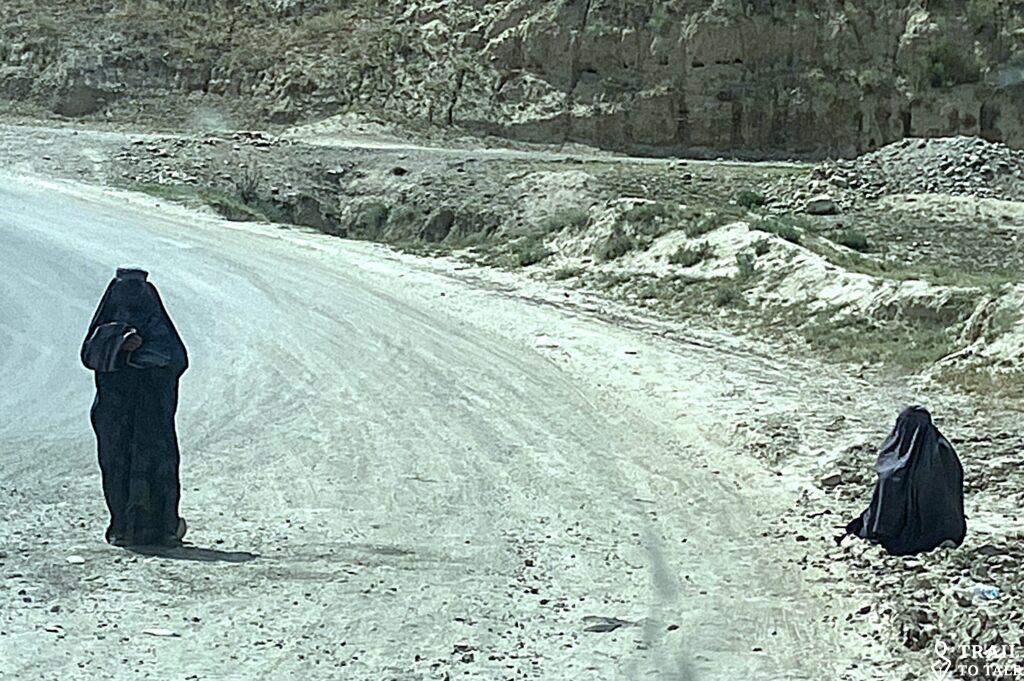
Others remain hidden behind the narrow gaze of the burka.
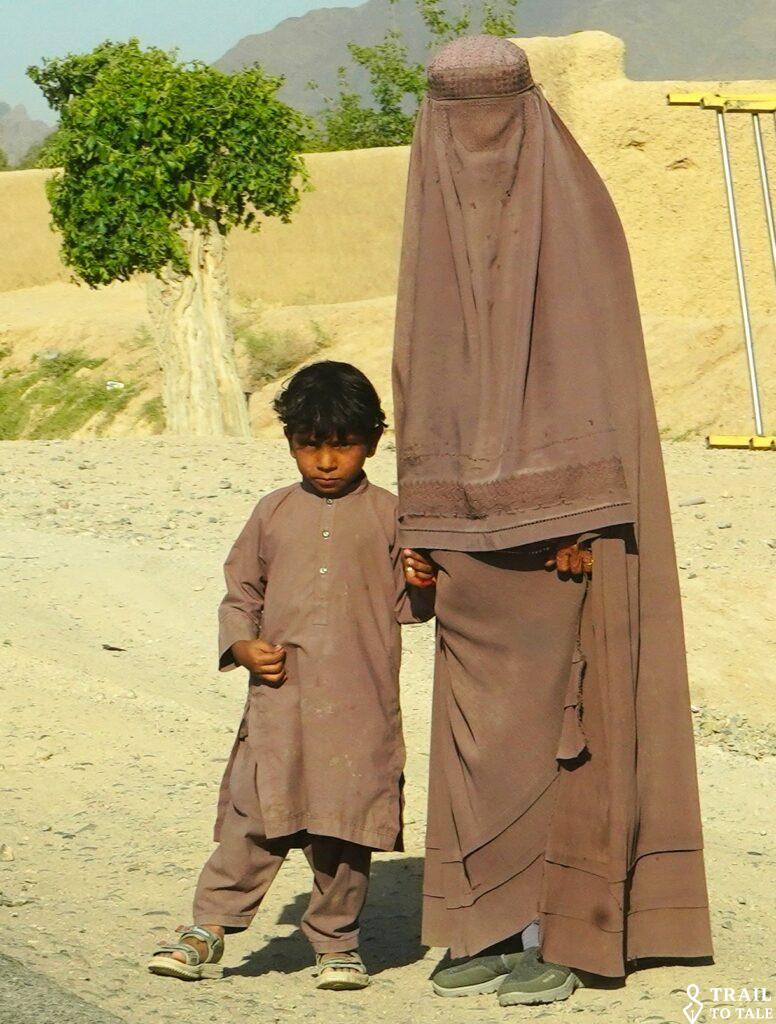
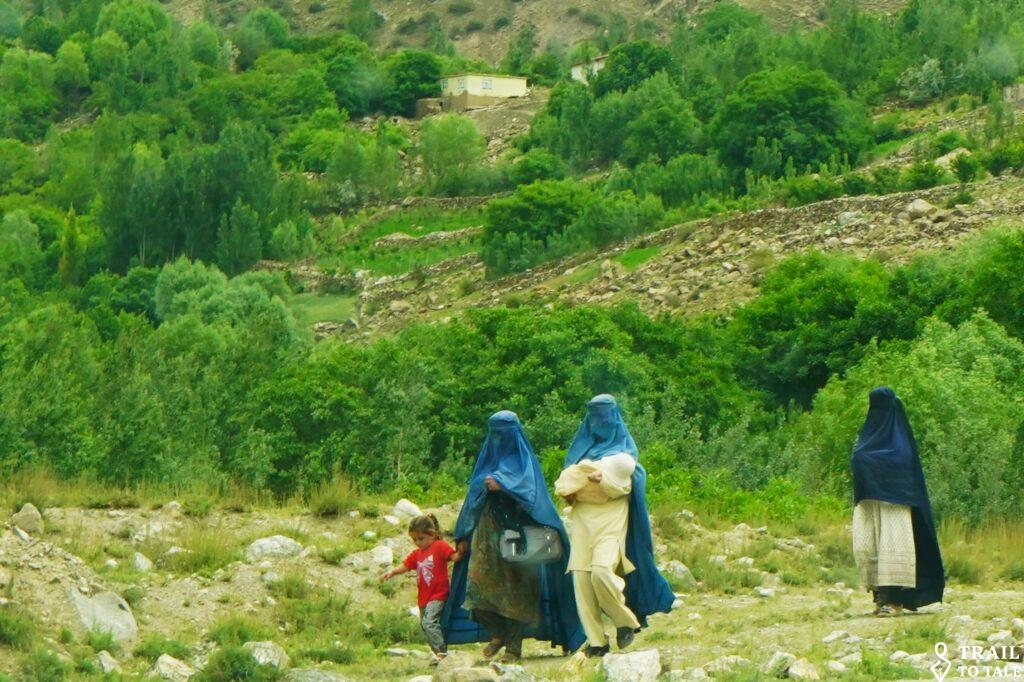
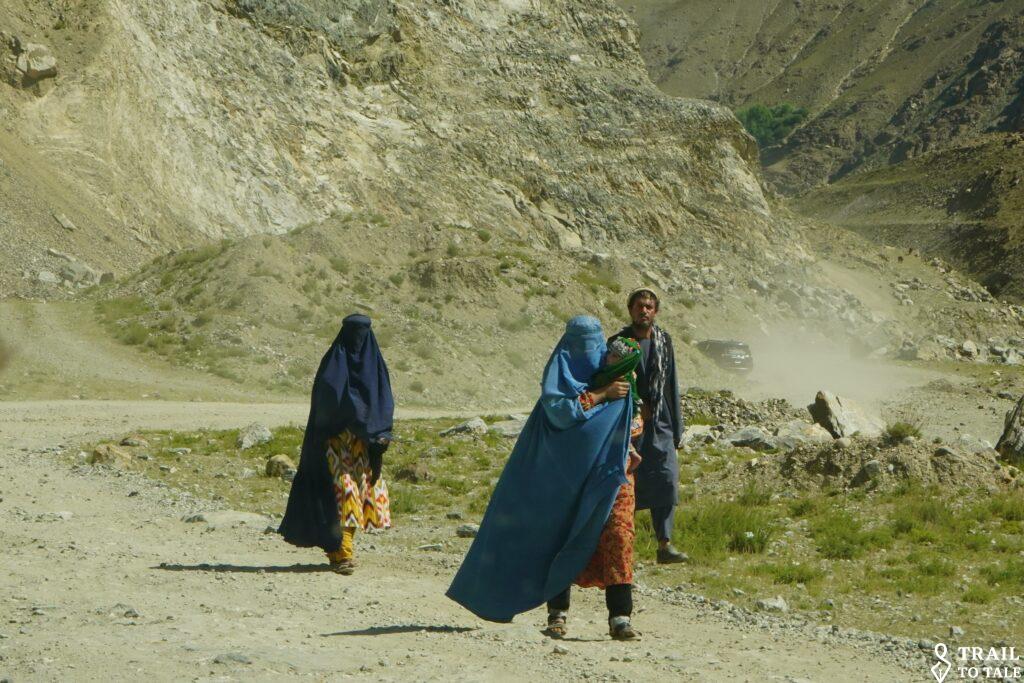
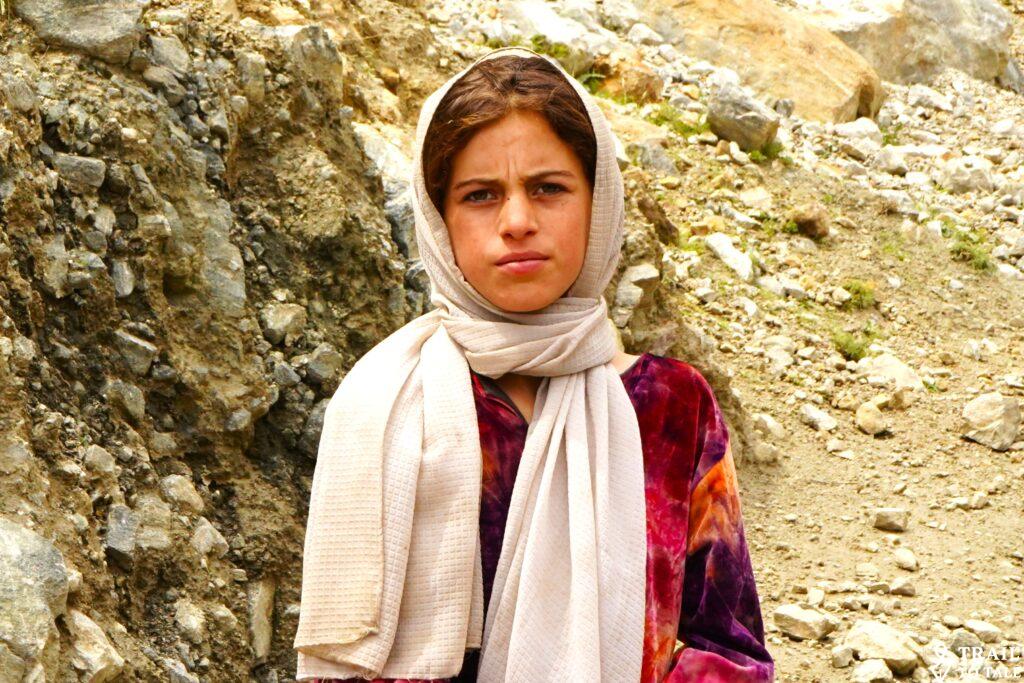
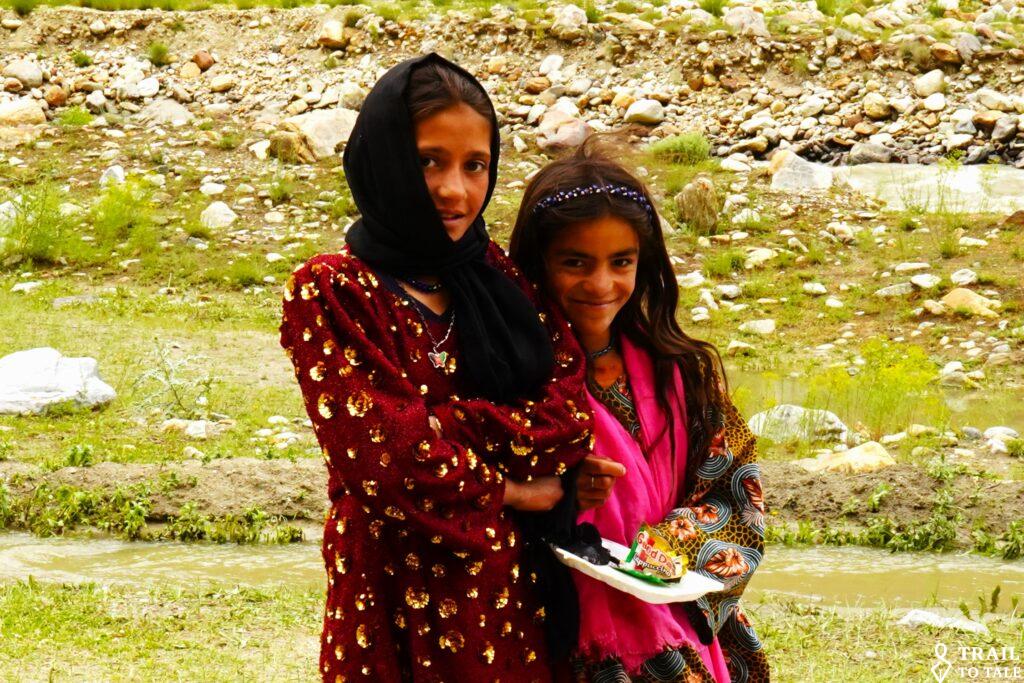
Occasionally, however, curiosity overcomes shyness.
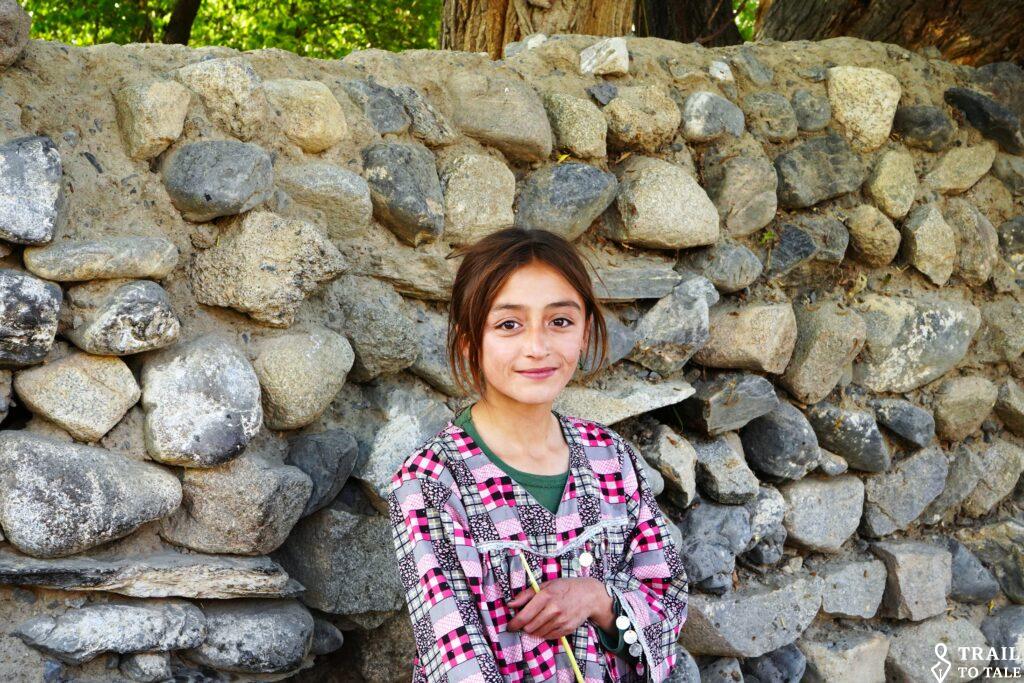
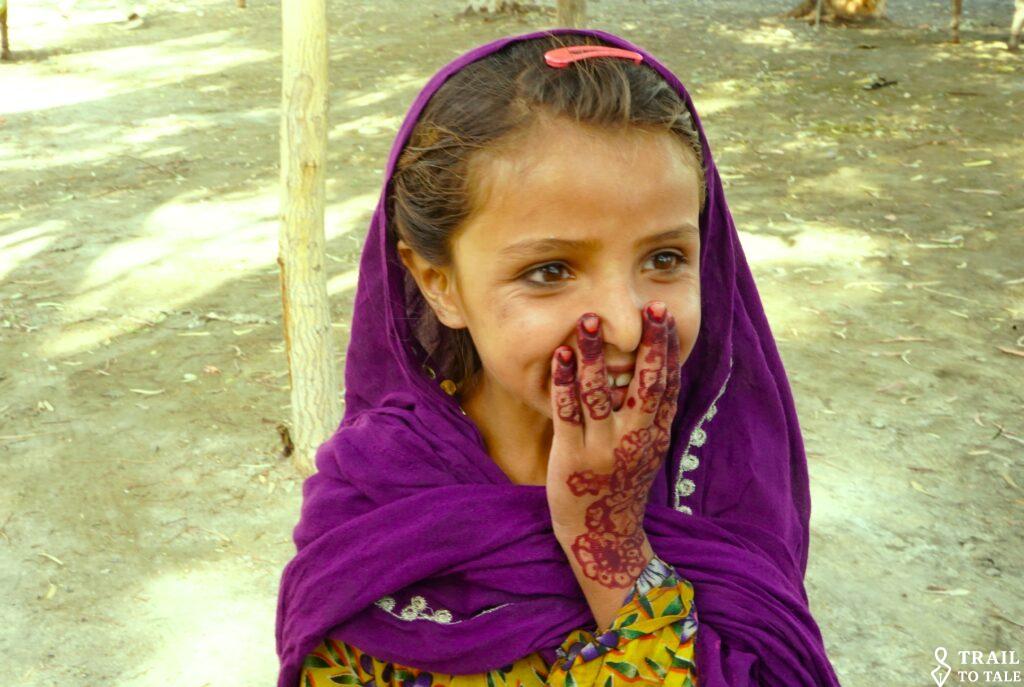
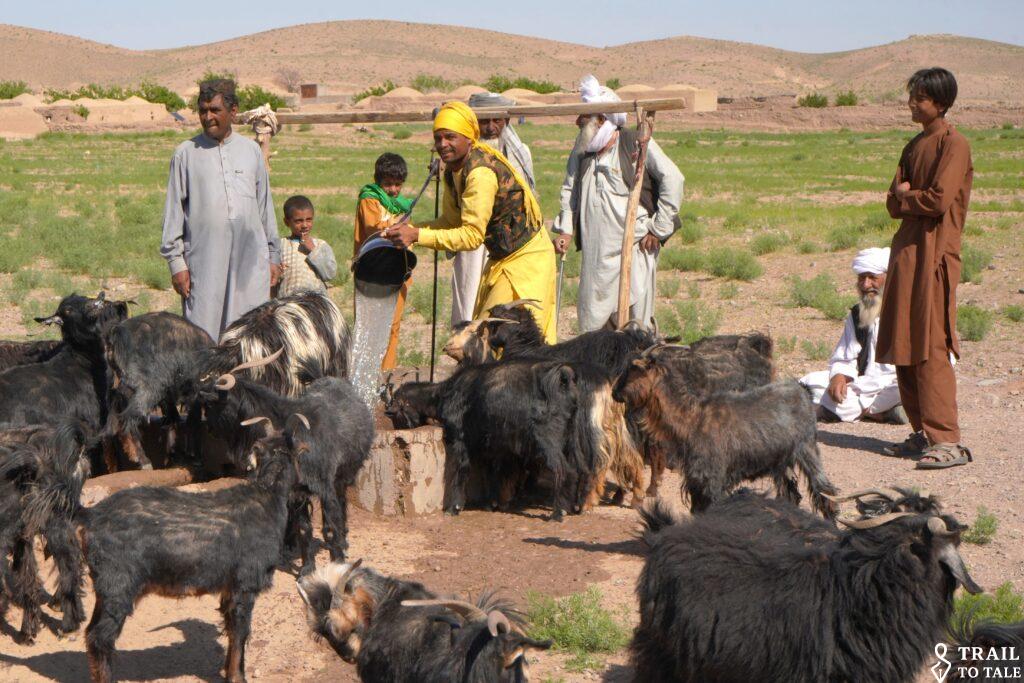
In this often-arid land, livestock is limited, with goats and sheep among the most common animals, traditionally tended mainly by men.
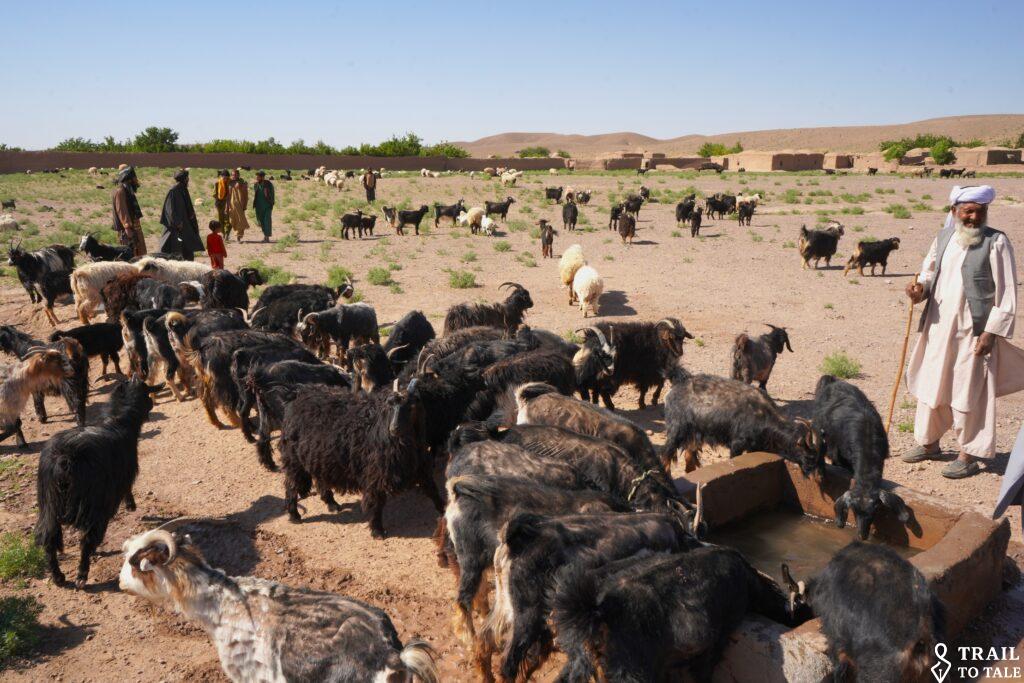
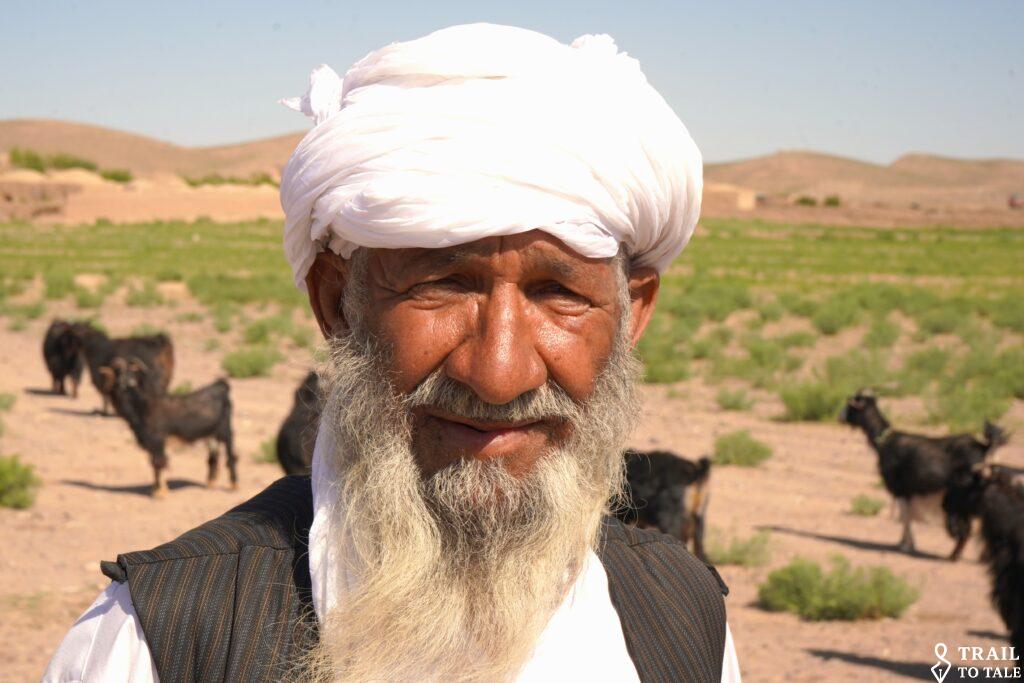
Water is drawn by hand from wells, bucket by bucket, to provide for both people and animals.
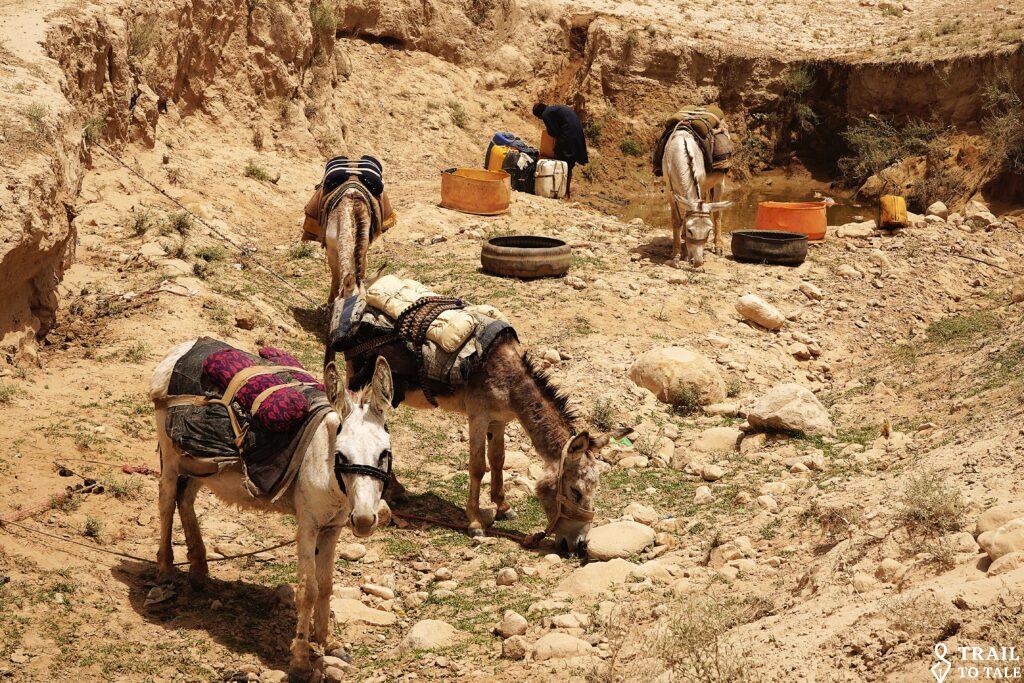
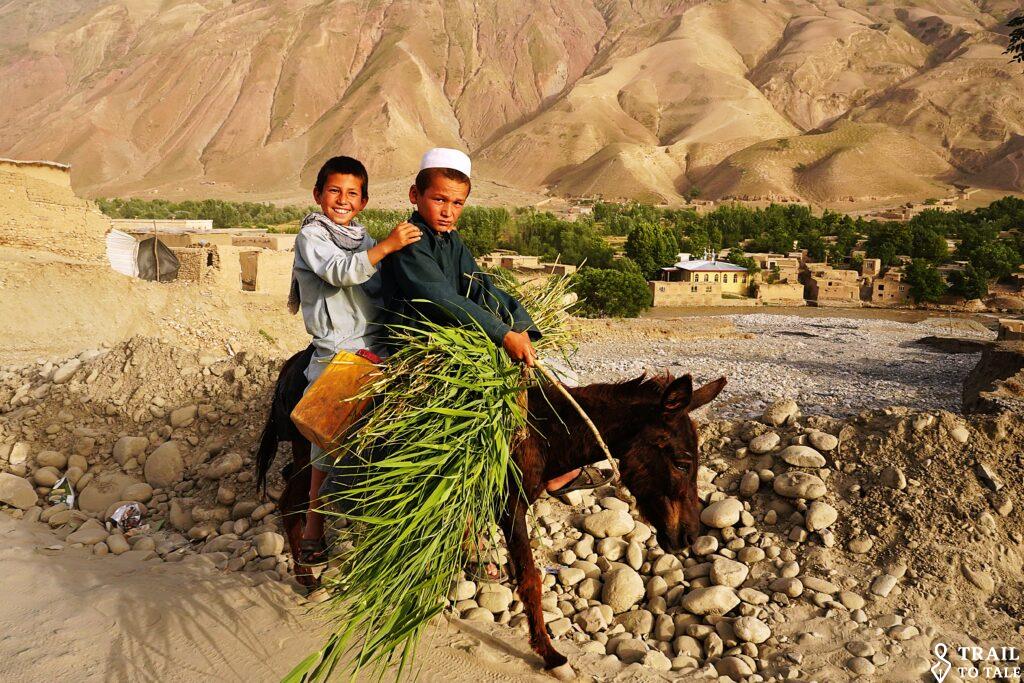
In some areas, water must be transported for kilometers by donkey.
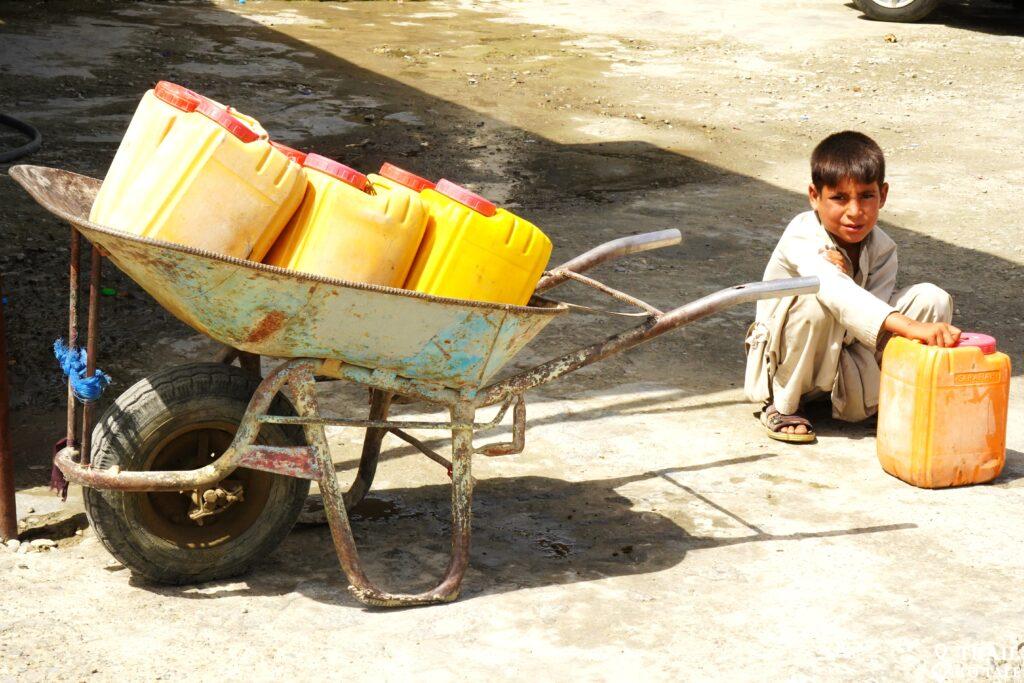
Elsewhere, the task relies on nothing more than human muscle.
Fieldwork remains an essential part of daily life.
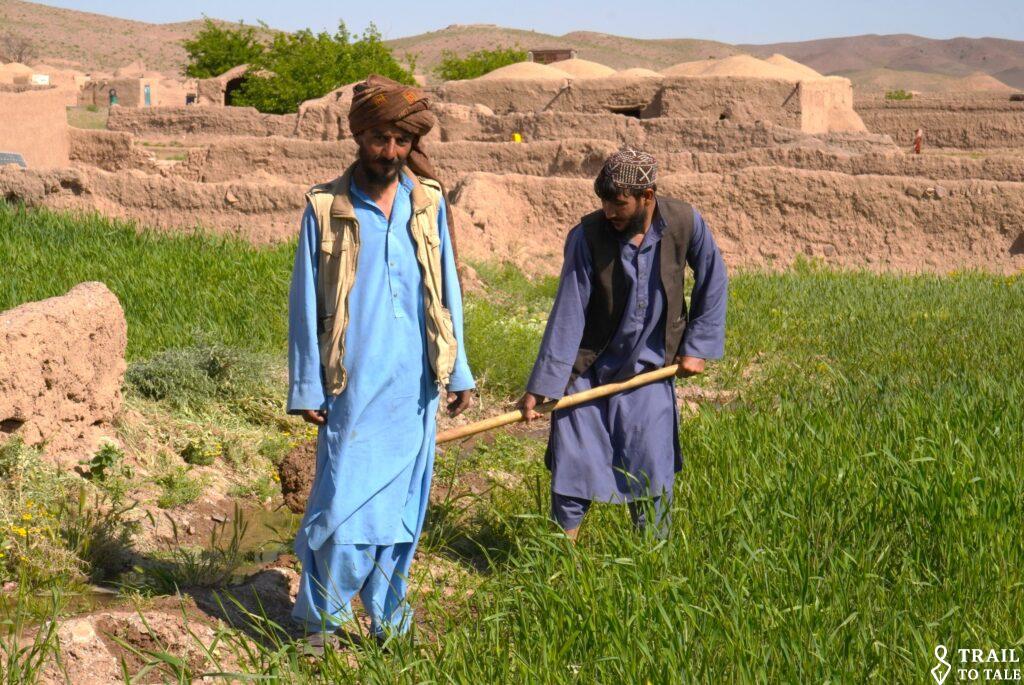
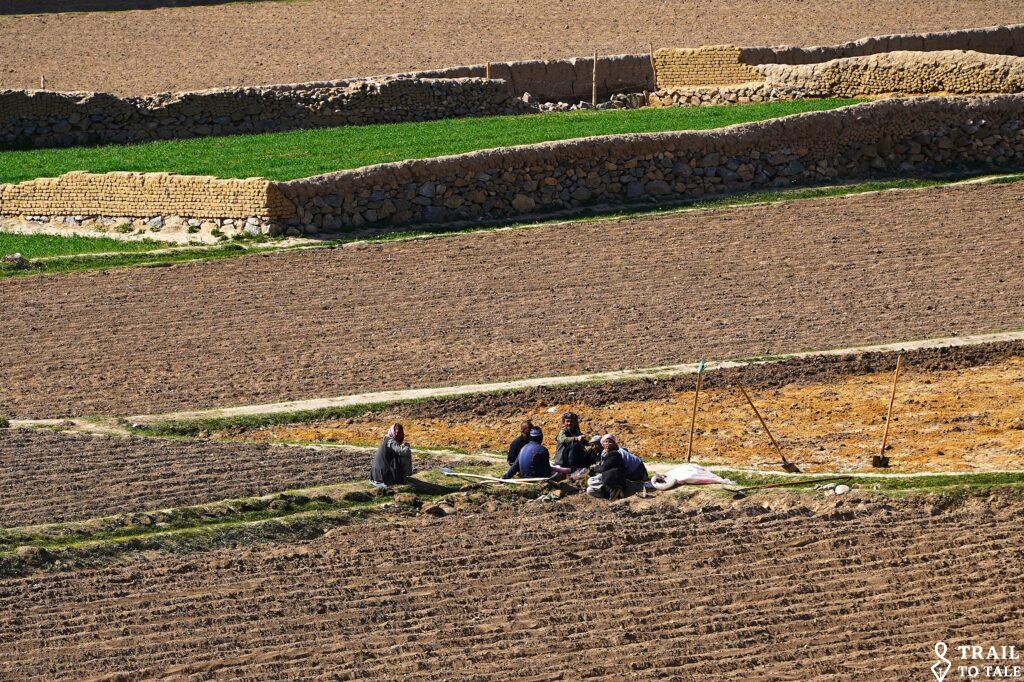
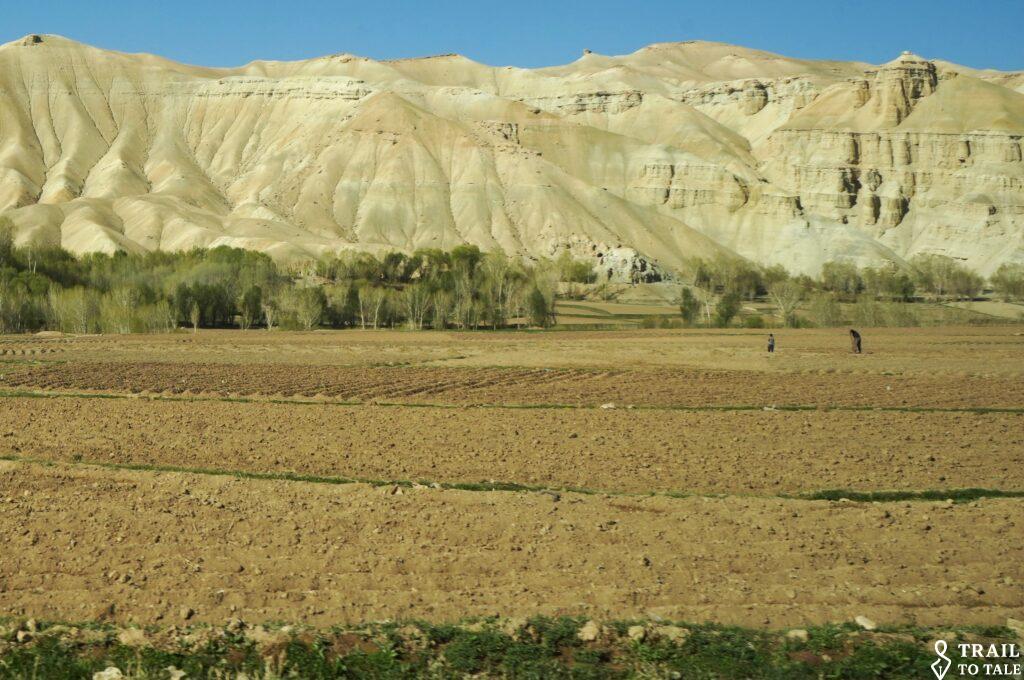
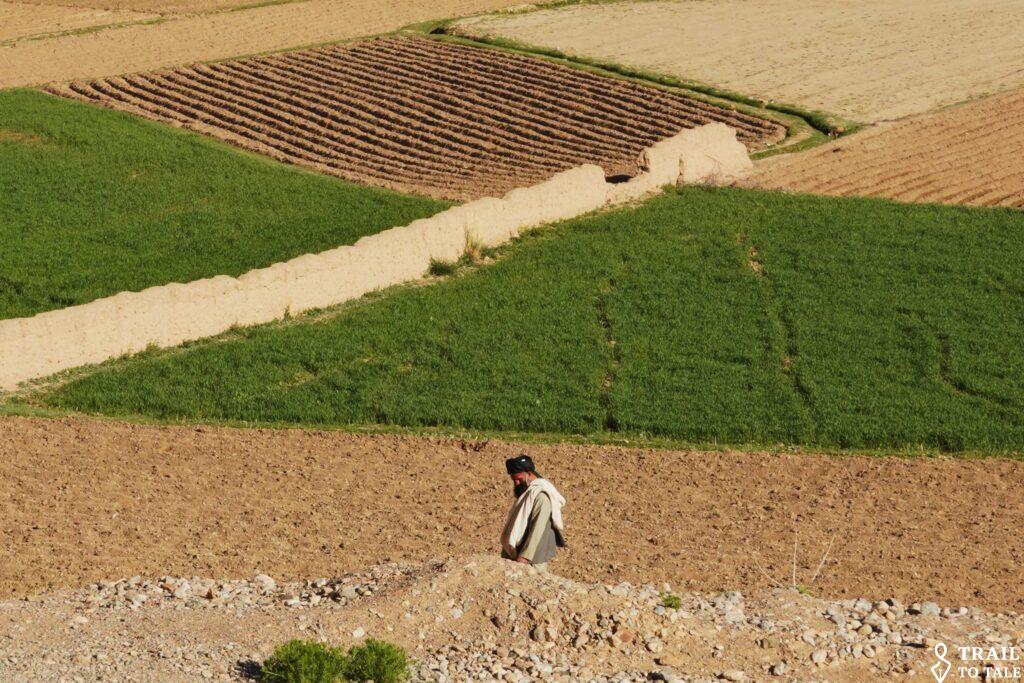
The land is still ploughed using traditional methods, often with animal power.
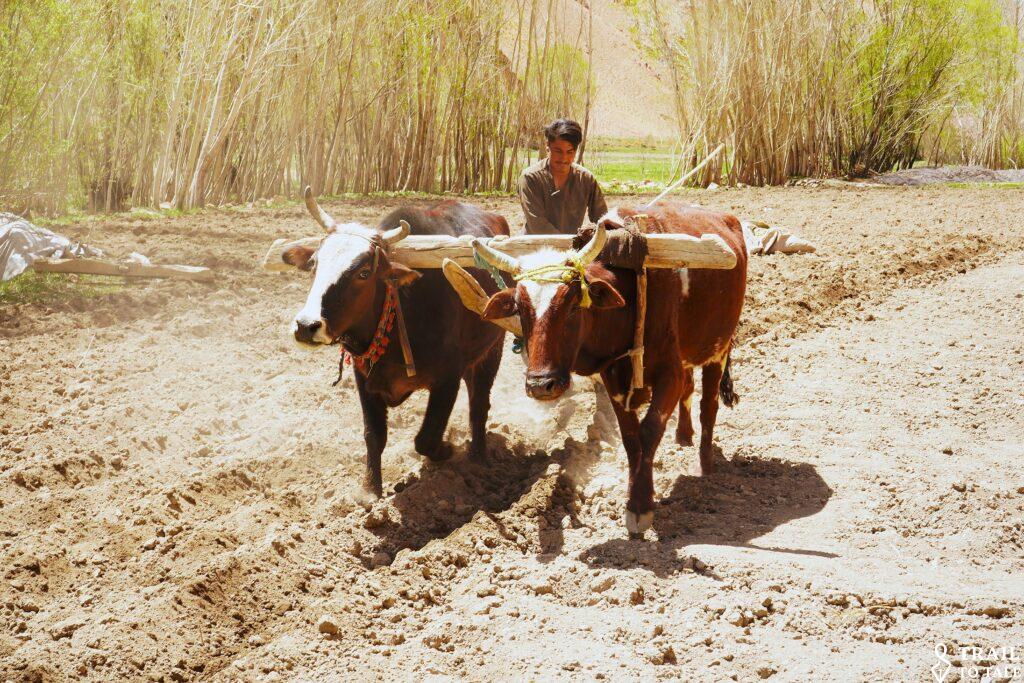
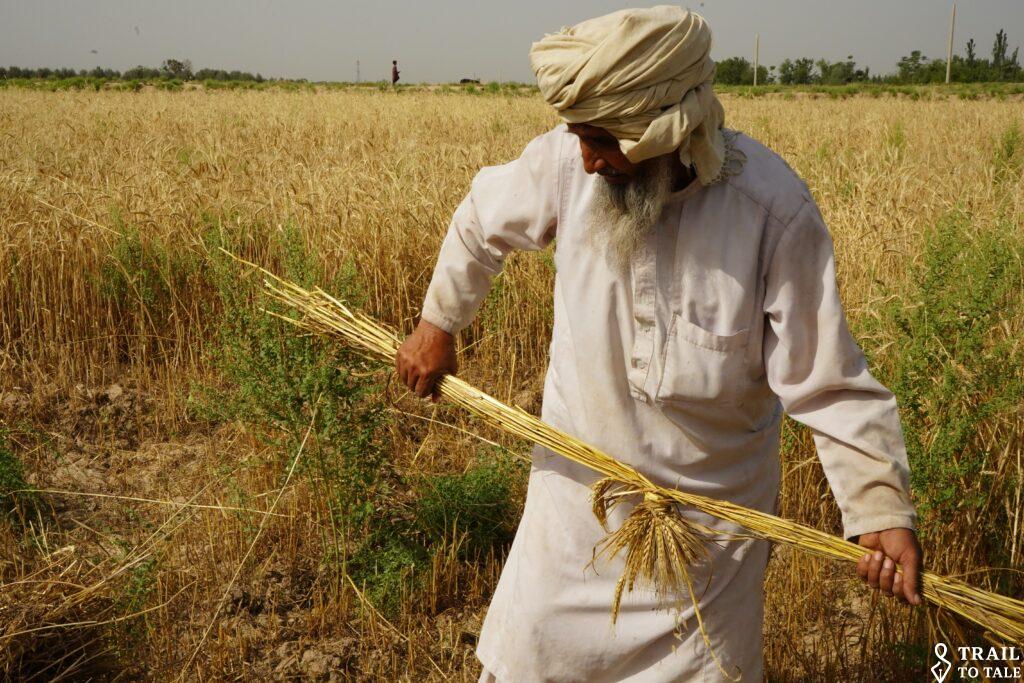
Since bread is an essential, and sometimes the only, part of every meal, grain is cultivated wherever sufficient land and water permit.
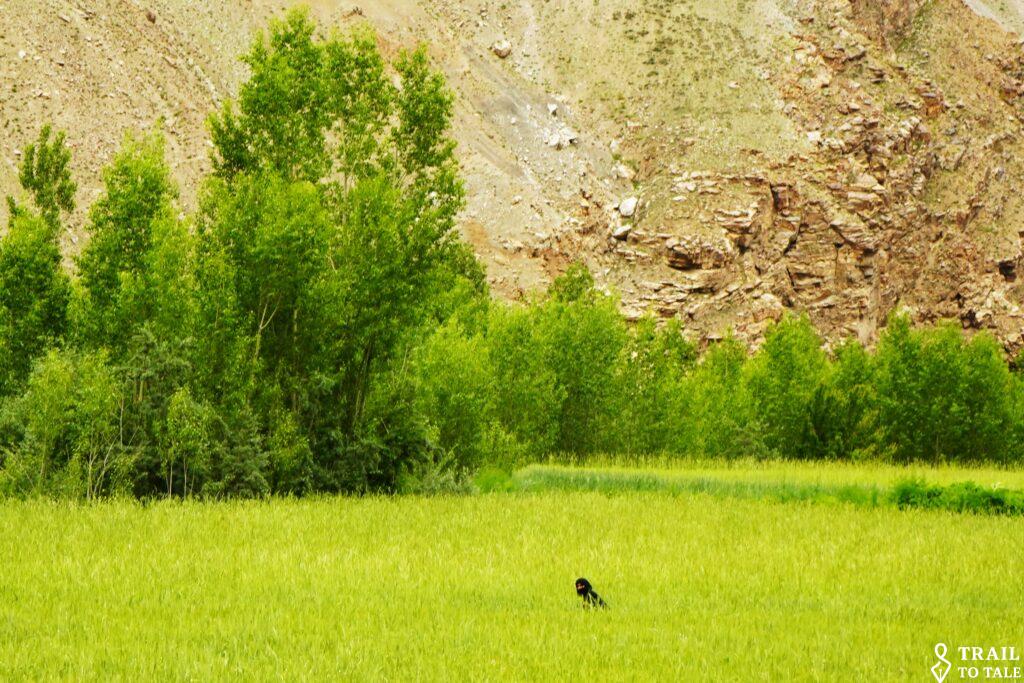
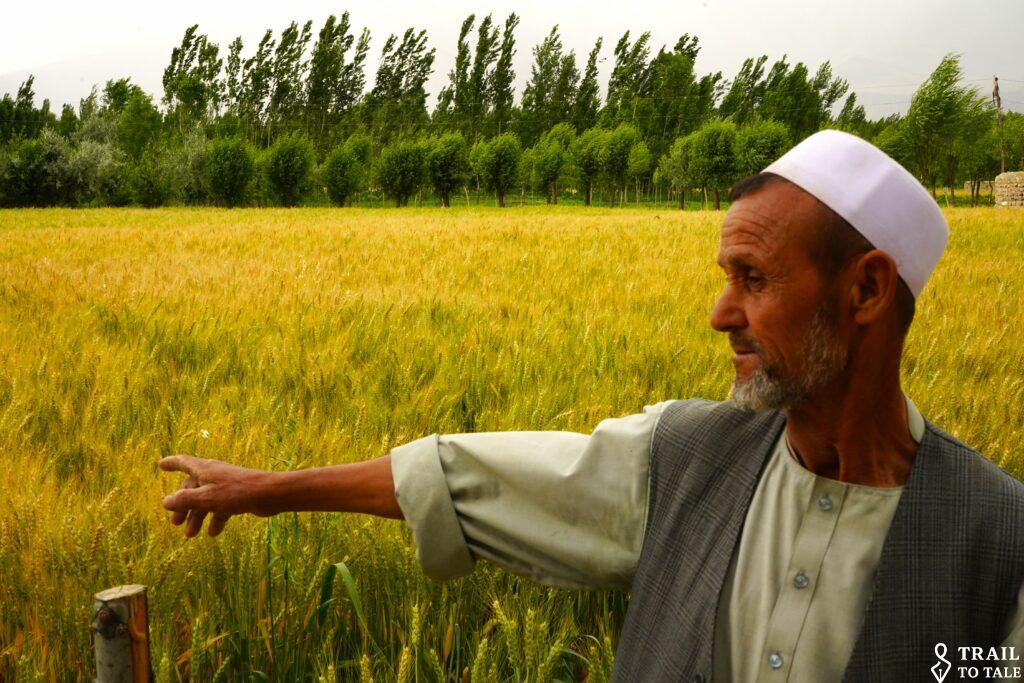
Without modern machinery, harvesting remains extremely labor-intensive.
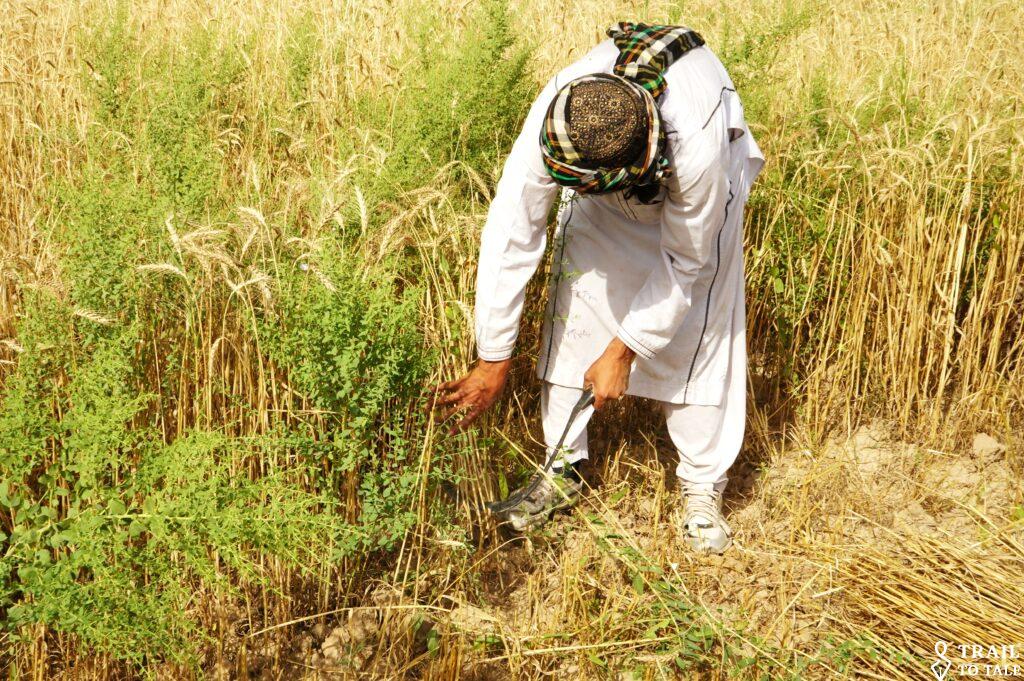
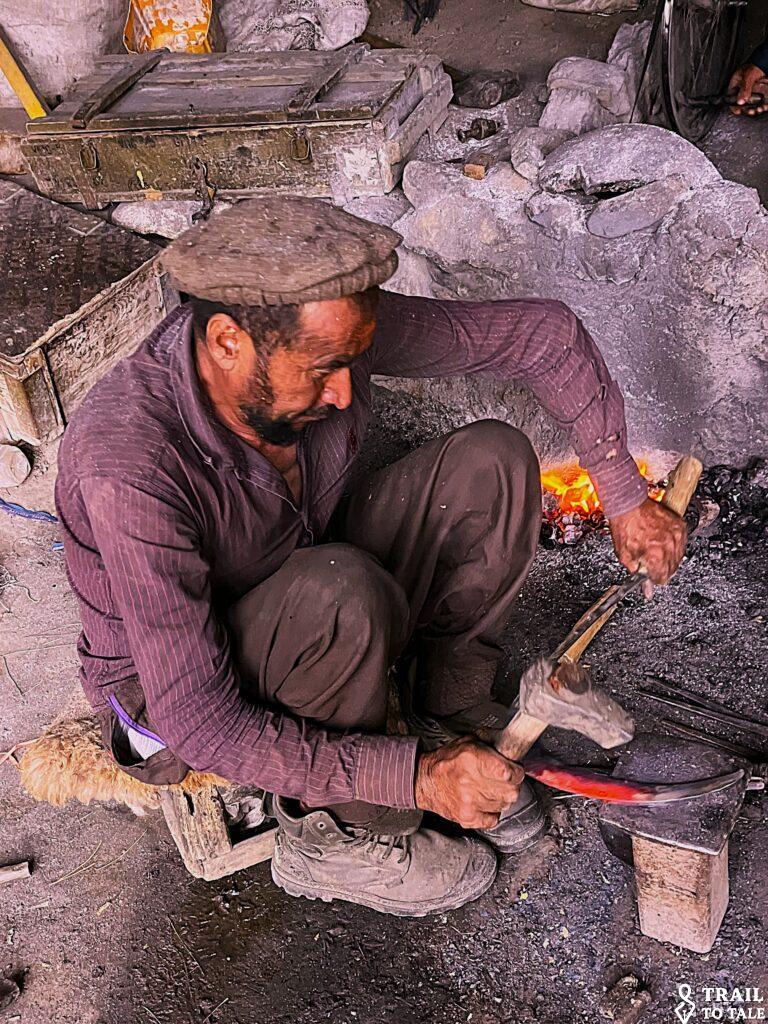
The village blacksmith therefore performs an important role, keeping the essential tools sharp and in working order.
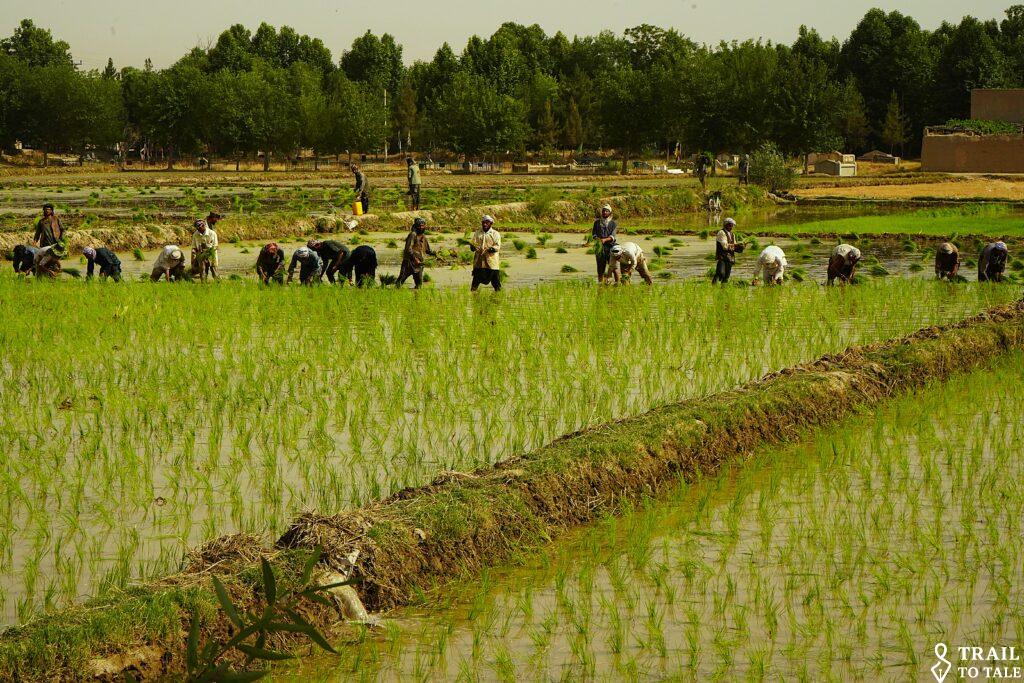
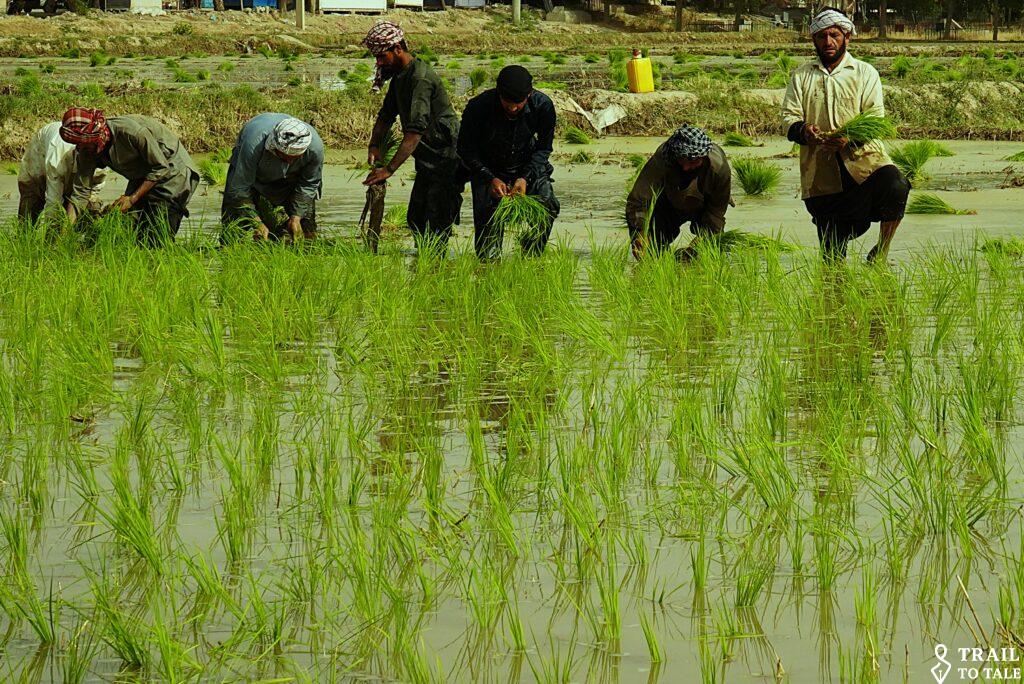
In areas with sufficient water, rice is cultivated.
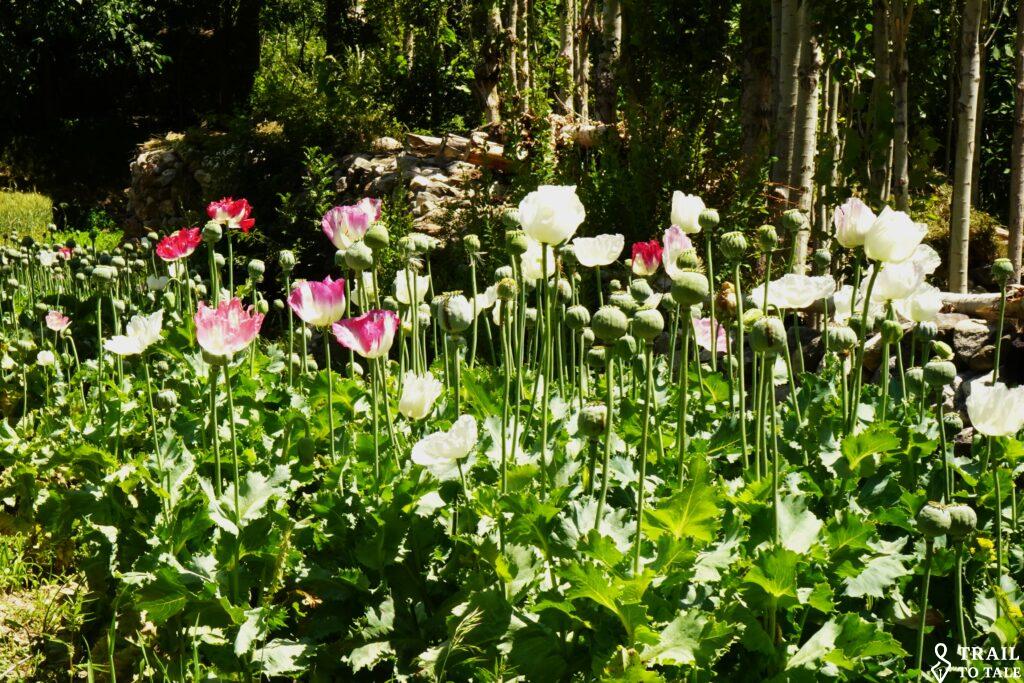
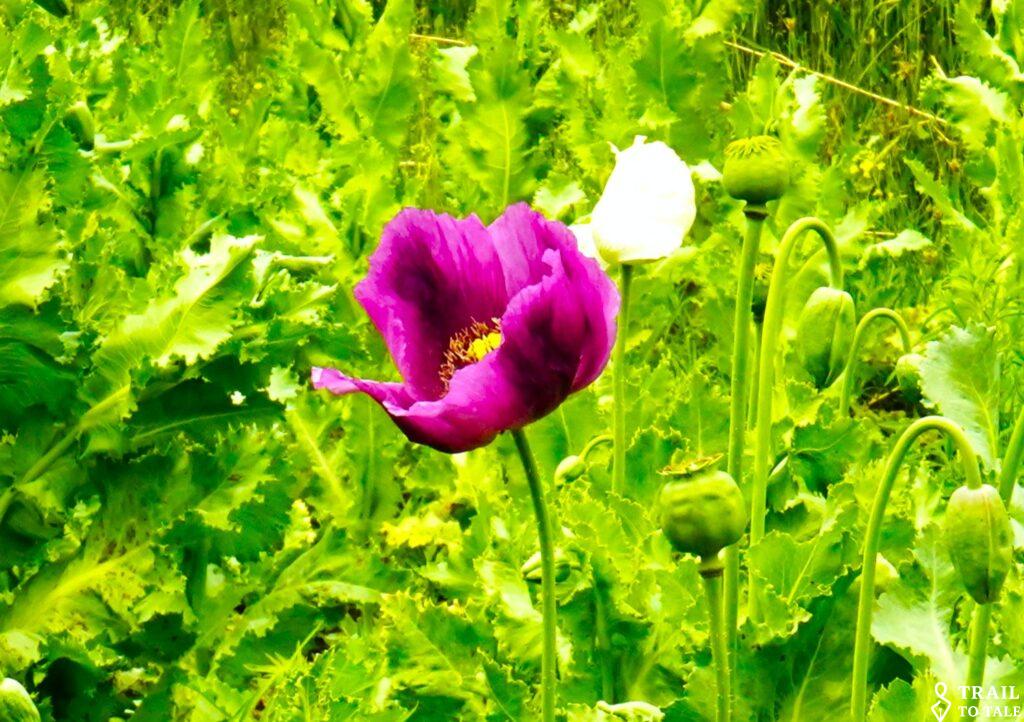
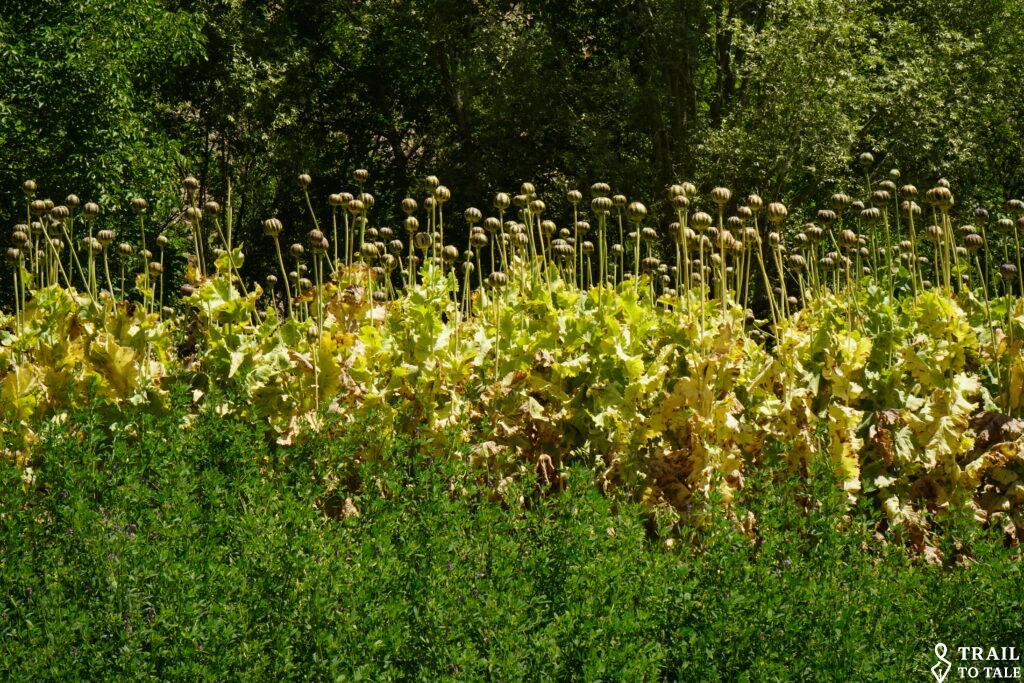
Some beautiful flower plantations are hidden in-between.
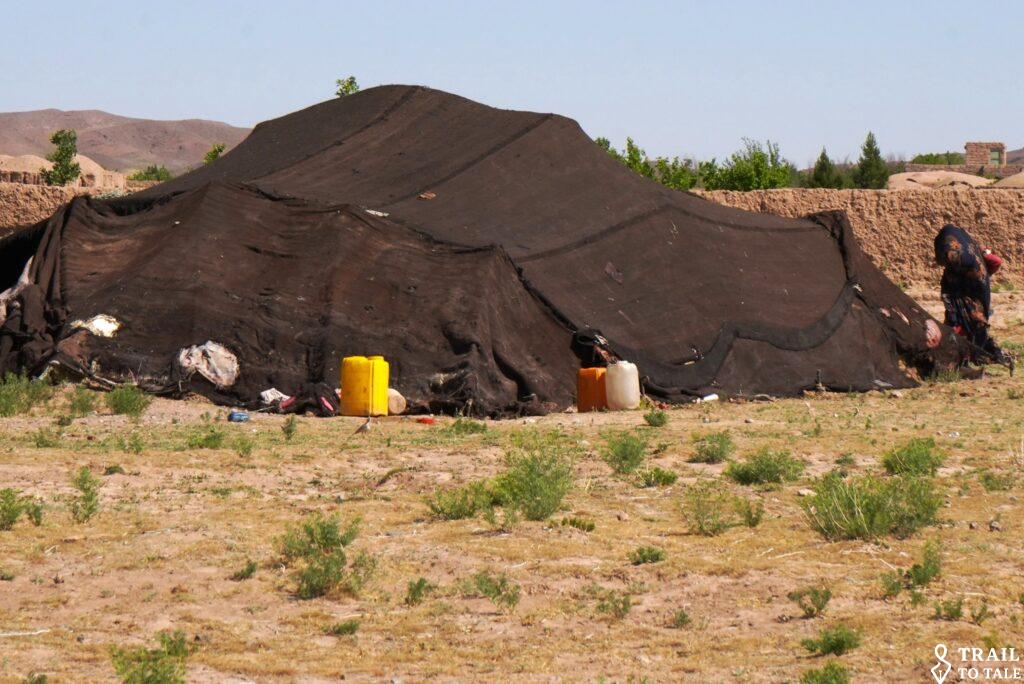
Across the landscape, dark-colored tents mark the presence of nomadic groups, who move with their herds in search of better grazing and more fertile pastures.
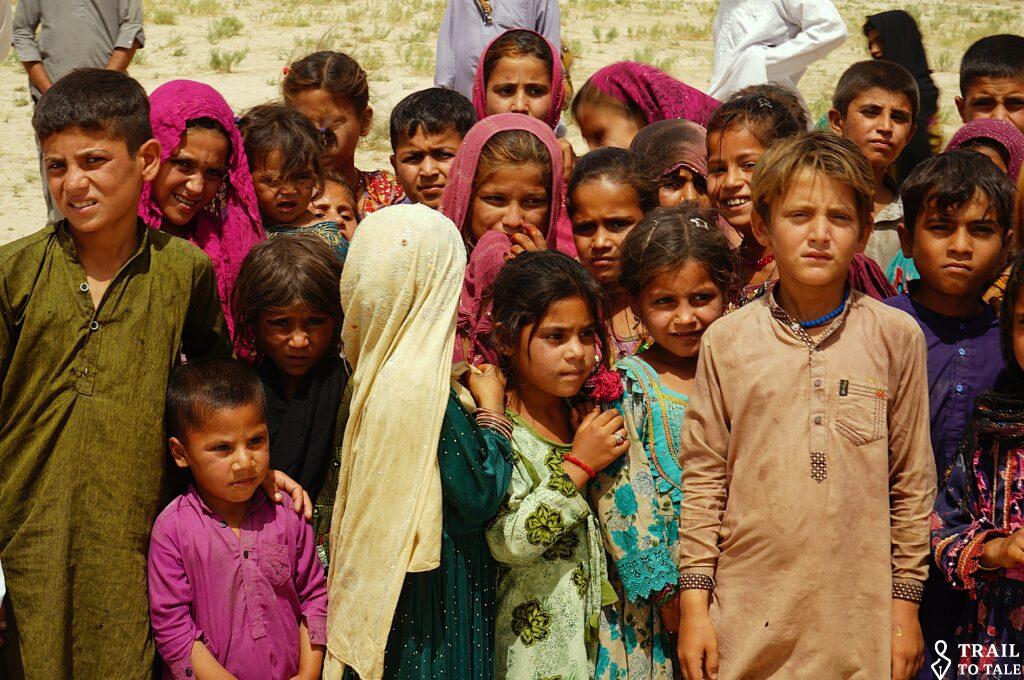
Pakistan’s decision to force Afghan refugees to return to their country of origin has created enormous hardship for the individuals involved, and an additional burden for Taliban-ruled Afghanistan. Some had lived in Pakistan for decades, owned businesses, paid taxes and, in many cases, had even been born there. To be deported with only a few belongings to a country they barely know, under a government with which they may not identify, is an exceptionally difficult reality to face.
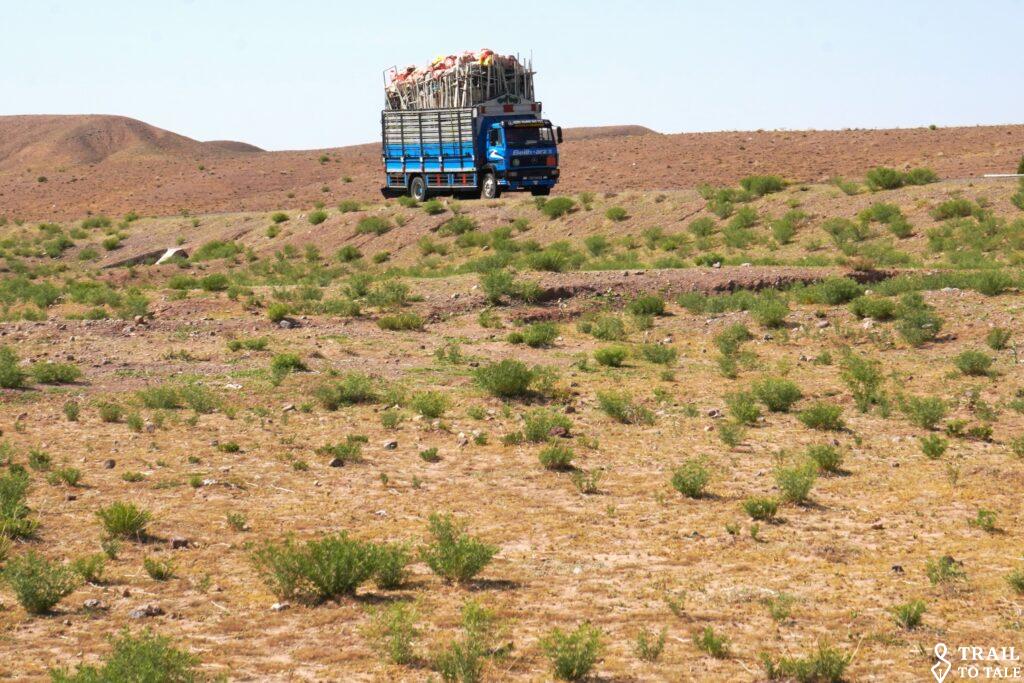
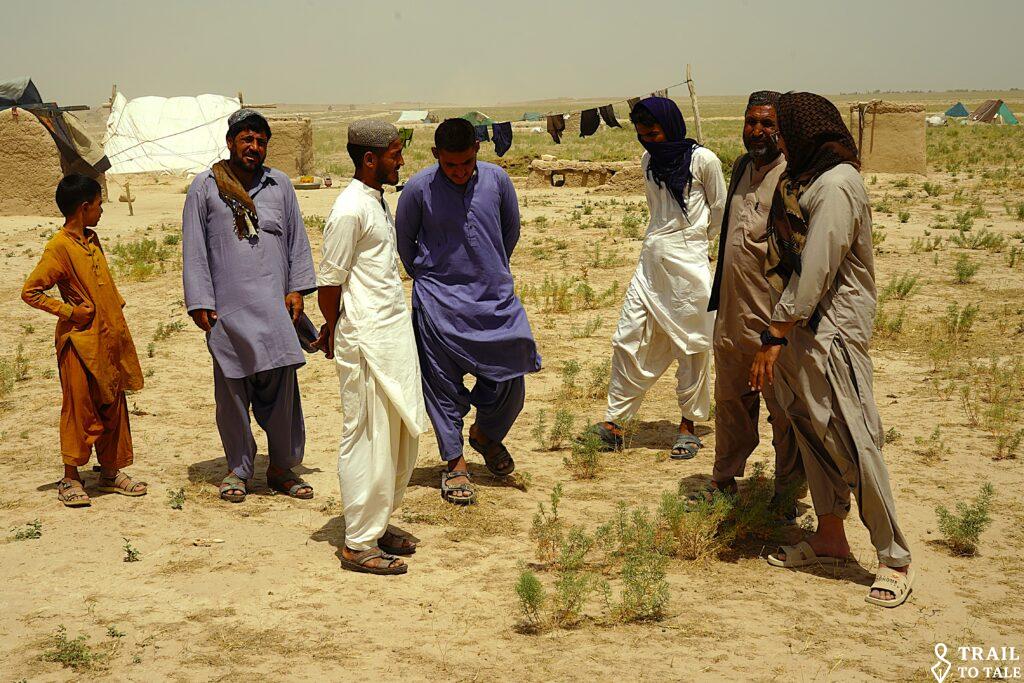
The worst conditions are found in makeshift refugee camps such as these, scattered across the Dashte Abdaan desert.
There is no proper sanitation, no nearby well and often no reliable source of water for kilometers. Schools and medical care are equally distant or entirely absent.
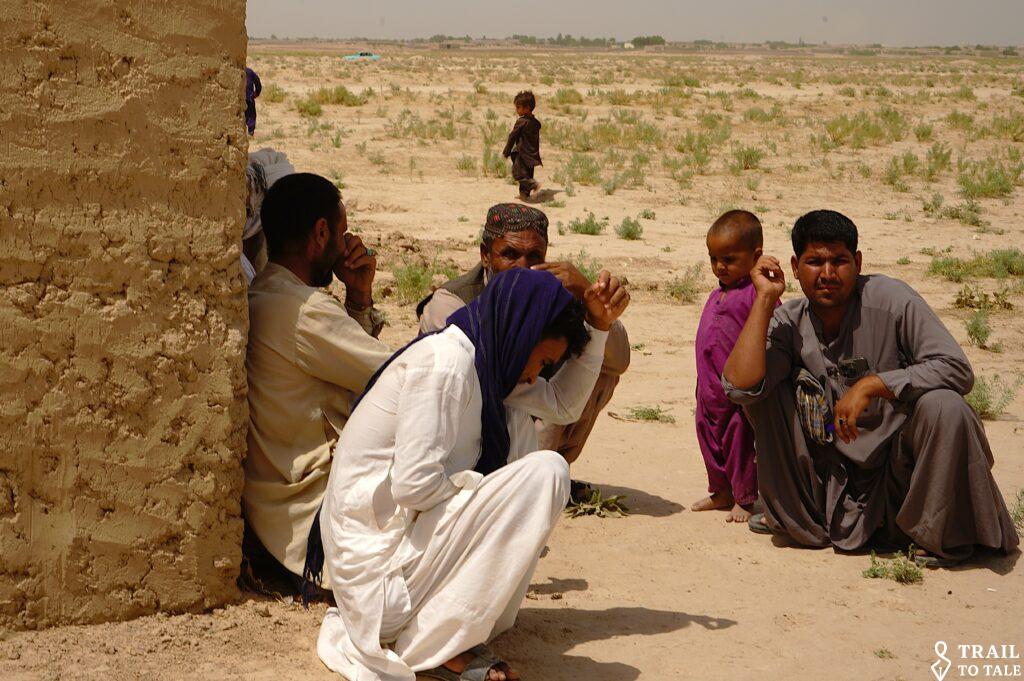
What future awaits these children??
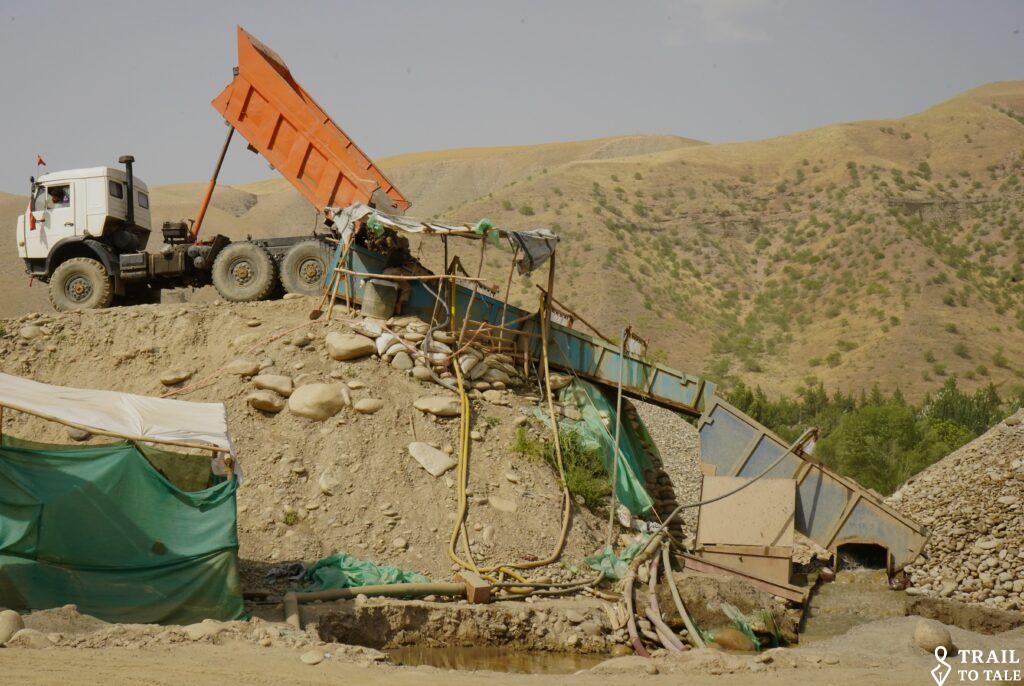
Meanwhile, Chinese companies have been granted concessions to extract gold from river sediments.
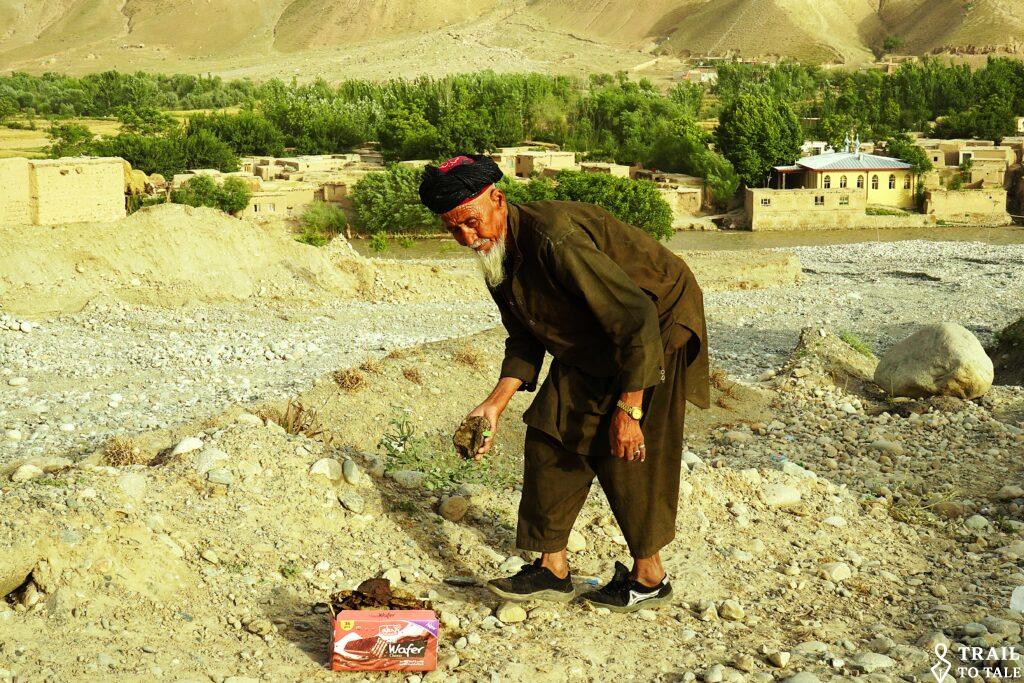
Not far away an elderly is collecting sheep dung to use as fuel.
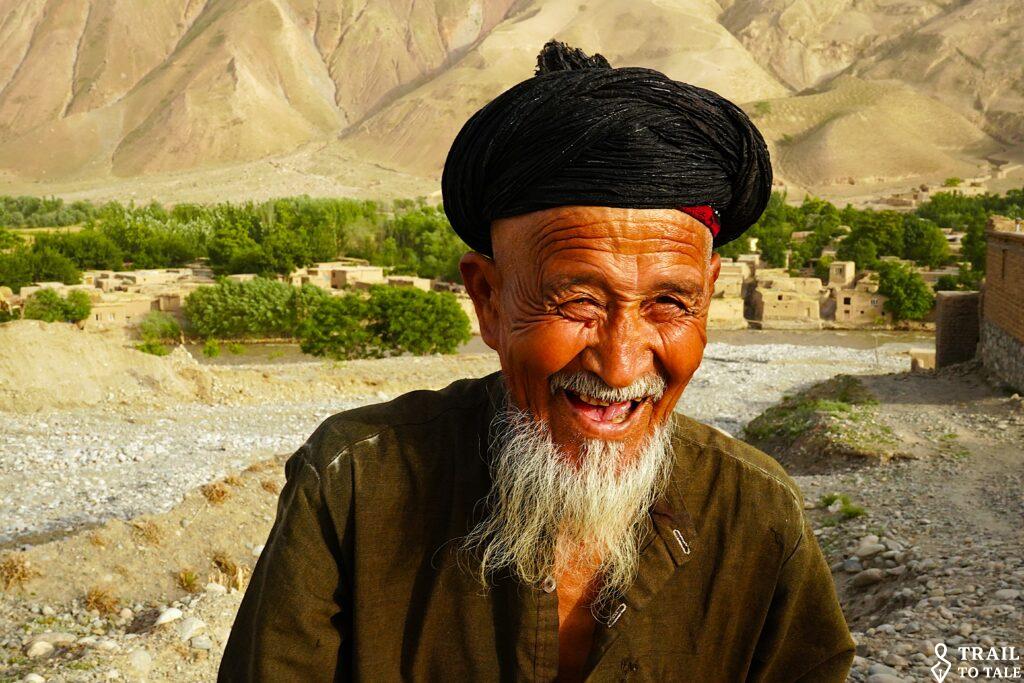
Yet even in such difficult circumstances, there is still room for laughter.
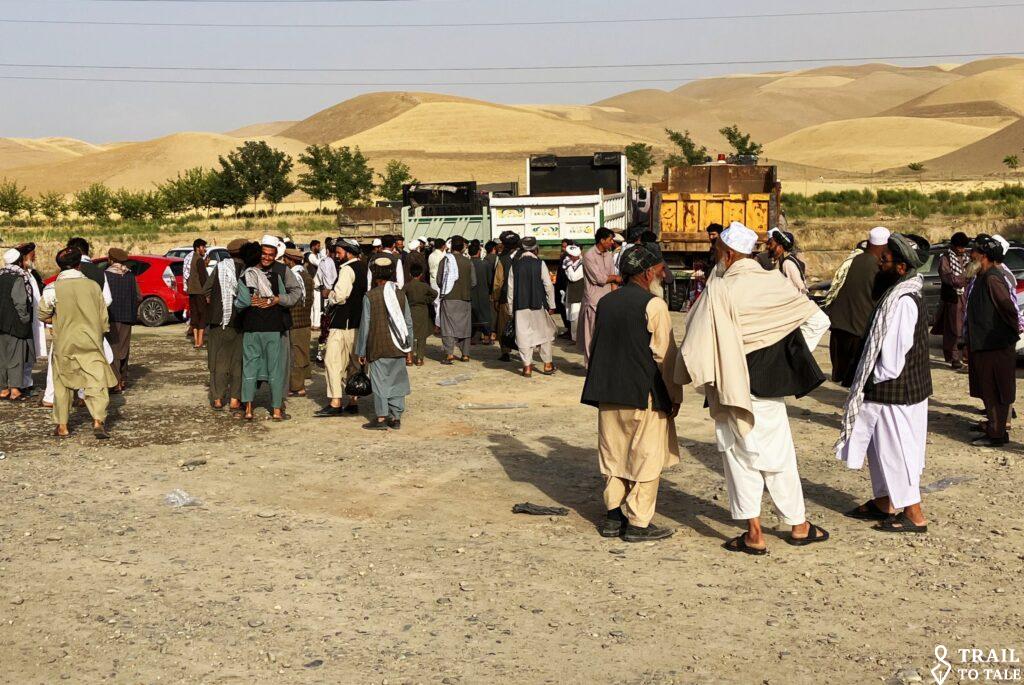
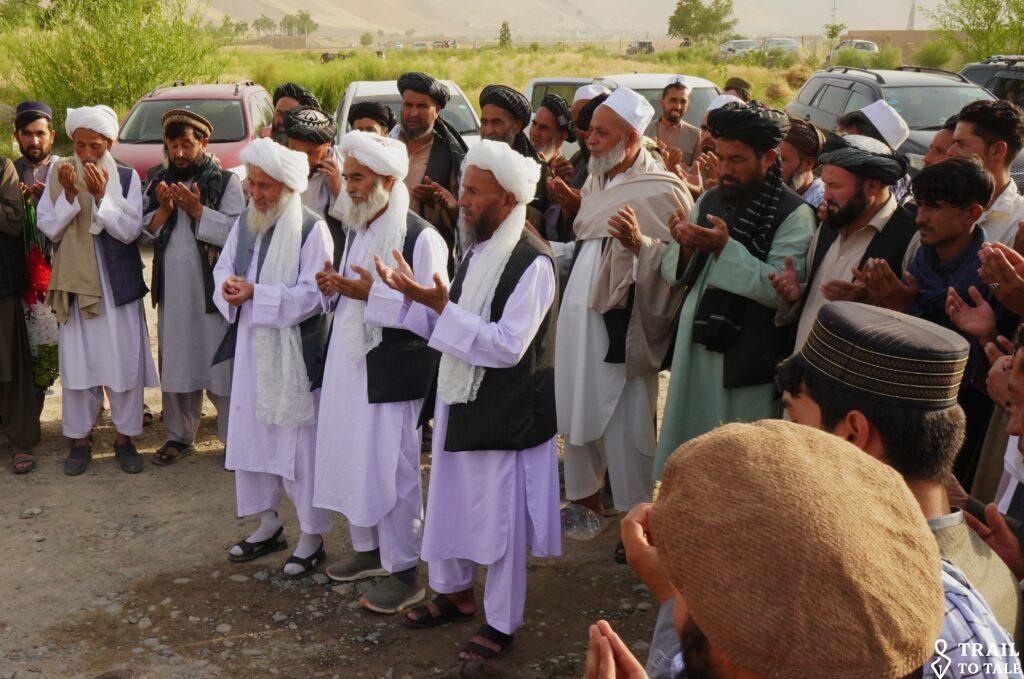
Returning pilgrims from the Hajj are awaited by well-wishers still far from home.
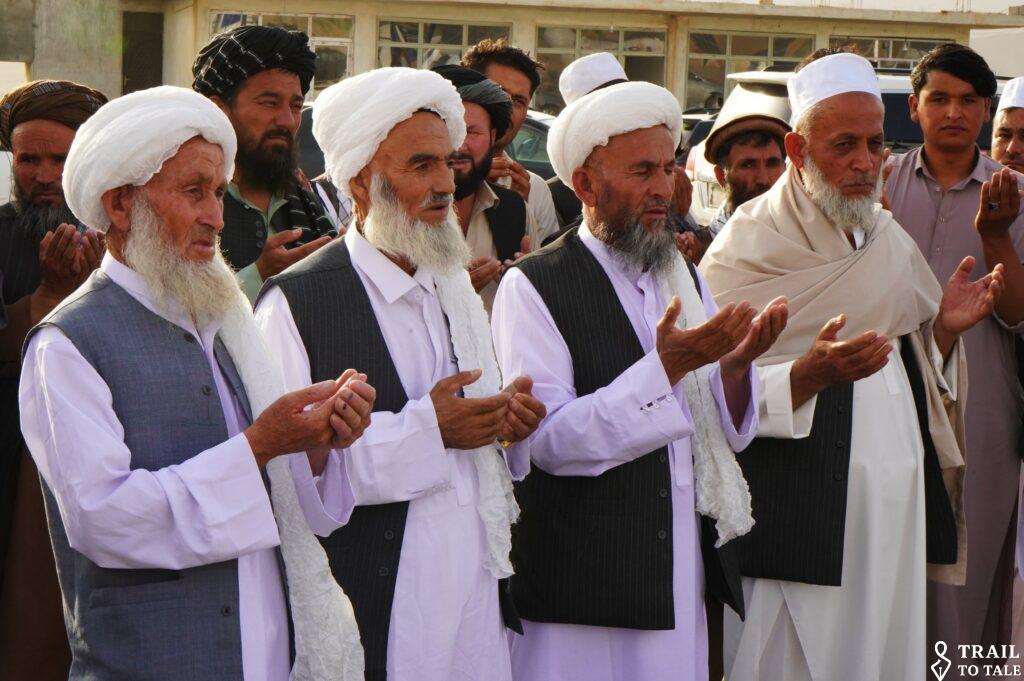
A joint prayer is held to mark their return.
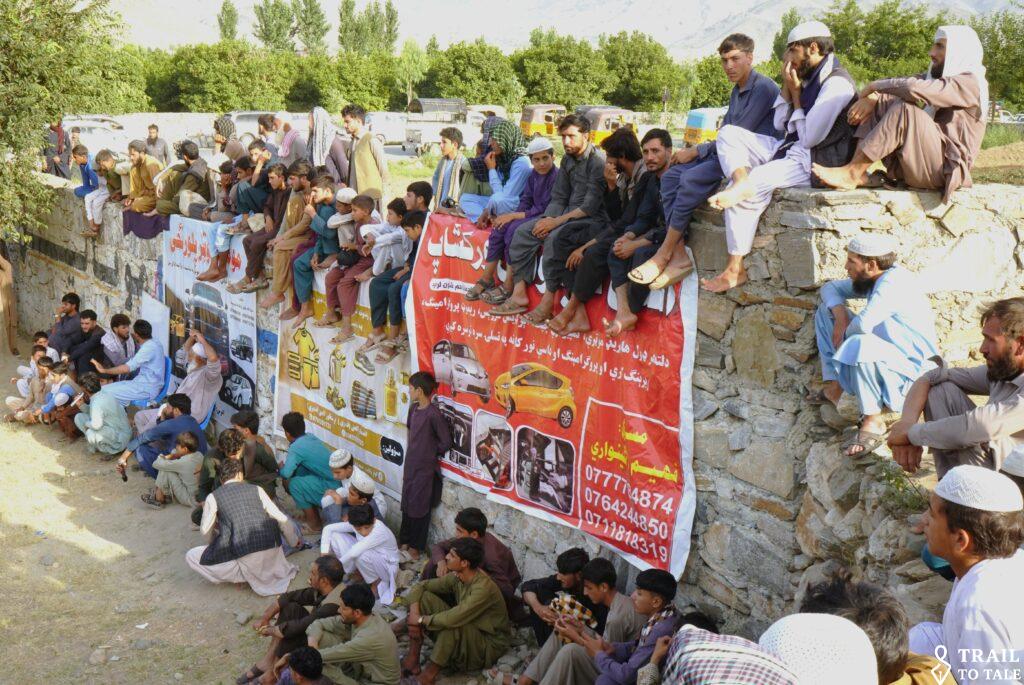
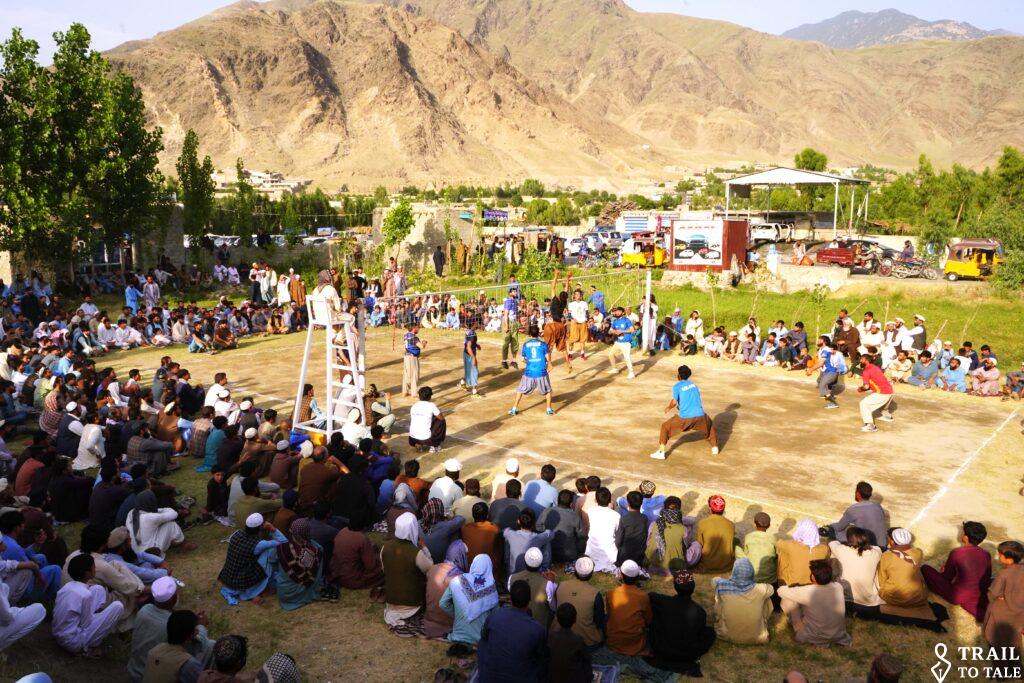
Volleyball is hugely popular. Unfortunately, women are not permitted to attend the games (never mind playing it themselves).
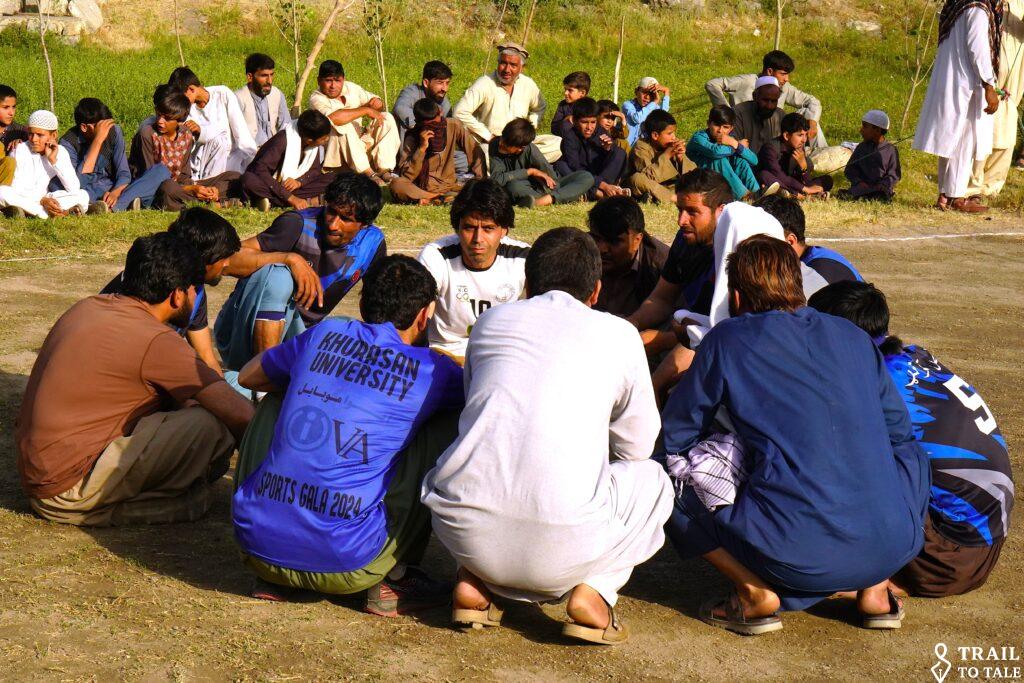
The final team talk of the University of Khurasan volleyball team.
The dress code (enforced by religious police) requires trousers to cover the knees.
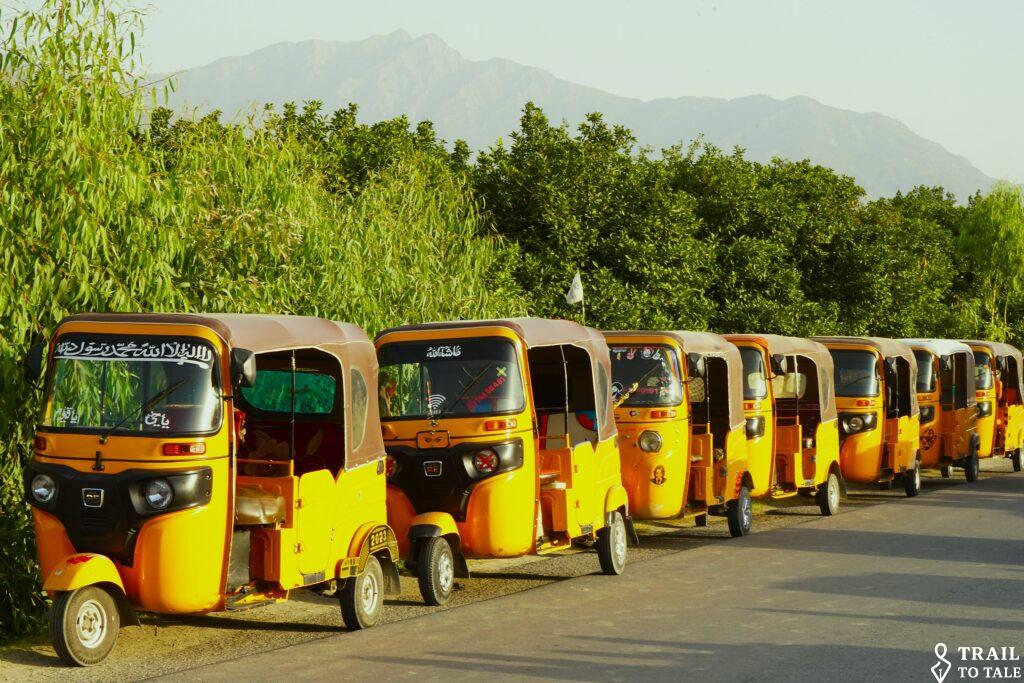
Taxi stand
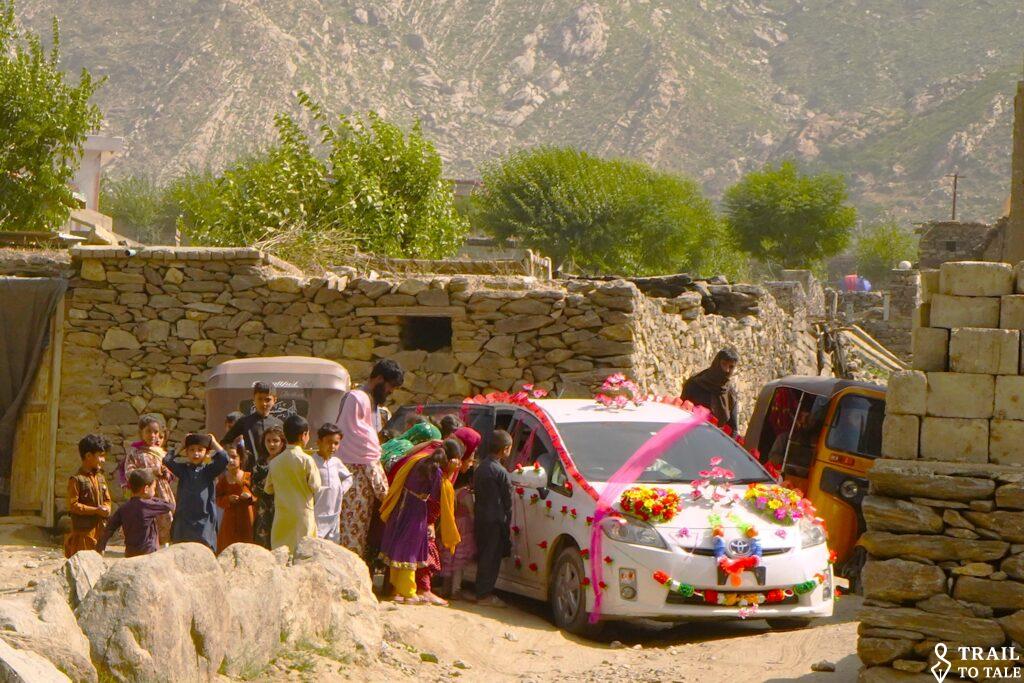
A newlywed from the village surrounded by well-wishers.
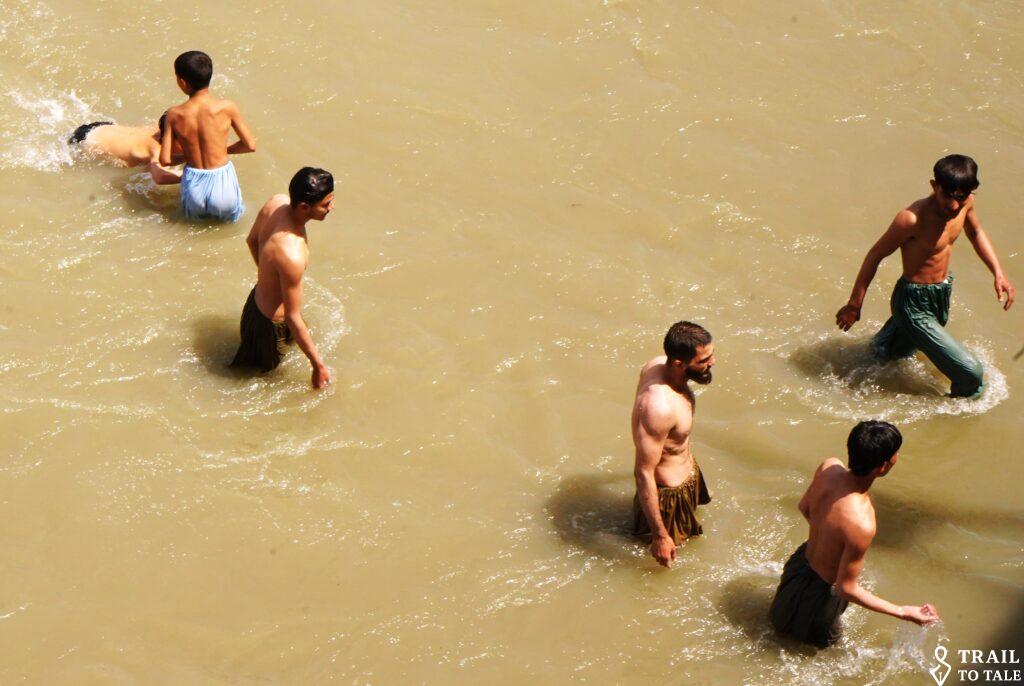
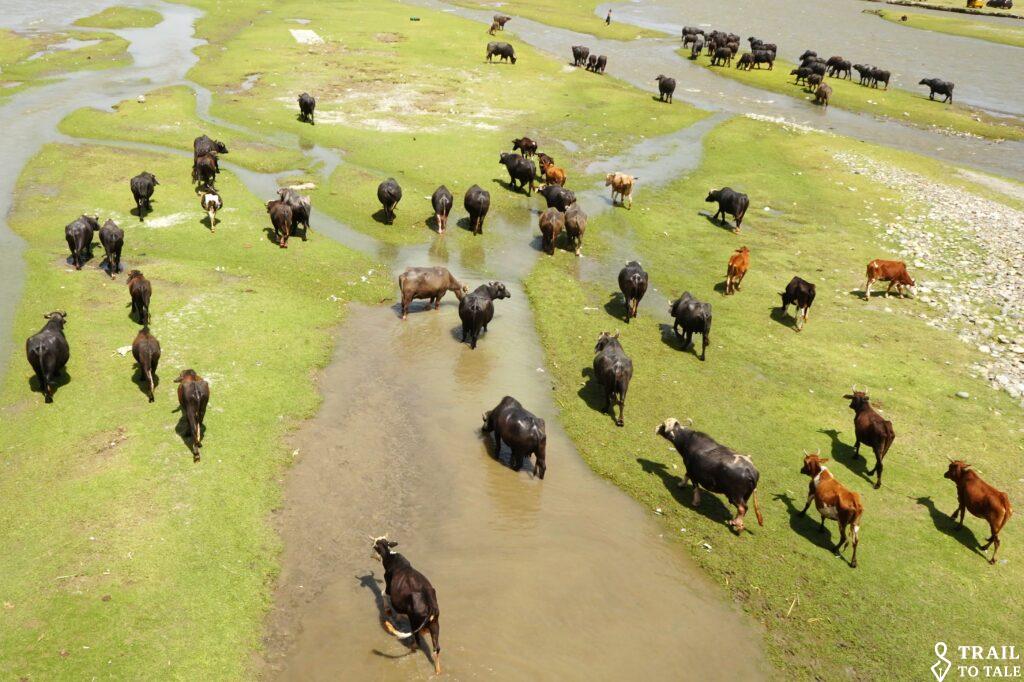
The Kokcha River near Faizabad (Capital of Badakhshan Province) allows refreshment for men and and grazing of water buffaloes.
Checkpoints are found every 10–20 kilometers throughout much of the country. Patience is essential. Passports, visas and permits are carefully examined. Ultimately, it is all about control.
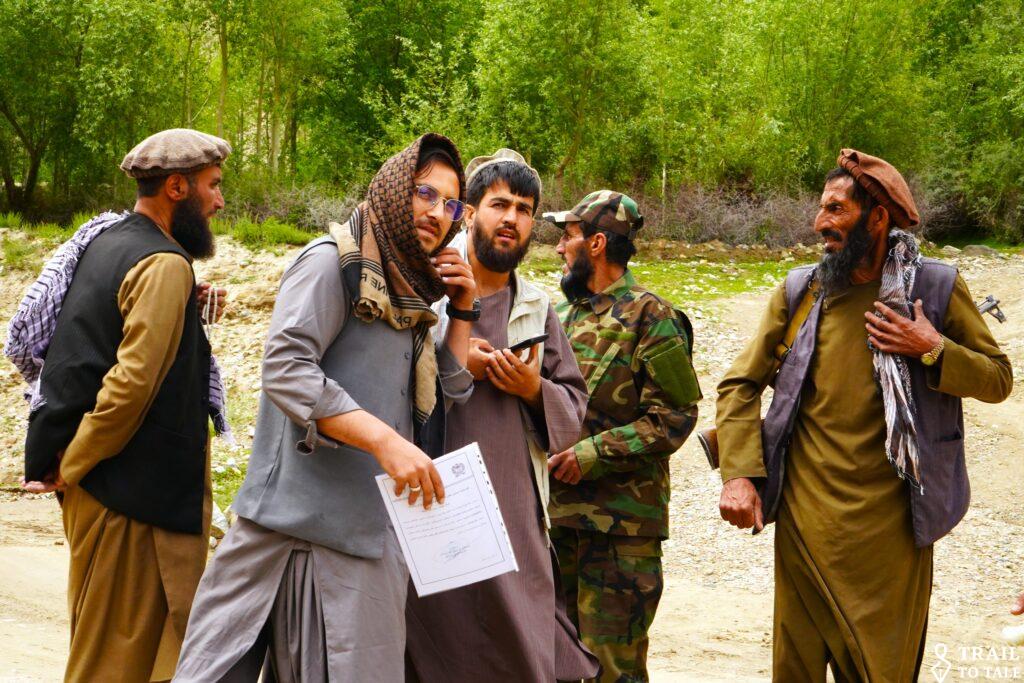
Some personnel, however, are very friendly, happy to pose for a group photograph and ready to share a joke.
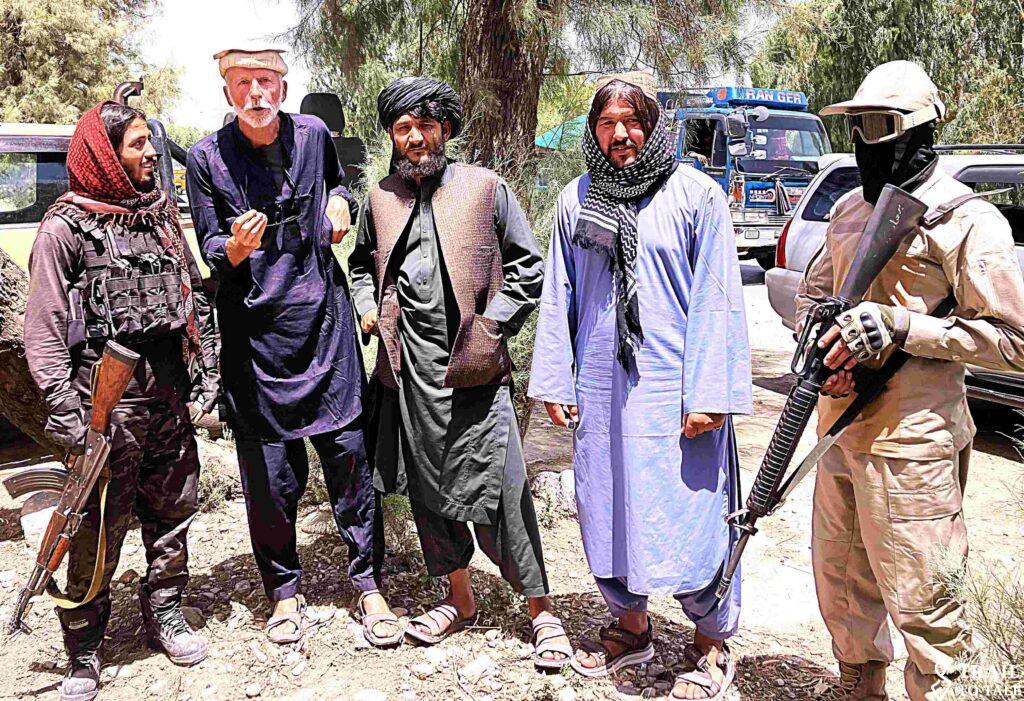
The infrastructure once built and used by the international forces supporting the previous regime has now become the property of the new rulers. The Taliban’s white-and-black flag makes it clear who is in charge.
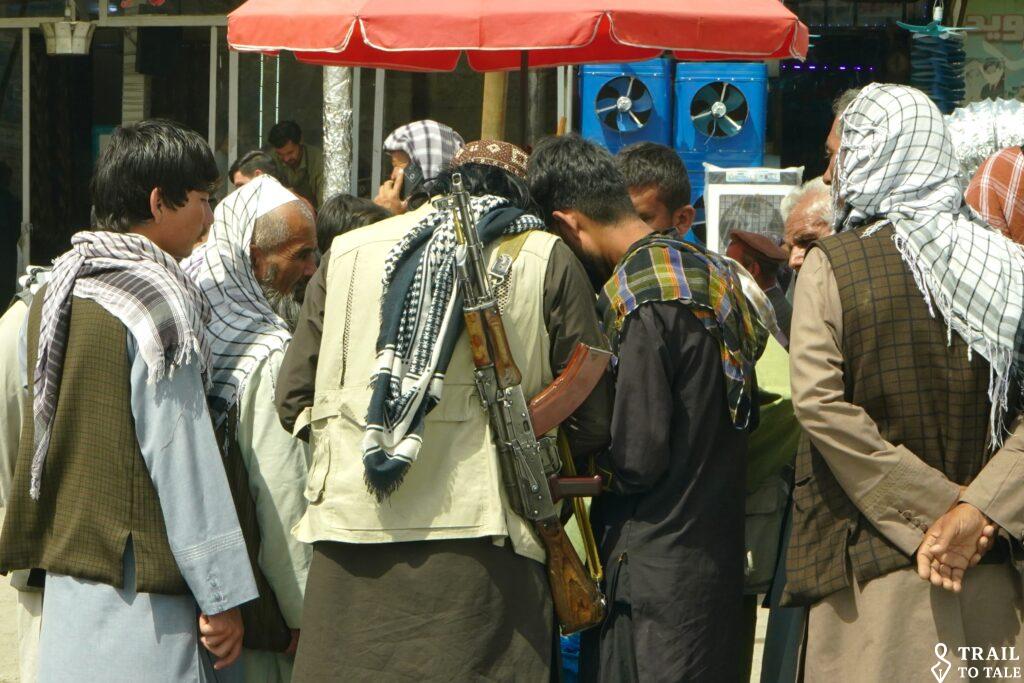
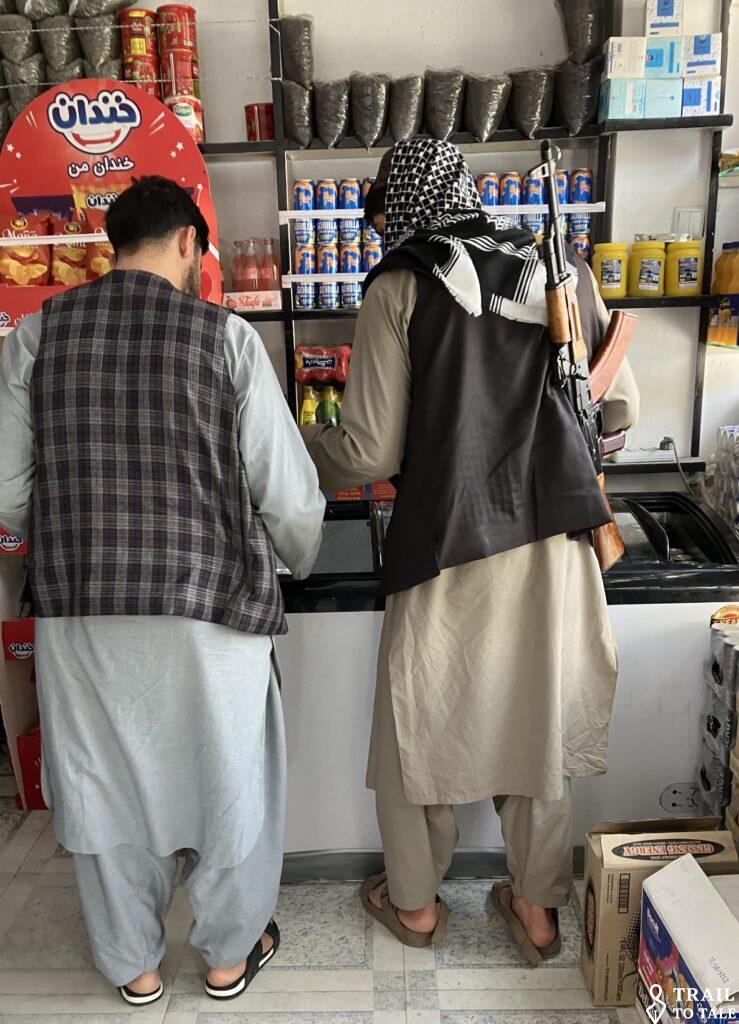
Guns are visible everywhere
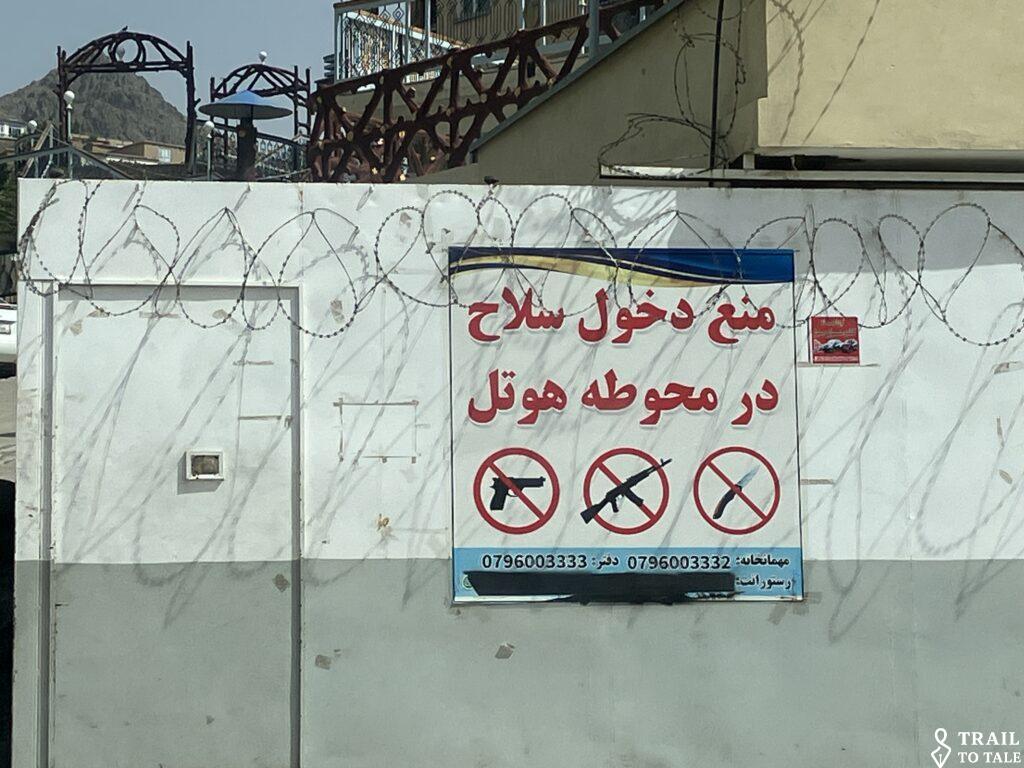
A friendly reminder at a fortified hotel entrance. (which was not enforced)
Memories from the 90ties
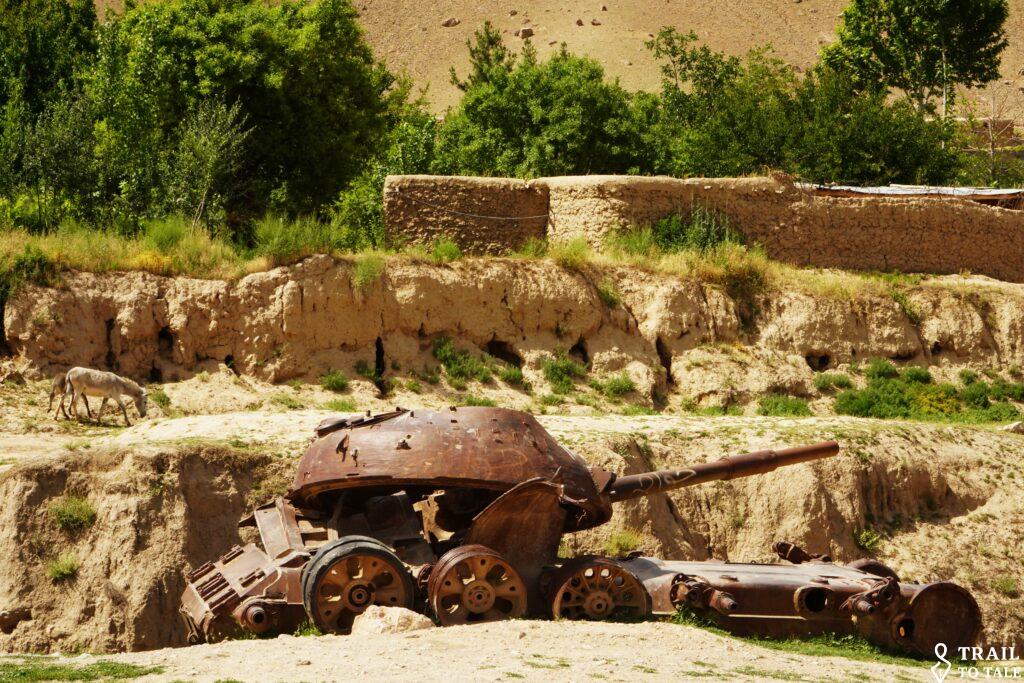
Memories from 2021
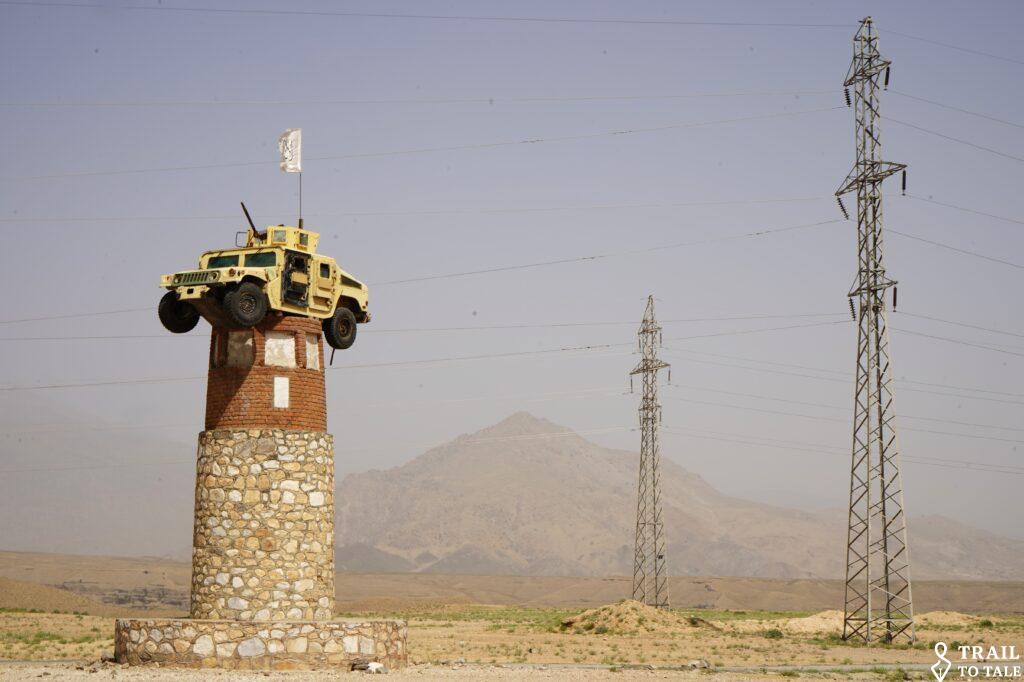
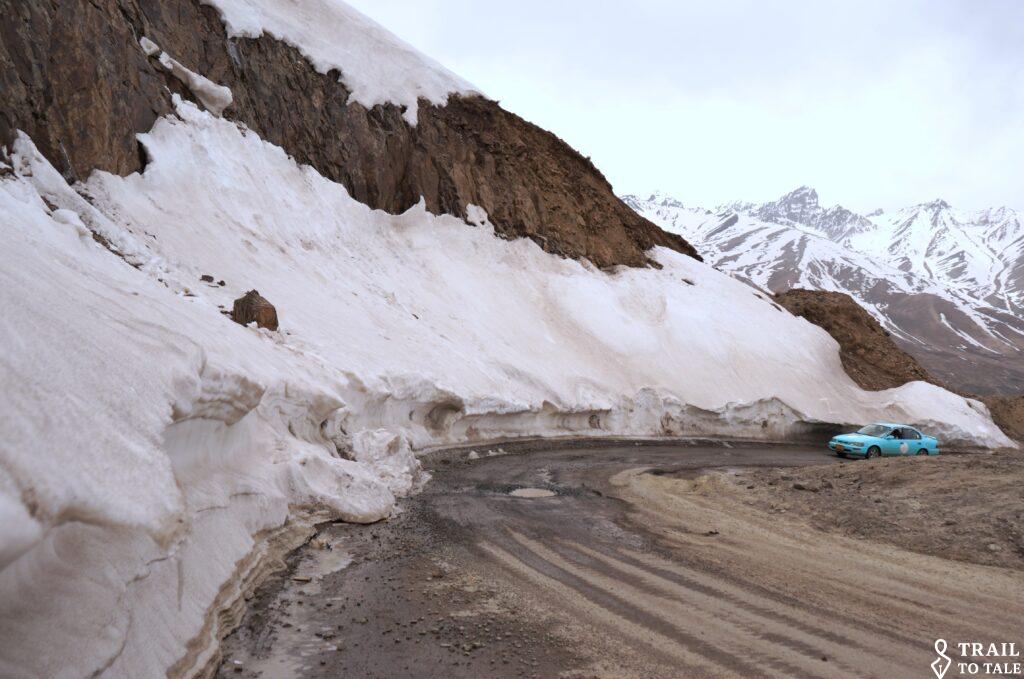
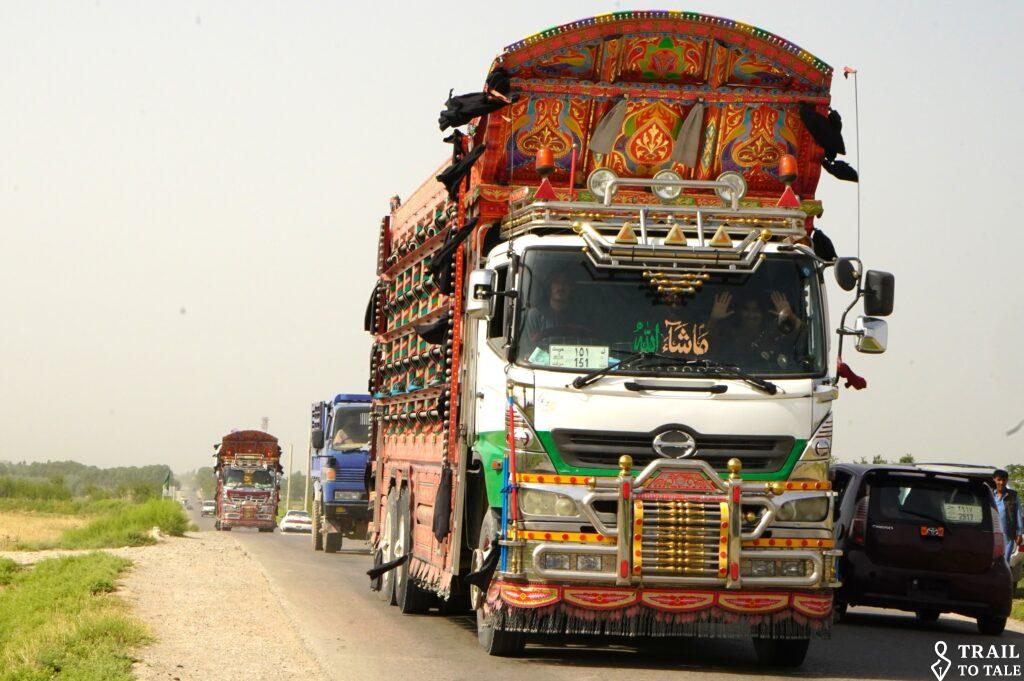
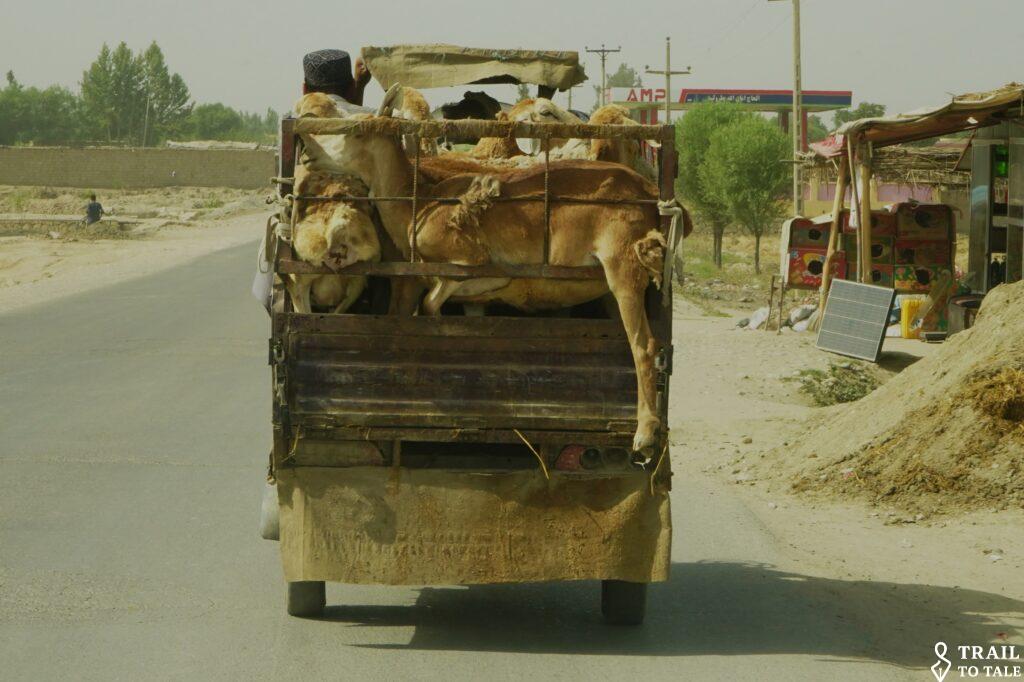
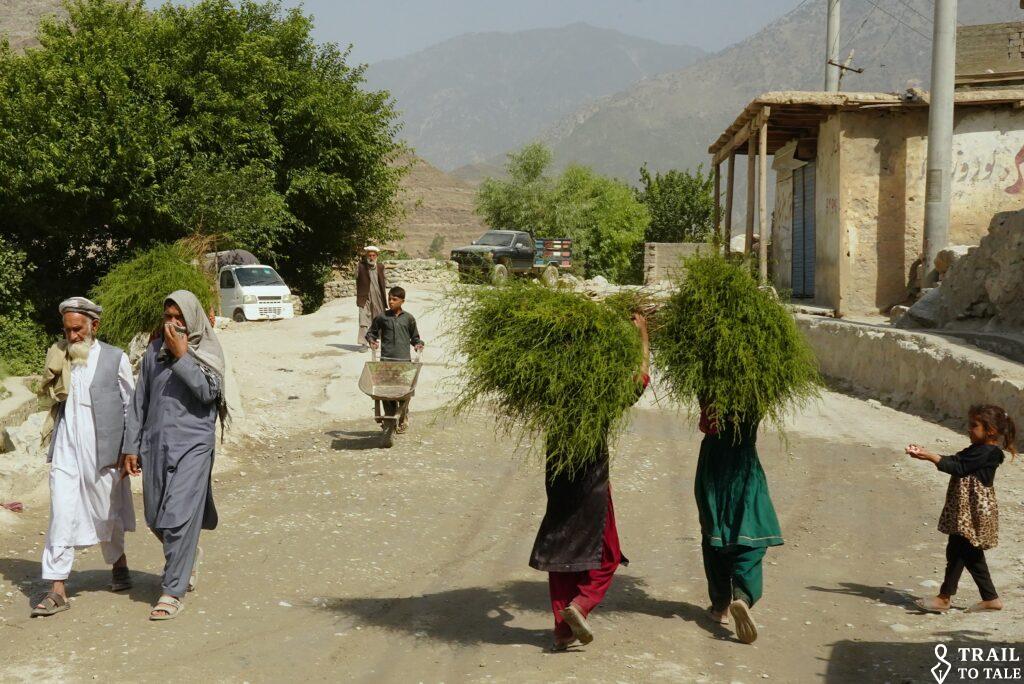
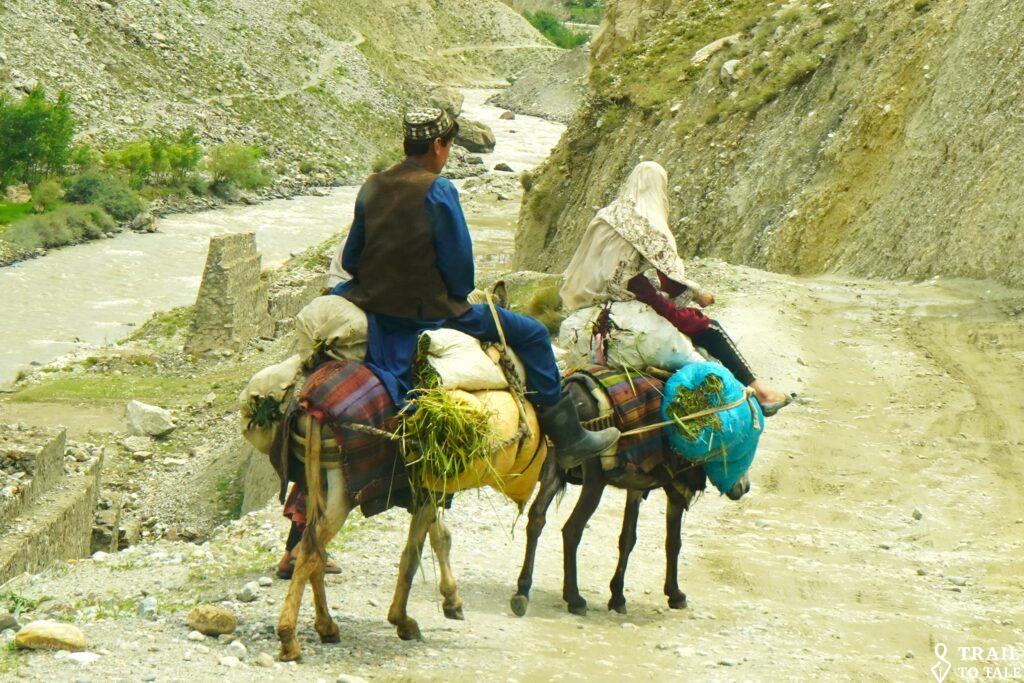
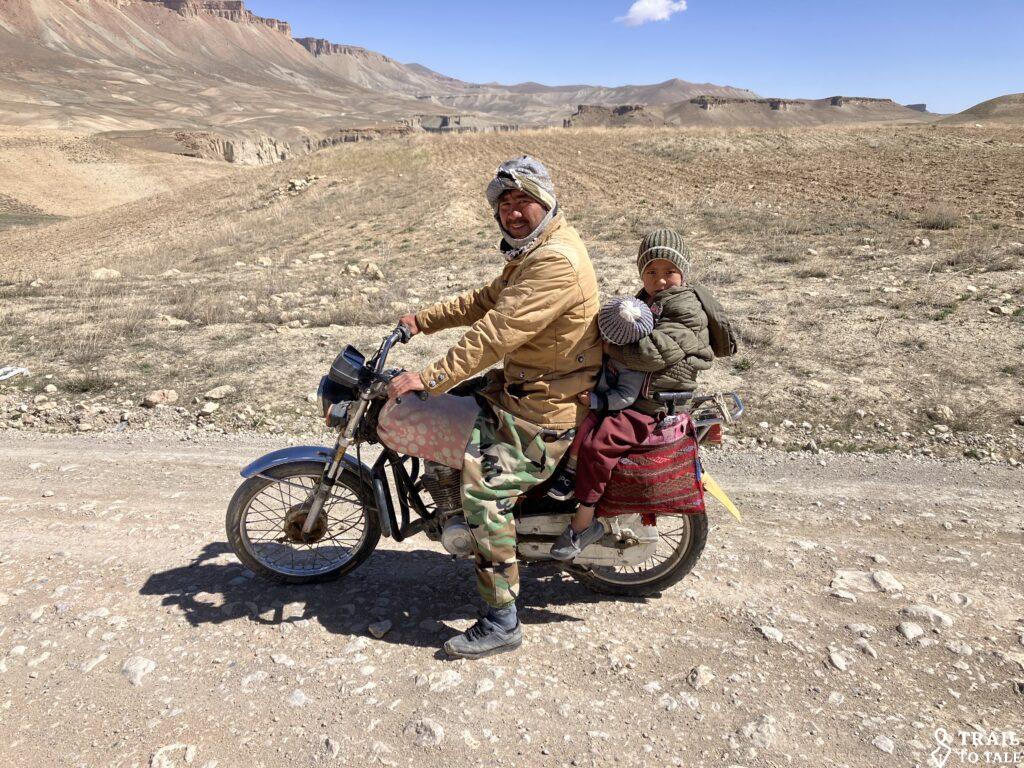
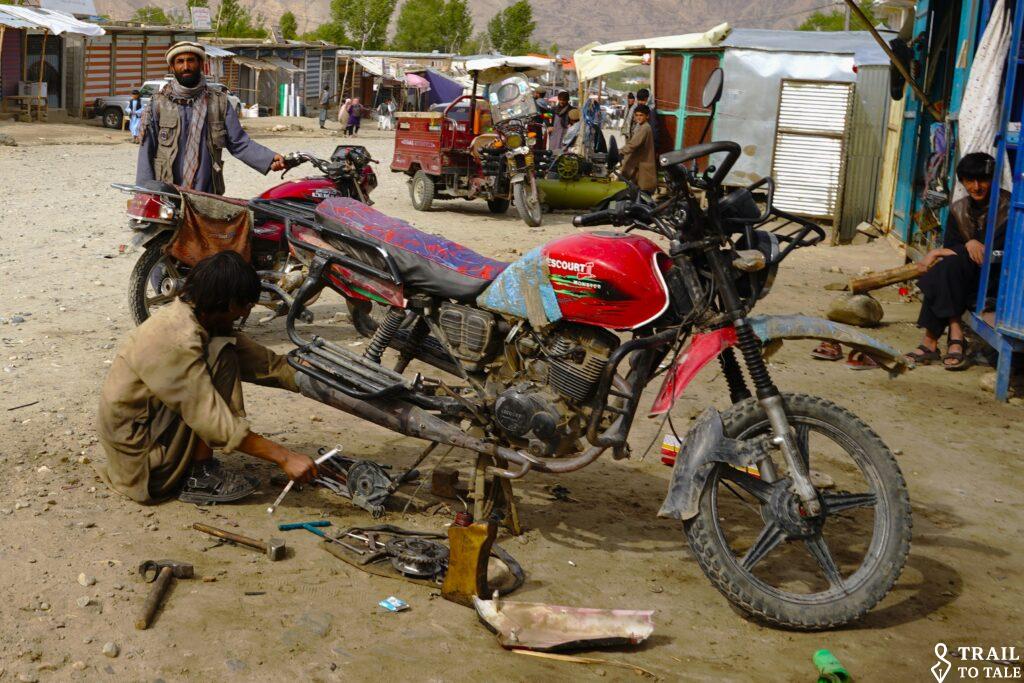
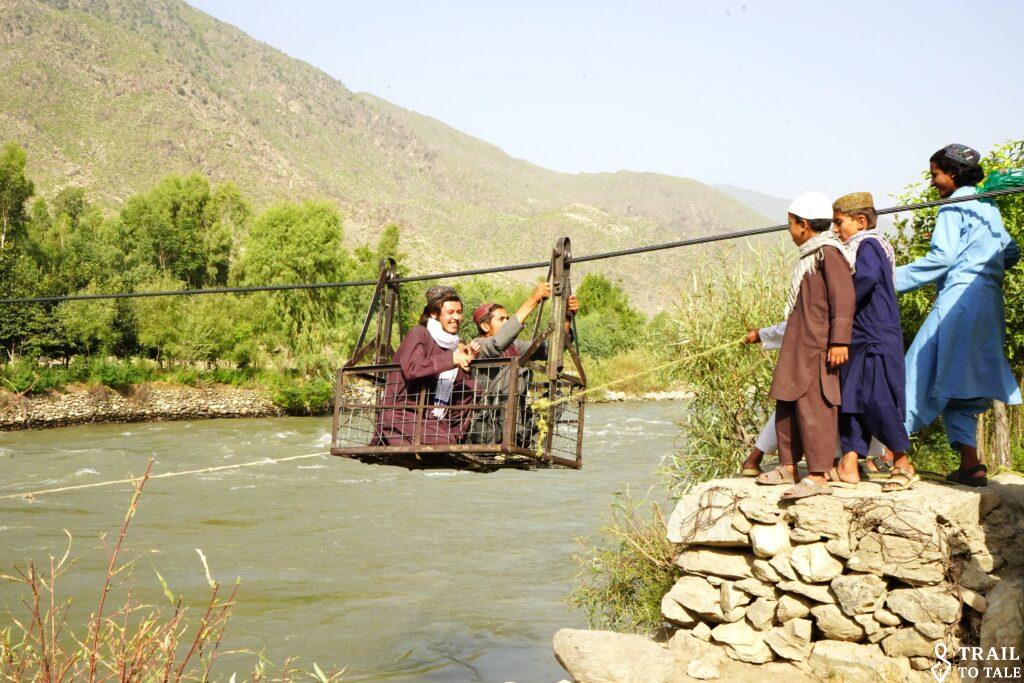
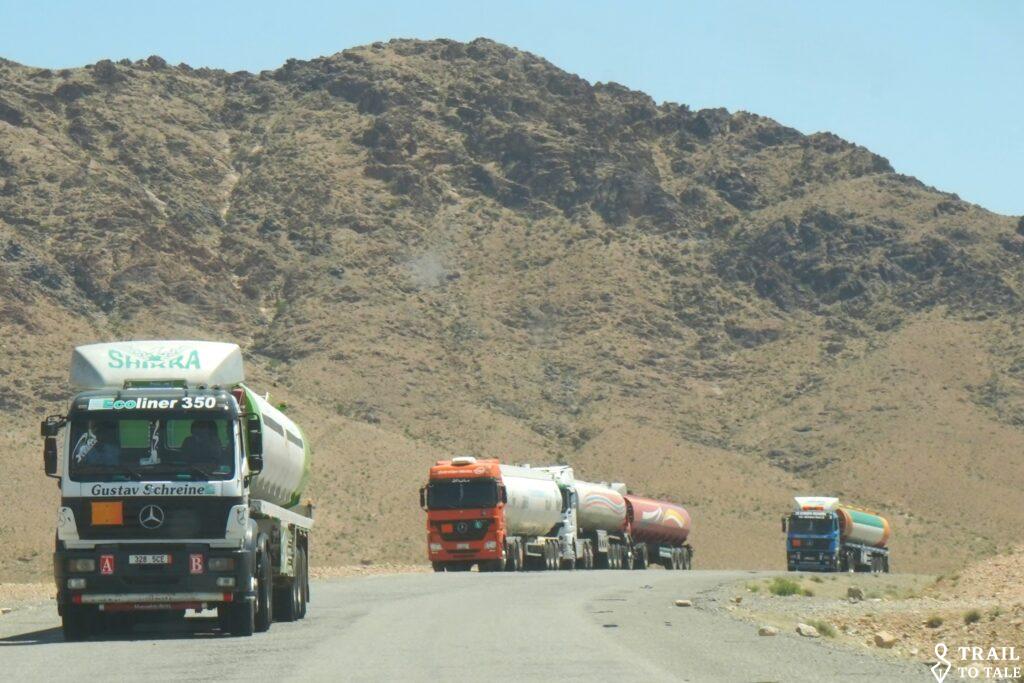
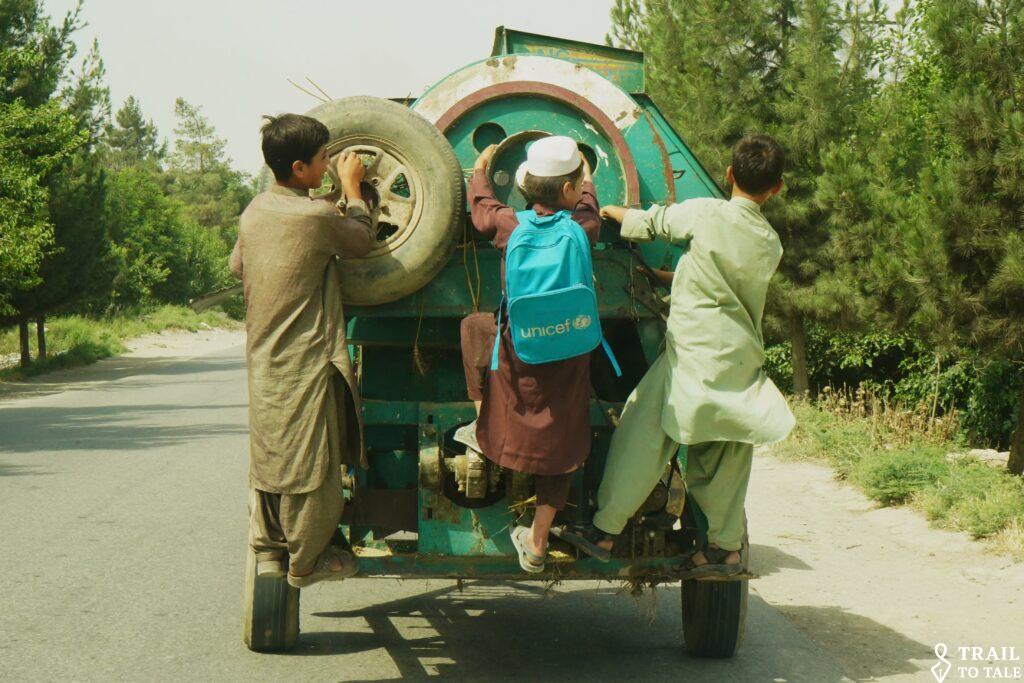
Movement and logistics, often across vast distances and over some of the country’s most difficult roads.
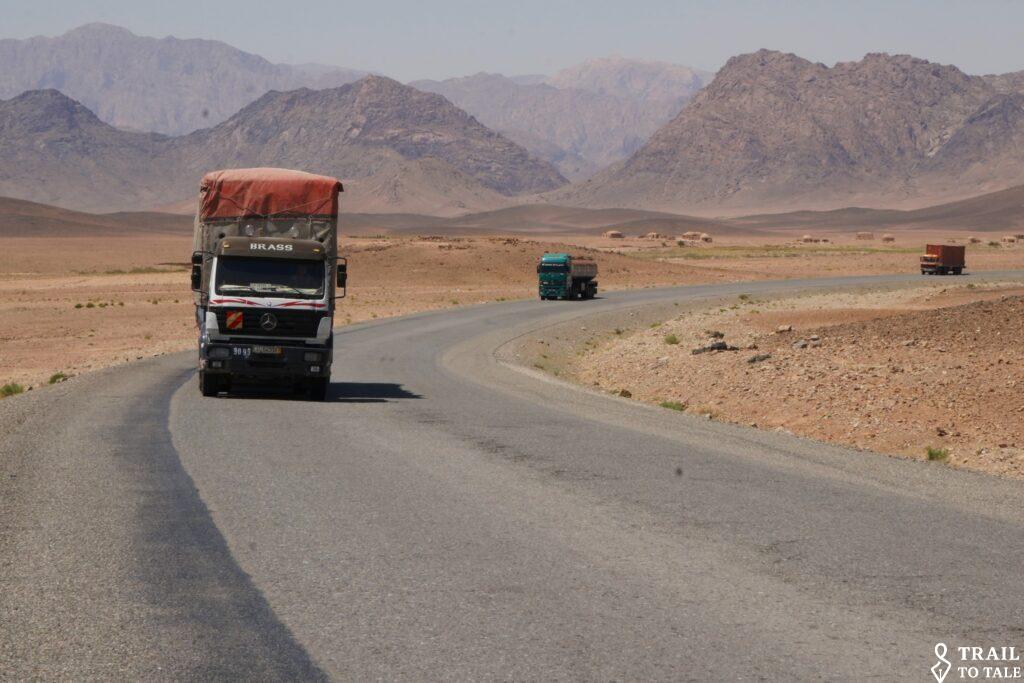
Much of Afghanistan’s gasoline arrives from neighboring Iran.
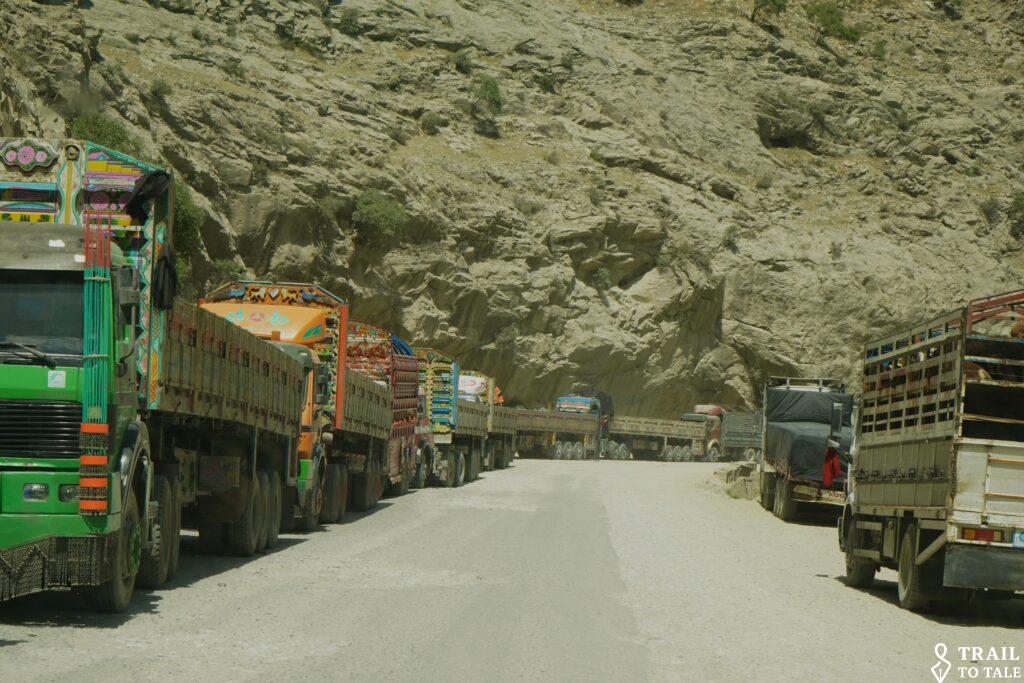
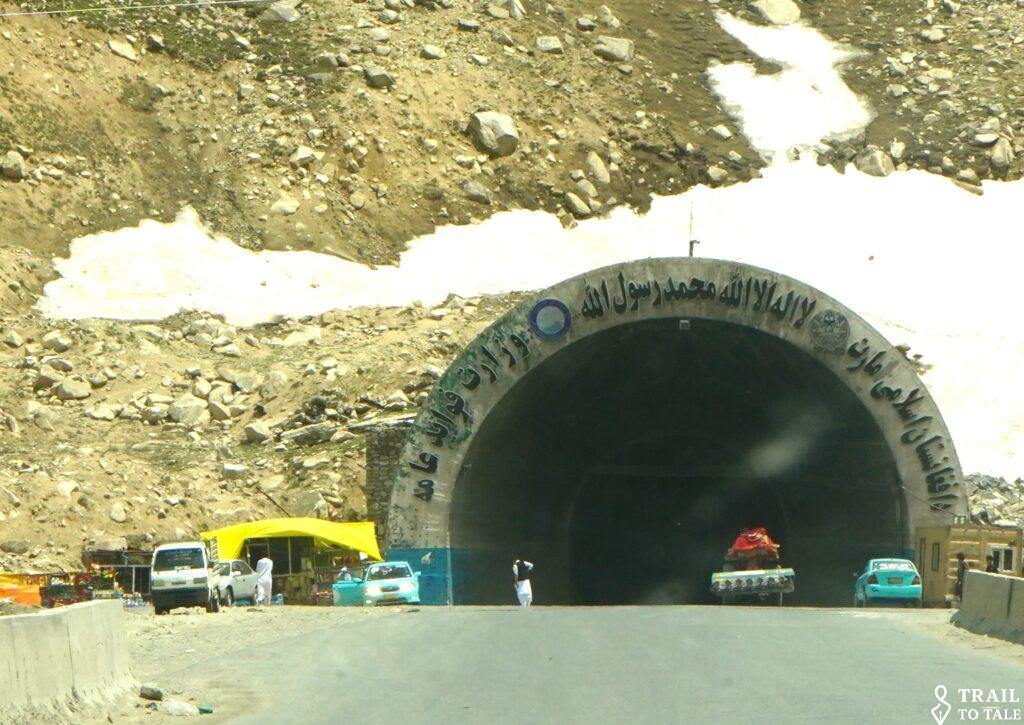
At the tunnels, long queues can bring traffic to a standstill.
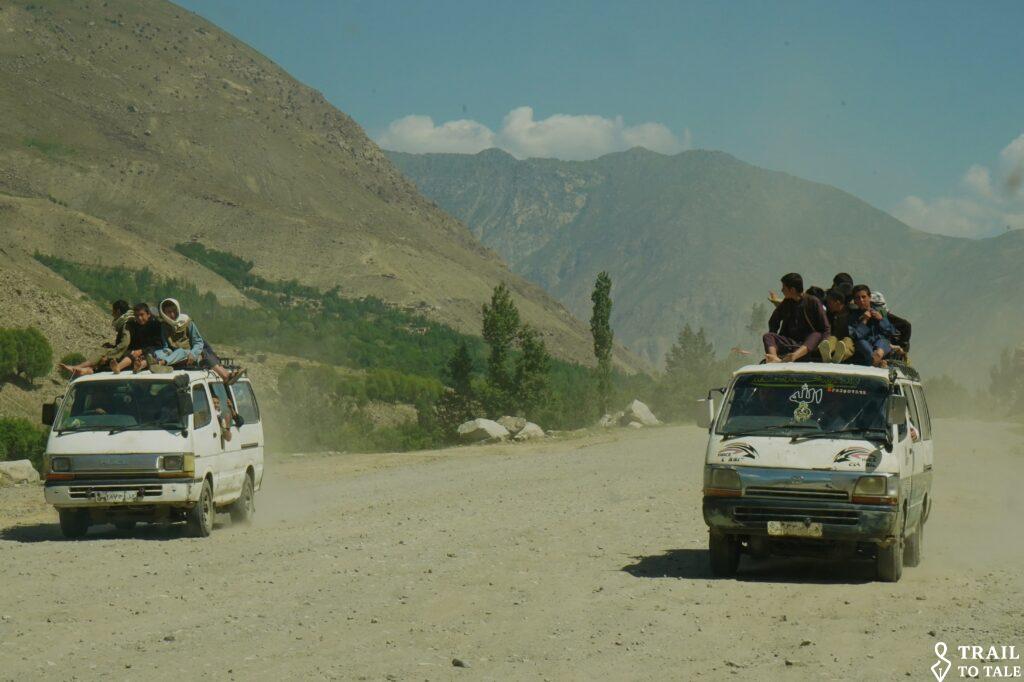
And then there are the drivers who seem determined to make up for lost time: the fast and furious of Afghanistan’s roads.
At the end of the day, life in Afghanistan for many revolves around survival. Beggers along the road.
Leave a reply
You must be logged in to post a comment.