


For travelers, Kabul (the political and economic center) offers no simple narrative. Instead, it presents something far more complex: a place where beauty and hardship coexist, and where the spirit of the city is found not only in its landmarks, but in the everyday life of those who call it home. It is shaped as much by its geography as by its history, and by the resilience of its people. Beneath the watchful peaks of the Hindu Kush, life continues, through markets and prayers, gatherings and routines.
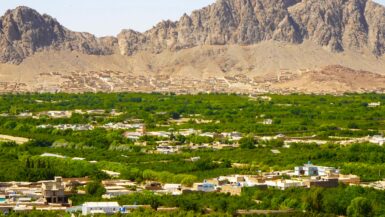
The snow-capped mountains form a dramatic natural amphitheater around the Afghan capital, offering a striking backdrop that changes with the seasons.

Kabul is shaped by hills and history. It rises and falls across a series of hills; each offering vantage points over densely packed neighborhoods and busy streets below.


One of the many small ‘community mosques’ on the hillside.

Many of these hills are crowned with large telecommunications masts, remnants of more recent history, particularly from the period of international military presence.


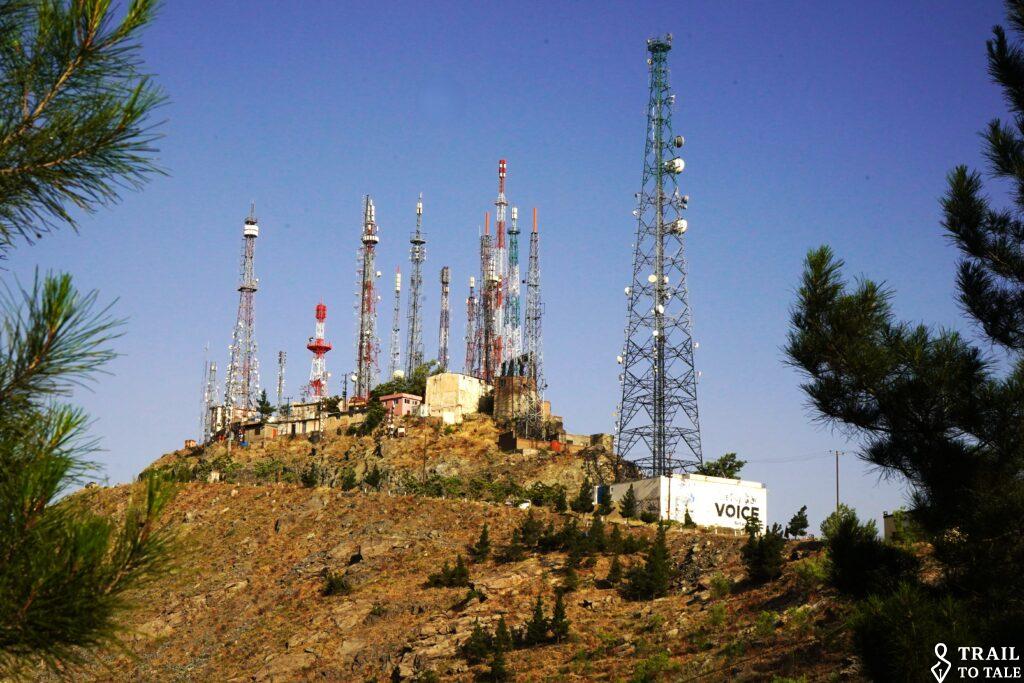
Among the hills, one is standing out: Flag Hill.
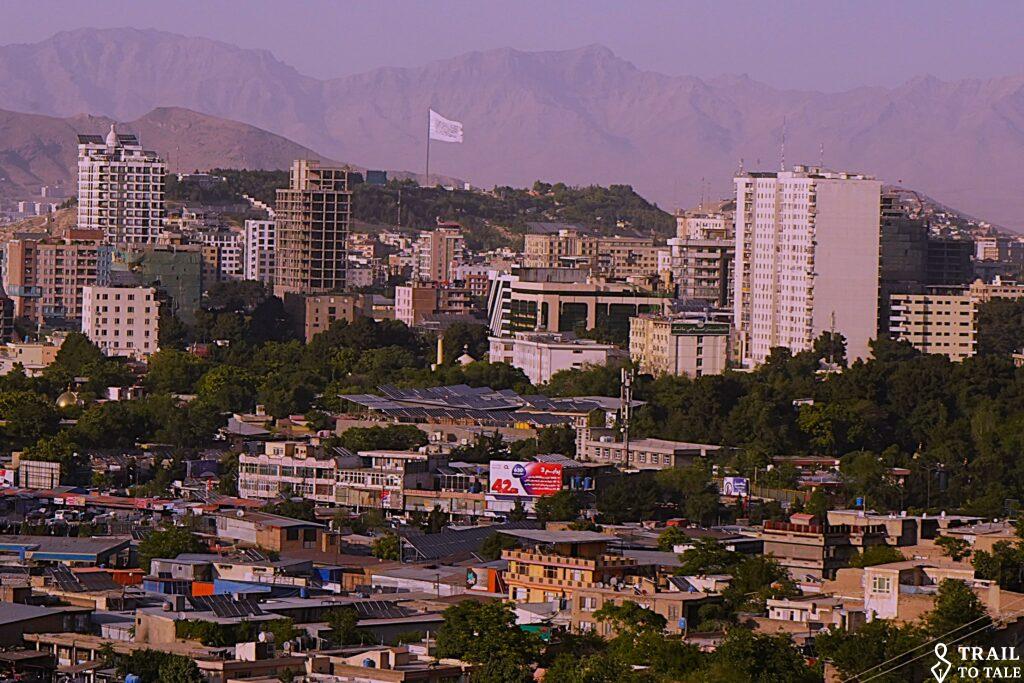
Dominating the skyline, a विशाल Taliban flag can be seen from miles away, fluttering above the city.

The small mosque on ‘Flag Hill’ was a gift from Turkey

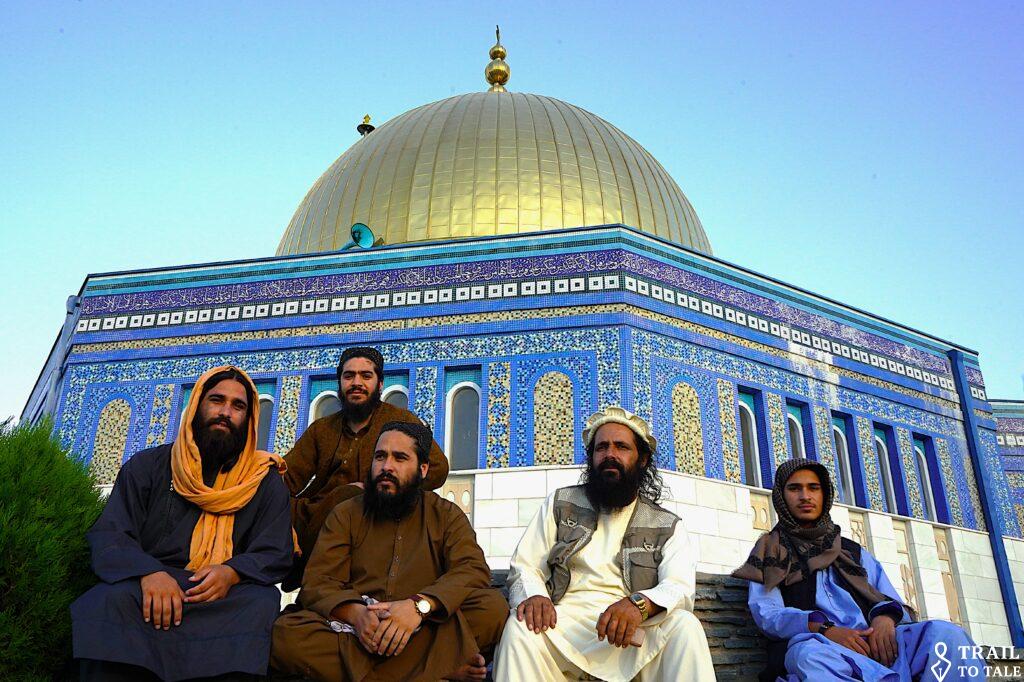

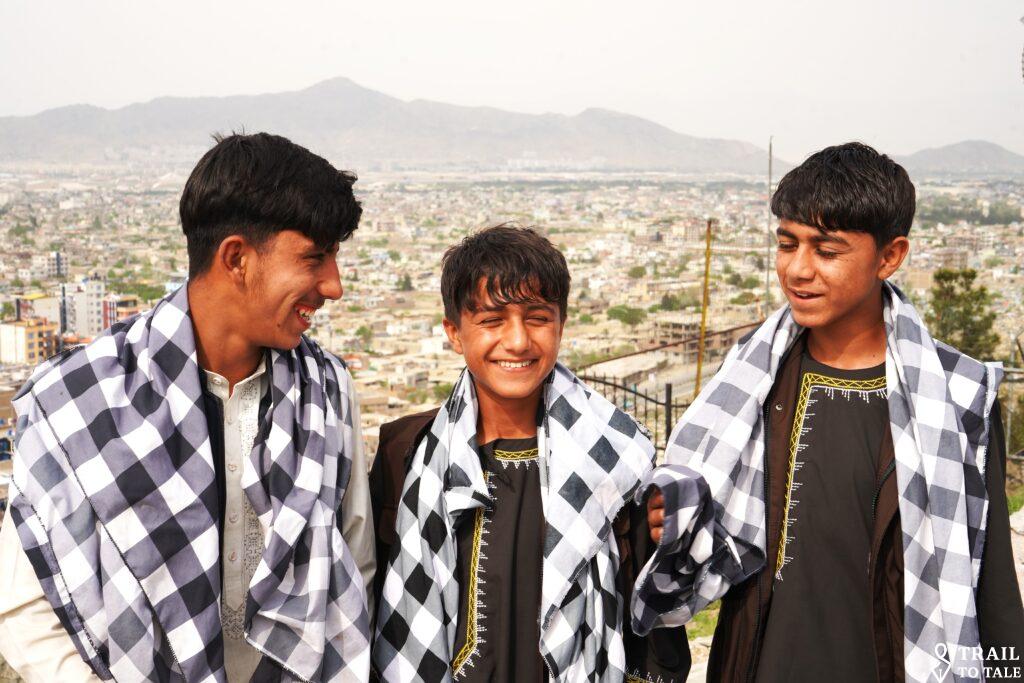
The hill has become an informal gathering place frequented by men (no access for women in public parks), and serves as a symbolic and visual focal point in modern Kabul.





Amid the noise and movement of the capital, spiritual life remains deeply rooted. One of the most visually striking religious sites is the Sakhi Shrine. Its brilliant turquoise tilesshimmer under the Afghan sun is creating a calm and almost otherworldly presence.


Sacred to Shia Muslims, the shrine with the stunning dome attracts pilgrims and visitors alike.

This mosque stands beside a vast cemetery, a poignant reminder of the city’s long and often turbulent history. Here, the atmosphere shifts, quieter, more reflective, offering a moment of stillness in an otherwise bustling city.


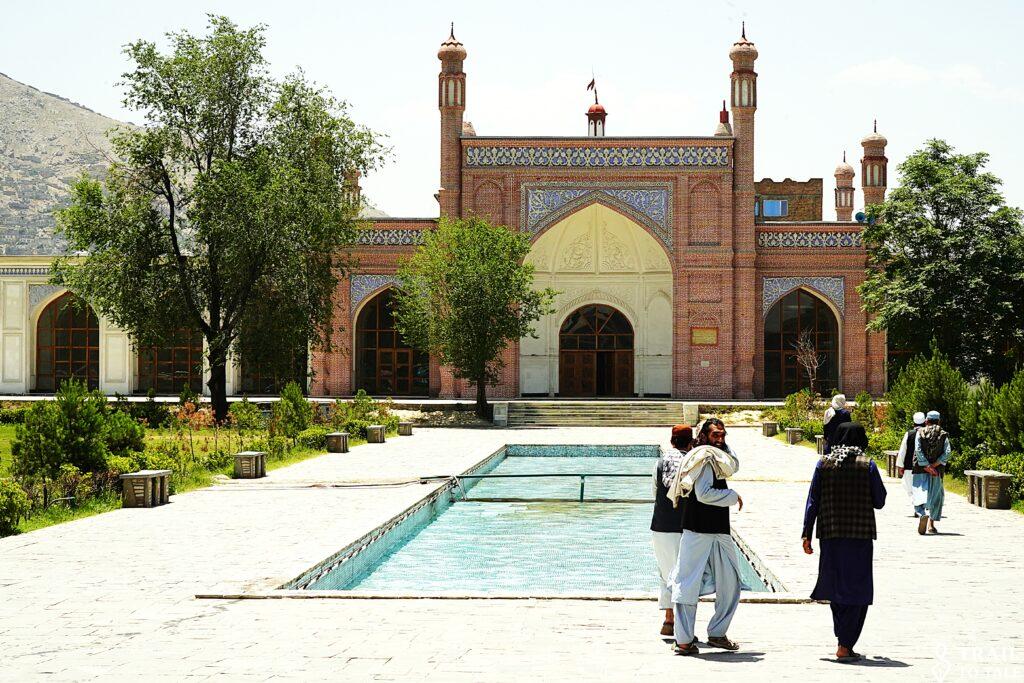
The Abdul Rahman Mosque, also called the Grand Mosque of Kabul has a capacity of 10,000 worshippers. A blend of traditional Islamic design with modern engineering, featuring marble interiors, blue-tiled decoration and 4 slender corner minarets integrated into the front façade.
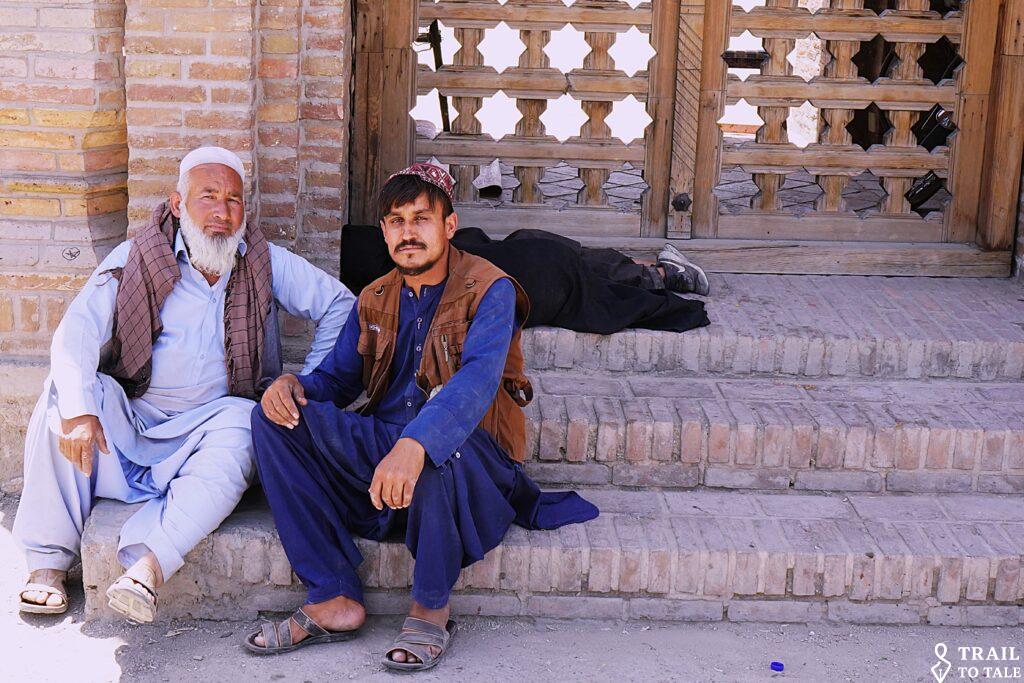

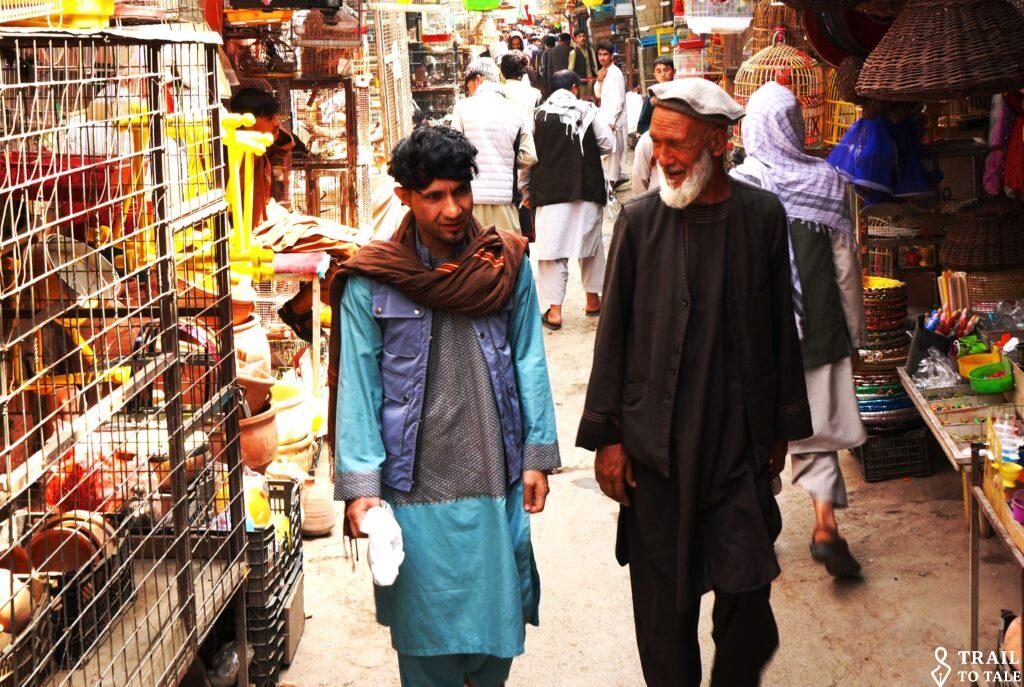
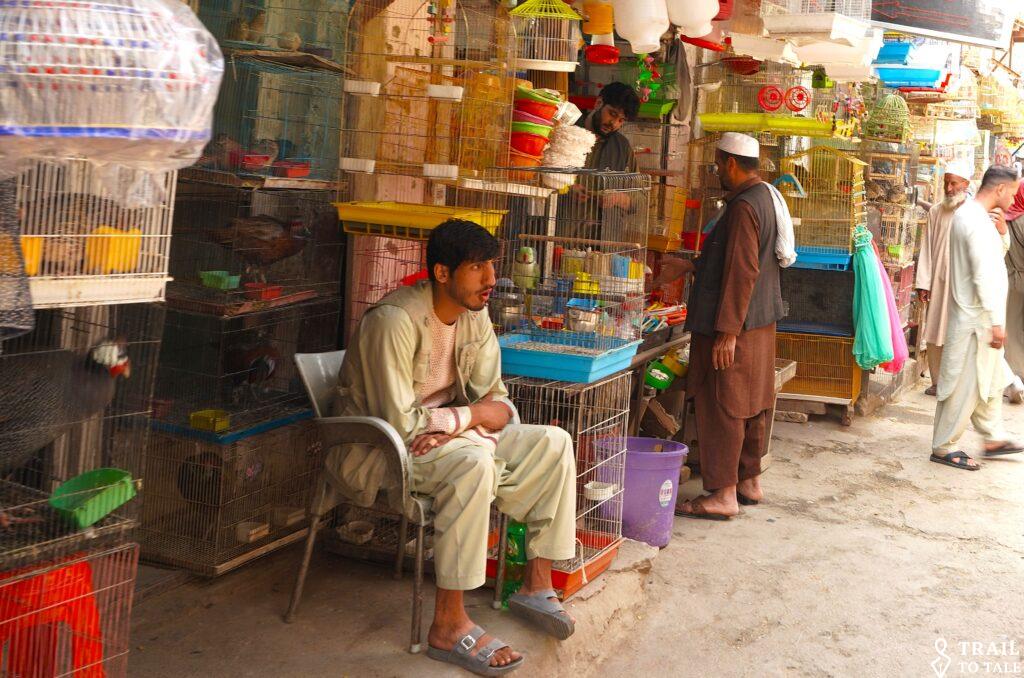
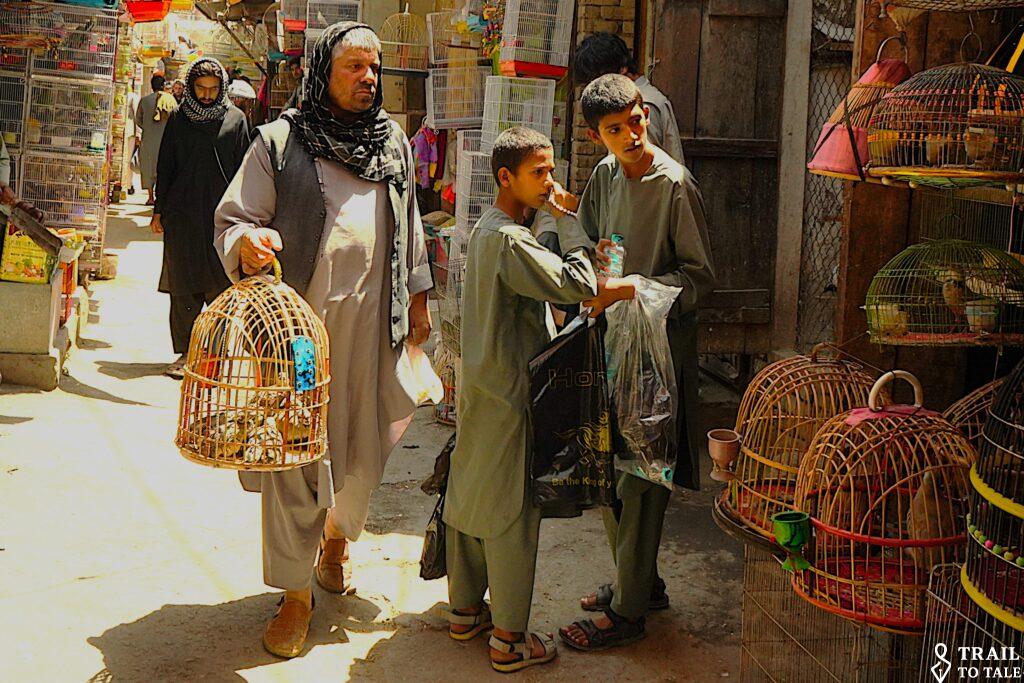
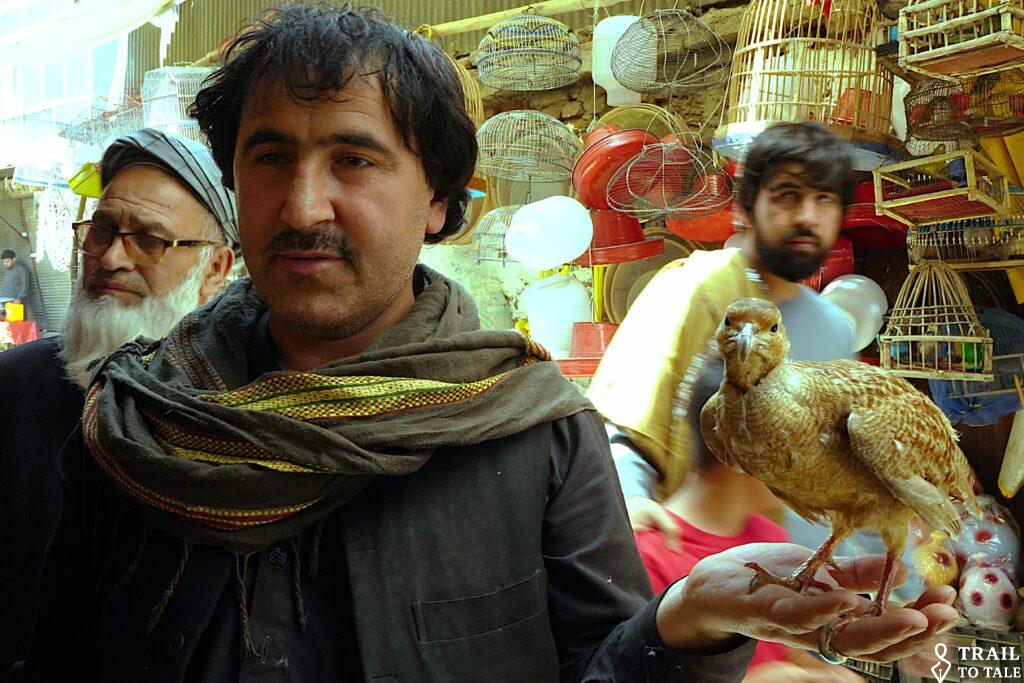
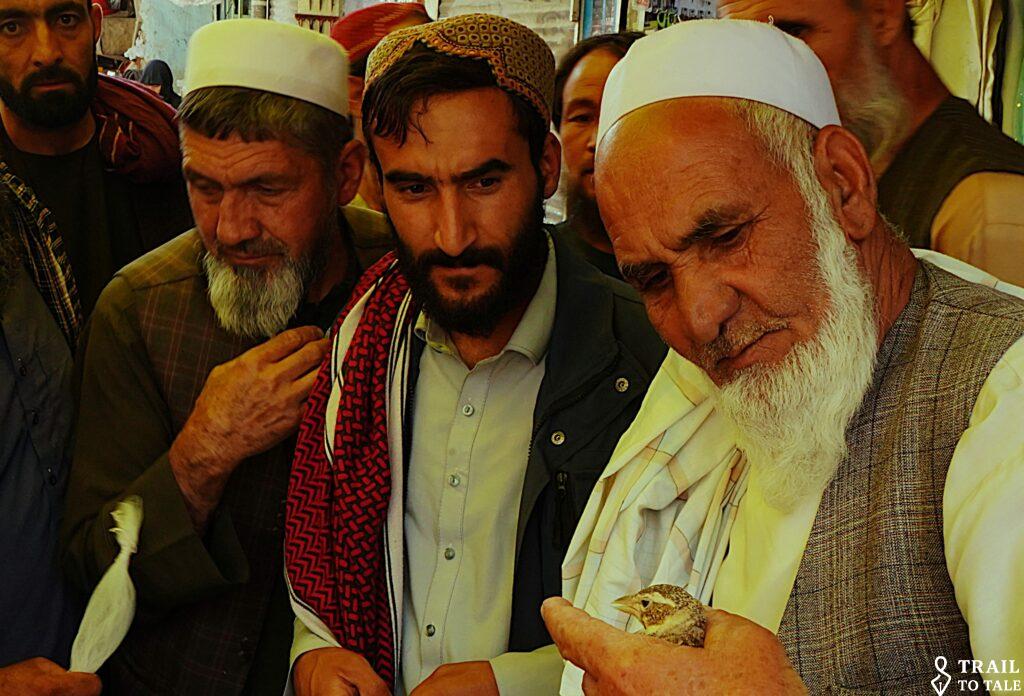
The Living Tradition: Few places capture Kabul’s unique character quite like the Ka Faroshi Bird Market. Tucked into the old quarters of the city, this lively market is filled with the sounds of chirping, singing, and fluttering wings.


Cages line the narrow lanes, displaying an array of birds from songbirds prized for their melodies to carefully bred pigeons and everyday poultry. The market is not just a place of trade, but also of conversation, tradition, and community. For many Kabul residents, keeping birds is a long-standing cultural pastime, and the market reflects that enduring passion.






And there are other trades.


Beyond the bird market, Kabul’s streets are alive with commerce. Along the main roads and in crowded bazaars, traders sell everything from fresh products to imported goods.


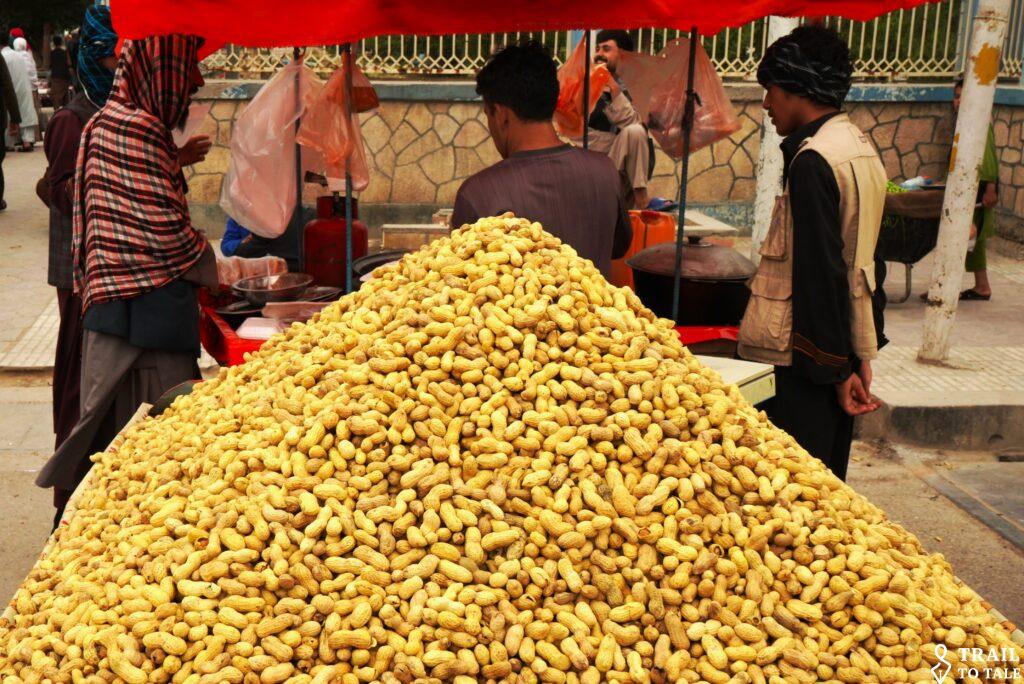
Stalls overflow with vegetables, fruits, dry fruit and aromatic spices,




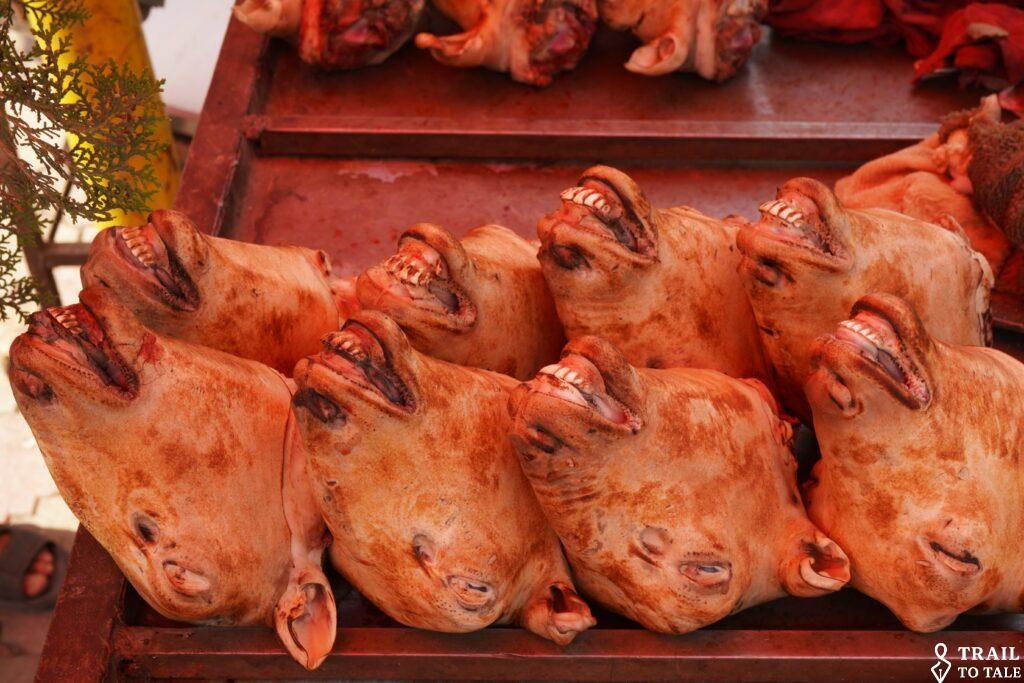
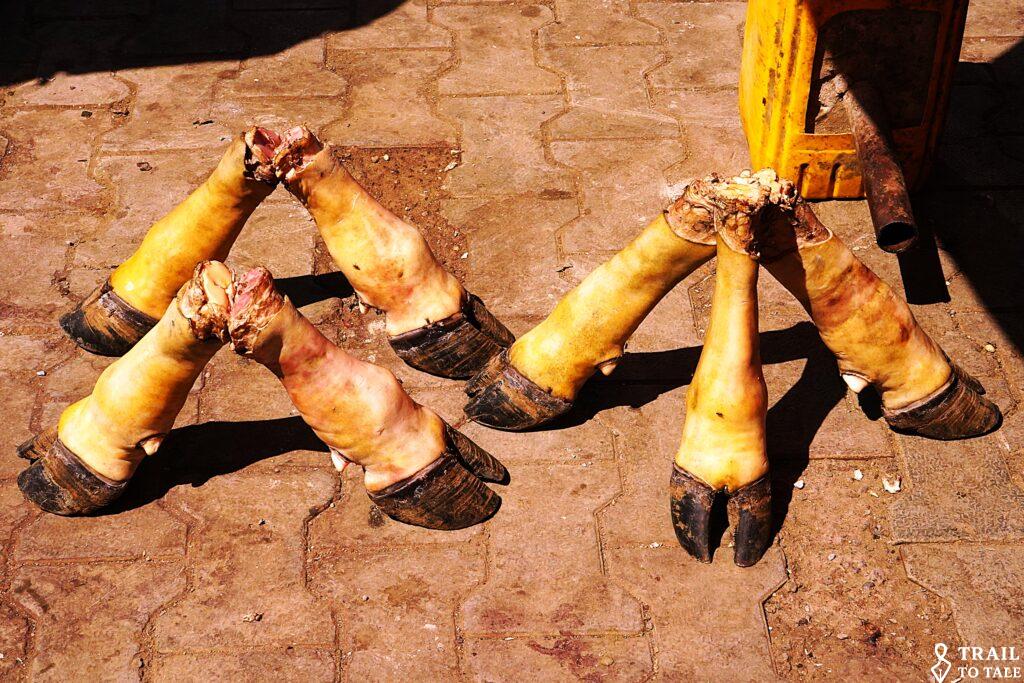
Butchers display chicken, mutton, roasted sheep heads and buffalo legs.

Used clothing,

Similar burkas in all sizes.

Colorful garment to wear underneath


Large variety of men’s head gear


Household items and inexpensive products, many sourced from China, fill the shops and sidewalks.


Vests and knives,


The energy is constant: bargaining, movement, enterprise,

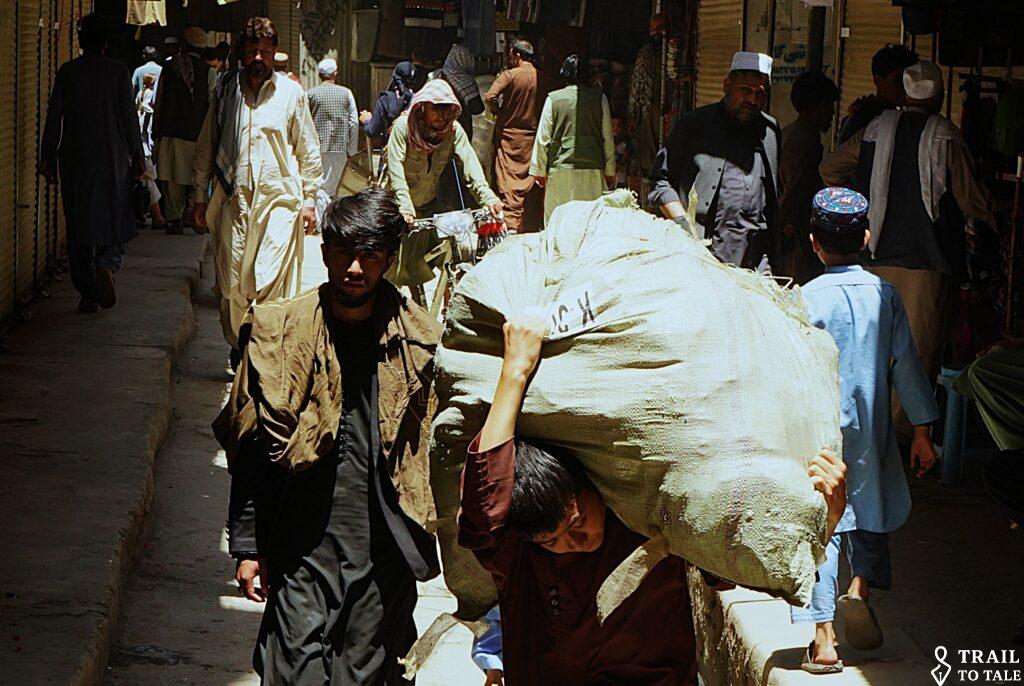

and the rhythm of daily survival.


The former U.S. “Green Zone” in Kabul now serves as the headquarters of the ruling Taliban authorities.

The high perimeter walls, once symbols of foreign presence, are today marked with anti-U.S. slogans, a visual reminder of the country’s recent past and present realities.
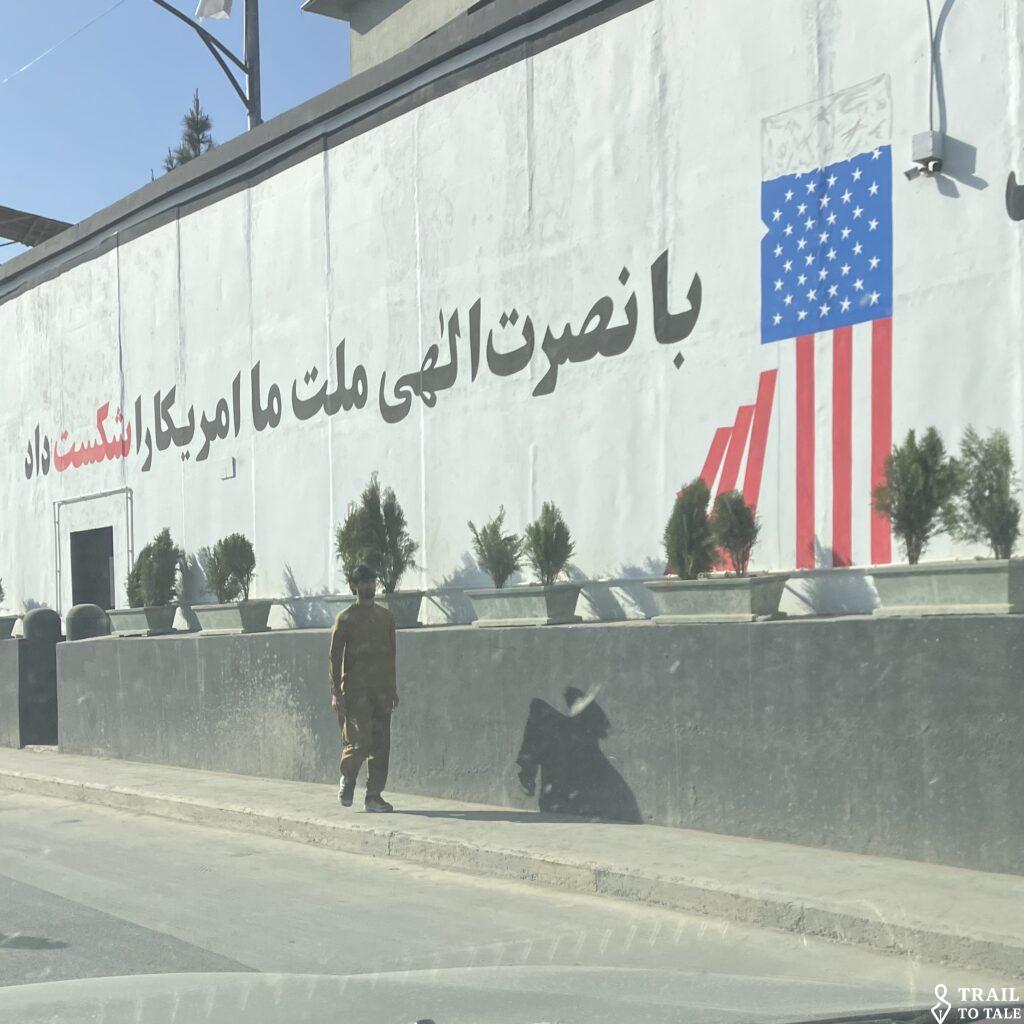

Security is visibly present. Taliban soldiers are easily recognizable by their traditional attire and distinctive headgear, with rifles slung over their shoulders. While some may appear approachable, it is clear that photography is not welcomed.

At the entrances of certain restaurants and historic sites, signs requesting visitors to hand in weapons stand out. For an outsider, these notices can be striking, offering a glimpse into local norms and security practices that shape everyday life in the city.

Wandering the streets of Kabul, one becomes aware of the attentive, at times wary, glances of local men.


As a foreign visitor, this scrutiny feels less hostile than cautious, perhaps a reflection of limited exposure to outsiders and the city’s recent history.

Women, by contrast, are far less visible in the public sphere except markets. Most are dressed in conservative attire, often with faces partially or fully covered, moving quietly and with purpose through the streets. Their presence appears subdued, and their roles seem largely centered around the home and family. No access to public parks, no attendance as spectator at a sport event.
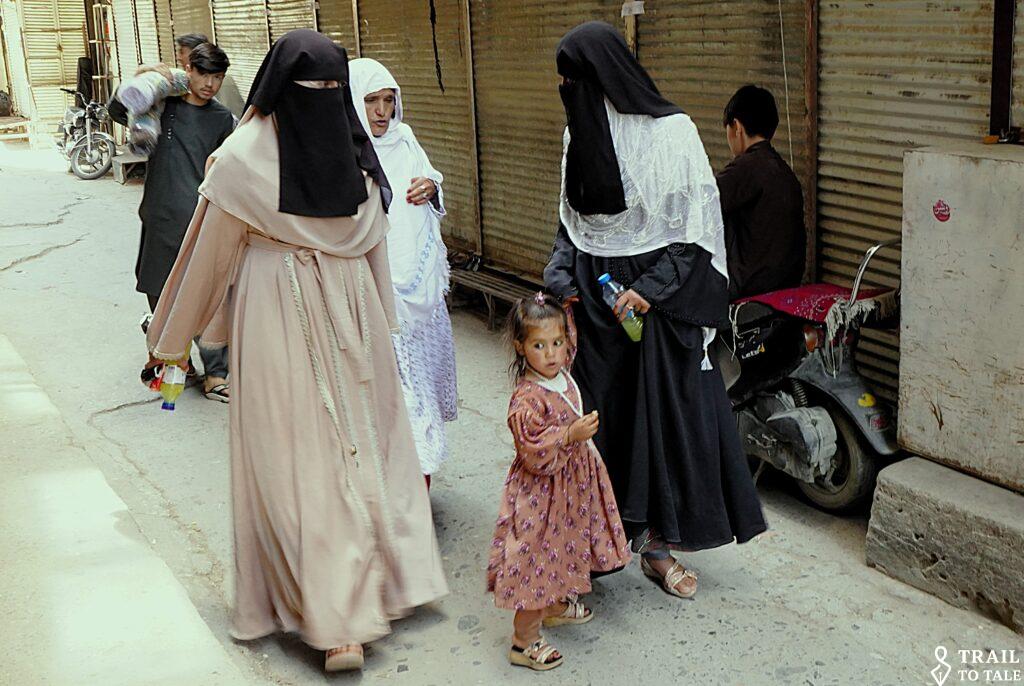
For a visitor, this dynamic is both striking and thought-provoking, offering a glimpse into the social fabric of contemporary Kabul, where public life is shaped as much by tradition as by the realities of recent change.

Leave a reply
You must be logged in to post a comment.