


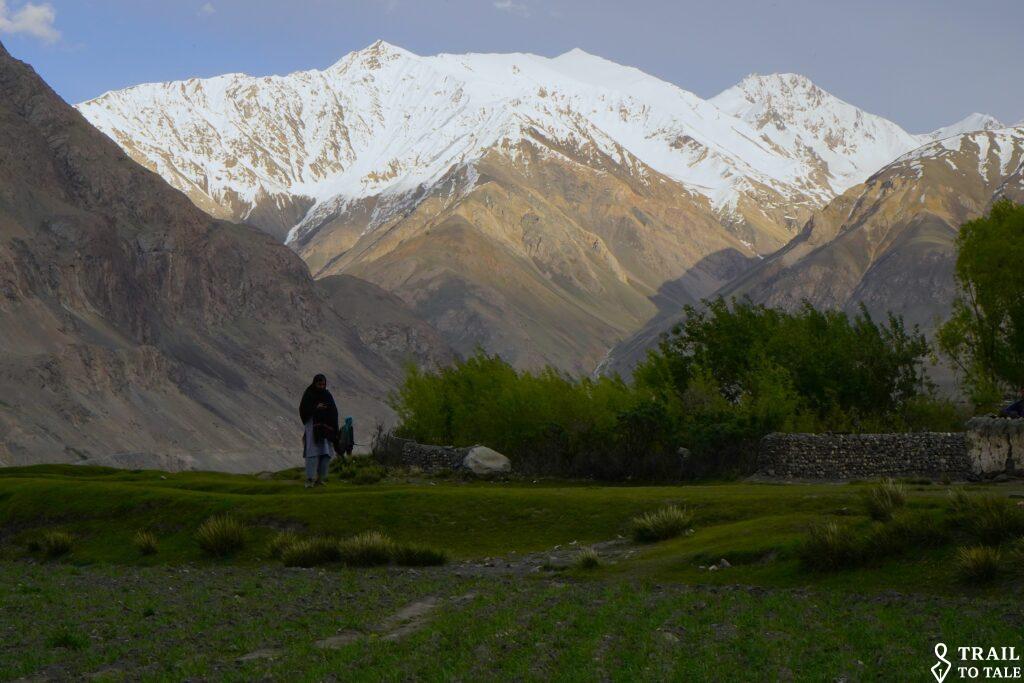
From Kabul it takes approximately 800 km north and crossing five provinces before reaching Badakhshan and, finally, its remote eastern district, the Wakhan Corridor. Here, the road gradually disappears into a world of towering mountains, barren valleys and vast distances.
This narrow strip of Afghan territory is wedged between Tajikistan and Pakistan. At its eastern extremity, Afghanistan also shares a short border with China. Yet the Wakhjir Pass has no functioning international border crossing. The extreme terrain, almost complete lack of infrastructure and, above all, China’s security concerns regarding neighboring Xinjiang have kept this remote frontier firmly closed.
The message from the Afghan side is equally clear:
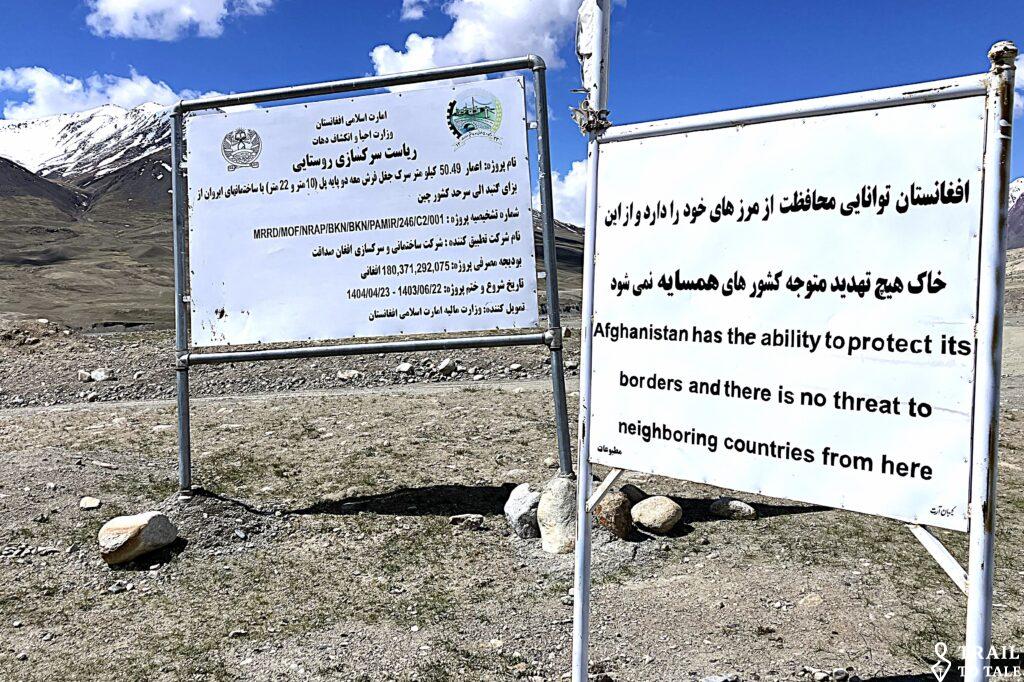
Wakhan is not open to casual tourism. Access to the region is highly restricted and requires special permits from the Afghan government, the military and the police.
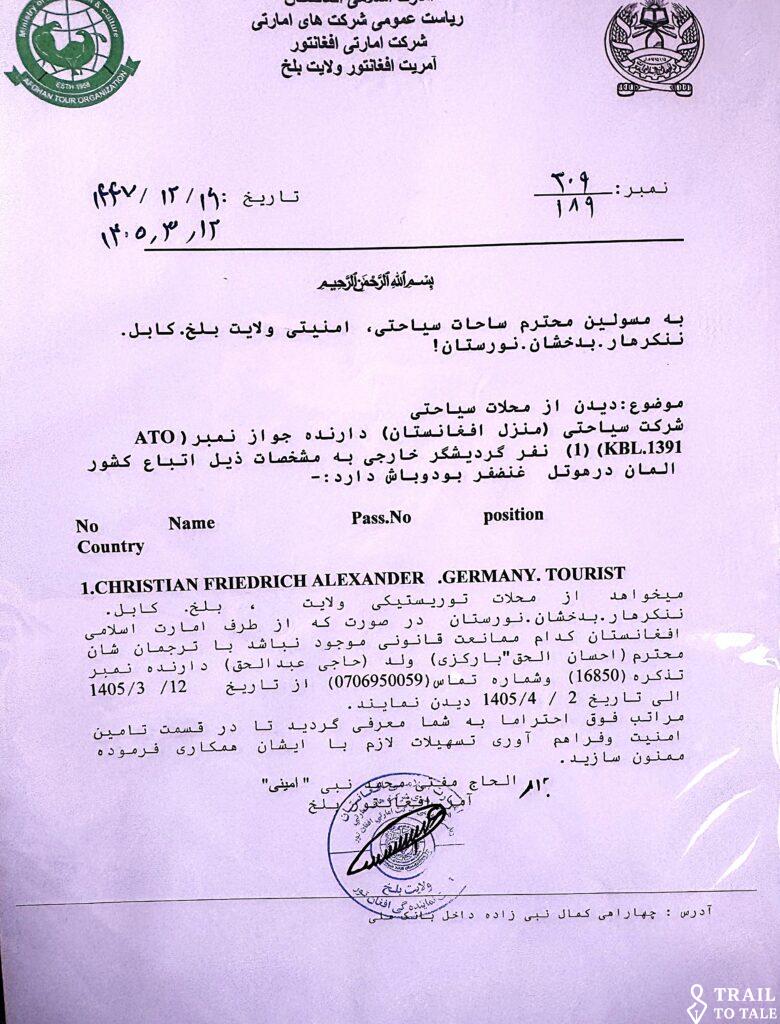
Even during the favorable four summer months, crossing the Wakhan Corridor requires three long days of driving. The rocky tracks demand robust 4×4 vehicles, while swollen waterways, mud, deep sand, snow and possible landslides can turn every kilometer into an adventure.
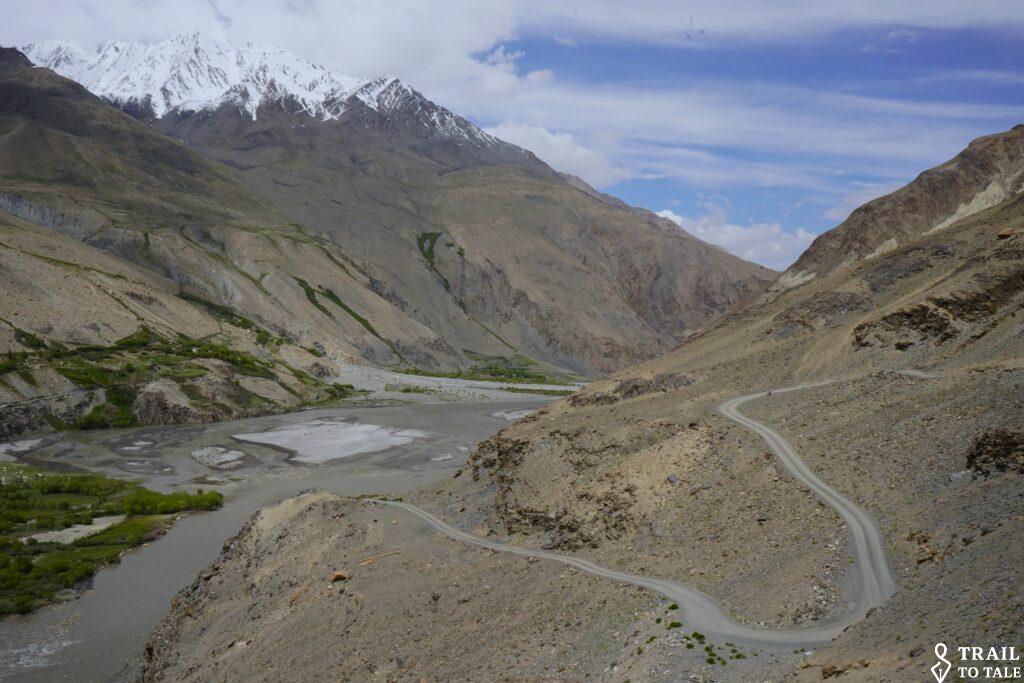
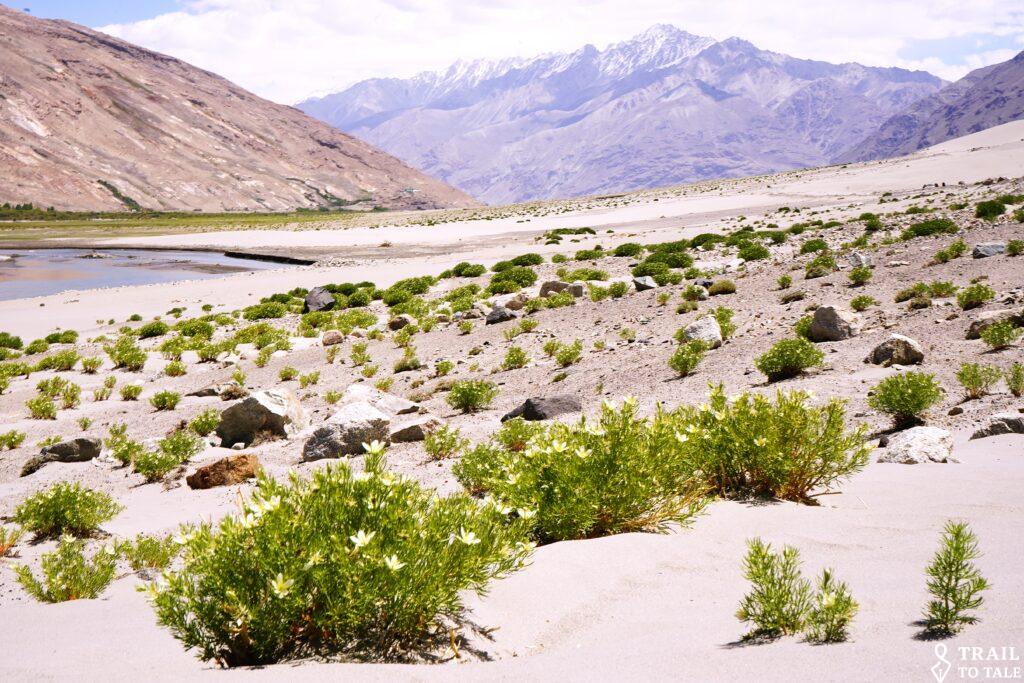
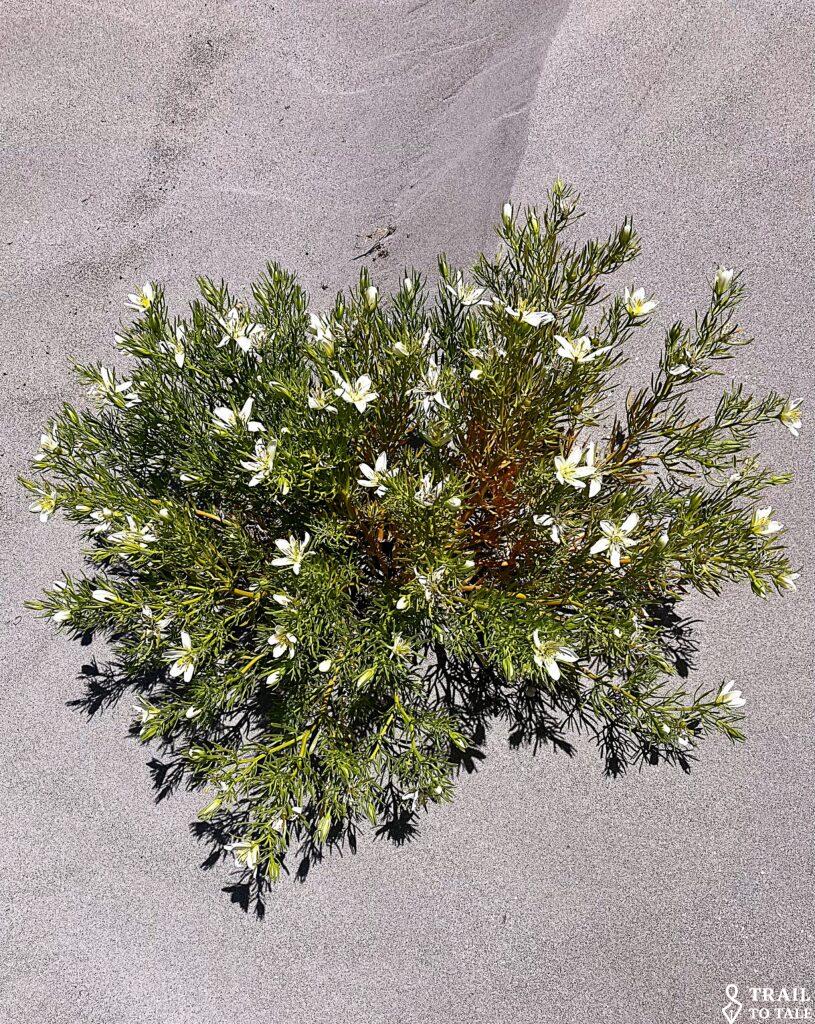
Distances that appear insignificant on a map can consume an entire day.
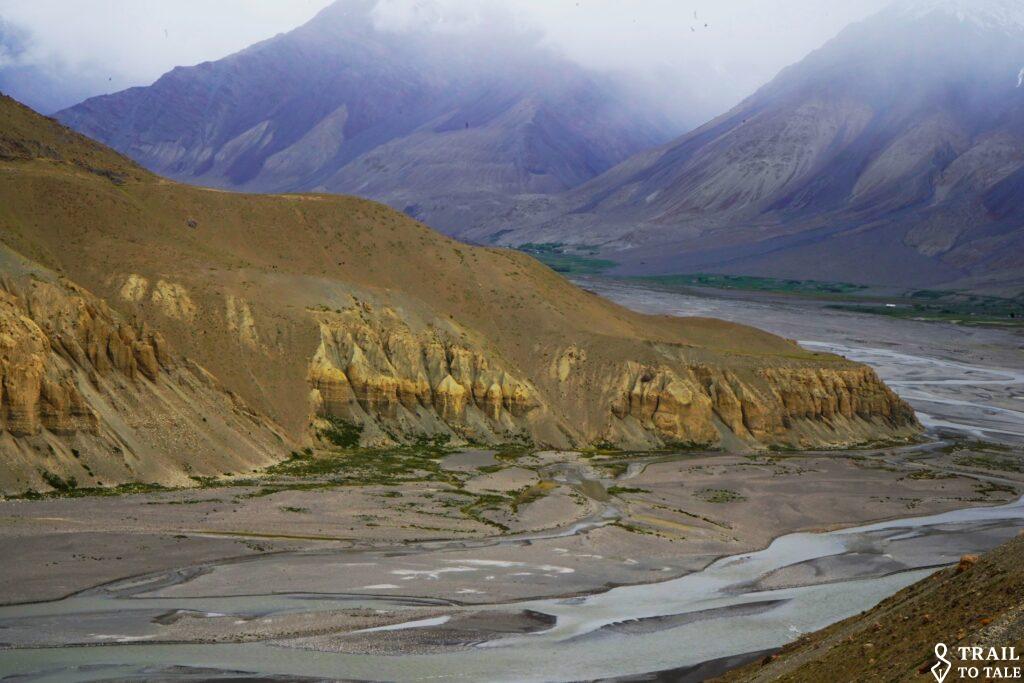
Life in the Wakhan remains deeply rooted in tradition. Scattered farming communities cling to the narrow valleys, where agriculture and livestock continue to sustain daily life.
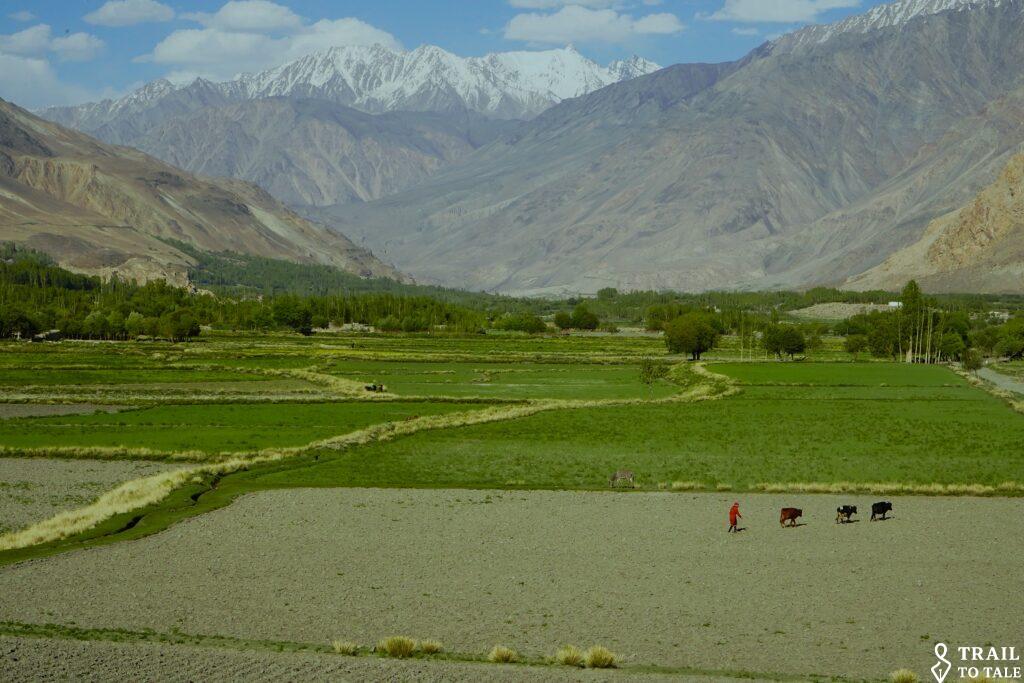
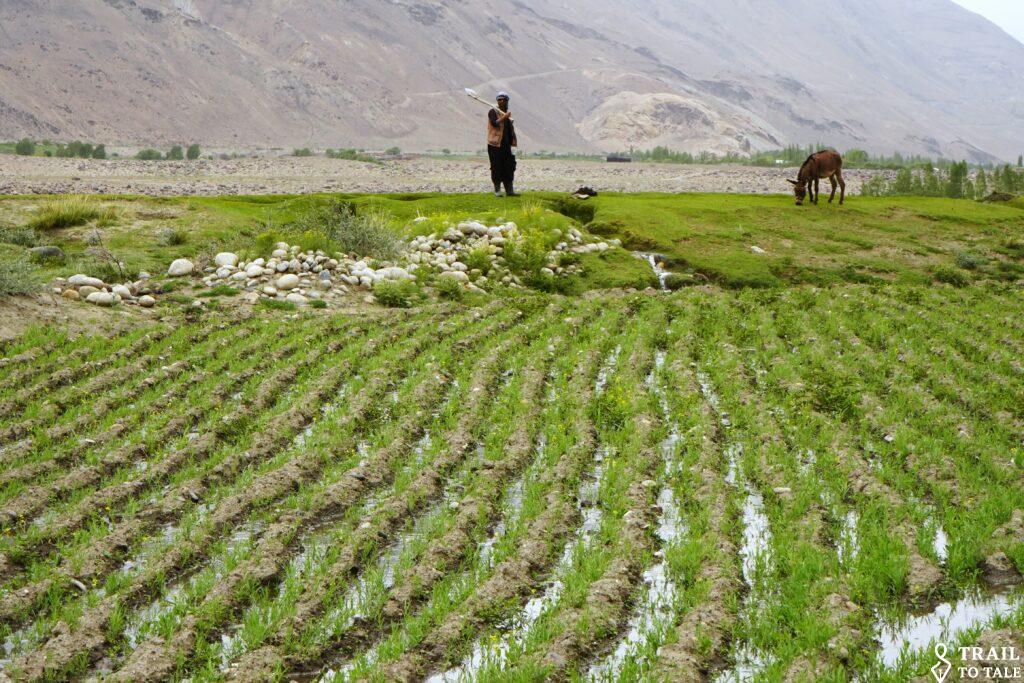
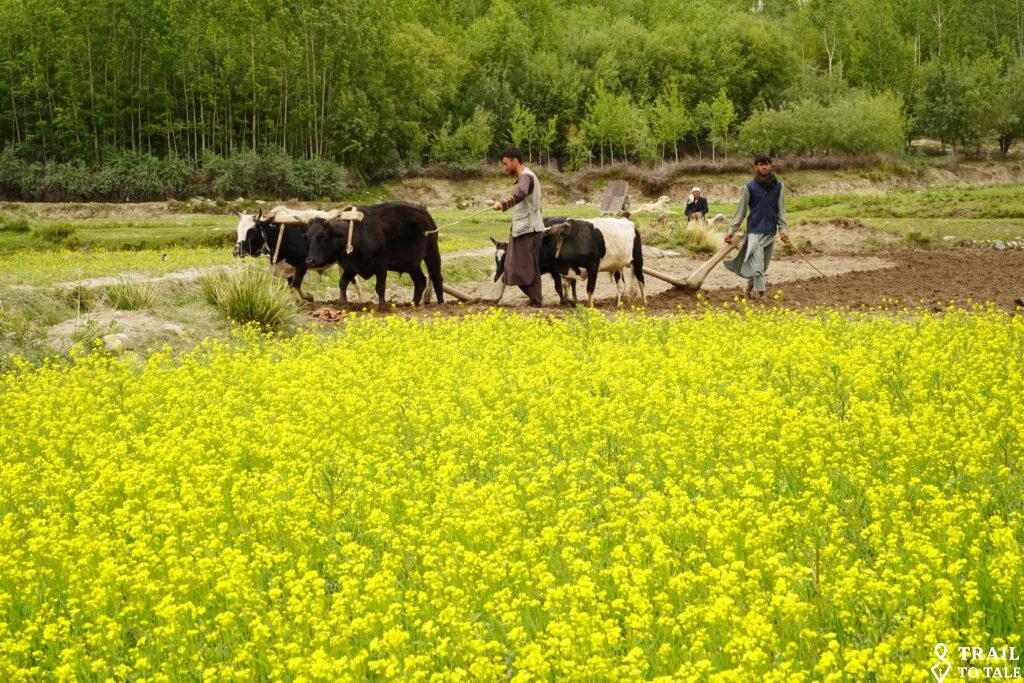
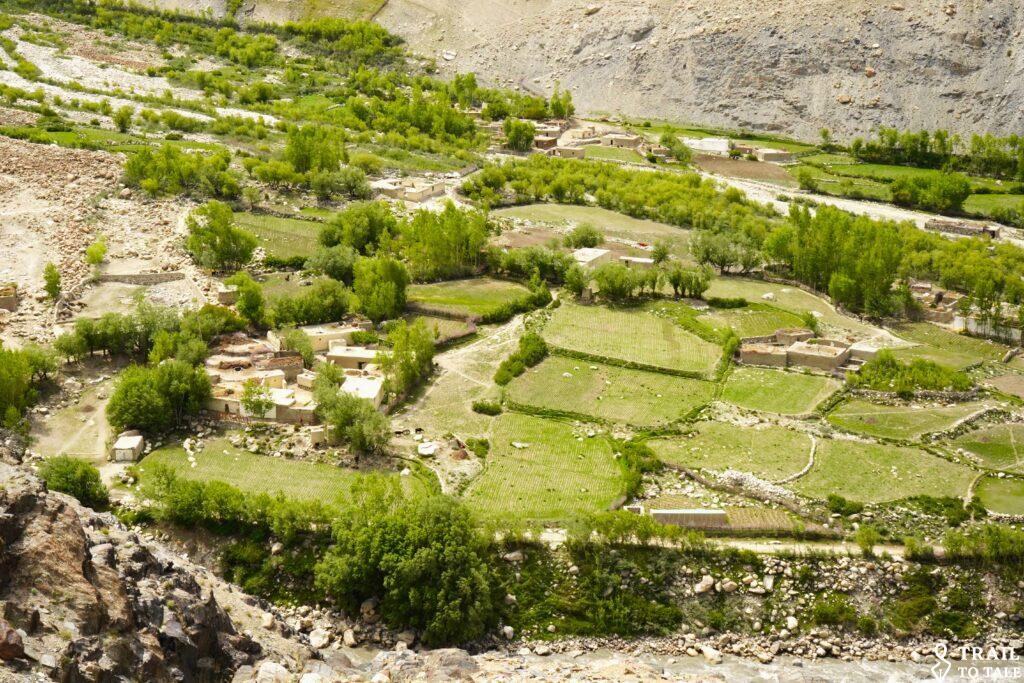
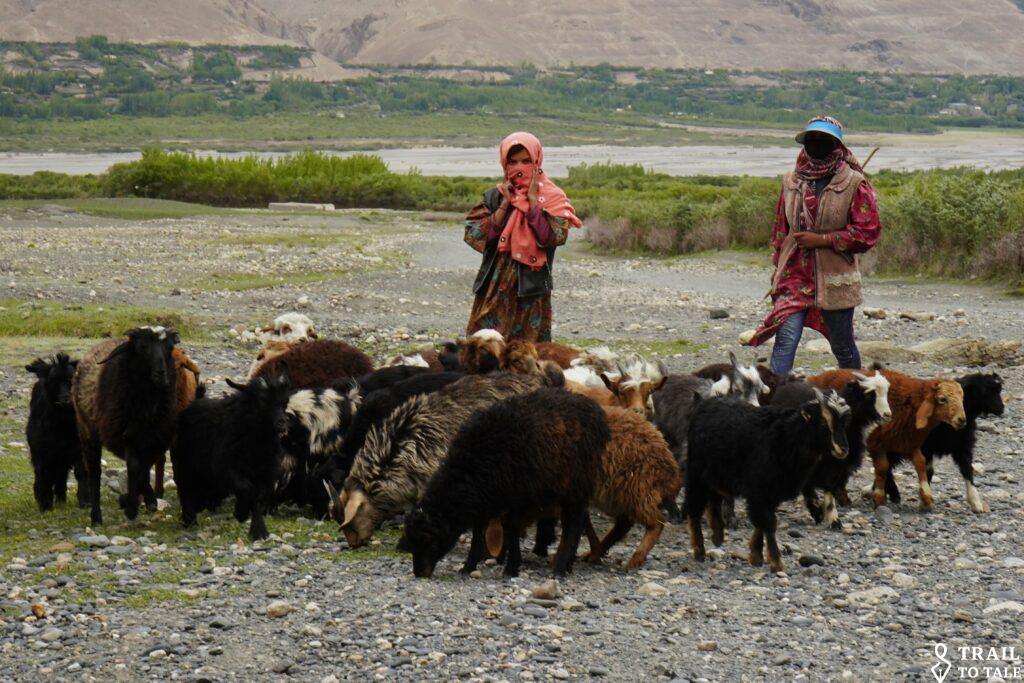
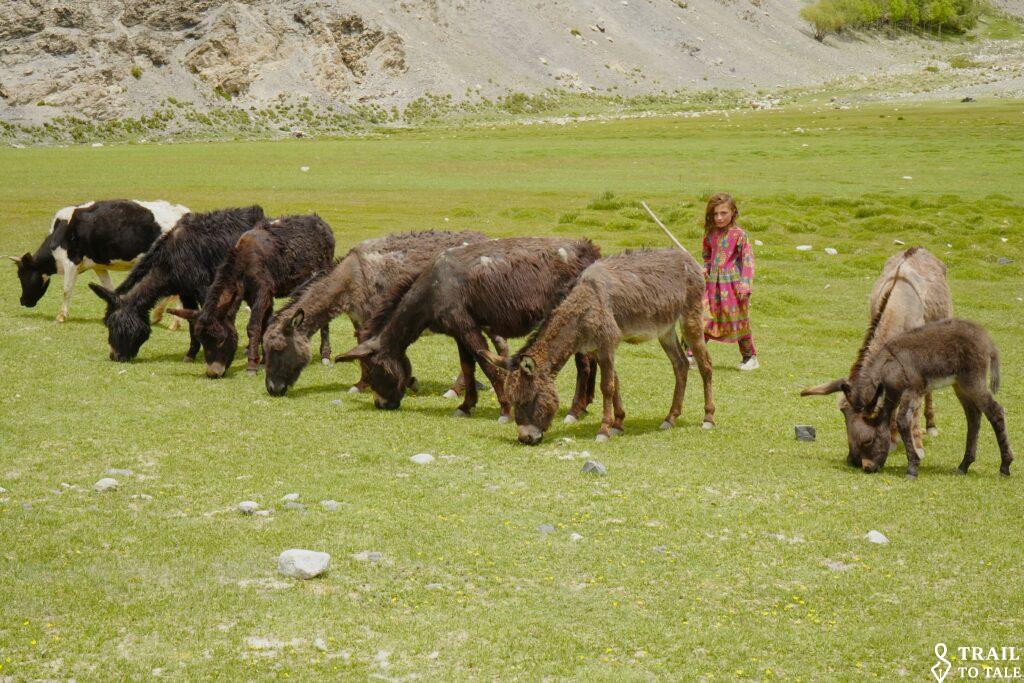
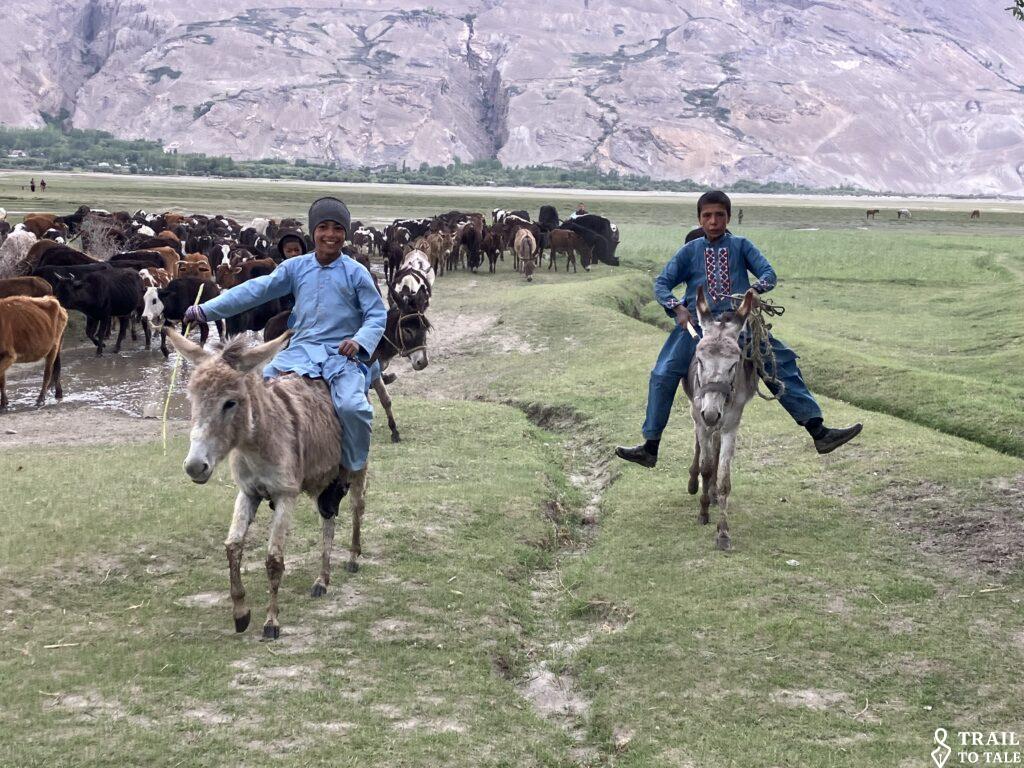
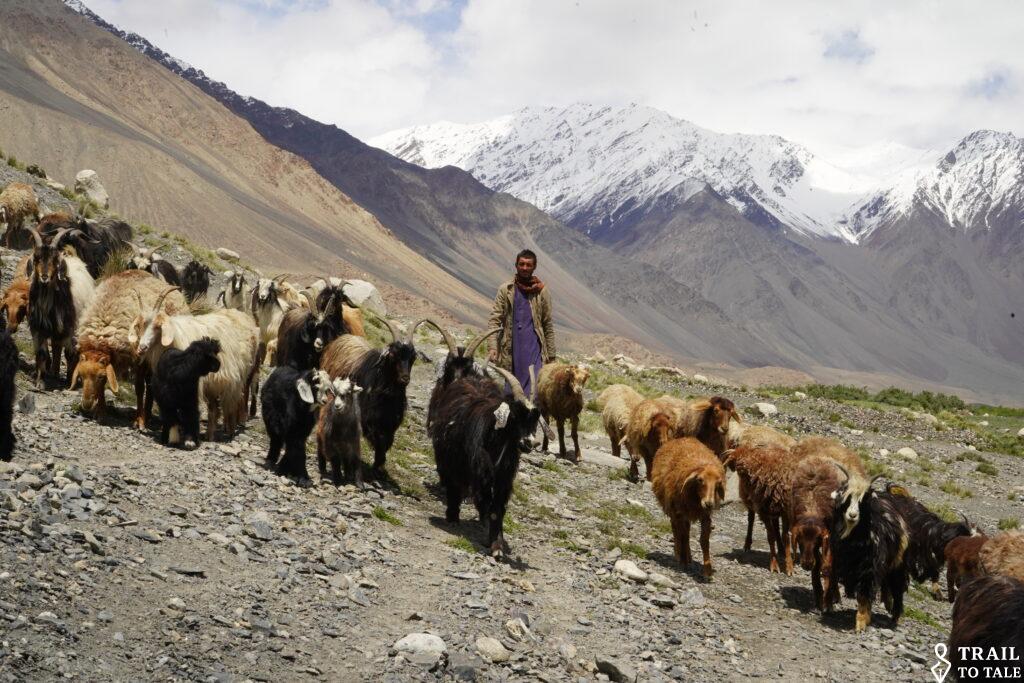
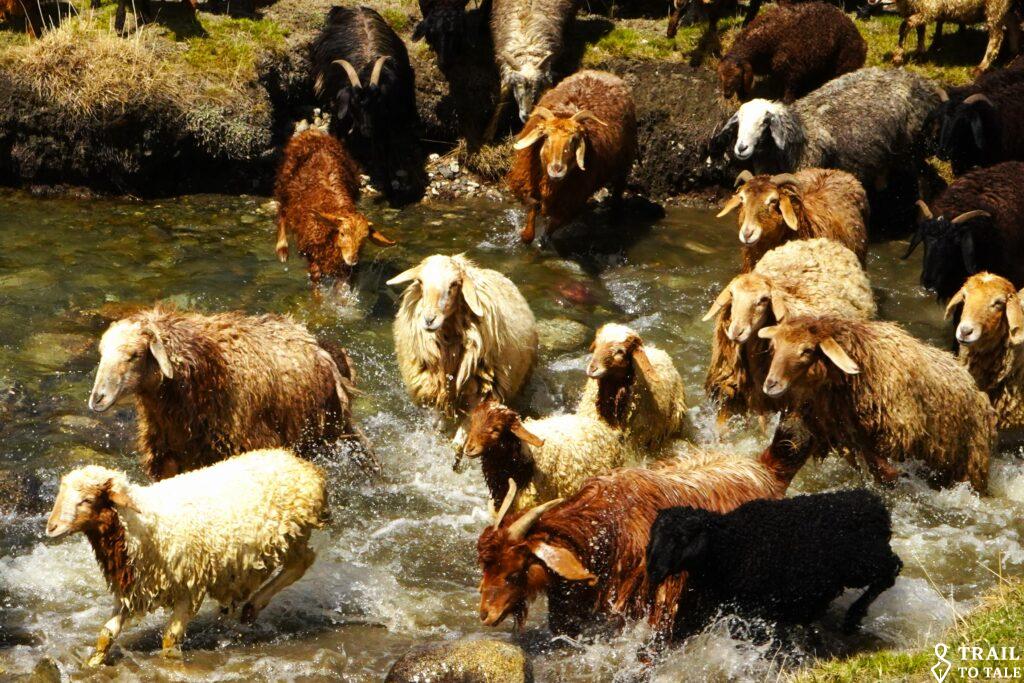
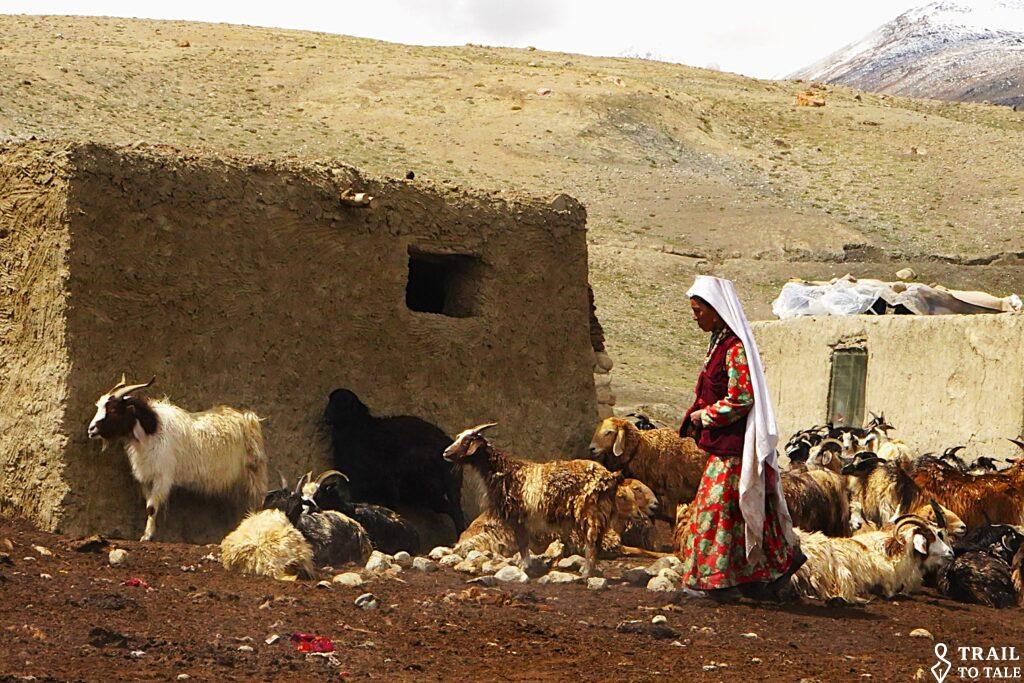
Cattle, sheep, goats and donkeys are an essential part of the local economy.
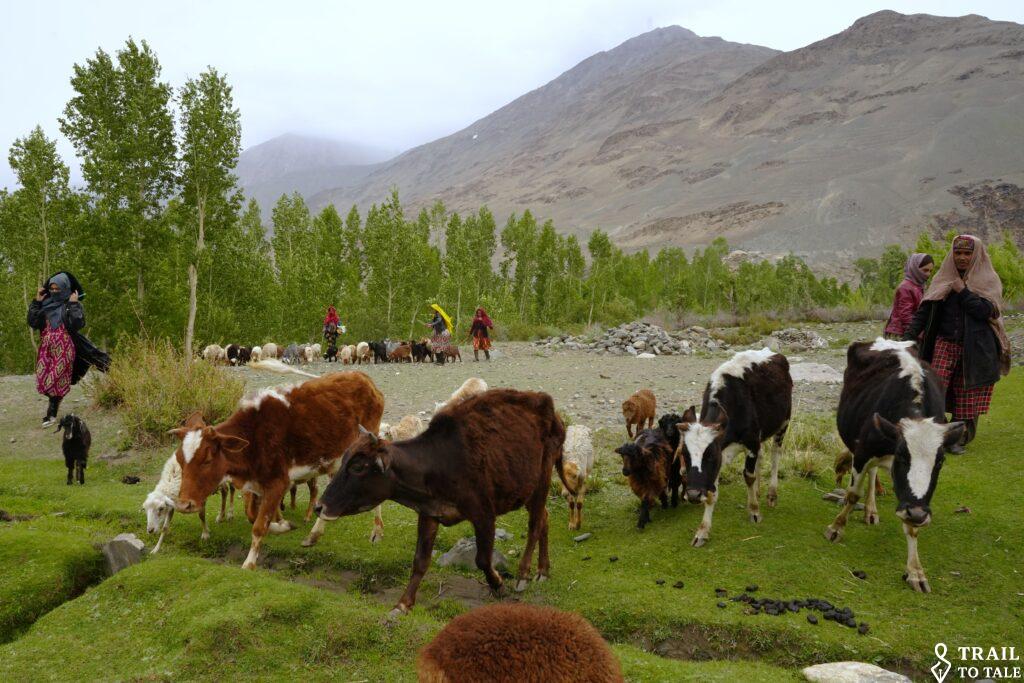
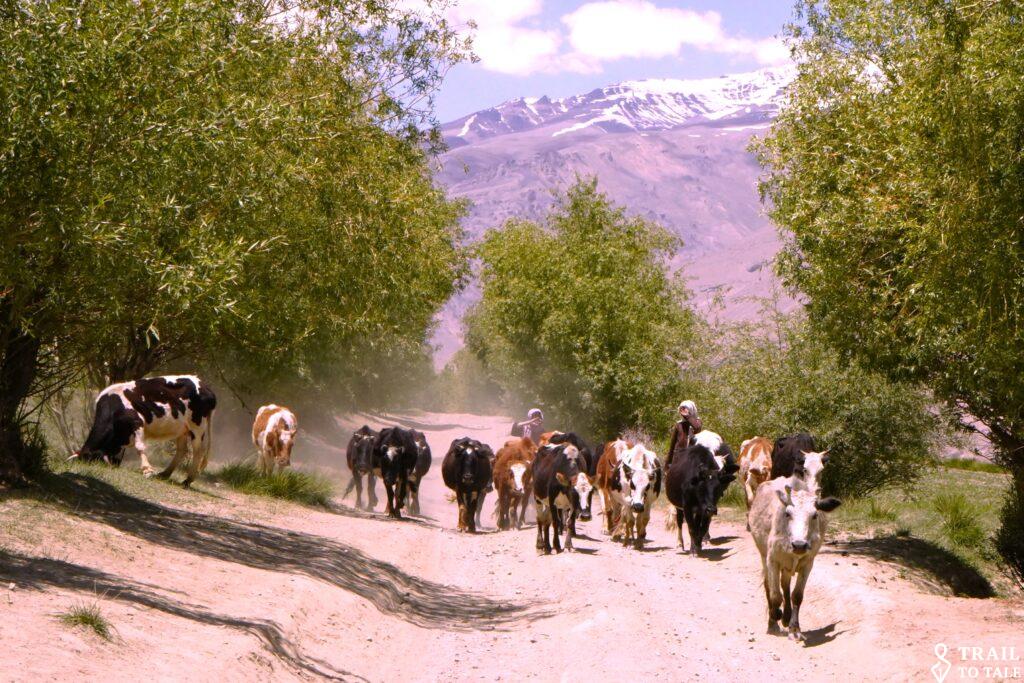
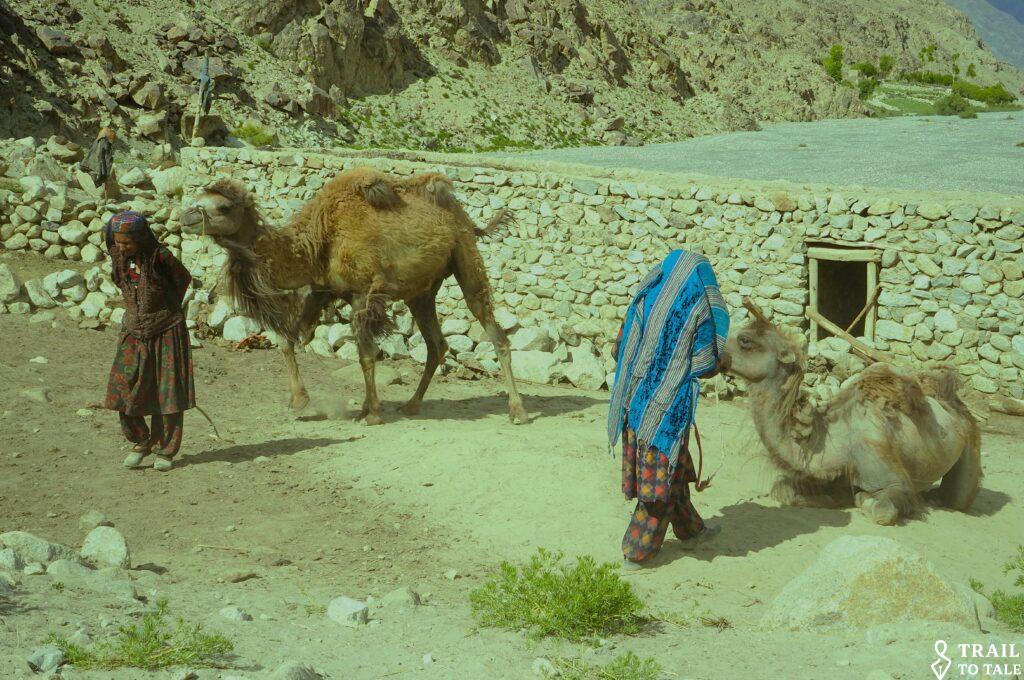
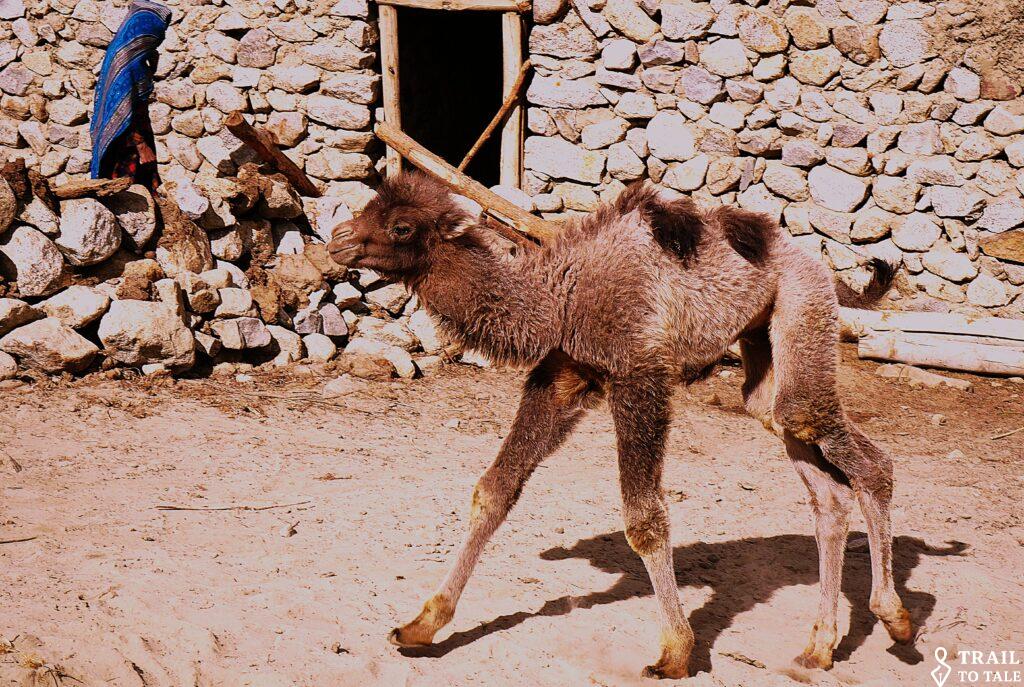
Occasionally, even camels are seen, useful for transport and milk.
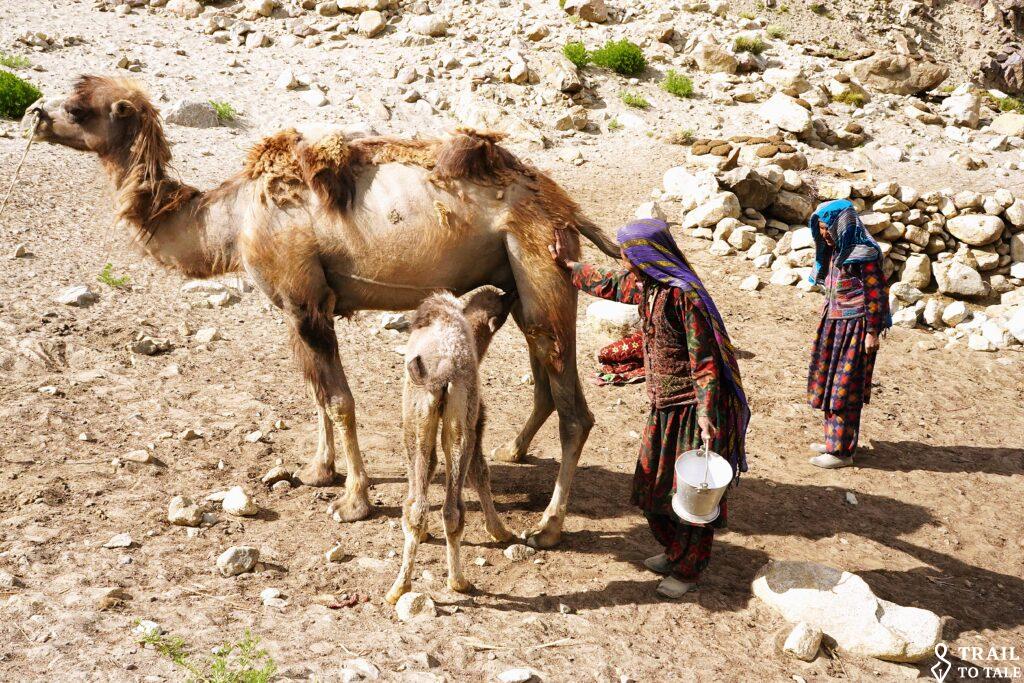
Here, the rhythm of life is still dictated by the seasons, the availability of water and the movement of animals. In one of the most remote corners of Afghanistan, the modern world seems very far away.
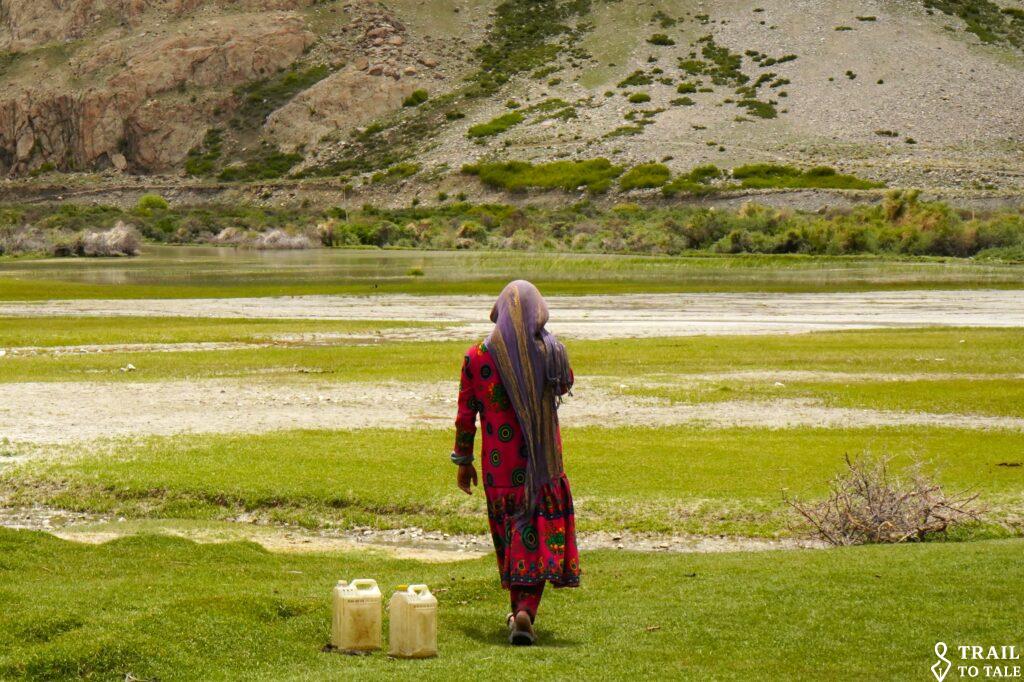
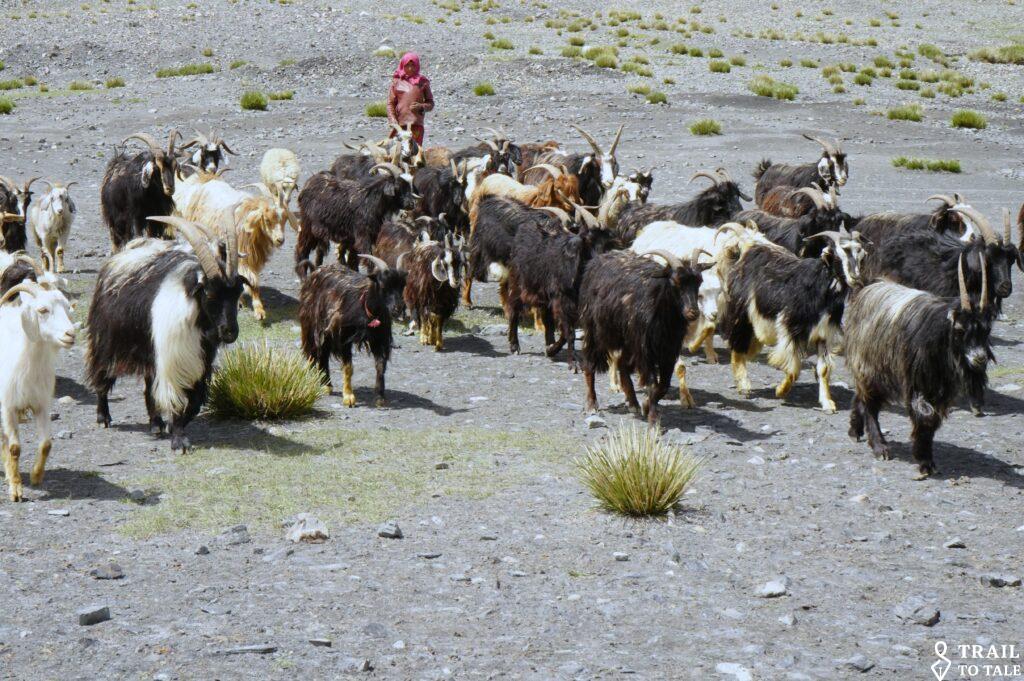
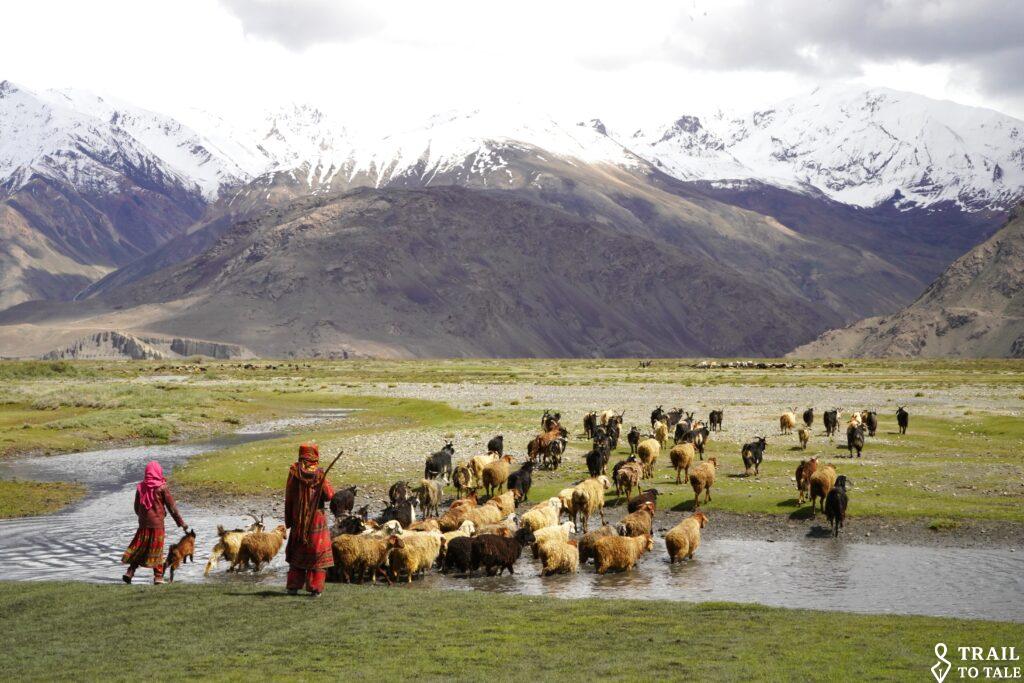
Photographing women is a NO-GO. Most immediately turn away when a foreign male apears. Is is religious beliefs, cultural traditions, modesty or a desire to protect their dignity? On rare occasions, a discreetly positioned camera captured a fleeting glimpse of their quiet beauty without disturbing the moment.
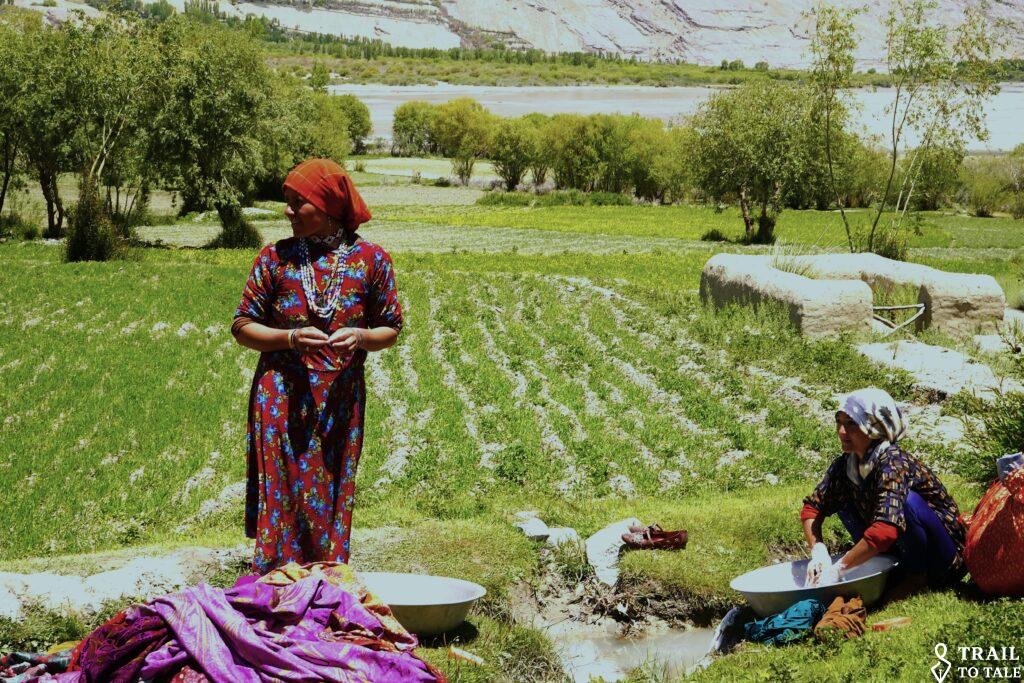
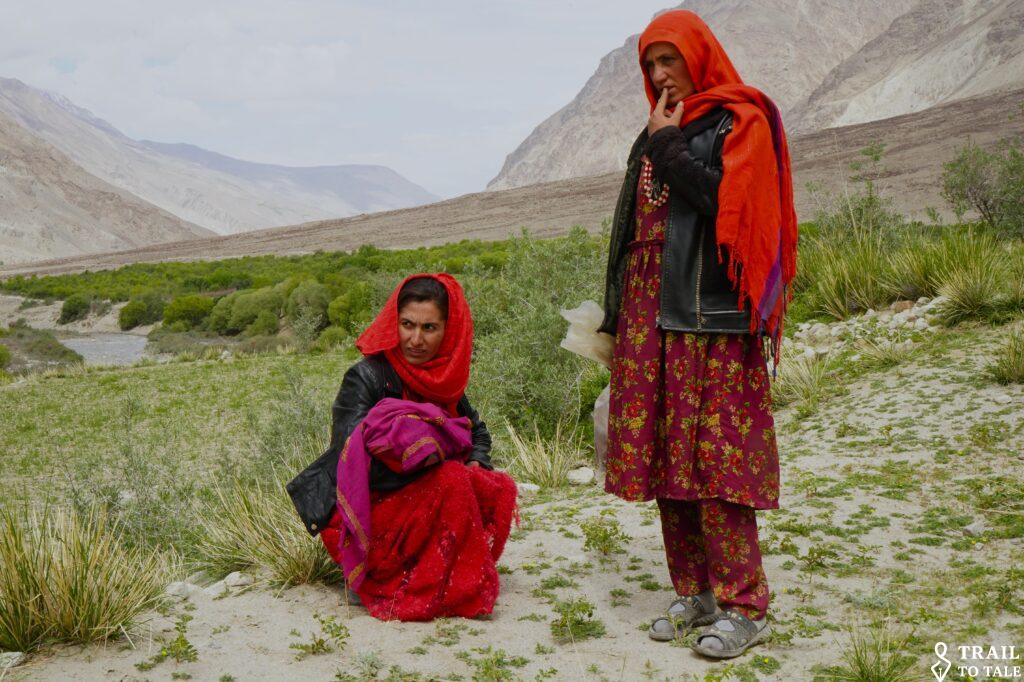
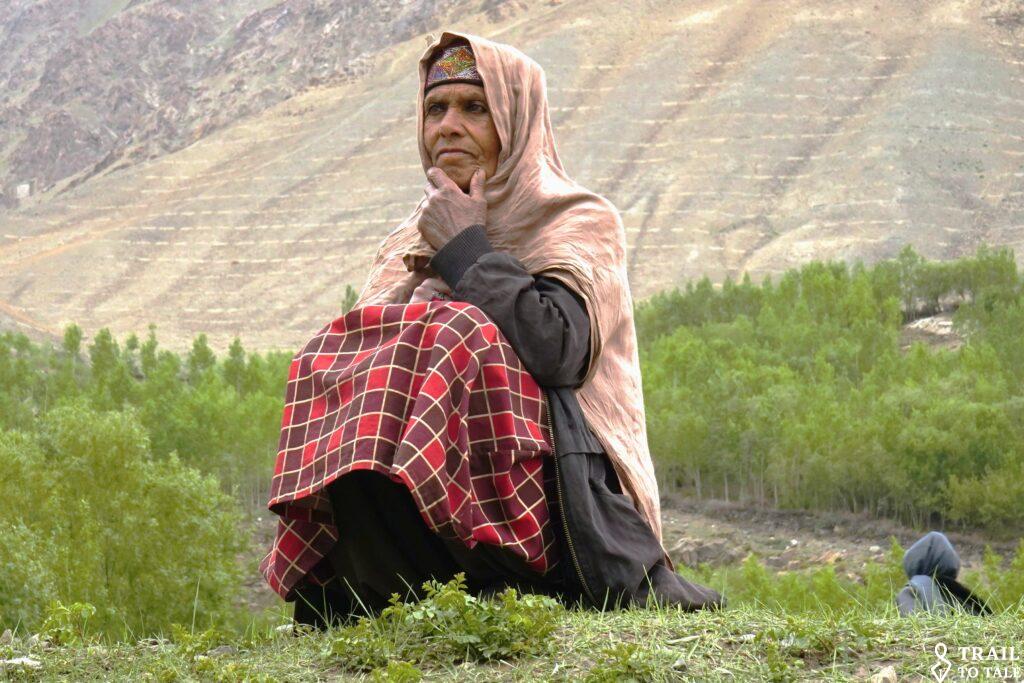
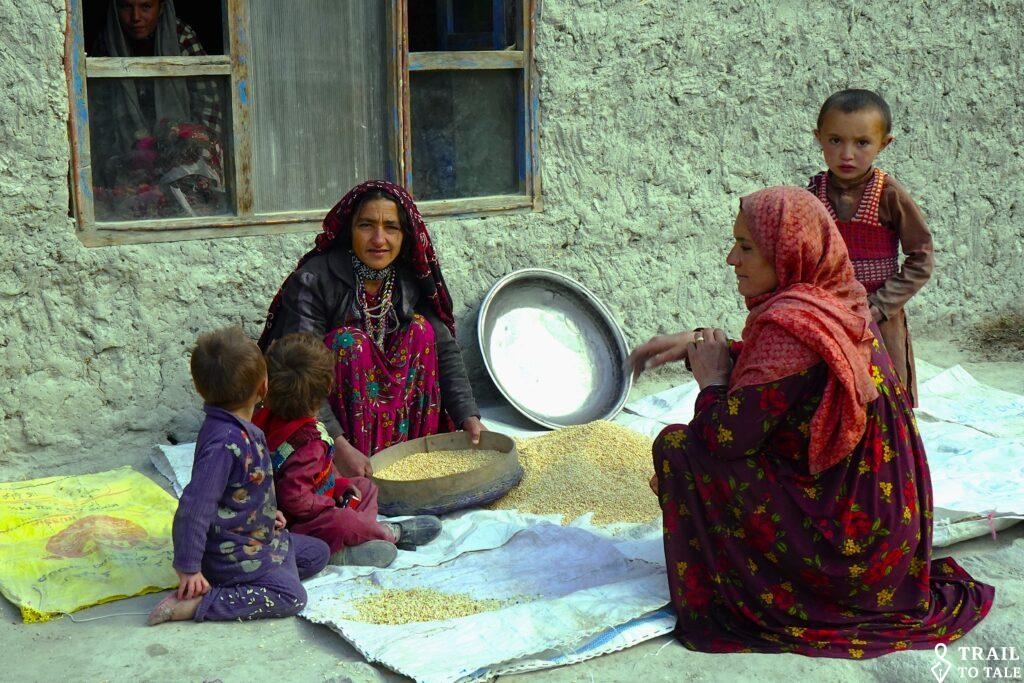
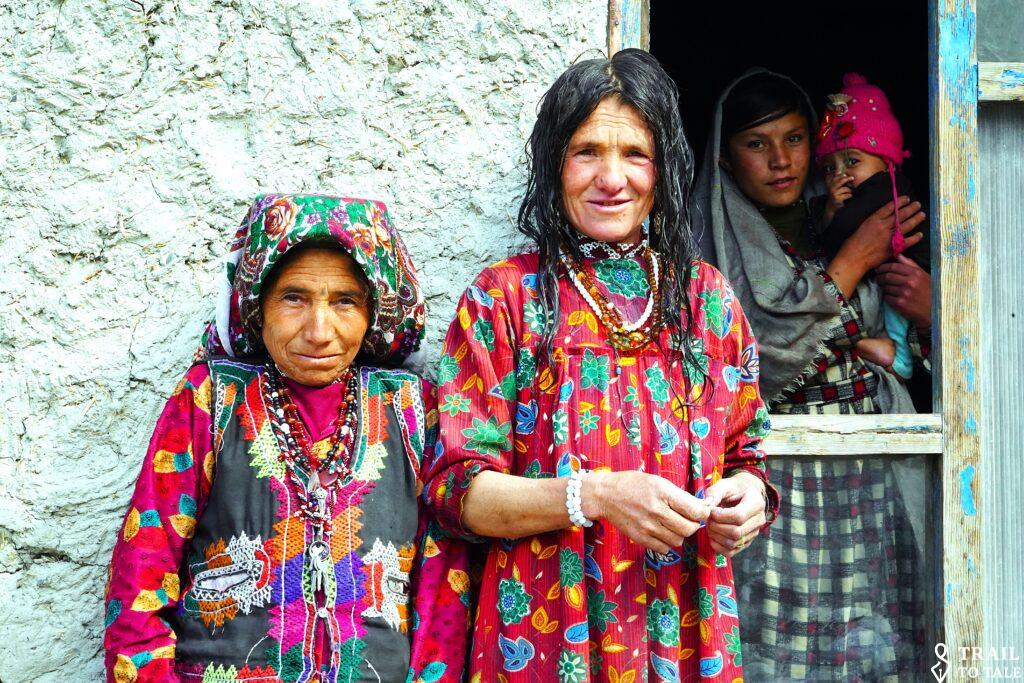
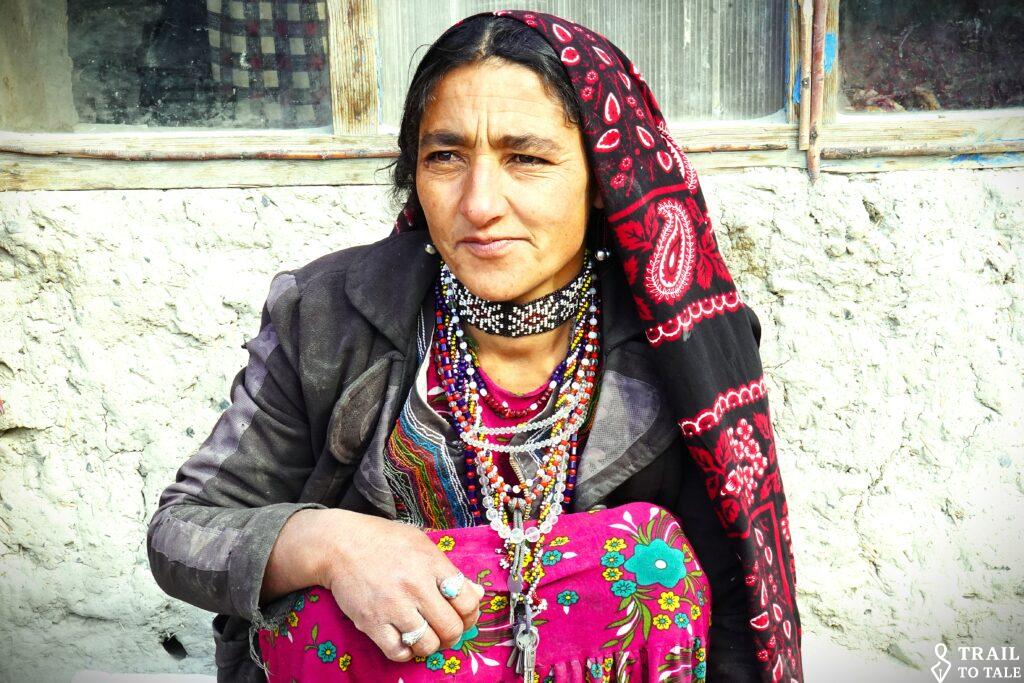
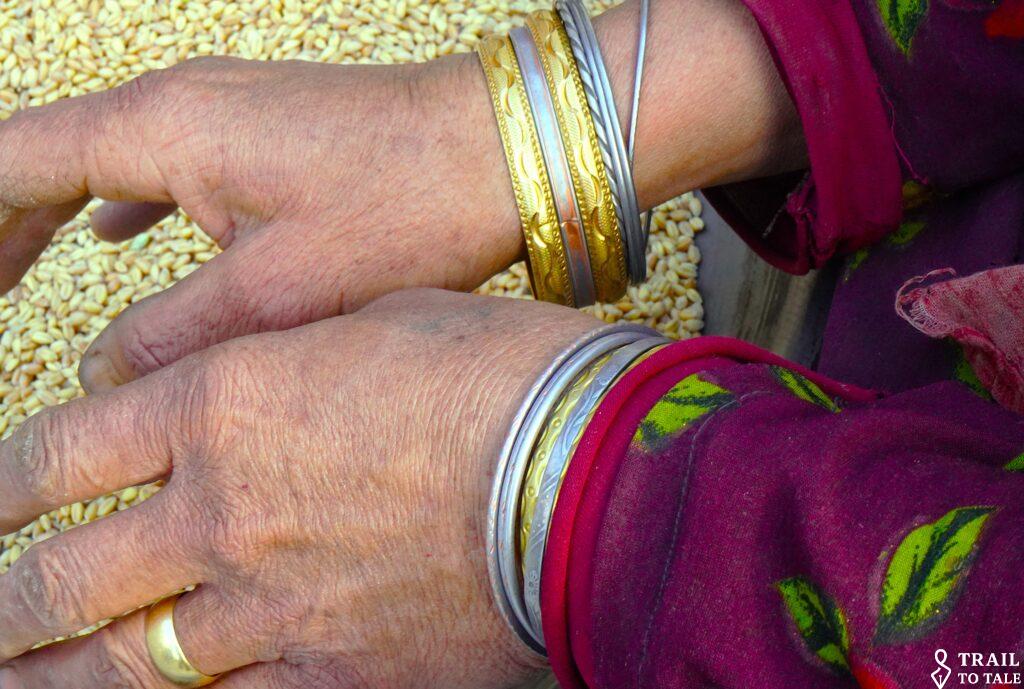
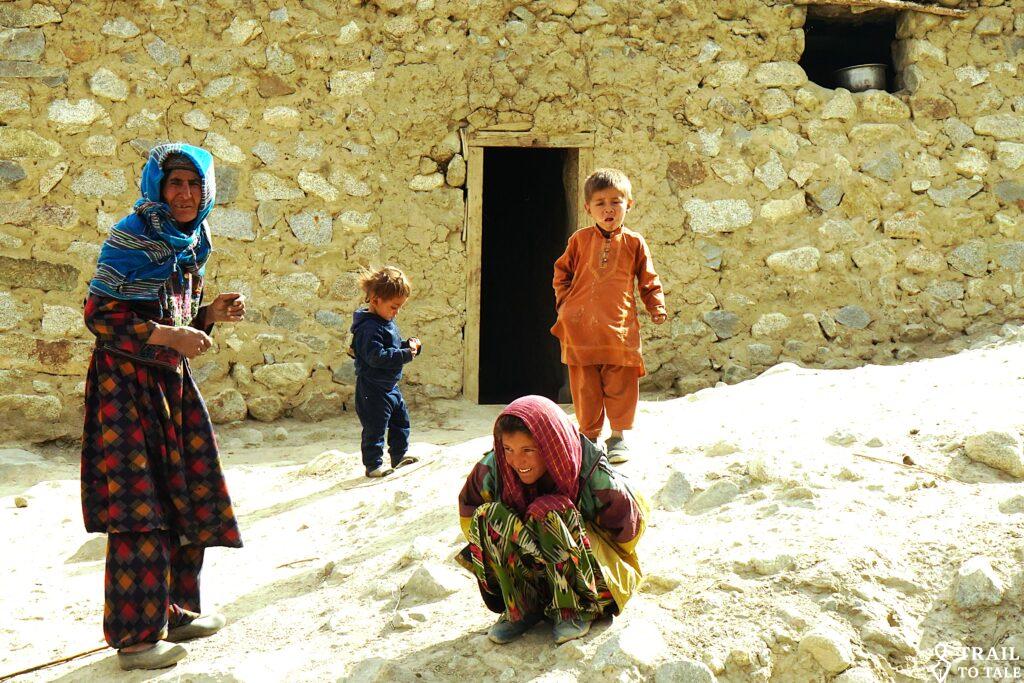
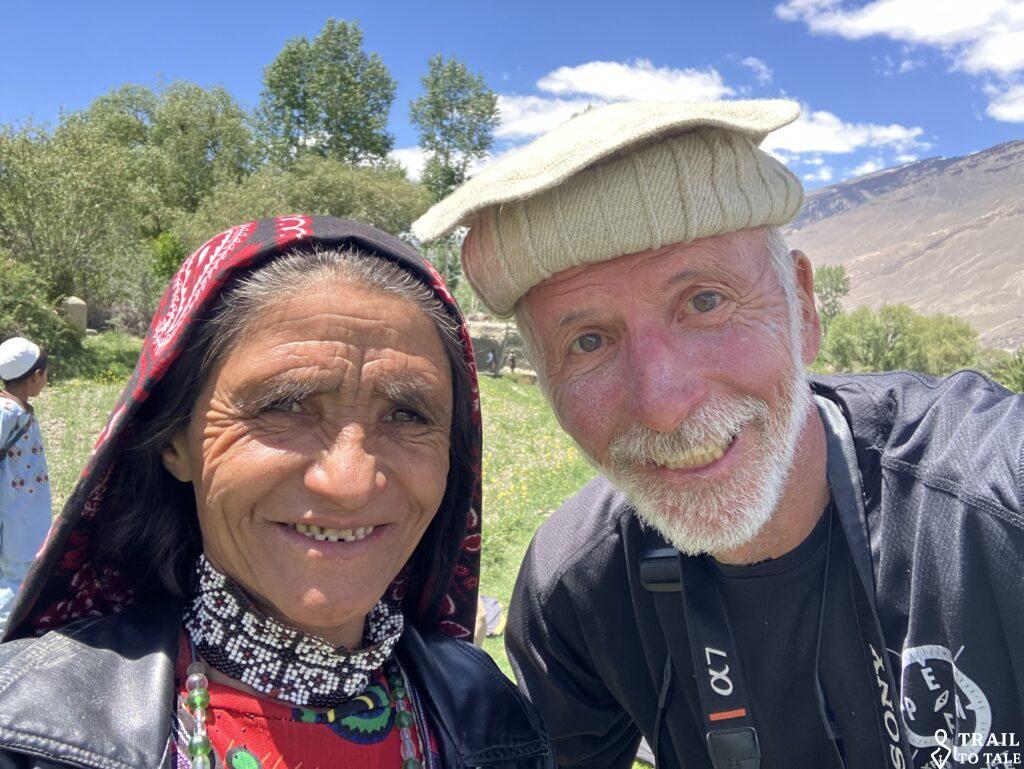
Once, as a big surprise, a joined ‘Selfie’ was allowed!
Kids, often are more curious. ‘Bribed’ with stationnary they even enjoy interacting.
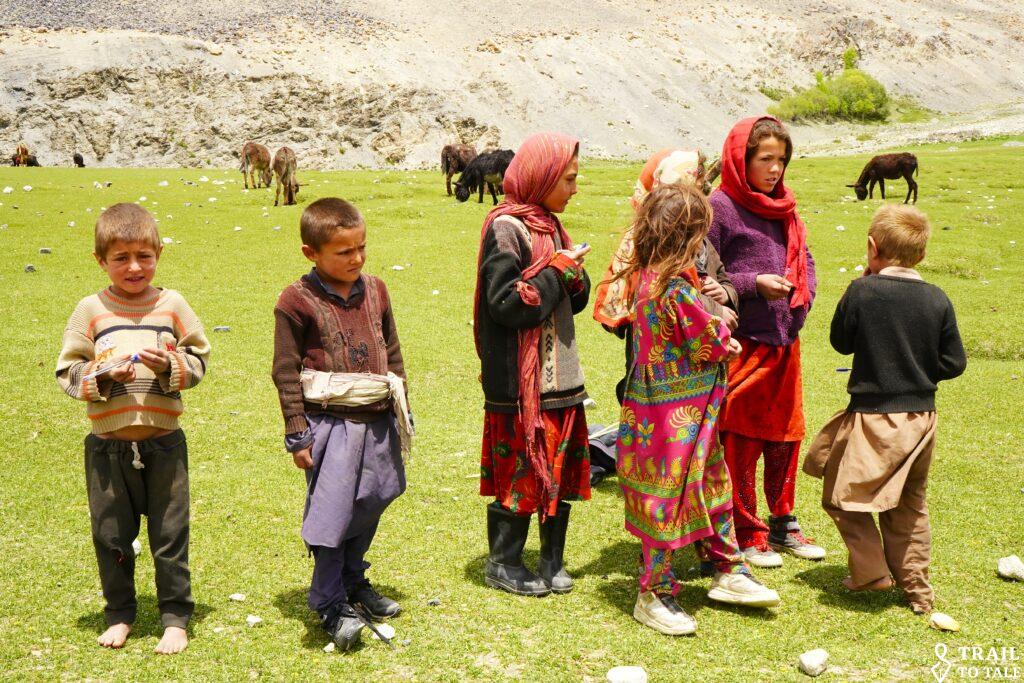
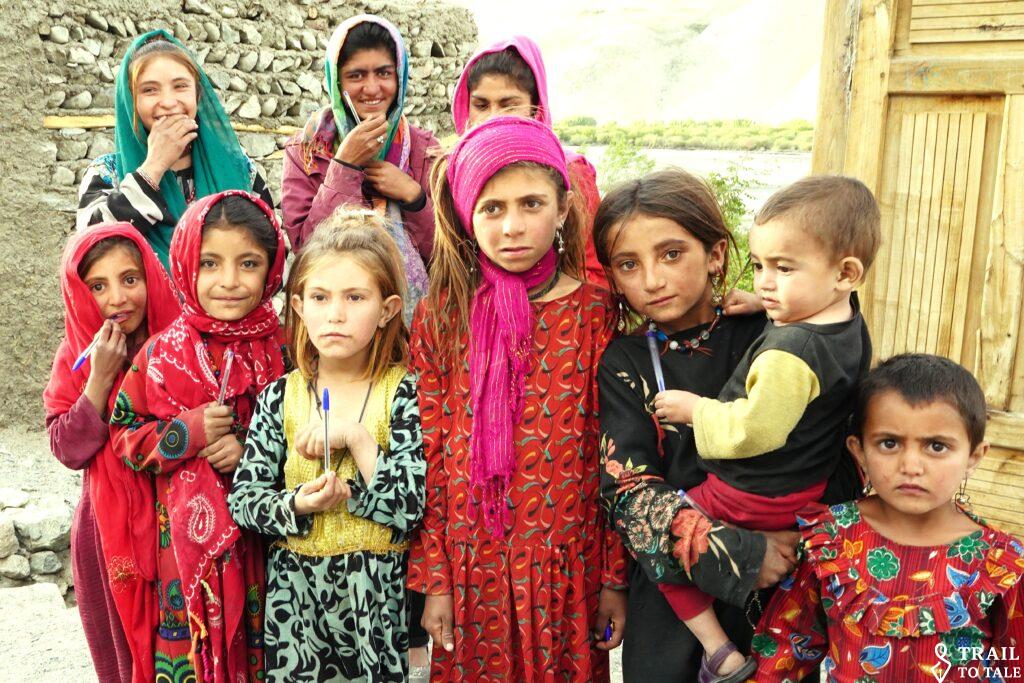
One striking feature of the Wakhan is the unexpectedly frequent occurrence of children with fair skin, blond or light-brown hair, and blue, green or grey eyes. This is particularly noticeable among the Wakhi/Pamiri communities and reflects the region’s complex, centuries-old population history at the crossroads of Central and South Asia.
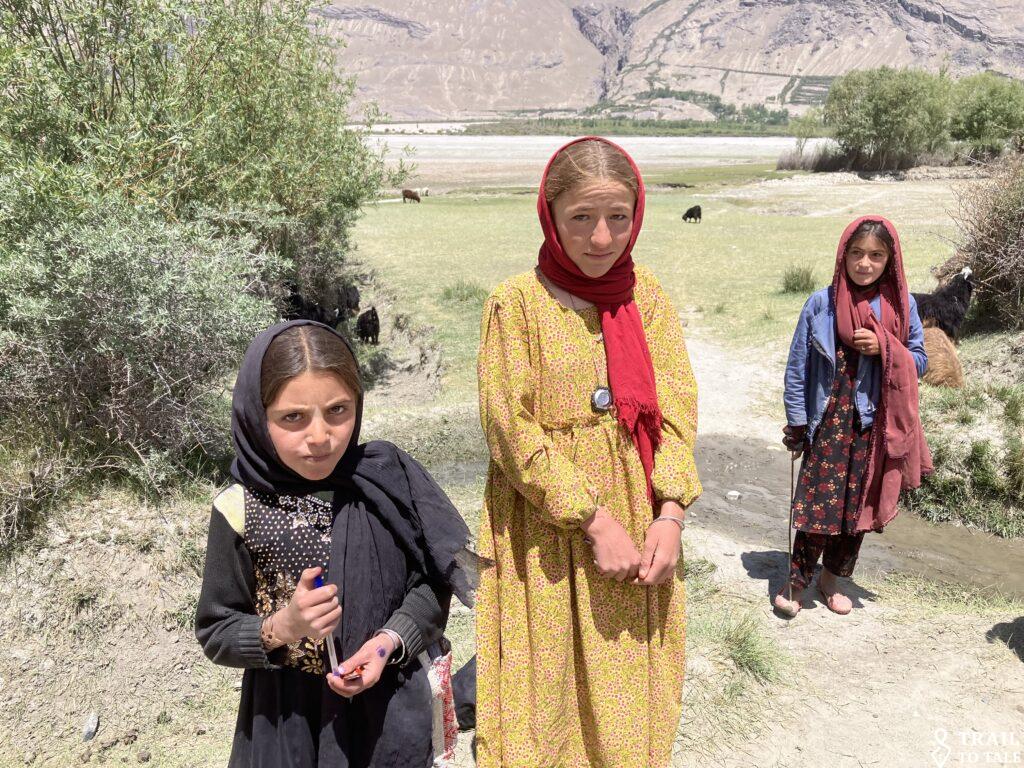
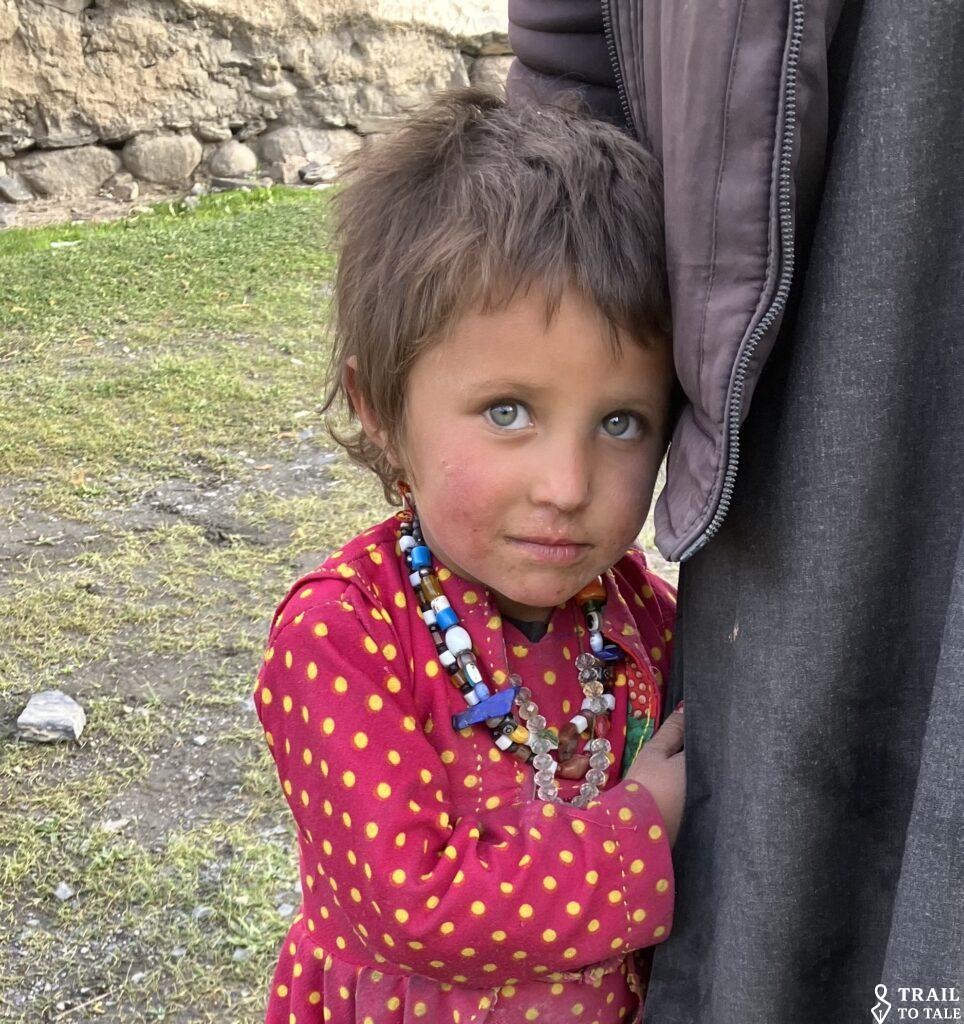
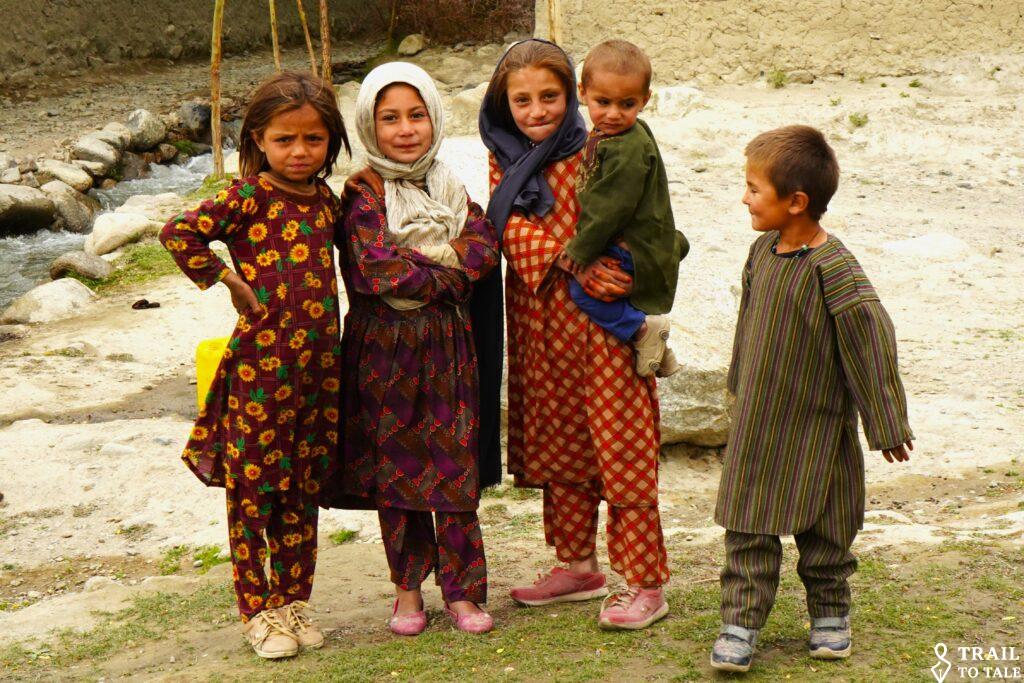
School attendance is ‘mandatory’, unfortunately girls only to grade 6. The Aga Khan Foundation continues to support education in Afghanistan, with a focus on remote and underserved areas in community and government schools.
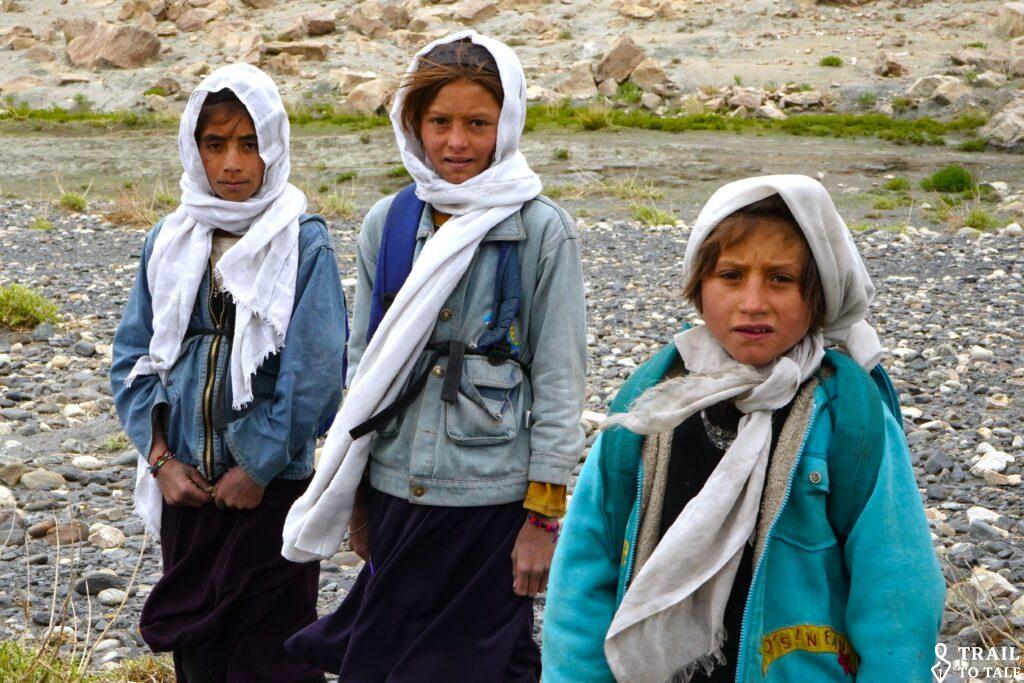
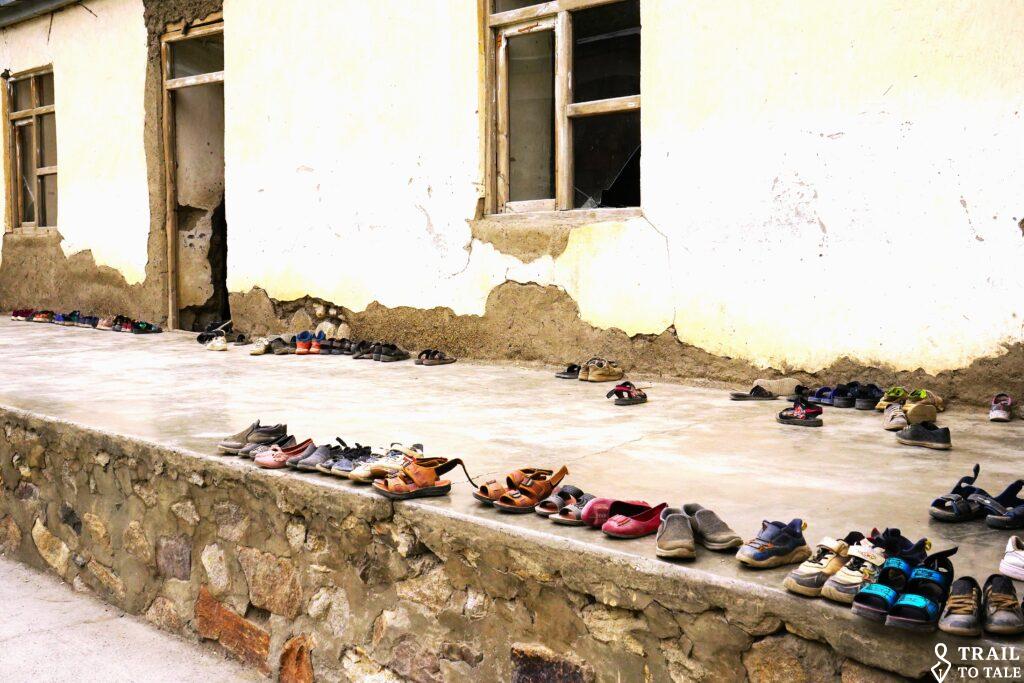
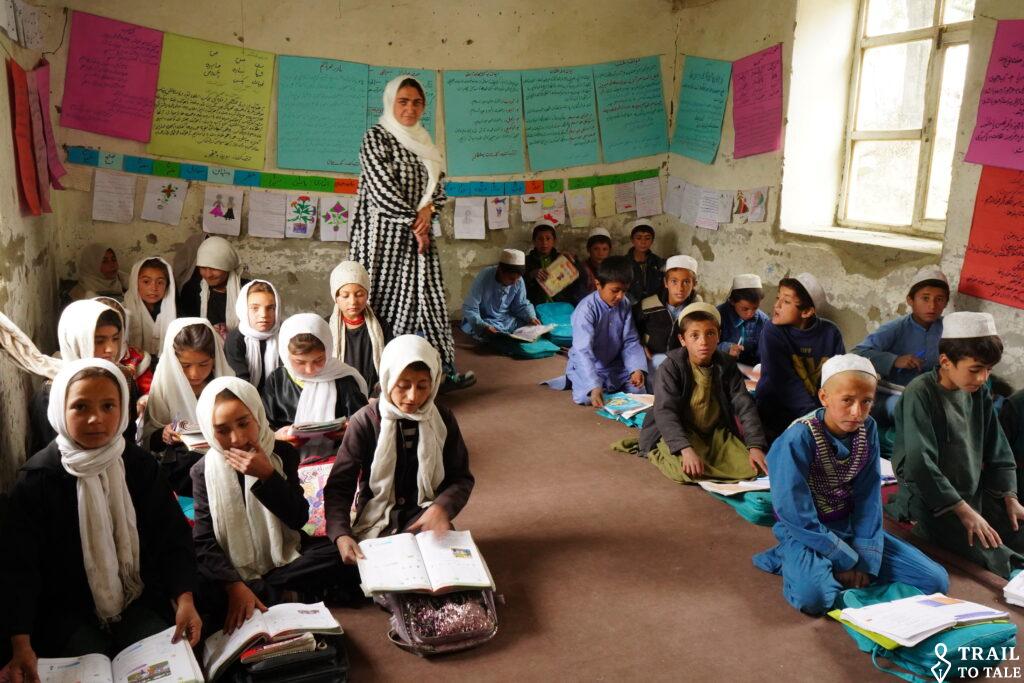
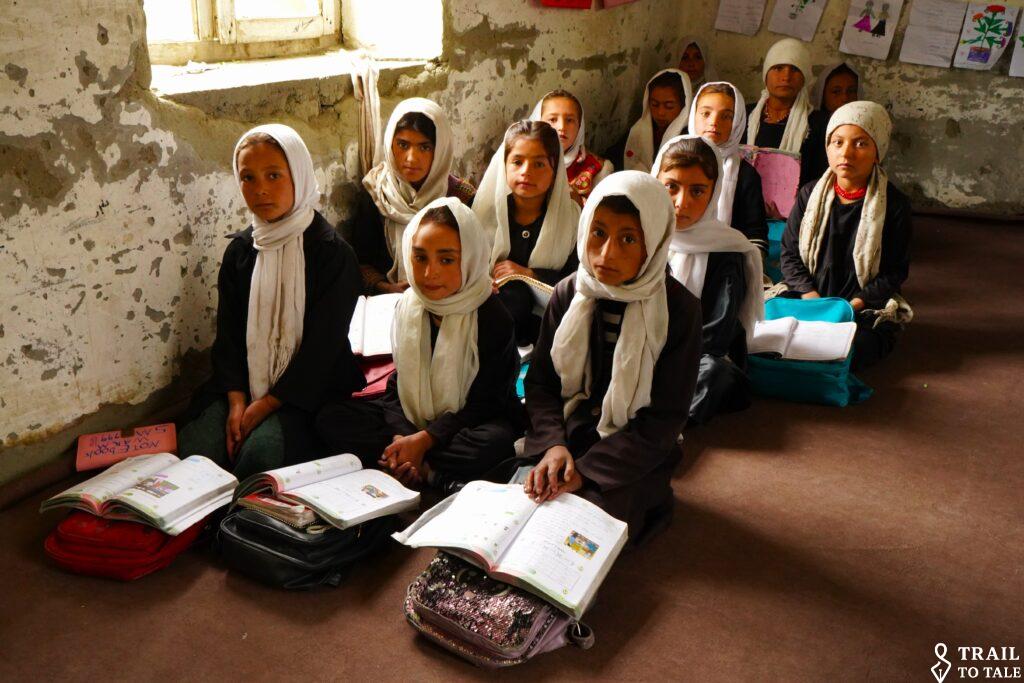
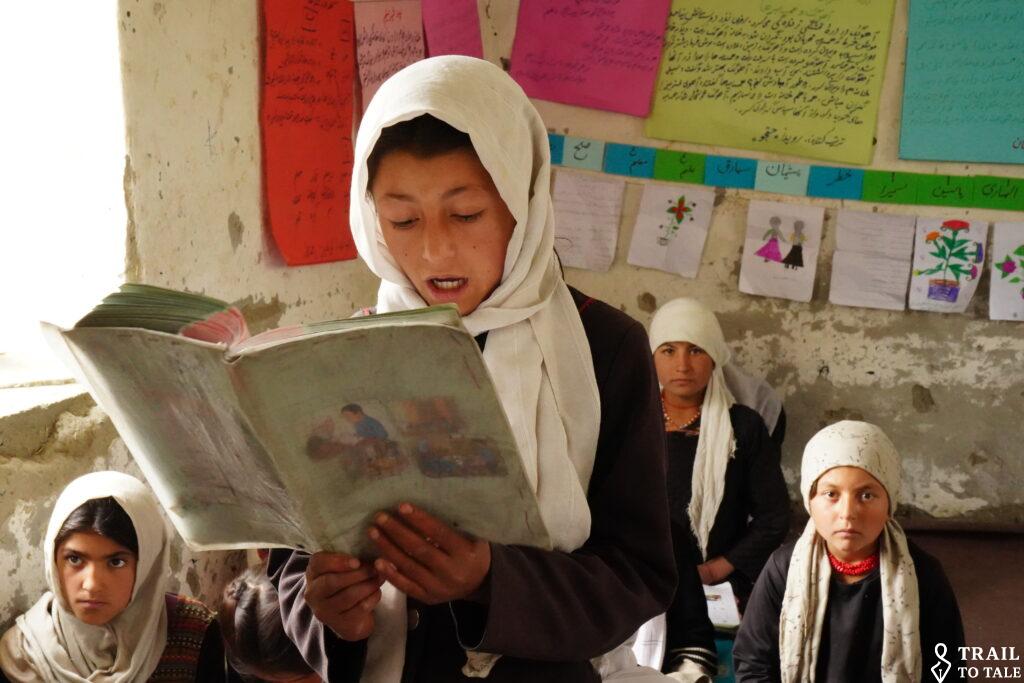
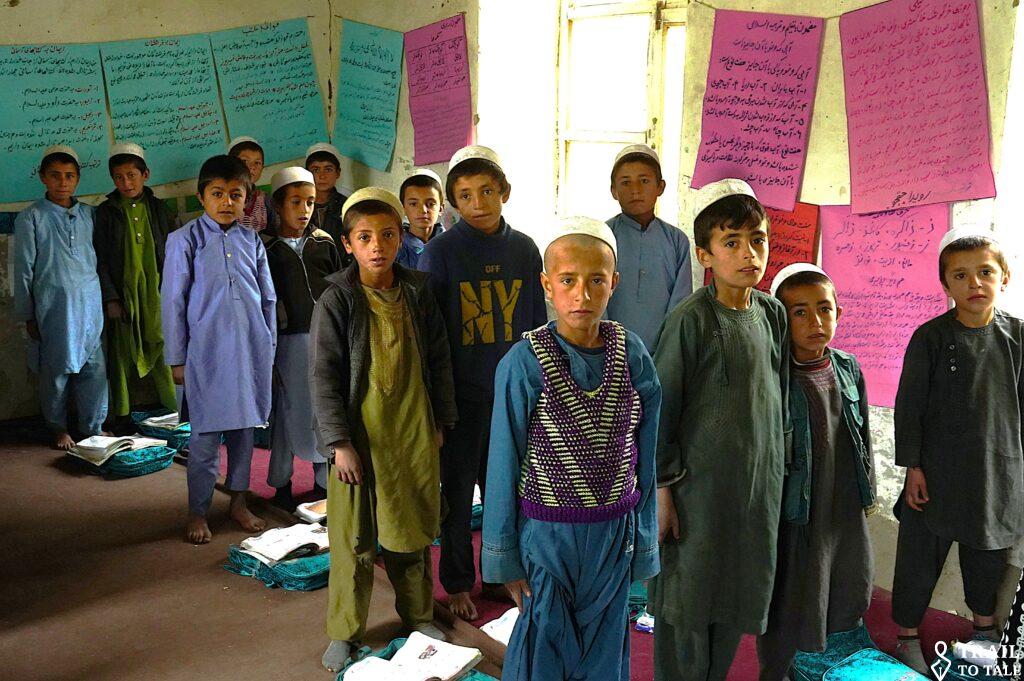
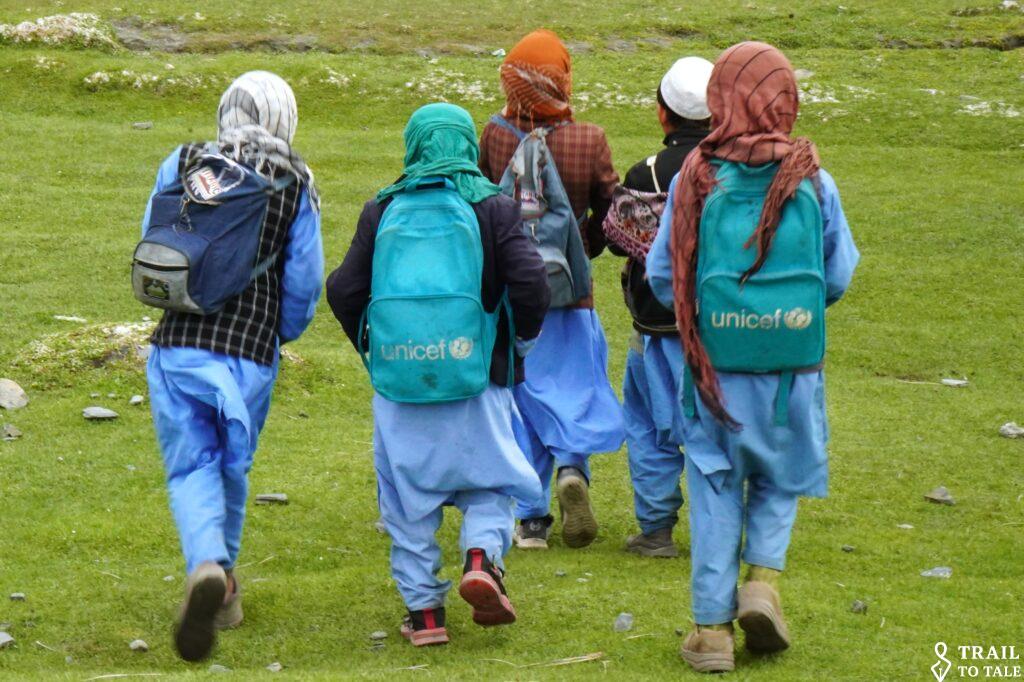
Also UNICEF remains actively involved in Afghanistan in 2026.
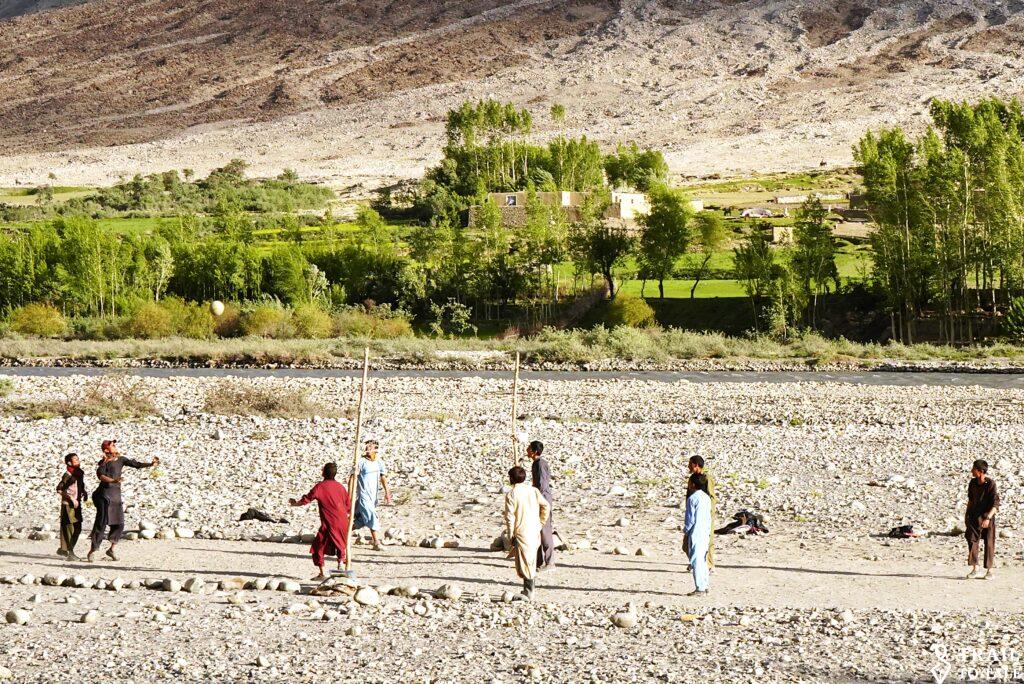
Volleyball is, after cricket, probably the most popular sport in Afghanistan. Even in some of the country’s most remote corners, a makeshift court can quickly become the centre of village life.
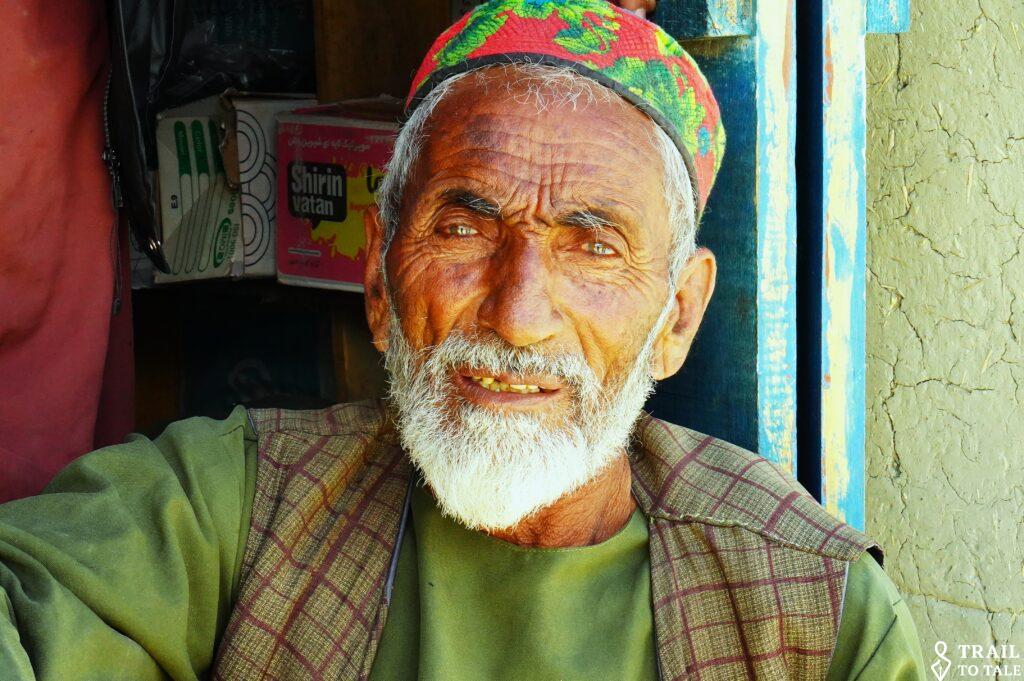
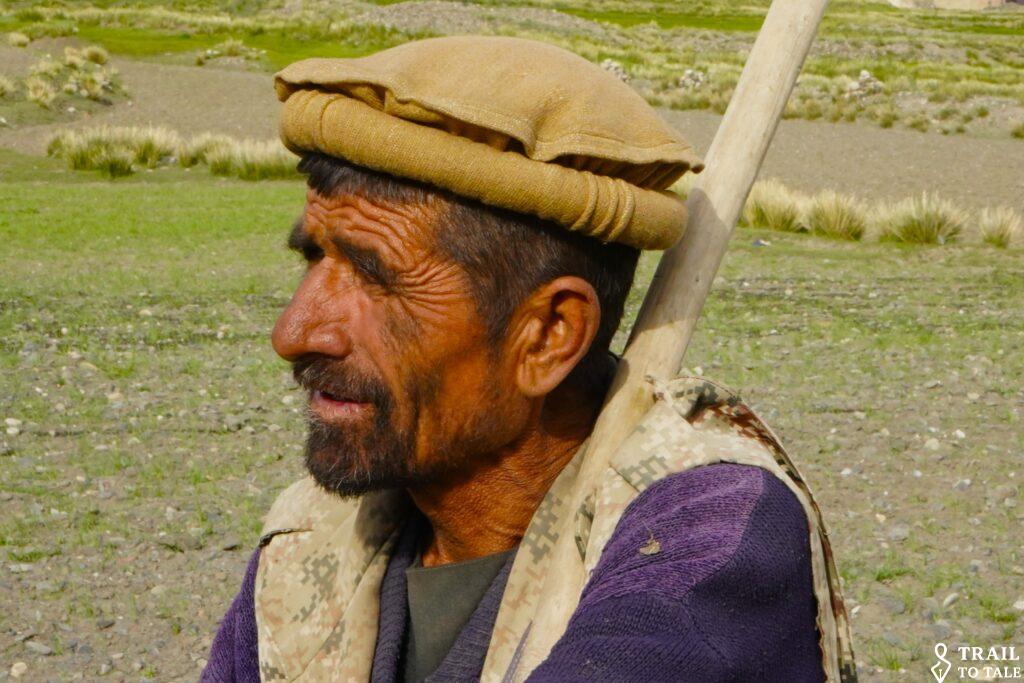
Most men seemed completely un intimidated by the camera, and some even were encouraging to have their photographs taken.
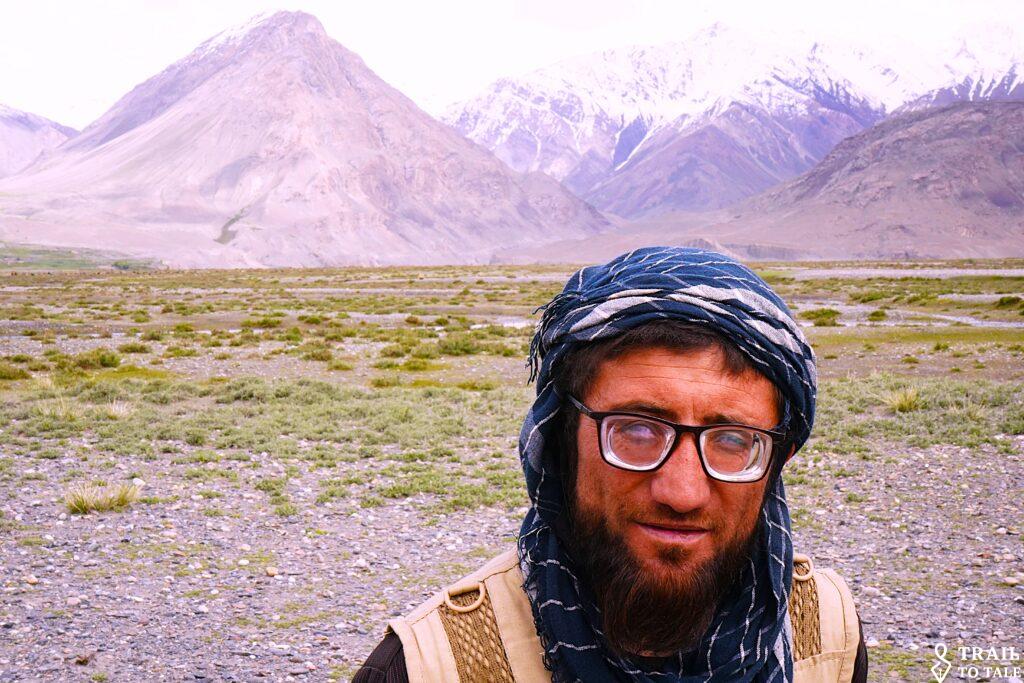
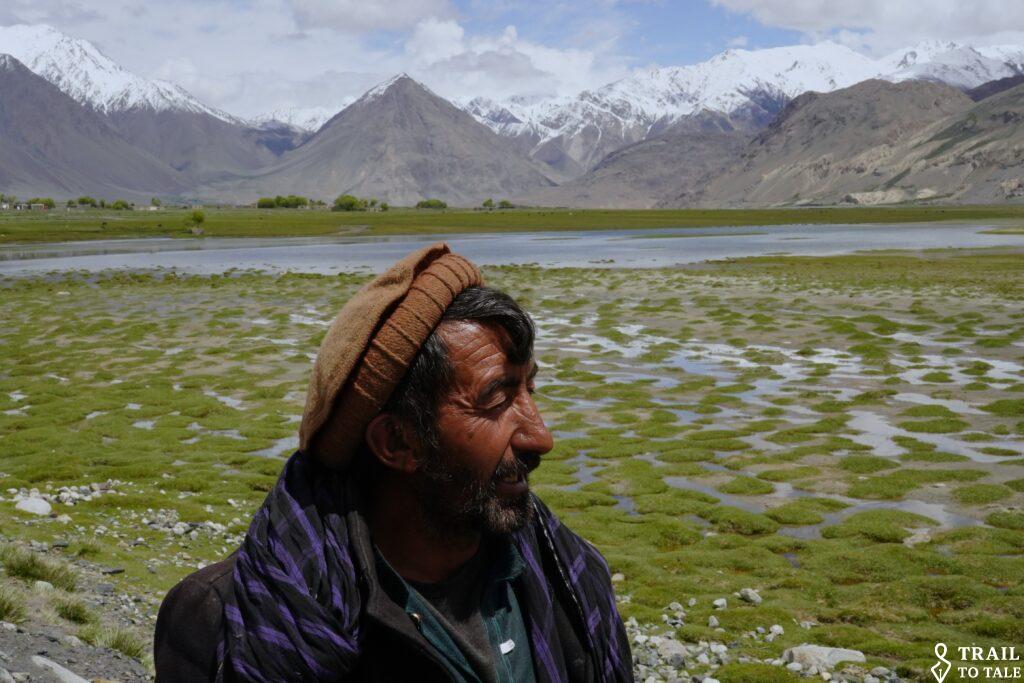
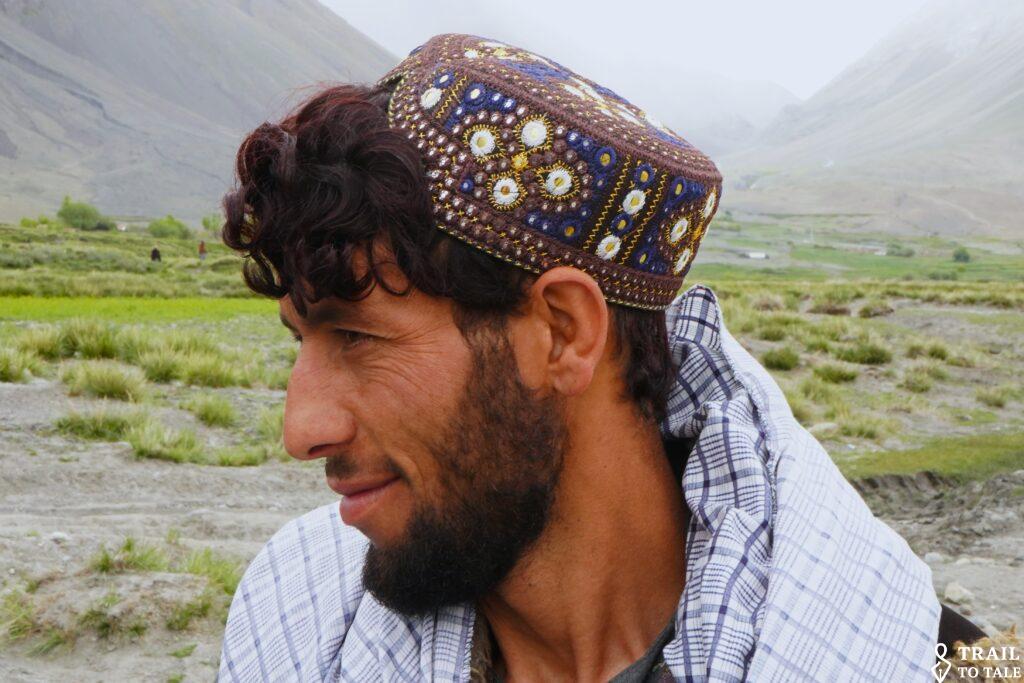
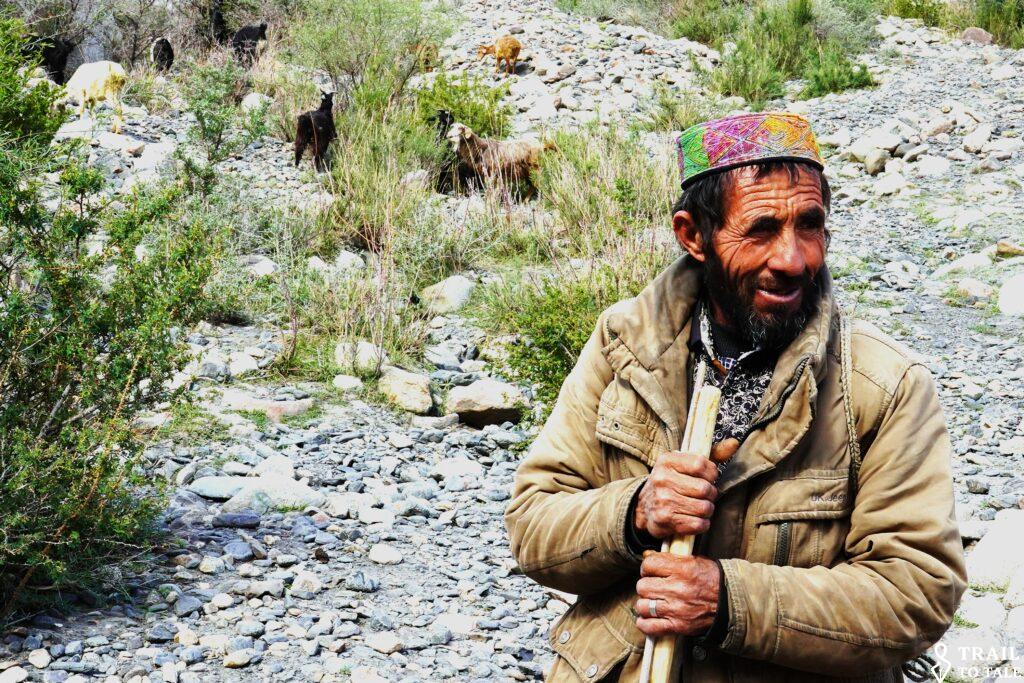
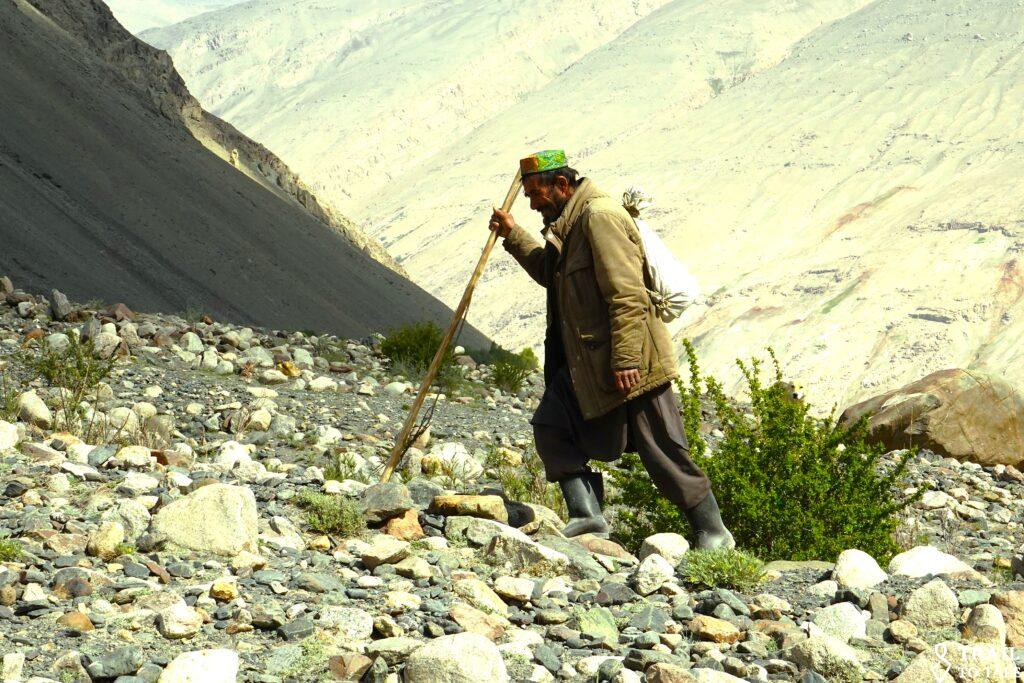
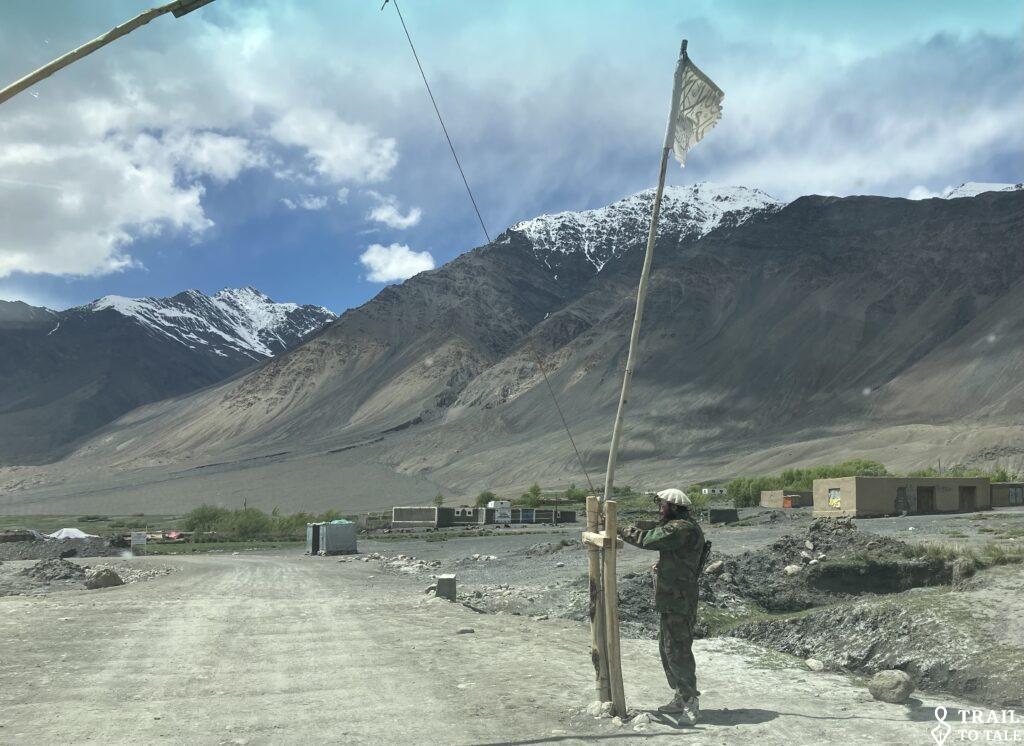
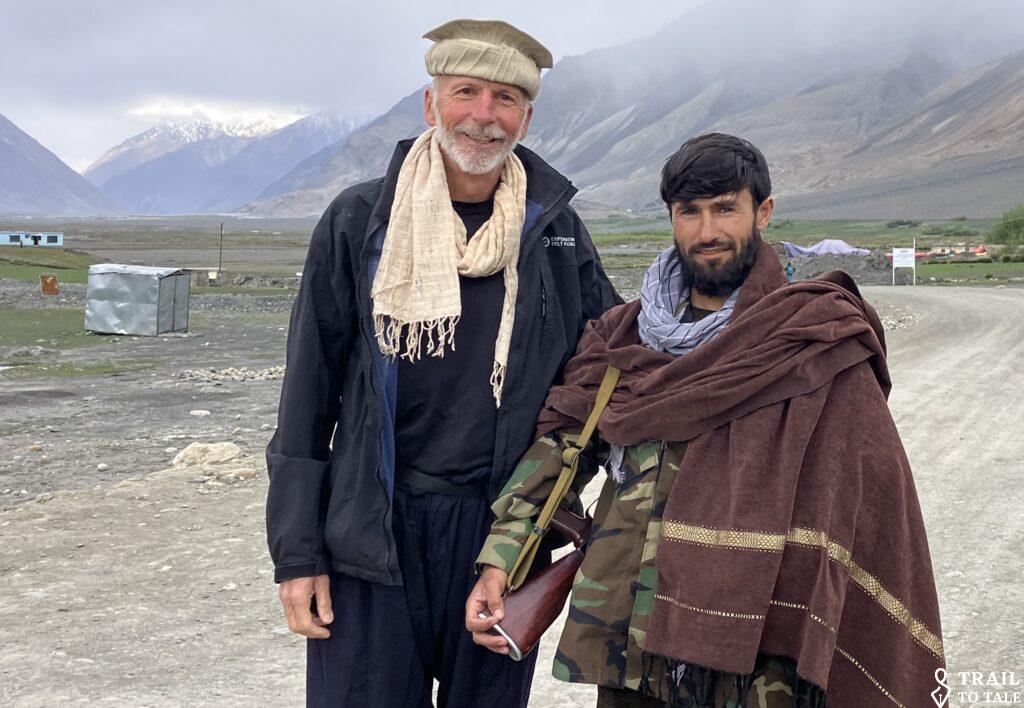
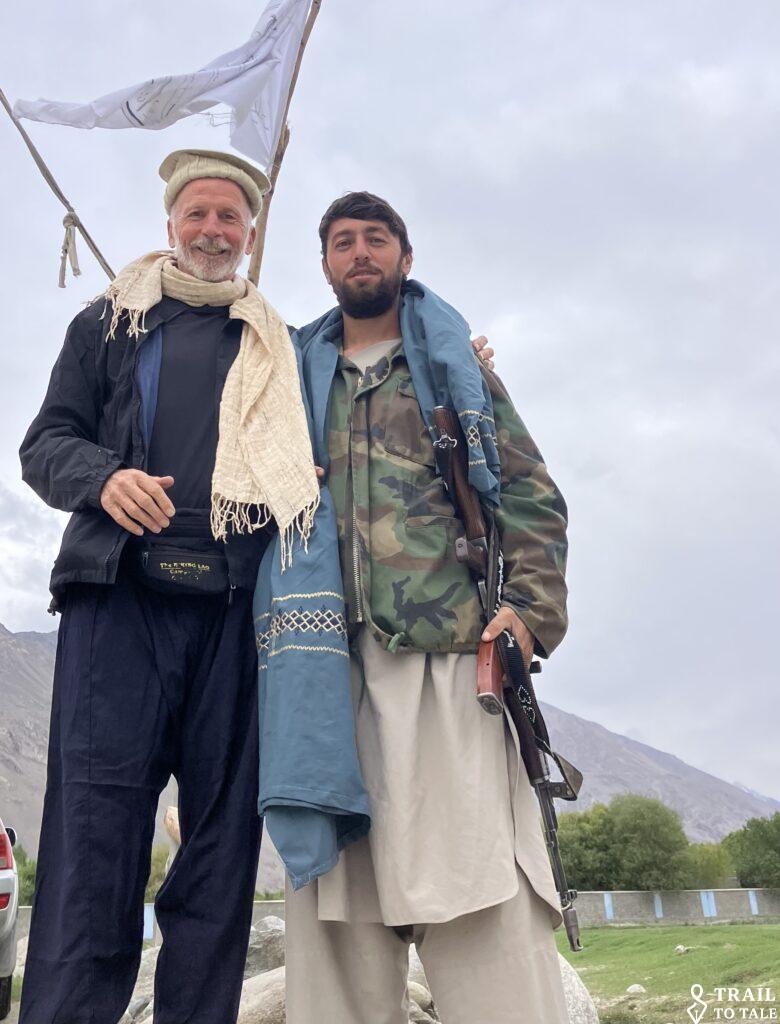
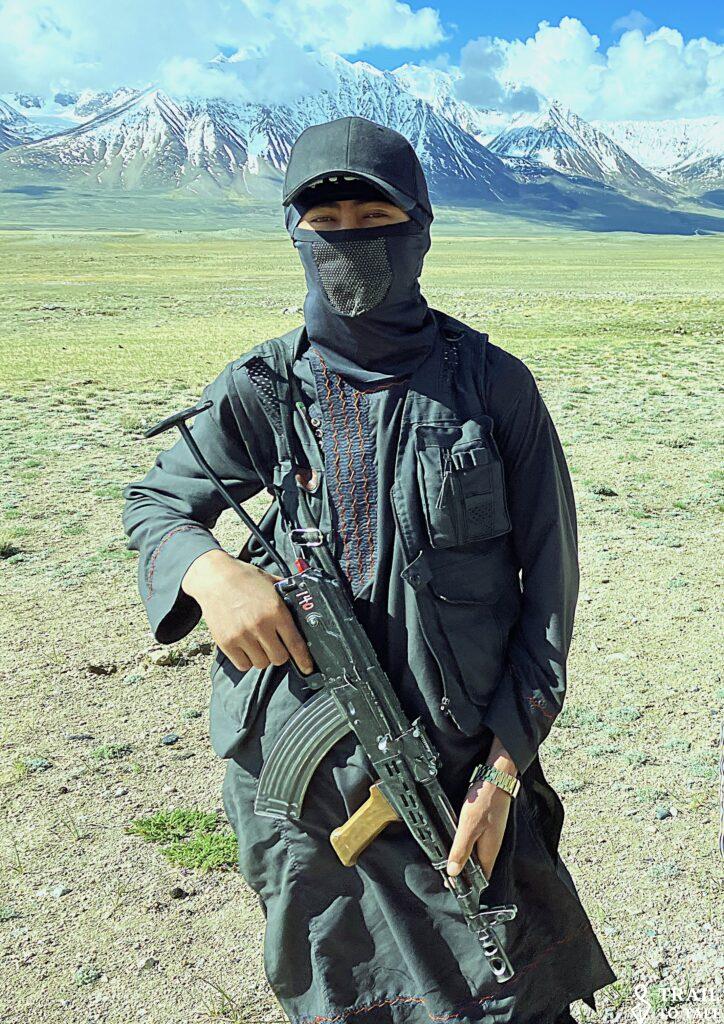
At regular checkpoints, passports, visas and permits are carefully checked. Photographing Taliban members is officially not permitted. However, asking politely can sometimes make a difference. On occasion, permission is granted and the encounter may even end with a smile or a joke.
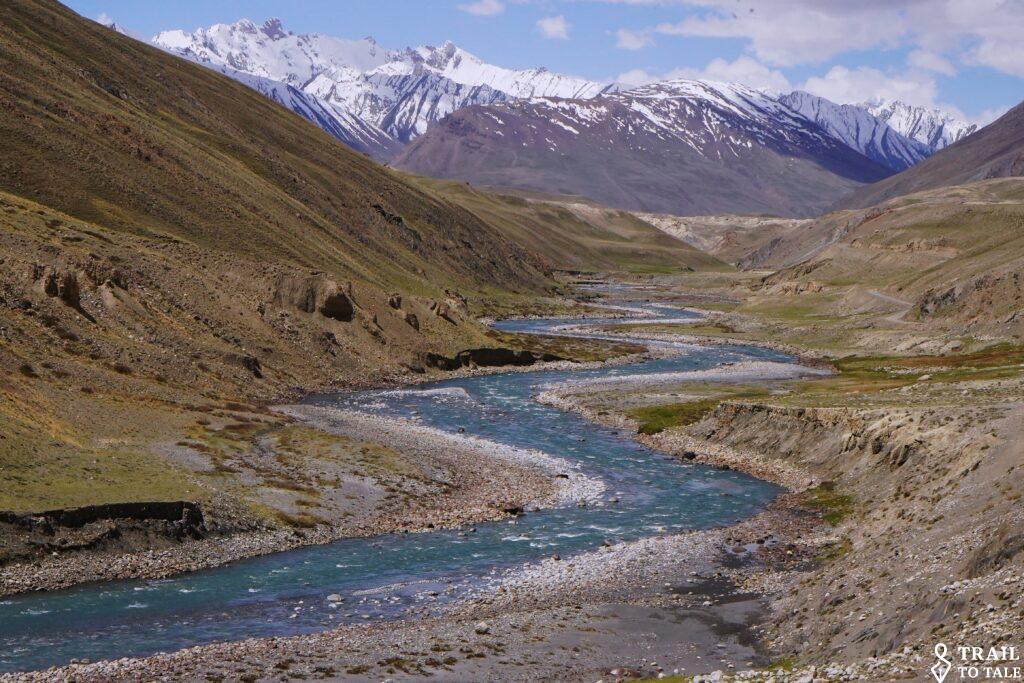
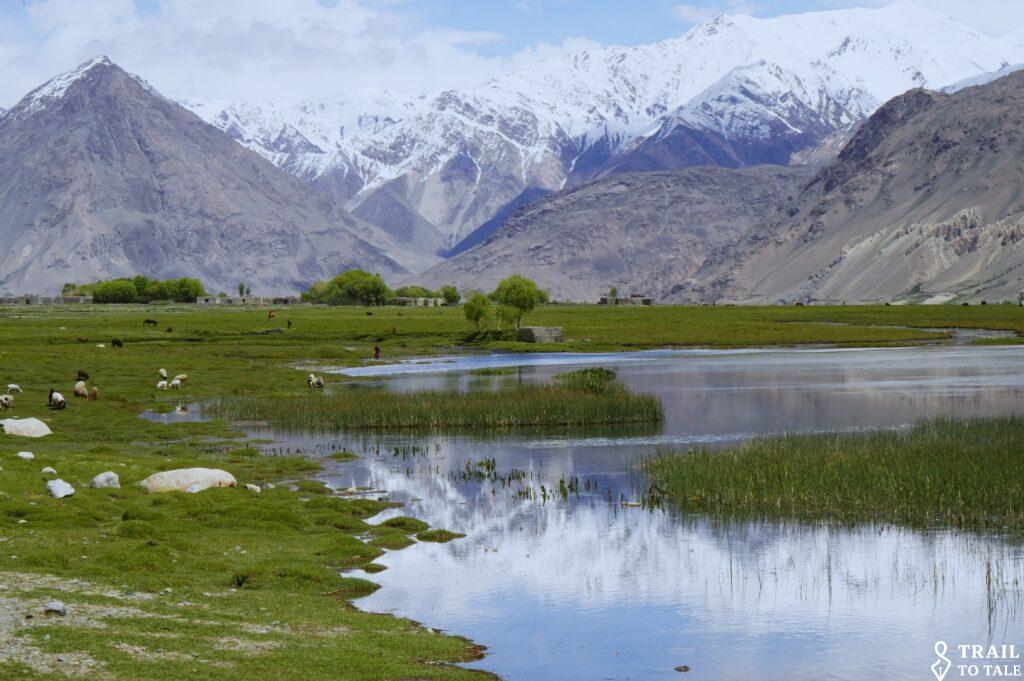
The Wakhan River winds its way through the length of the often extremely narrow Wakhan Corridor, before eventually joining the Pamir River.
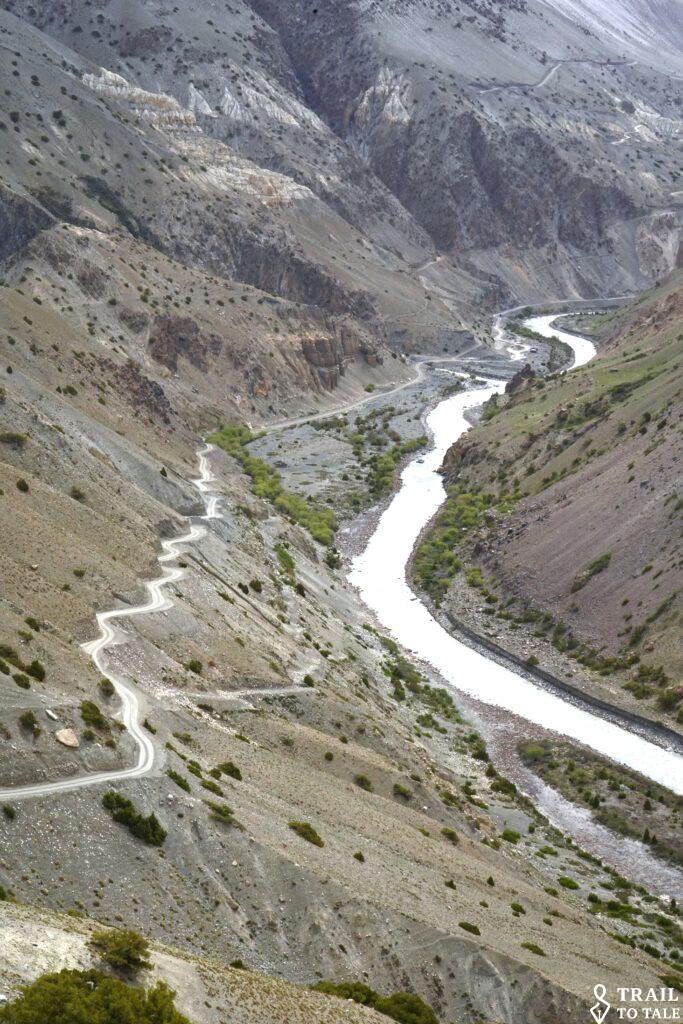
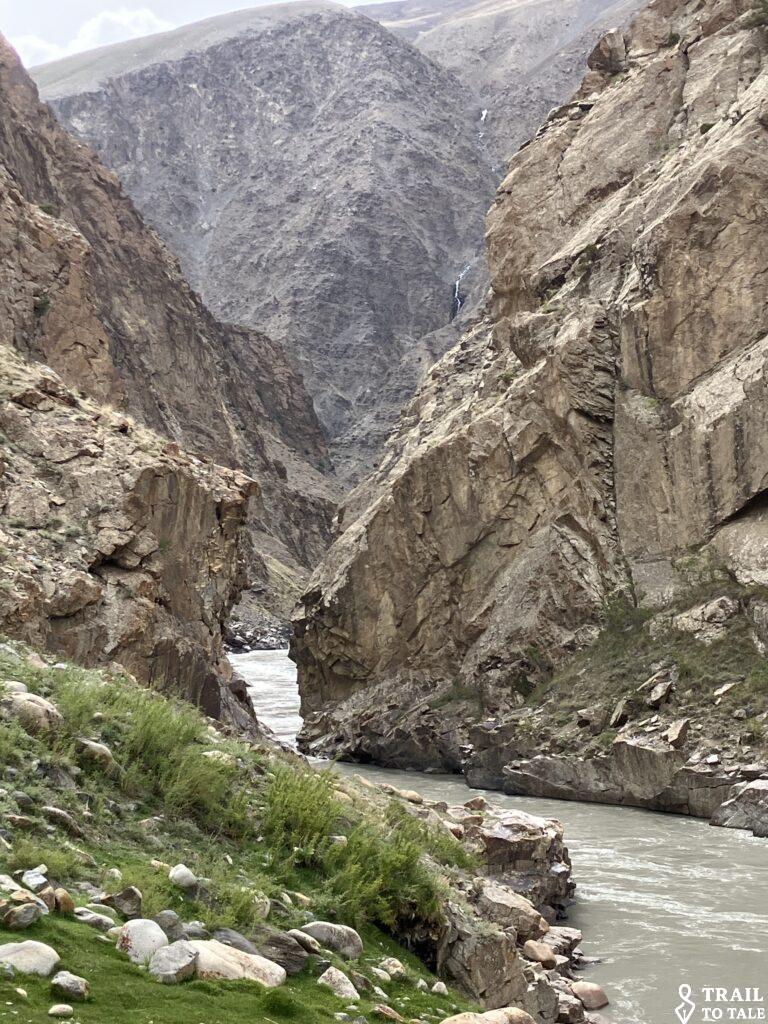
For much of its course, it is the lifeline of the valley, providing precious water for the settlements, fields and livestock scattered along its banks.
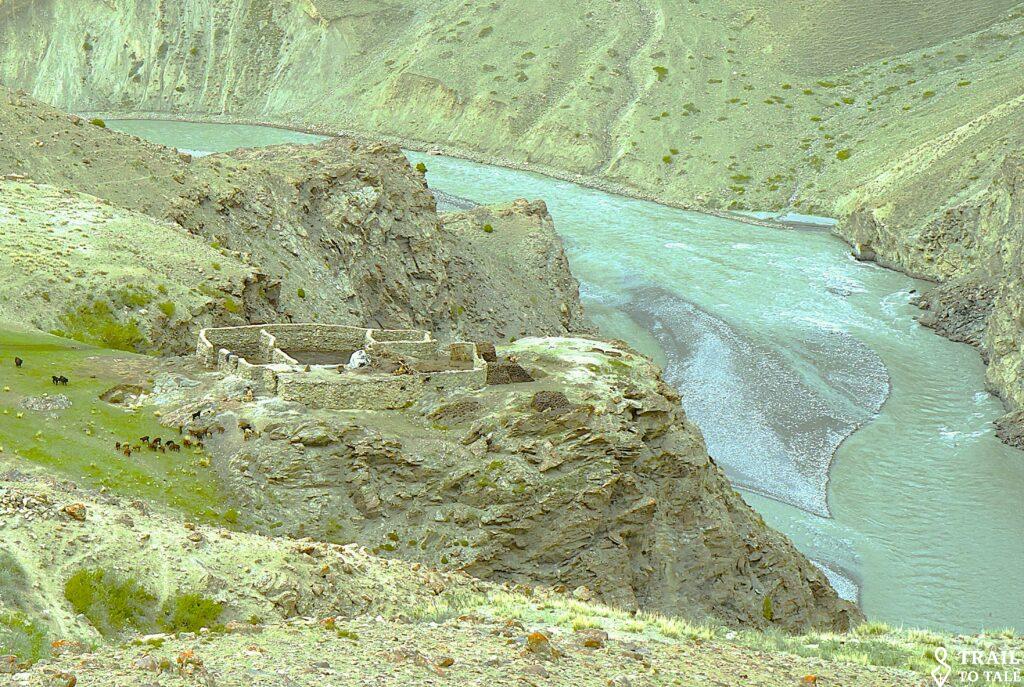
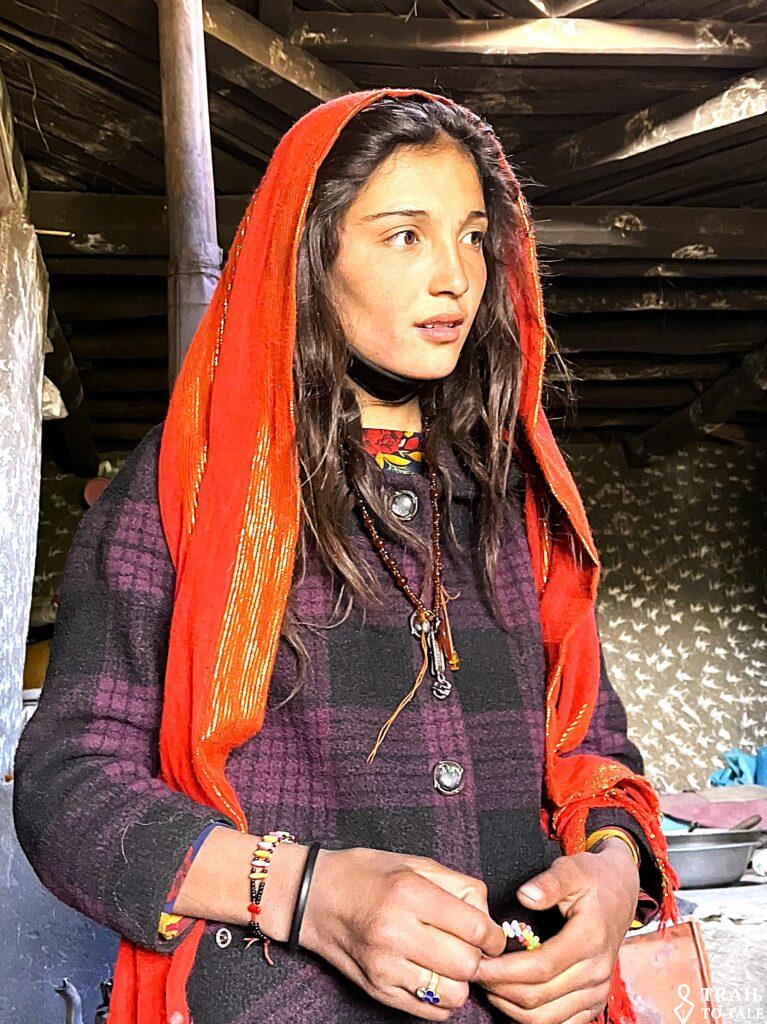
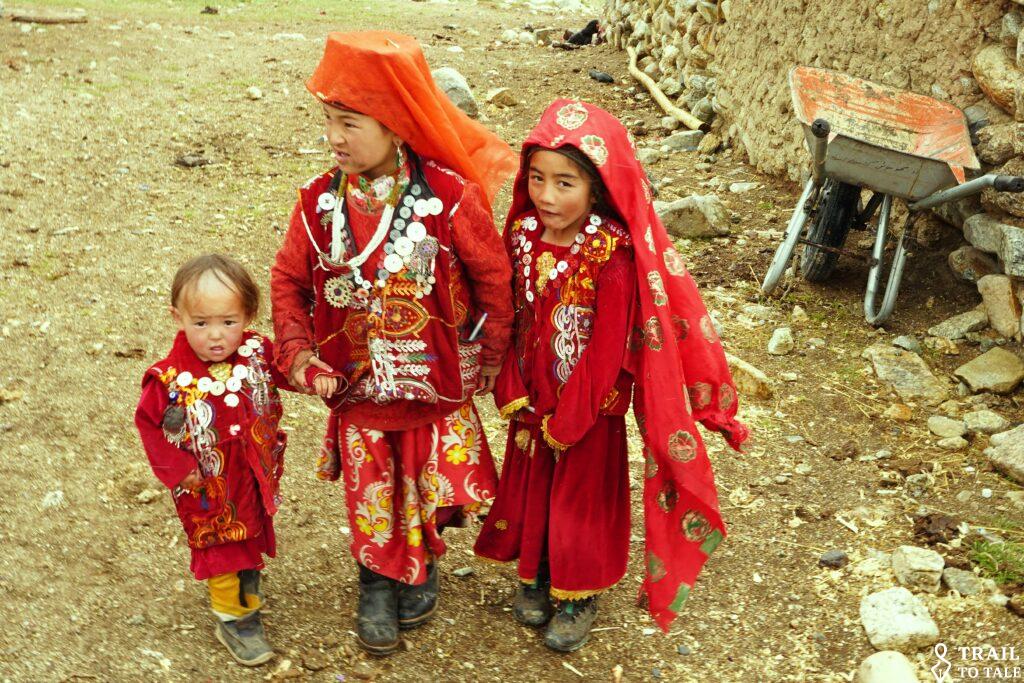
Life in the Wakhan is hard, and most people work tirelessly simply to cope with the harsh conditions and make ends meet. An invitation for a warm cup of tea offered a rare glimpse into the very spartan lifestyle of a local family. Life expectancy remains low, and our exceptionally friendly host, just 27 years old, already had seven children.
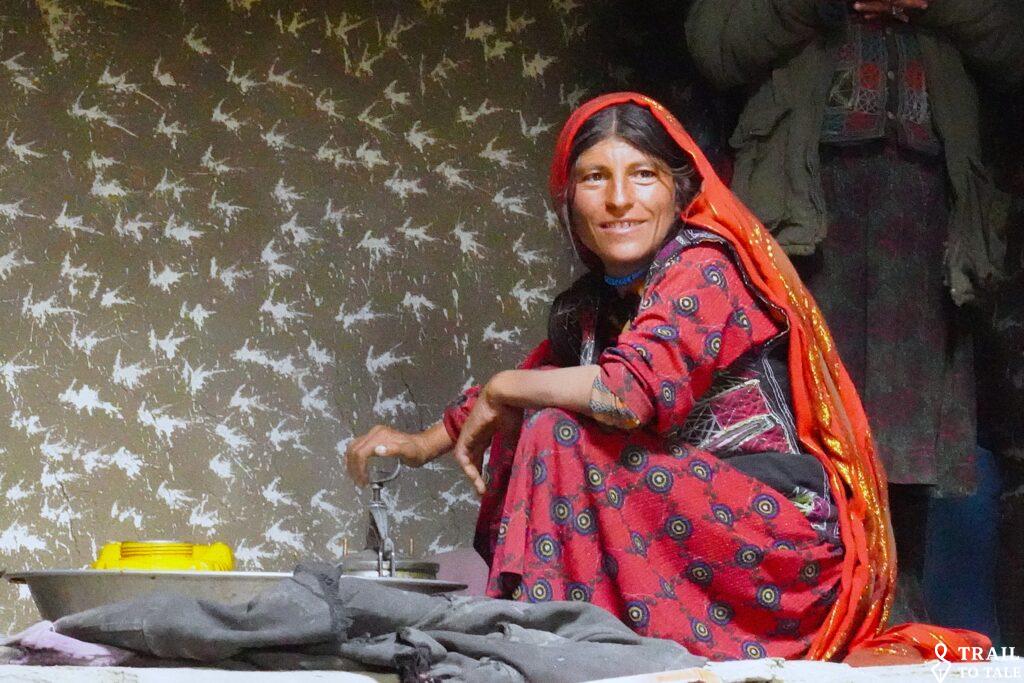
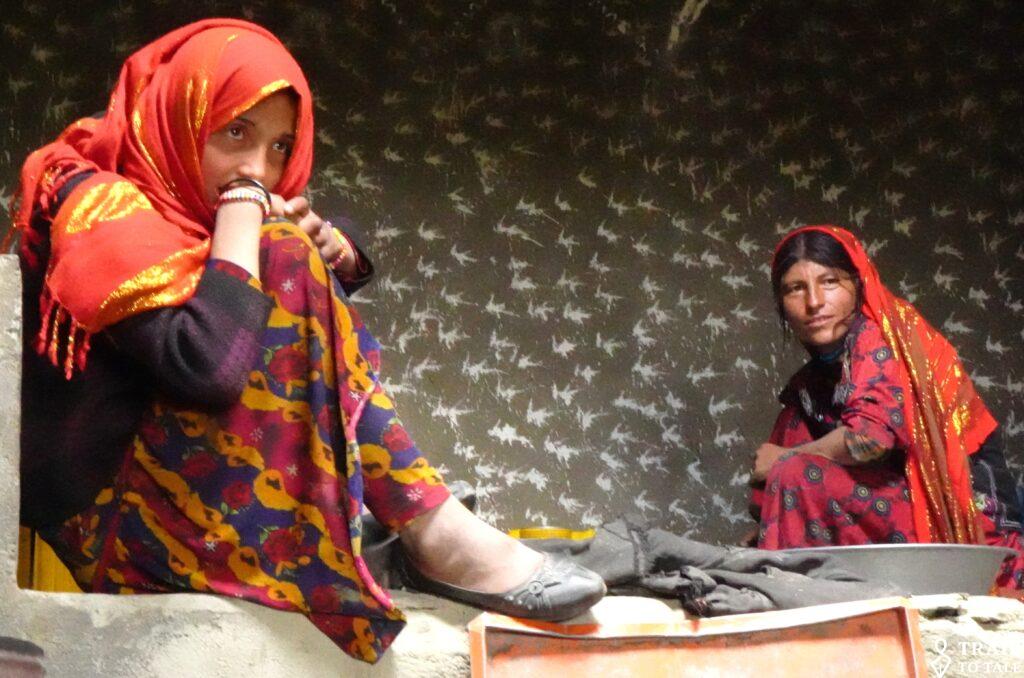
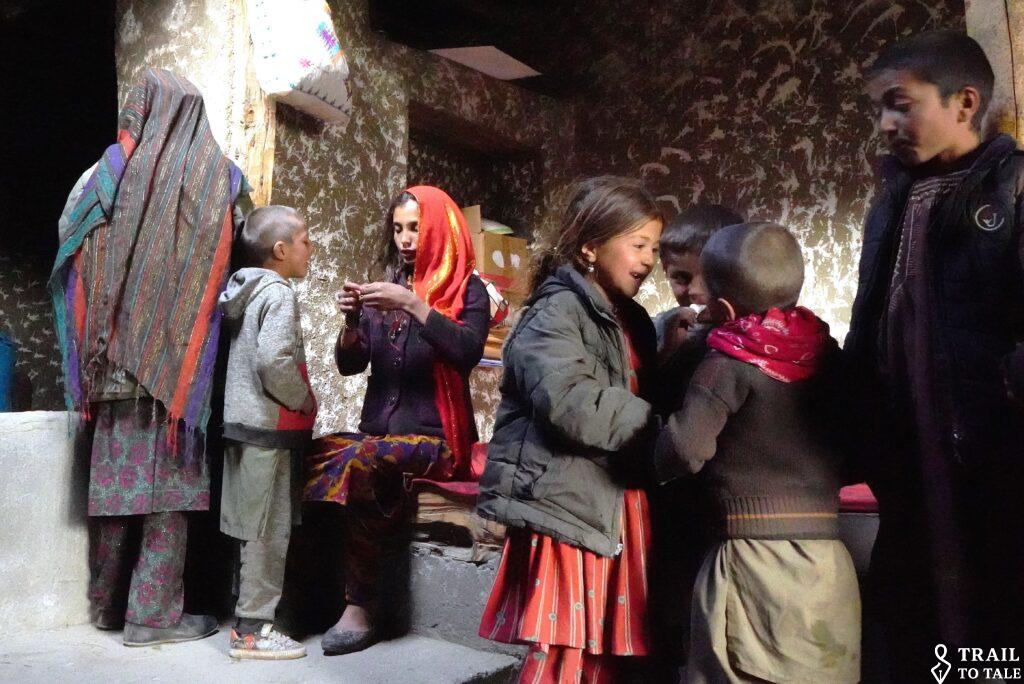
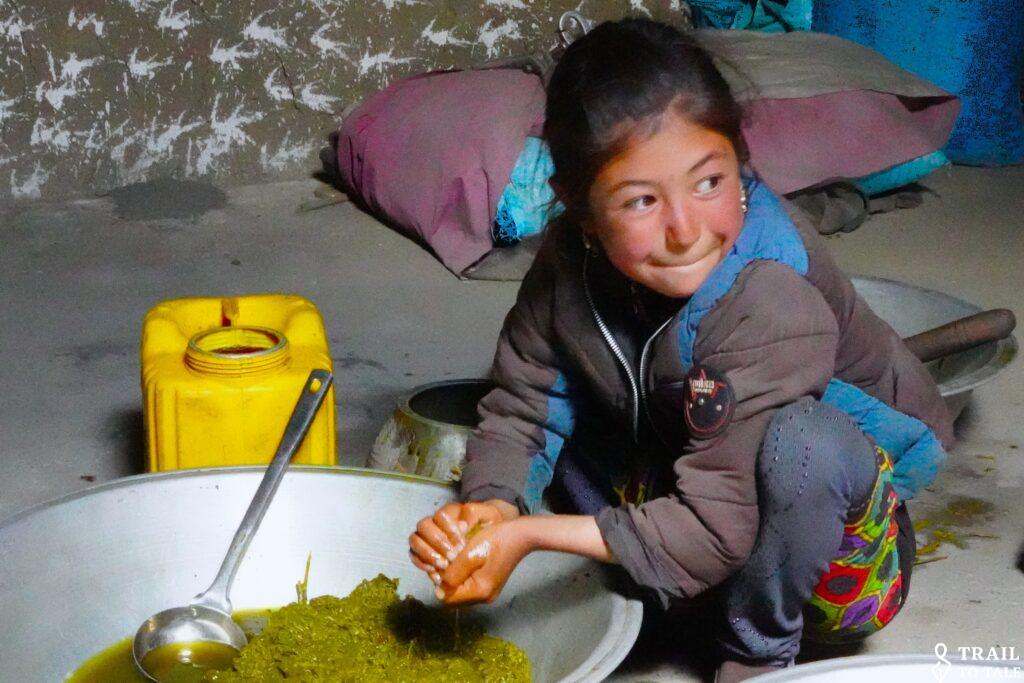
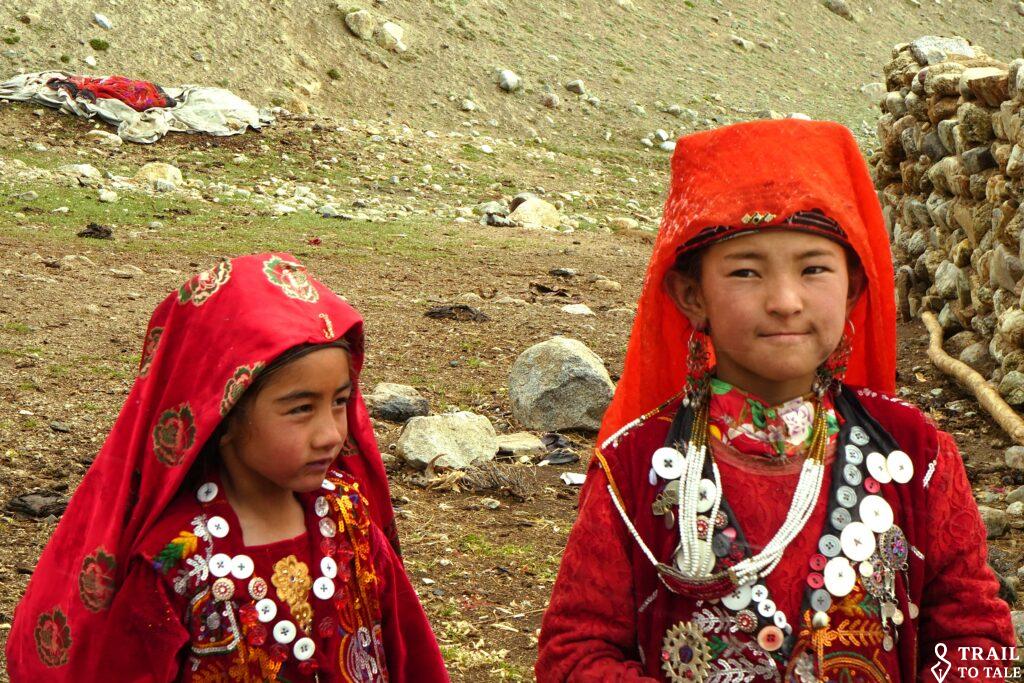
The eldest, just 13, an absolute beauty, will likely be married off soon and get pregnant. It is hard to imagin her being able to escape the same cycle of early marriage and motherhood.
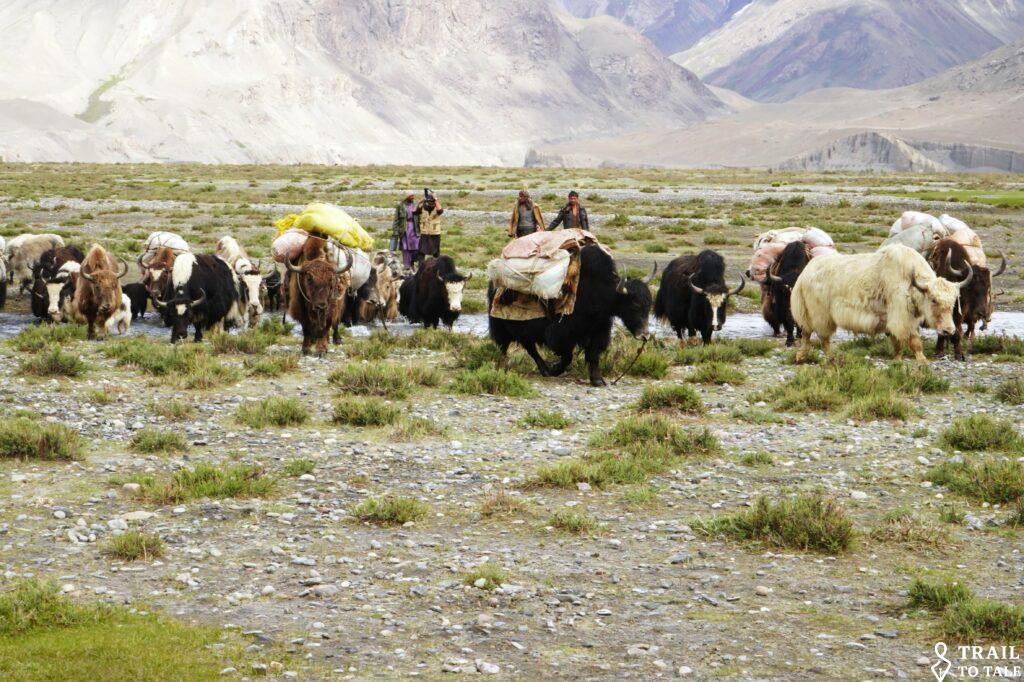
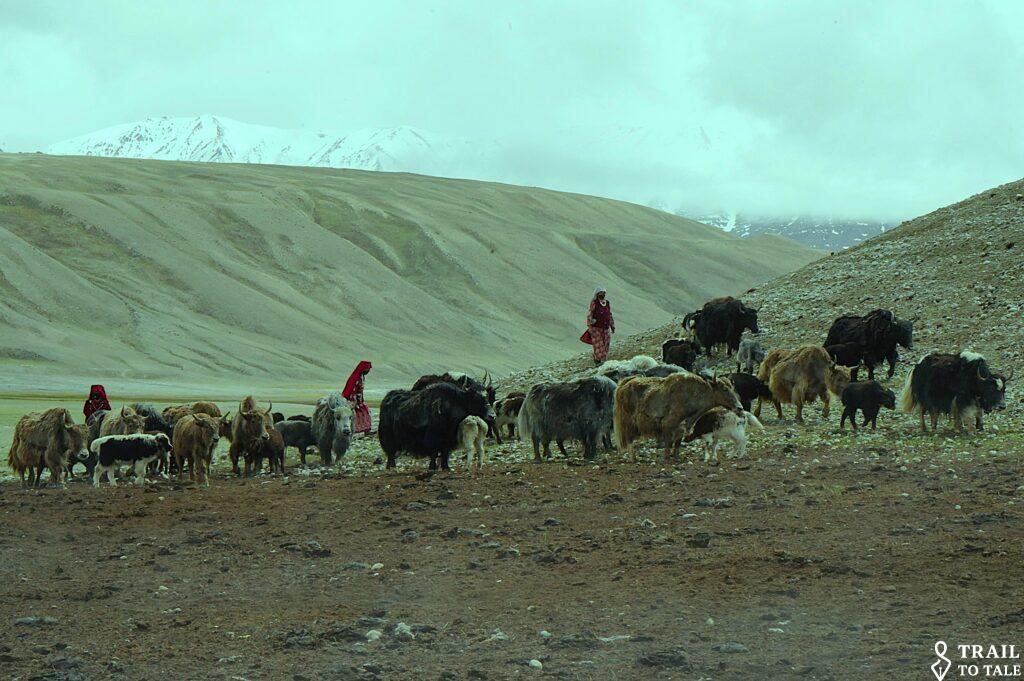
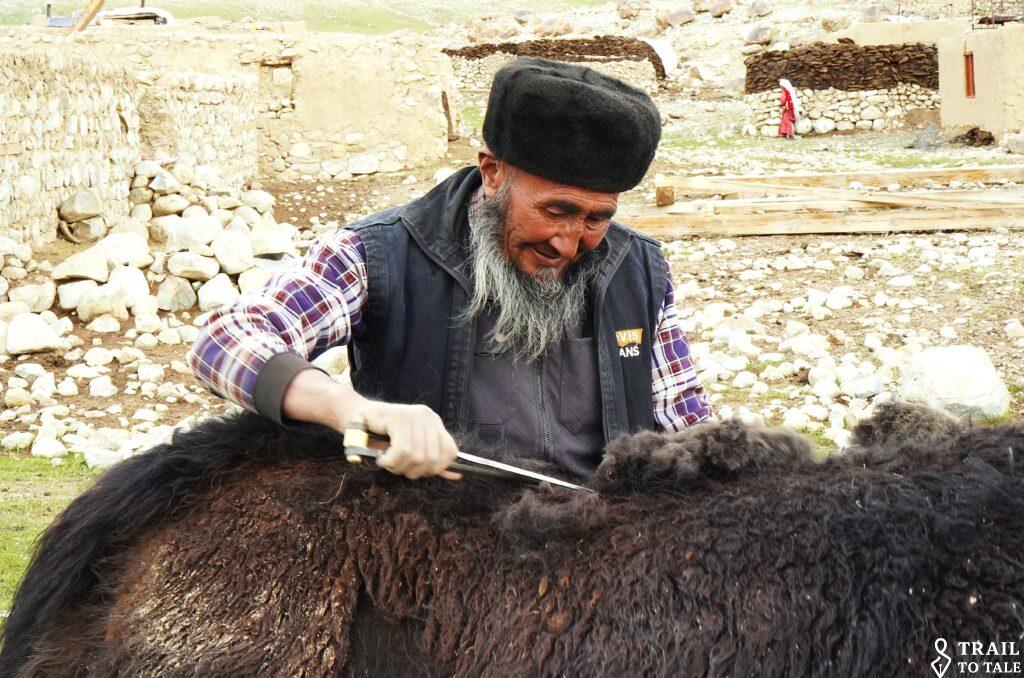
Life above 3,500 m is harsh, and the yak is perfectly adapted to it. With its powerful lungs, thick insulating coat and ability to survive on sparse alpine pasture, it is one of the few large domestic animals truly at home in this high-altitude world.
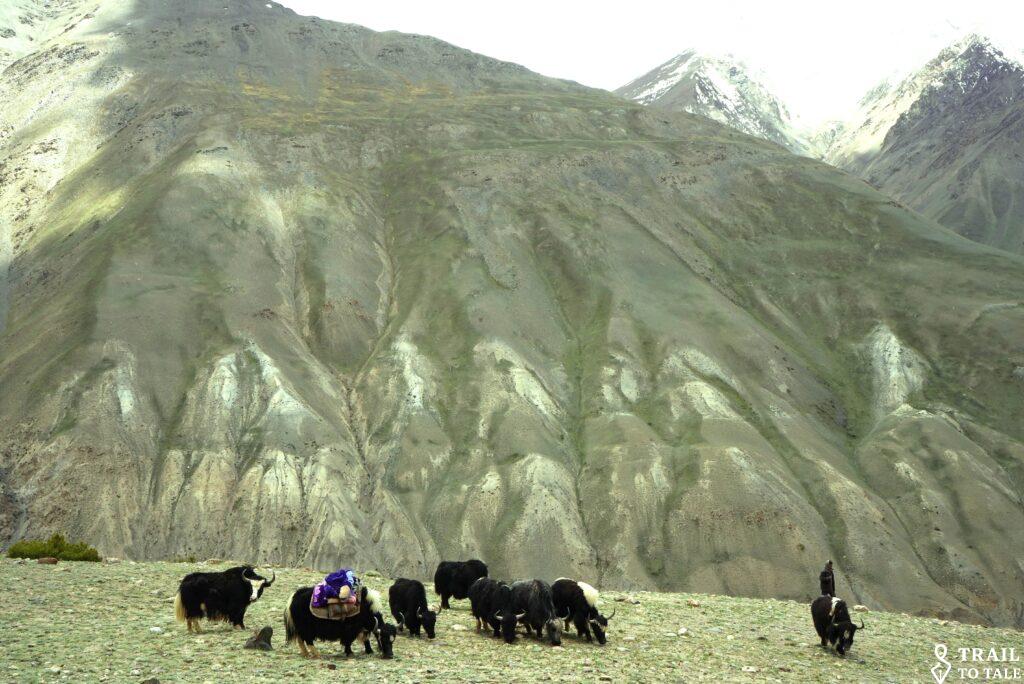
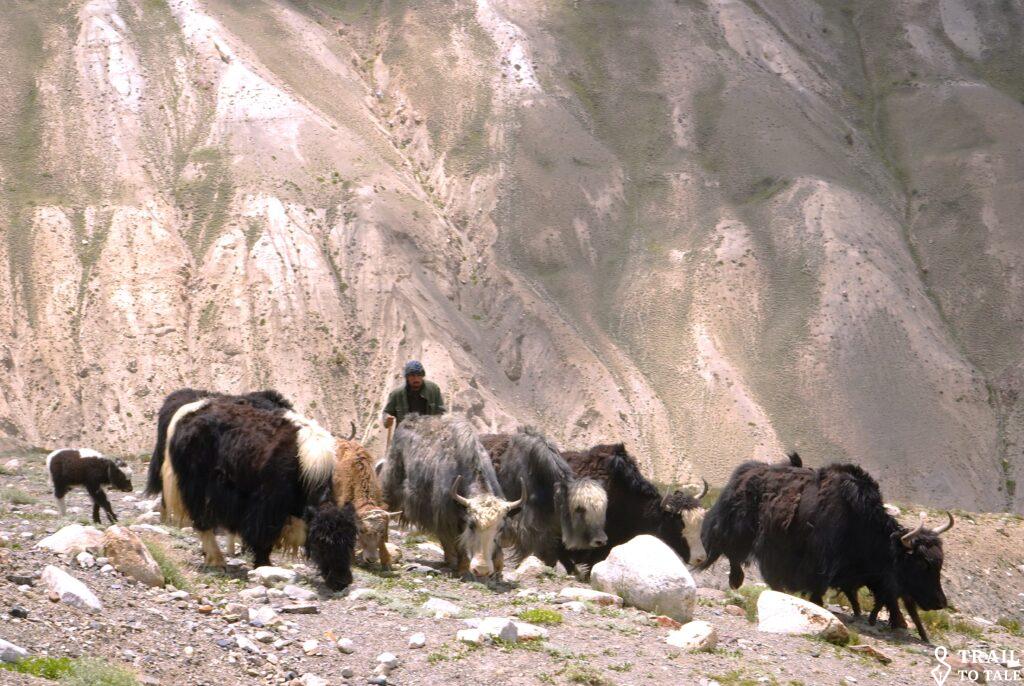
It is perhaps the most efficient means of transport available. A living, self-propelled mountain vehicle, requiring neither roads nor fuel.
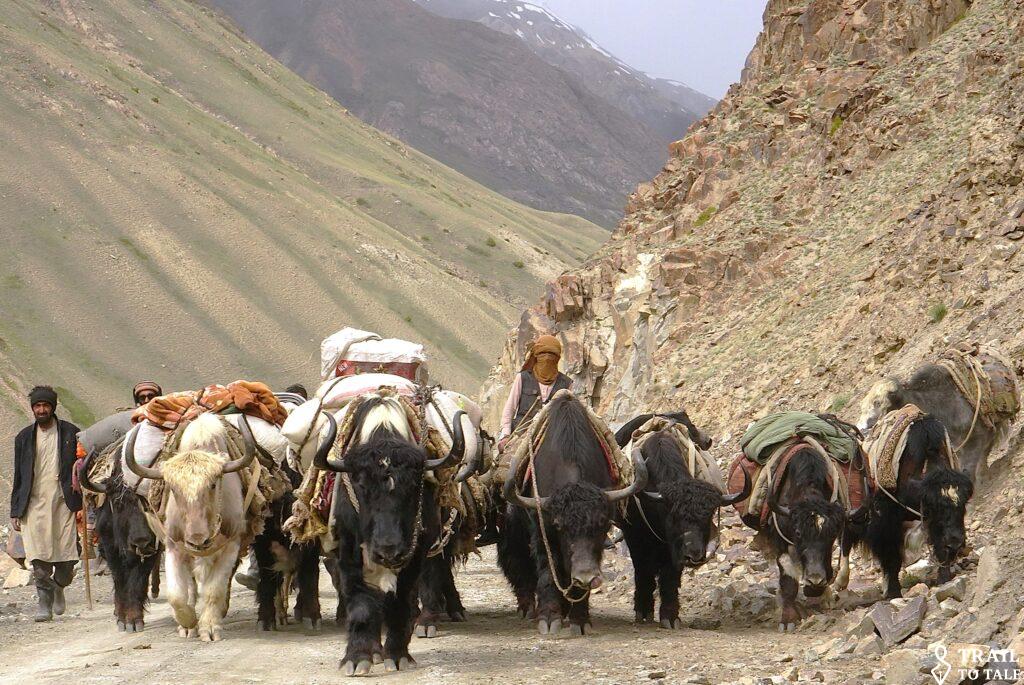
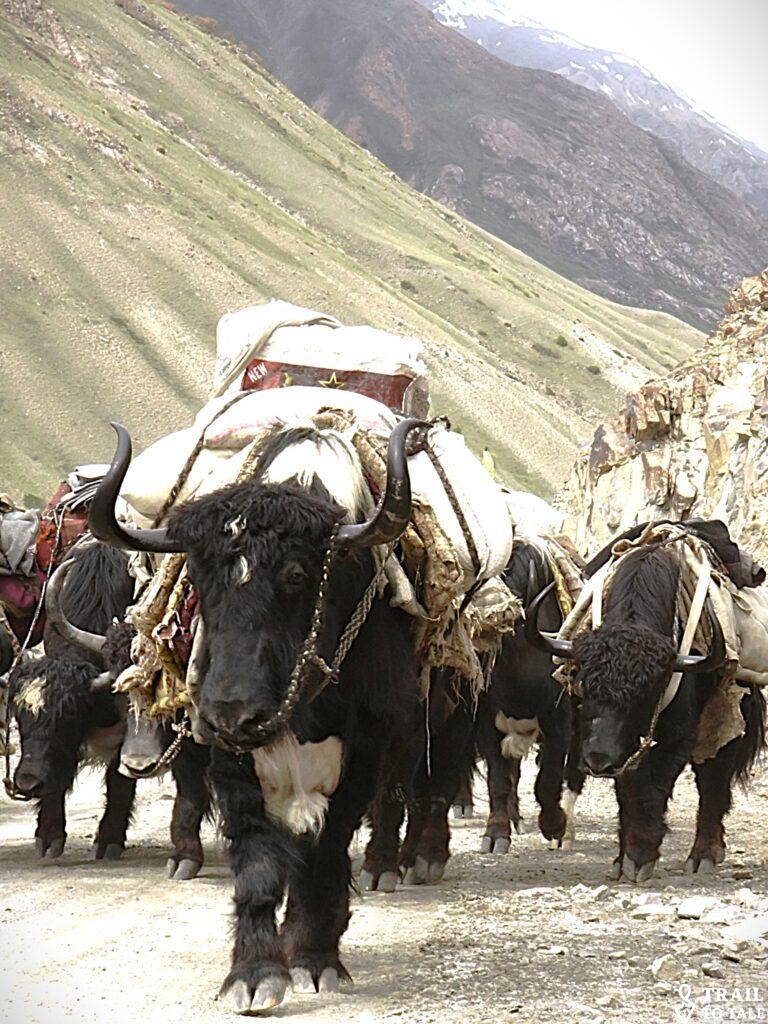
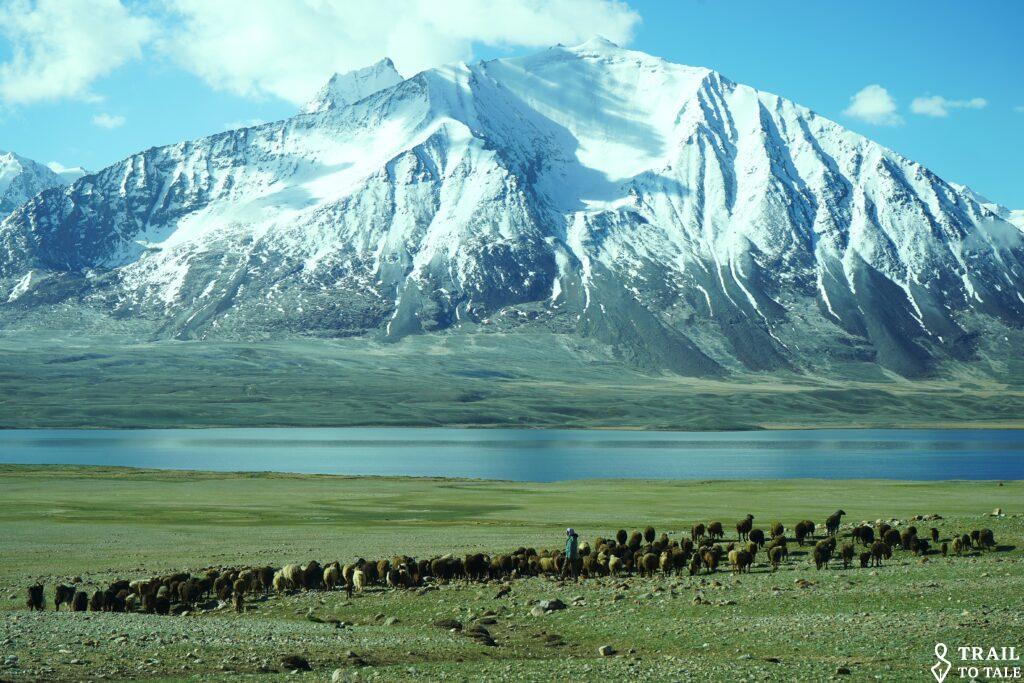
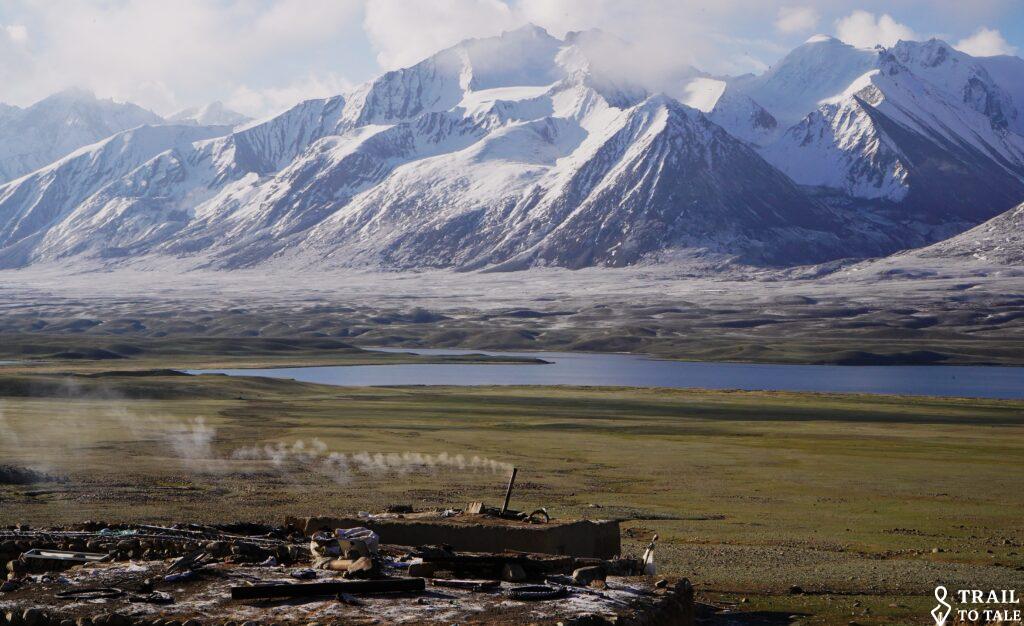
The easternmost part of the Wakhan Corridor, ‘Little Pamir’, lies at an altitude of about 4,100 m, surrounded by snow-covered mountains above 5,000m.
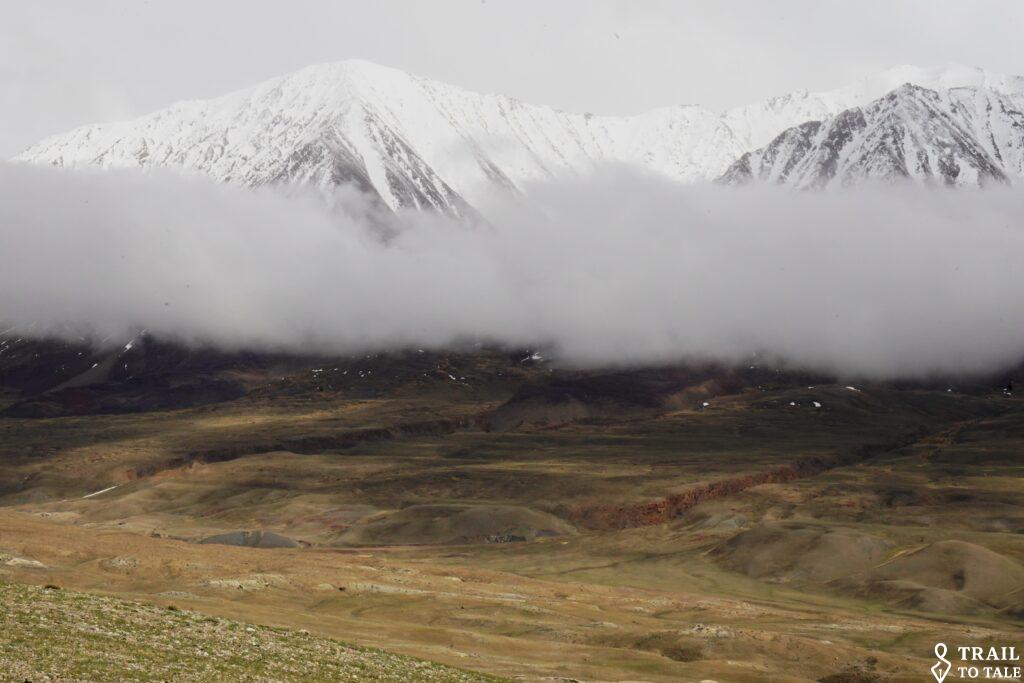
For generations, Kyrgyz nomads have grazed their herds across these remote high-altitude valleys.
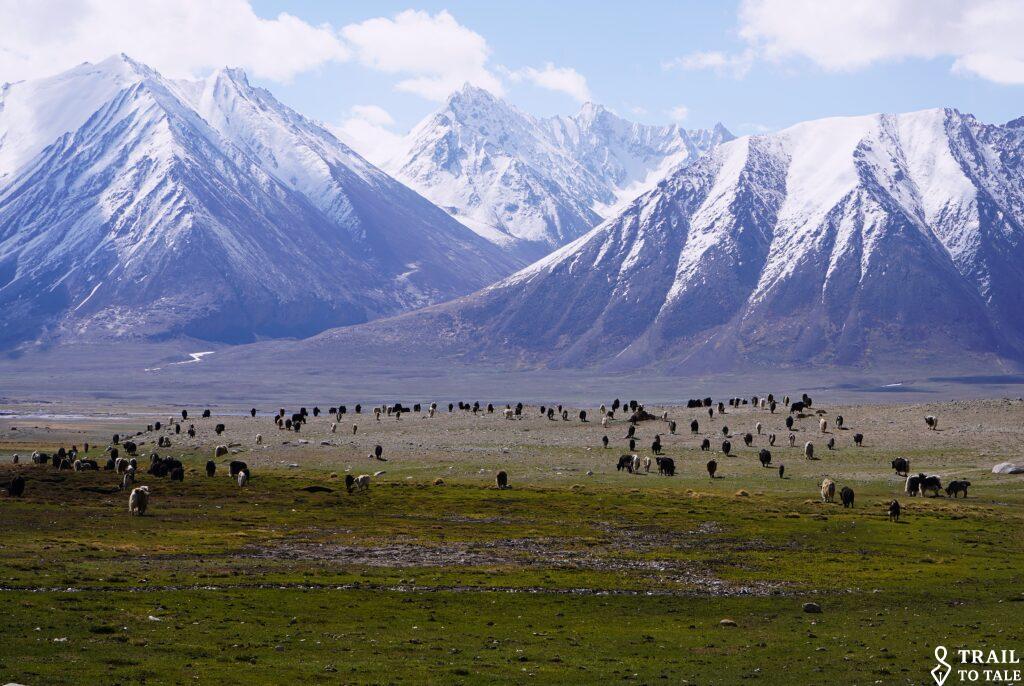
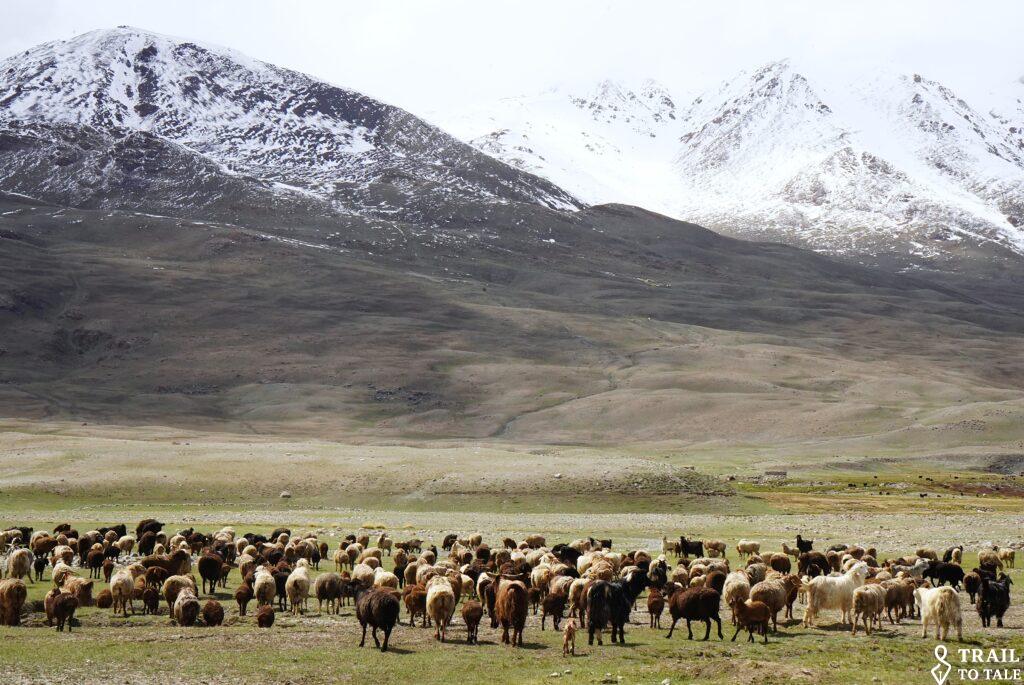
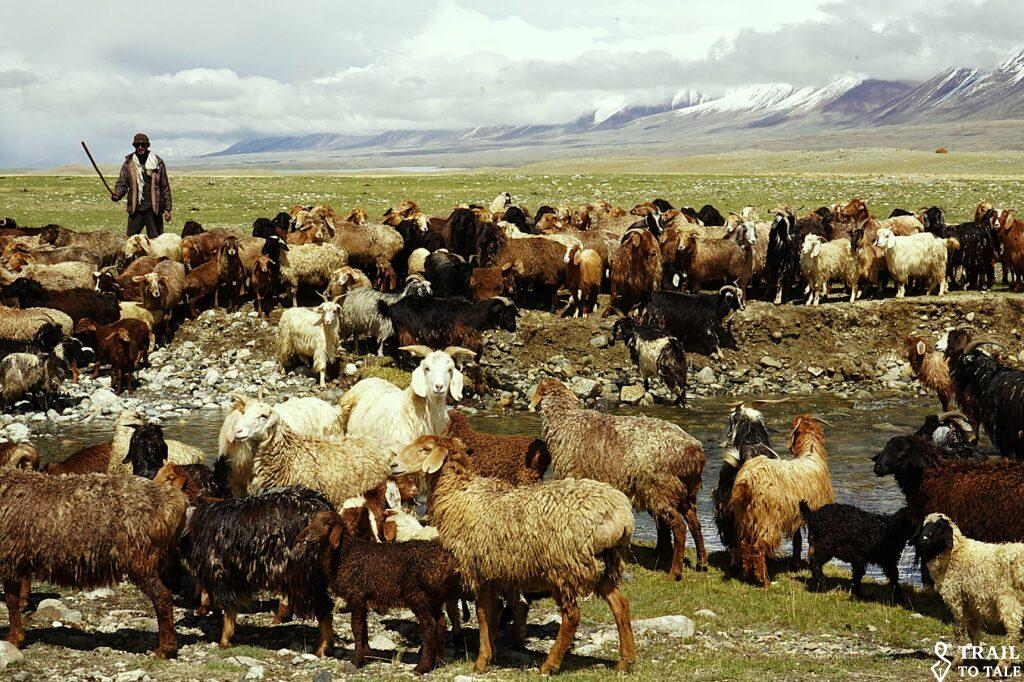
Lake Chaqmaqtin the region’s largest lake is fed by water mainly from snowmelt and glacial meltwater from the surrounding high Pamir mountains and drains to the Aksu River flowing eastwards.
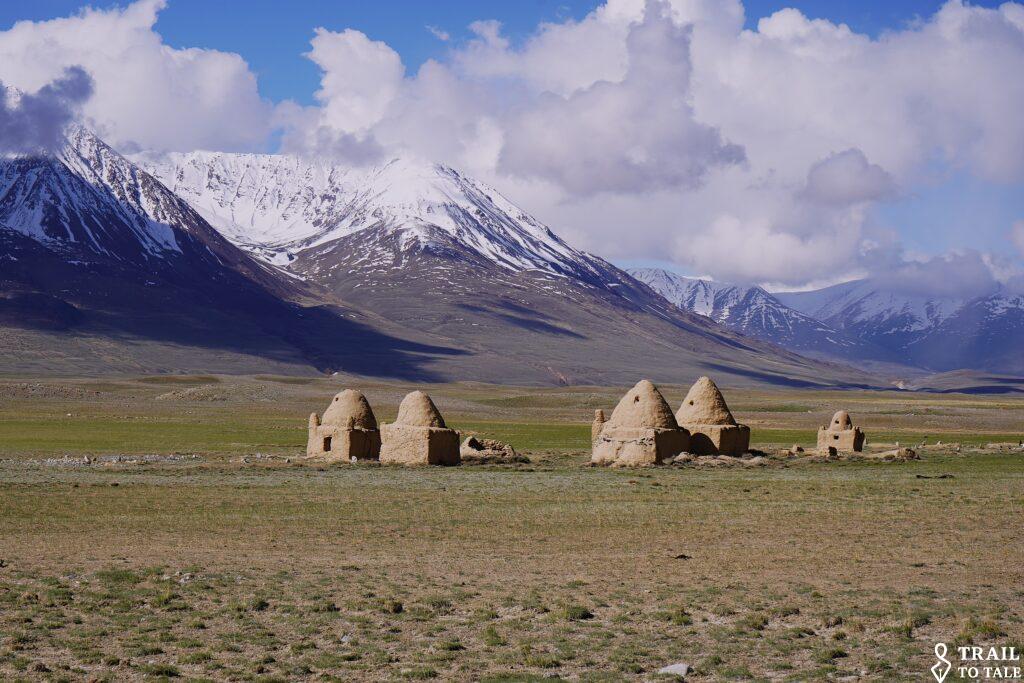
The conical mud-brick gumbaz tombs of the Kyrgyz nomads stand isolated in the vast Little Pamir. Built over the graves of respected members of the community, some may be several centuries old. Their distinctive forms combine Islamic funerary traditions with the unique architectural heritage of the Kyrgyz people,
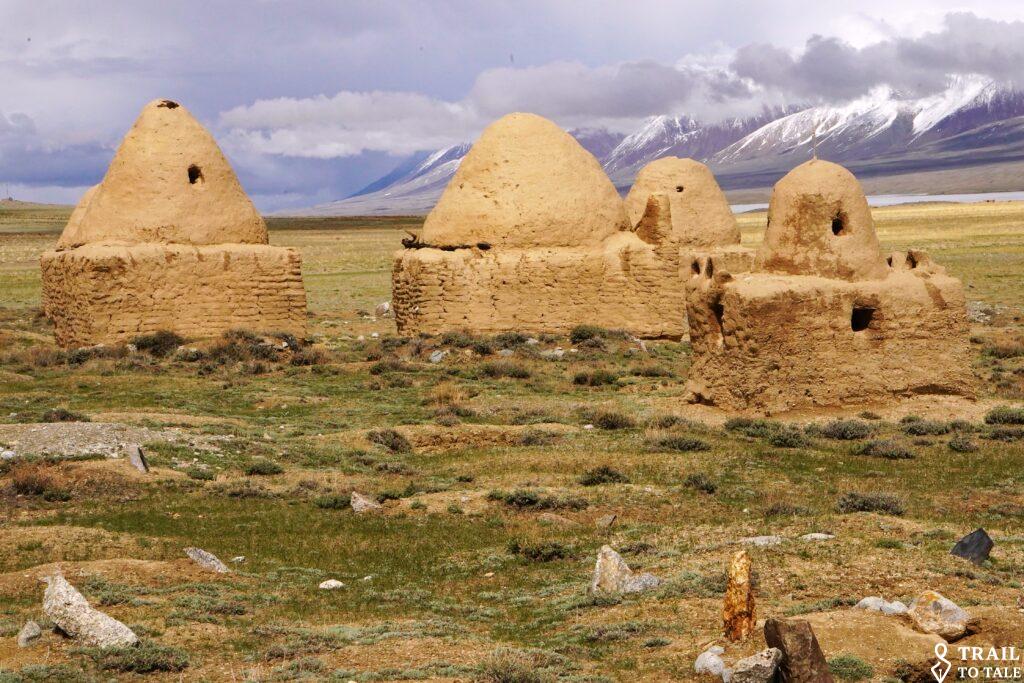
At this altitude, weather can change within minutes. A sudden drop from 25°C to 10°C, accompanied by a violent hail- and snowstorm, can transform a pleasant landscape into a very uncomfortable environment.
Caught in one such sudden hailstorm, a herdsman spotted us, waved us over and offered shelter in his mud-walled house, along with a much-appreciated cup of hot green tea.
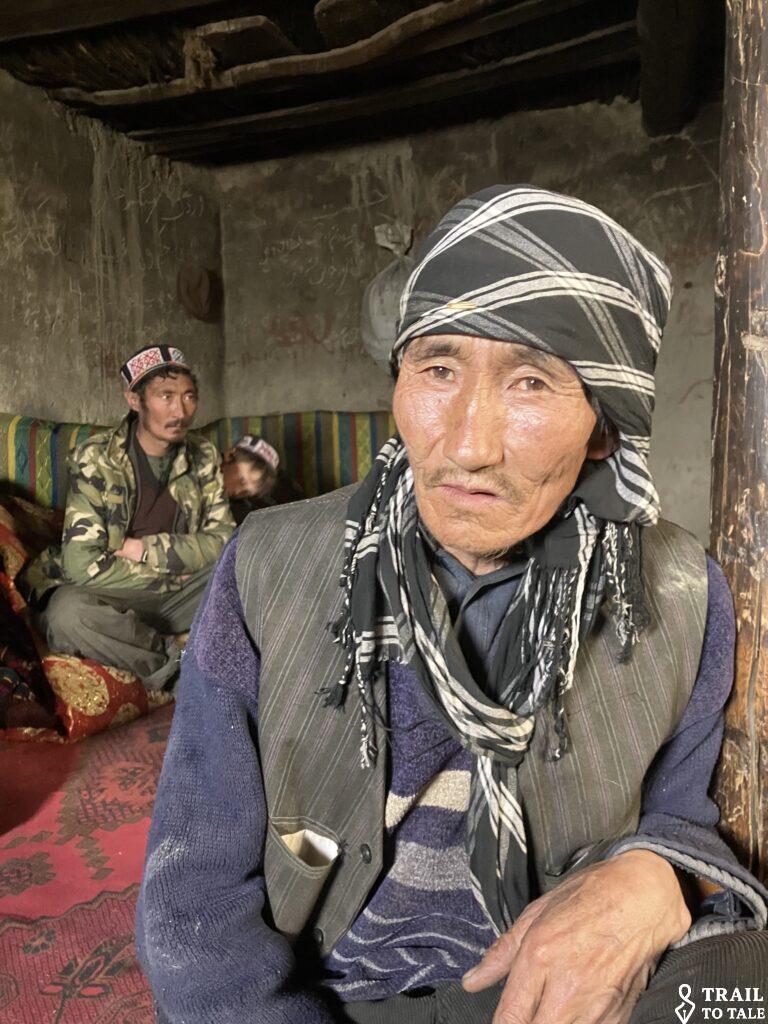
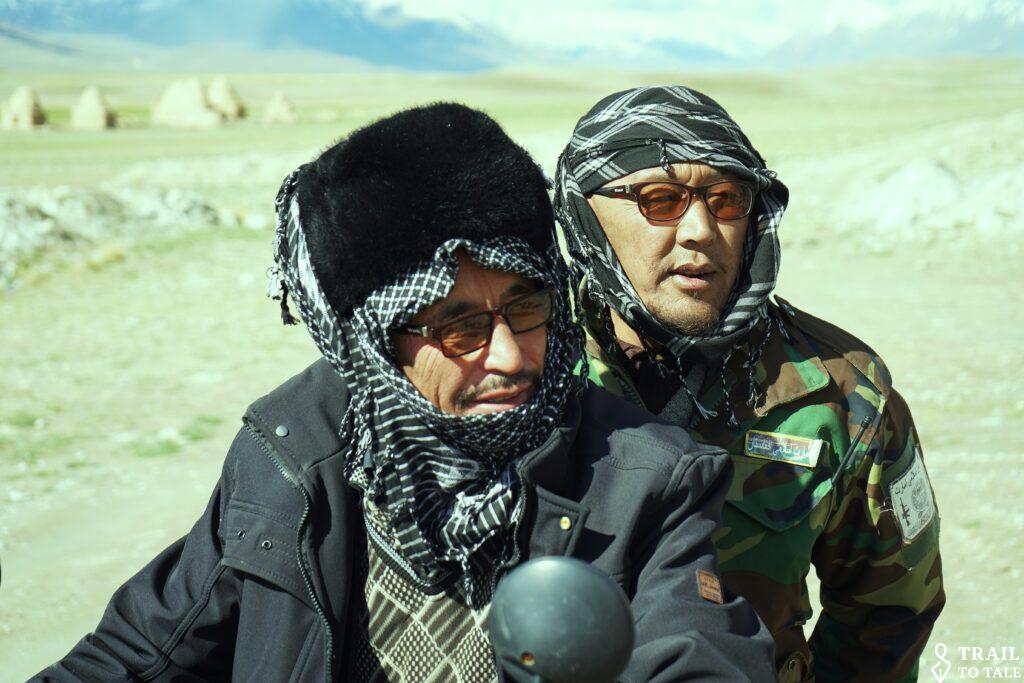
Further along this vast, open wilderness, a motorcycle suddenly caught up. With the borders of three countries not far away, the first thought was that an angry Taliban official might be about to confront us.
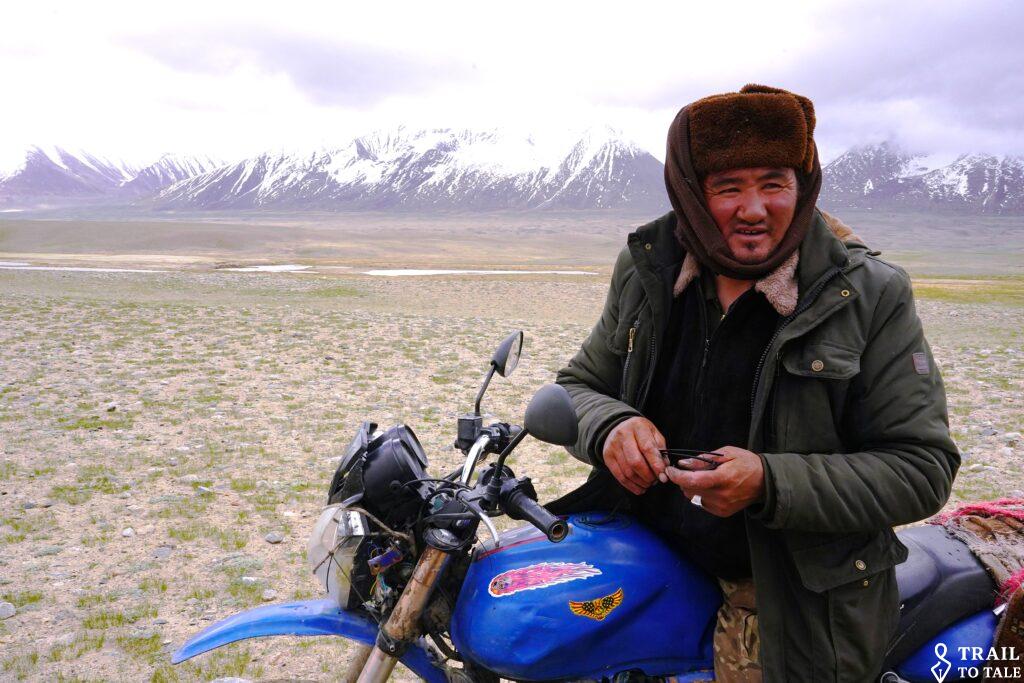
Instead, the rider introduced himself as a local Kyrgyz herdsman. Later he mentioned that he was also an “assistant security officer” for the Islamic Emirate of Afghanistan.
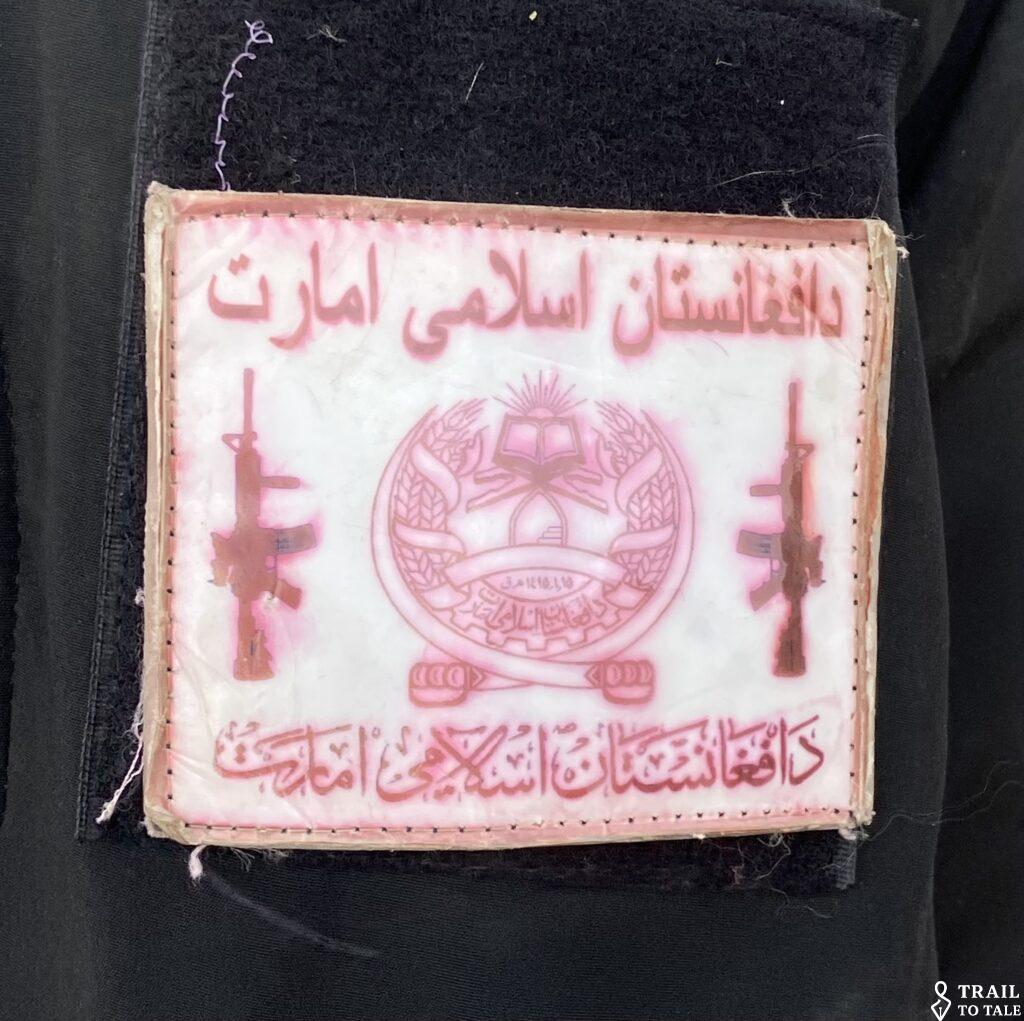
He was exceptionally friendly, explaining the area and describing life in this harsh and remote environment. He then invited to stay overnight in his simple mud-brick home.
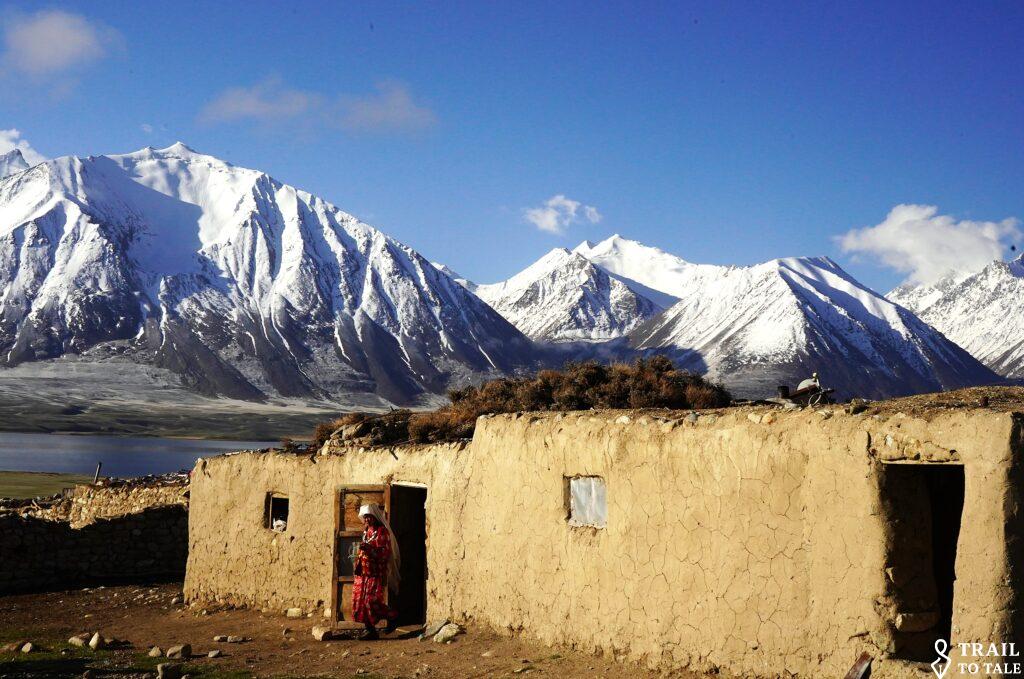
The single room, the walls plastered with clay, centered around a stove, while the sitting and sleeping areas were covered with carpets.
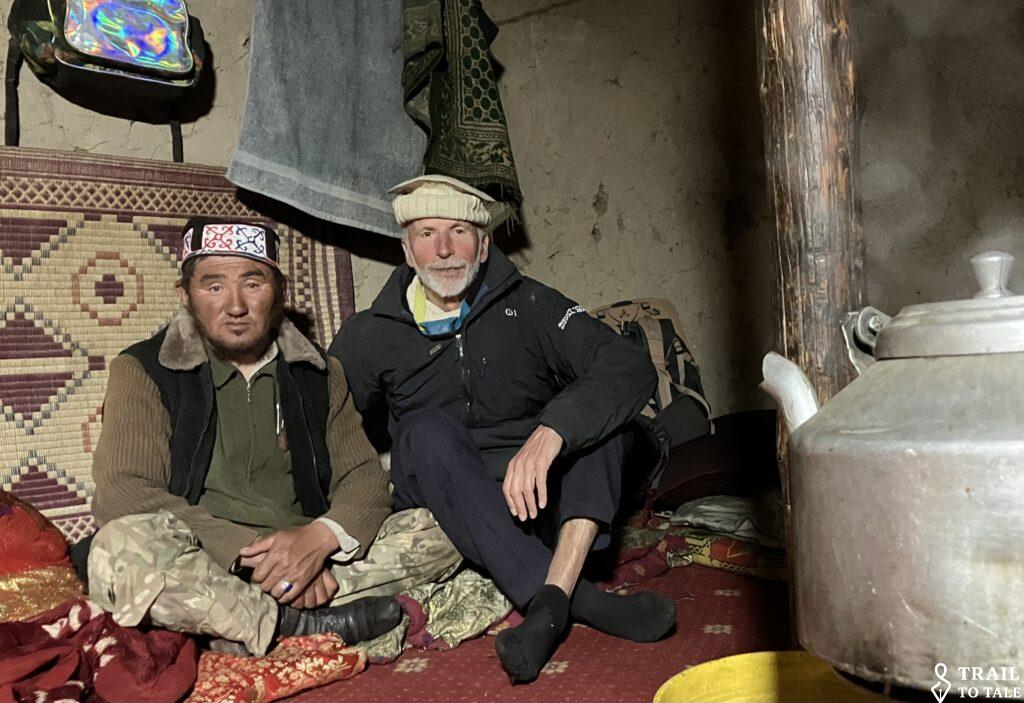
As a gesture of welcome, he offered to slaughter a sheep.
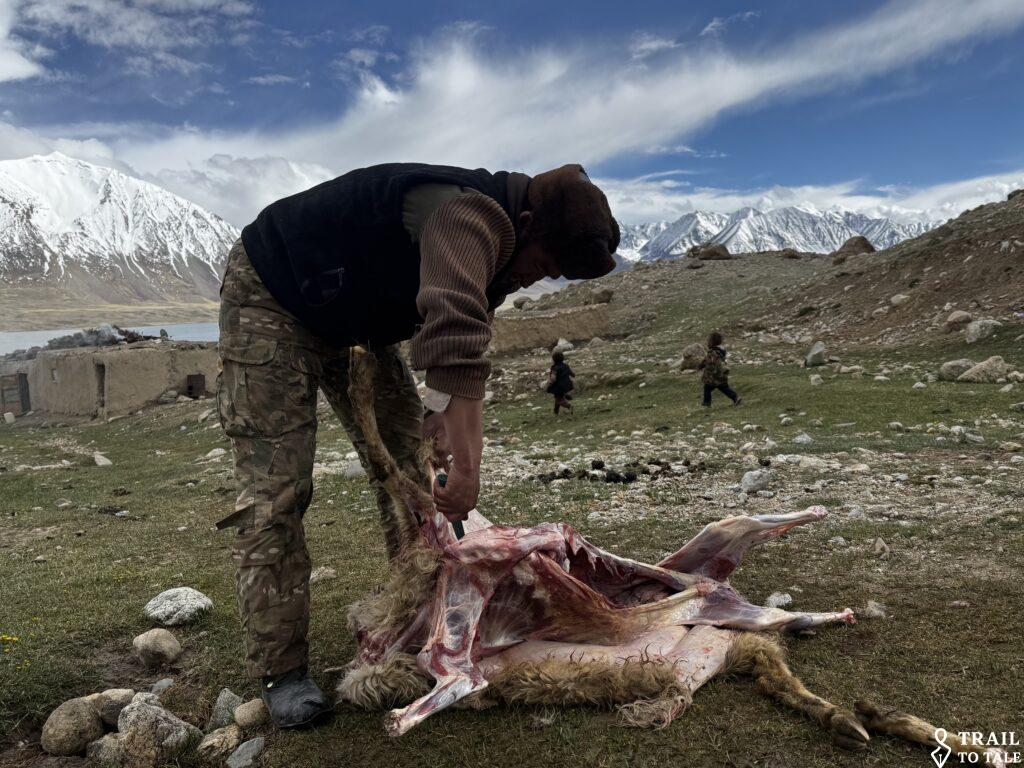
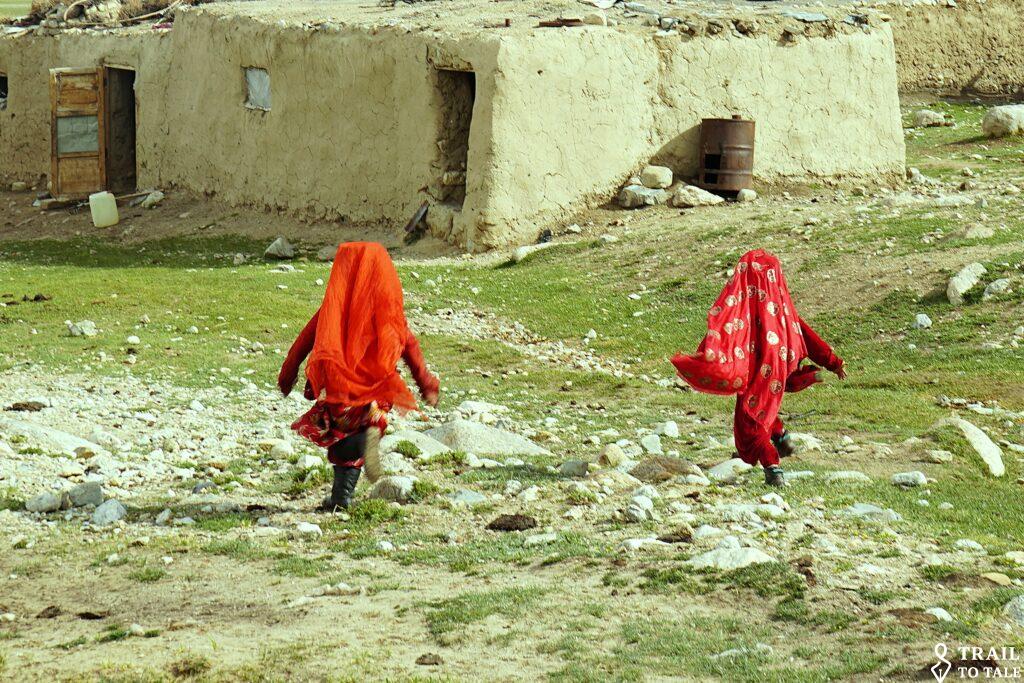
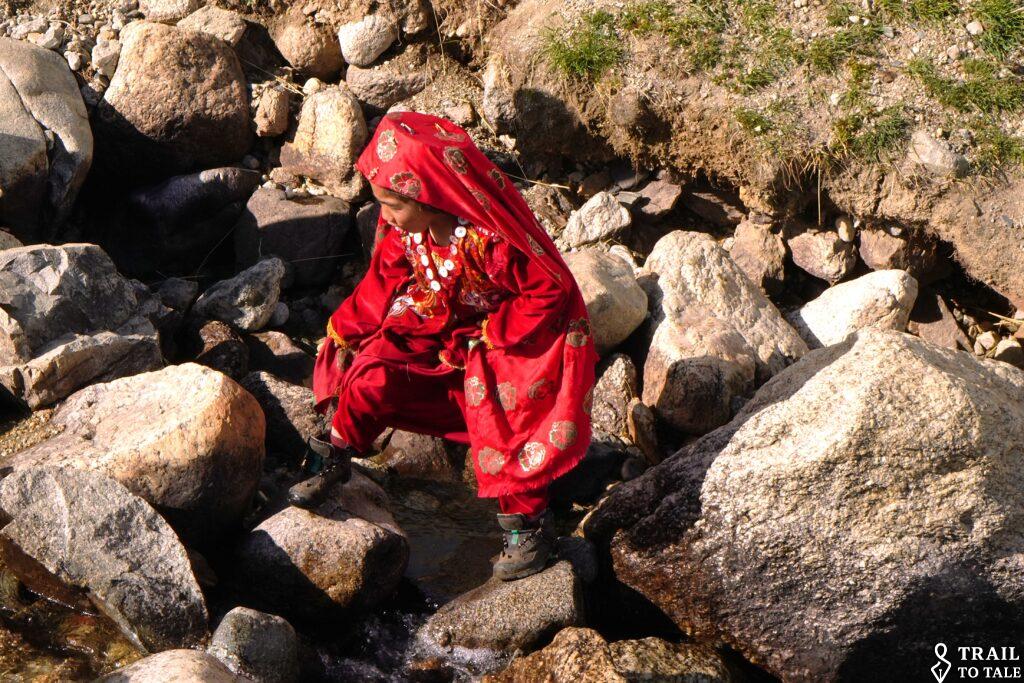
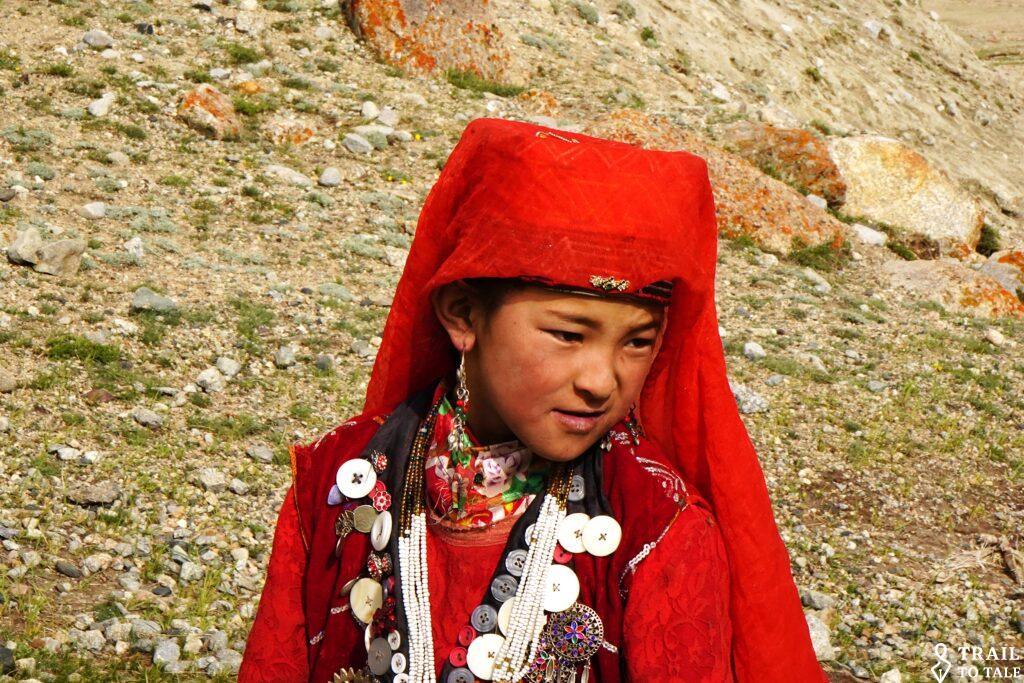
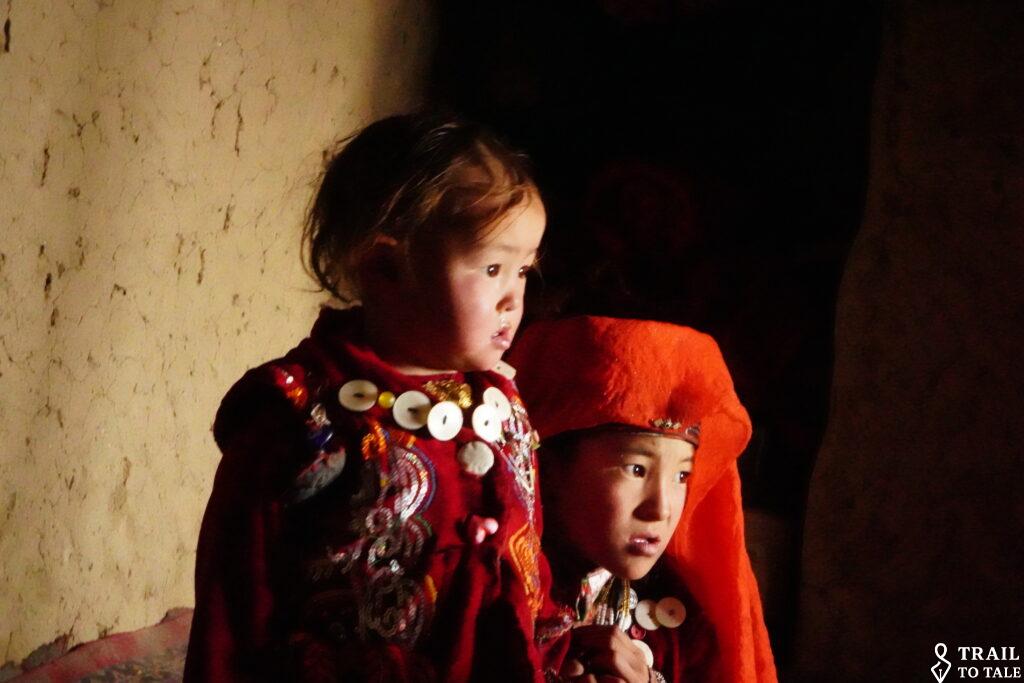
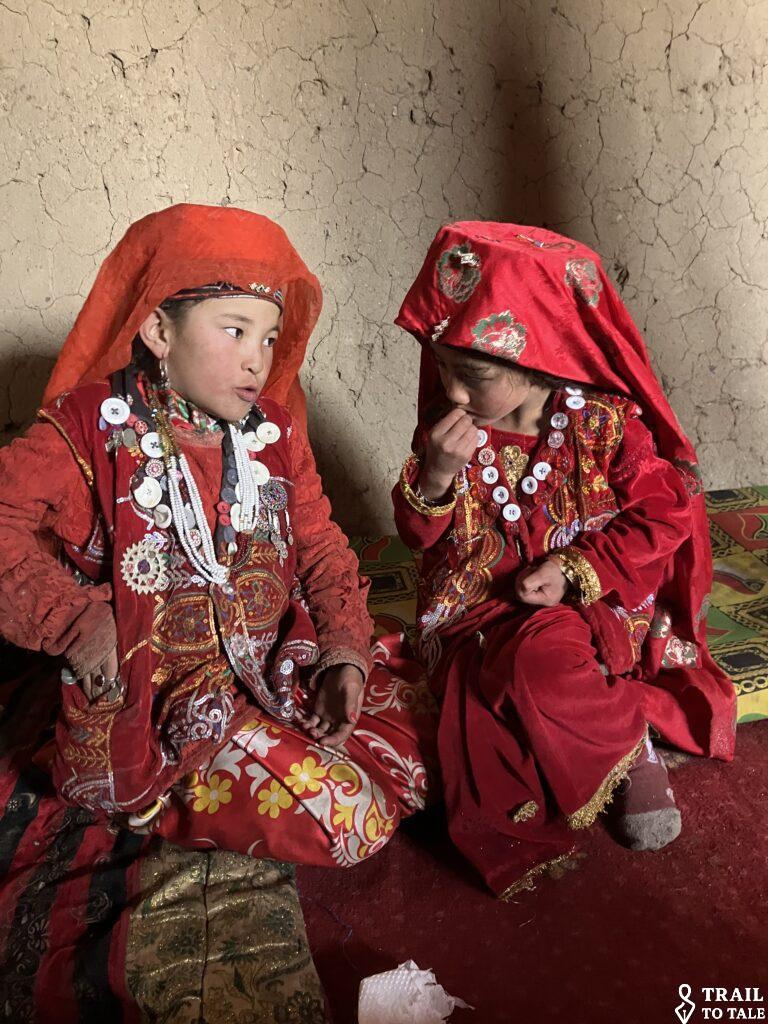
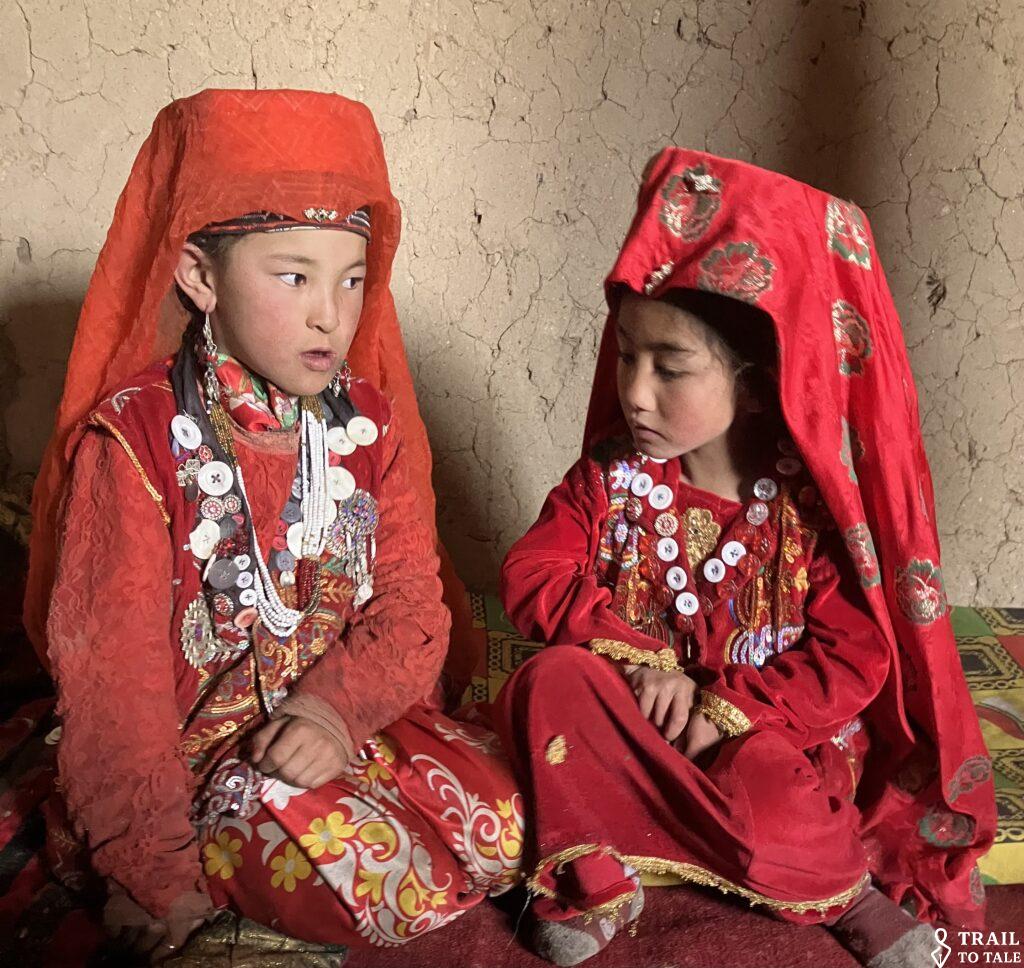
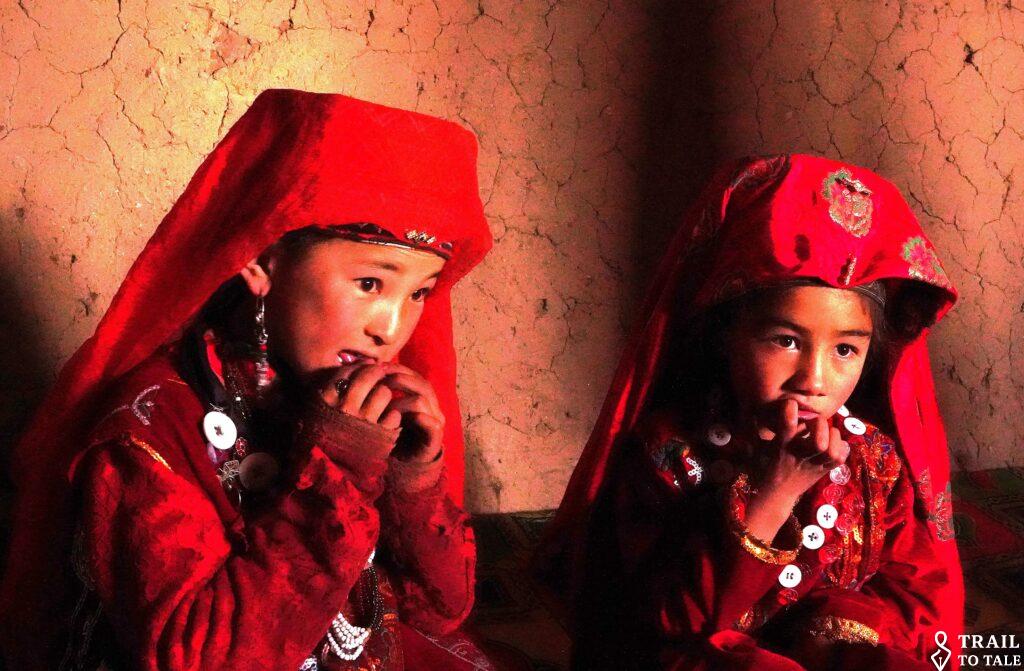
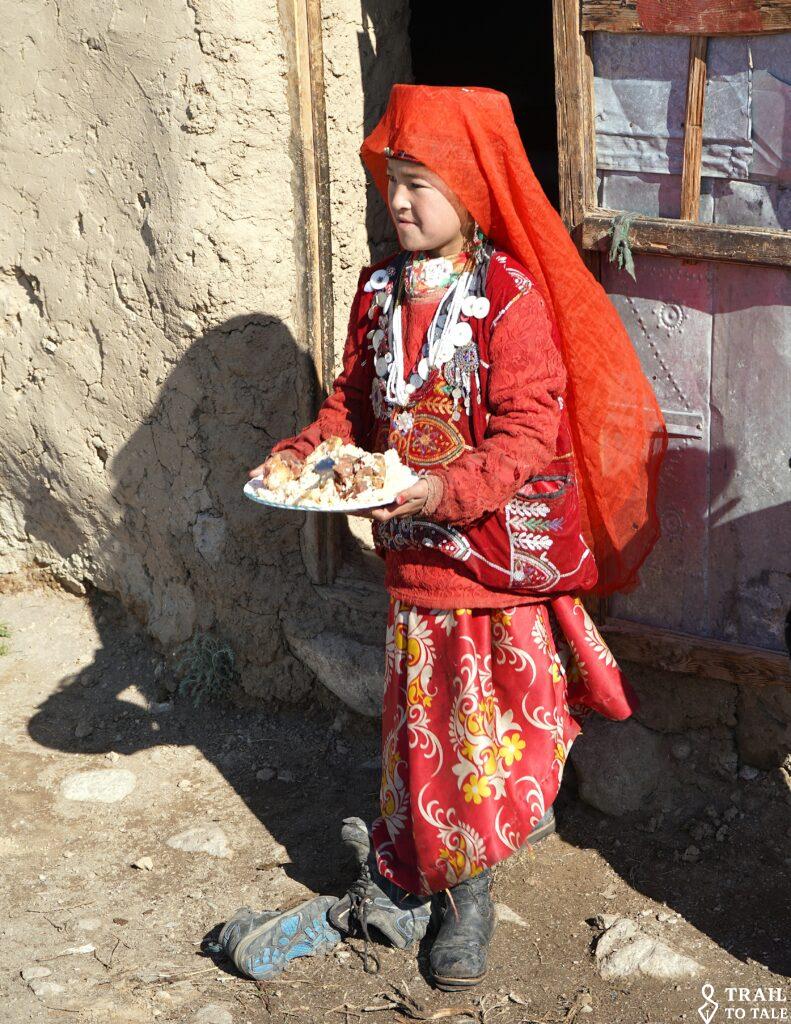
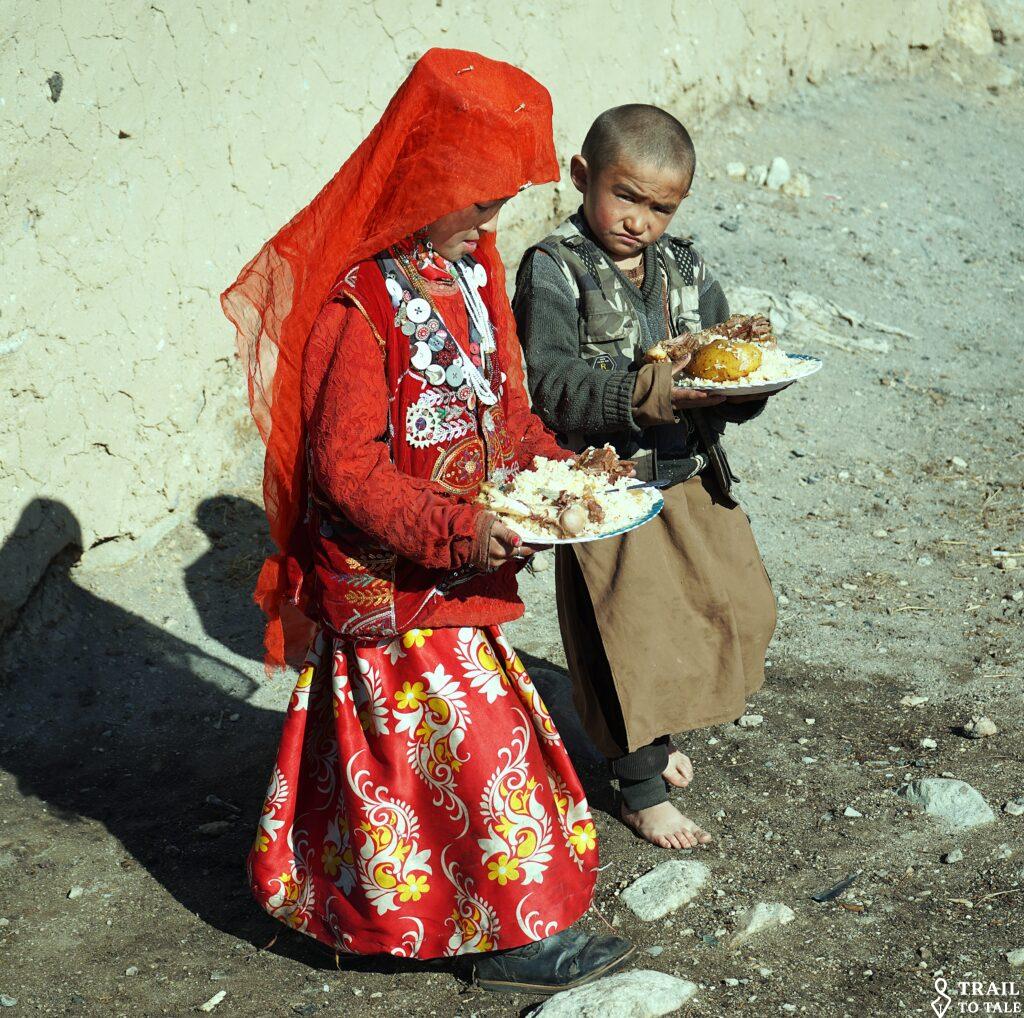
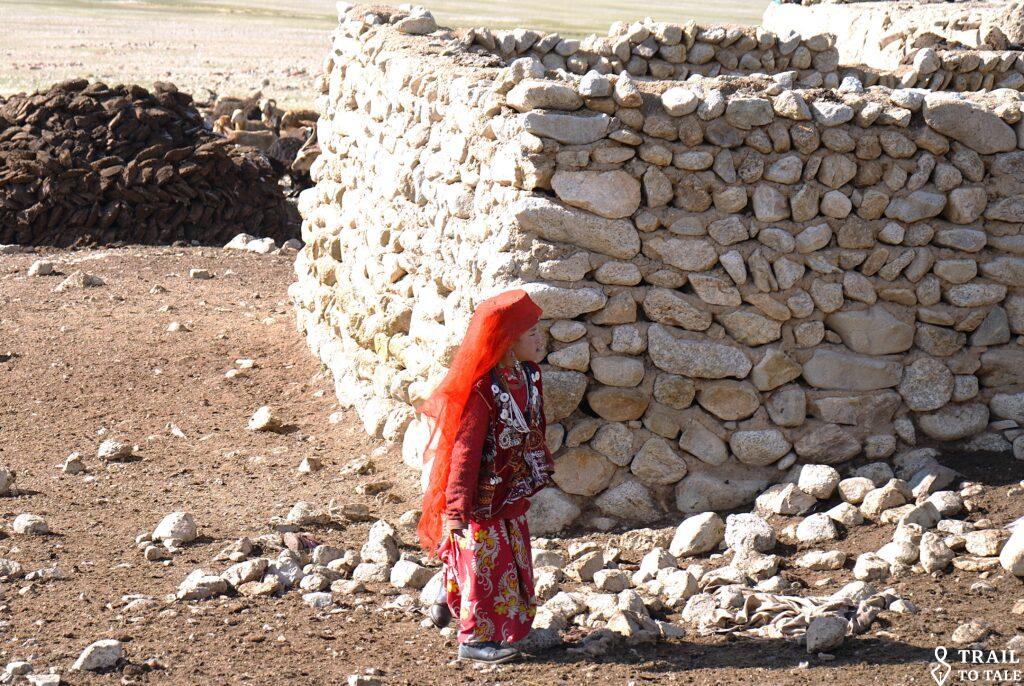
But the greatest honor, and, in this part of the world very seldom, was the offer to photograph his traditionally dressed family as they went about their daily work.
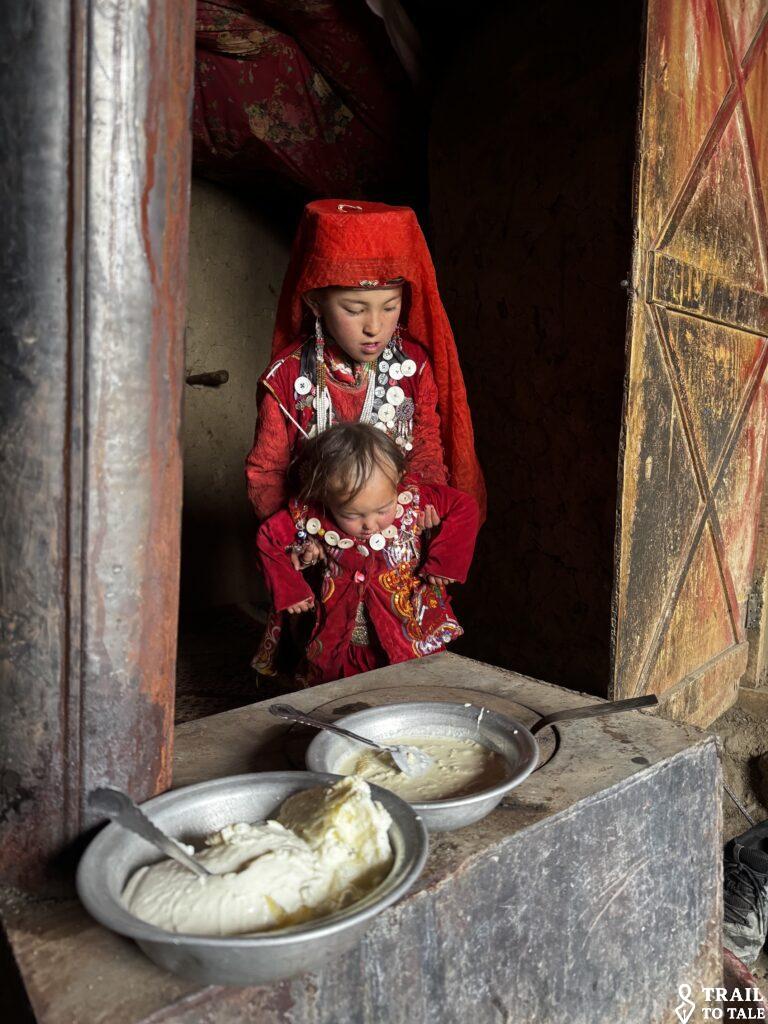
It further provides milk, meat and fiber.
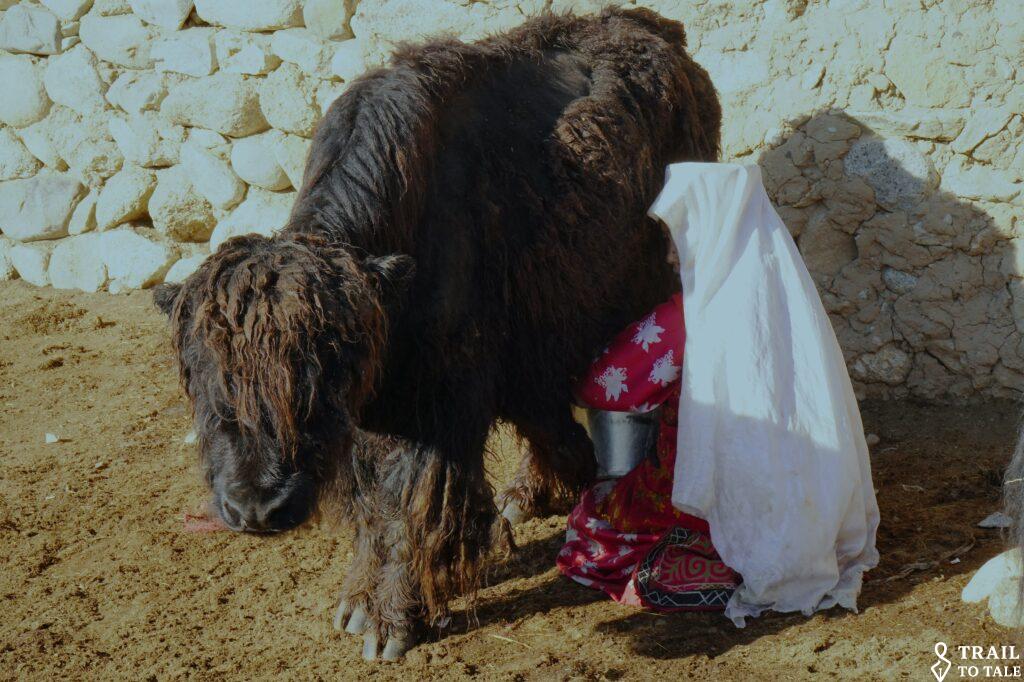
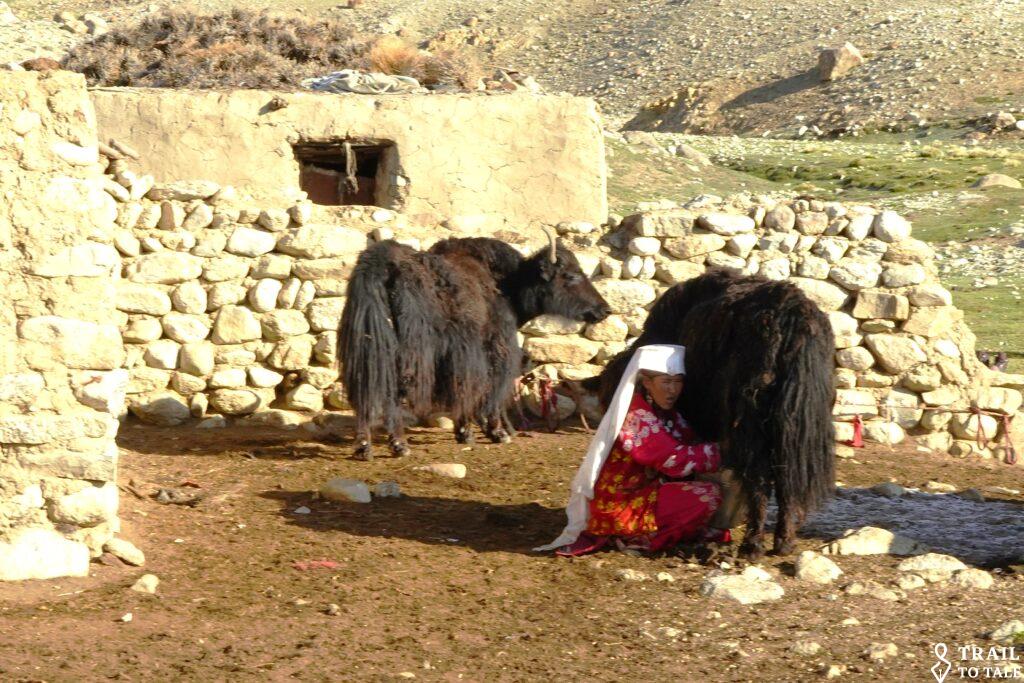
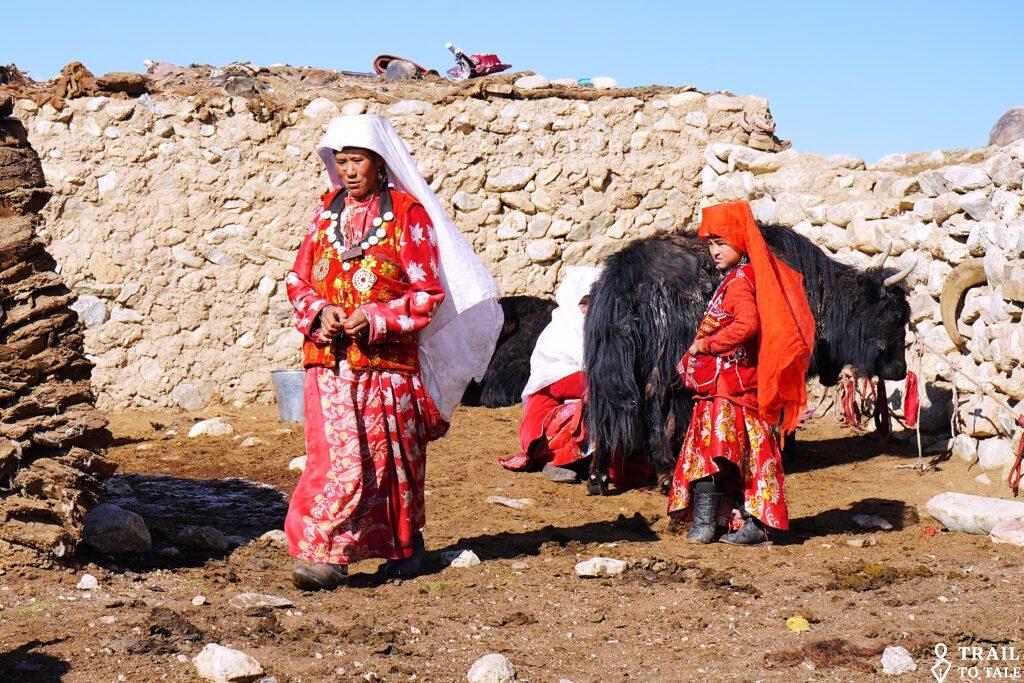
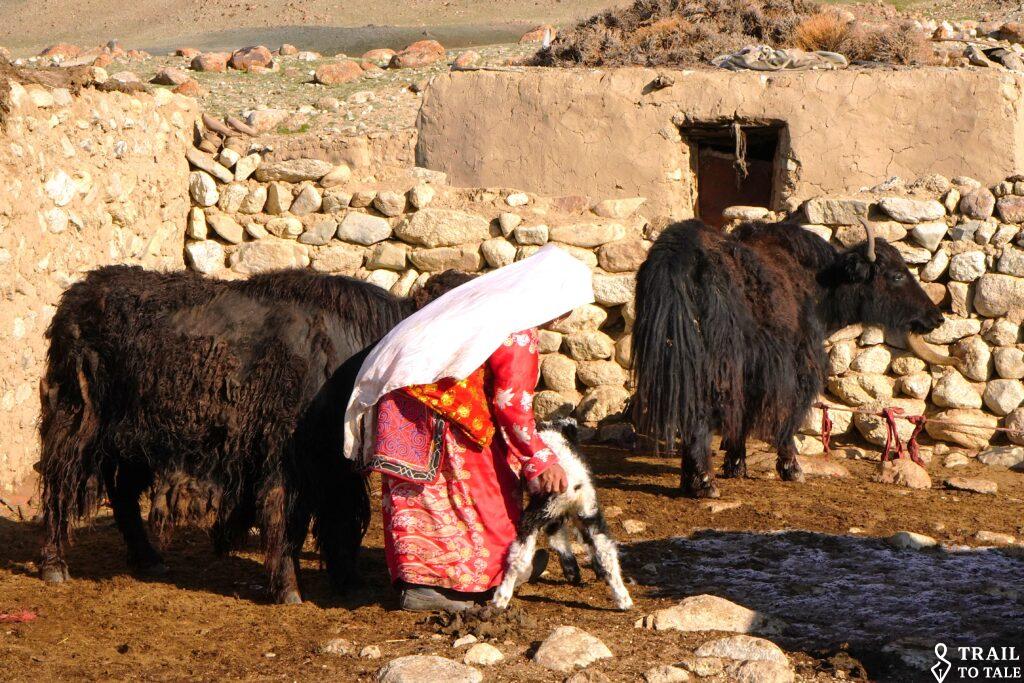
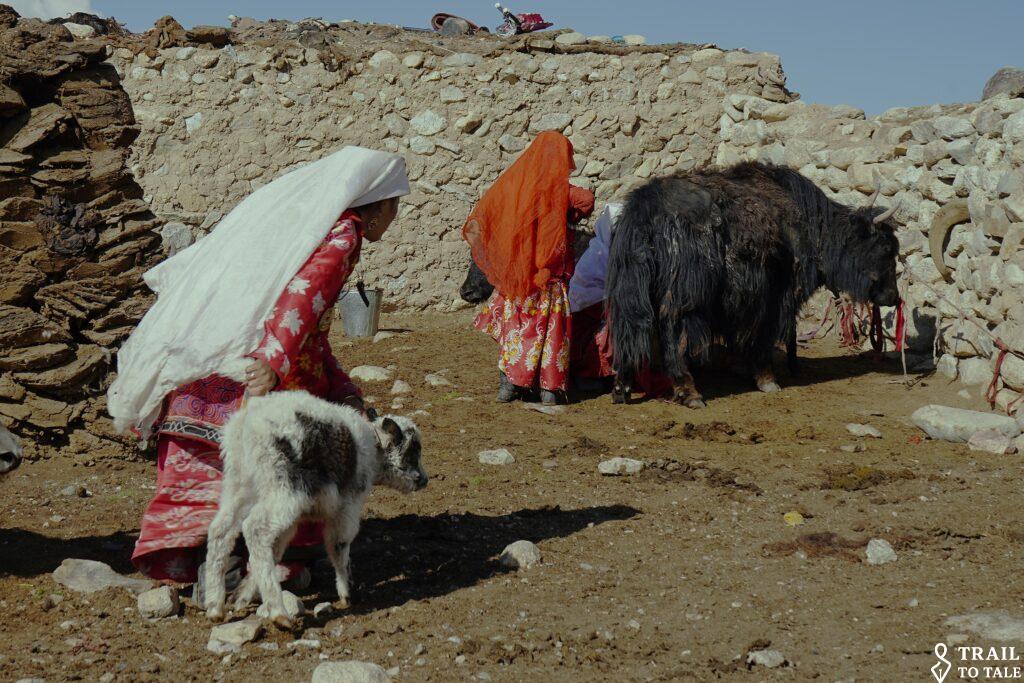
It is a source of wool (also used to fill cushions)
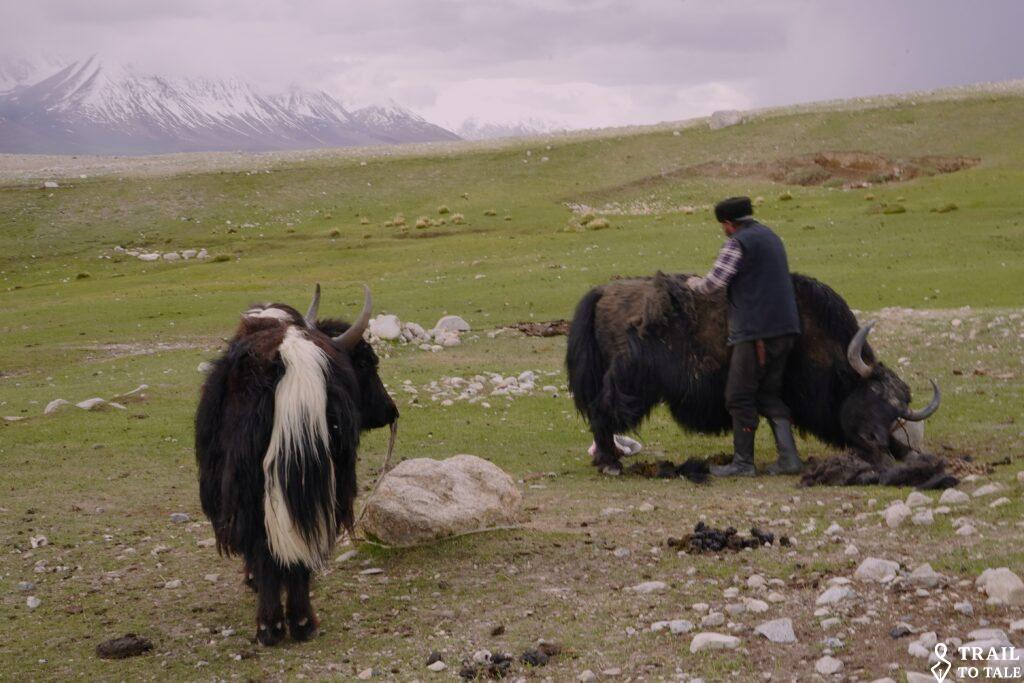
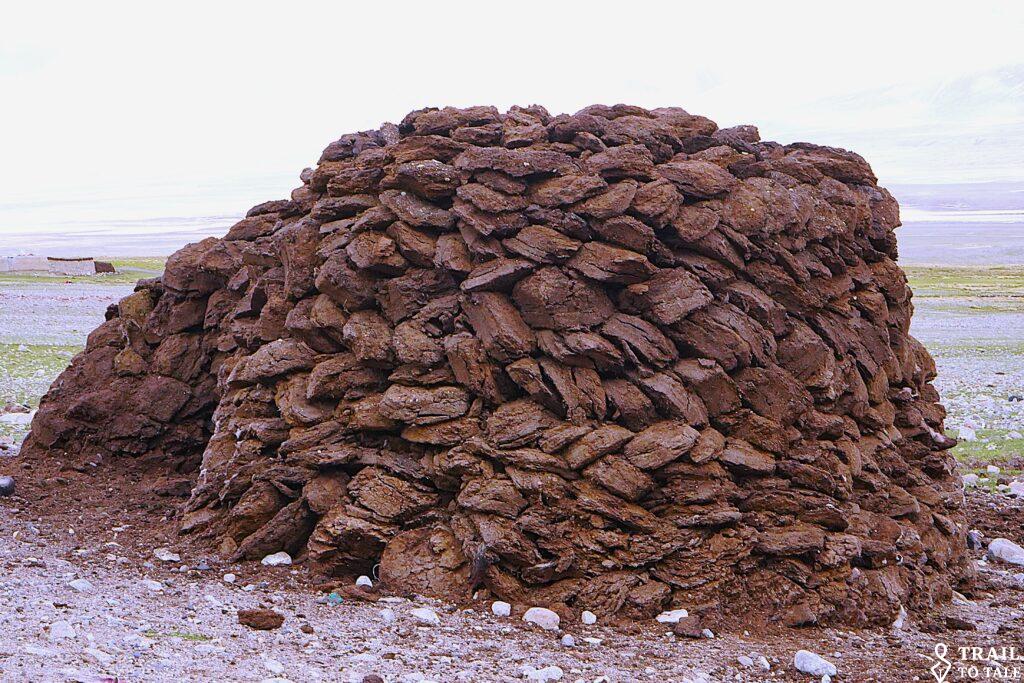
It is a producer of dung. Once dried, carefully collected, stored it is used as valuable fuel in a landscape where firewood is scarce.
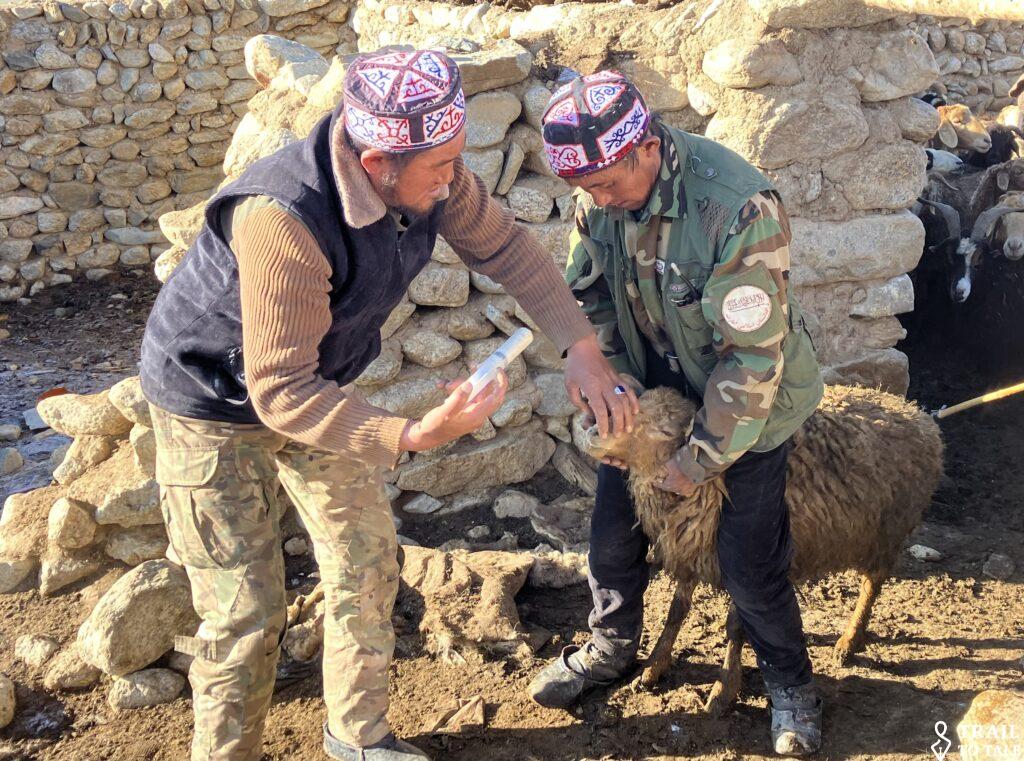
Sheep are given their regular oral medicine against worms.
News travels fast, even in the remote Pamir. Soon, several neighbors from nearby settlements arrived to inspect the foreign guest.
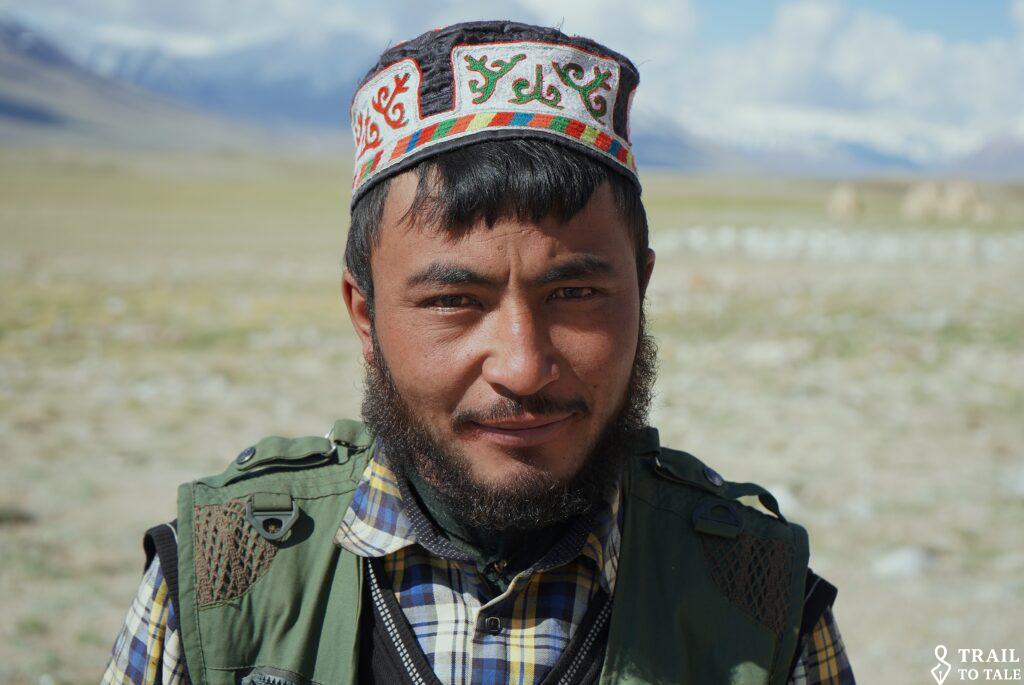
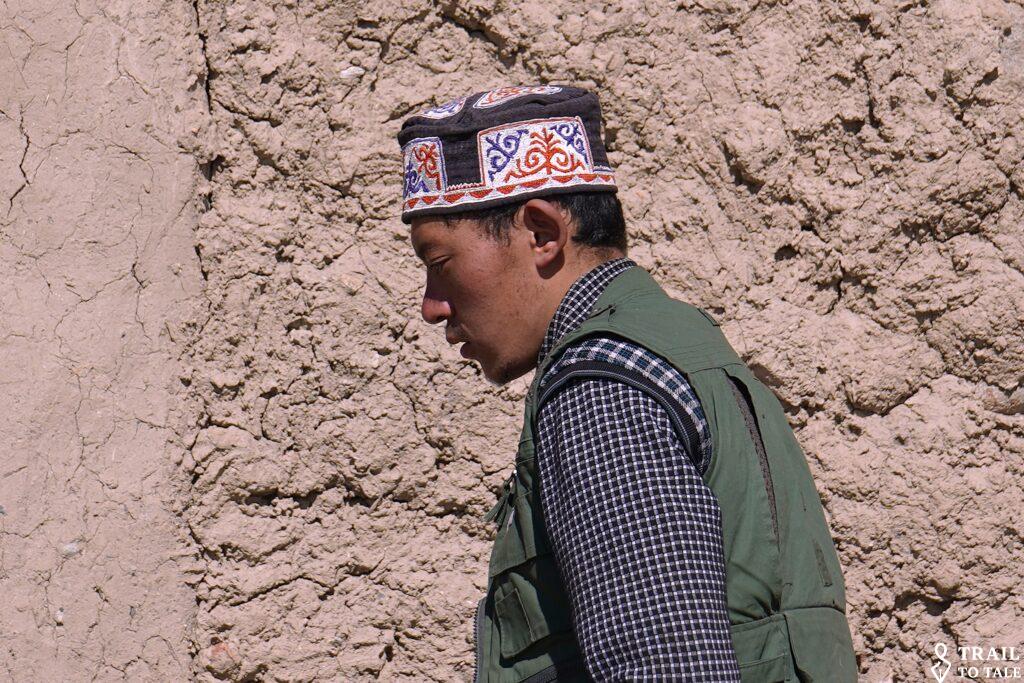
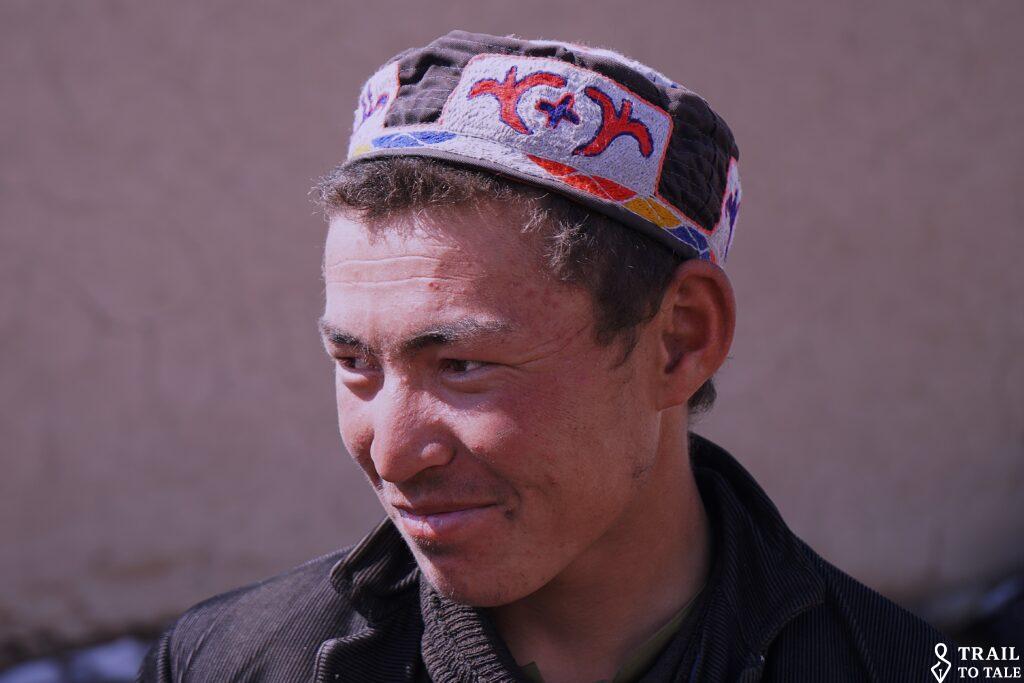
Even Hadji Moto, the elder of the Kyrgyz tribes and appointed by the Taliban as the security chief in the Pamir.
On the return journey a final look at the stunning landscape.
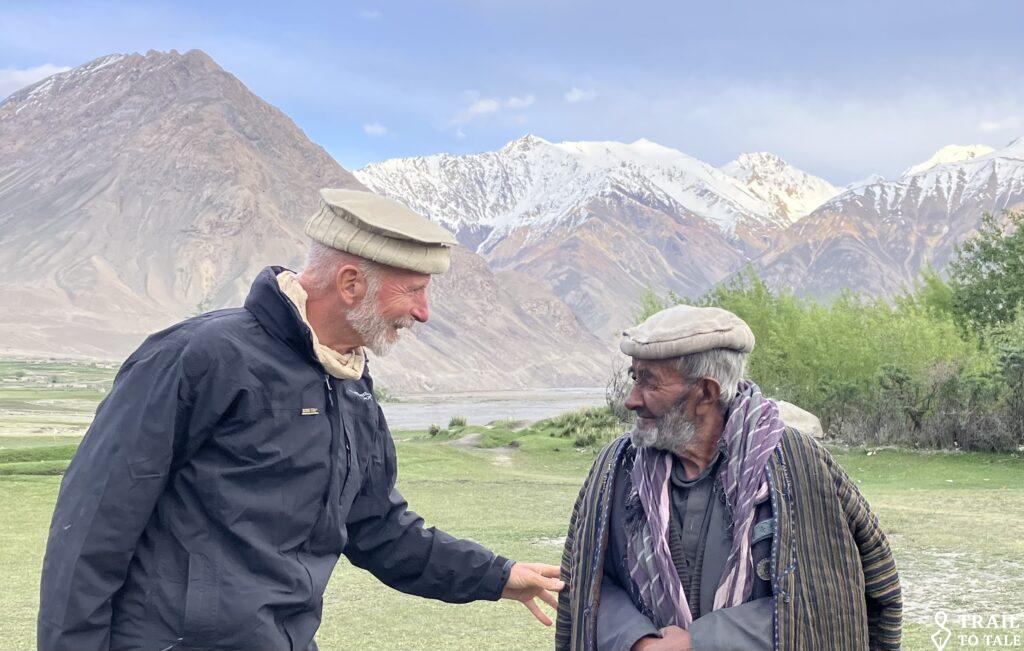
Warm farewell to a village elder with a promise to come back.
Leave a reply
You must be logged in to post a comment.