


Herat, the third-largest city in Afghanistan, serves as the strategic and commercial heart of the country’s western region. It is influenced by Persian culture. A center of art, poetry, and learning.
Established around 500 BC, it was known as Artacoana. Conquered by Alexander the Great in 330 BC, the city’s true “Golden Age” occurred in the 15th century under the Timurid Empire. It became one of the most important centers of intellectual and artistic life in the Islamic world.
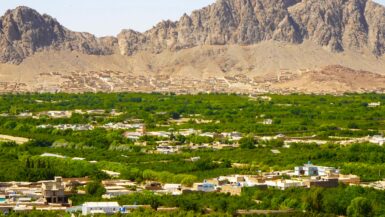
As a Silk Road hub, its location in the fertile valley of the Hari River made it a critical stop for merchants traveling between East Asia, the Middle East, and Europe.
The Musalla Complex: Once a vast ensemble of religious buildings, now only its remaining 4 minarets
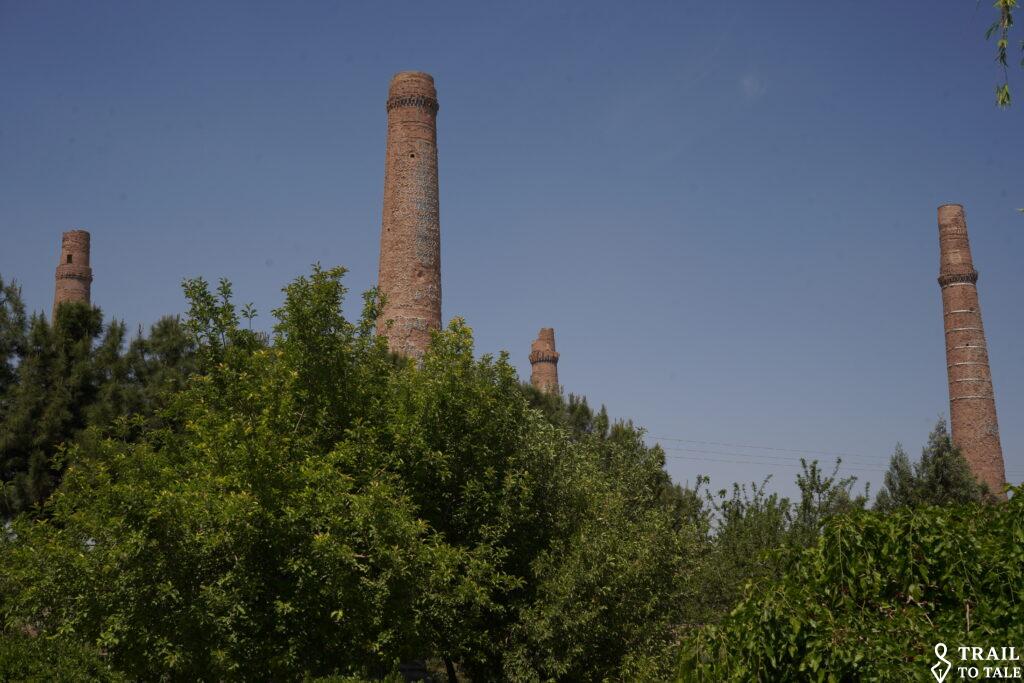
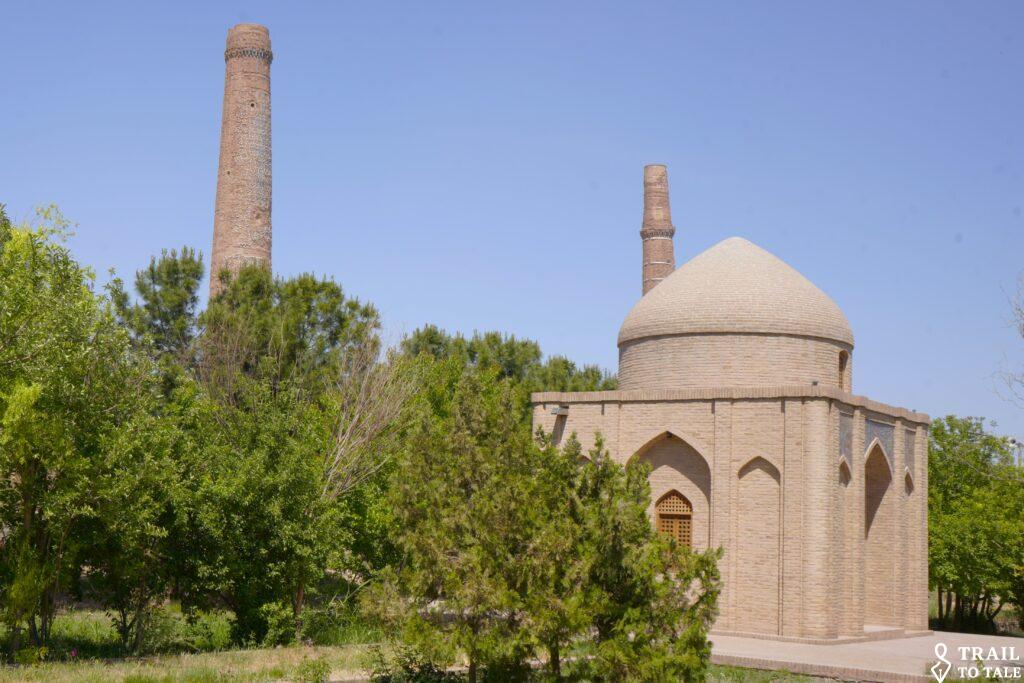
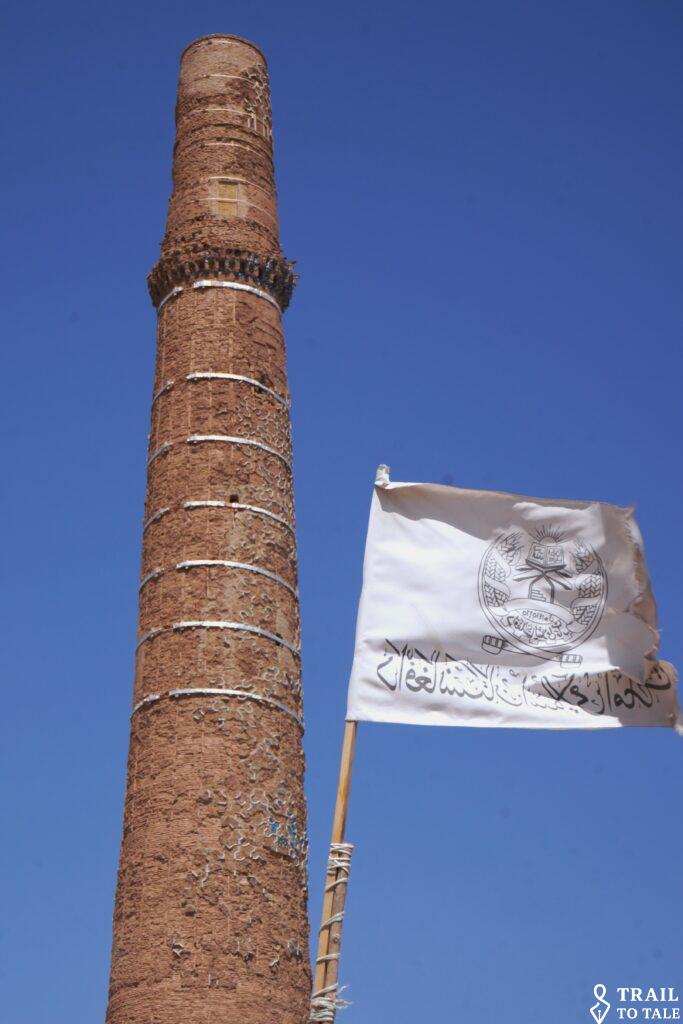
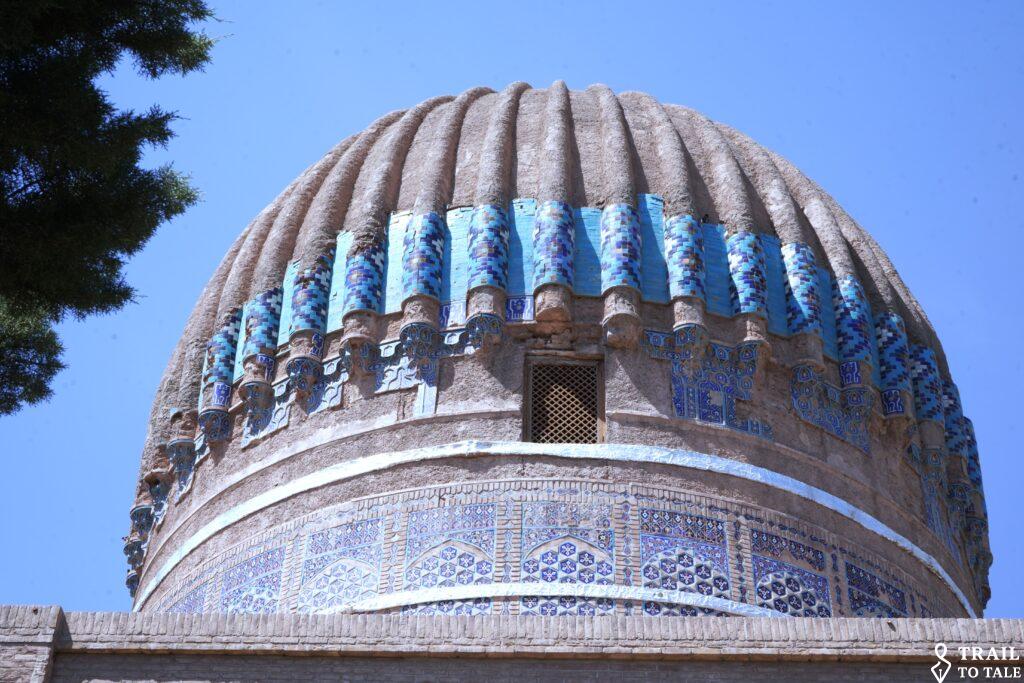
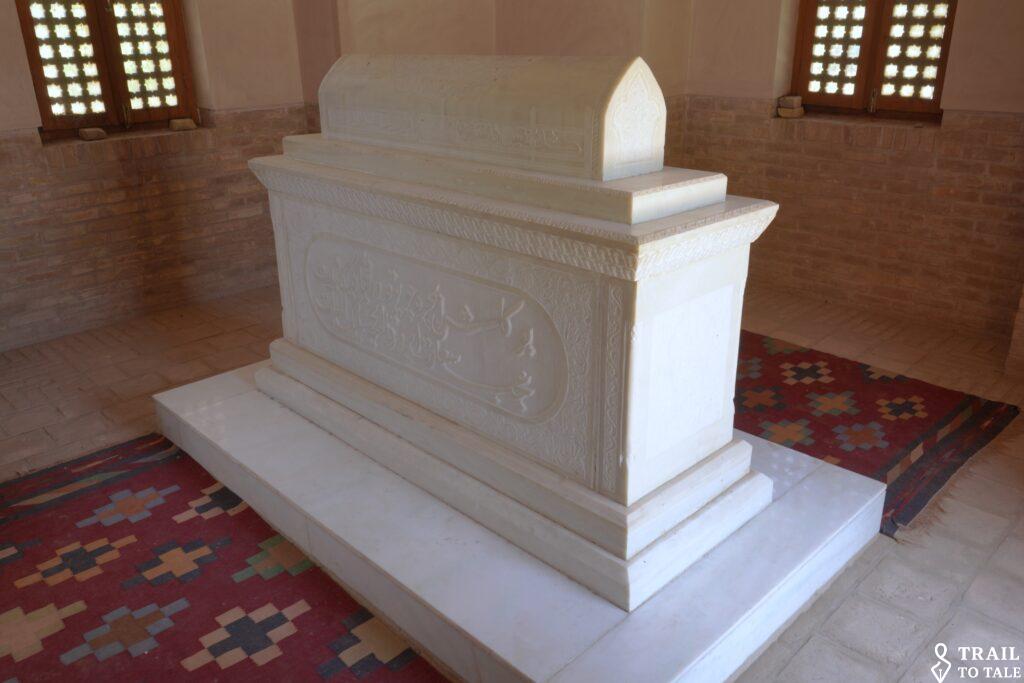
The Mausoleum of Queen Gawharshad is an iconic symbol of the city’s architectural peak.
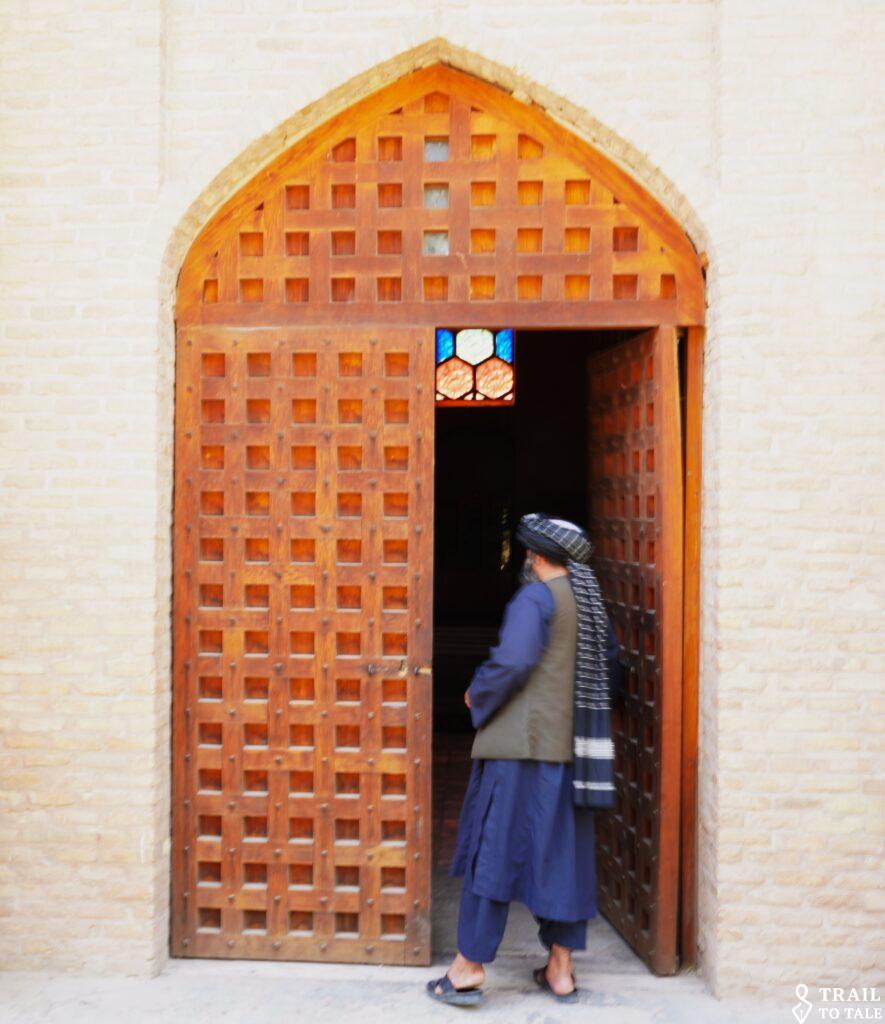
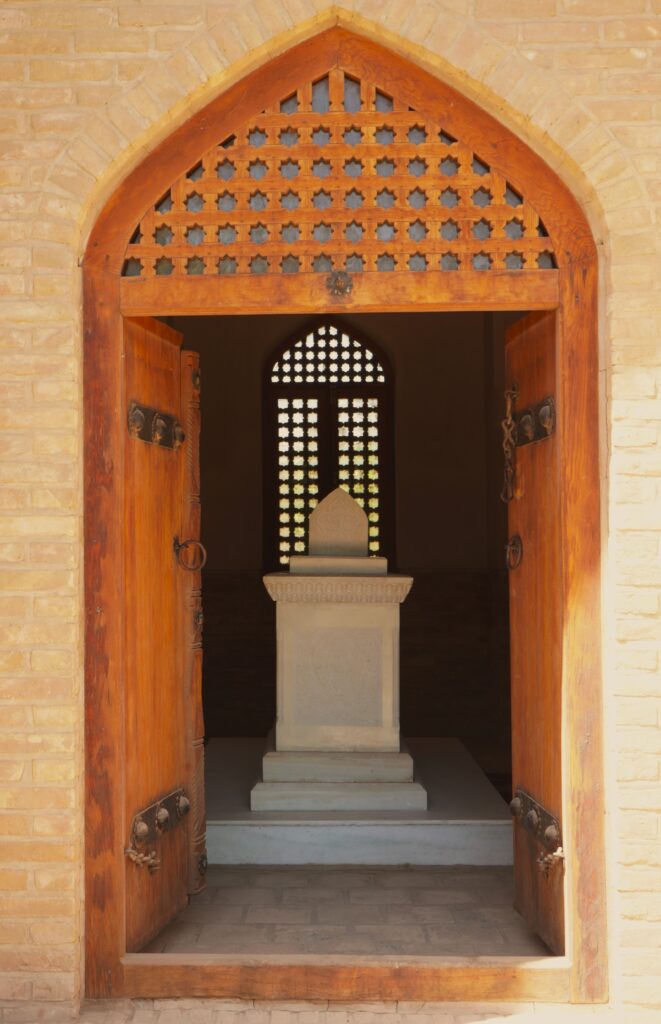
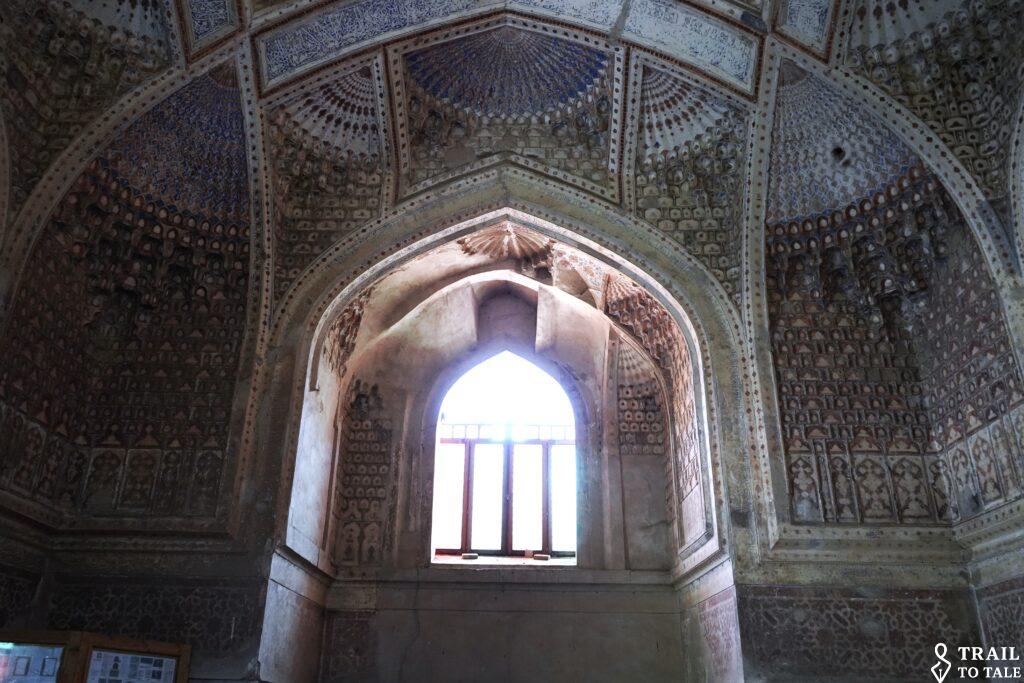
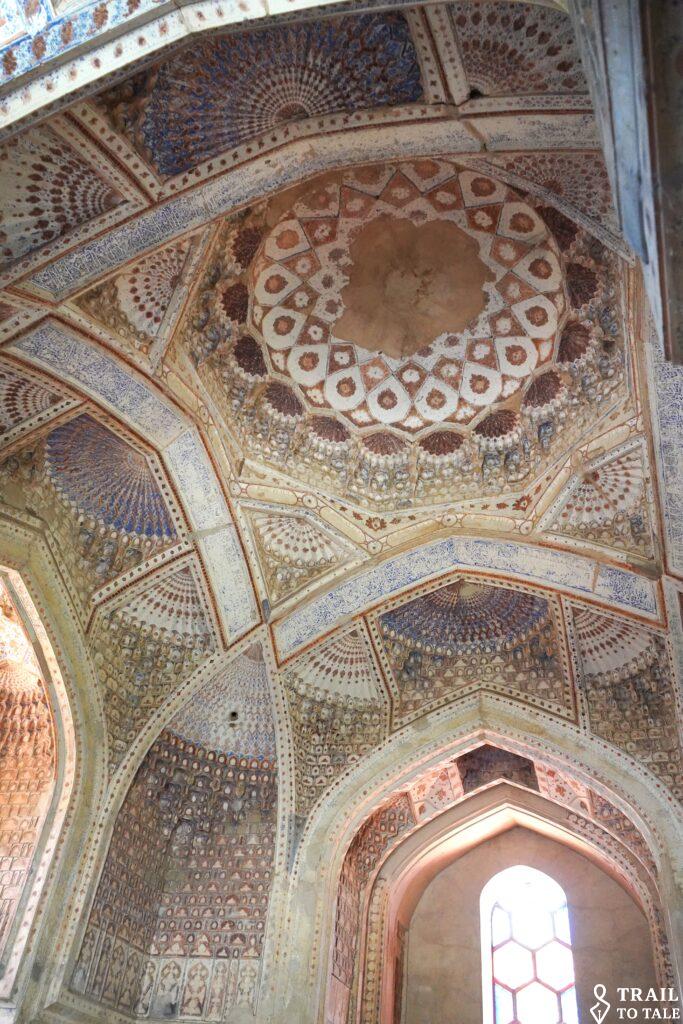
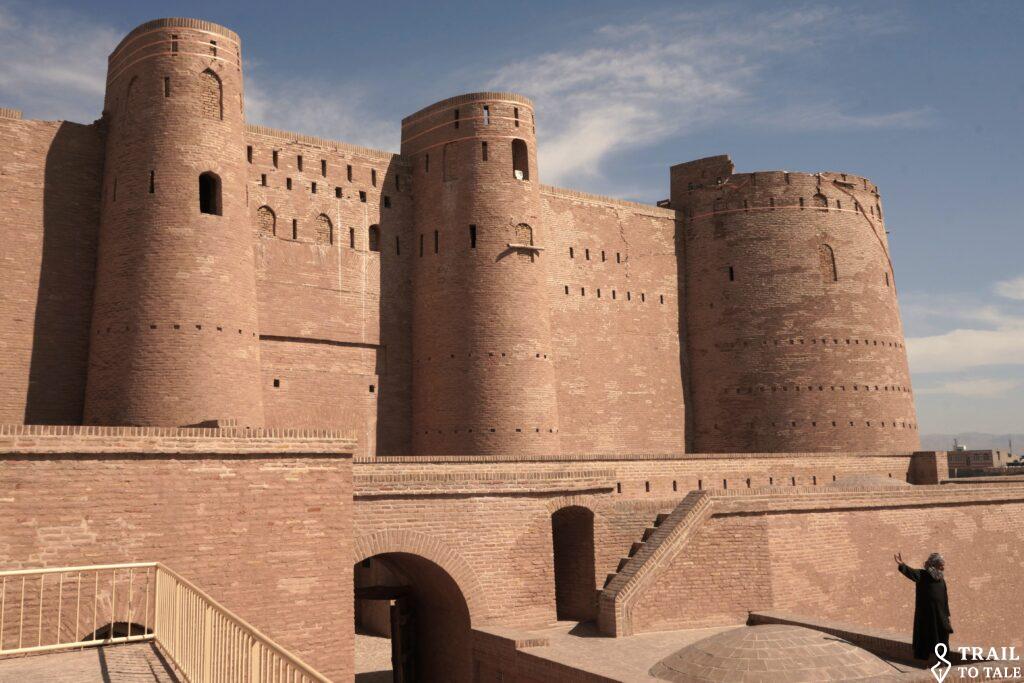
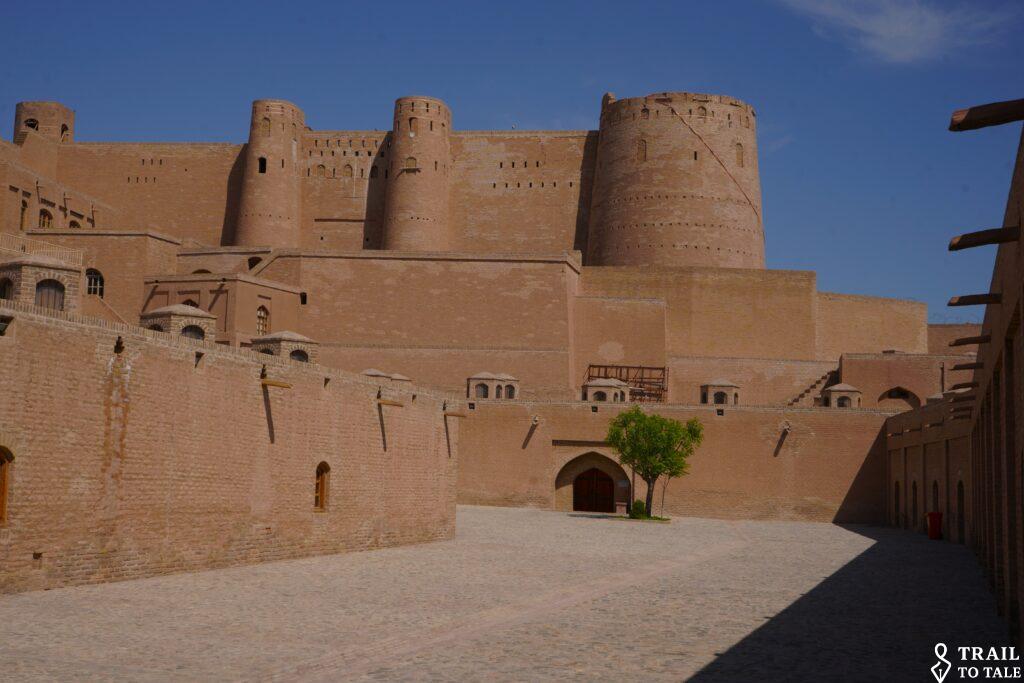
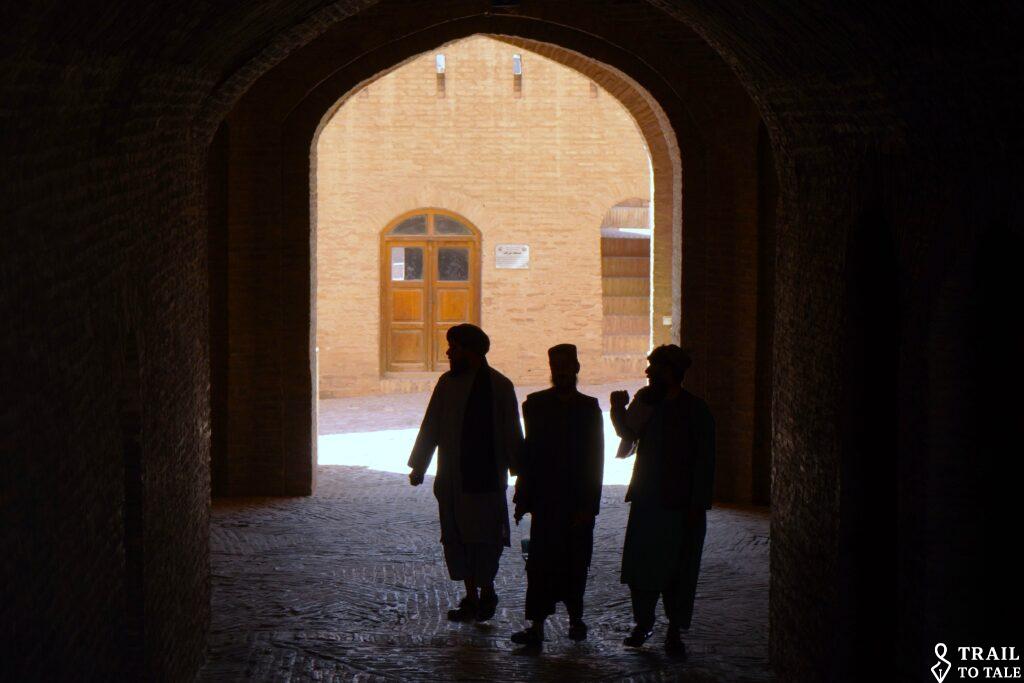
The Herat Citadel (Qala Ikhtyaruddin), which dates back to 330 BC, when Alexander the Great and his army arrived in what is now Afghanistan after the Battle of Gaugamela. The massive fortress, had been destroyed and rebuilt by various conquerors, including Genghis Khan and Tamerlane.
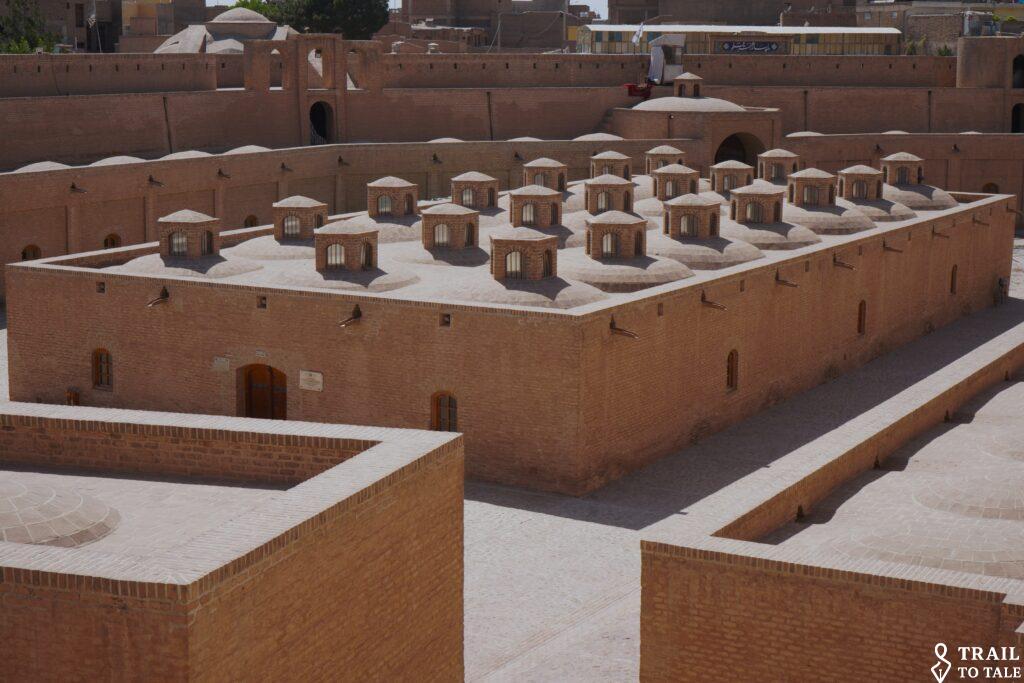
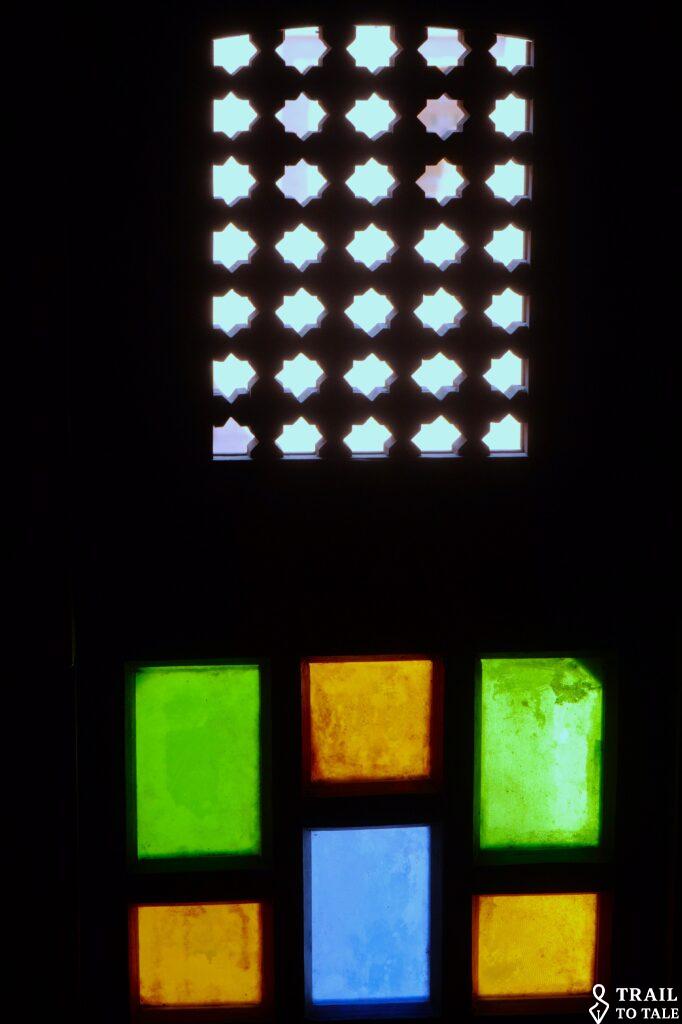
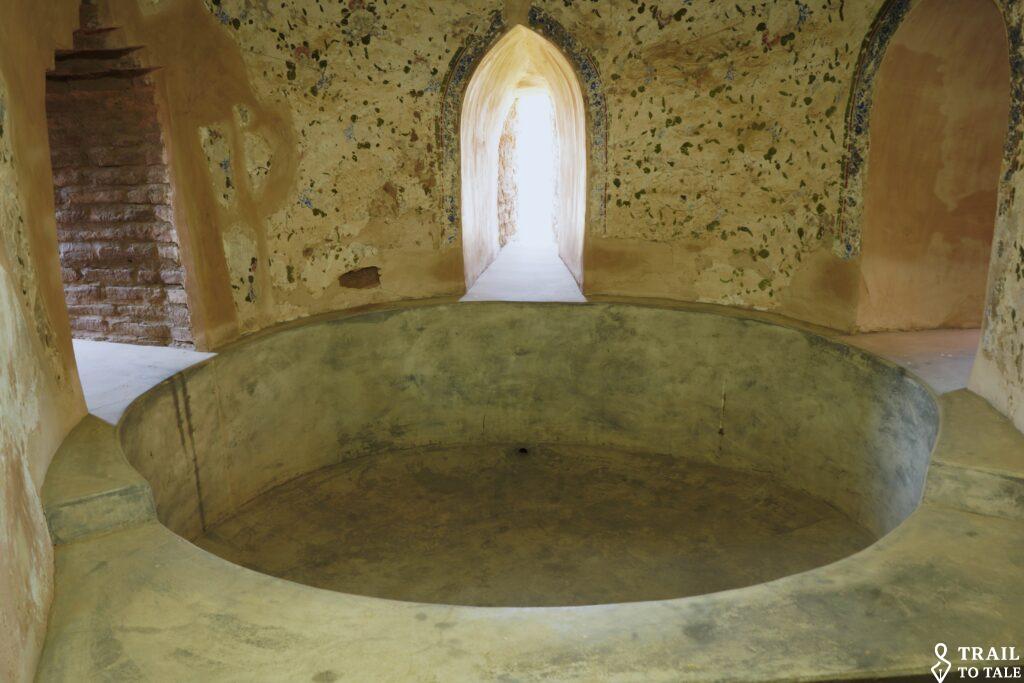
Inside the ruler’s bath
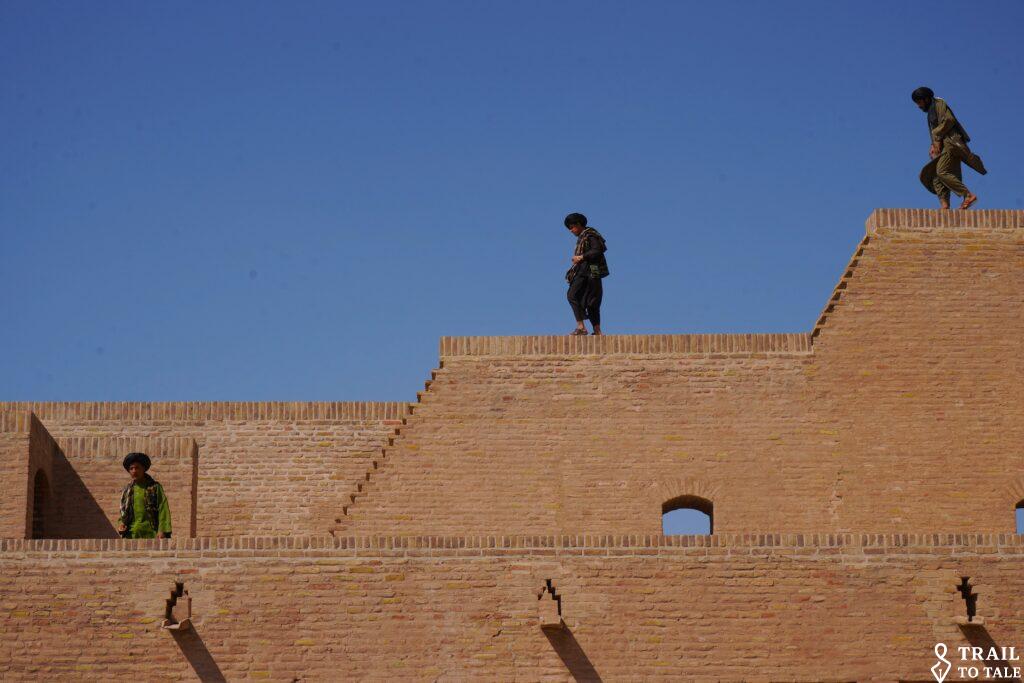
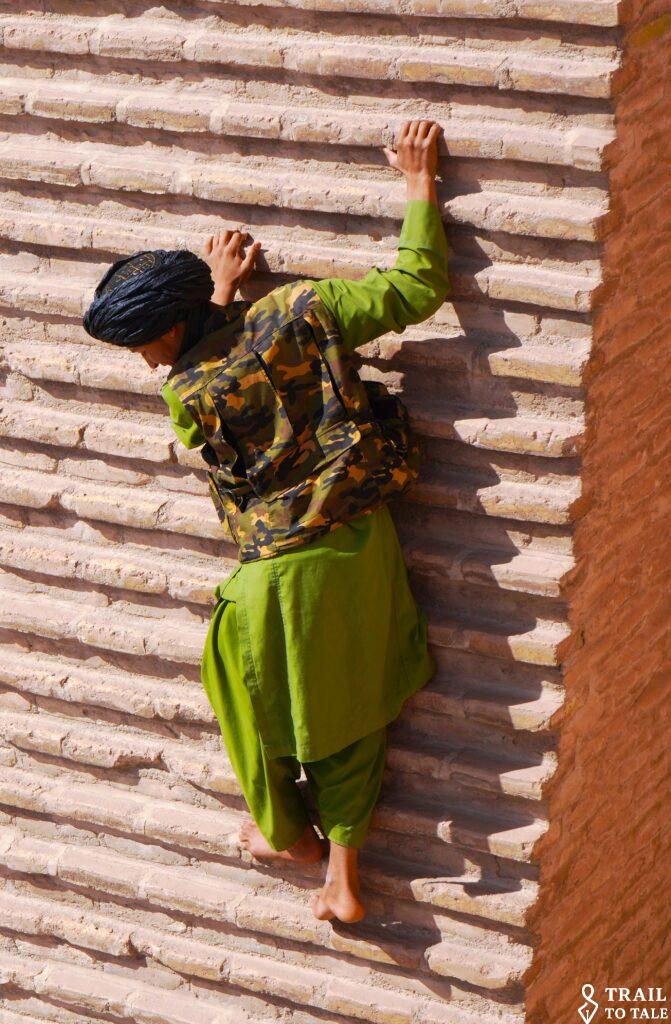
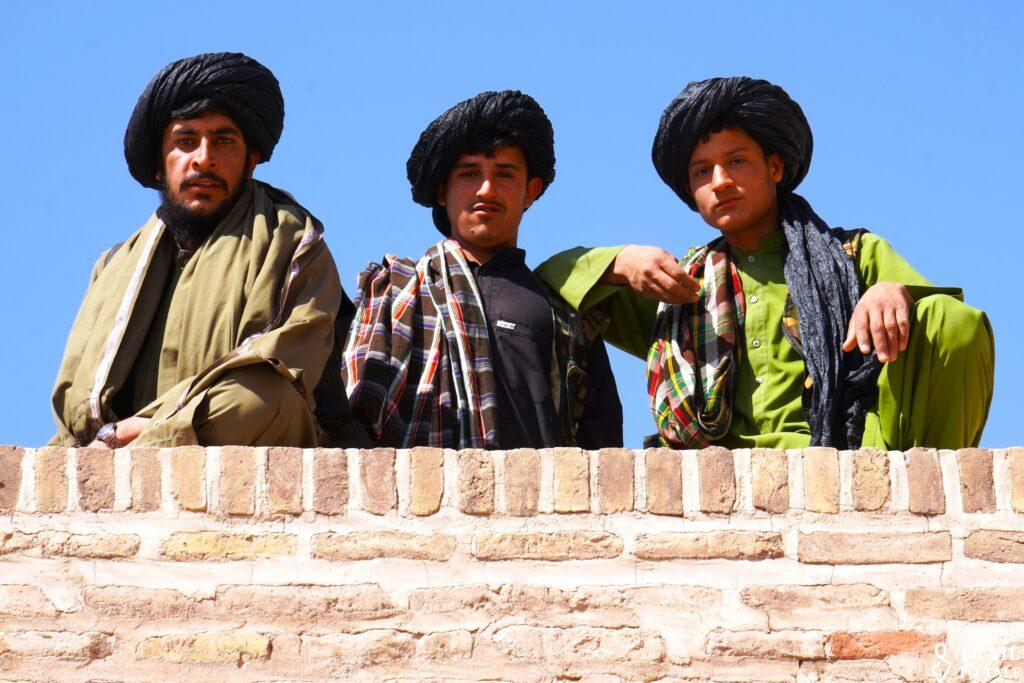
Local youths use it as an obstacle course
The Great Mosque of Herat (Masjid-i Jami) or ‘Friday Mosque’, was built by the Ghurid ruler Ghiyas ad-Din Ghori. While parts date back to 1200 CE, most of the current structure was completed during the Timurid era.
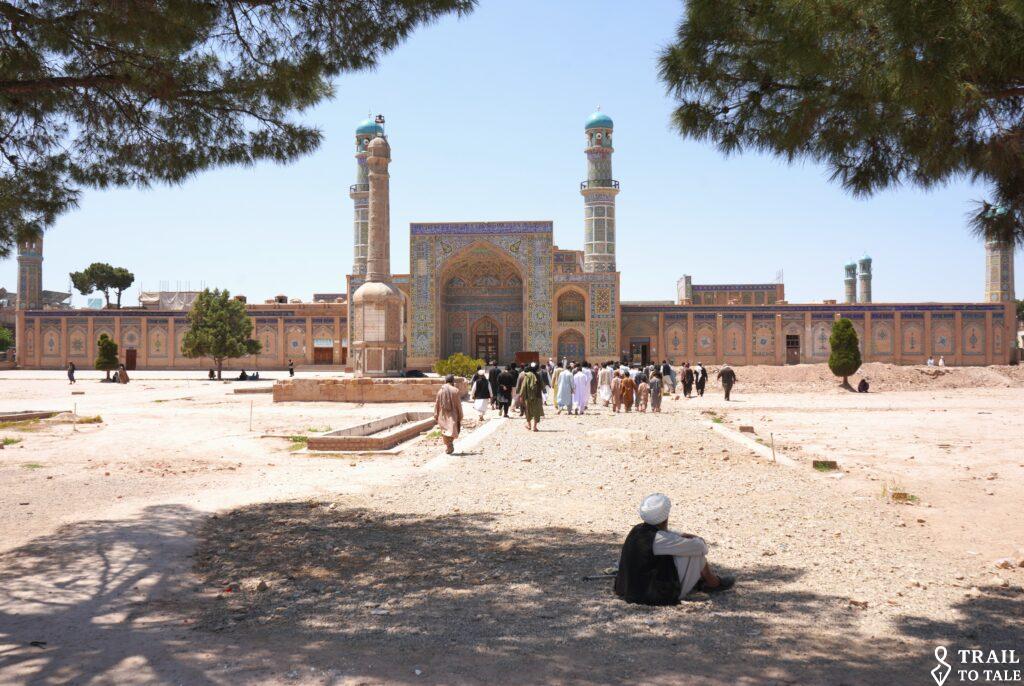
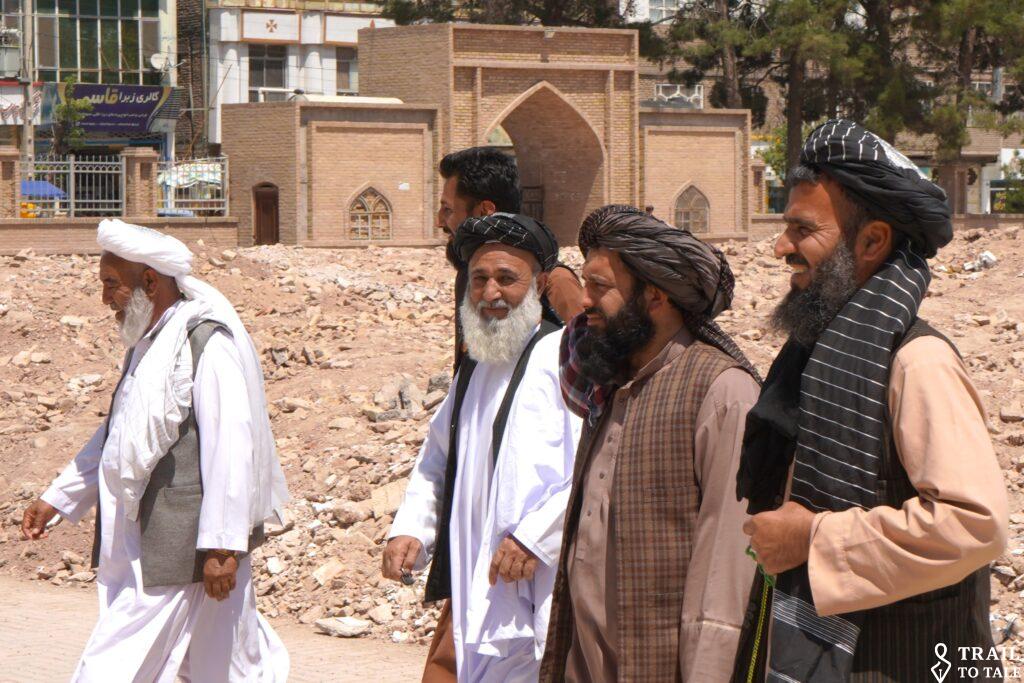
Faithful are following the ‘Call for Prayer’.
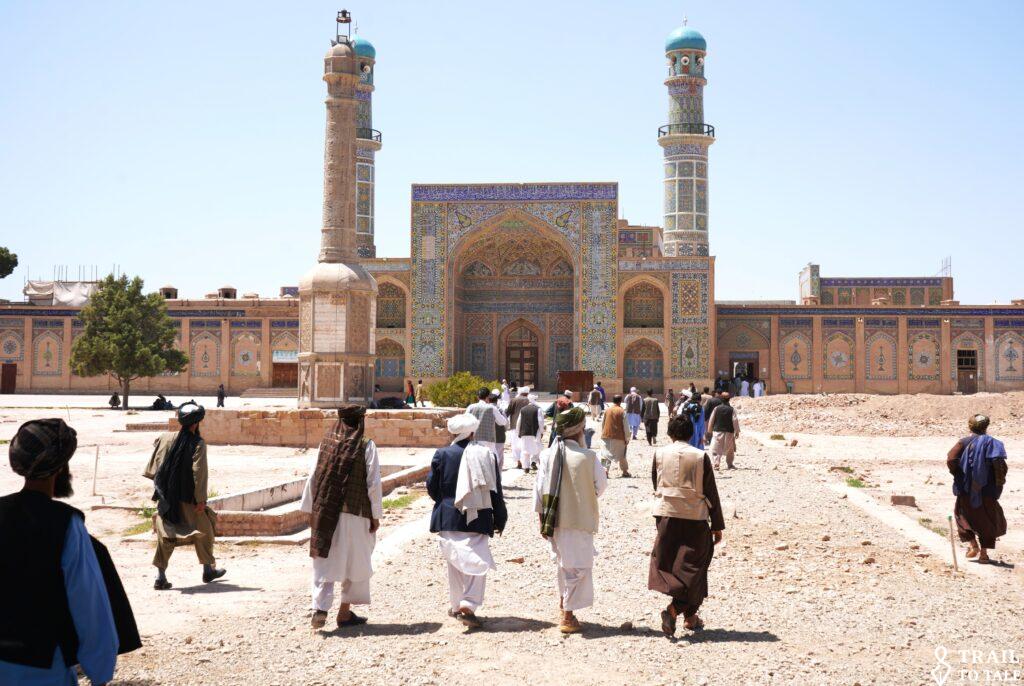
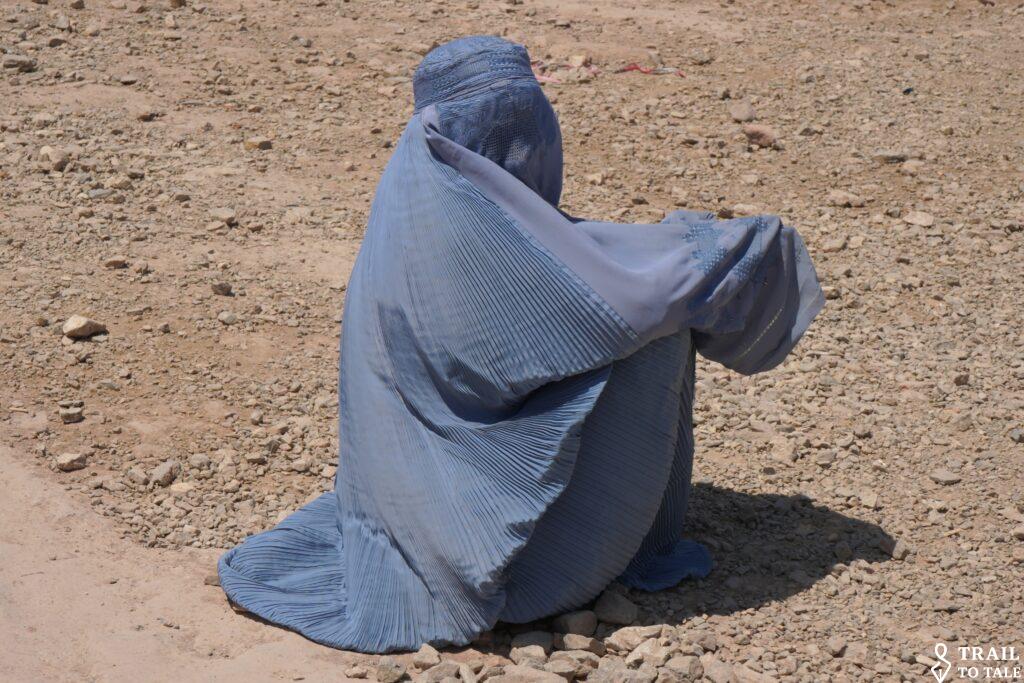
She is not allowed in!
Already from the outside the status and reputation of this masterpiece of Islamic Architecture is very high.
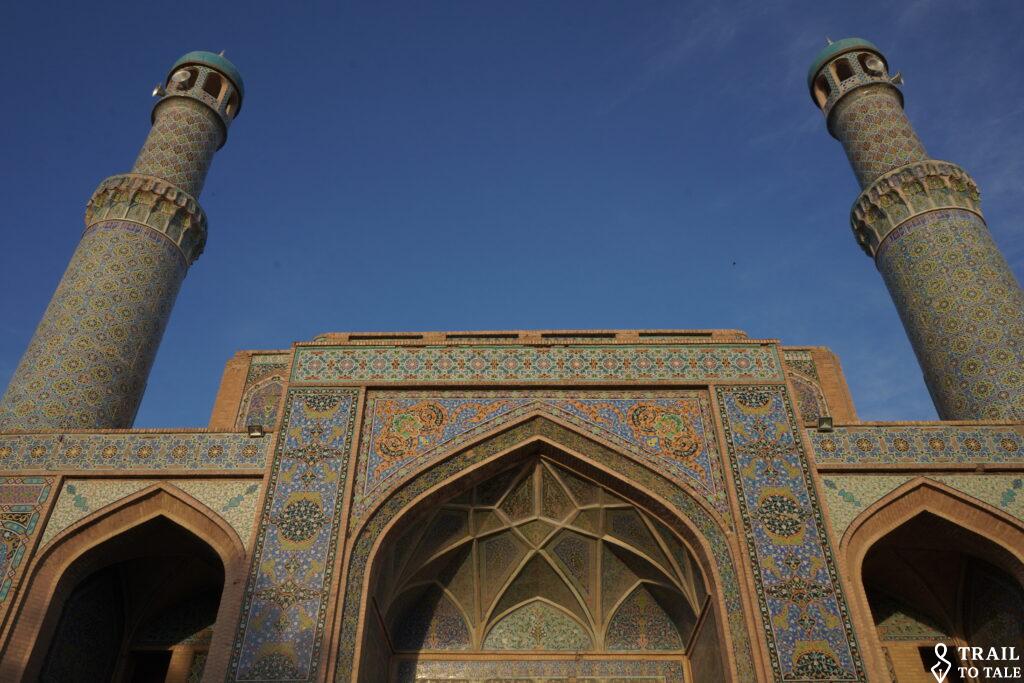
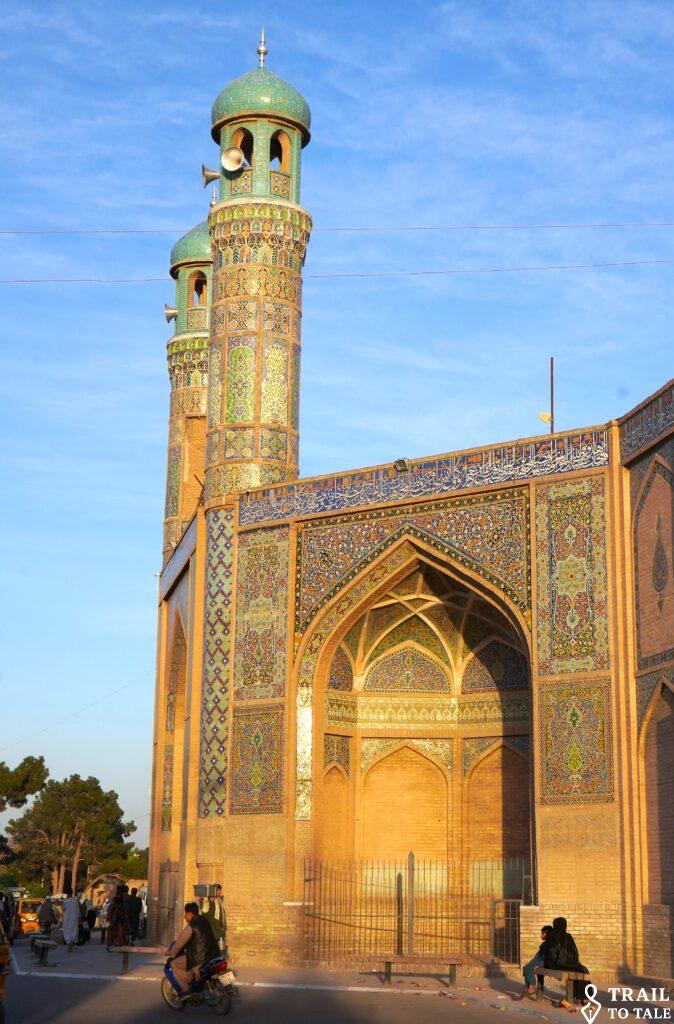
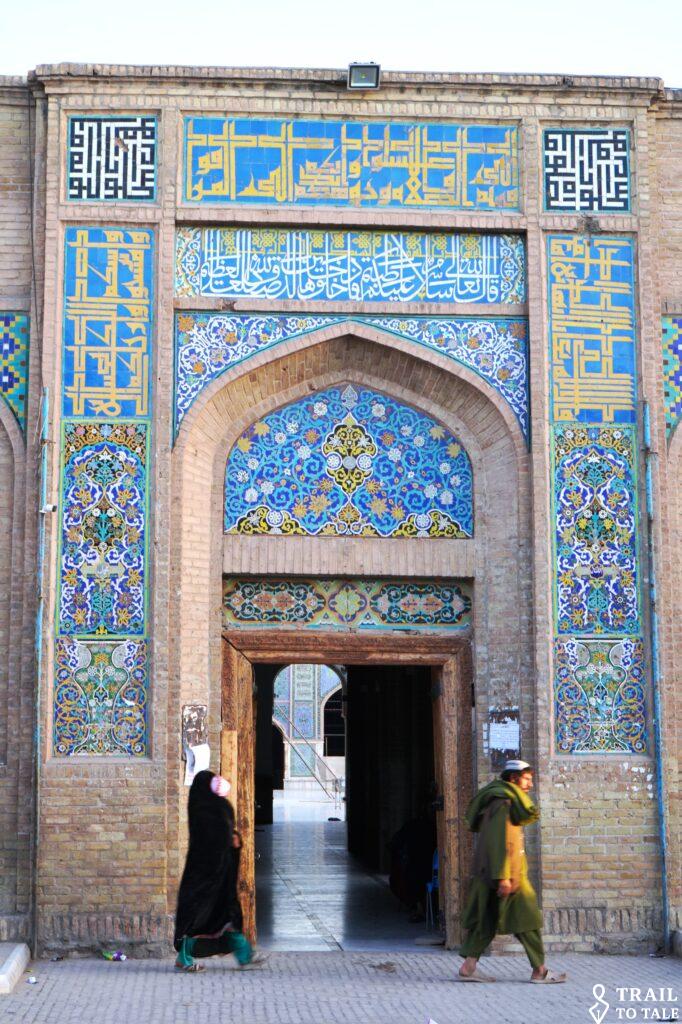
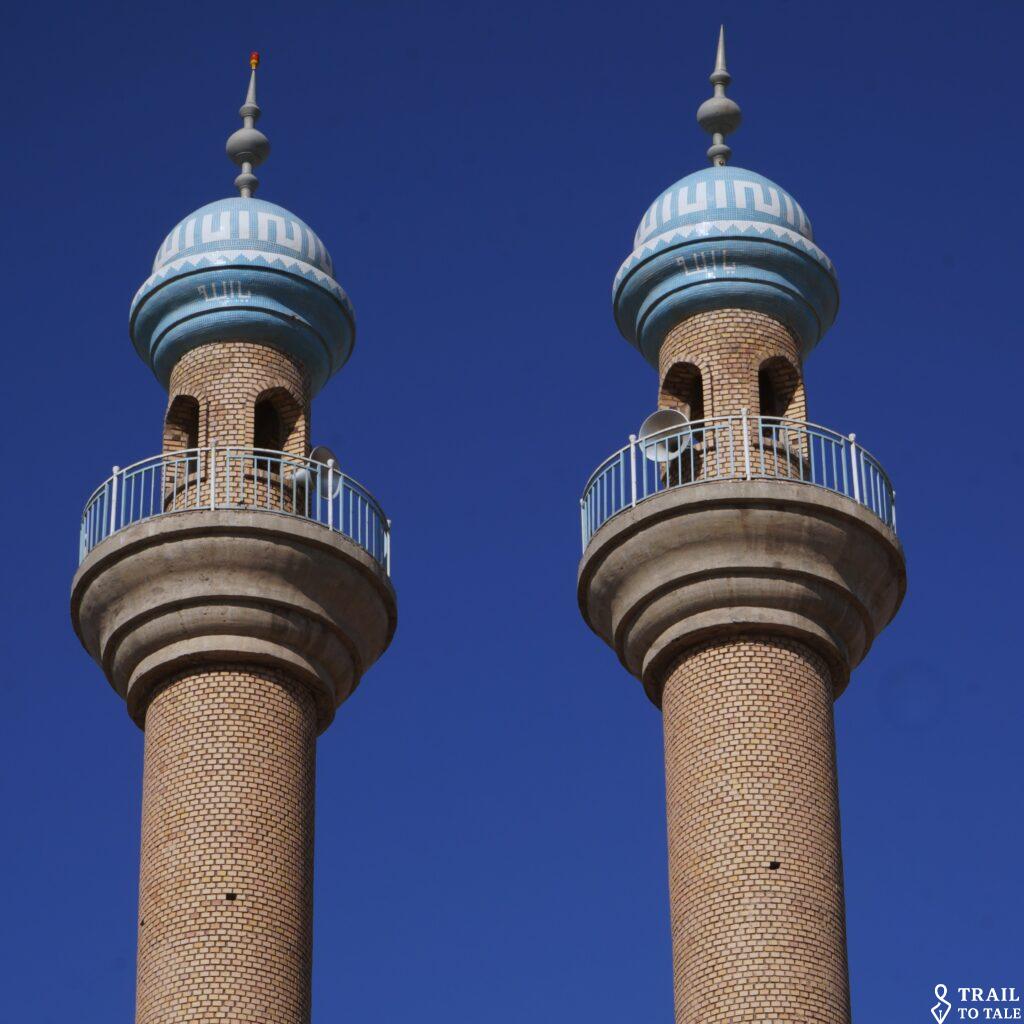
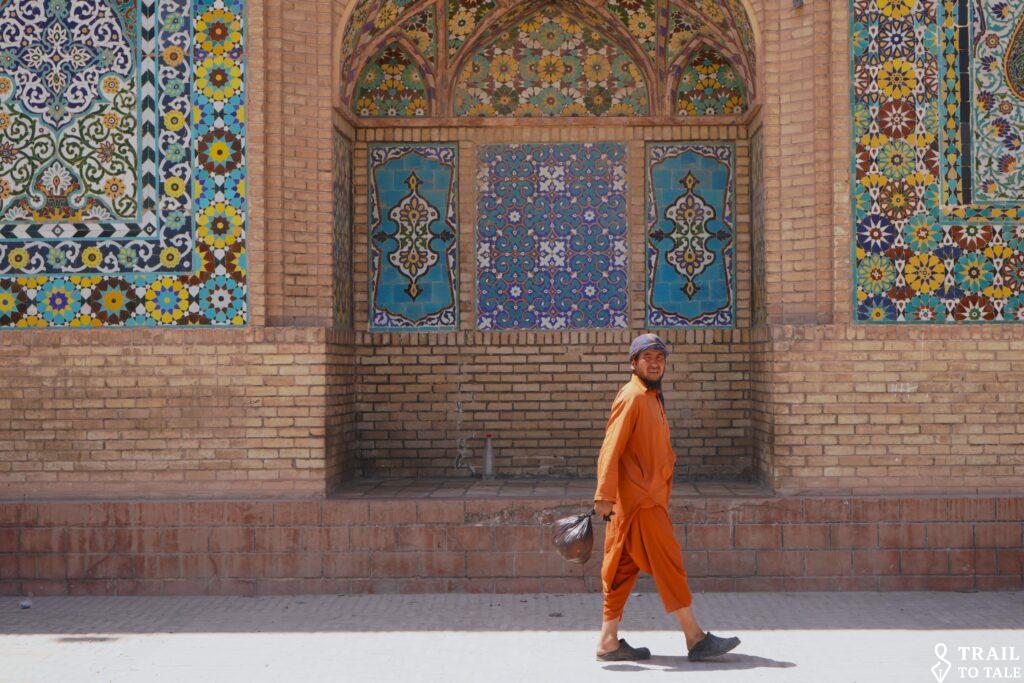
It is famous for its intricate tile work and large-scale design especially seen inside the huge central white floored Sahn.
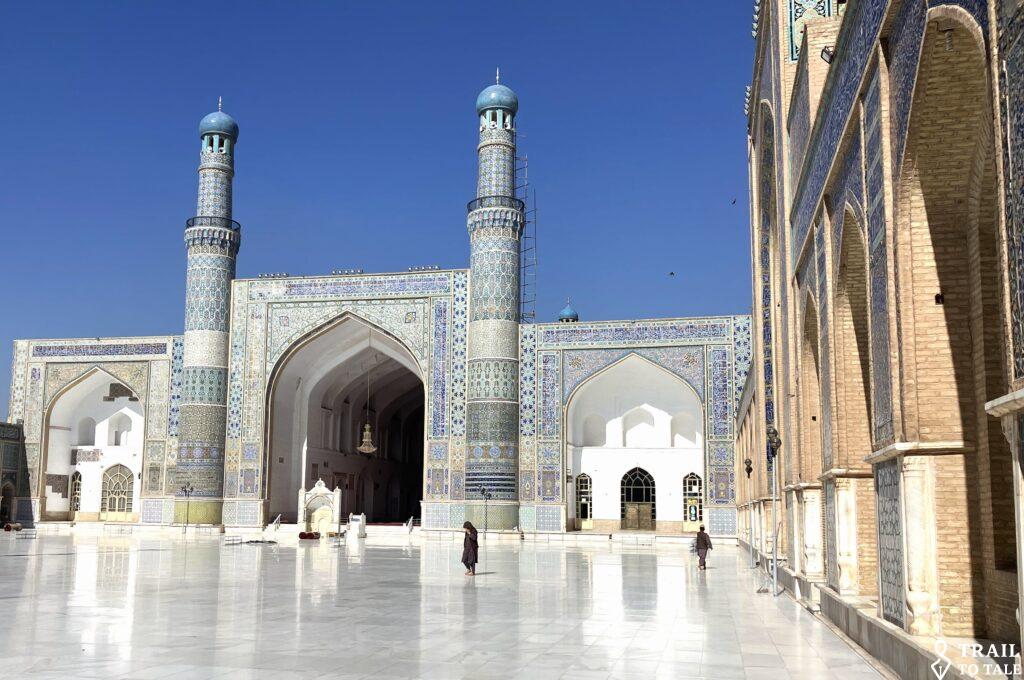
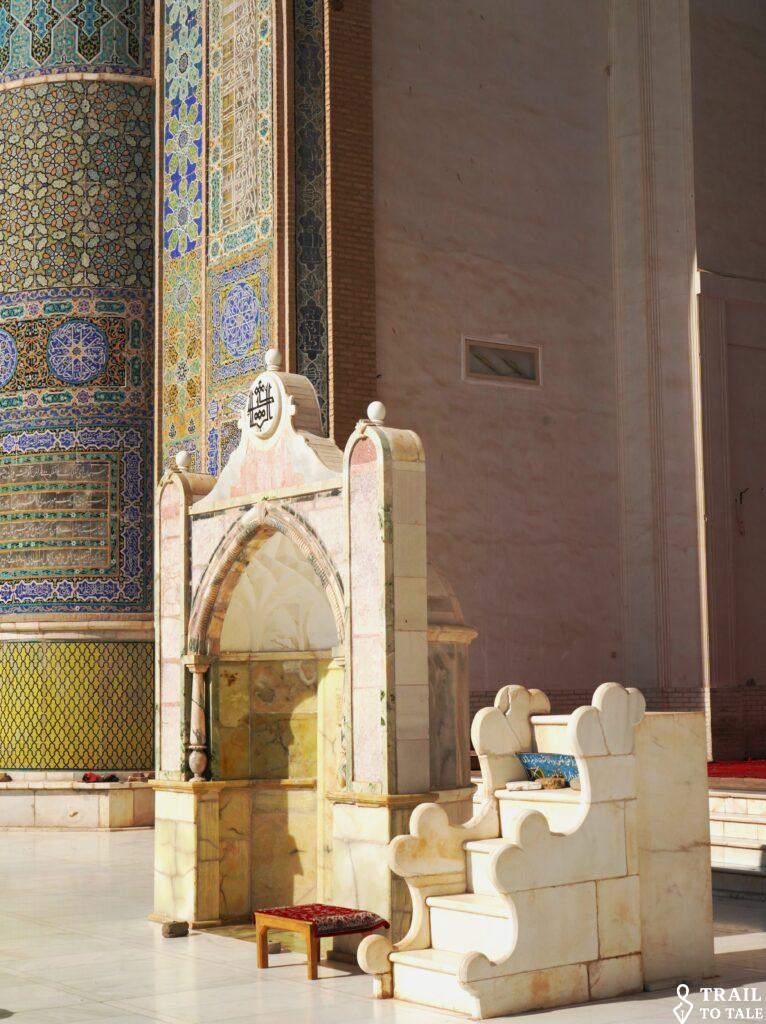
The Mihrab is facing Mecca, indicating the direction of qibla (prayer). From the Minbar the Iman delivers the Khutbah (sermon)
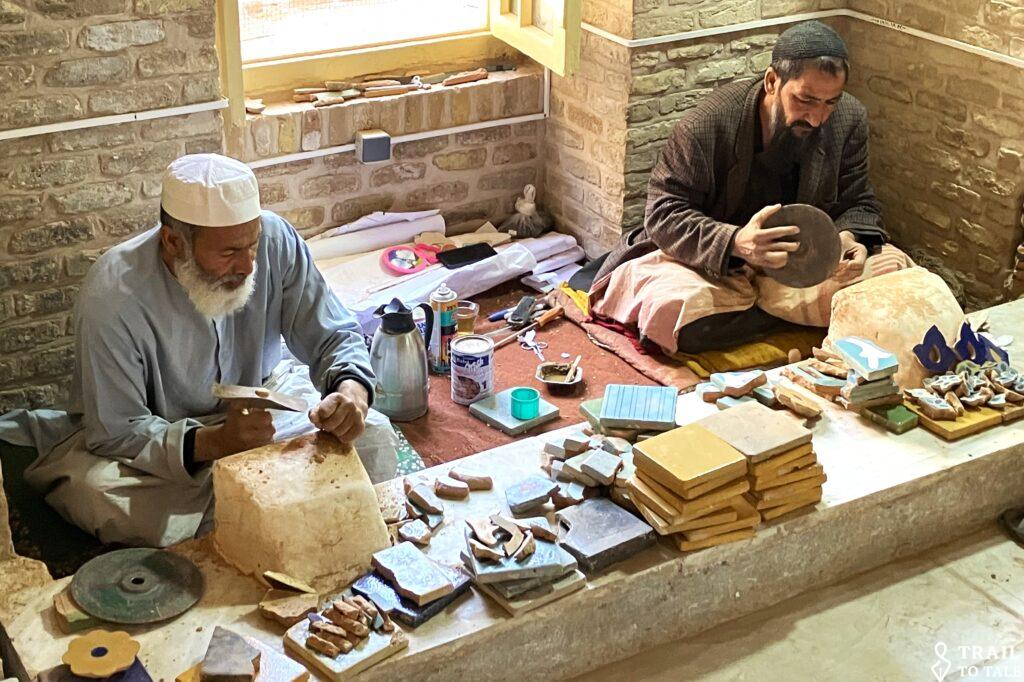
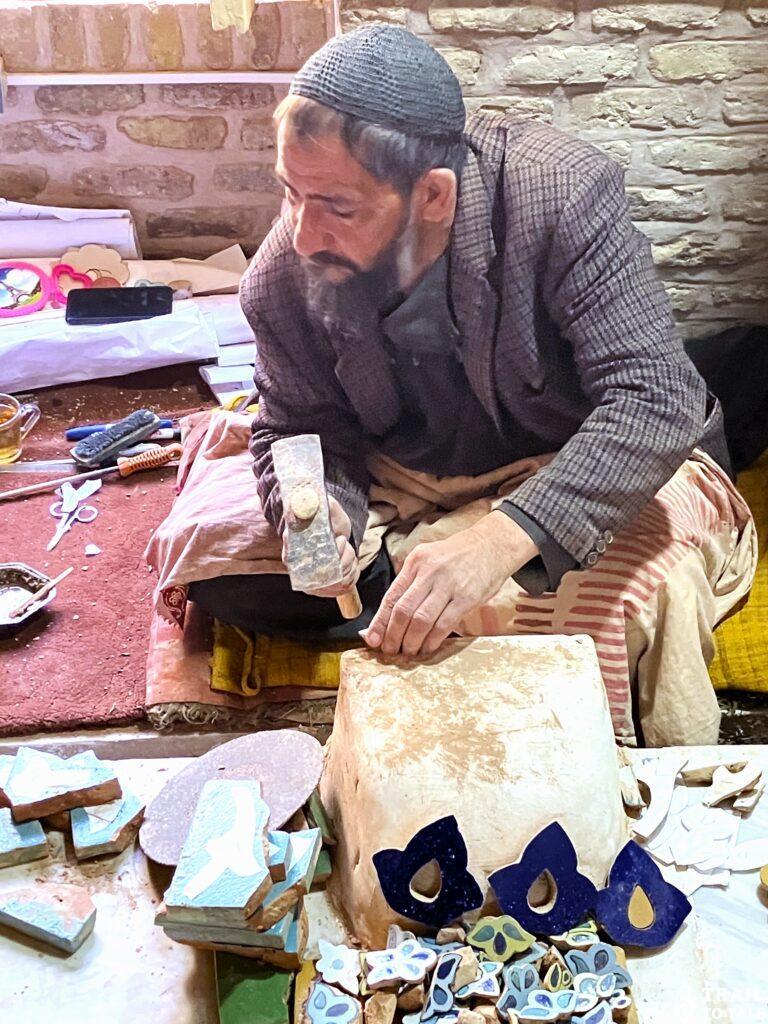
Kashi tilework, vividly coloured, glazed ceramic mosaic decoration.
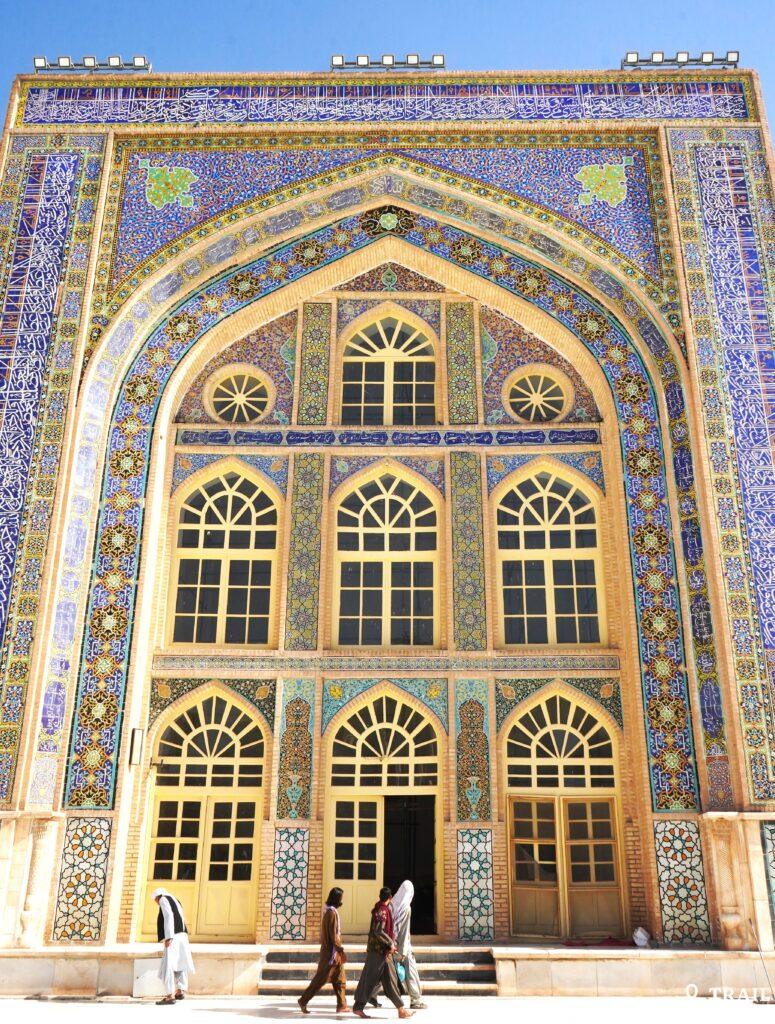
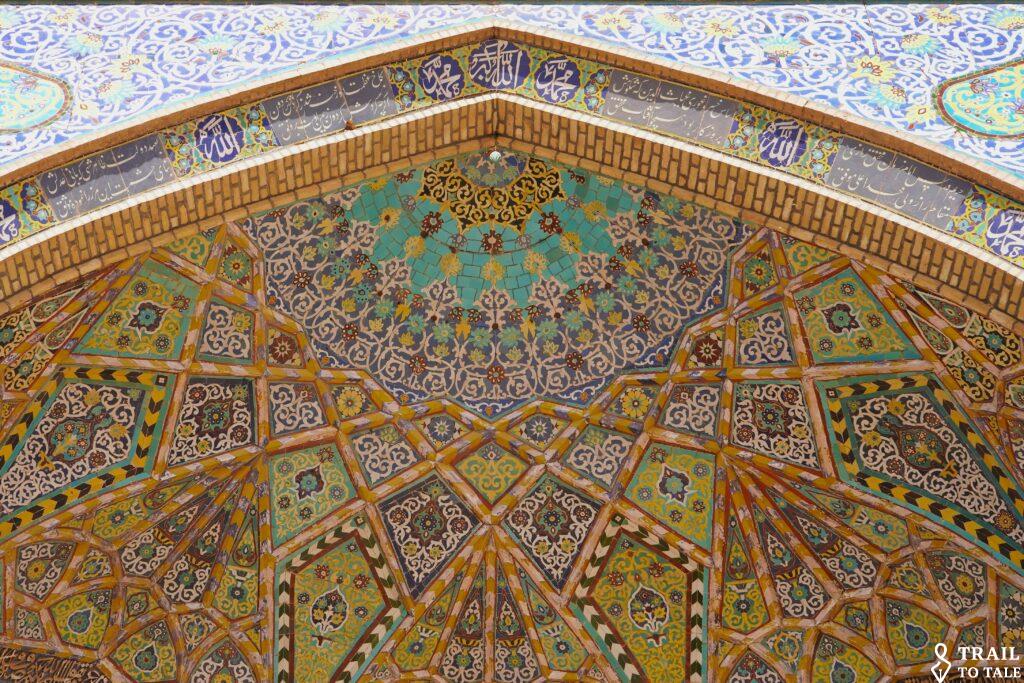
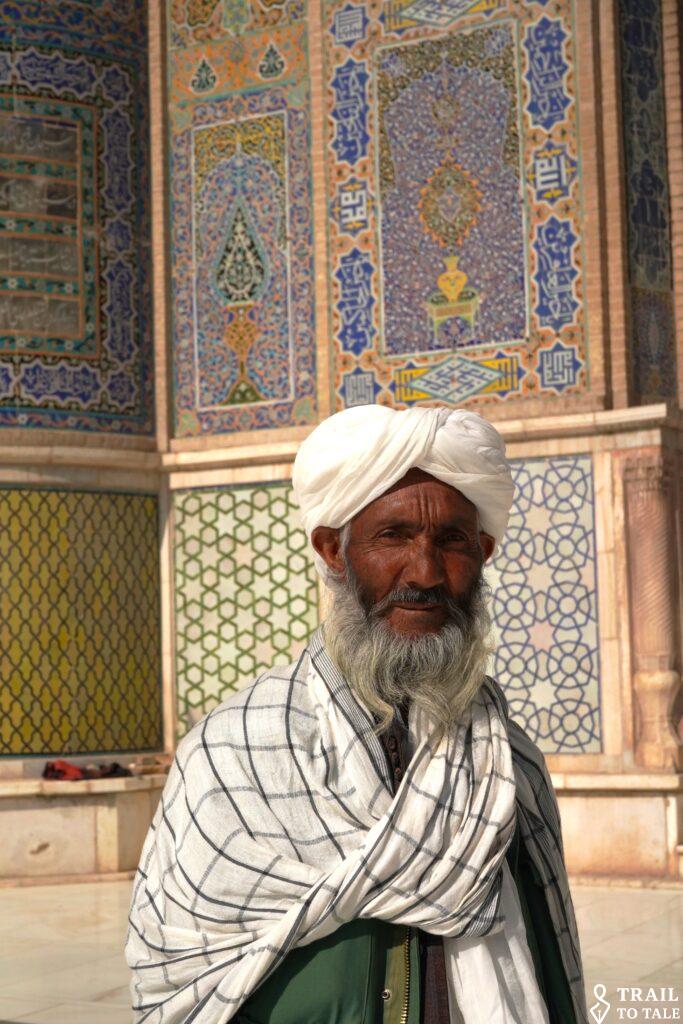
Often floral and geometric motives.
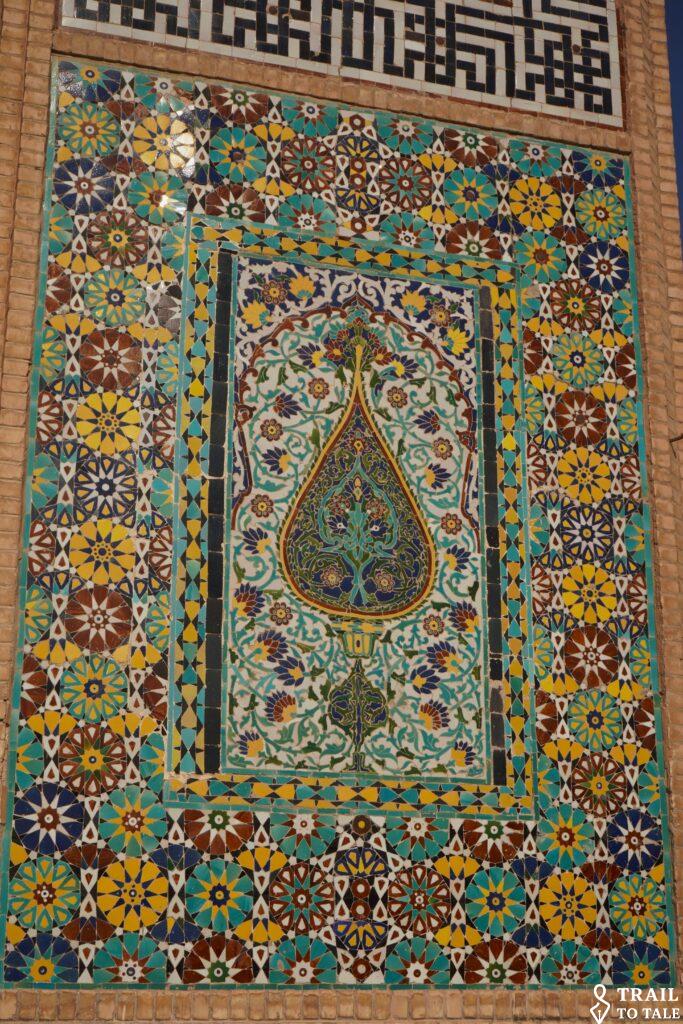
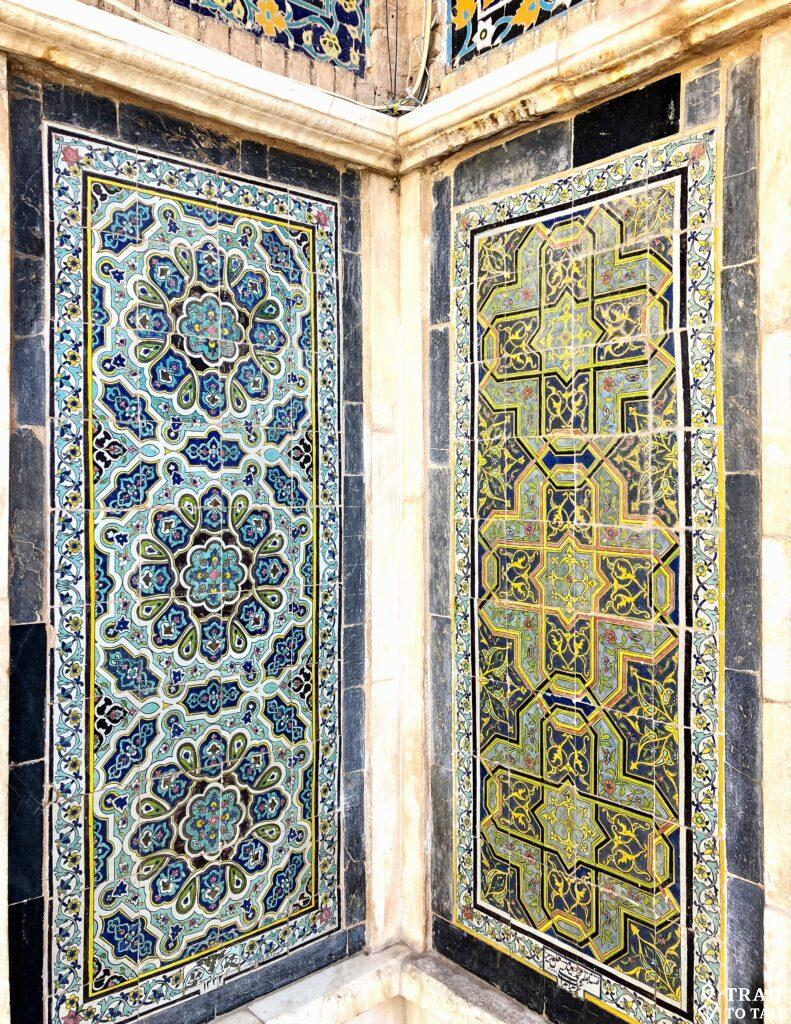
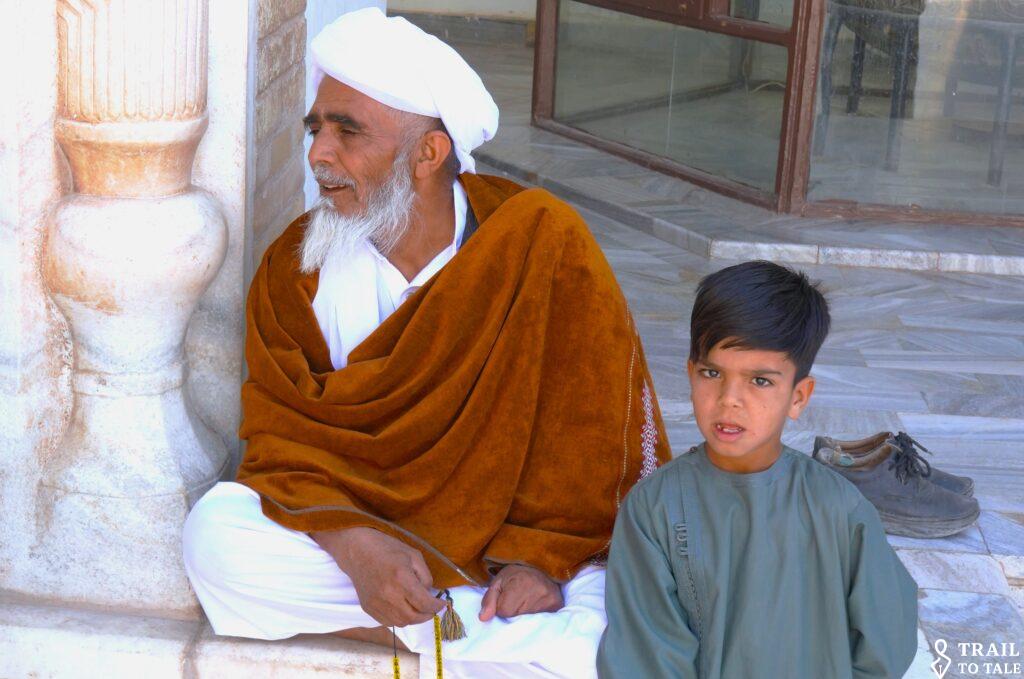
Elder and grandson
A never-ending renovation of the very individual and specific tiles. The effort is huge: mixing the clay, mixing the colours, burning the tiles, designing and shaping each individual tile.
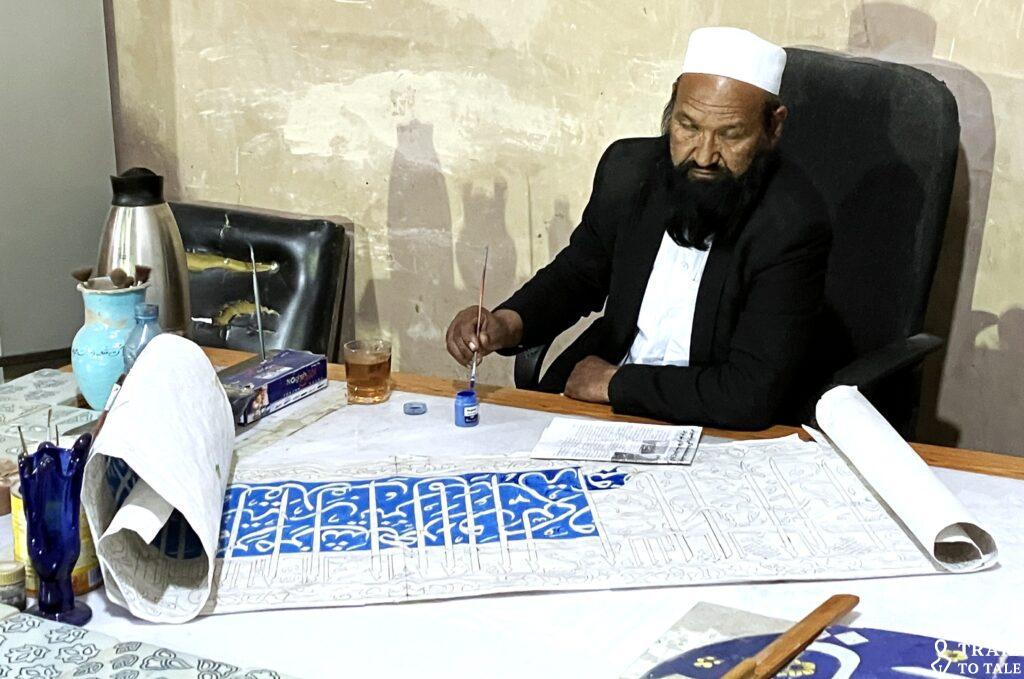
Watching the craftsmen, their dedication, pride and their passion is just amazing.
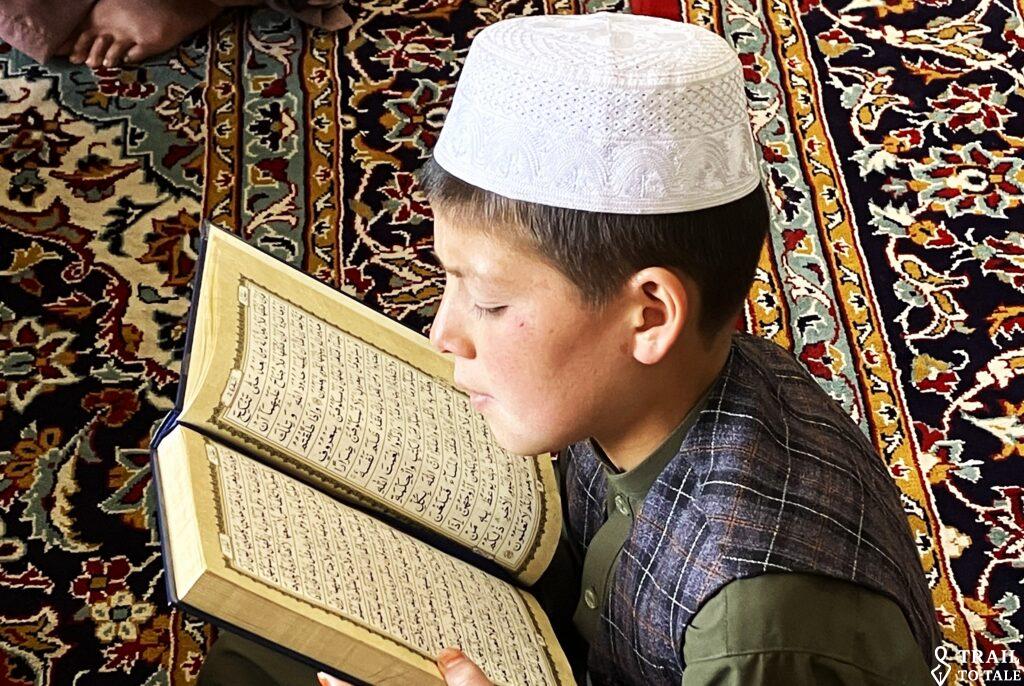
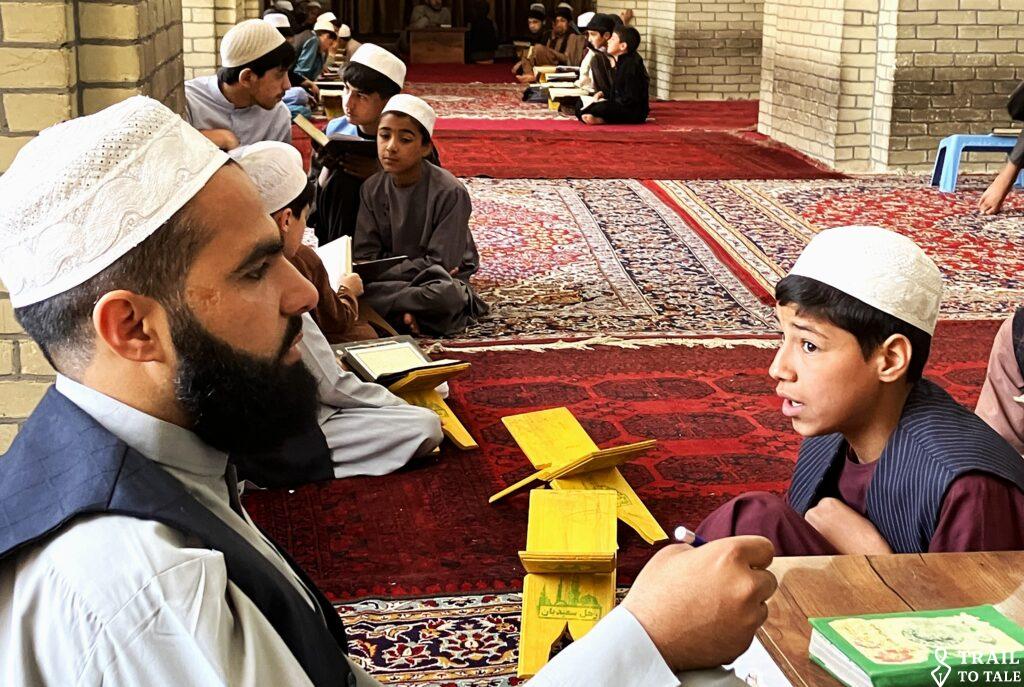
Like many mosques it also hosts a religious school.
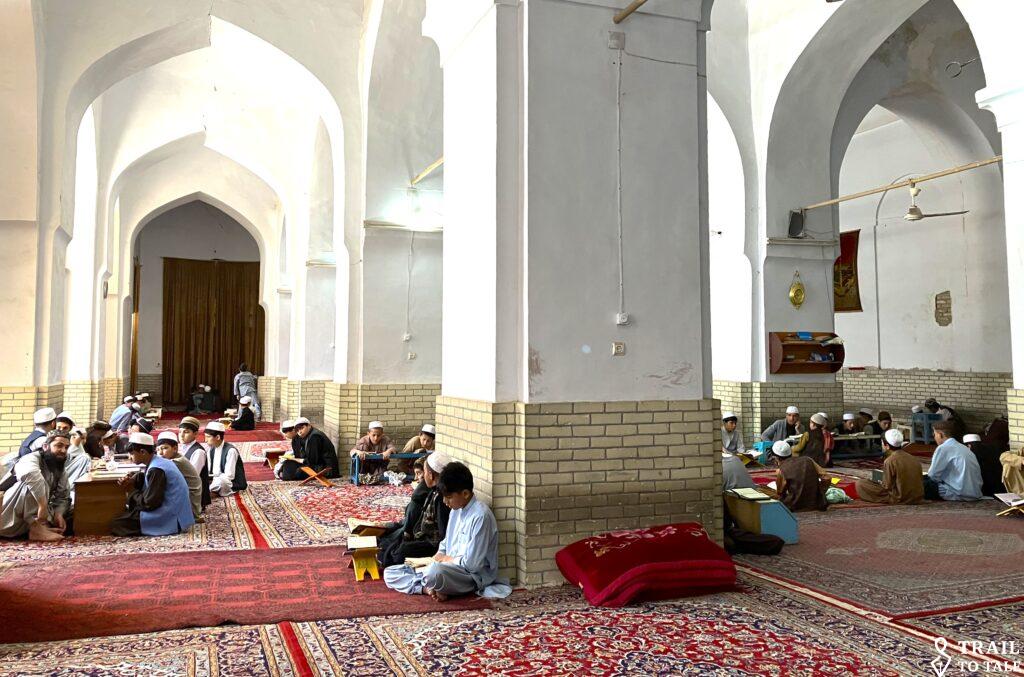
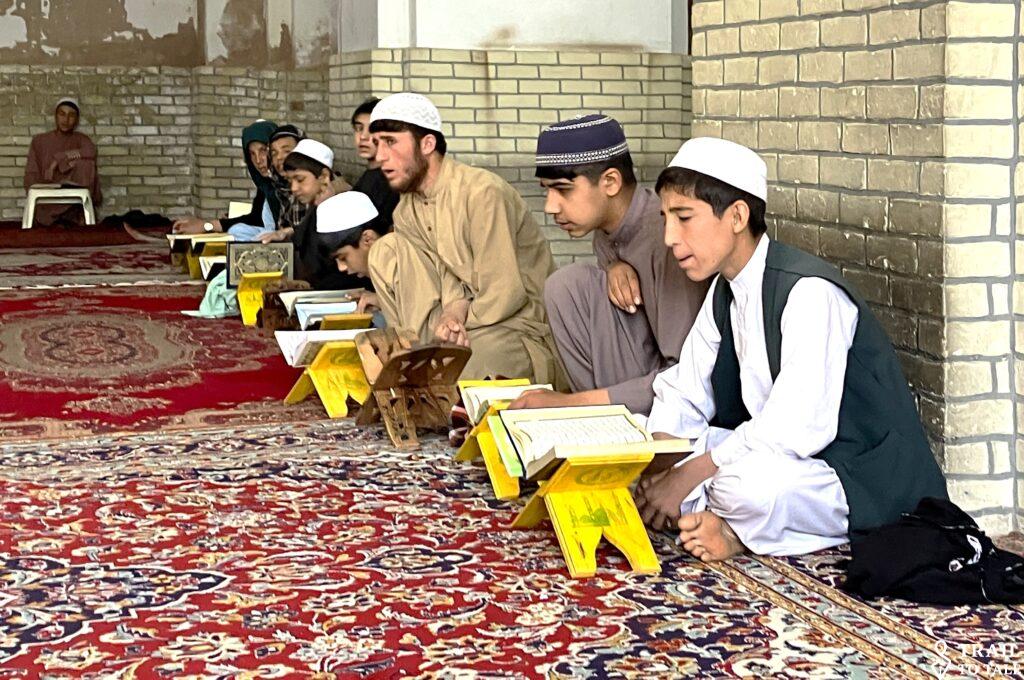
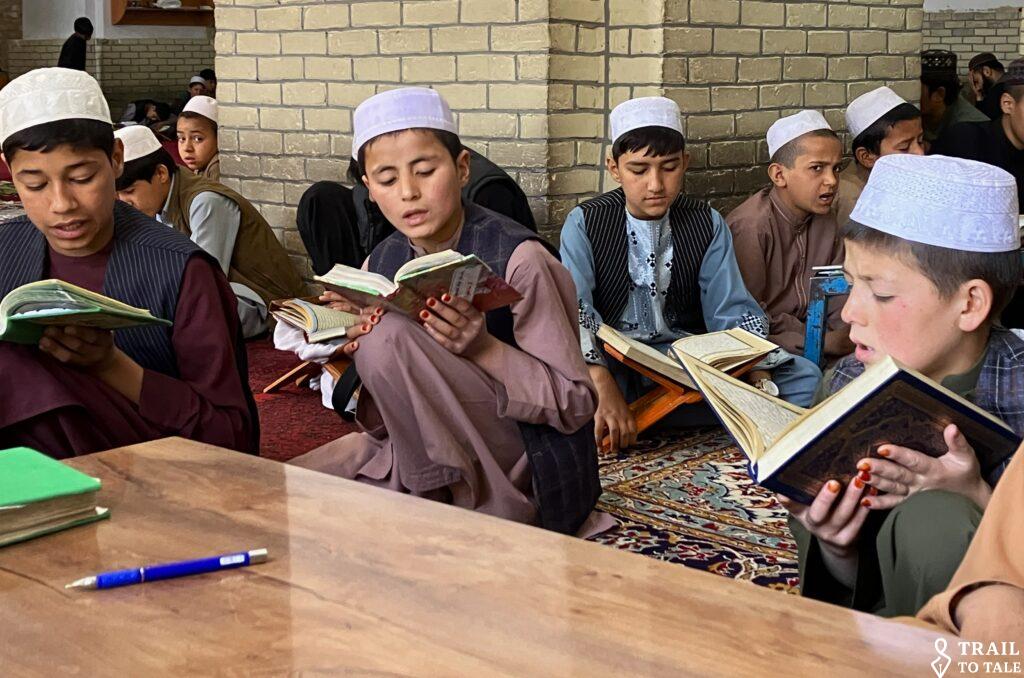
Very focused student study the Koran.
The teacher inspecting the memory skills of a student.
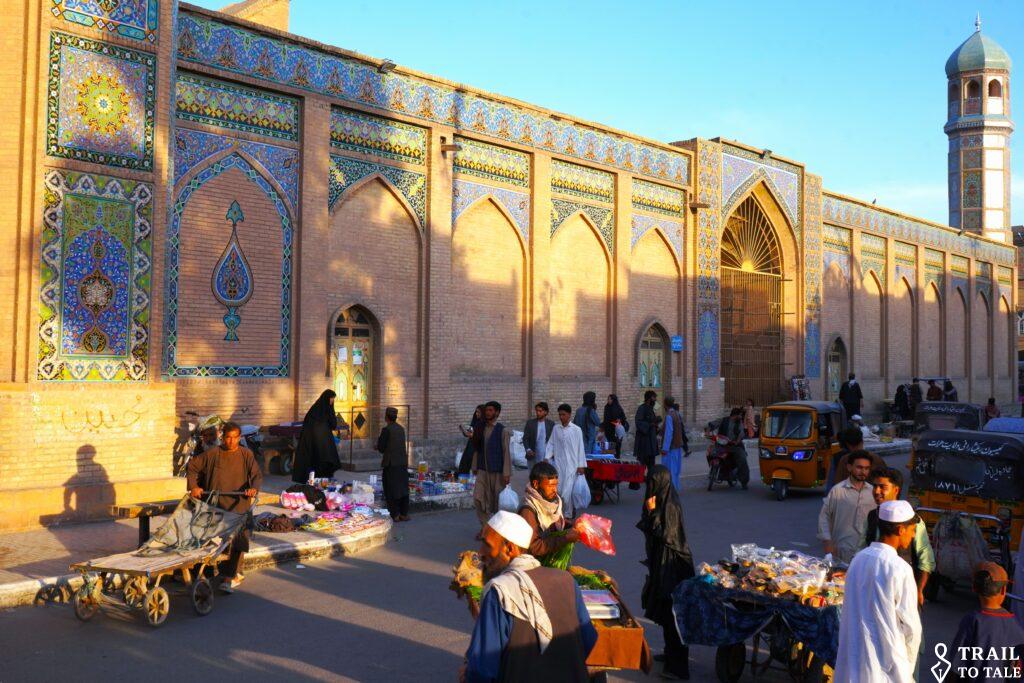
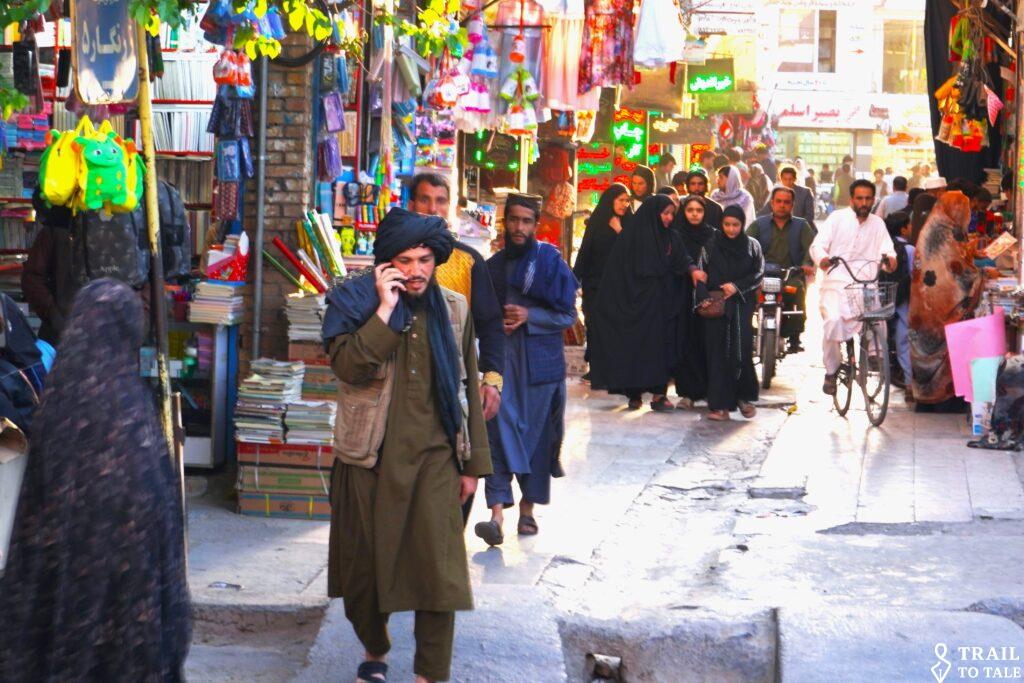
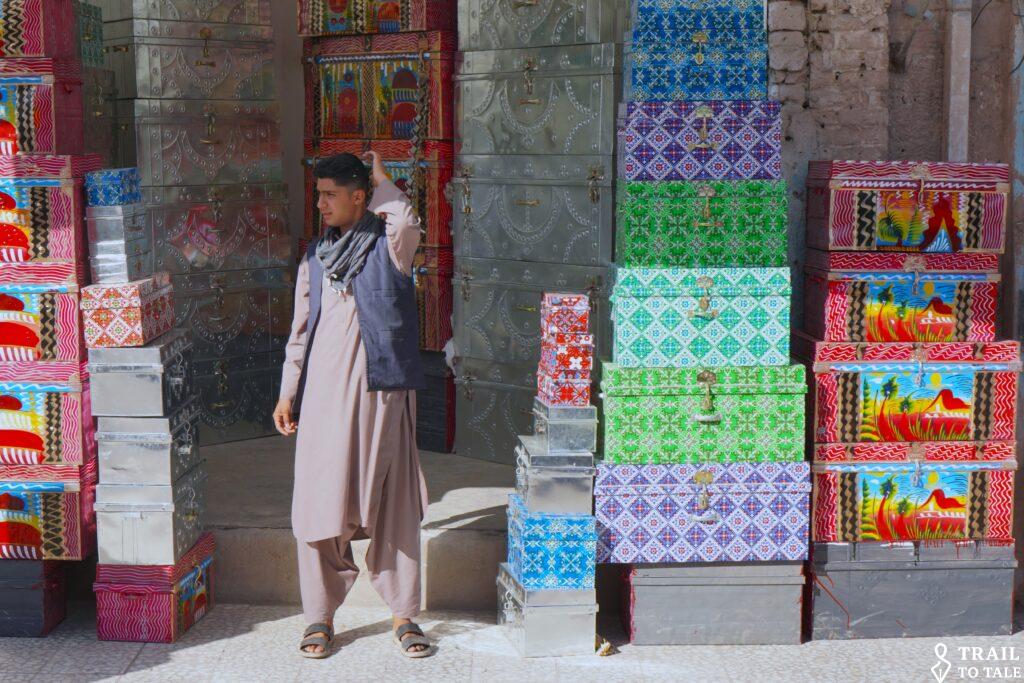
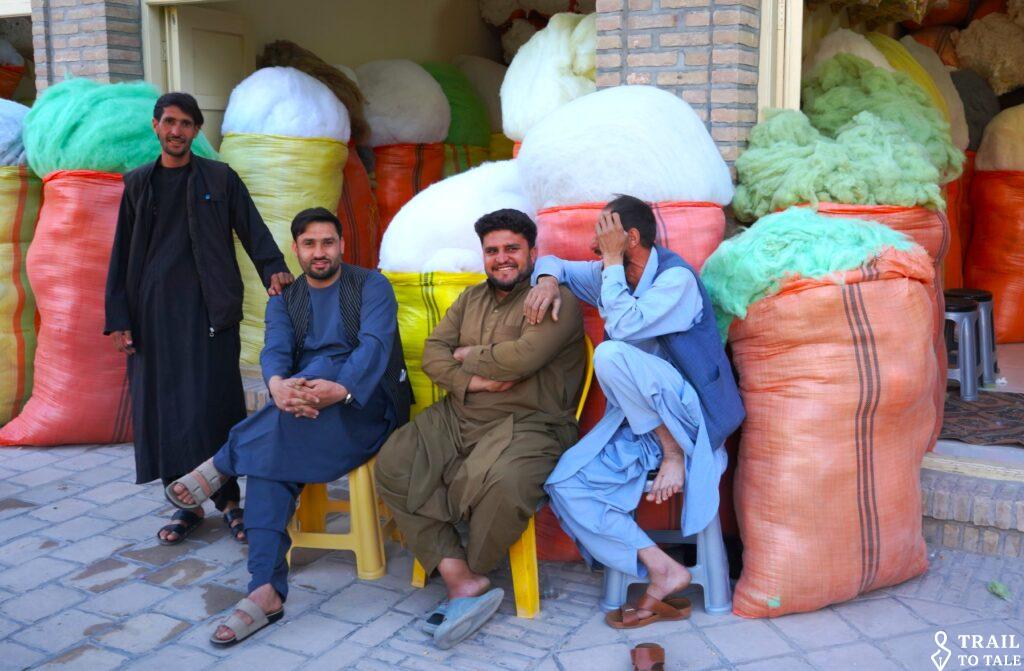
Very active trading next to the mosque.
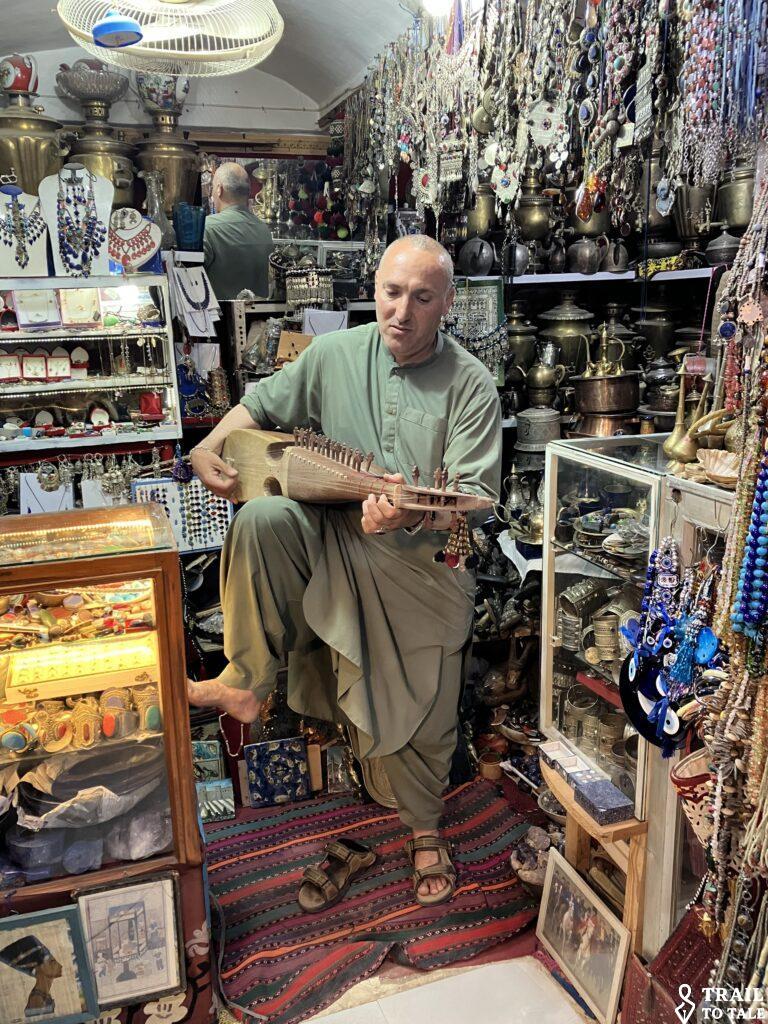
Shopkeeper demonstrating the ‘Rubab’, the Afghanistan National instrument. The short-necked lute, carved from a single piece of wood with gut and sympathetic strings is producing a warm and deep sound.
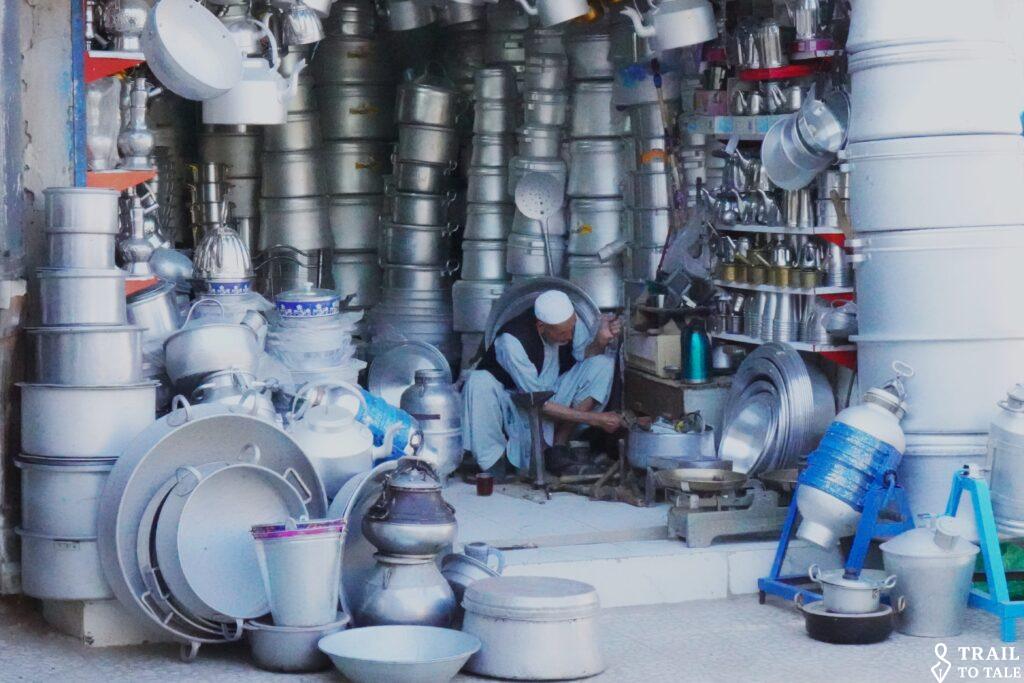
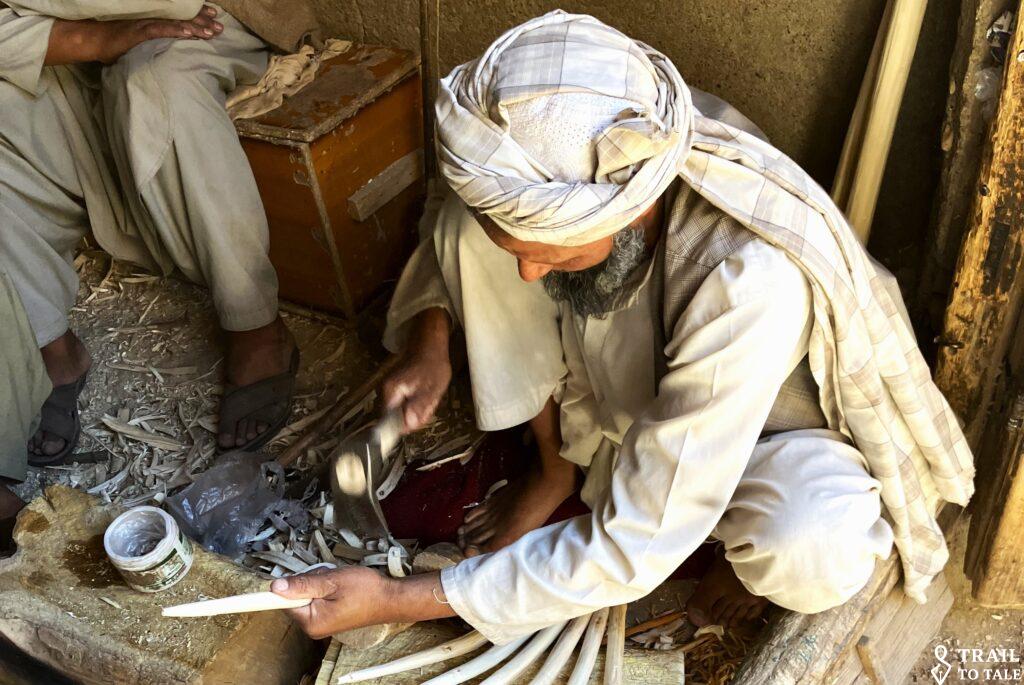
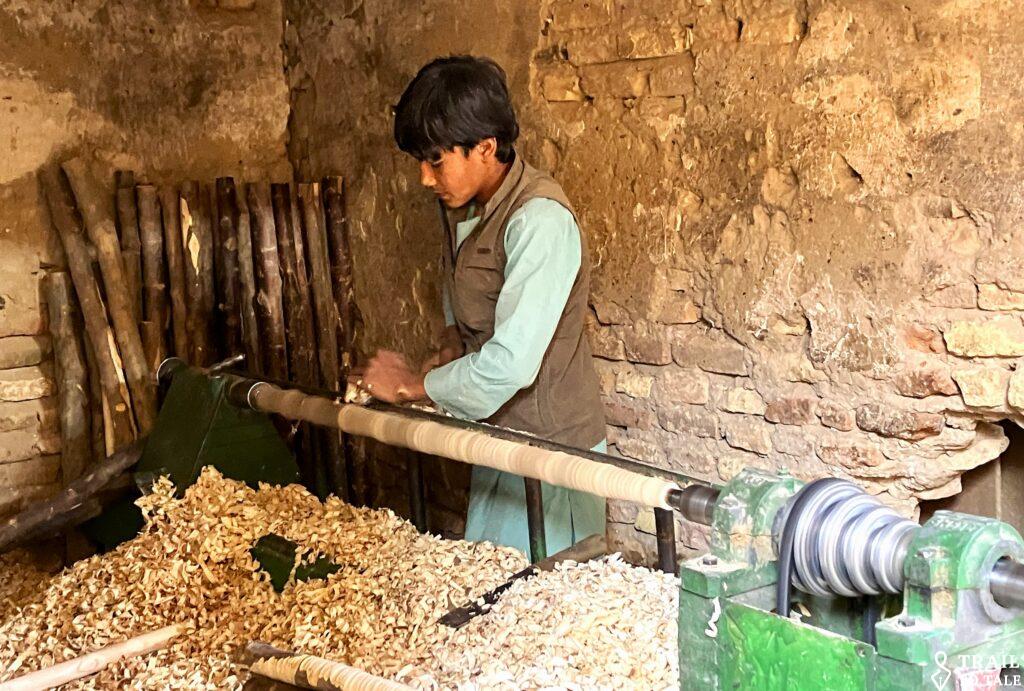
Skillful craftsmen
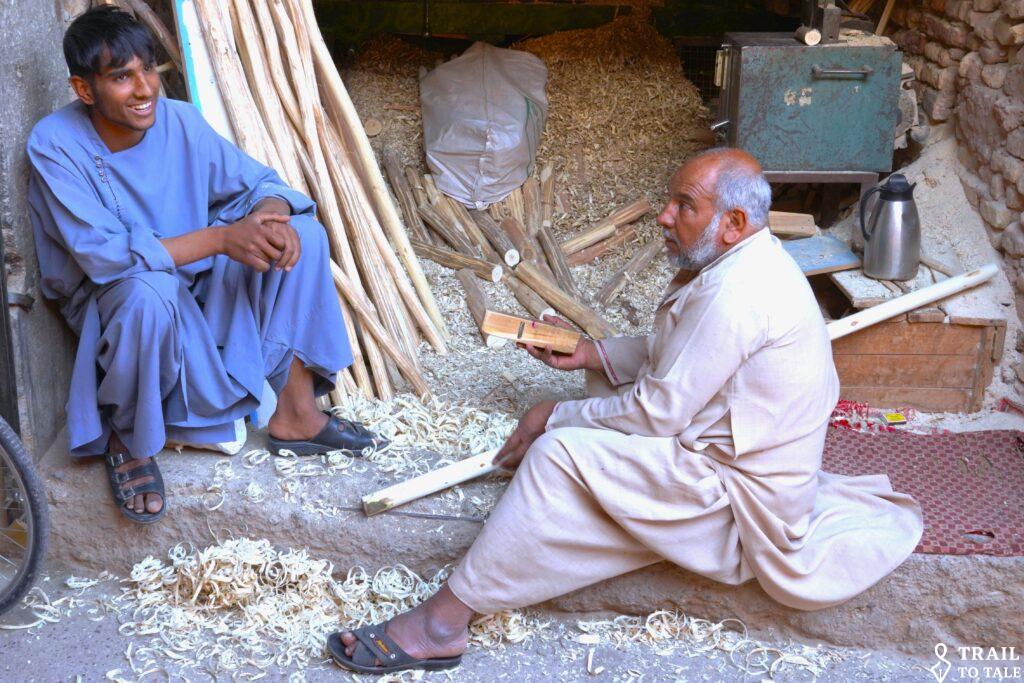
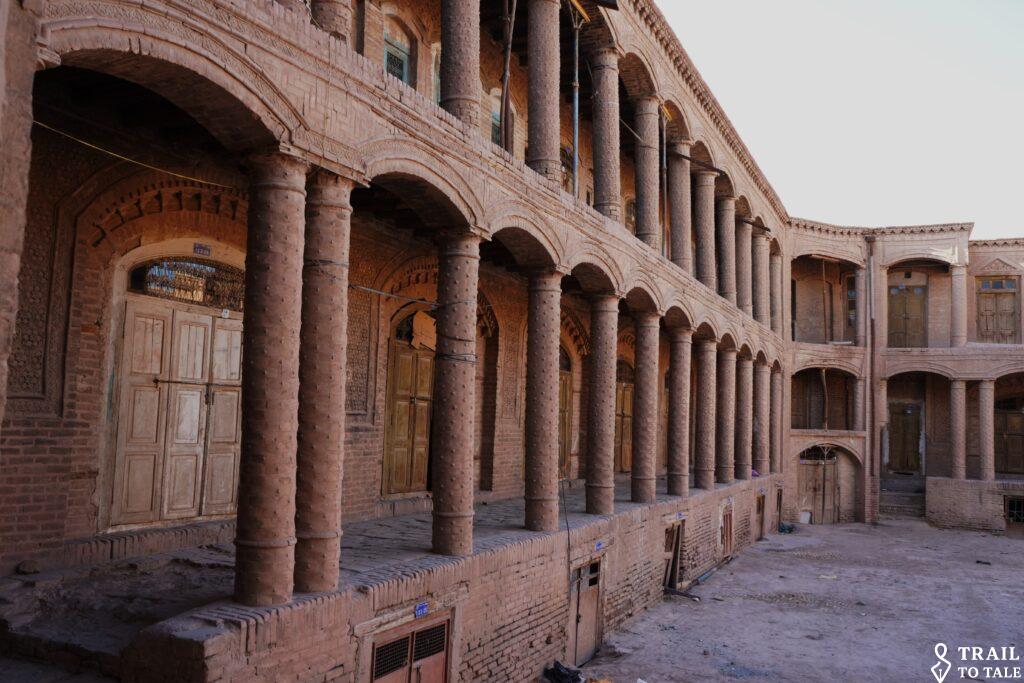
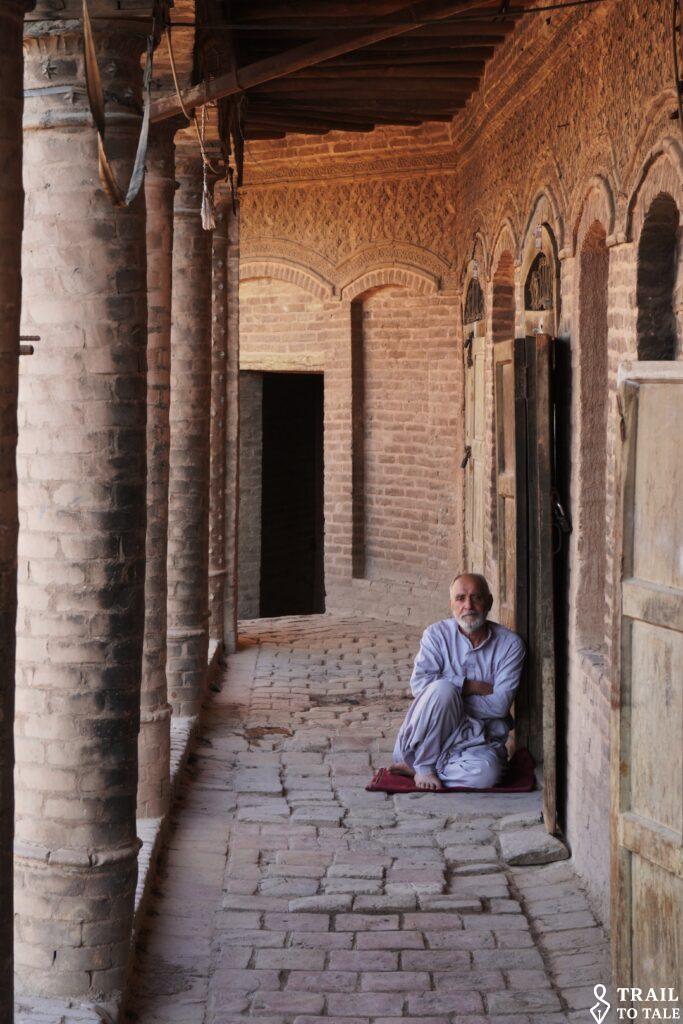
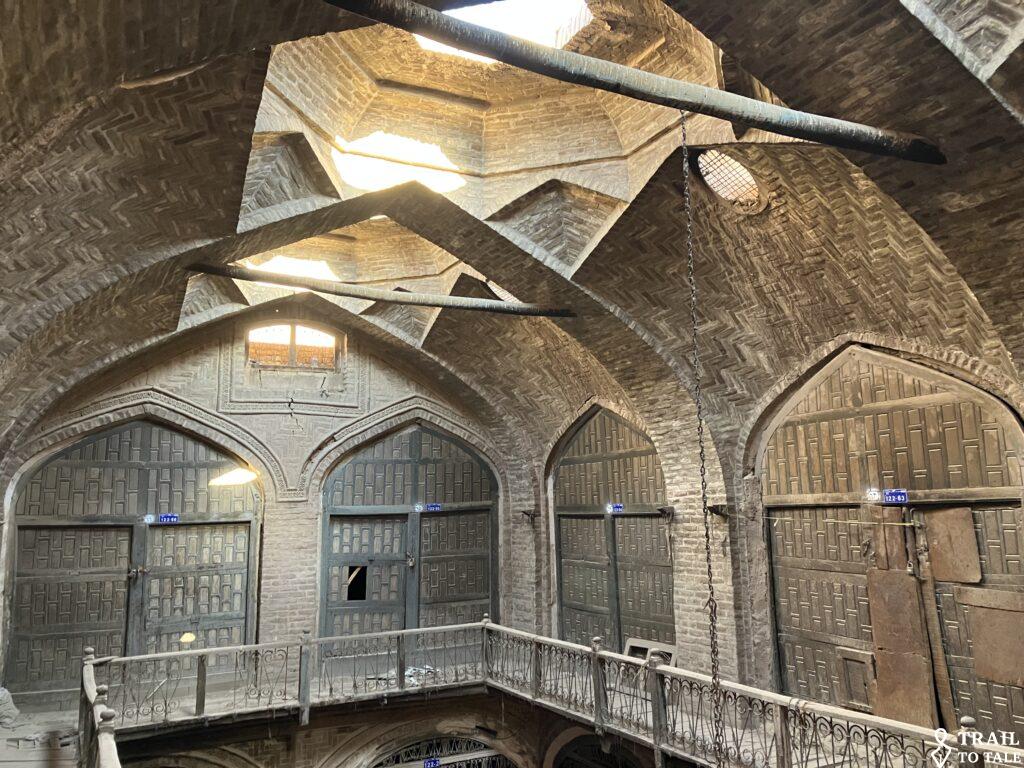
While providing shelter to many merchants over hundreds for years the old historic caravansary must have listened to numerus travel stories.
Herat has historically been a sanctuary for poets, scholars and artists. Today, it is a vital industrial and trading hub due to its proximity to the borders of Iran and Turkmenistan.
In 2021, the city was proposed for the UNESCO World Heritage List, recognizing its unique historical footprint.
Despite the ravaging effects of time and conflict, Herat remains a resilient symbol of Afghan identity and Islamic heritage.
Leave a reply
You must be logged in to post a comment.