


Qatar stands at a unique crossroads where century-old Bedouin traditions meet the ambitions of a nation racing toward the future.
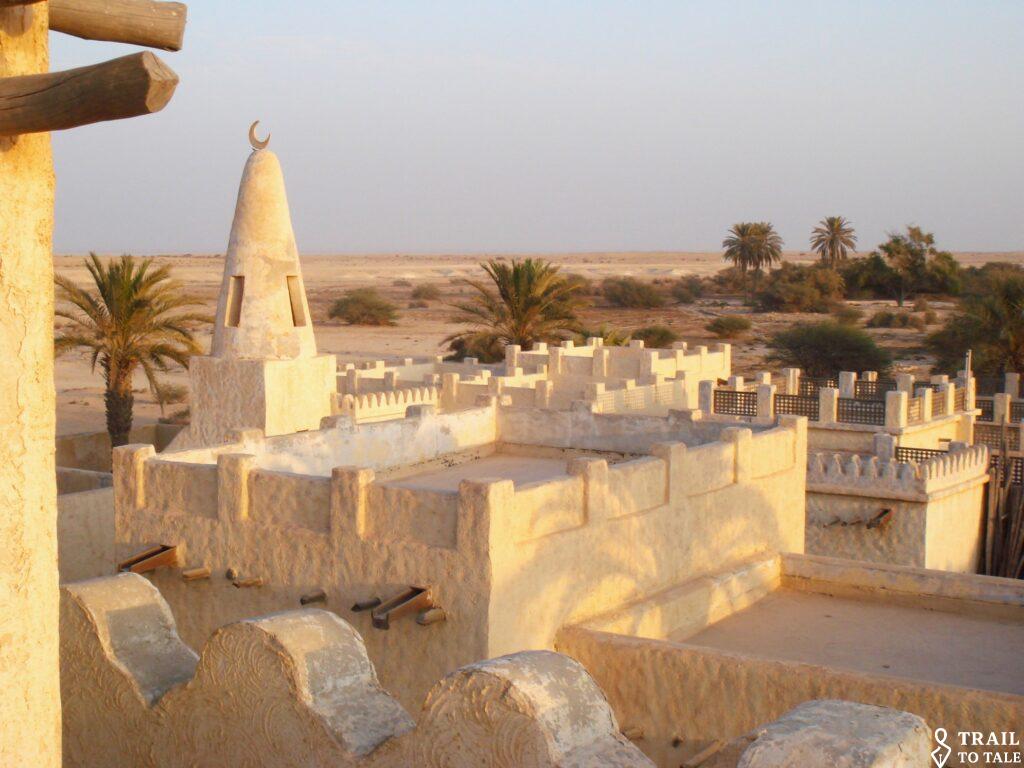
During the author’s time working in the Emirate in 2008 and 2009, this contrast was already unmistakable. In the countryside desert forts are evidence of the past.
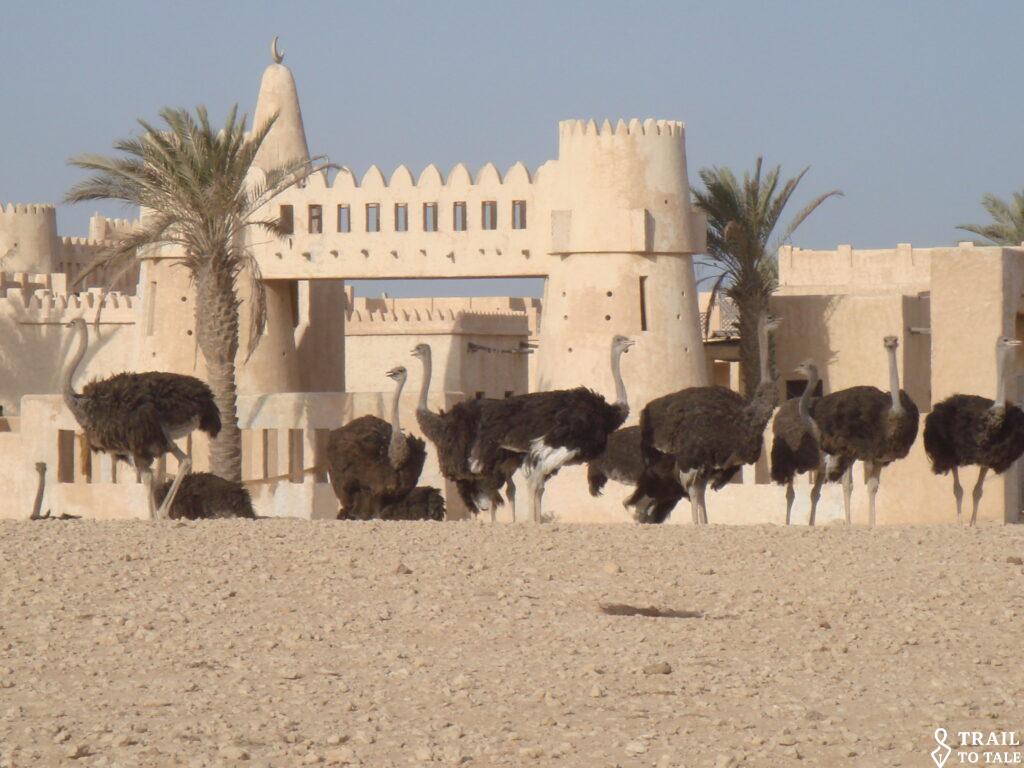
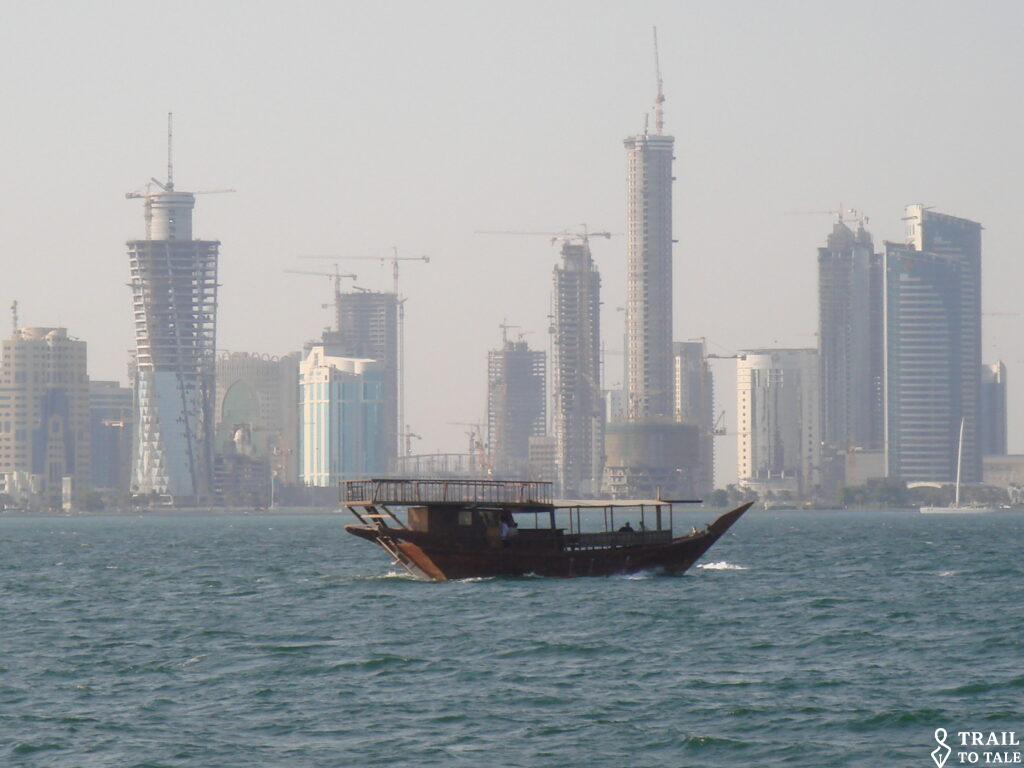
Construction cranes are tuning till late into the night in the capital.
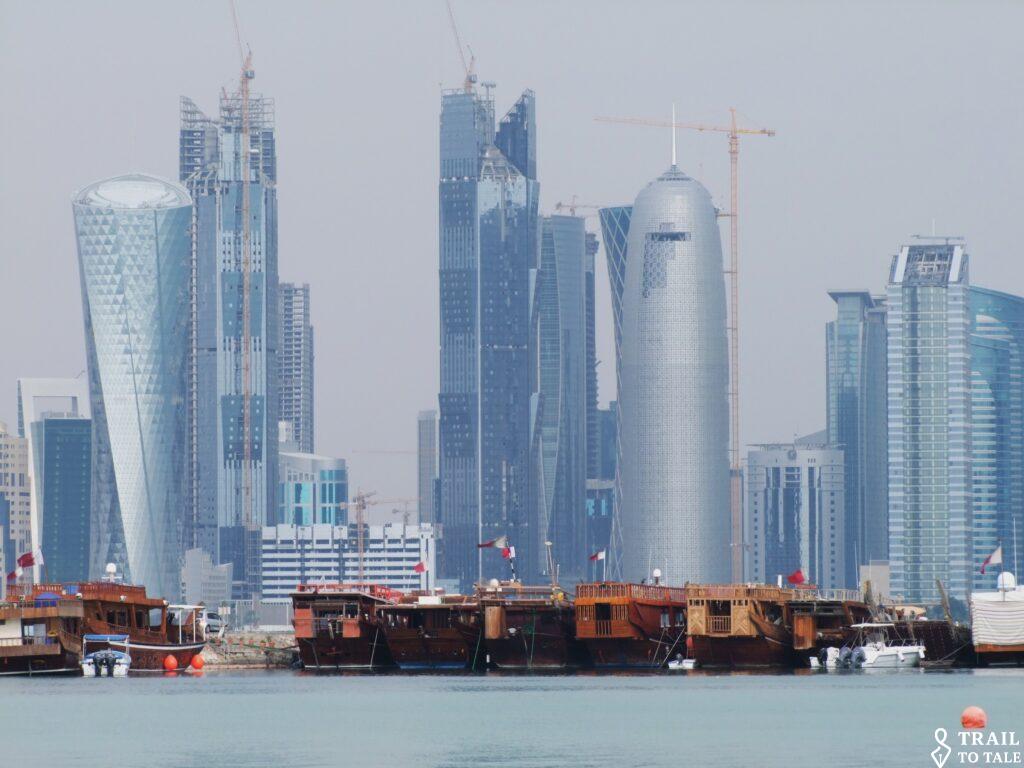
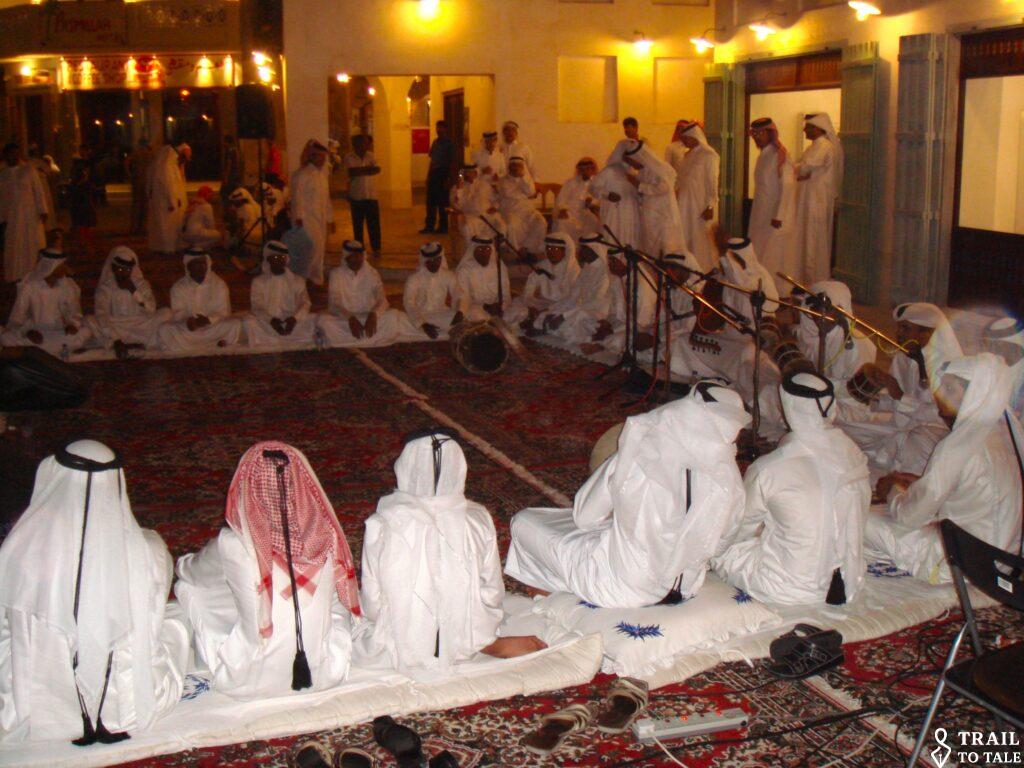
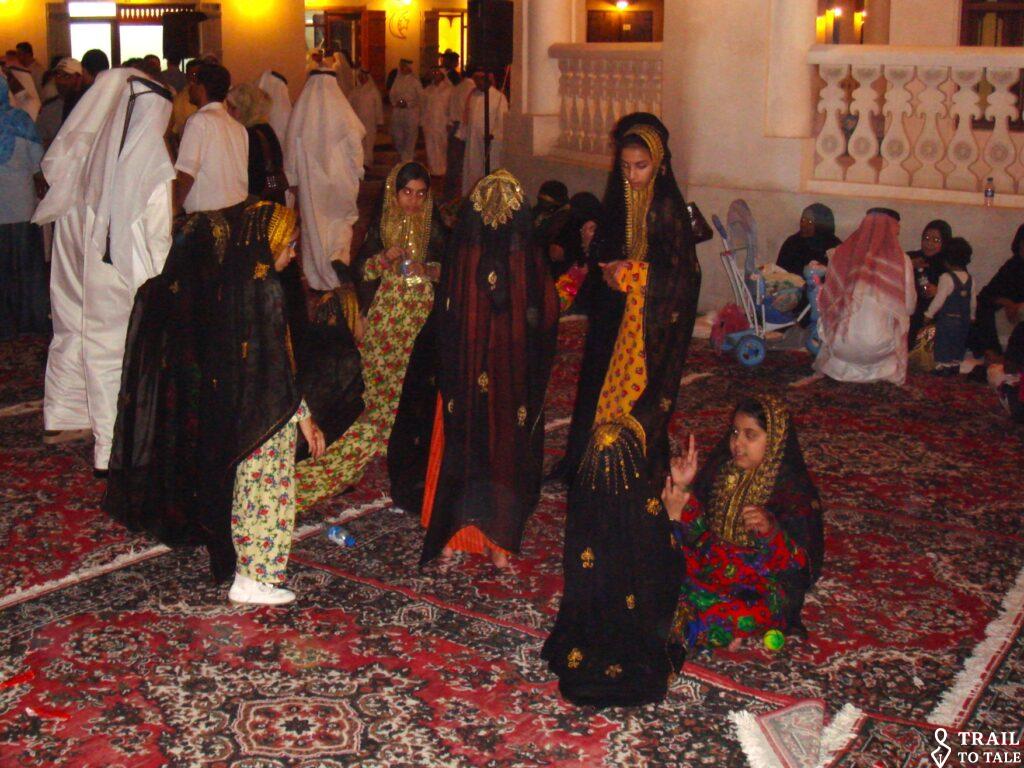
The quiet rhythm of the local souks in the evenings.
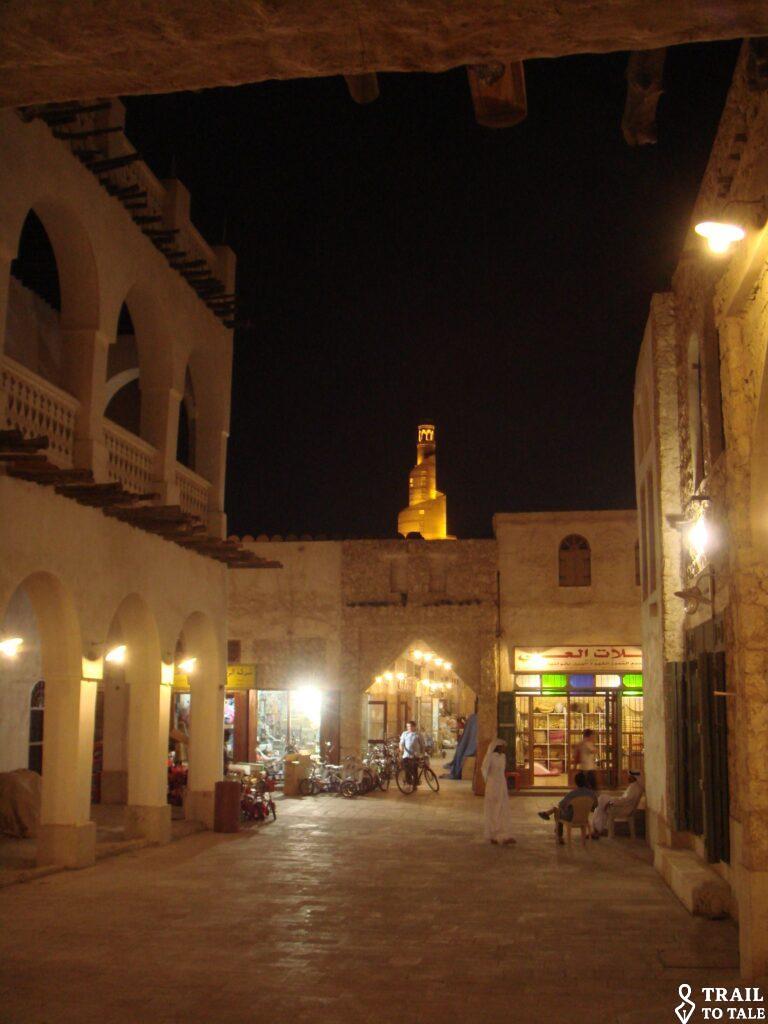
This stands in contrast to the glow of rapidly rising skyscrapers.
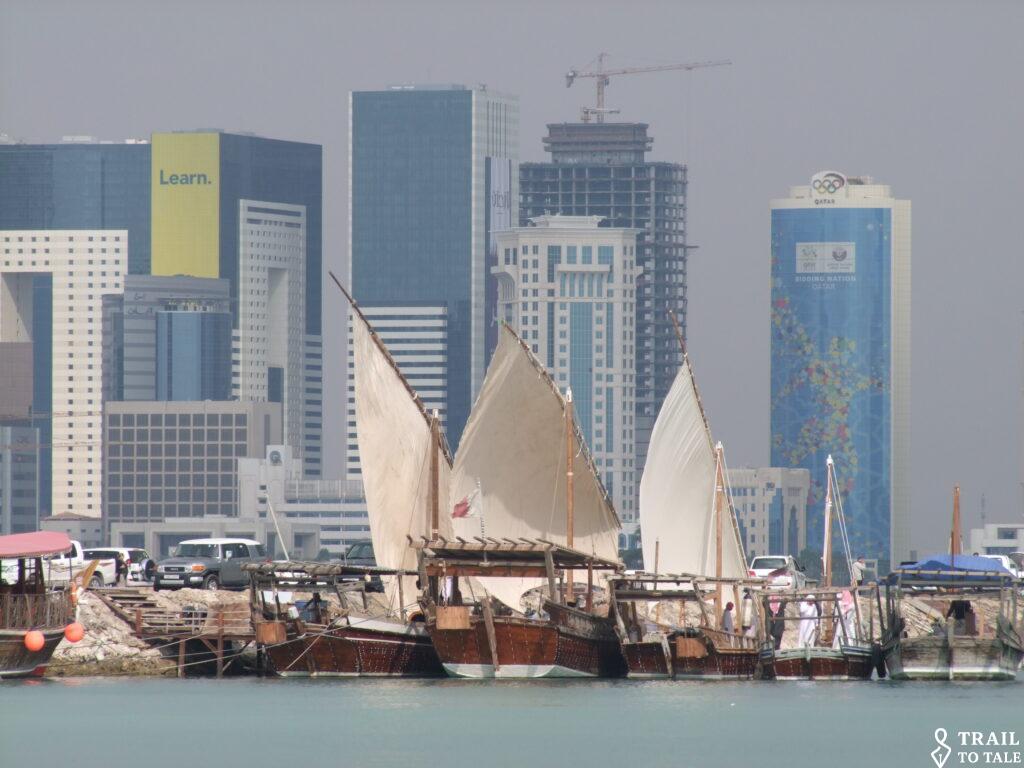
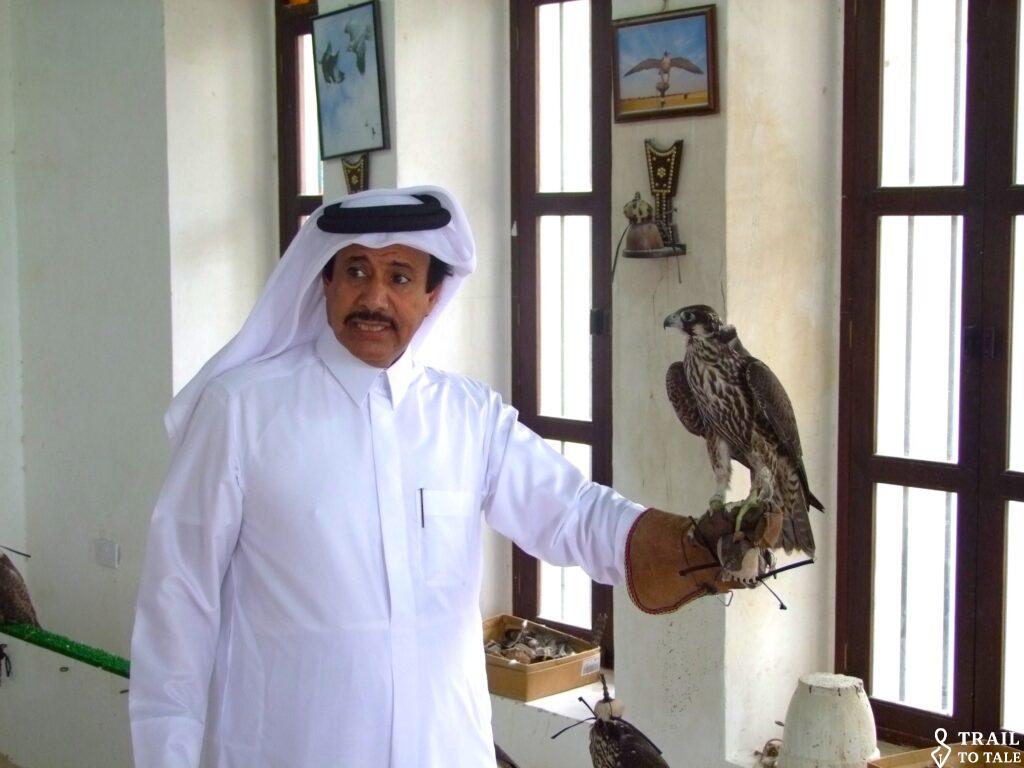
It is a place where the past and future seems to sit side by side, shaping a distinct national identity. Despite the speed of its transformation, Qatar has remained deeply committed to preserving its cultural roots. The passion of having falcons and let them fly is widely spread.
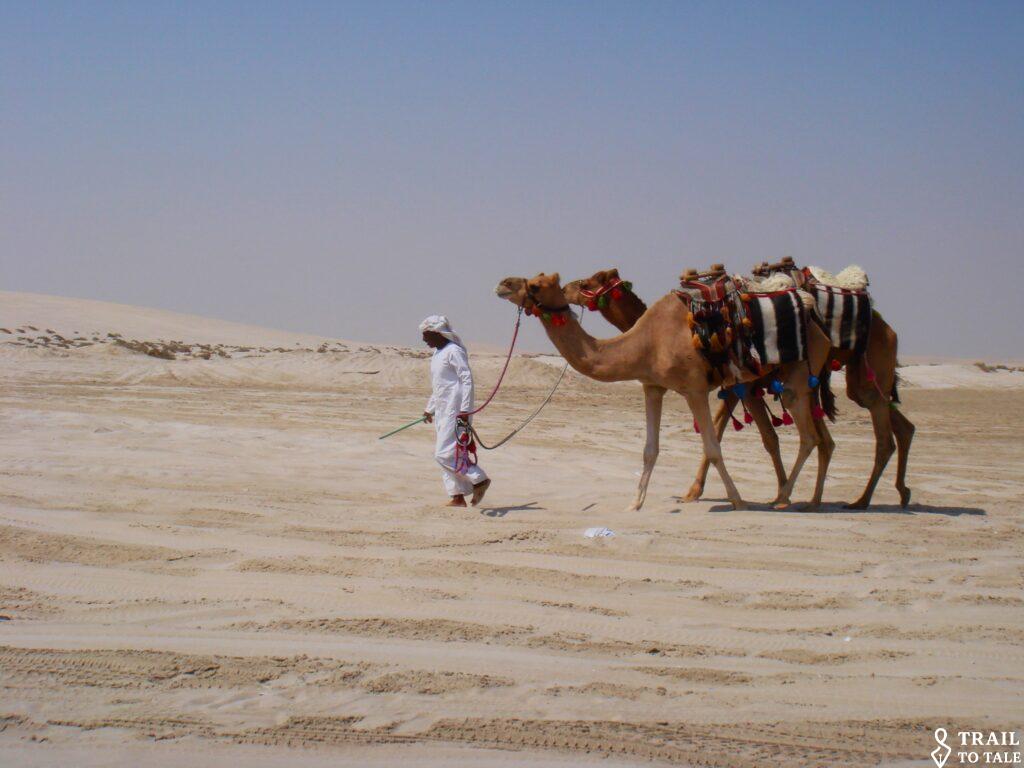
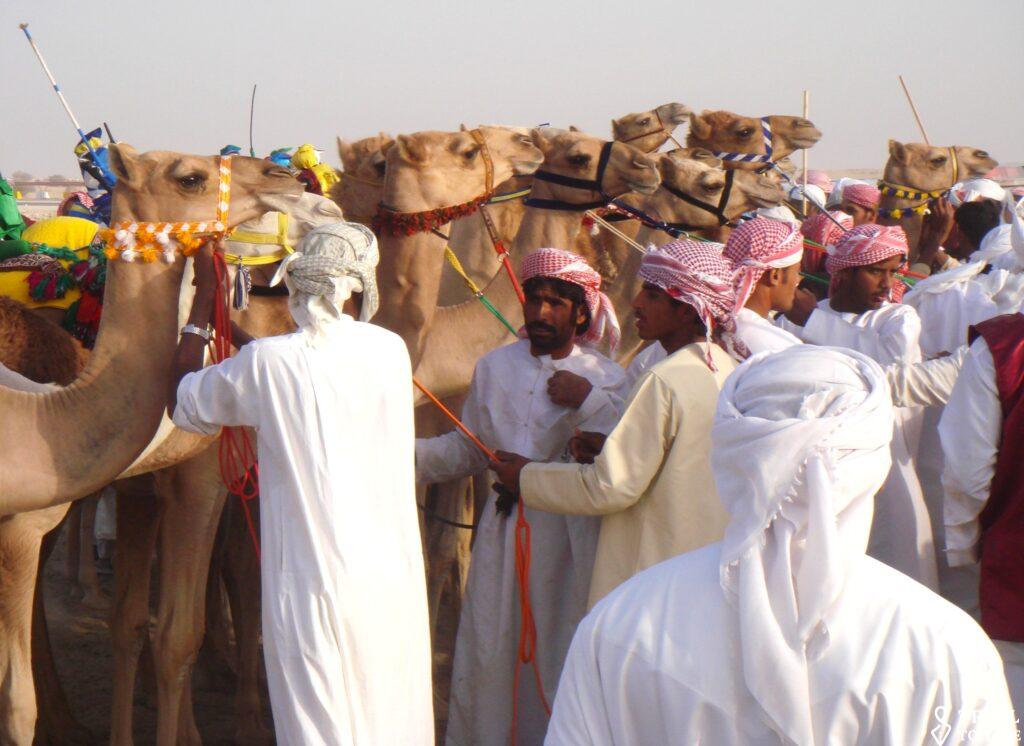
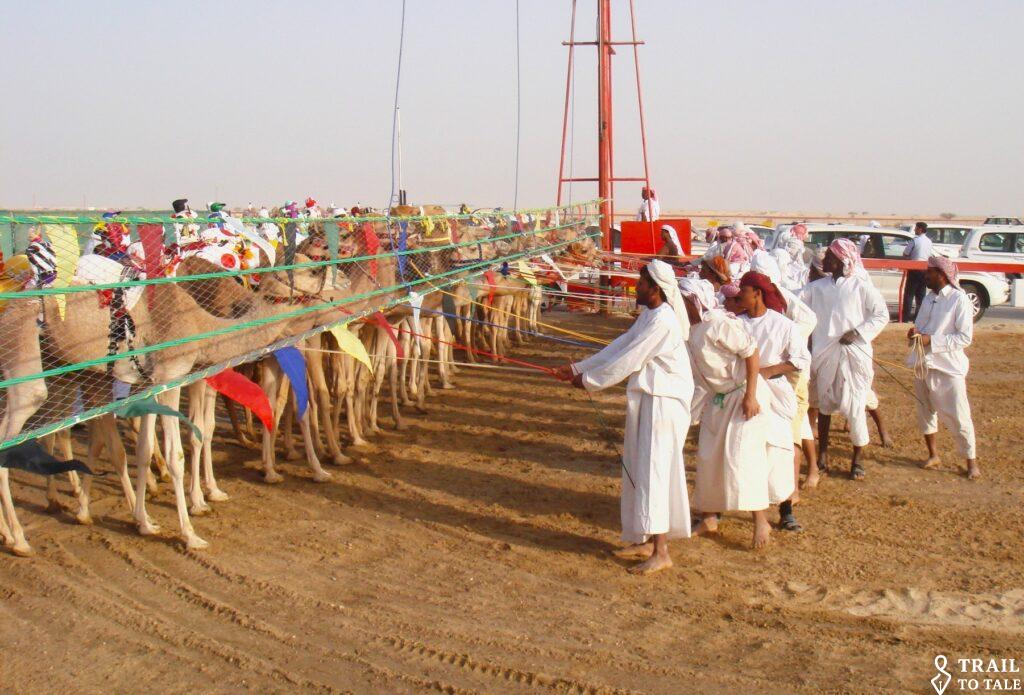
Camel racing camels remains strong in the Qatari culture.
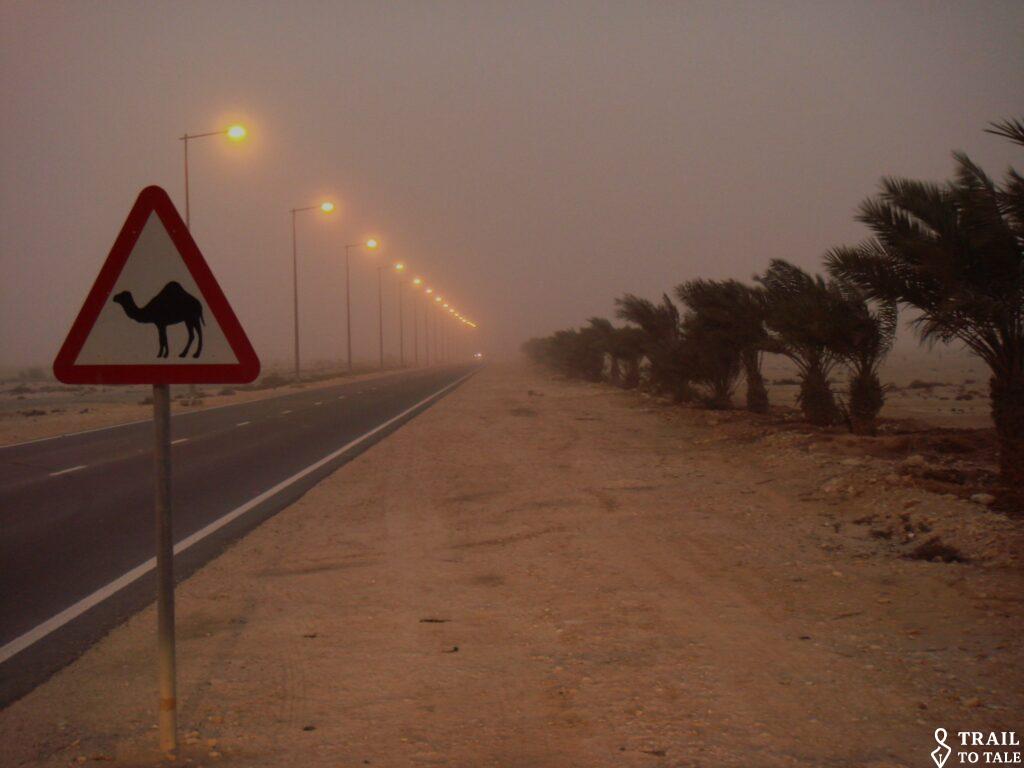
During summers the day temperatures can be very hot. From 11hrs to 16hrs working outside is almost unbearable. The evenings and nights are often the preferred working hours on the construction sites. Desert storms are not unusual.
Traditional architecture, arts, and customs continue to define the country’s character, even as it evolves into a global hub for aviation, energy, and technological innovation. This balance, between reverence for heritage and a bold vision for progress is visible in every corner of the capital.
Sports, too, have played a significant role in the nation’s global identity. By hosting an increasing number of international competitions, Qatar positioned itself as a destination for the world’s top athletes and fans.
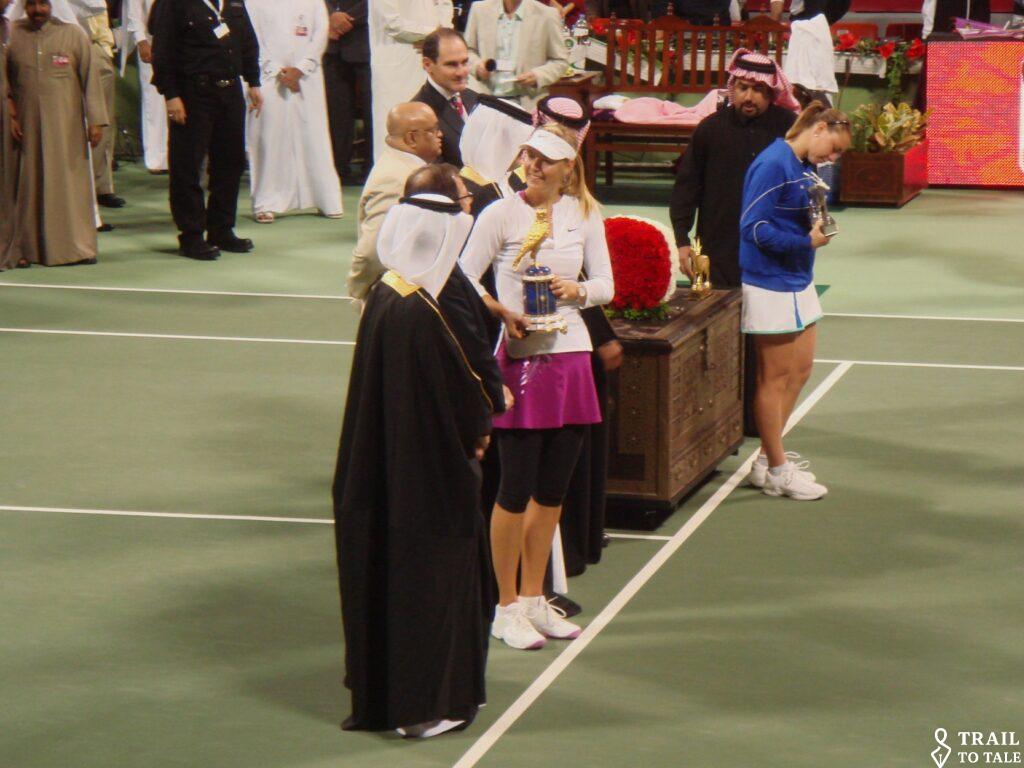
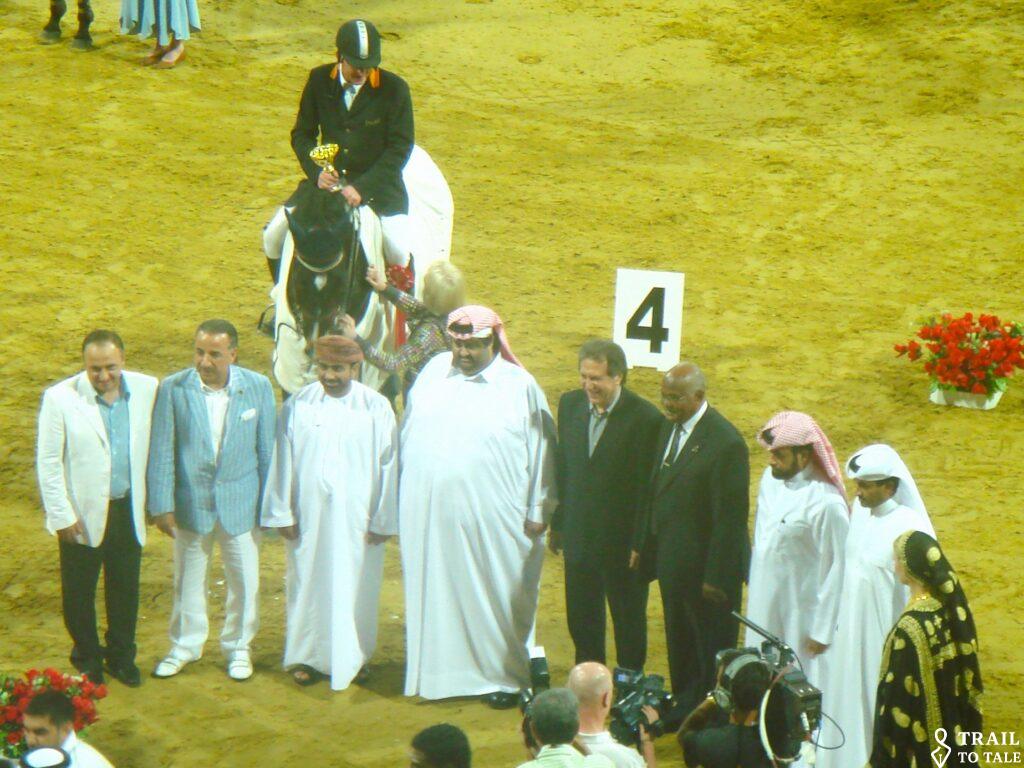

This journey culminated in its successful bid to host the FIFA World Cup in 2022, the first ever held in the Arab world, an achievement that carried both sporting significance and profound cultural pride. Qatar’s story is ultimately one of balance: a nation weaving its past into its future hoping that rapid progress does not overshadow the traditions that shaped its people.
Leave a reply
You must be logged in to post a comment.