


The Shwedagon Pagoda is not only a breathtaking architectural masterpiece but also a deeply spiritual and historically significant symbol for Myanmar.
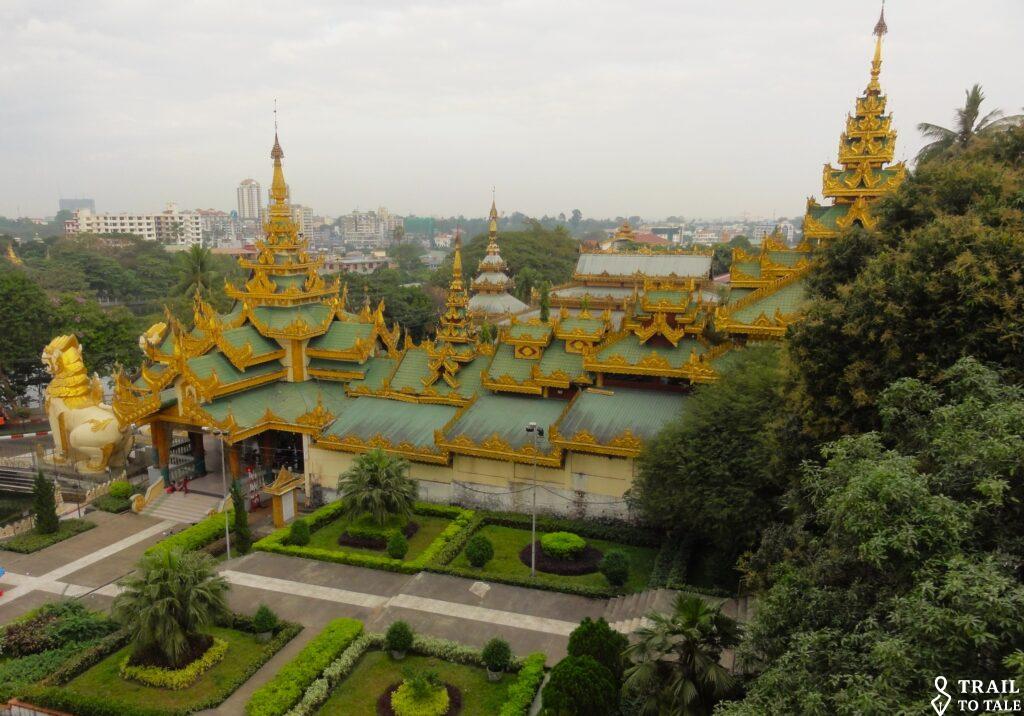
Located on Singuttara Hill in Yangon it is the country’s most sacred Buddhist monument.
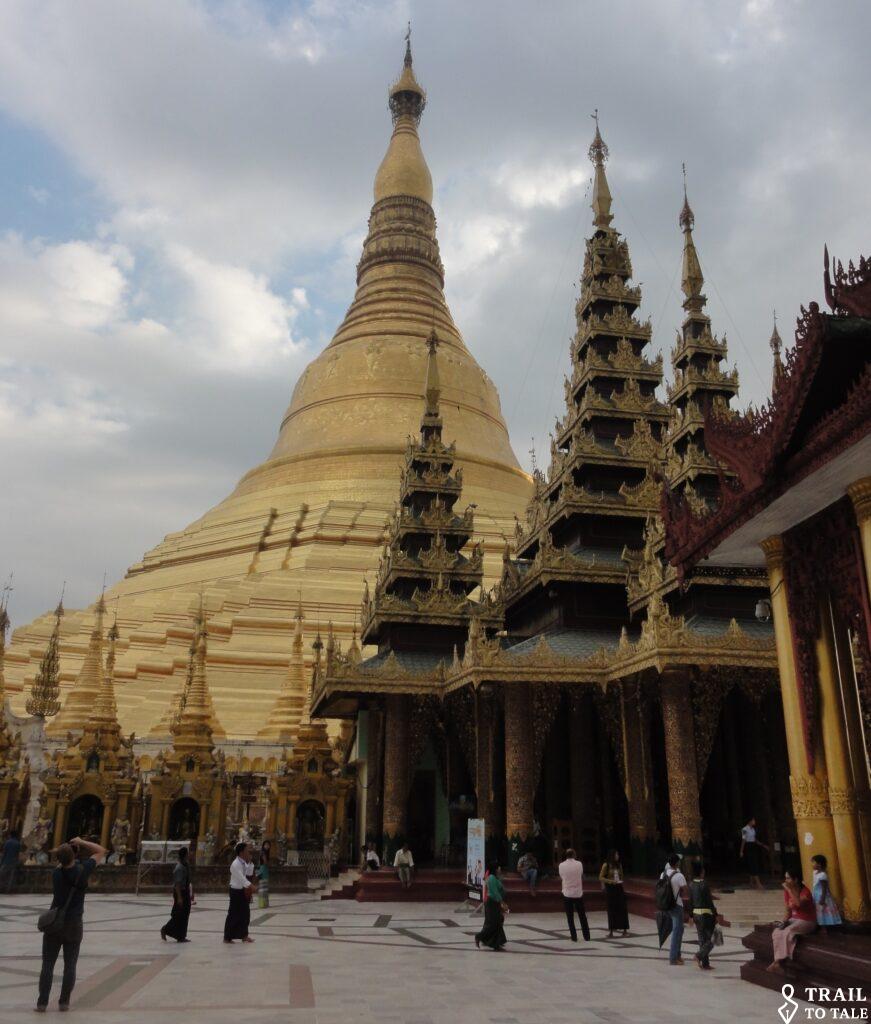
According to local legend, it was built more than 2,500 years ago, during the time of the Buddha, however, historians and archaeologists believe the current structure was first built by the Mon people between the 6th and 10th centuries AD. The first recorded mention in royal chronicles is around 1362/63 CE, when King Binnya U raised a stupa there.
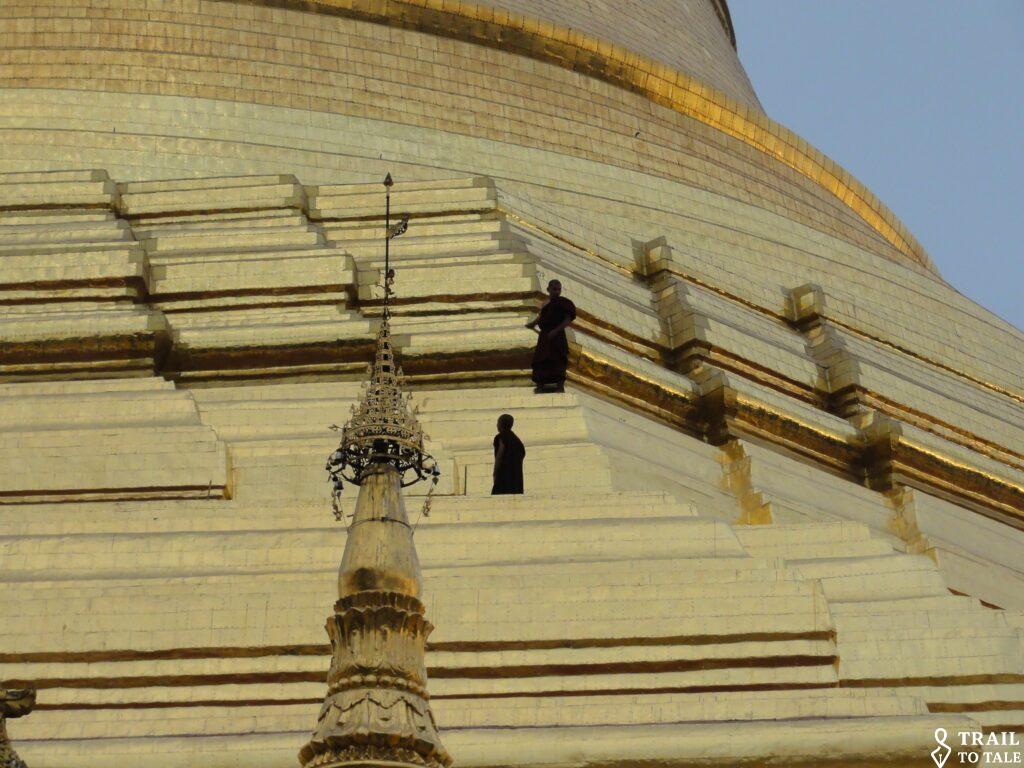
Standing about 99 meters tall, the stupa is gilded with real gold plates and topped with a “diamond bud” encrusted with thousands of gemstones.
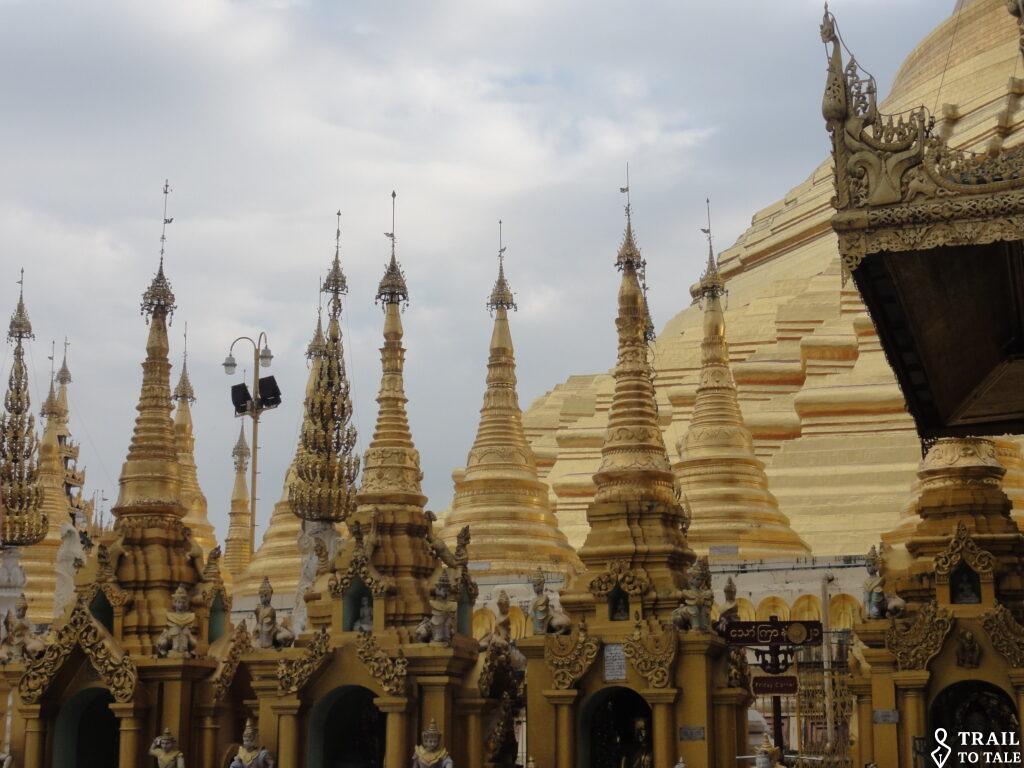
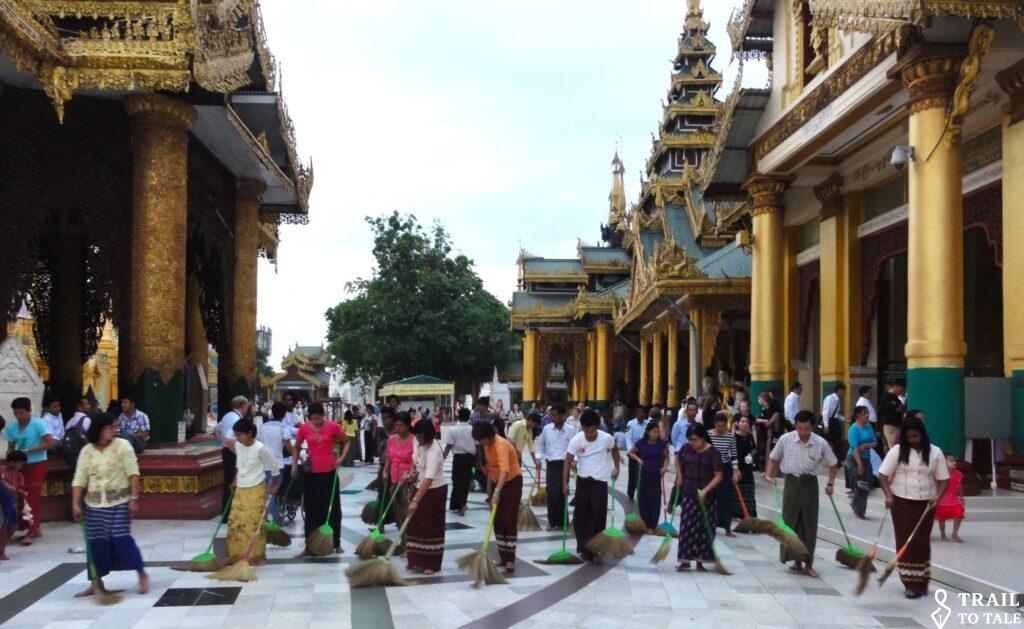
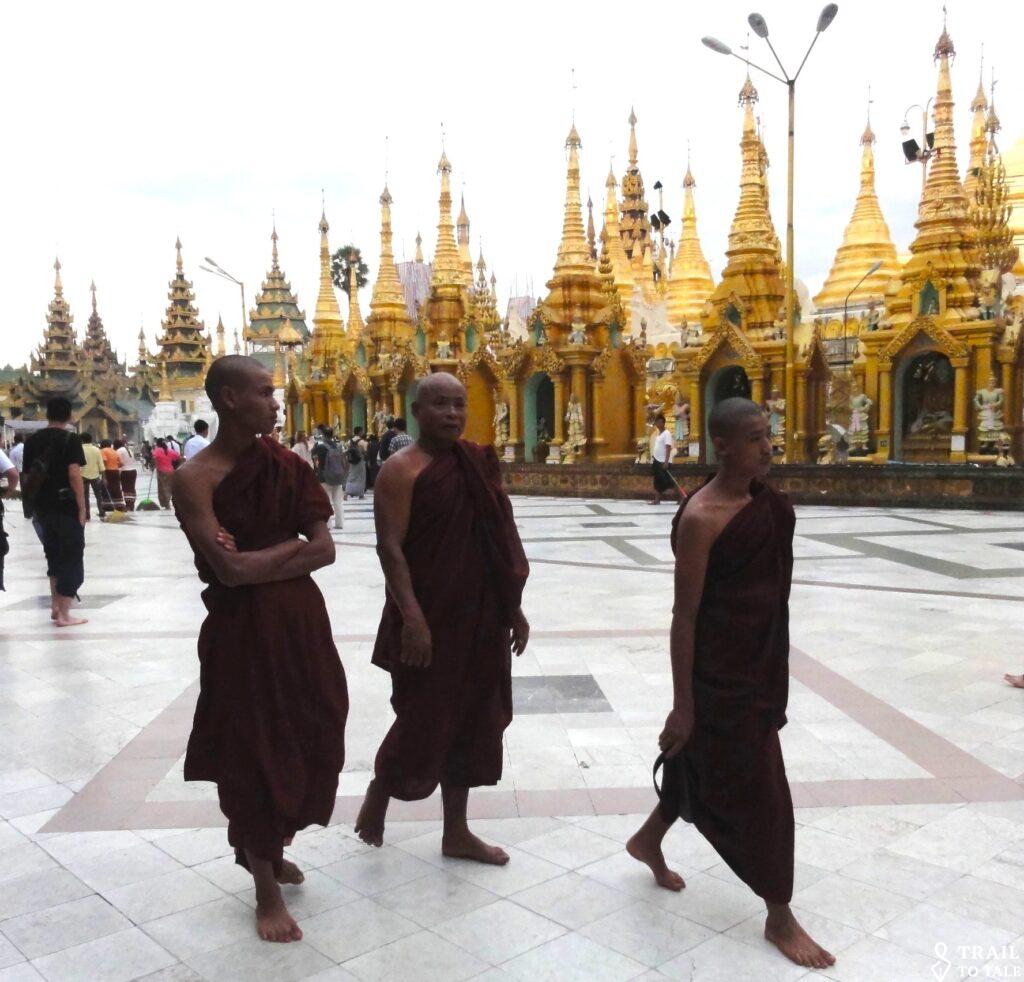
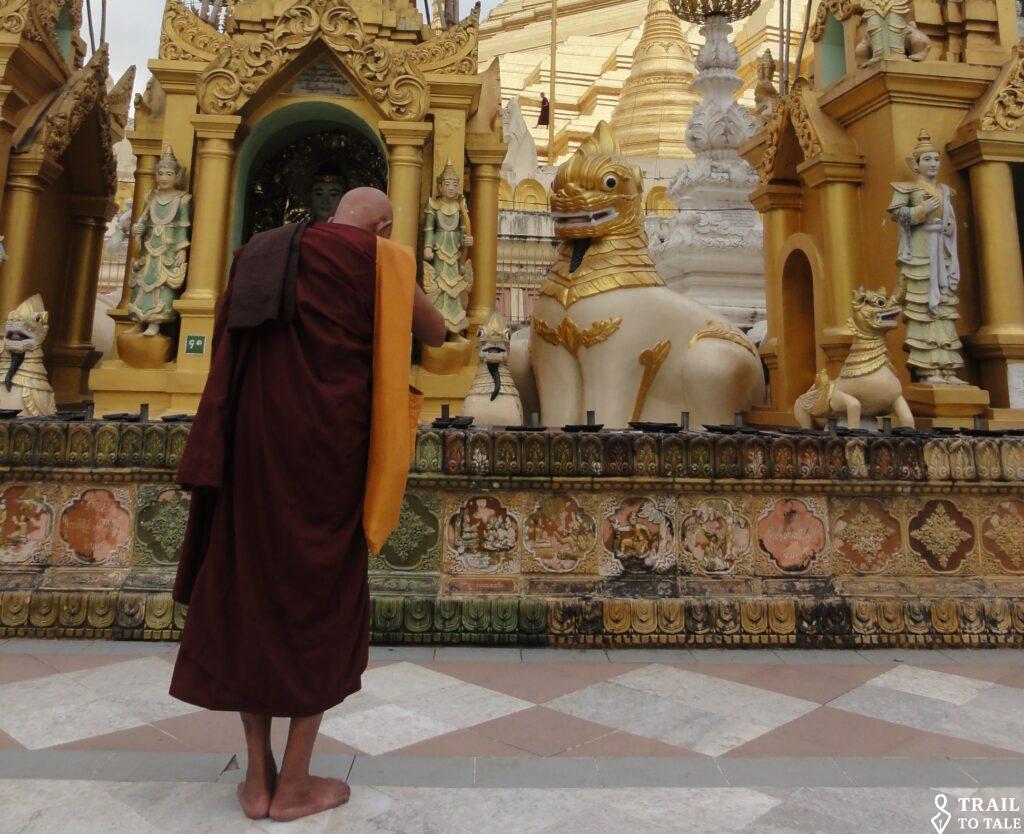
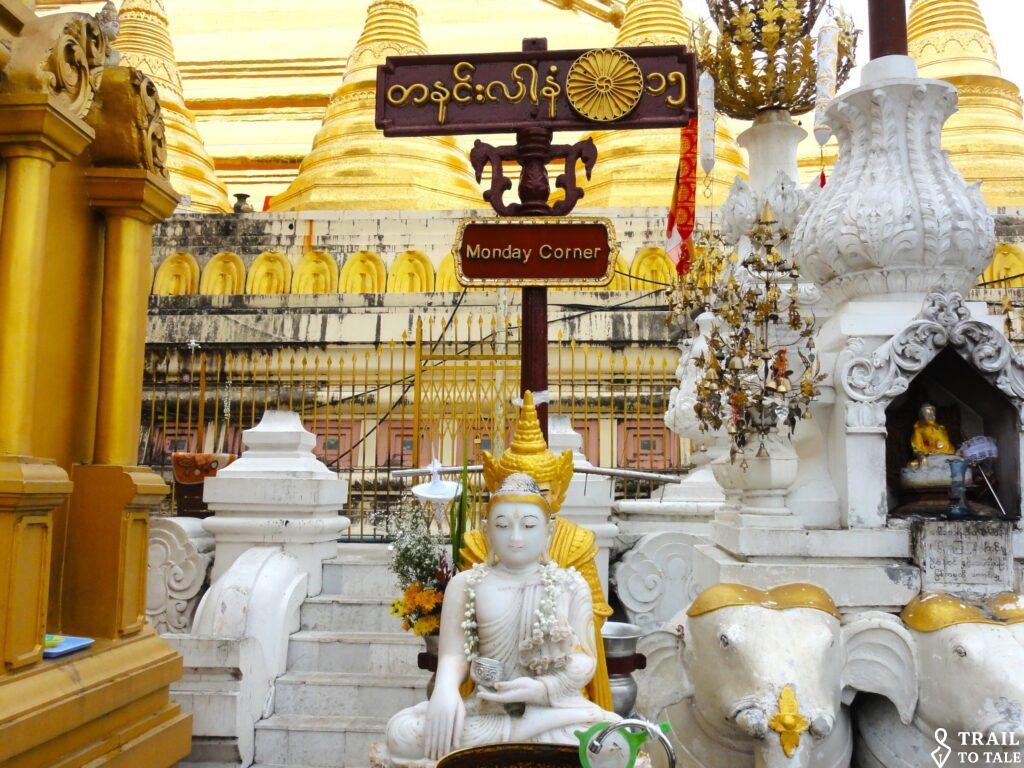
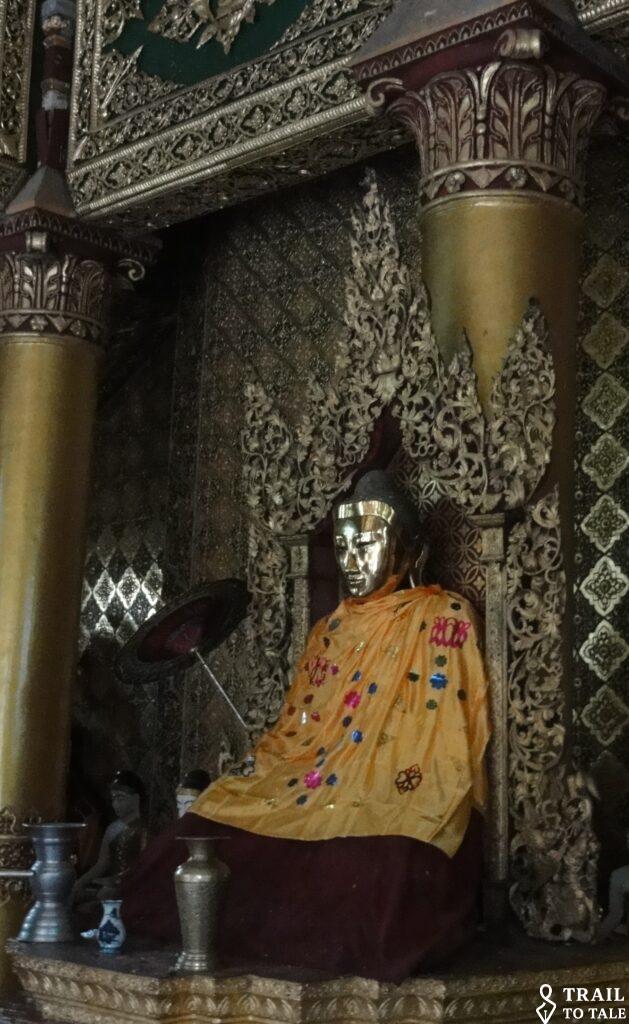
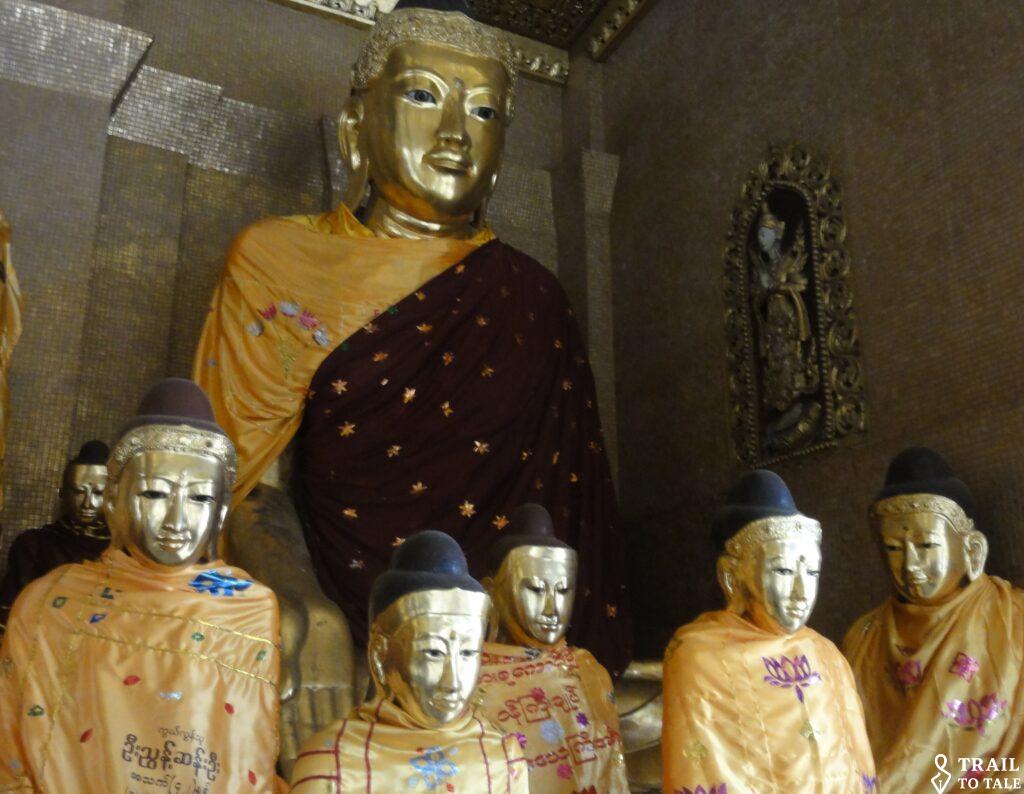
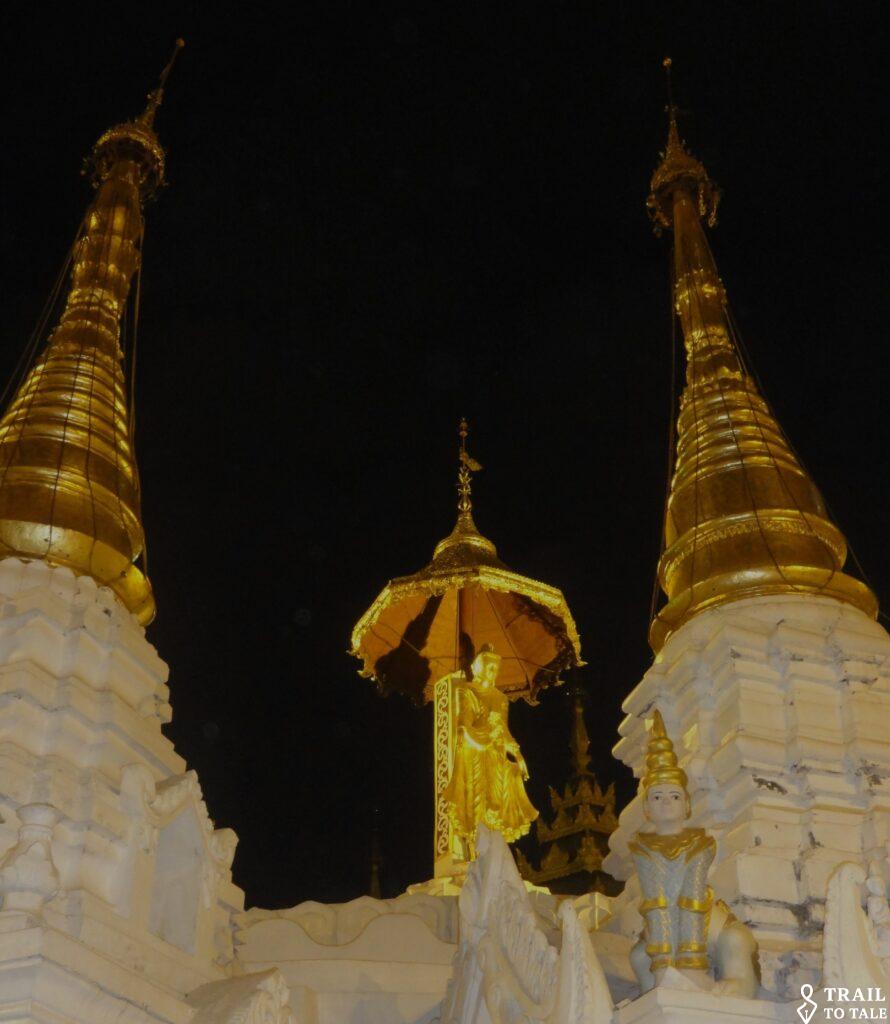
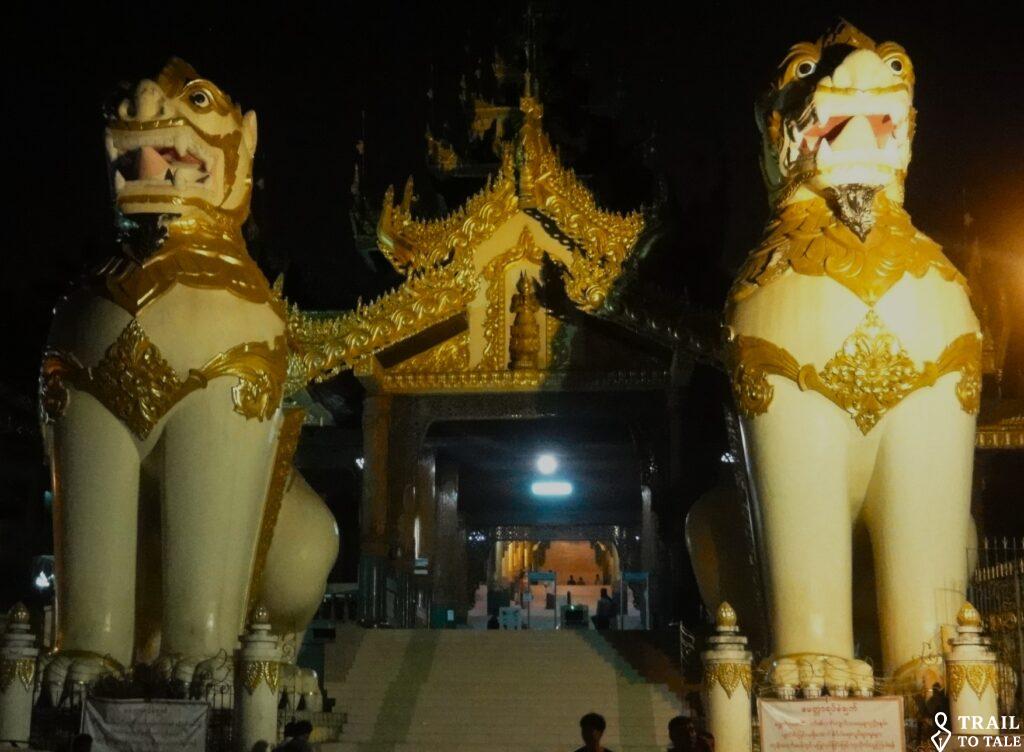
Architecturally, the complex includes many smaller shrines, planetary posts aligned to Burmese astrology, and a network of terraces and walkways for pilgrims.
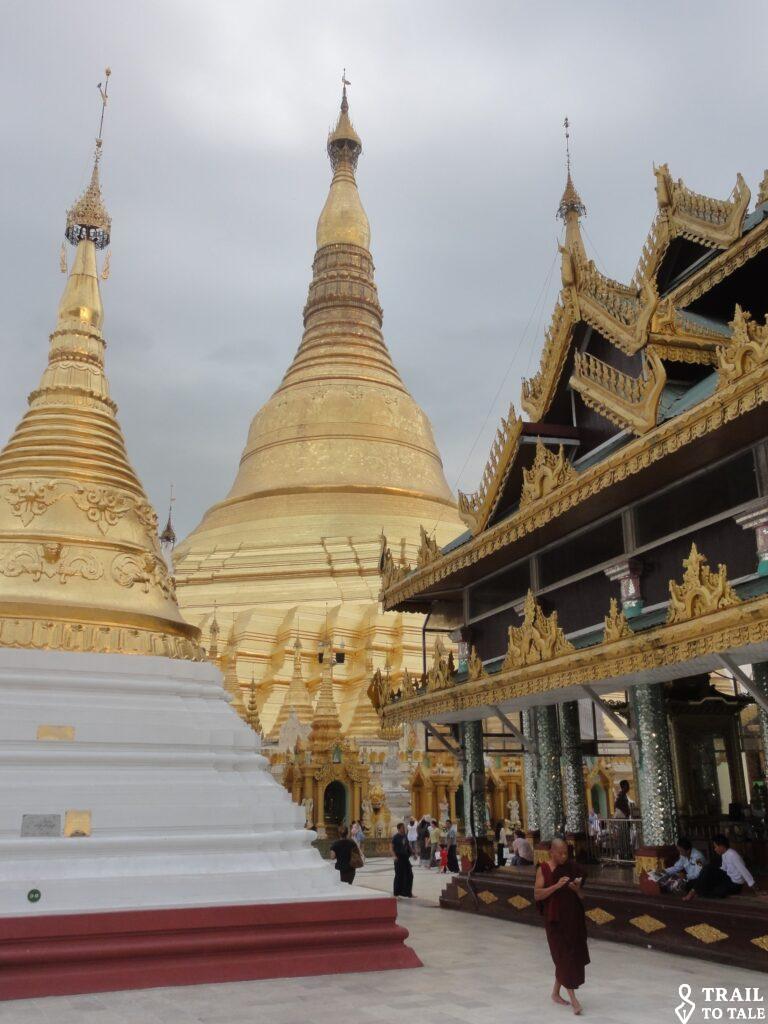
Legend holds that it enshrines relics from four past Buddhas, including eight strands of hair from Gautama Buddha.
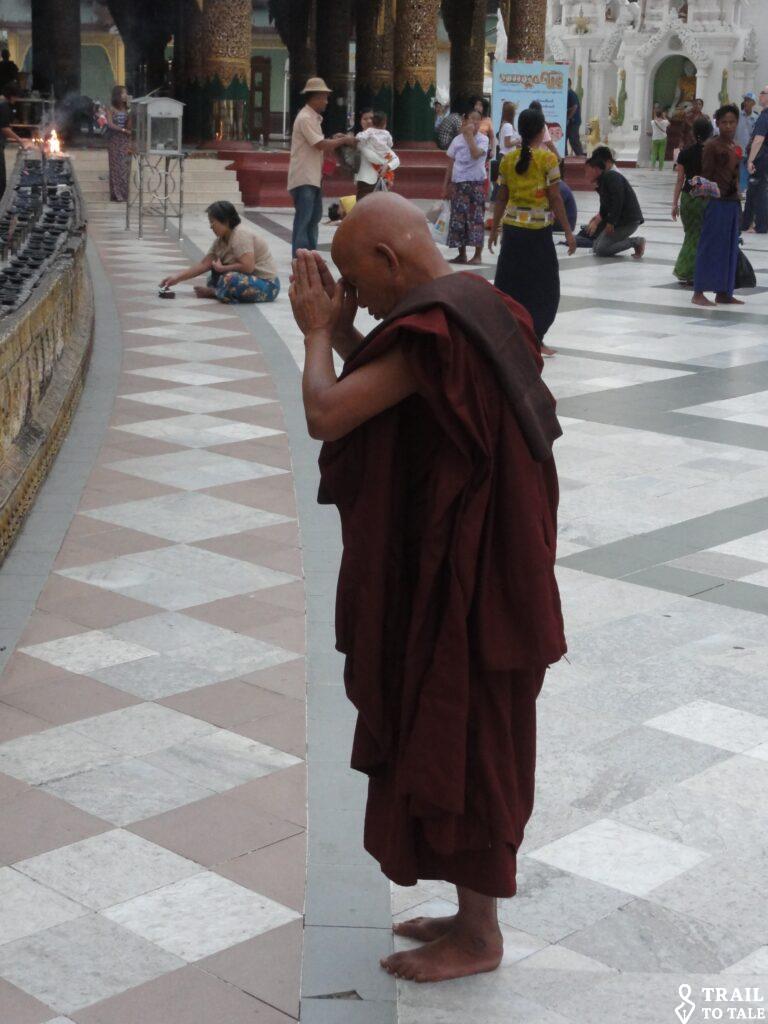
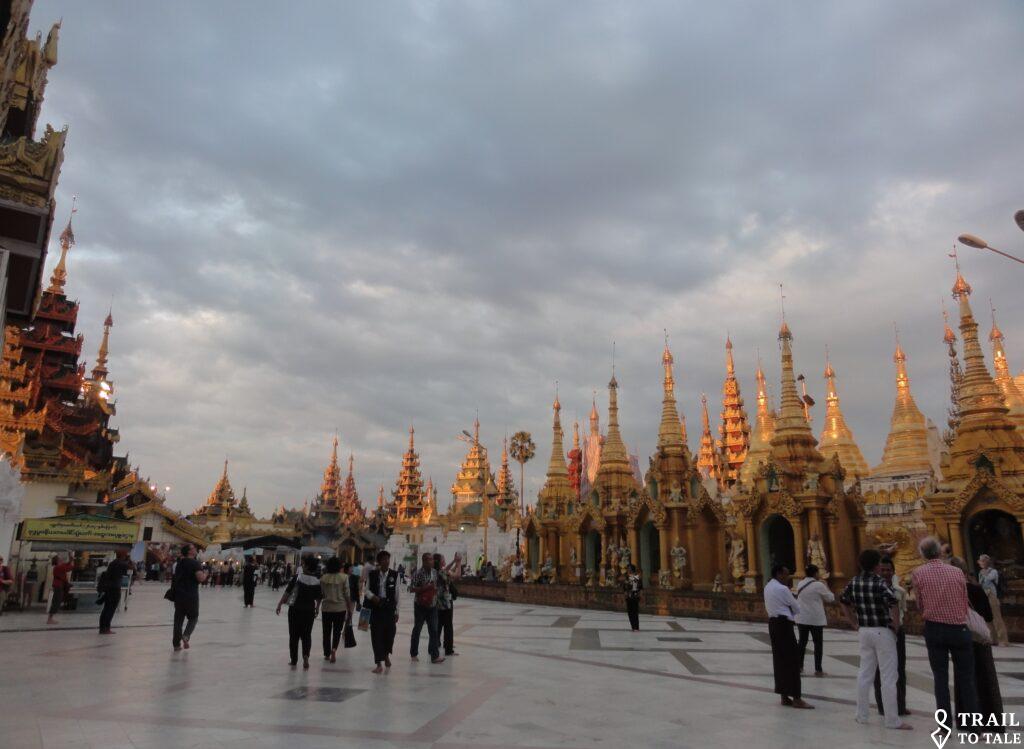
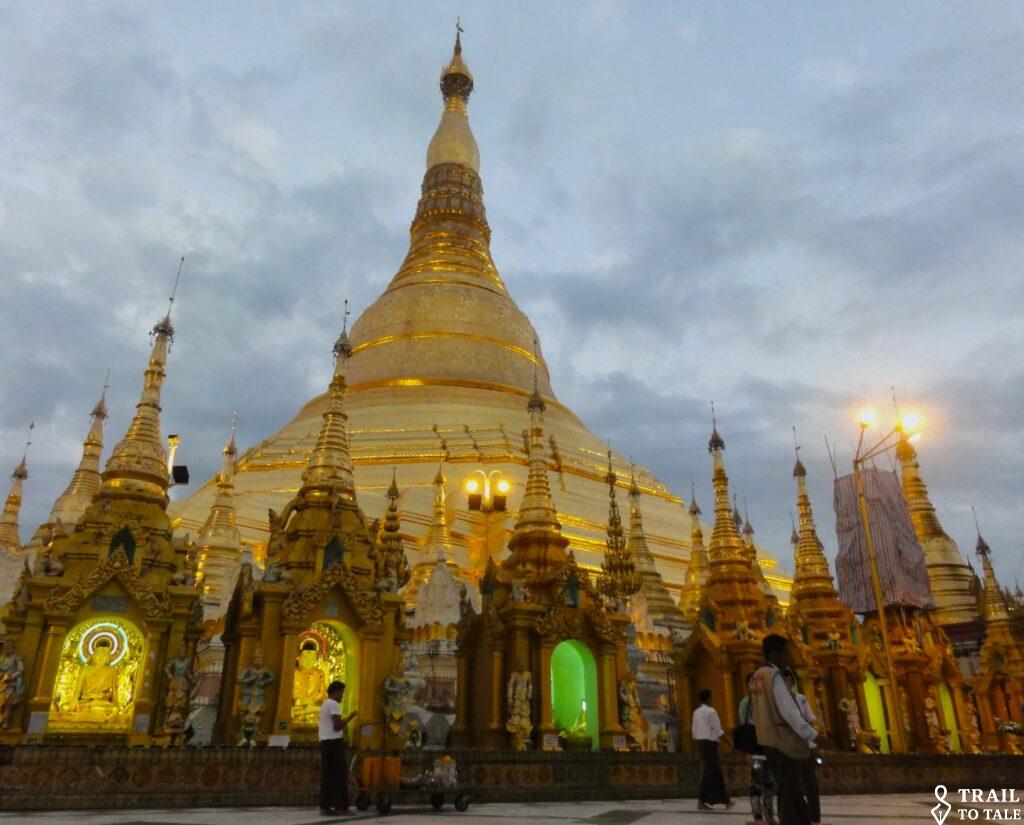
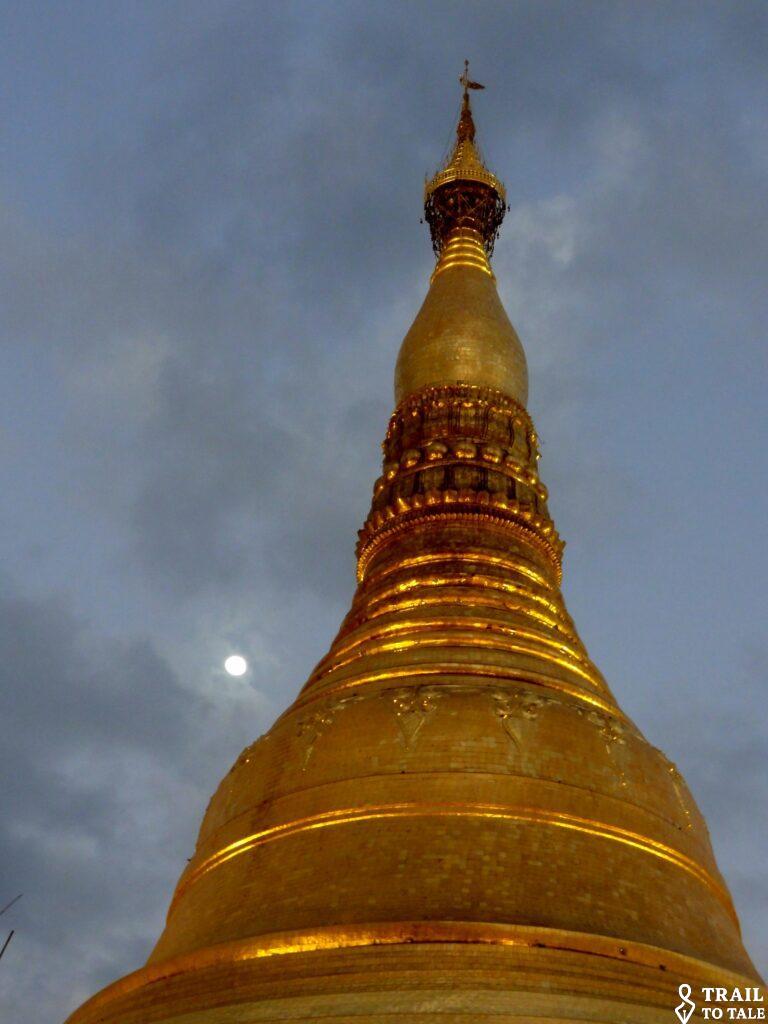
Beyond its religious importance, the pagoda has also played a political role: it was a focal point during Myanmar’s colonial era and later became a symbol of national identity and resistance.

Leave a reply
You must be logged in to post a comment.