

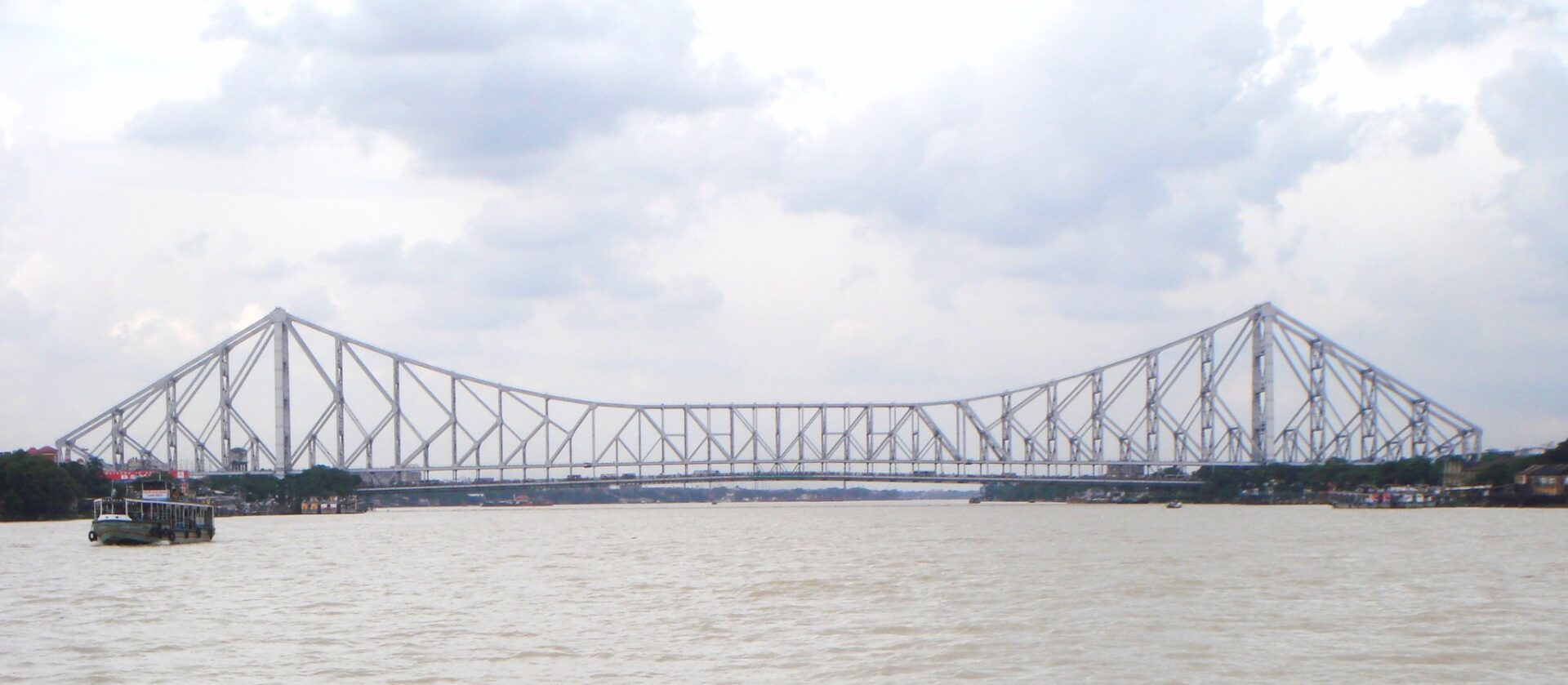
Kolkata – also addressed as the ‘City of Joy’.
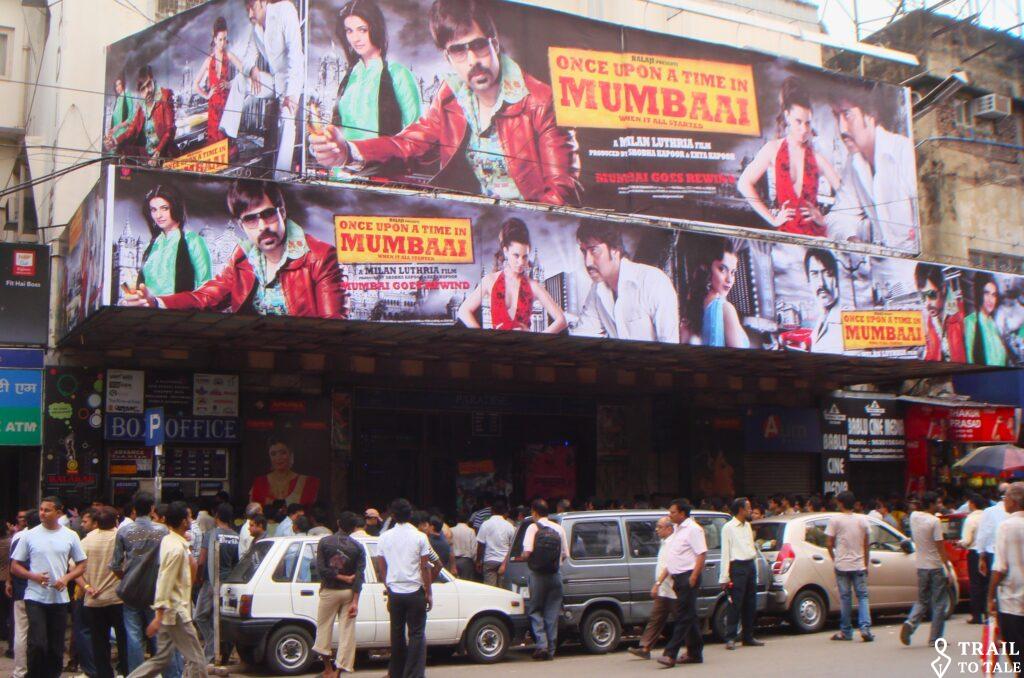
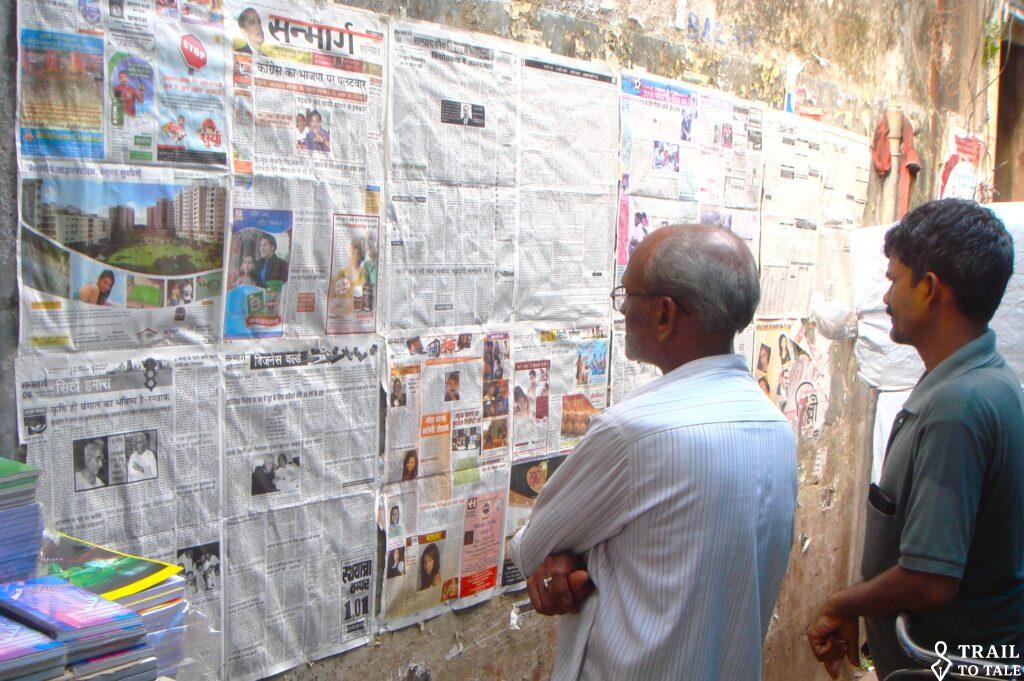
With the seat of government now in New Delhi, the economic powerhouse in Mumbai, and the tech capital in Bangalore, Kolkata—capital of India’s largest state, West Bengal—still considers itself the cultural heart of the subcontinent. Less flashy than Bollywood, its film and music scenes (often in the local Bengali language, also spoken in neighboring Bangladesh) remain vibrant. Traditional arts—dance, poetry, literature—are not only preserved here, but deeply woven into daily life.
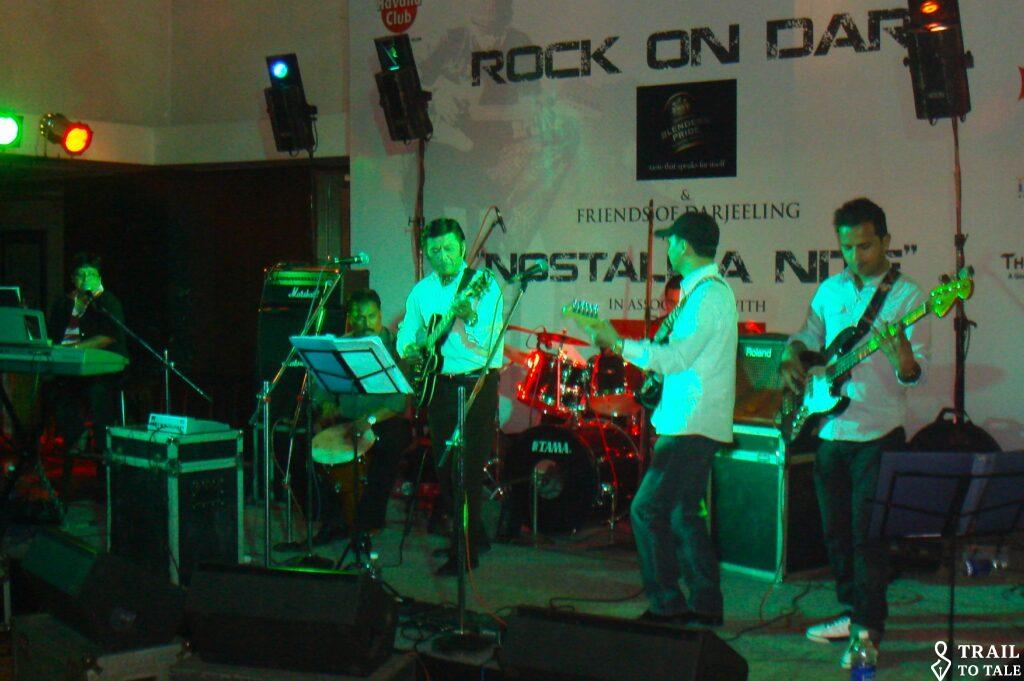
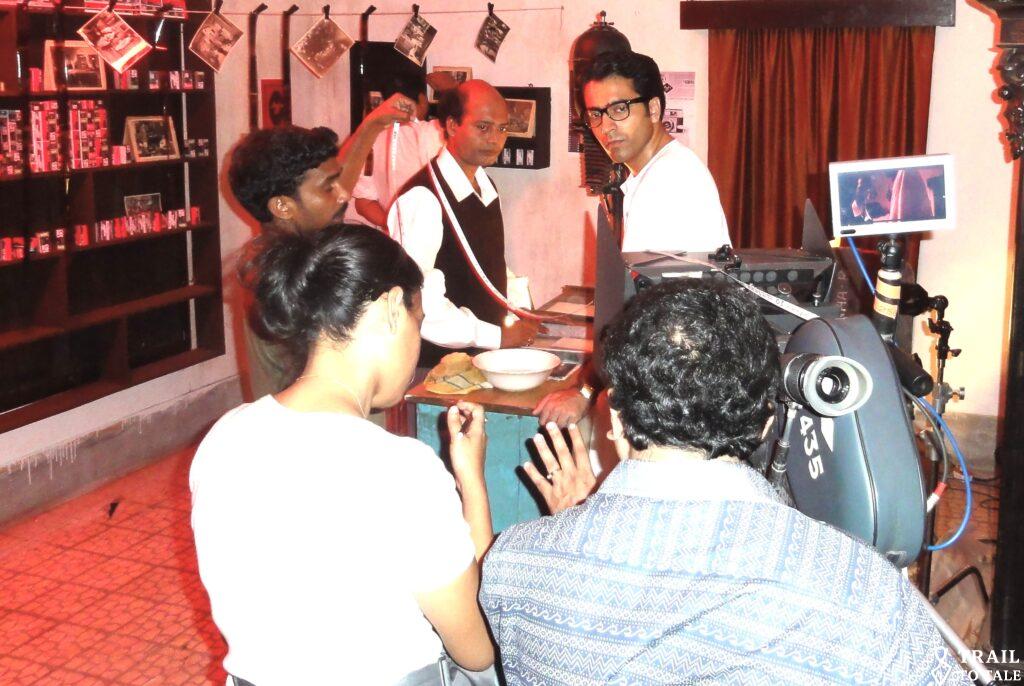
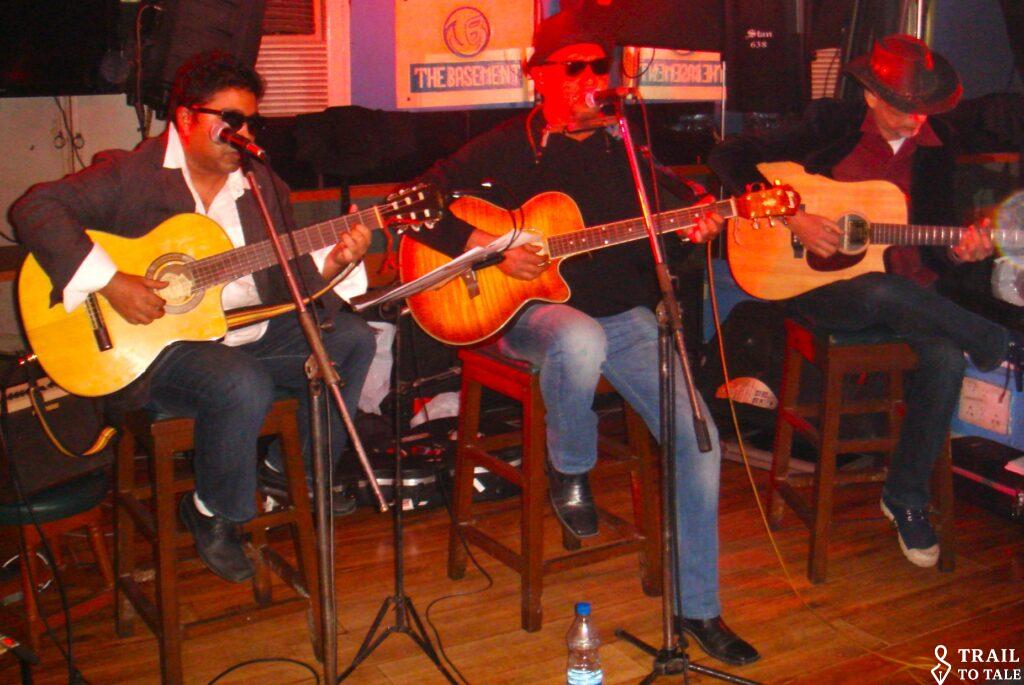
Local artist Anjan Dutt, who learned his craft in Berlin, is one of Kolkata’s many multitalented creatives. A respected figure in the Bengali arts scene, he not only acts and directs films but also tours internationally with his band, the D-Trio.
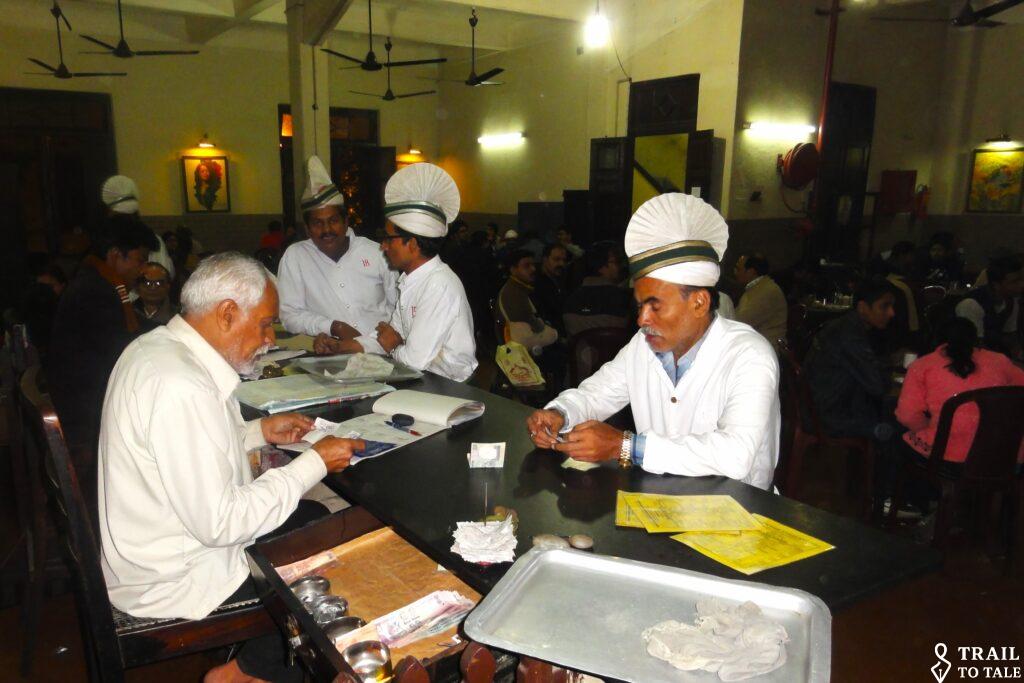
At ‘Indian Coffee House’ on Book Street, where waiters still serve in traditional attire, you’ll find one of the city’s best spots to encounter thinkers, writers, and artists.
Today’s iconic landmarks in Kolkata dated back to the days ‘under the British’. They include:
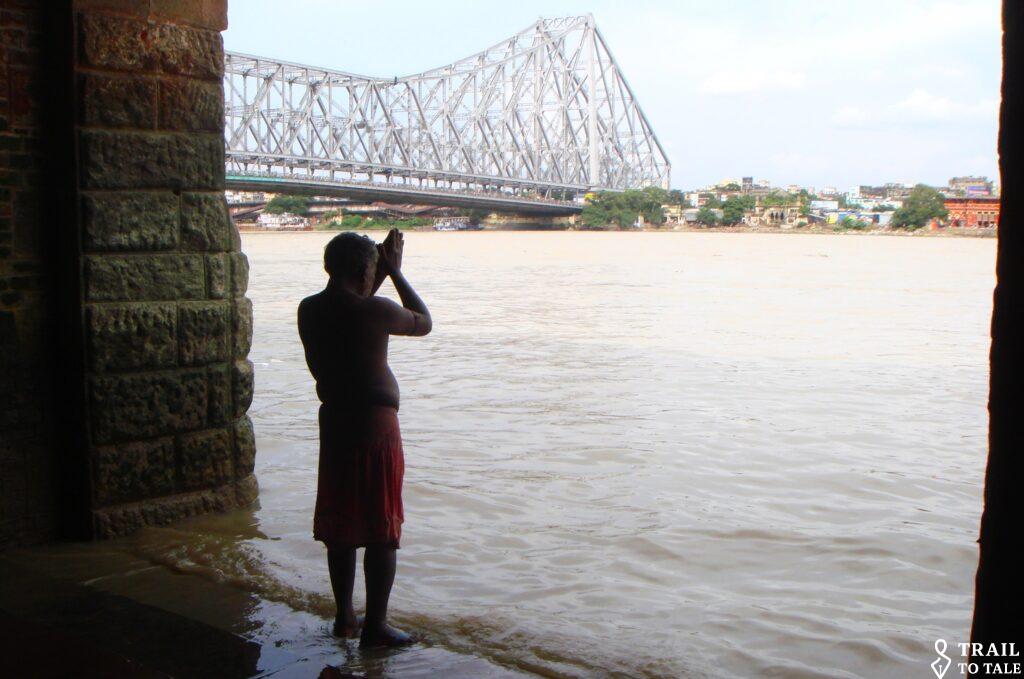
The Howrah Bridge, a massive steel structure spanning the Hooghly (Ganges) River, is one of the longest cantilever bridges in the world with a length of 705 m. It was opened in 1943.
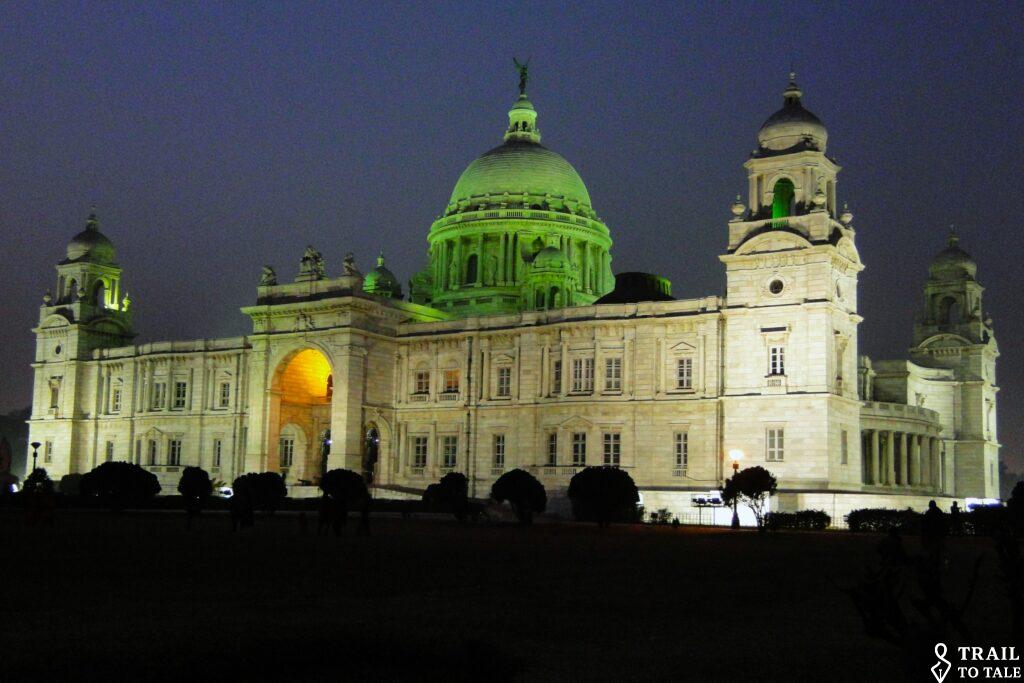
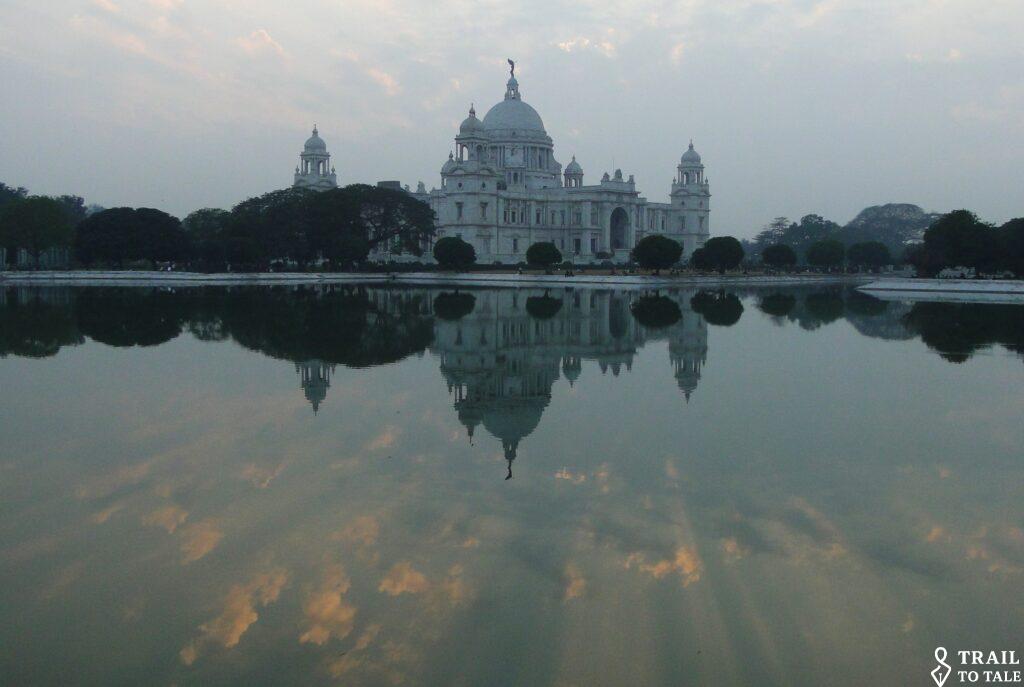
Queen Victoria Monument, a majestic white marble structure in Italian Renaissance style, beautifully blended with Indian influences – dates back to 1921.
St. Paul’s Cathedral, an Anglican church known for its Gothic architecture, was the first newly built cathedral in the British Empire’s overseas territories and was consecrated in 1847.
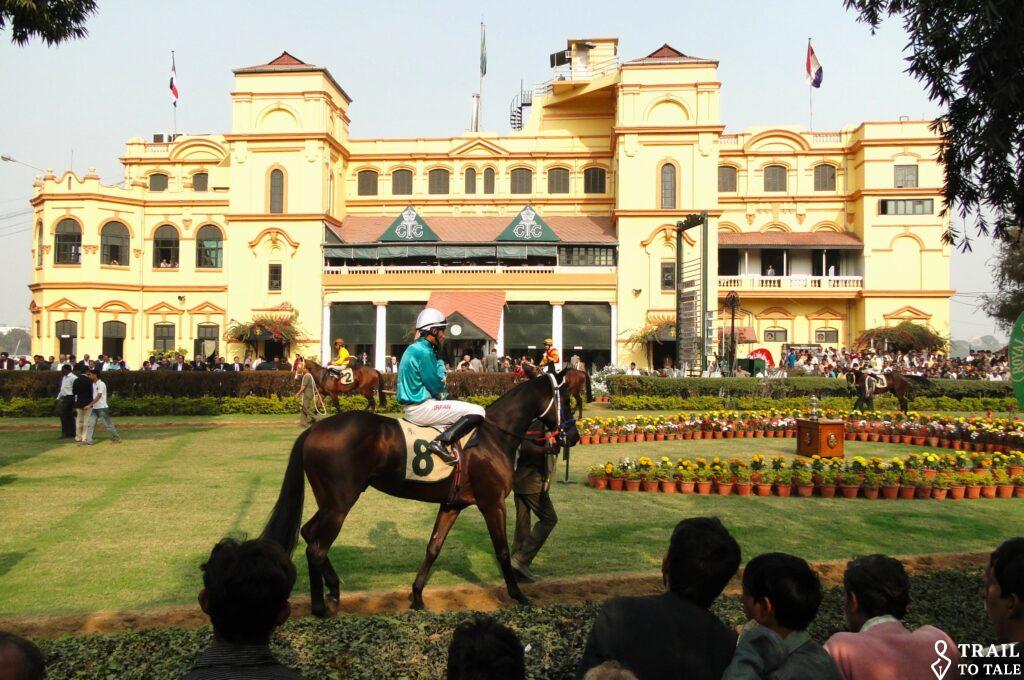
Another thriving institution is the Calcutta Race Course.
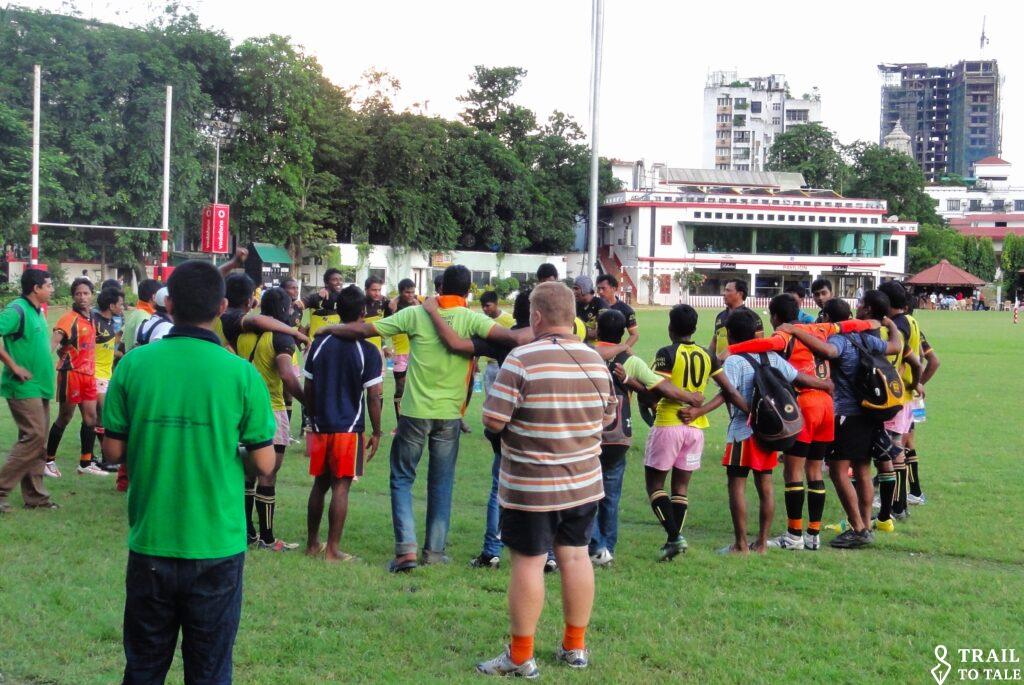
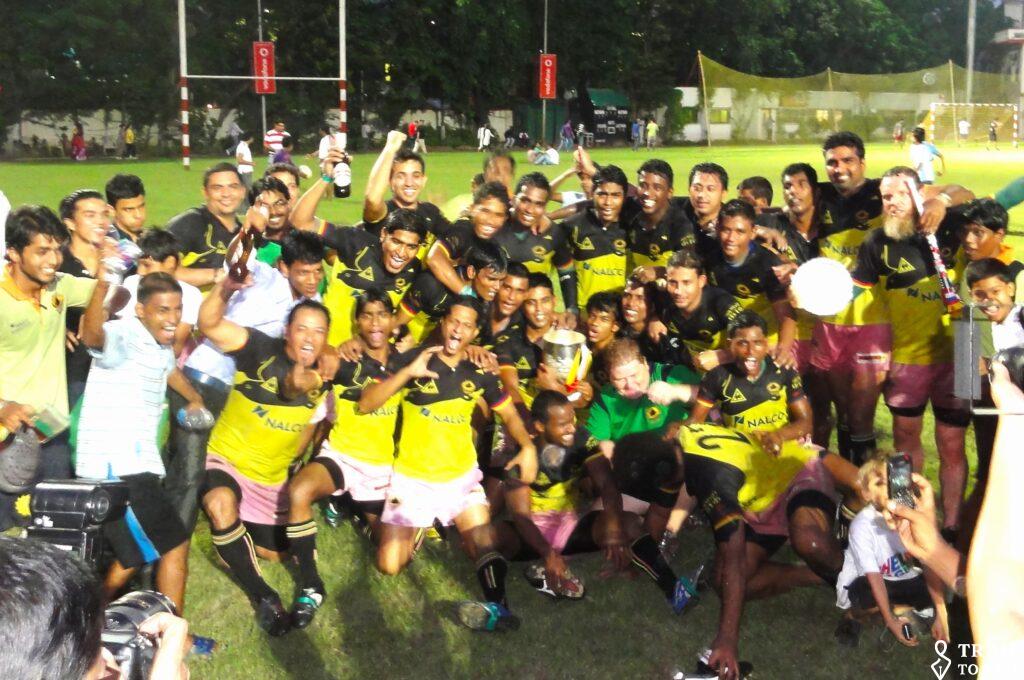
The ‘Calcutta Club’ and the ‘Calcutta Rugby Club’ still carry echoes of the city’s colonial past. The famous Calcutta Cup—first contested in 1879 between England and Scotland—is one of the oldest trophies in international rugby.
That same spirit lives on through Paul Walsh, MBE—a former British High Commission official whose love for the game led him to found the Kolkata Jungle Crows. By recruiting children from the city’s slums, he helped ignite a lasting passion for rugby. Today, the KJC are a formidable force in West Bengal’s sporting scene.
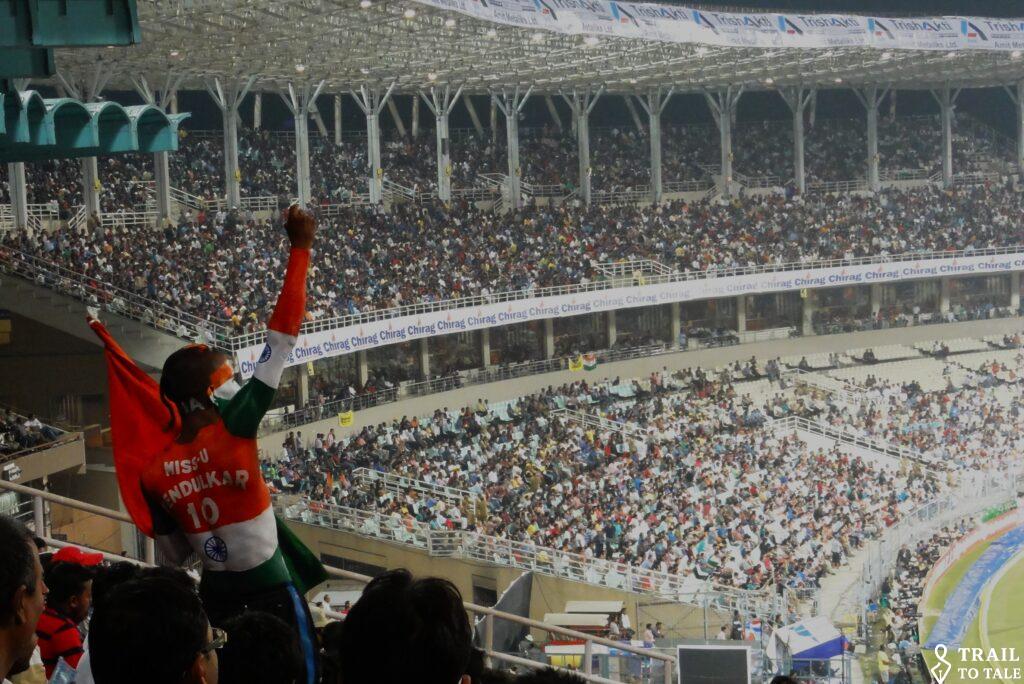
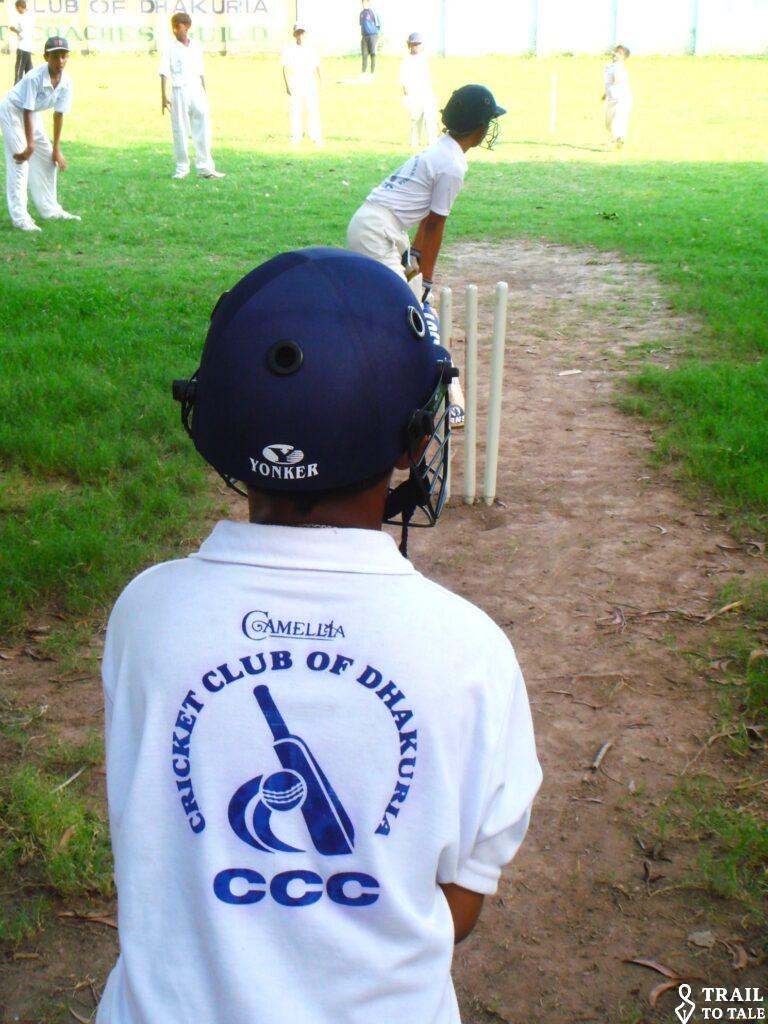
The world’s largest democracy, with over 1.3 billion people, is a tapestry of ethnic groups, languages, and beliefs. But there is one faith that unites the nation: Cricket.
Its players are worshipped like deities; local stars are treated as super humans. Kolkata’s Eden Gardens, sometimes called the “Wimbledon of Cricket,” is more than just a stadium – it’s a fortress. A landmark with a roar and a spirit not easily shaken.
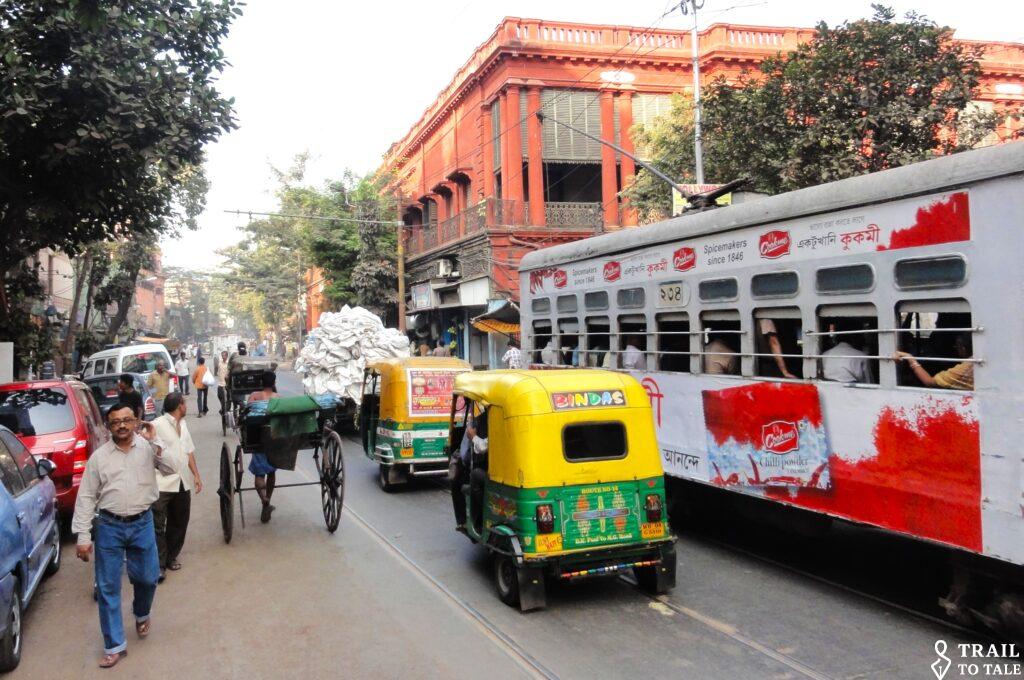
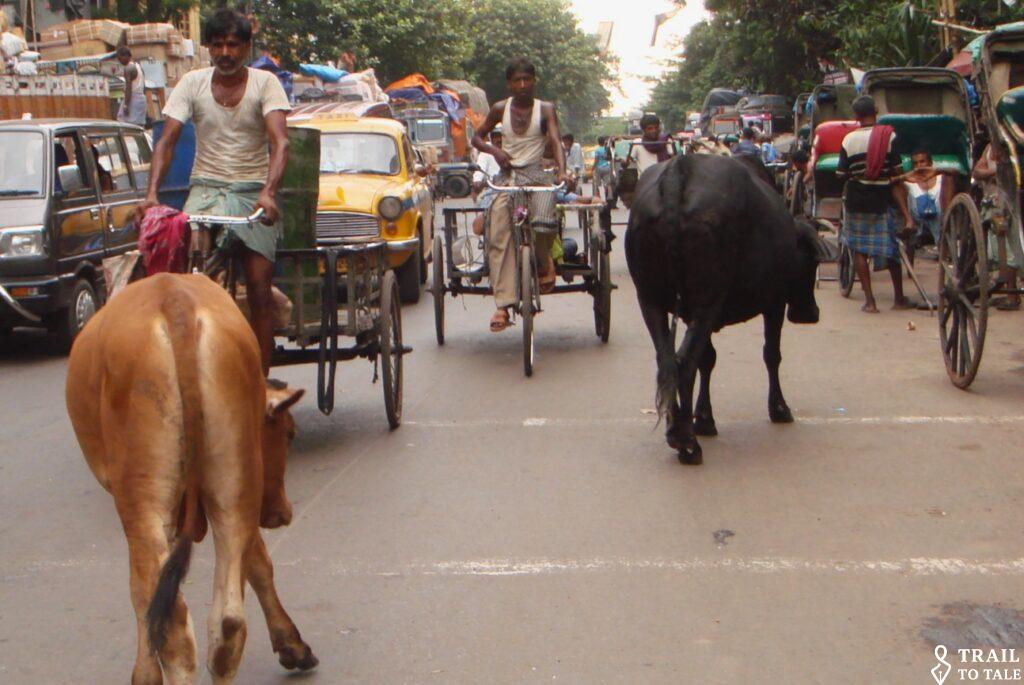
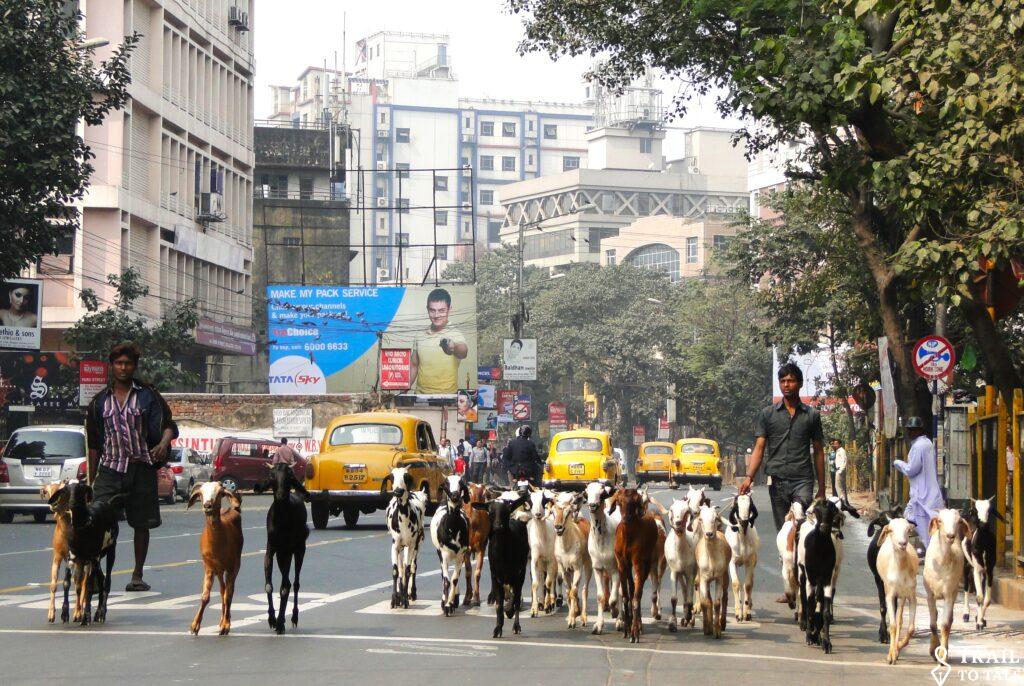
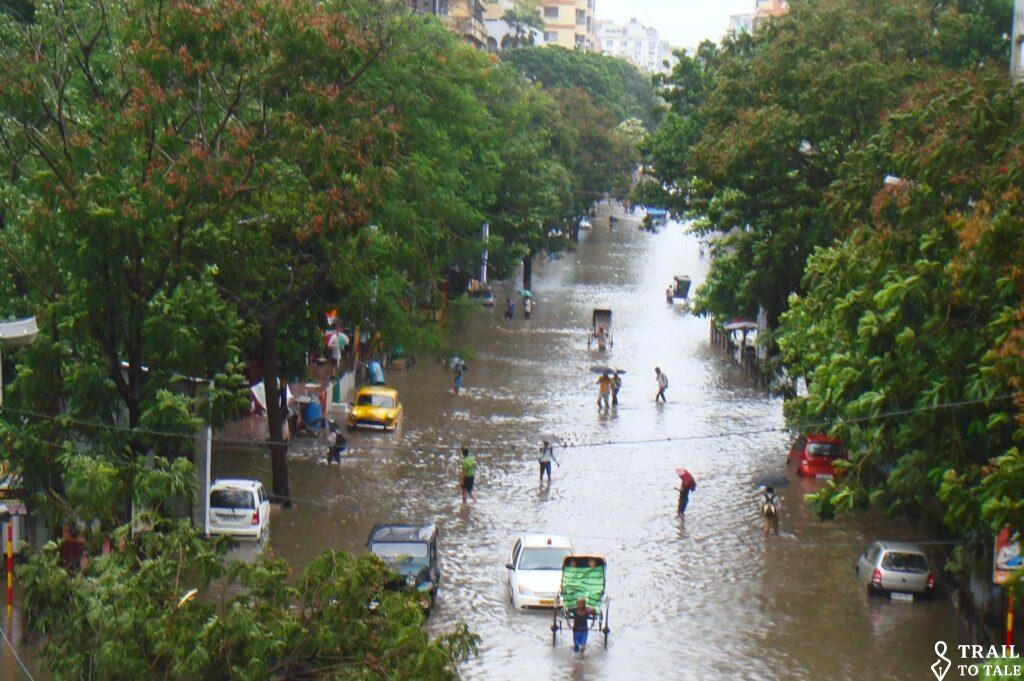
Traffic rules here are more like suggestions – interpreted individually.
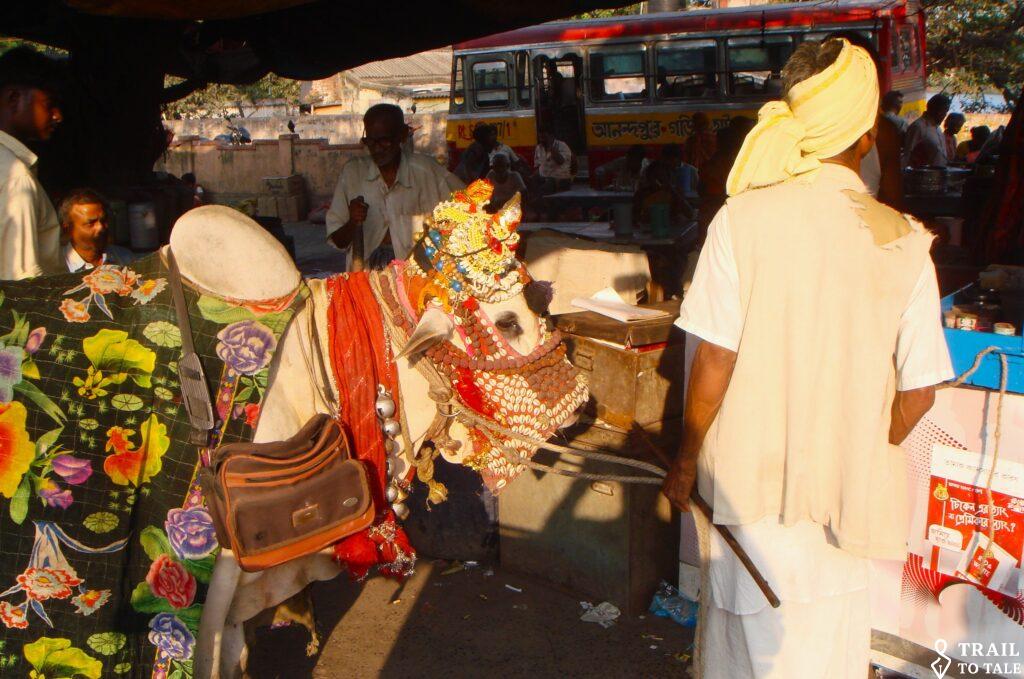
The streets are a living mosaic, shared by cows, goats, rickshaws, tuk-tuks, and a swarm of yellow taxis – all vintage ‘Ambassador’ models (Morris Minor 1500 Diesel from the 1960s, without A/C). And every so often, as if to defy all logic, a Rolls-Royce glides through the chaos.
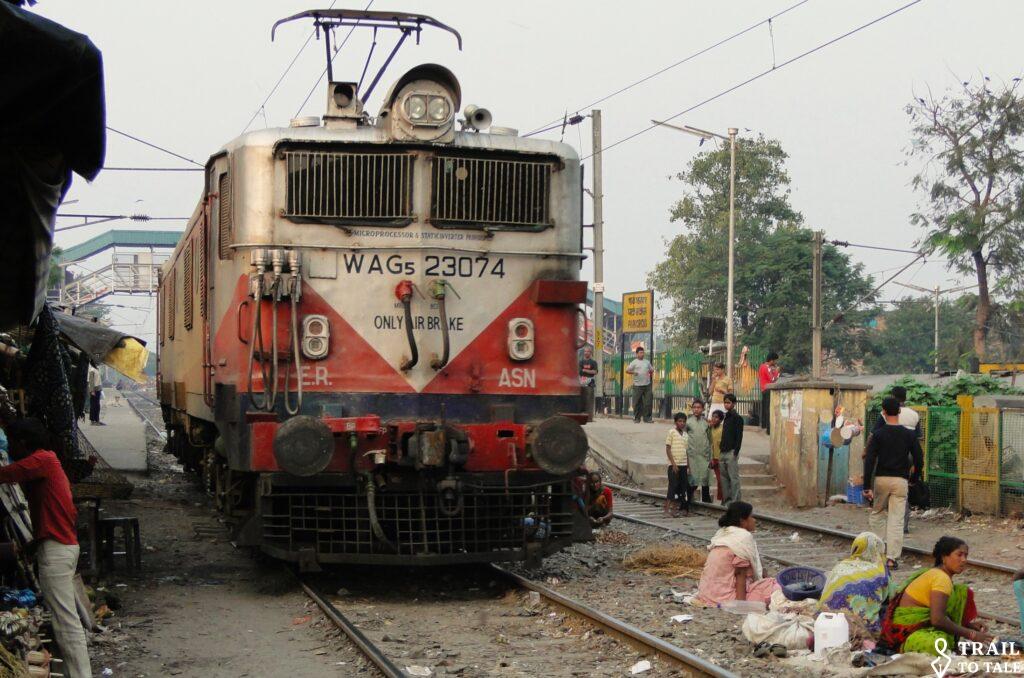
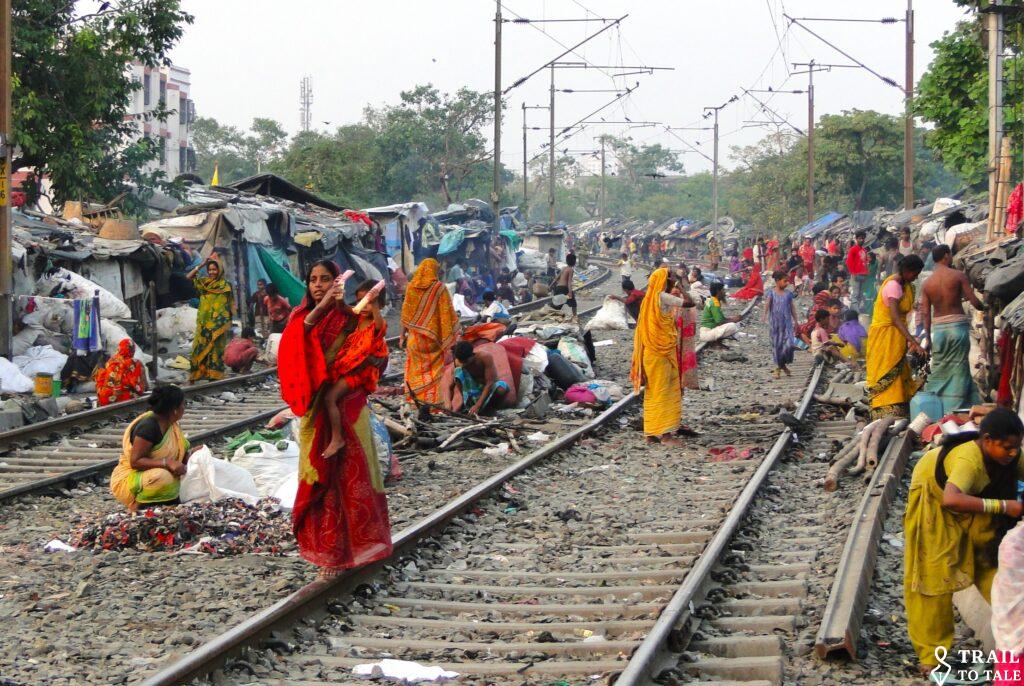
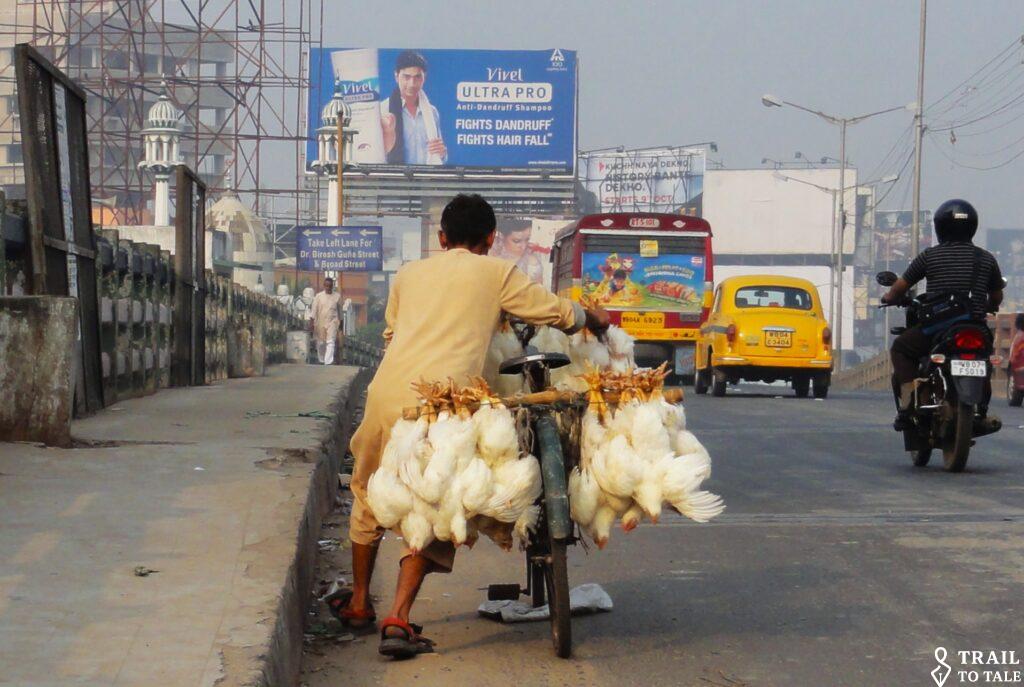
The author lived and worked in Kolkata for two full years.
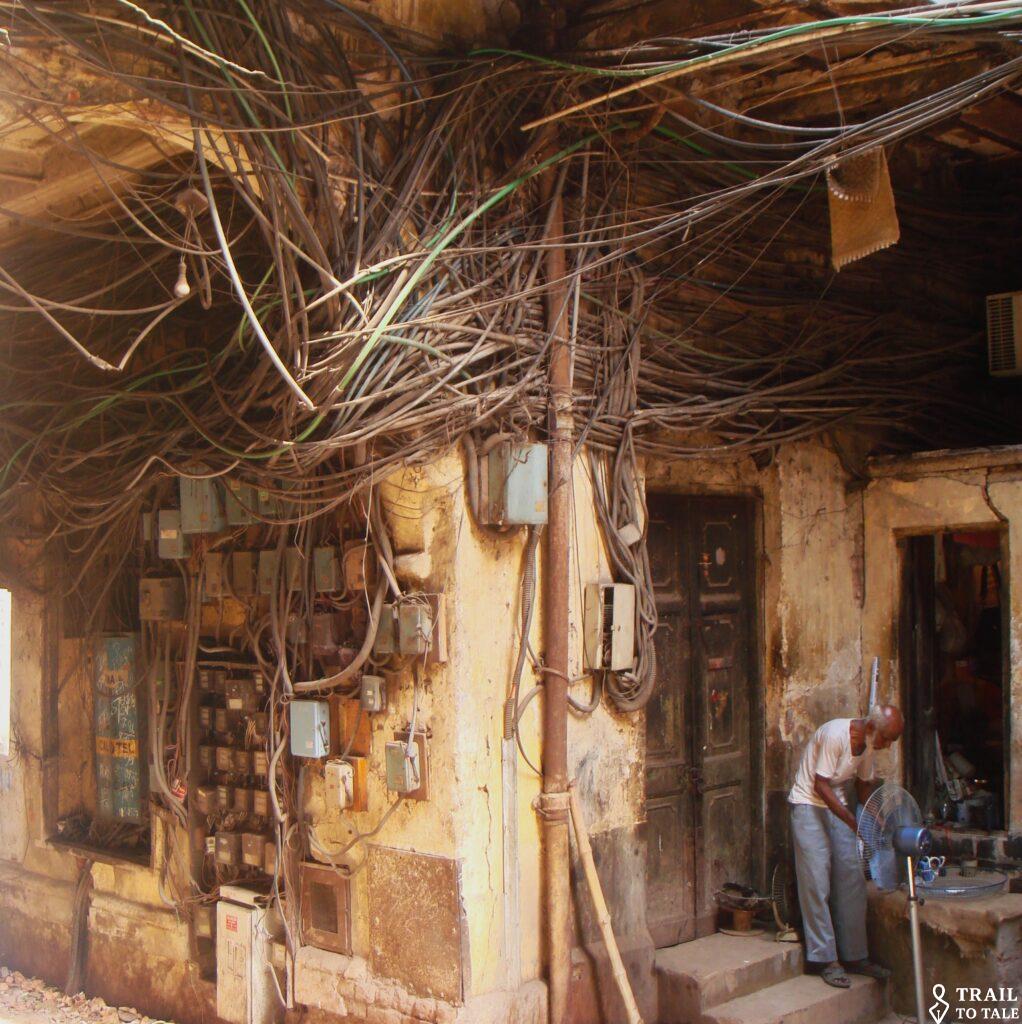
Regrettably, he feels he arrived about 60 years too late. Many of the once-grand colonial buildings are now in visible decline. Renovation and maintenance don’t appear to be high on the national agenda – often limited to the bare minimum needed to keep things functional. Aesthetic upkeep and structural safety, while vital elsewhere, seem to rank lower here – unless, of course, you’re talking about the elegance of Indian women, where attention to detail remains impeccable.
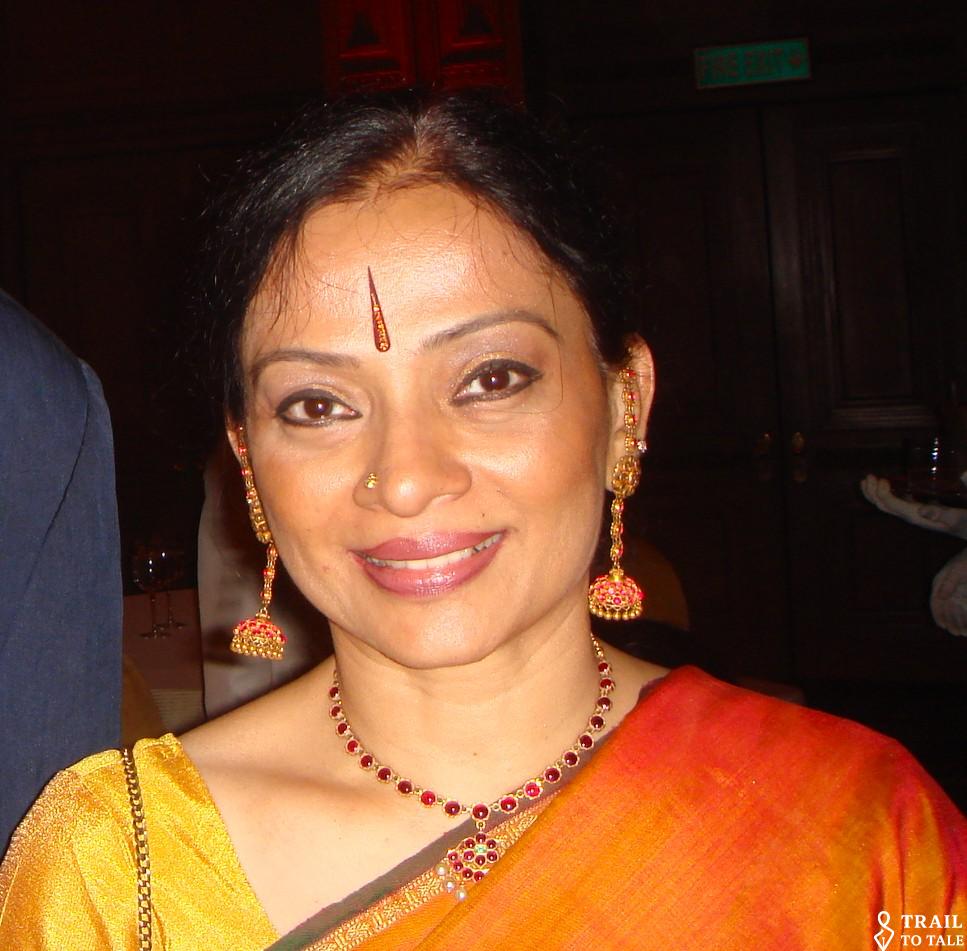
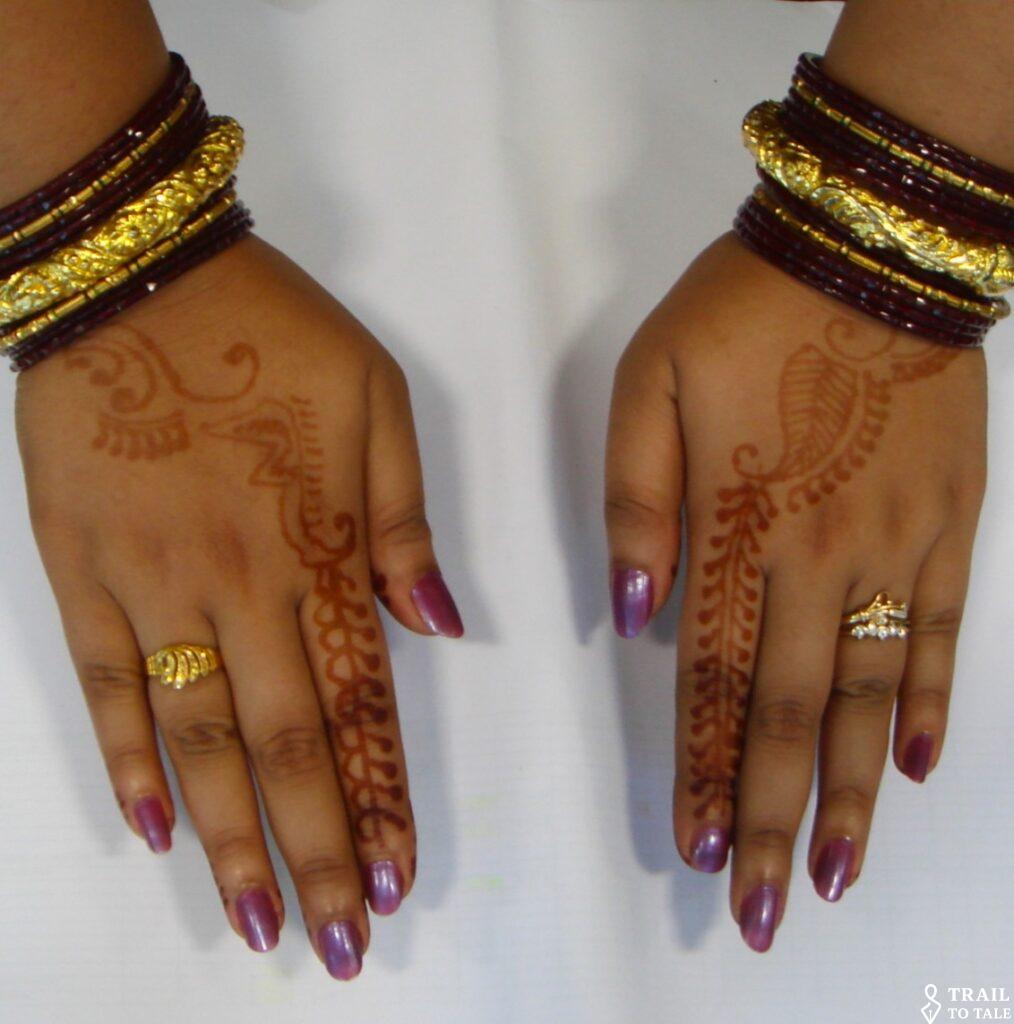
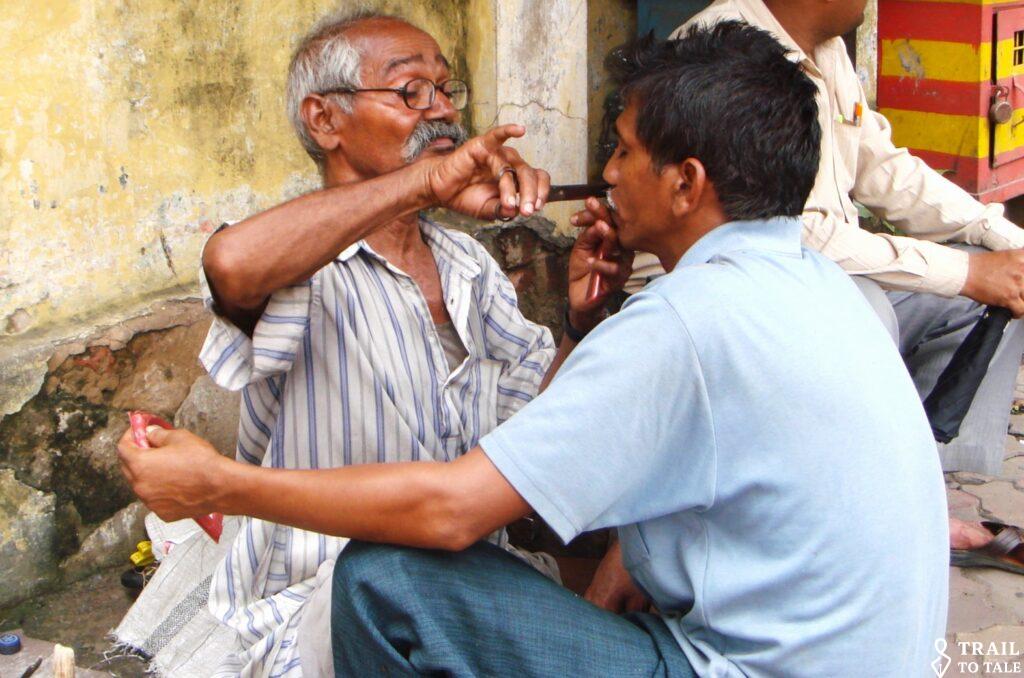
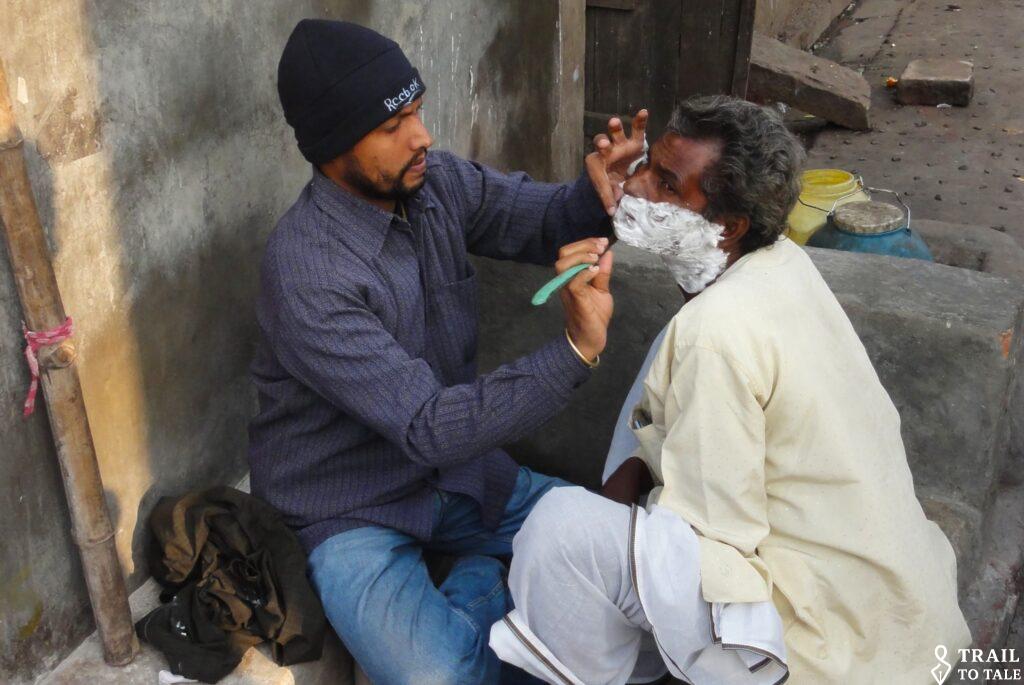
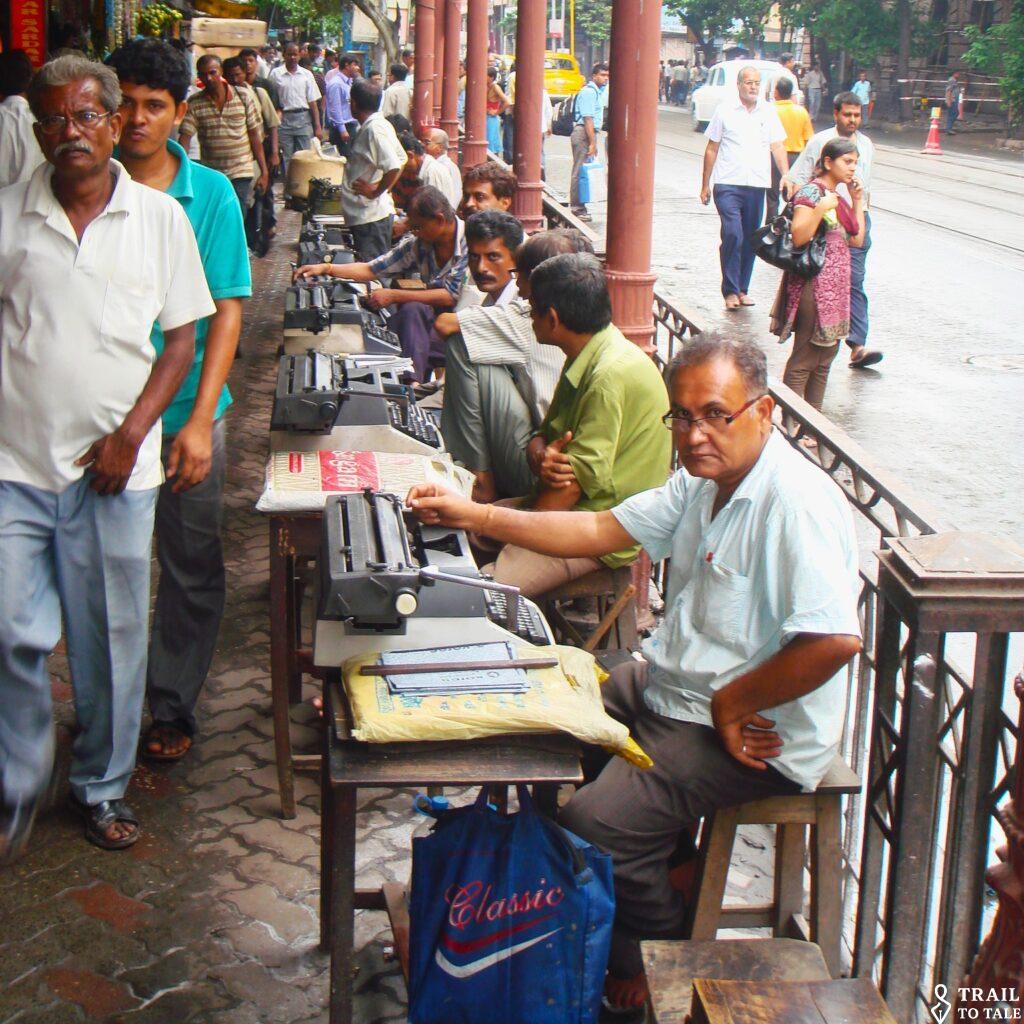
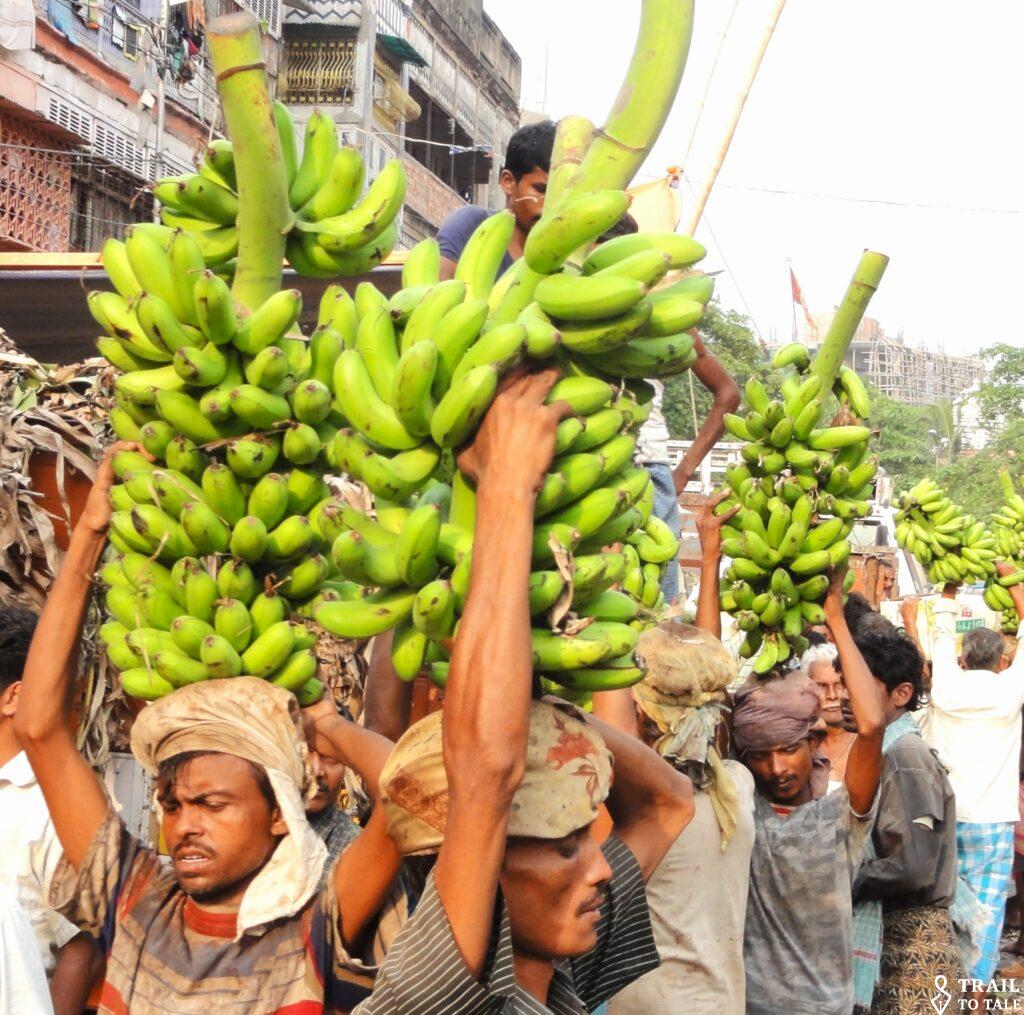
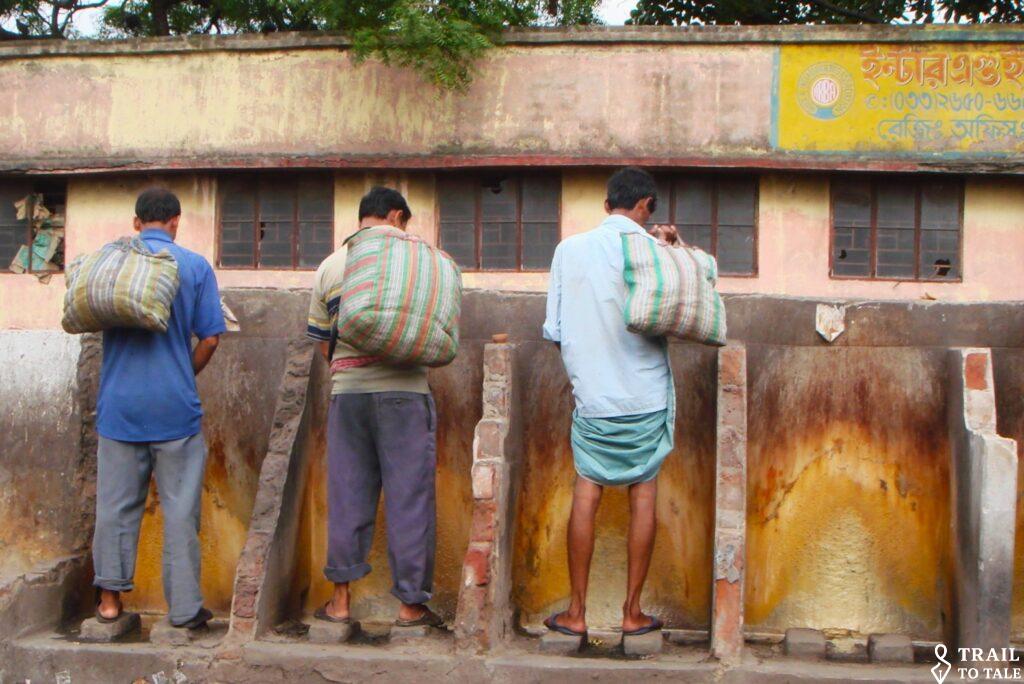
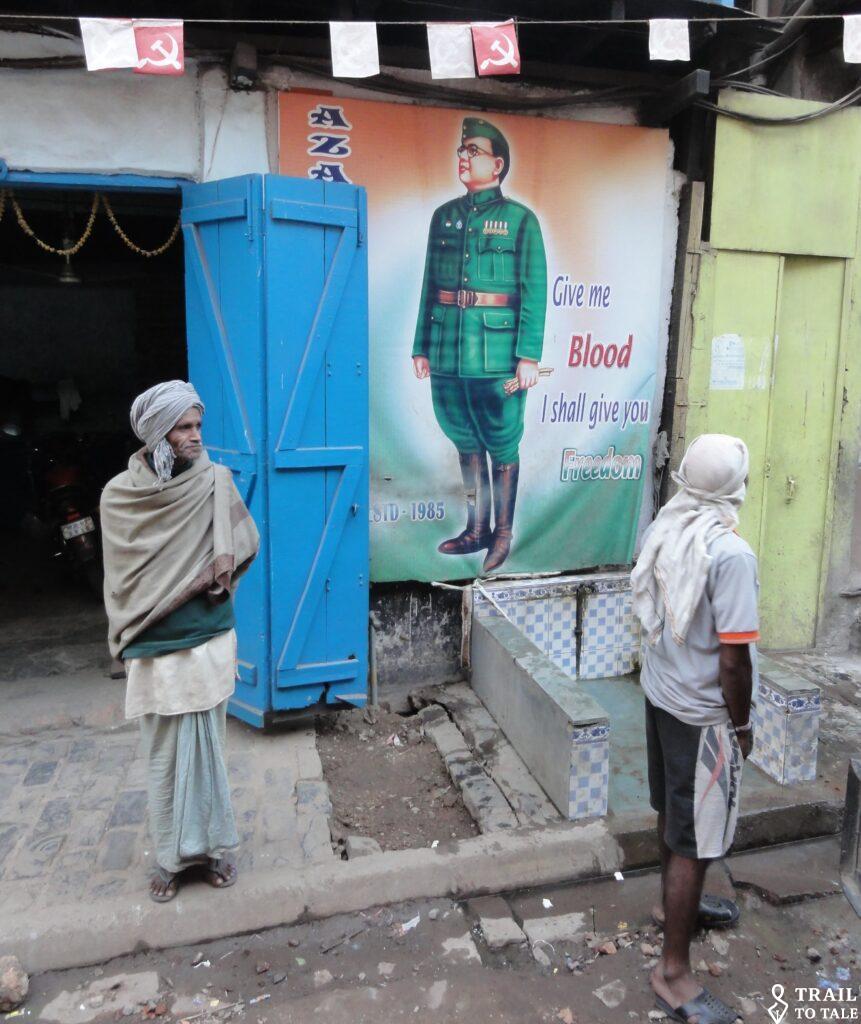
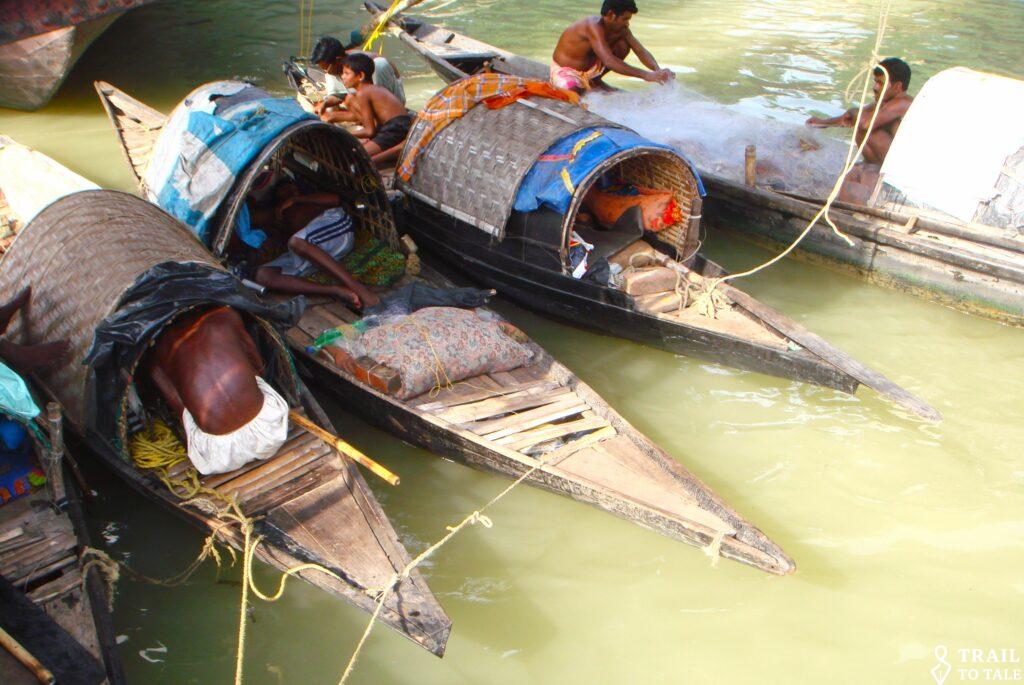
The gap between rich and poor was clearly visible when walking the main roads and narrow back alleys, watching the daily struggle of many less fortunate residents.
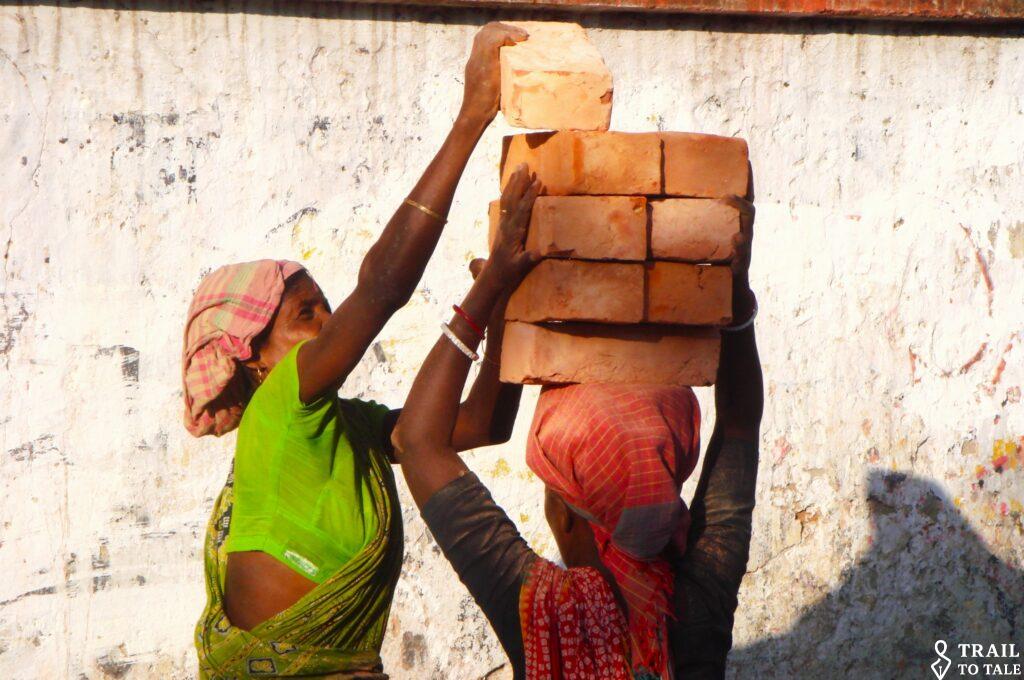
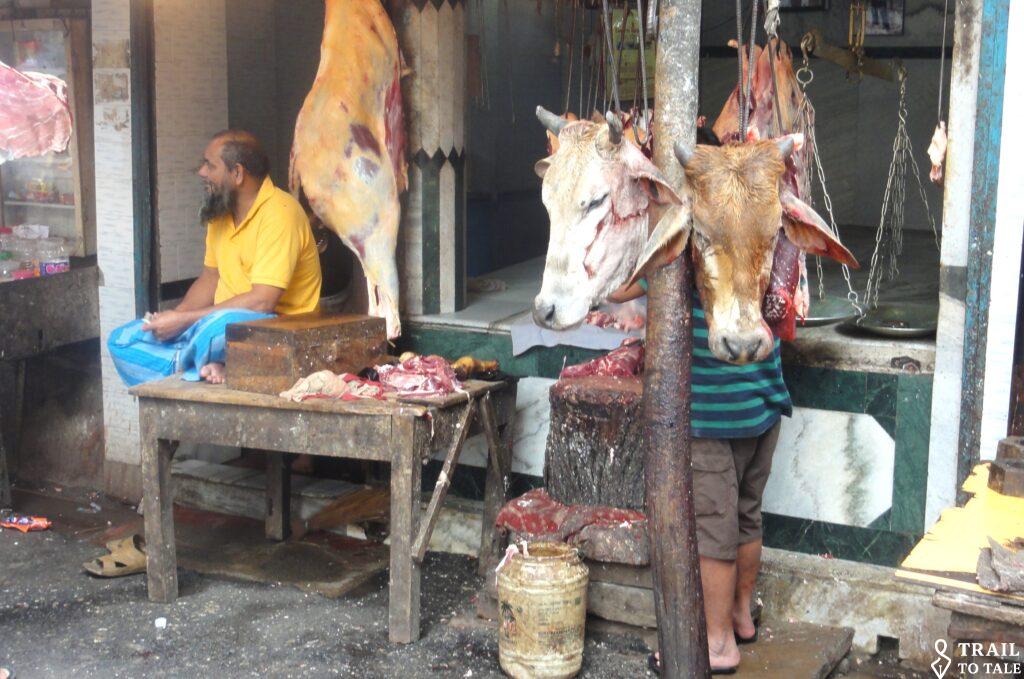
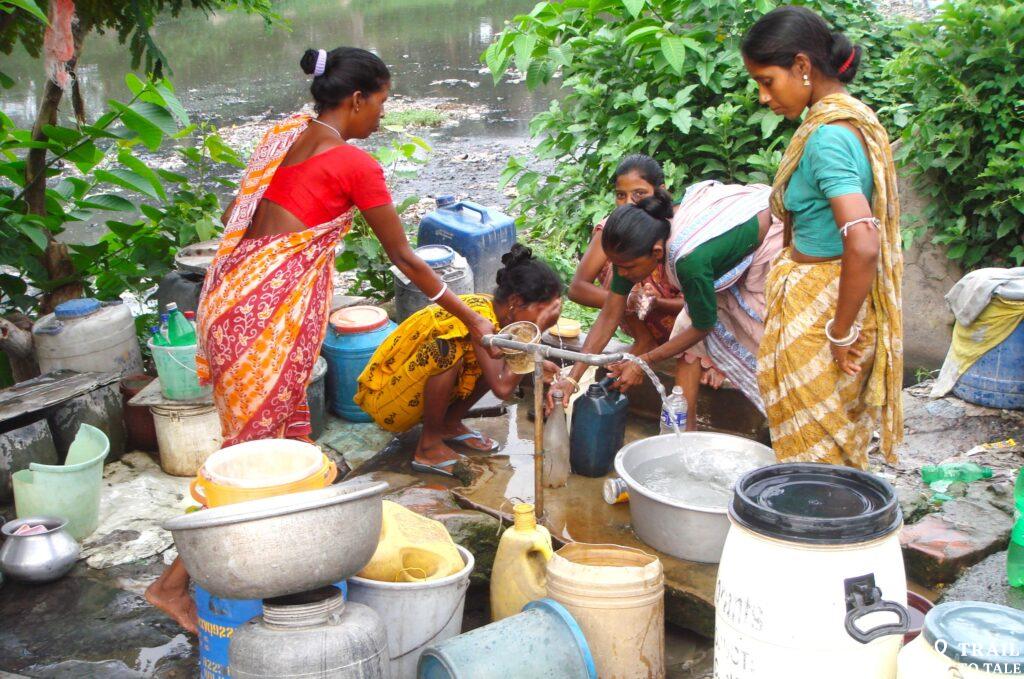
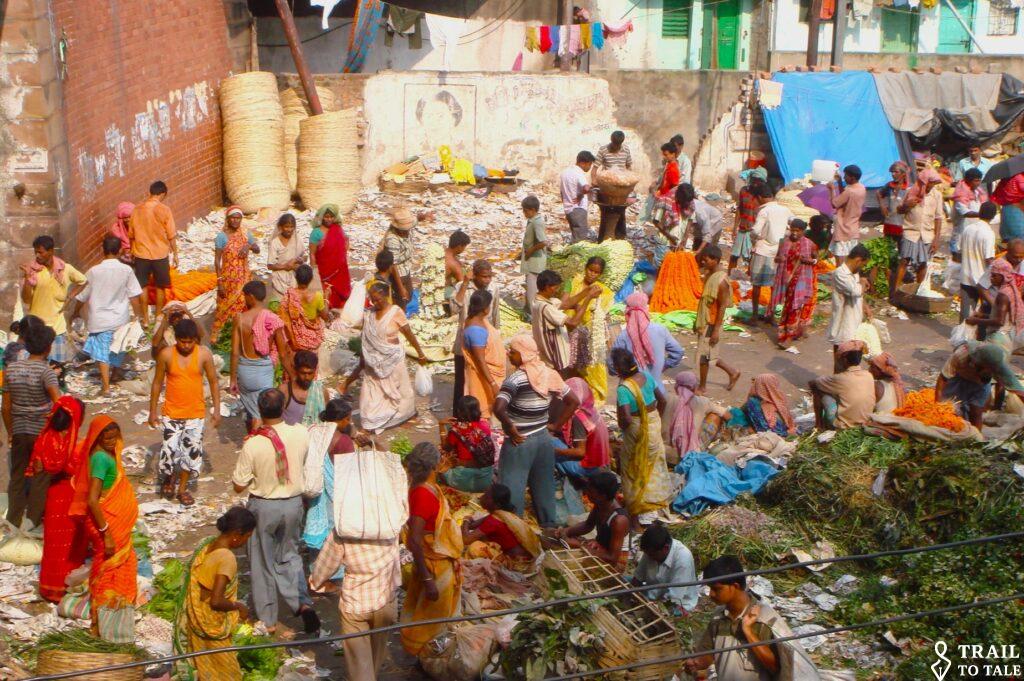
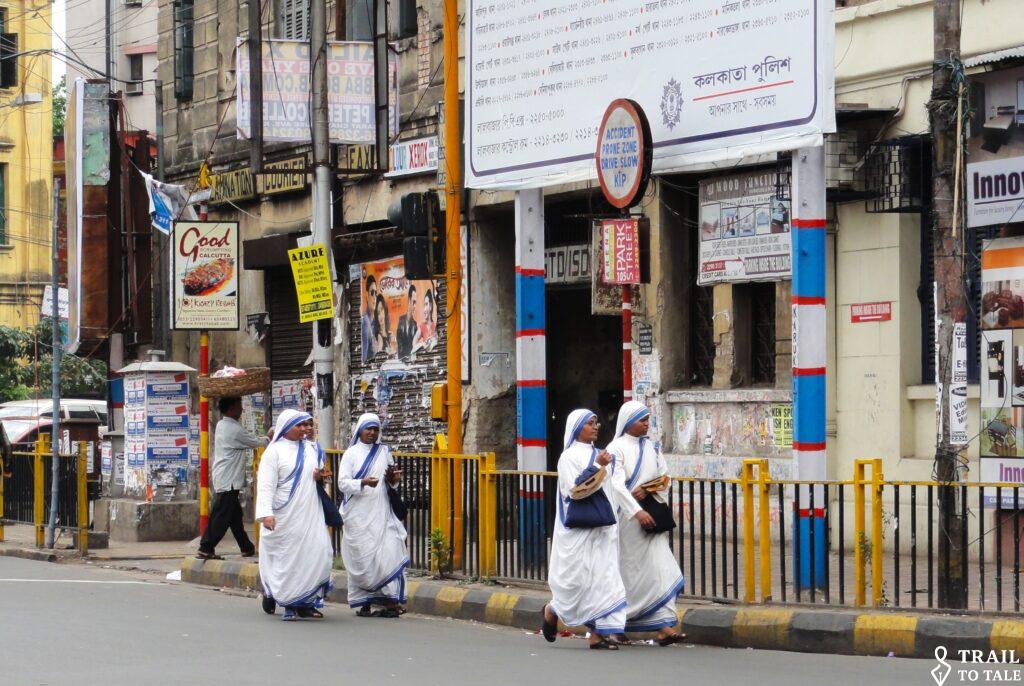
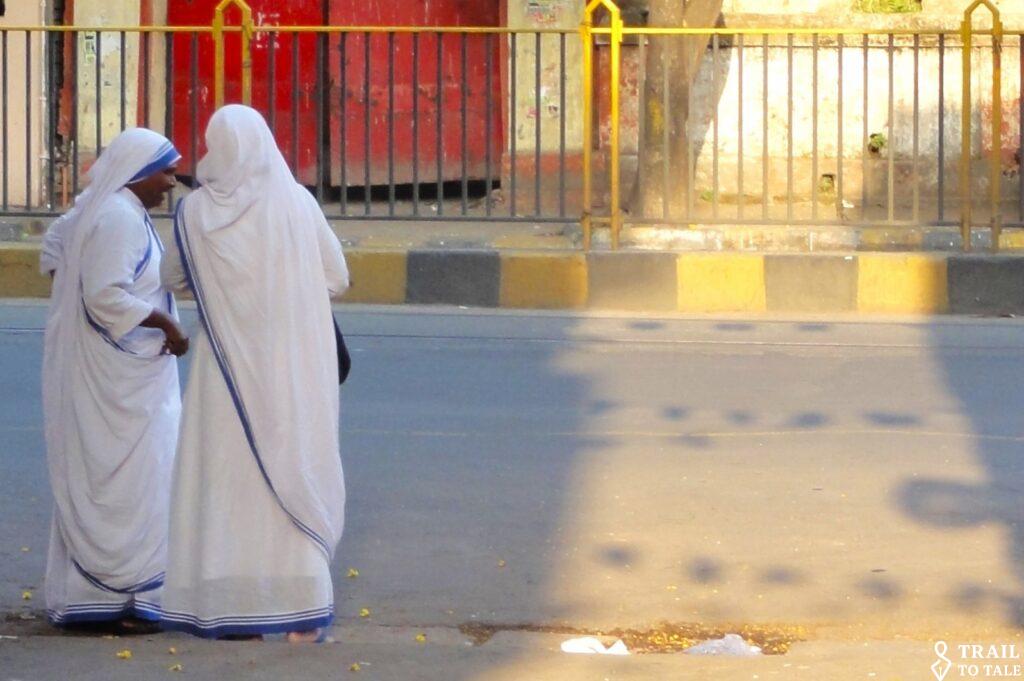
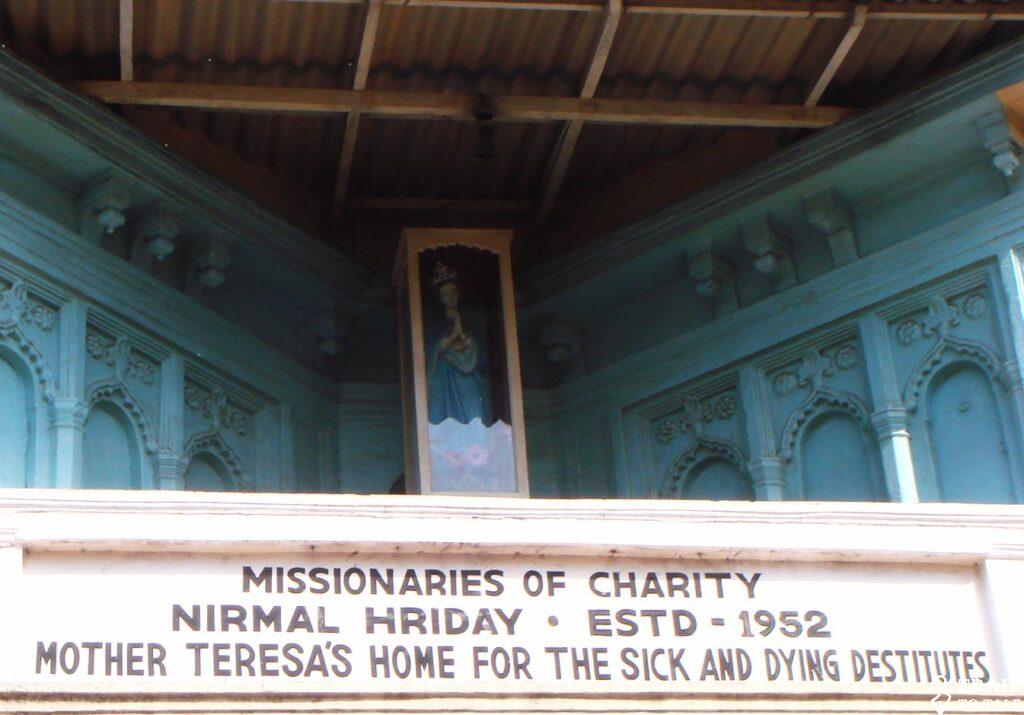
There was a reason why Mother Theresa initiated the Missionaries of Charity in 1952.
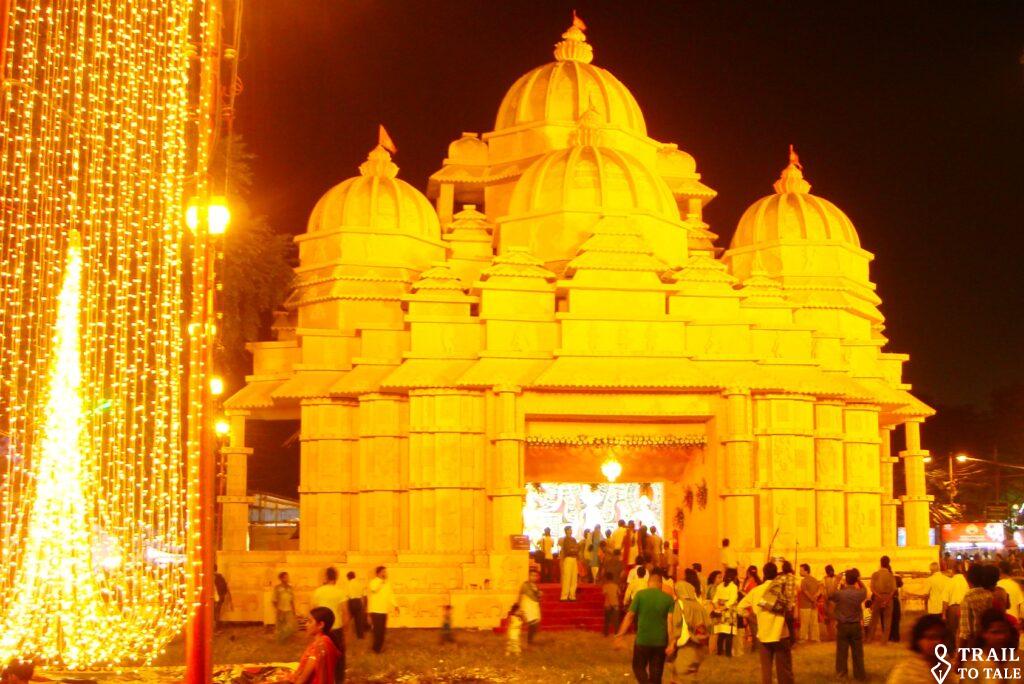
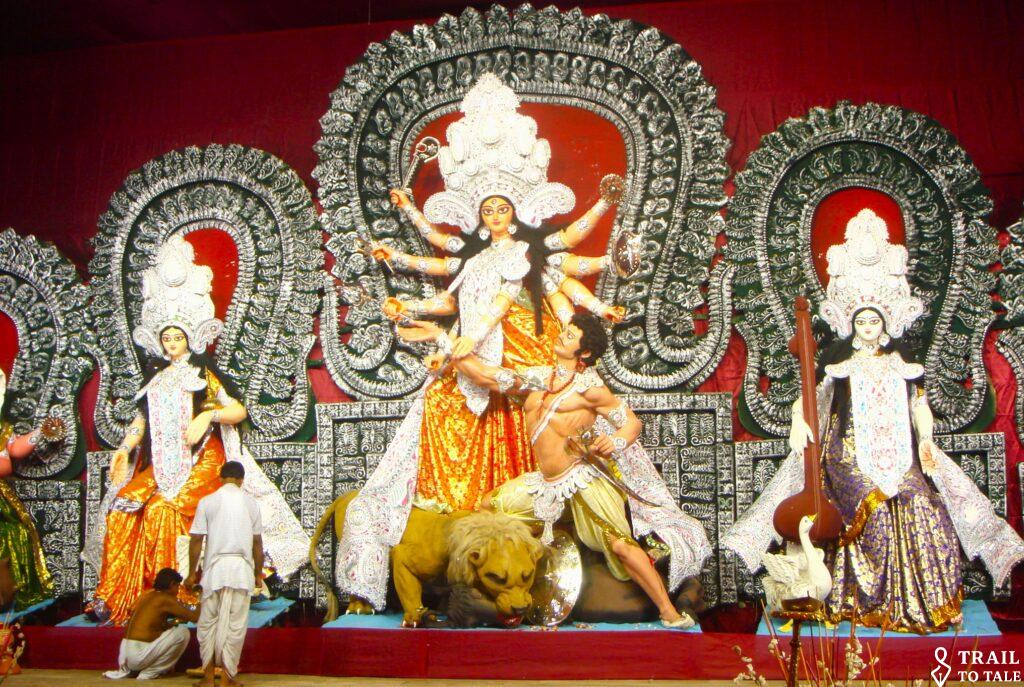
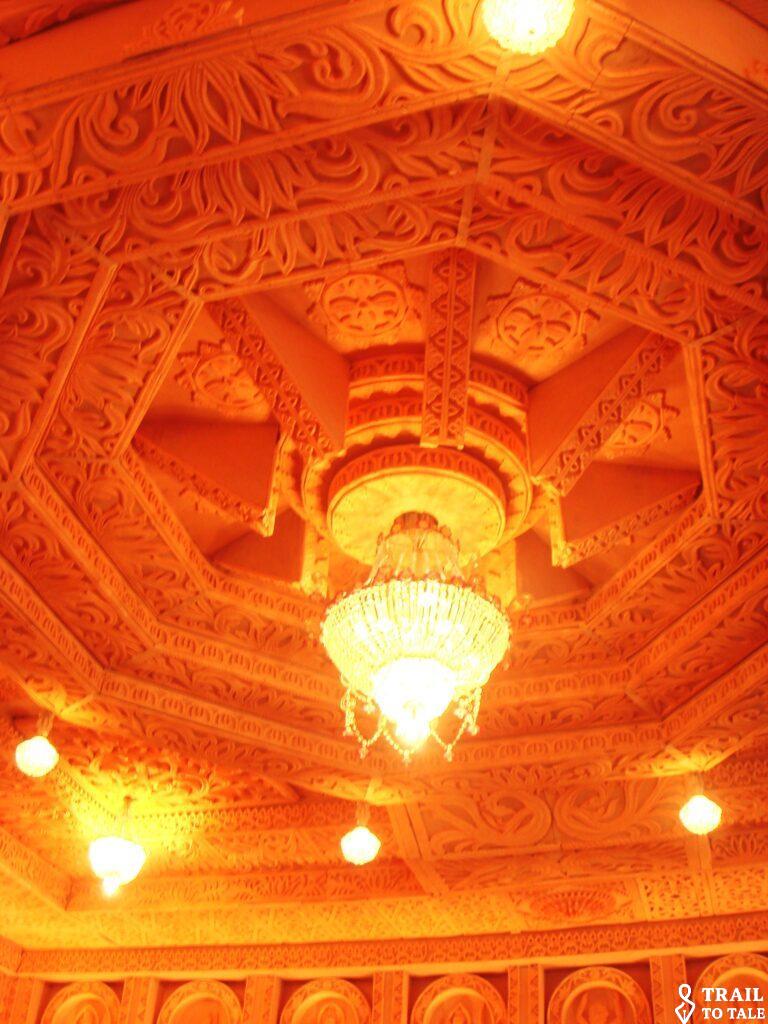
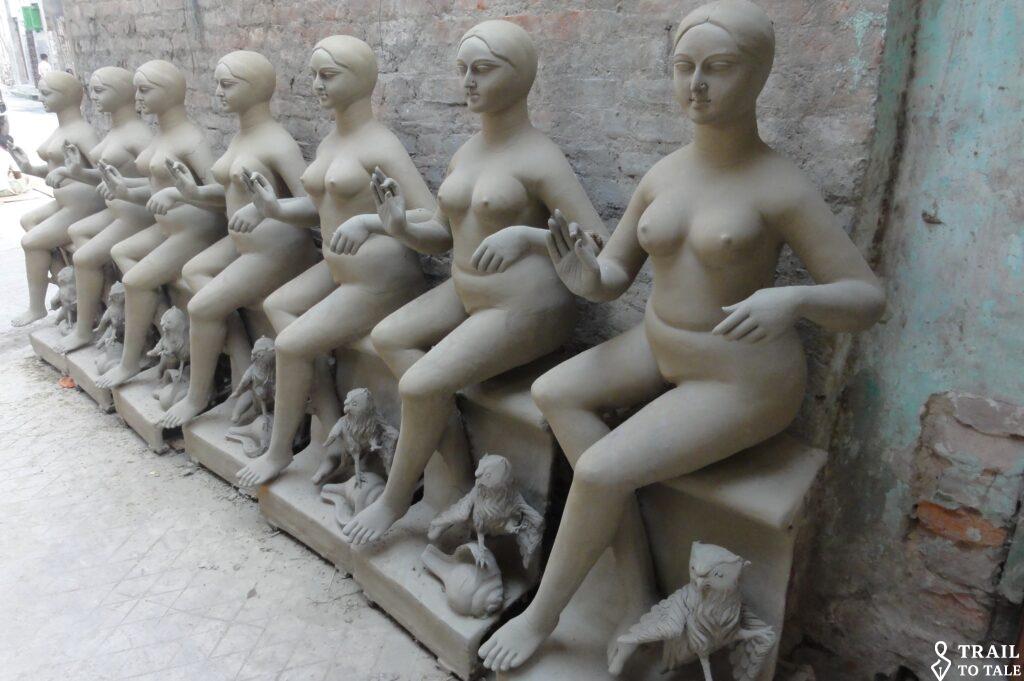
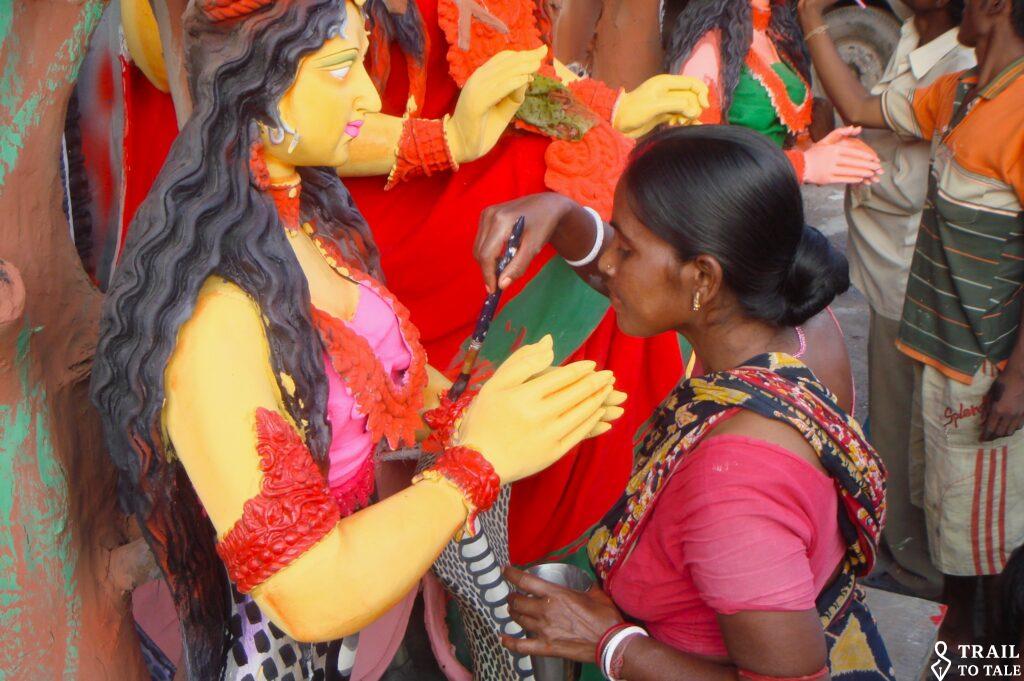
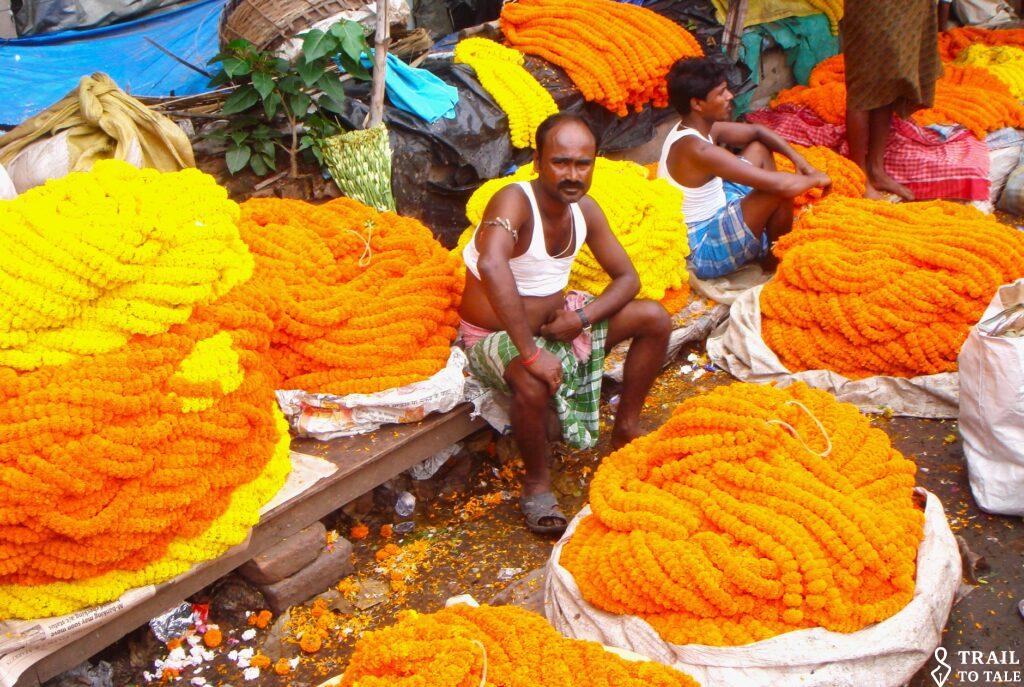
Diwali, the Indian Hindu festival, celebrates the victory of light over darkness and honors Lakshmi, the goddess of wealth.
It is believed that she visits homes that are brightly lit and clean. Across the country, elaborate, temple-like structures are temporarily erected to house lamps and statues crafted from straw and clay. These sacred figures are then brought to life by highly skilled artists who apply their vivid colors and intricate details. For many, this is not just tradition – it’s a year-round industry driven by devotion, artistry, and community pride.
Having worked and lived for over a year in 13 countries around the world, India was, workwise, the toughest assignment. Indian Railways is not the easiest employer—after 18 months as Project Manager on the East–West Metro Line, the author was the only foreigner who hadn’t been fired or quit.
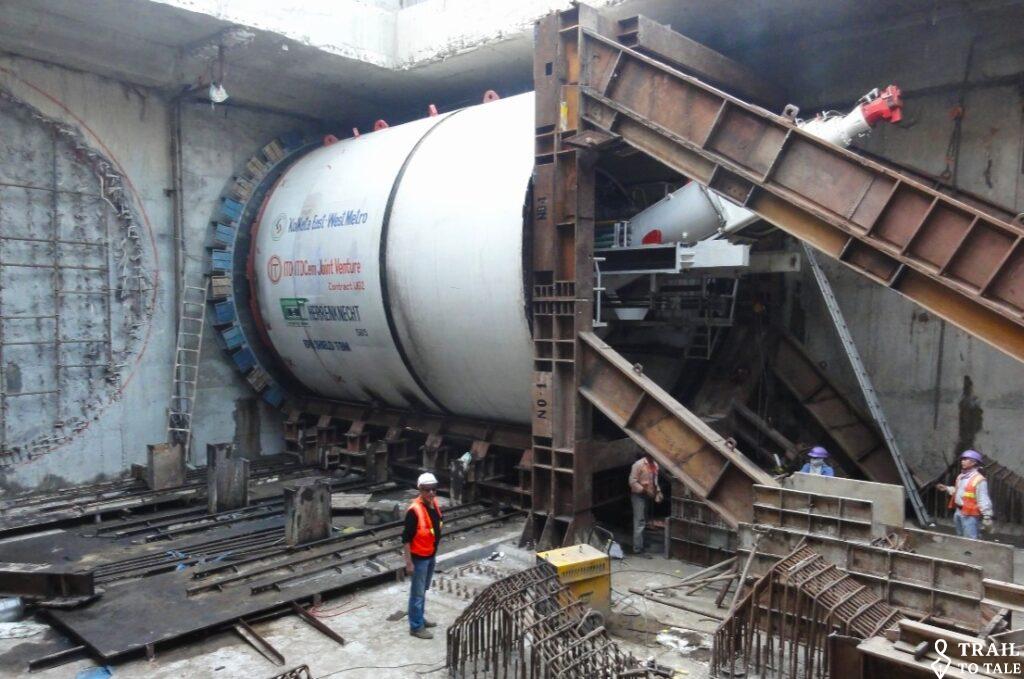
After fulfilling the full 24-month assignment, he was even asked to extend his stay. But when approached to become Project Director for a new metro line in his adopted hometown, Bangkok, the choice was clear.
As the colonial power the British helped to install bureaucracy, Indians elevated it to a higher level. Still in all that ‘chaos’ there is a certain charm and ‘Cal’, as the locals call their home city, Kolkata will always holds a soft spot in the author’s heart.
Leave a reply
You must be logged in to post a comment.