


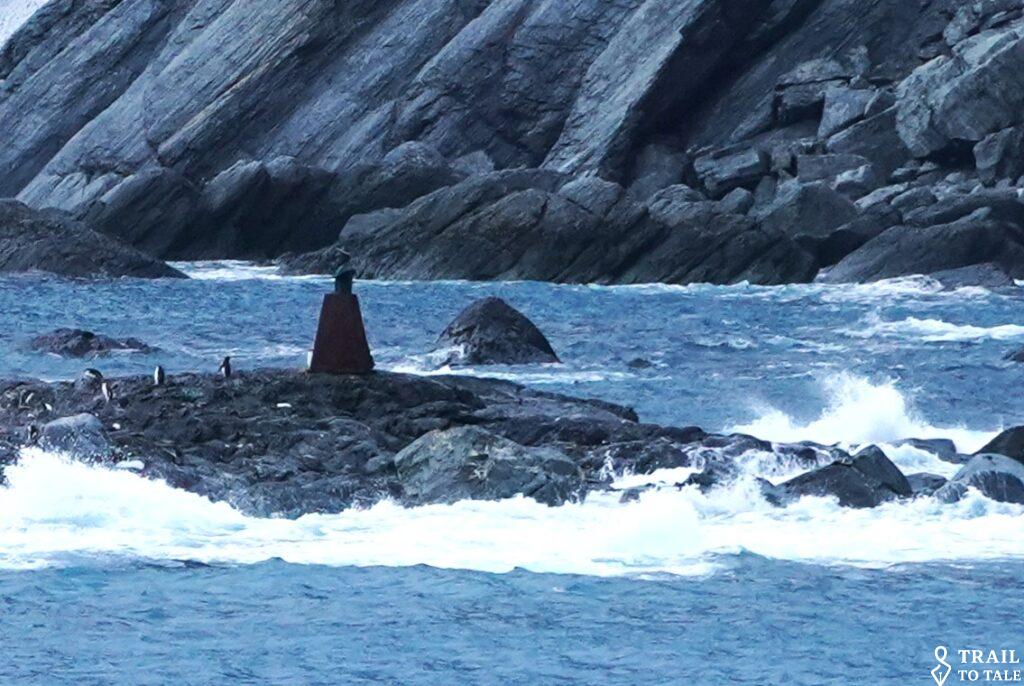
In the final act of one of the greatest survival stories in history, Sir Ernest Shackleton faced his most desperate challenge. After the Endurance was crushed by Antarctic ice in 1915, Shackleton and his crew drifted on ice floes for months before making a harrowing escape in lifeboats. They eventually reached Elephant Island, off the tip of the Antarctic Peninsula. The place where they landed, Point Wild is a narrow, rocky spit of land constantly battered by wind and waves. Even on days with ‘favorable’ weather, the steep cliffs and nearby calving glaciers offered only meager shelter. But it was land and that meant hope.
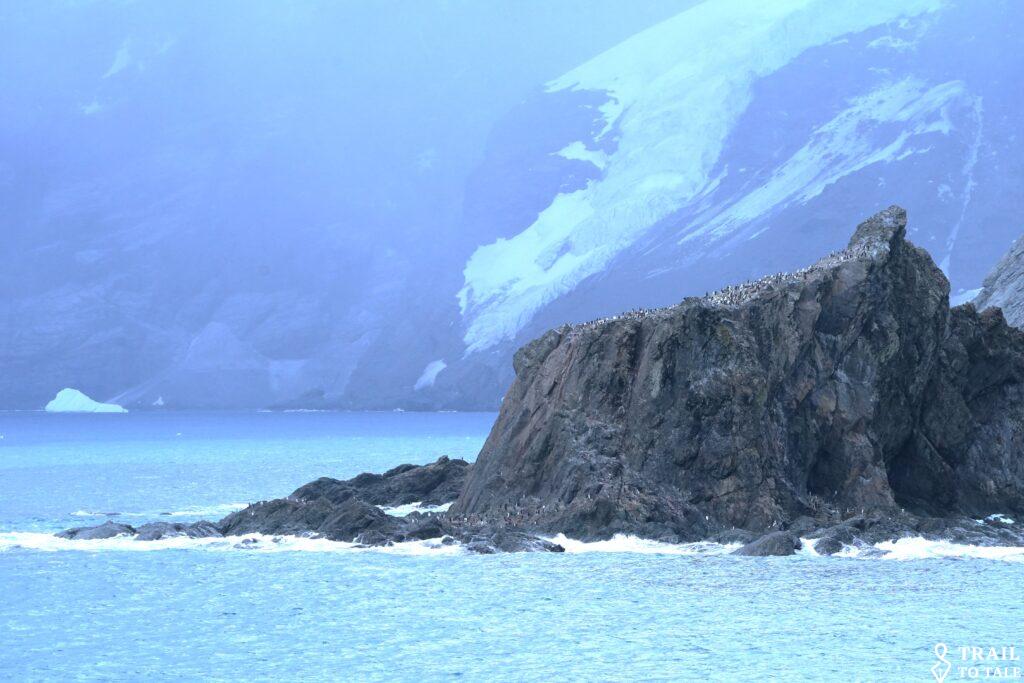
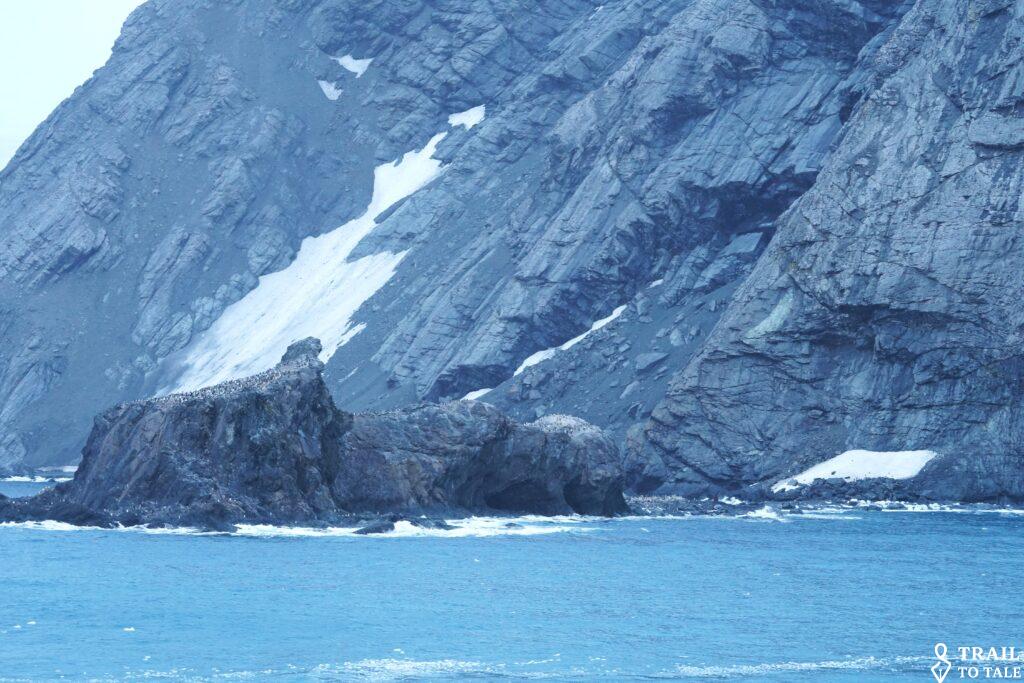
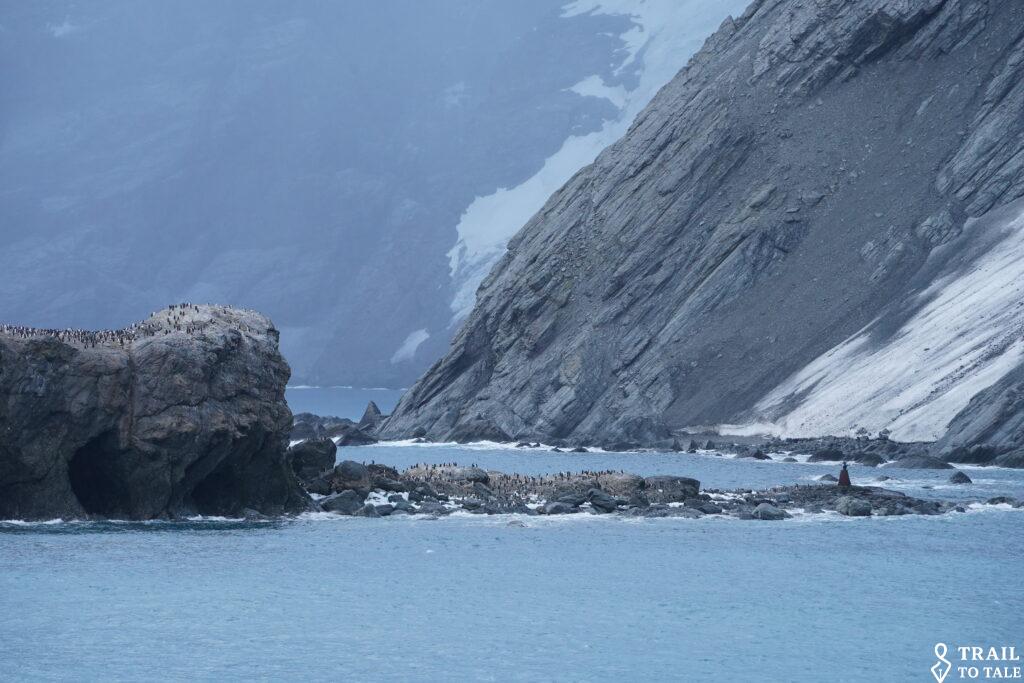
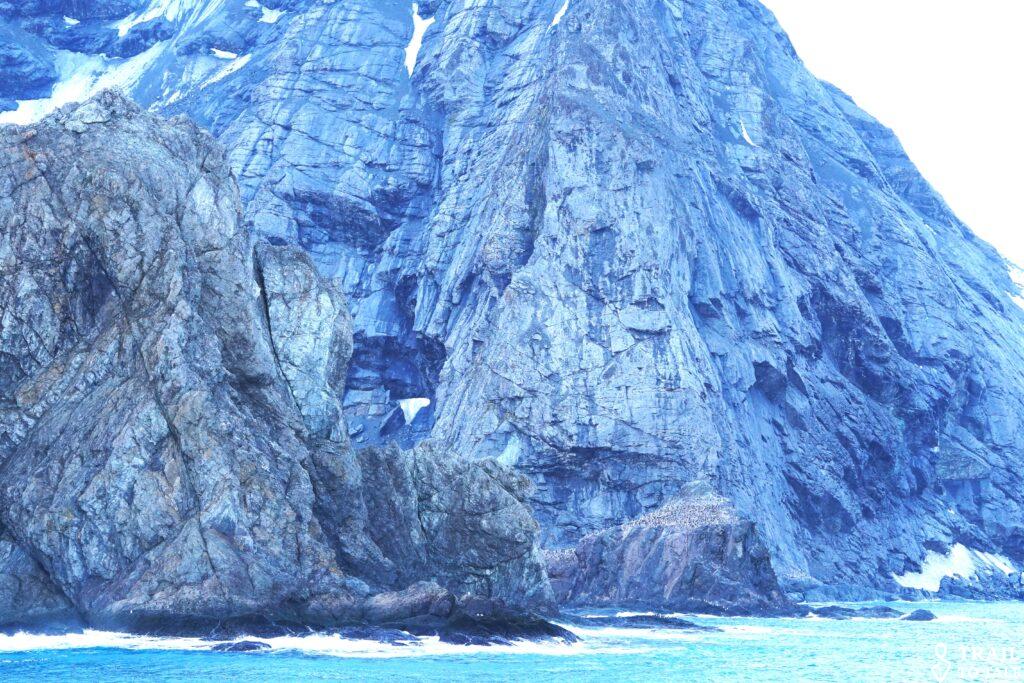
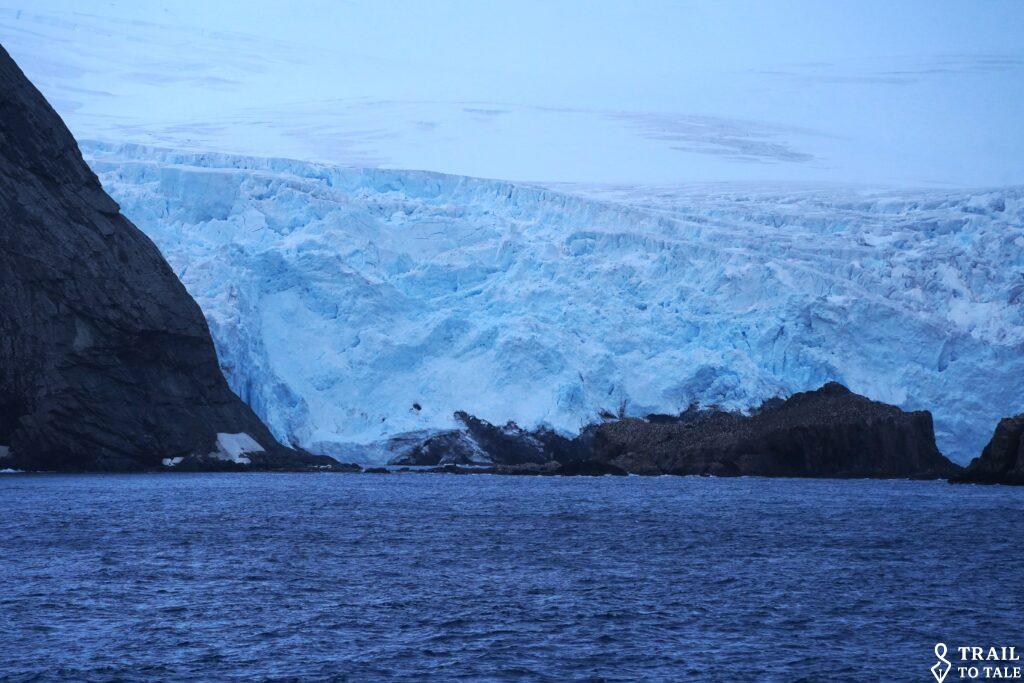
The statue erected is dedicated to the Argentinian Captain steering the rescue ship.
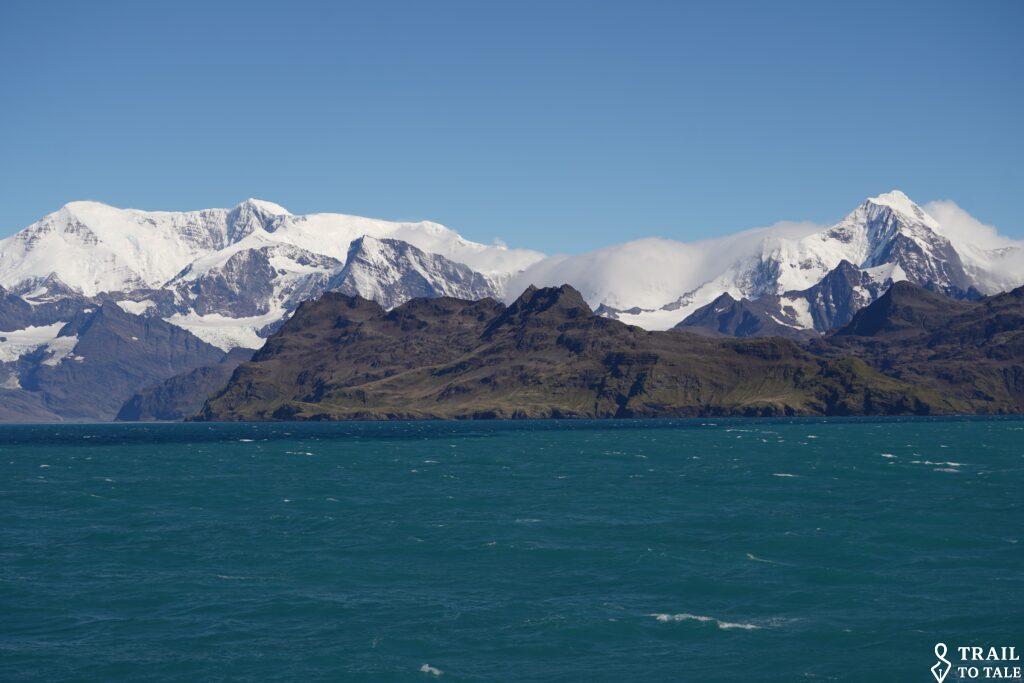
Knowing that no rescue would ever come to such a desolate outpost, Shackleton made a fateful decision. On 24 April 1916, he set out with five men in a 22.5-foot lifeboat named James Caird, aiming for South Georgia Island, more than 1,300 km away across the treacherous Southern Ocean. Battling freezing gales and monstrous waves, they navigated by the stars and a sextant, eventually landing over two weeks later at King Haakon Bay on the island’s uninhabited southern coast.
Finally, on 20 May 1916, as they ascended the final ridge, they heard the distant whistle of a steam kettle from a whaling station, a faint but unmistakable sign of civilization.
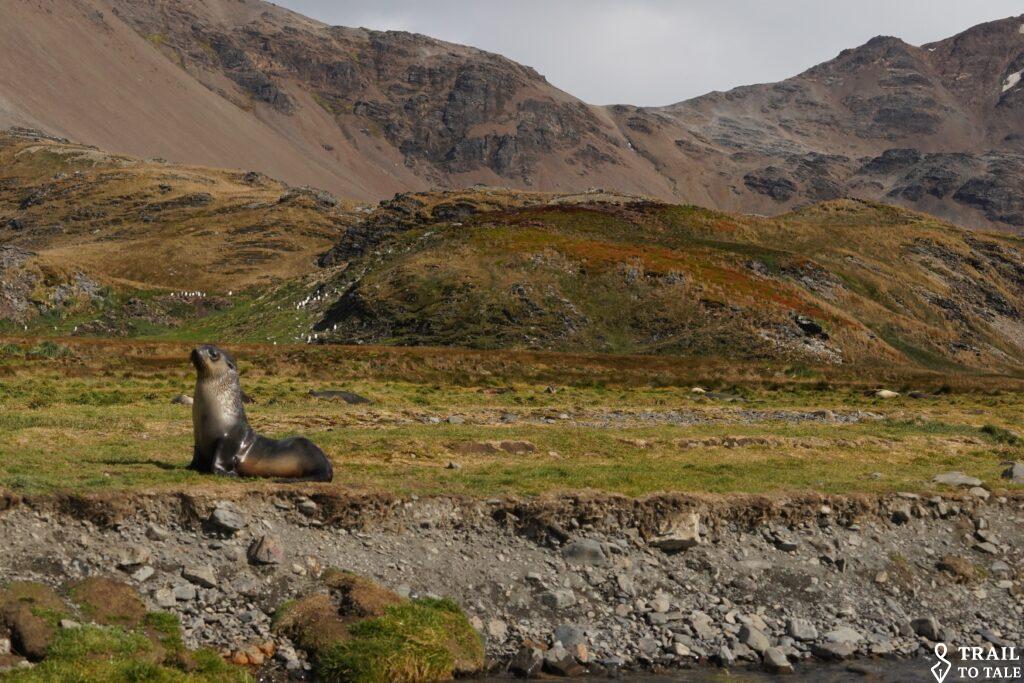
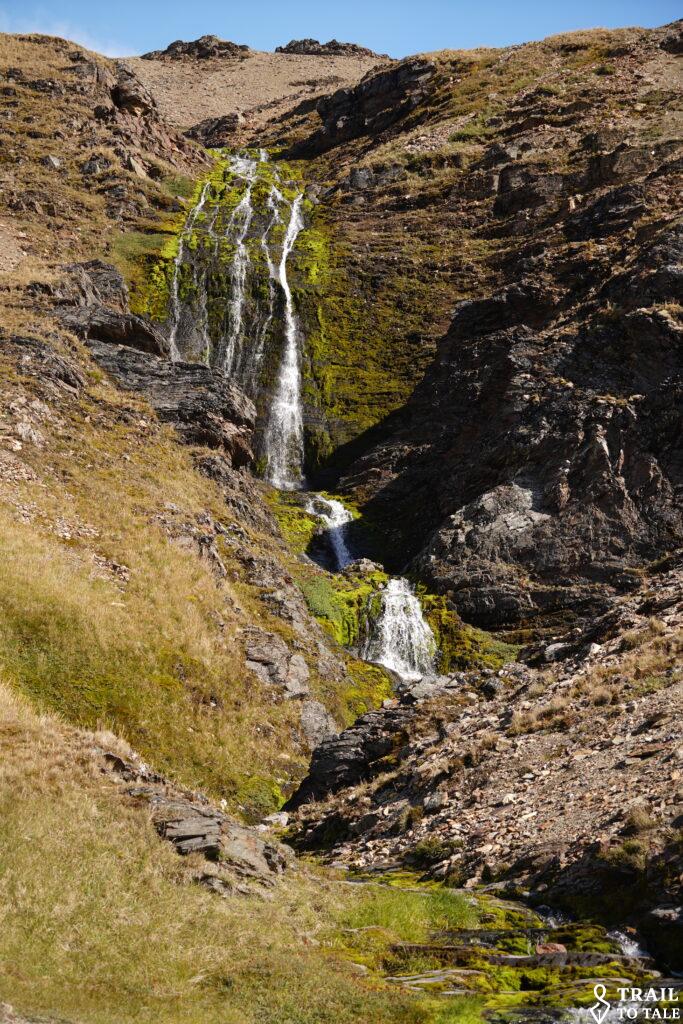
Next to a frozen waterfall they descended into the valley of Stromness, a whaling station on the island’s north side.
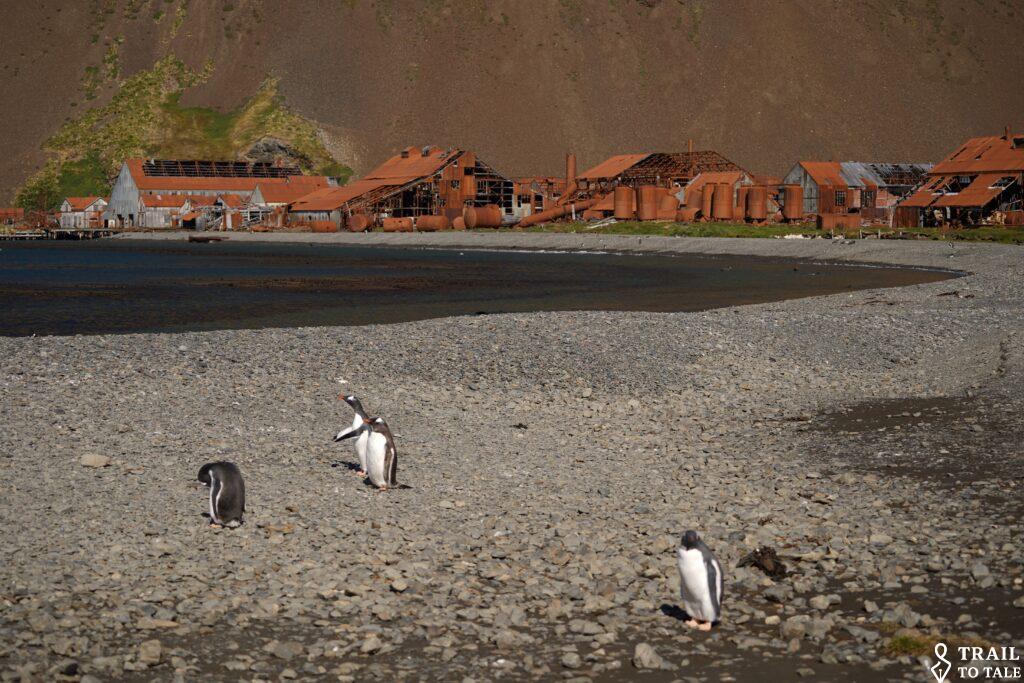
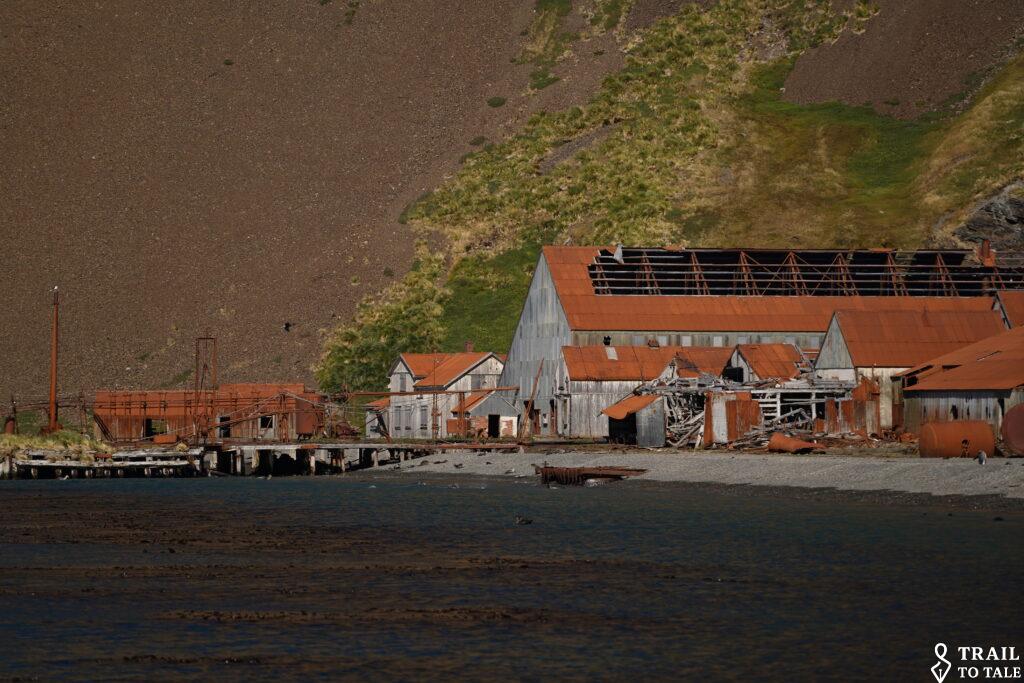
Shackleton walked up to the station manager’s house, bearded, weathered, and nearly unrecognizable. He knocked on the door and introduced himself with the now-famous words: ‘I am Shackleton.’ The man who answered, Thoralf Sørlle, reportedly wept upon realizing who stood before him. After months of isolation and unimaginable hardship, Shackleton’s ordeal was nearly over.
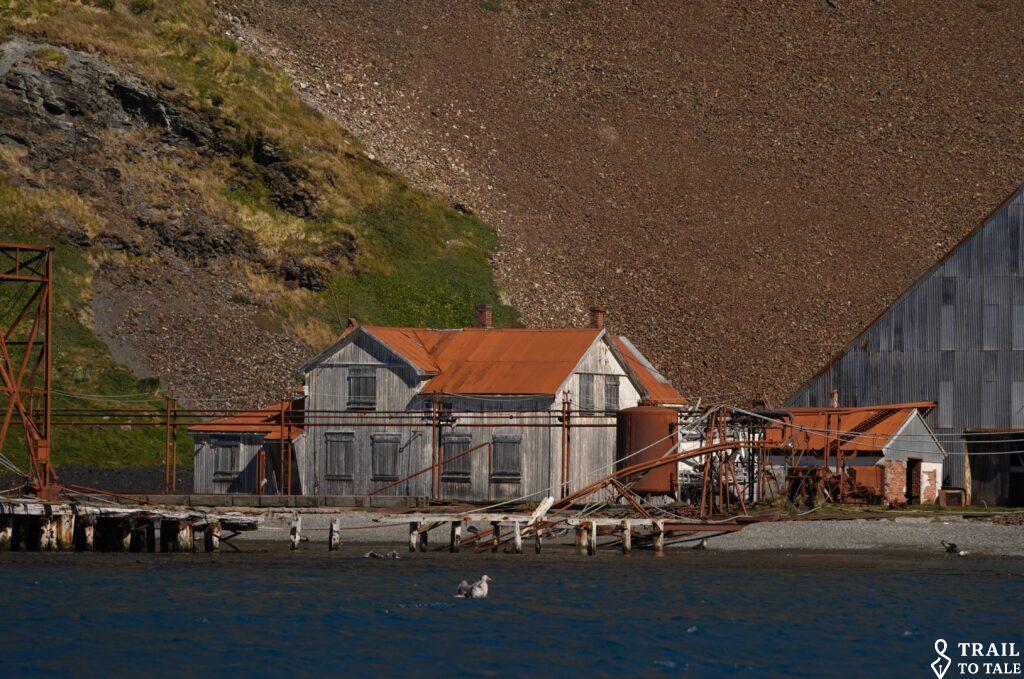
It would take four more months and multiple attempts through relentless sea ice before Shackleton finally returned to Elephant Island to rescue the rest of his crew. Remarkably, every man from the Endurance expedition survived, thanks to Shackleton’s extraordinary leadership, unwavering determination, and unbreakable will to bring his men home.
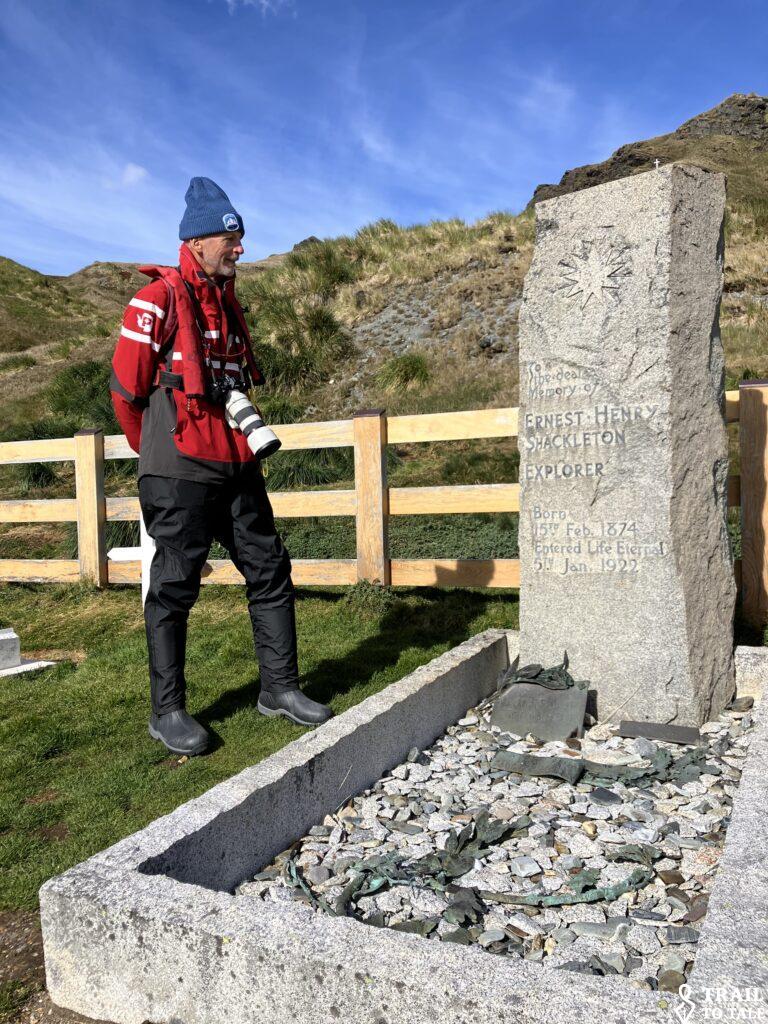
Sir Ernest Shackleton died in 1922 during his final Antarctic expedition and was buried in the Grytviken cemetery on South Georgia Island. His second-in-command, Frank Wild, was later laid to rest there as well
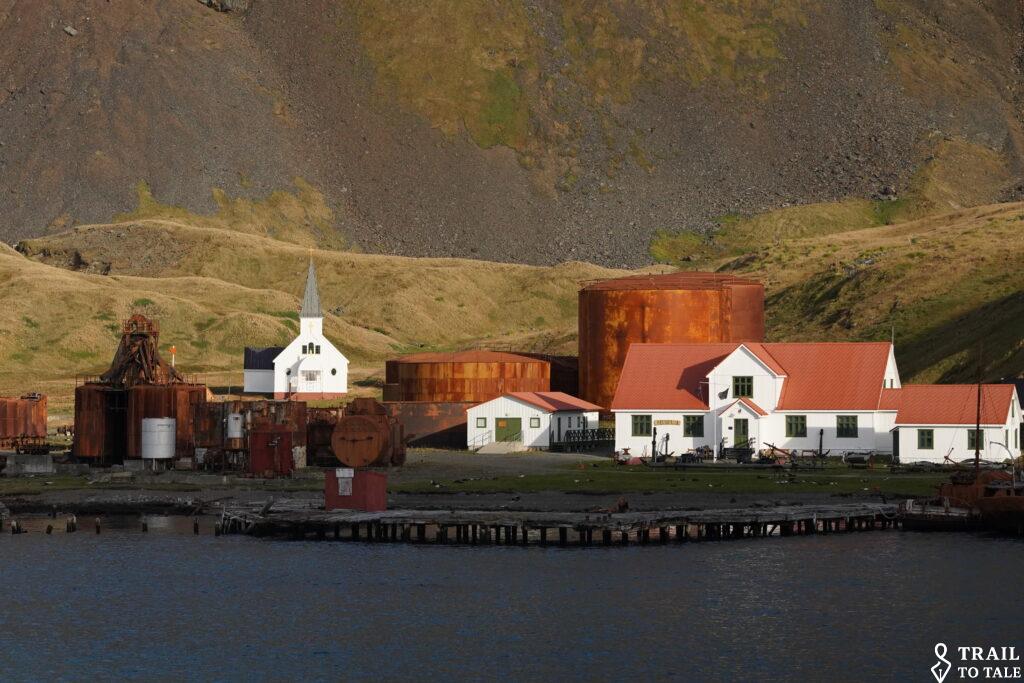
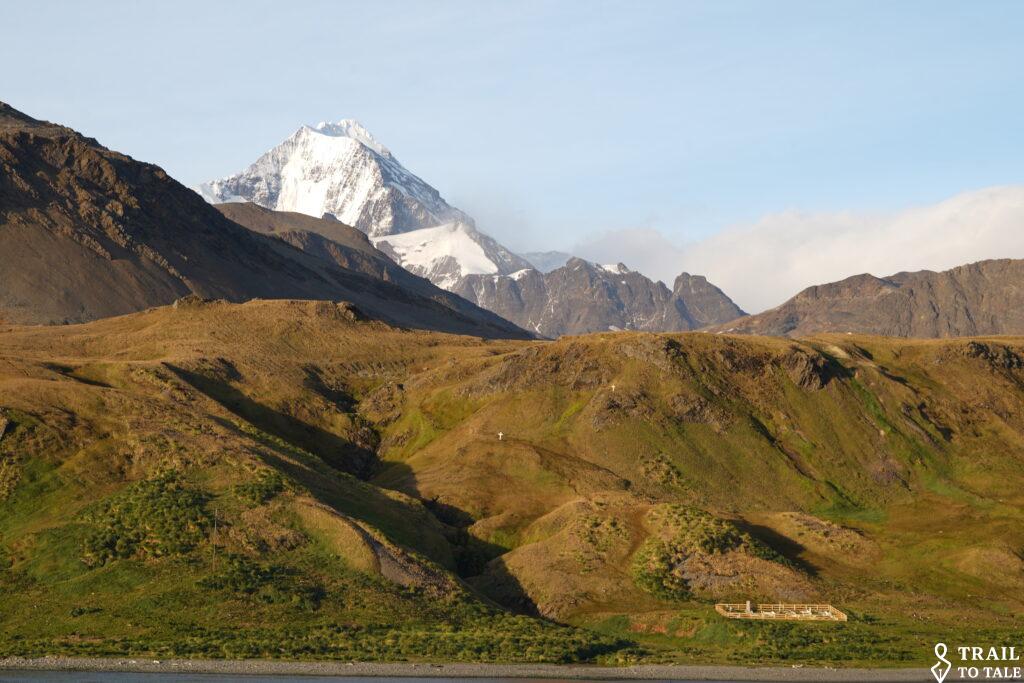
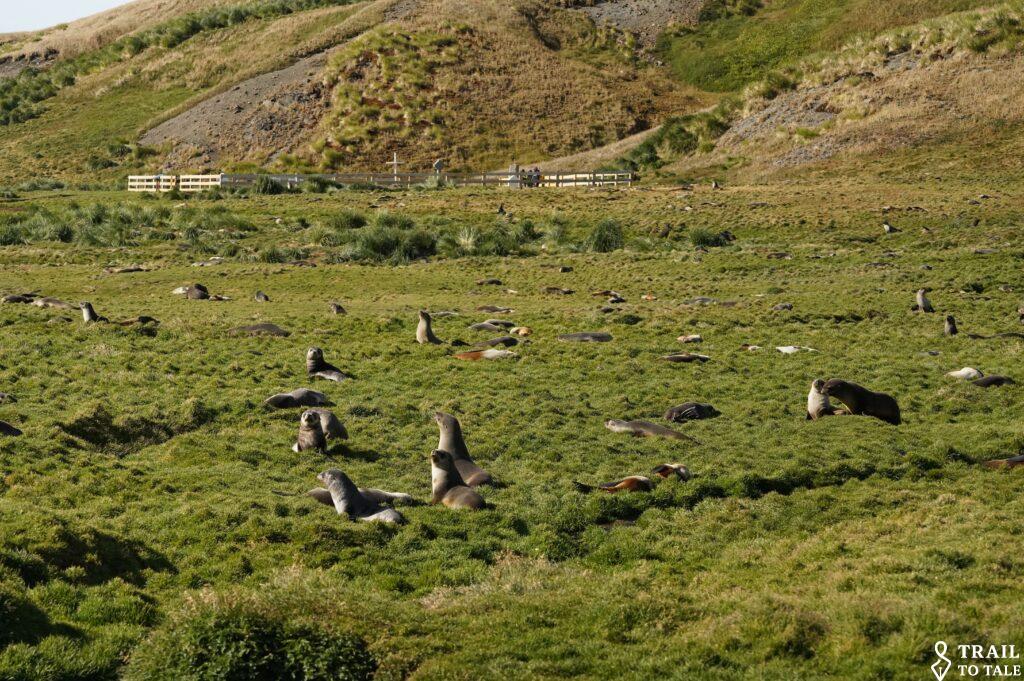
On his second journey to Antarctica, the author had the chance to pay his respects at Shackleton’s grave. A glass of fine Scottish whisky was raised in honor of ‘The Boss,’ as he was affectionately known by his men.

Leave a reply
You must be logged in to post a comment.