


The Kyrgyz are of Mongolian, Turkish, and mixed Asian origin. The descendants of those tribes that originated in Siberia and migrated to what is now Kyrgyzstan between the 10th and 15th centuries stayed close to their nomadic roots. Kazakhs and Kyrgyz are close relatives. The Kyrgyz have been herders, living in round tents called yurts and tending sheep, horses, and yaks. This nomadic tradition continues seasonally as herding families return to the high mountain pastures in the summer where the grass is more nutritious since it contains a higher concentration of protein than grain, hay, or other feed. High-altitude grass is also easier for the cattle to digest, which means all valuable nutrition does get absorbed right away.
The Ak-Sai Valley is situated in the country’s Naryn Region in the far south, at an altitude of 3,000 m above sea level. The country’s lowest temperature, minus 56.3°C, was recorded here.
The Valley is located in the border zone between the At-Bashi ridge and the Torugart pass and can be called the coldest valley in the Republic. Based on its sensitive location, just 25km from the China border, visiting there does require obtaining a special ‘Border Area Permit’.
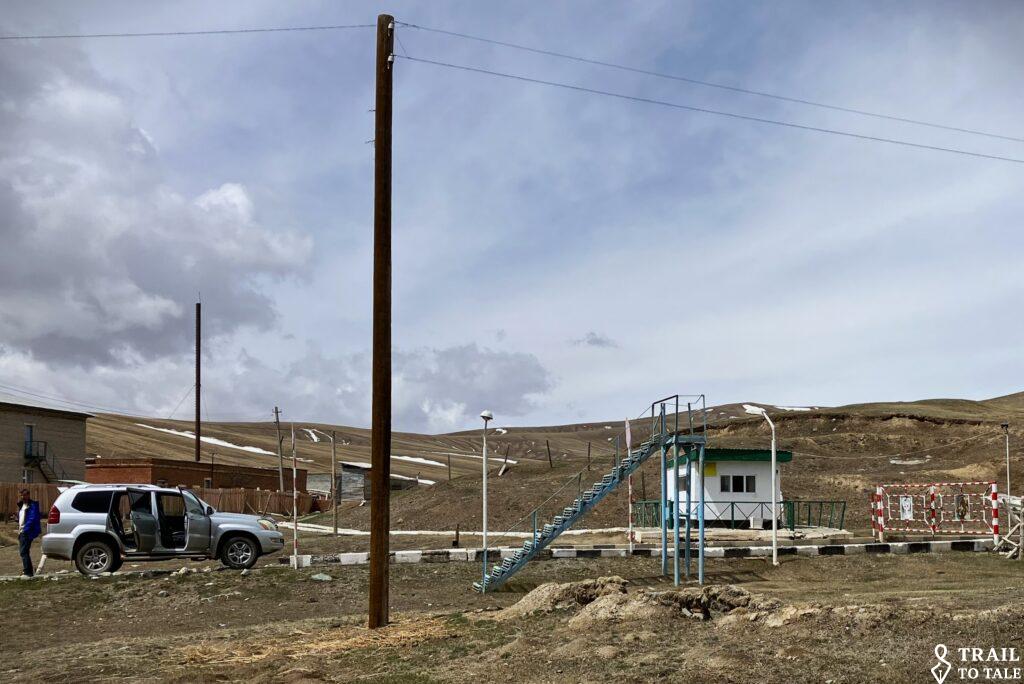
It is a good 10-hour road trip from Kyrgyzstan’s capital Bishkek, passing a number of mountain passes above 3000m and travelling long stretches of dusty gravel roads over wide open plains to reach the military-controlled check point where the passport and permit of each ‘outsider’ is carefully studied before access is granted.
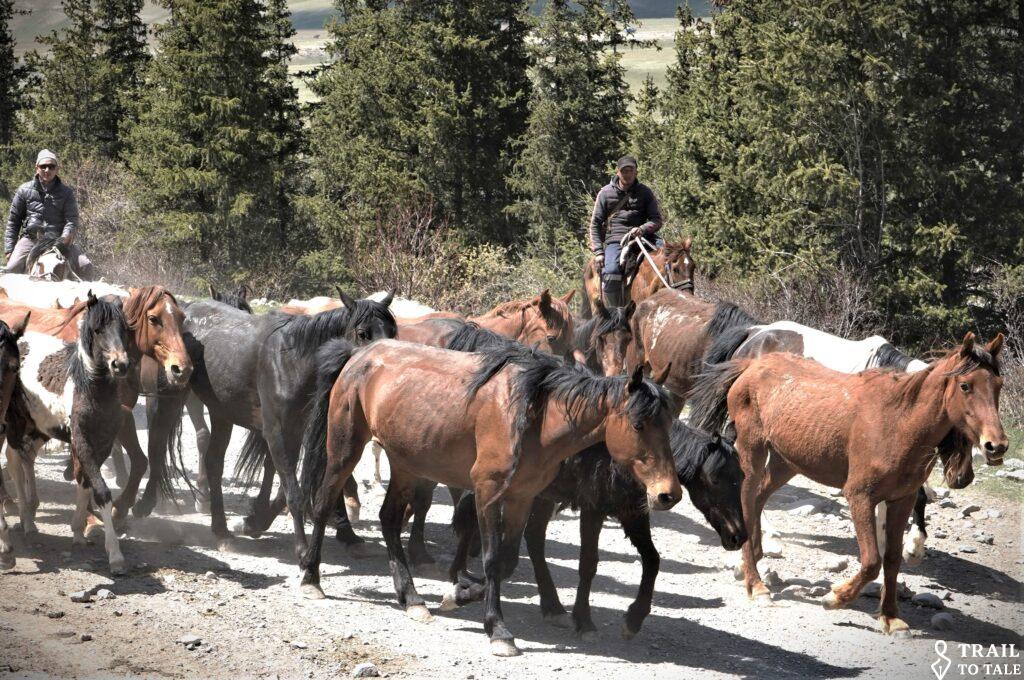
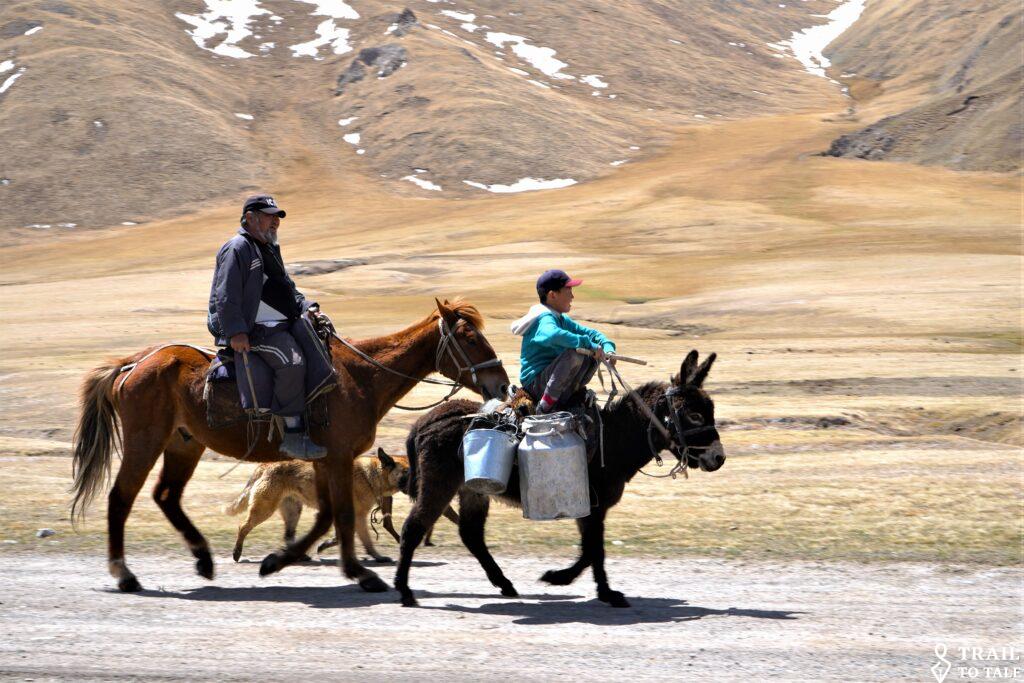
Because of the small number of vehicles using the tracks, road maintenance does not seem to be high on the agenda. A 4-wheel drive vehicle thus comes in handy for crossing the normally shallow rivers, areas with thick sand, and washed away parts of the dirt track. Scattered and seemingly unattended livestock can be seen from a distance, although now and then a horseman, usually accompanied by a faithful dog, appears out of nowhere.
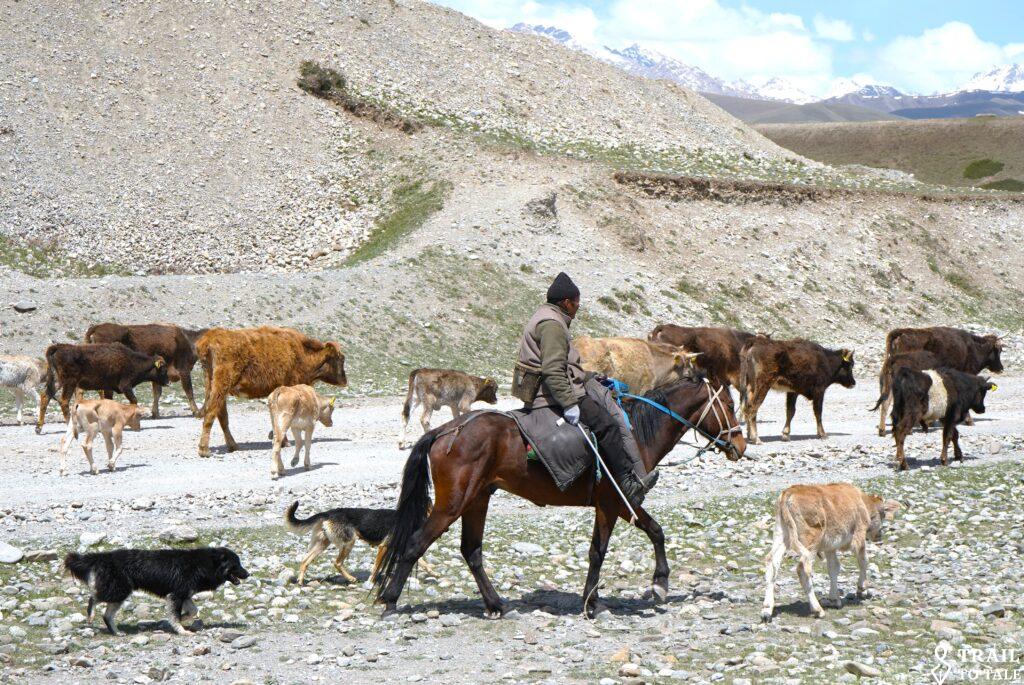
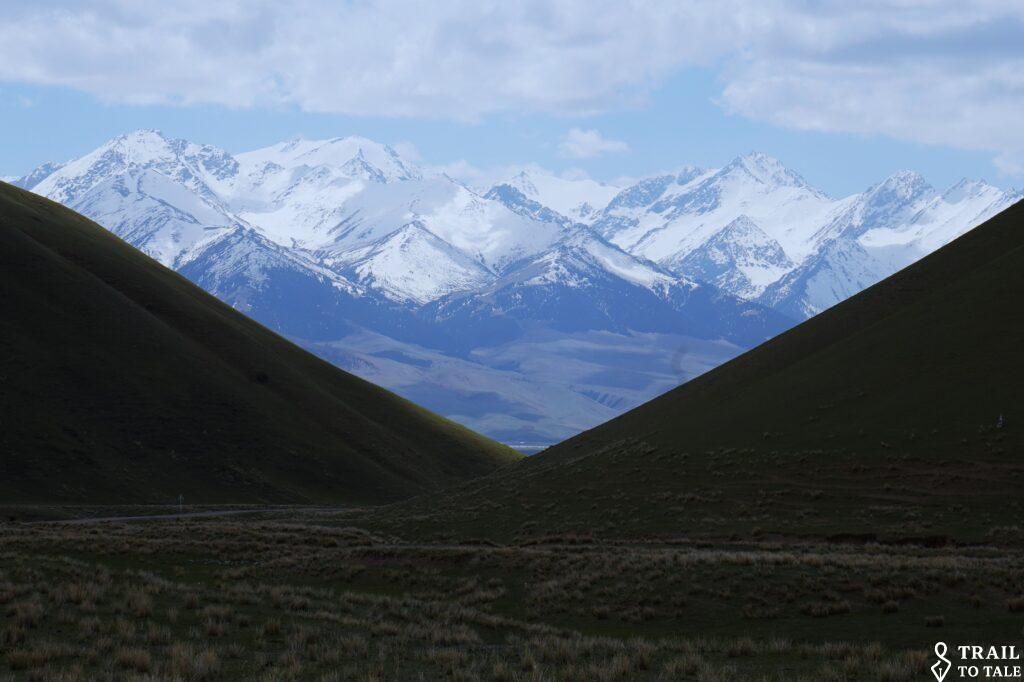
Clouds touch the ground near the horizon in a line. The snowy peaks, some reaching an elevation of over 7000m, also attract international mountaineers.
Because of the weather conditions, the vegetation consists of low grass and rare coarse shrubs. Trees do not grow. The terrain is covered with steppe and sometimes includes small but picturesque lakes and swamps. Visitors may experience sunny day temperatures in the twenties, however once the sun sets behind the tall ridges, the temperature drop is significant. Reaching the wide valley which is parted by individual arms of the river a few settlements kilometers apart are noted. Dwellings sometime consist only of a single room stone-house with a smoking chimney, companied by the traditional yurt and a small square structure a distinct distance from the living area providing shelter when the call of nature requires some privacy. An adjacent area surrounded with natural stones is used for the gathering and managing of the livestock which consists predominantly of yaks. Usually only under extreme winter conditions are the herds kept in the kraal. In the open terrain, the older yaks surround the calves at night, protecting them against the icy cold winds and extreme low temperatures. In order to identify their owners, animals are branded at an early age. For this, a glowing hot branding iron is used.
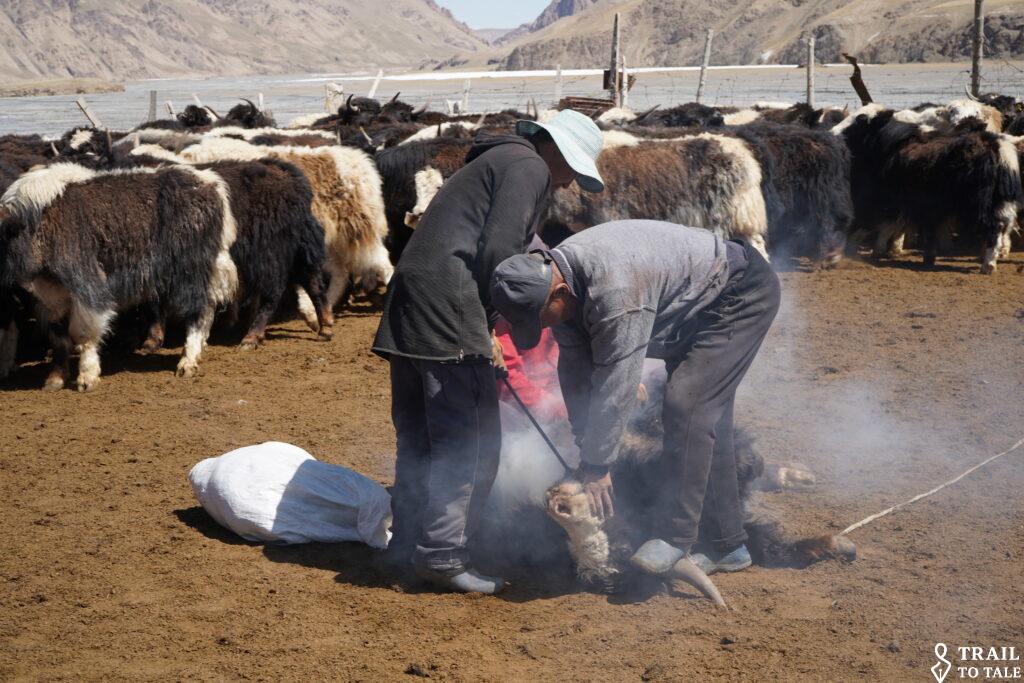
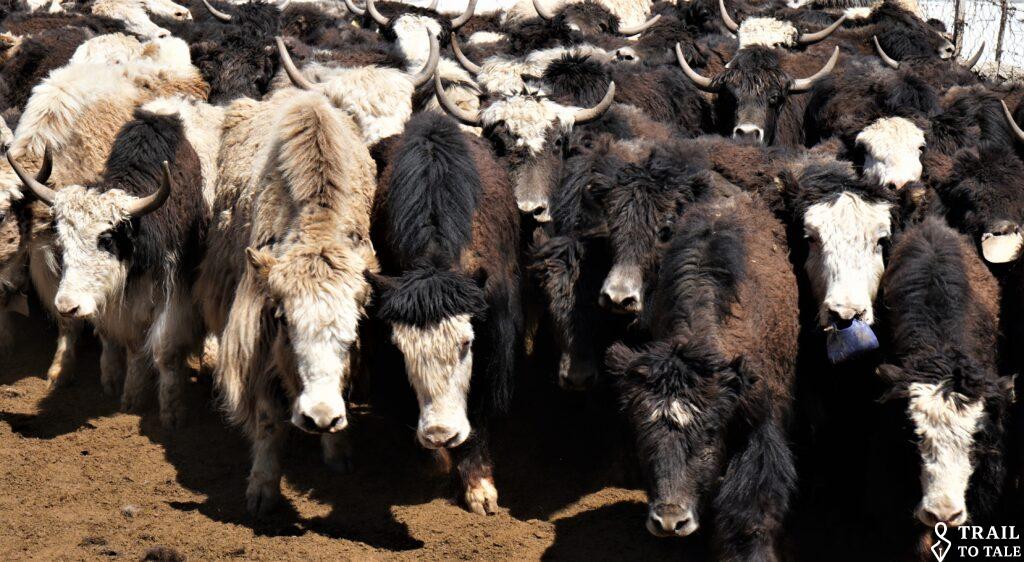
Yaks can survive at the highest altitudes in the world. They can climb up as high as 6,100m and cannot live below 3000m regularly. They are well-adapted to the cold, high-altitude environment; their bodies are compact with a relatively reduced skin surface. Their thick outer hair coats and the low number of sweat glands reduce heat loss and enhance their cold tolerance.
Once domesticated, yaks are used as beasts of burden, to plow fields, provide meat, milk, and butter, as well as wool for clothing and dung for fuel. The whole milk tastes relatively sweet and has a pleasant, sweet-smelling aroma. After slaughtering, nothing goes to waste, as even bones are utilized to manufacture a variety of objects. Yak hair creates tents, sacks, ropes, and blankets, and the horns are used to decorate roofs and doorways. The fresh blood of a yak is frequently used as medicine by locals in the isolated mountains. Hybridization of yaks with ‘normal’ cattle has been noted in the lower areas outside the Ak-Sai Valley, encouraged by the strength of the better growth rates and much higher milk production of these hybrids relative to the yak. The extra production has, however, to be paid for by better feeding, provision of shelter, and better all-round management and health care.
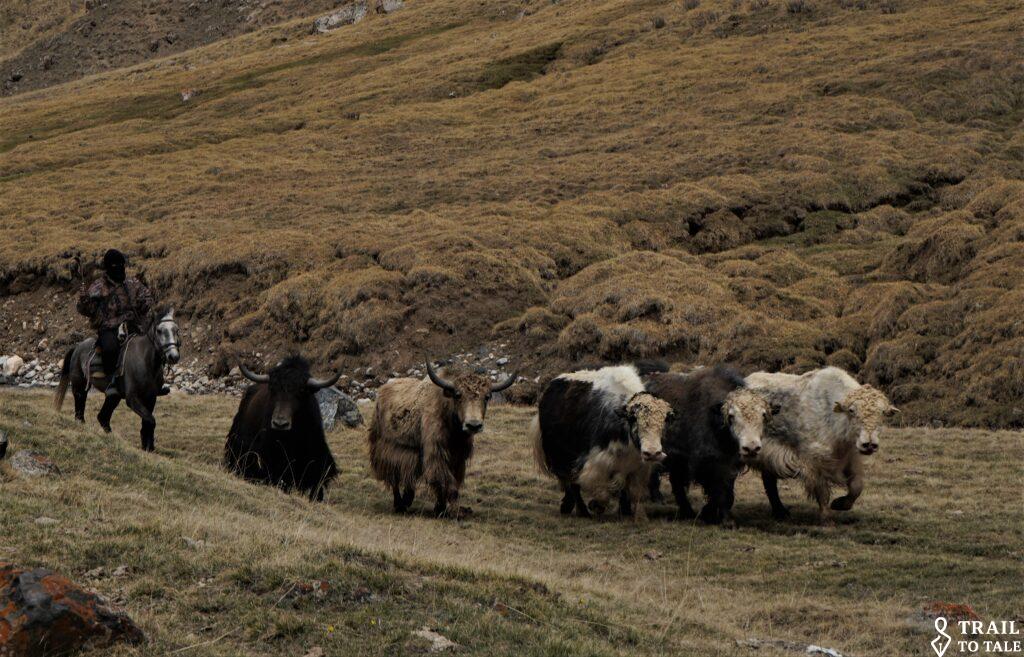
Horses are the herder’s main means of transport in the valley. From a very young age kids learn to ride, often just using a blanket as a saddle. The bigger yak herds graze wide over the valley, a herd mainly consisting of cows with their calves and only a few bulls. Traditionally, bulls running separate in groups fight for possession of females at mating season, which peaks during the months of August and September. Average gestation length is 258 days. Over a lifetime, yak cows will have four or five calves, one every second year.
On a sunny day, golden eagles can be seen using thermal lifts, spiraling high into the sky; marmots dart in front of their burrows, while small, colorful flowers stretch toward the bright seasonal sun. It all adds up to a unique experience. Although they are only seen on very rare occasions, the greater valley with its high cliffs and steep mountain walls is also a habitat of the endangered Marco Polo sheep and home of the snow leopard. Based on information from herders, there are sightings of a Brown Bear, Ibex, Blue Sheep, and large numbers of birds. Wolves are a common predator trying to kill the yak calves or the weaker old ones. Therefore, it is not seldom that a herder carries his rifle while out in the wilderness.
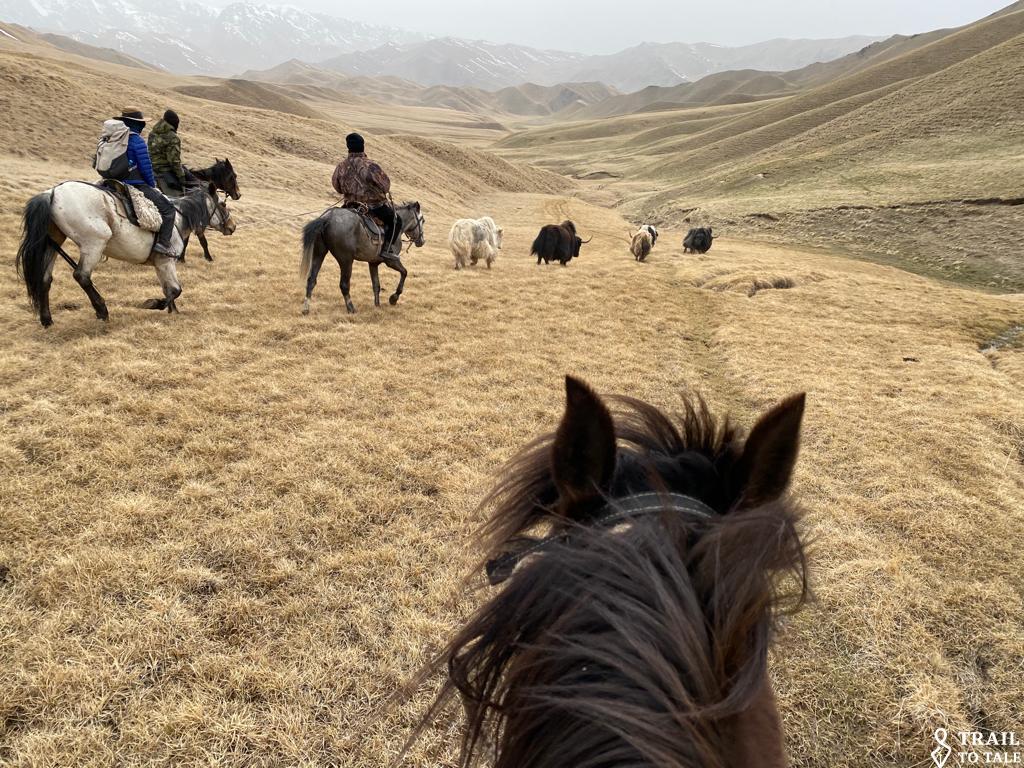
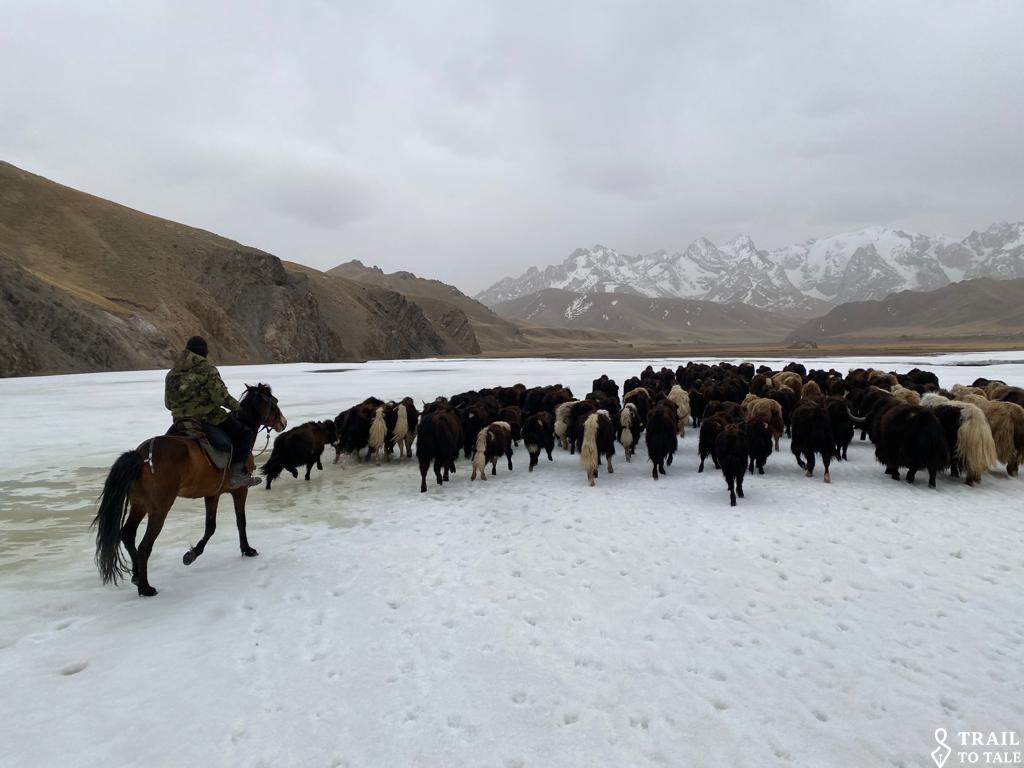
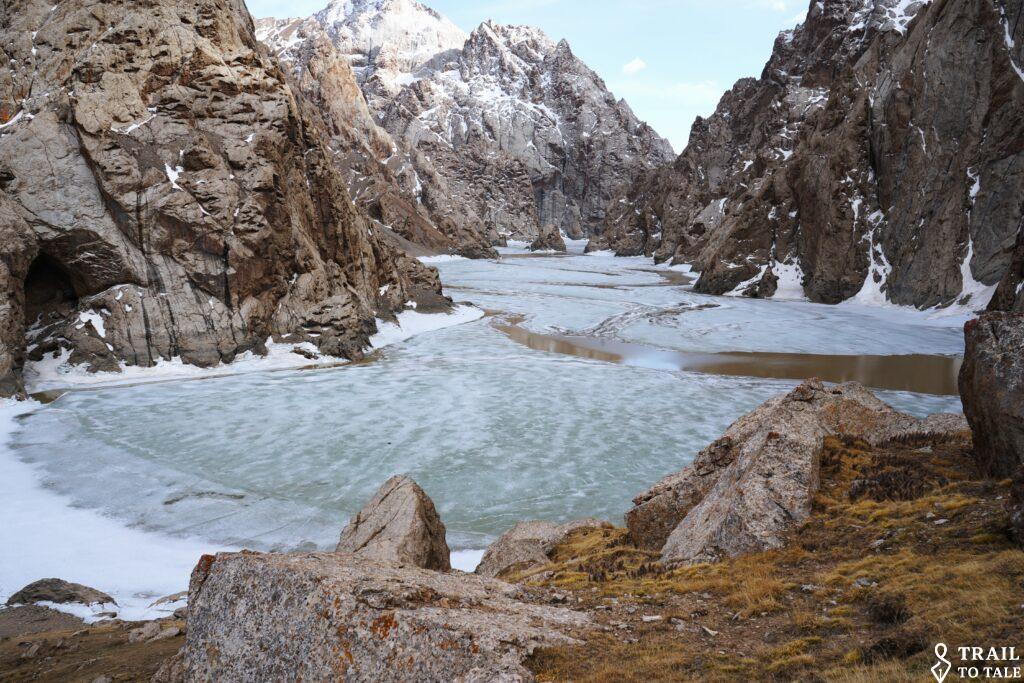
Living with a yak herder and his family included days spent on horseback searching and monitoring the bigger and the smaller valleys for his yaks. A hidden remote lake reached only on horseback, located not far from the Chinese border is gorgeous and mysterious. During May, it is still partially frozen. Hiking up the tall hills to 4,000m, the 360 degree panorama is overwhelming.
Being part of the family provides a glimpse of their profession. Experiencing their hardships during day-to-day life battling the climatic conditions and challenges in this very remote corner of the globe is quite humbling. It also shows their close interaction with their animals and their connection with their surroundings. Water is collected directly from the nearby river and used for drinking, cooking, washing, watering the few plants cultivated near the house in the warmer months.
Black tea, sometimes with a splash of milk, is the normal refreshment. Bread is a huge staple of the Kyrgyz diet and is served at almost every meal as well as a welcome to guests. The most common type of Kyrgyz bread is called ‘Tandyr Naan’. It’s round, with a smooth crust, and dense (not hard) interior. While in the towns and villages naan flat breads are baked in the traditional round stove, the bread in the Aksai Valley is made in a pan and placed upside down on top of the oven. Accompanying the bread is often a hot clear soup with potatoes, noodles, vegetables, dark greens, roots and, if available, is upgraded with pieces of chicken, mutton or beef. Kyrgyzstan’s national dish is ‘Beshbarmak’, also called ‘Five Finger Noodles’ as the proper way to consume it is with one’s hands. It consists of slowed-cooked meat (mostly mutton or beef for special occasions horse) served in its own broth, poured over thick-cut noodles and topped with fresh herbs.
While living a distance apart, the different families are dependent on each other. The requirement and readiness to support each other is learned by the younger generation from an early stage. Growing up without mobile phones or the latest fashion items does not seem to have a huge negative impact on the wellbeing of the youngsters. Being required to leave the family once the school holidays are over and attend boarding school is not easy for the children or for the parents.
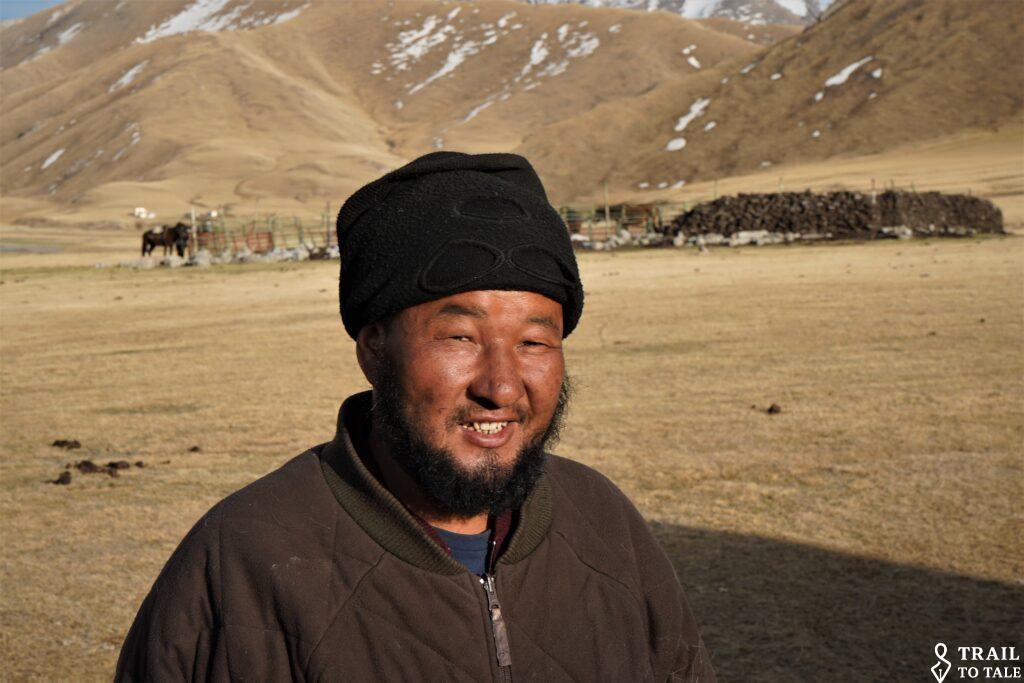
Returning to the ‘concrete jungle’ of buzzing Bangkok with all its amenities raises thoughts of the many ‘non-essential’ items that have become part of our daily city life, increasing even more the respect towards the herders and their minimalist lifestyle which still reflects a considerable amount of happiness.
Leave a reply
You must be logged in to post a comment.