


Being exposed to the very often not so positive headlines from Pakistan, this former British Colony had never been on the top of the author’s bucket list. However, having done numerous treks in the Himalayas, the Karakorum in the west, bearing 5 of the worldwide 14 peaks above eight thousand meter merited a visit in 2023. After a successful 18-day trek to K2 Base Camp in this ‘off the beaten track’ area in northern Pakistan, the possibly to explore more came up: Hunza Valley!
This mountainous valley is situated in the Karakorum Mountains in the most northern part of the Gilgit-Baltistan region of Pakistan. In the near past, Hunza was an independent Kingdom. Because of its boundaries to the People’s Republic of China’s southwestern Xinjiang Province and the Wakhan Corridor of Afghanistan, Hunza has had prime geopolitical importance for centuries and has an area of 32 000 km2.
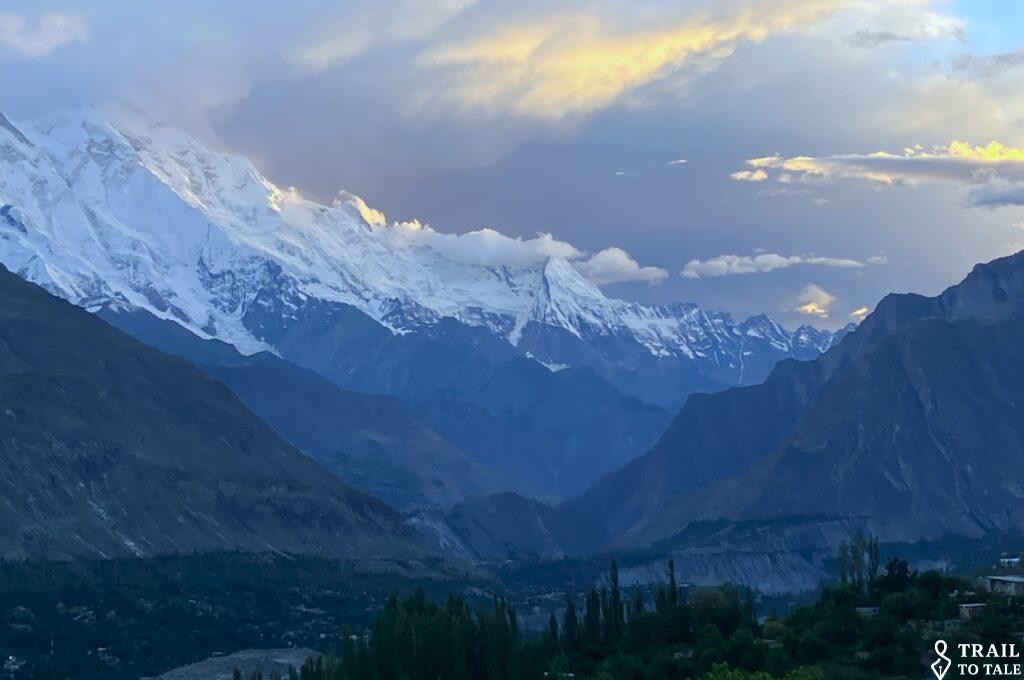
The Hunza valley is popular for its snow-capped and rough mountains. Many Pakistani come to Hunza just to get a few glimpses of the shining ice wall of the Rakaposhi Mountain (7788m). Other popular mountains in Hunza include Passu Peak, Ultra Peak, and Kuksel Sar. The valley surrounding the Hunza River is home to some of the world’s best treks, with trail lengths ranging from a few hours to several days.

Most of the people of Hunza are Islmaili Muslims, followers of His Highness the Aga Khan. Hunza was an independent principality for more than 900 years. The British gained control of Hunza and the neighboring valley of Nagar between 1889 and 1892 following a military engagement of severe intensity.
For centuries the Valley hosted one branch of the ancient Silk Road which nowadays is replaced by the China-financed Karakorum Highway. This arguably is the most harrowing trail of asphalt on earth. From Kashgar in China’s southwestern Xinjiang Province to Islamabad, the road stretches 1260 kilometers and pierces the territory of at least five ethnic groups. (Uighur, Kirgiz, Tajik/Wakhi, Hunza/Nagar, Shin, and Pathan).
Hunza Valley hosted one branch of the Silk Road which nowadays replaced by the China financed Karakorum Highway. Why is Pakistan so important to China? Pakistan and China support each other on issues of core interest and major concern. The Pakistani side firmly adheres to the one-China policy. China supports Pakistan’s sovereignty, territorial integrity, security, and promotes its social-economic development and prosperity. Looking at the loads on the colorful ‘jingle trucks’ ruling this road, it seems that the main purpose of this ‘all year’ transport artery is to transport ‘low-cost items’ manufactured in China to markets in the south.
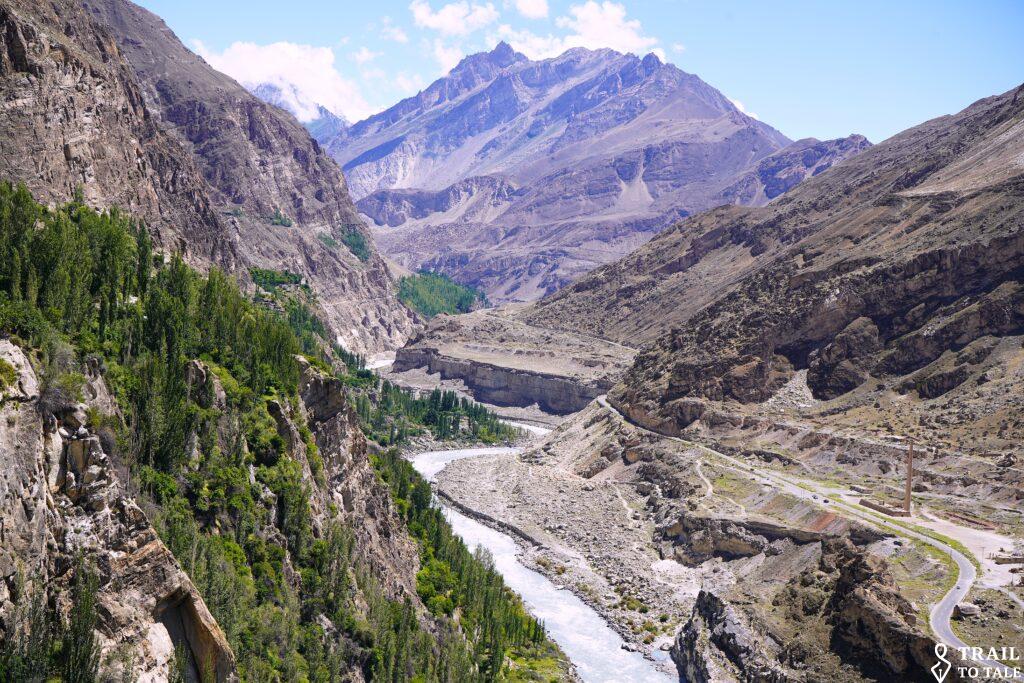
In Hunza are two historical forts: the Altit (lower) Fort and the Baltit (upper) Fort. In order to exercise control over this branch of the historic Silk Road, the Altit (lower) Fort is sited on the main Hunza gorge with its 200m-high sheers cliffs before precipitous slopes cascade towards the river. Just across the river is the Haldeikish, known as the sacred rocks of Hunza with carvings dating back to the 1st Millennium A.D. Traces of Buddhist influence and of Hinduism are found in carvings on the historic wooden columns within the fort.
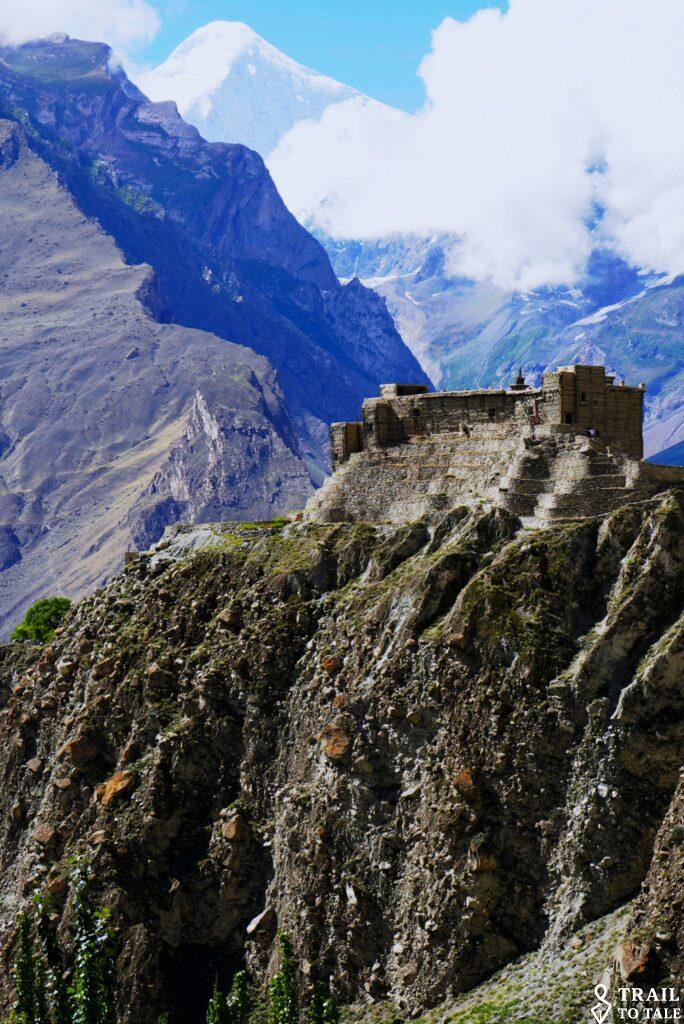
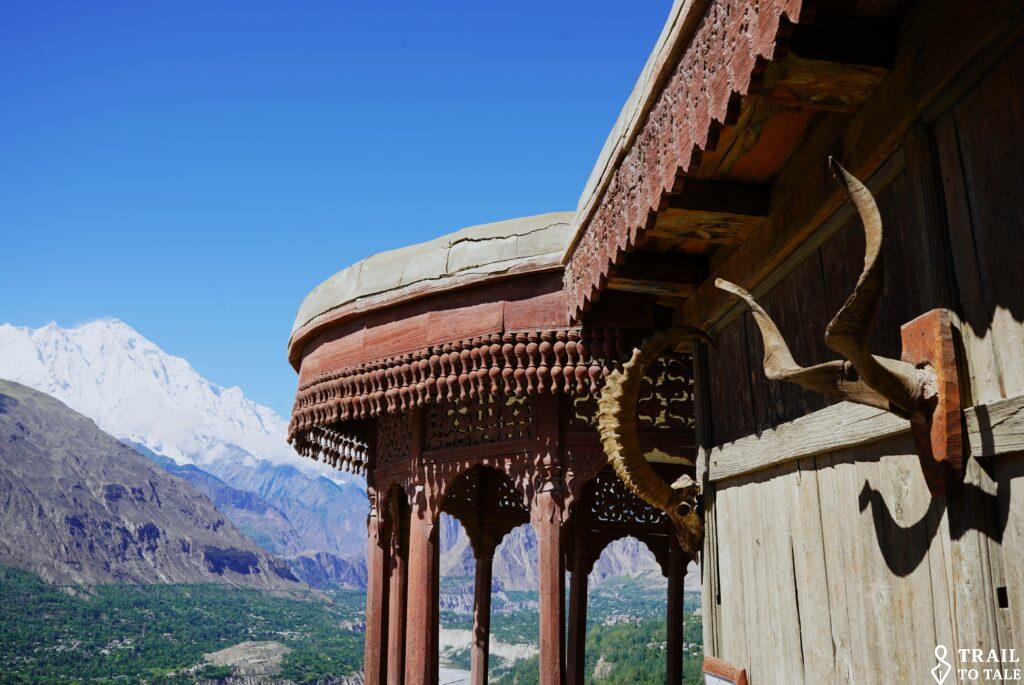
The Shikari Tower, now part of the Altit Fort, is the oldest monument of the Gilgit Baltistan Valley which is 1100 years old. The actual Altit Fort is said to have been built predominantly by builders who accompanied a princess of Baltistan as a dowry to marry the Crown Prince of Hunza and is confirmed to be about 800 years old. Altit was home to the rulers of Hunza at the time who were known as the Mirs of Hunza. The building method using cribbage and cators are evidence of the wisdom of traditional construction which suited the local physical context of the Karakorum and seismic realities. Modifications to the fort came during the time of the British in the late part of the 19th century.
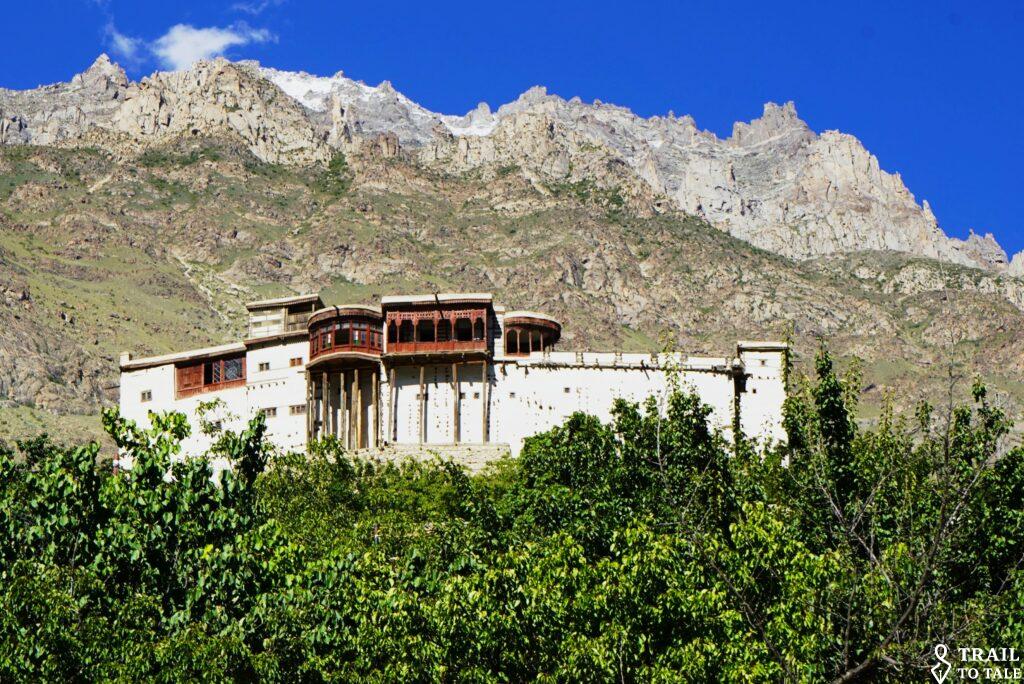
The Baltit (upper) Fort, located above the town of Karimabad, was founded in the 8th century and has been on the UNESCO World Heritage Tentative list since 2004. It is another shining monument to numerous historical events and incidents.
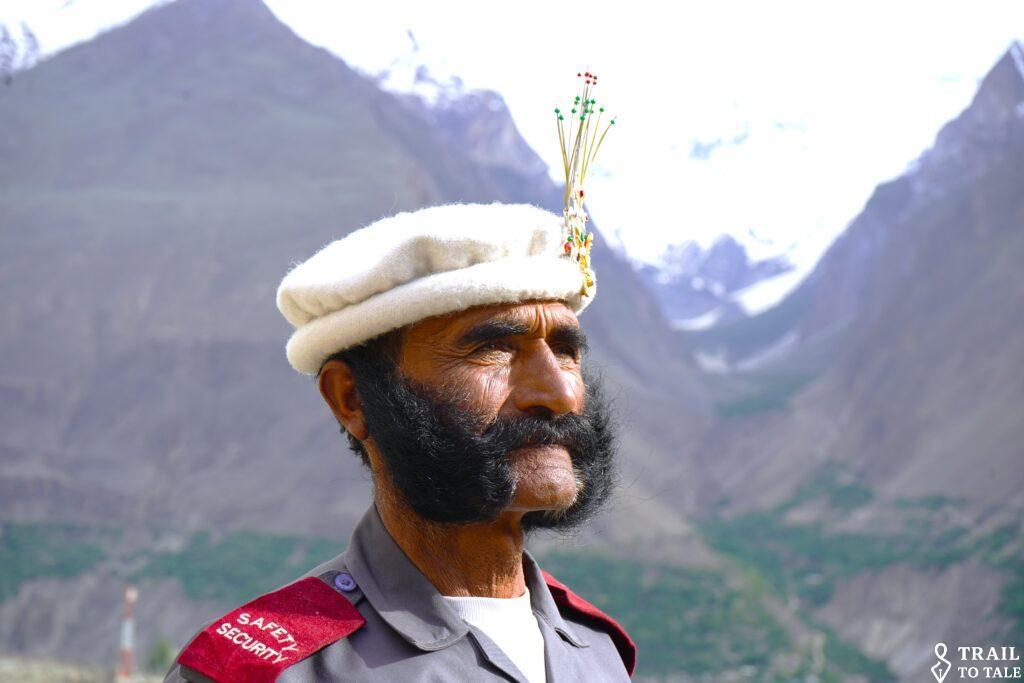
Just down from both forts near the river is the fortified village of Ganish, the oldest settlement on the ancient Silk Road in the Hunza Valley. It is the site of various ancient watchtowers, traditional mosques, religious centers, and a reservoir. Here the current problems, resulting from the fusion of modern and traditional lifestyles, and from the uncertain future of that remote area in Central Asia, are exposed.
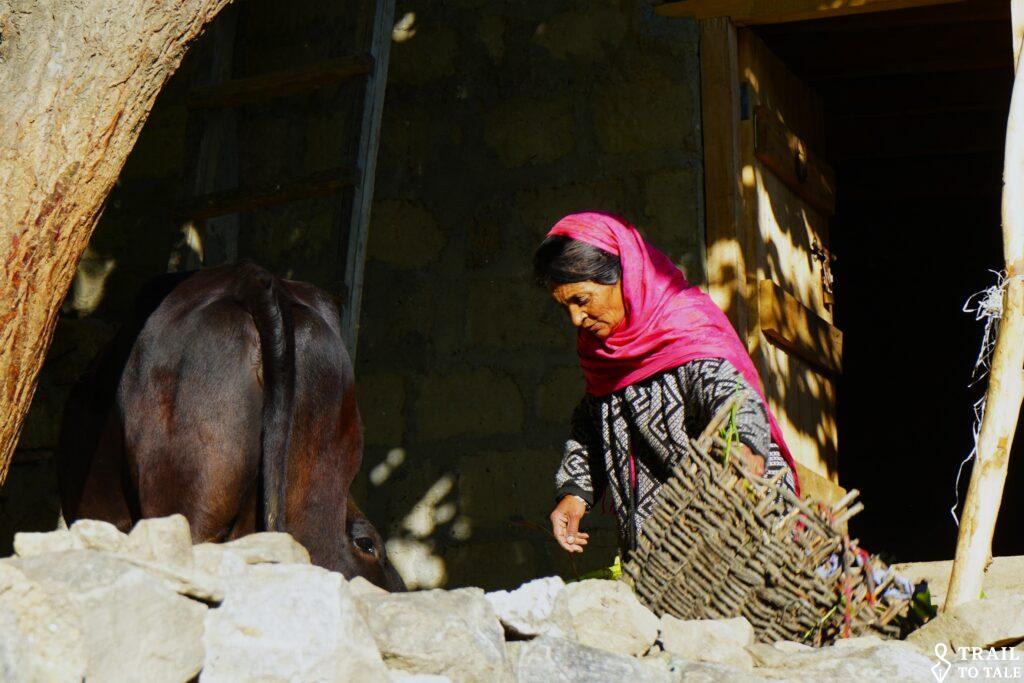
The Hunza people are well known for their distinctive lifestyle, which is firmly based on agriculture and self-sufficiency. They raise a range of agricultural products, including wheat, barley, apricots, and apples in their terraced fields which they nurture on the steep mountain slopes. Centuries-old irrigation systems channel glacier water to the individual fields. Generations have enjoyed a simple yet nutritious diet which includes fresh vegetables, whole grains, nuts, and seeds. Dishes are largely centered around the consumption of apricots. These succulent fruits are rich in essential vitamins, minerals, and antioxidants, providing the Hunza people with vital nutrients that contribute to their overall well-being. The avoidance of processed foods helps prevent chronic diseases that plague modern societies. Their physical activity is ingrained in their daily routine, as the Hunza people traverse rugged terrain, cultivating their fields and engaging in outdoor activities like climbing steep slopes and crossing high passes. This all helps maintain robust cardiovascular health and muscle strength.
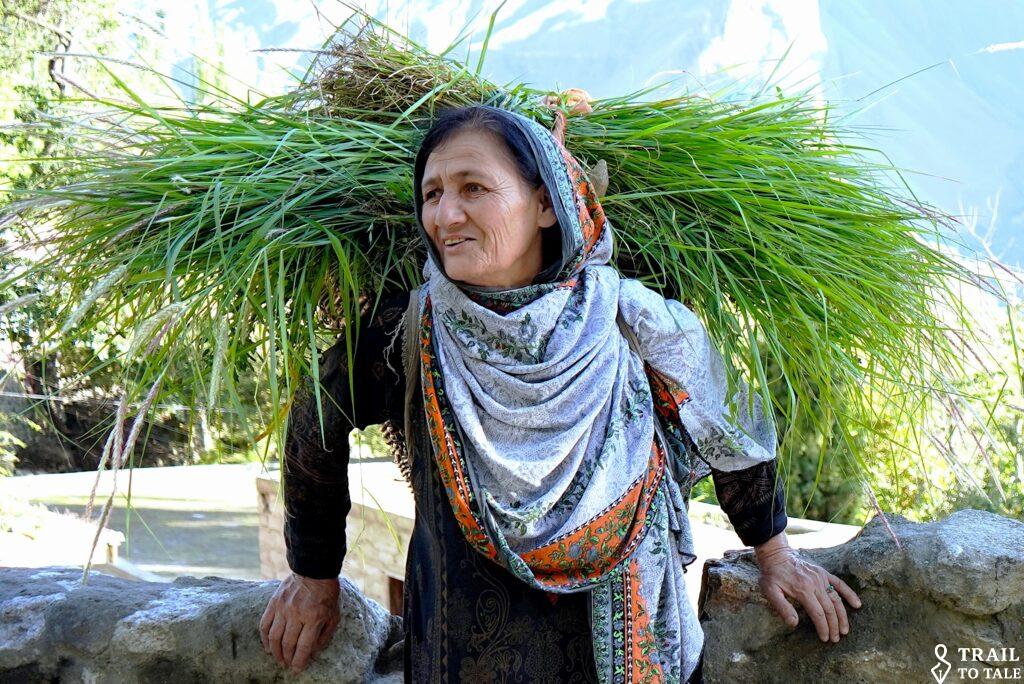
The Hunza people’s strong sense of community and supportive social structure undoubtedly plays a significant role in their prosperity. More importantly, they are all smiling and brimming with vitality. Reduced stress levels and emotional support fostered by tight-knit relationships contribute to their longevity. Not only do they often surpass their hundredth birthday but also their average life expectancy is much higher than in other parts of the world. Based on this, in the early 1970s, National Geographic ran an extensive series of articles investigating claims of these long-lived people.
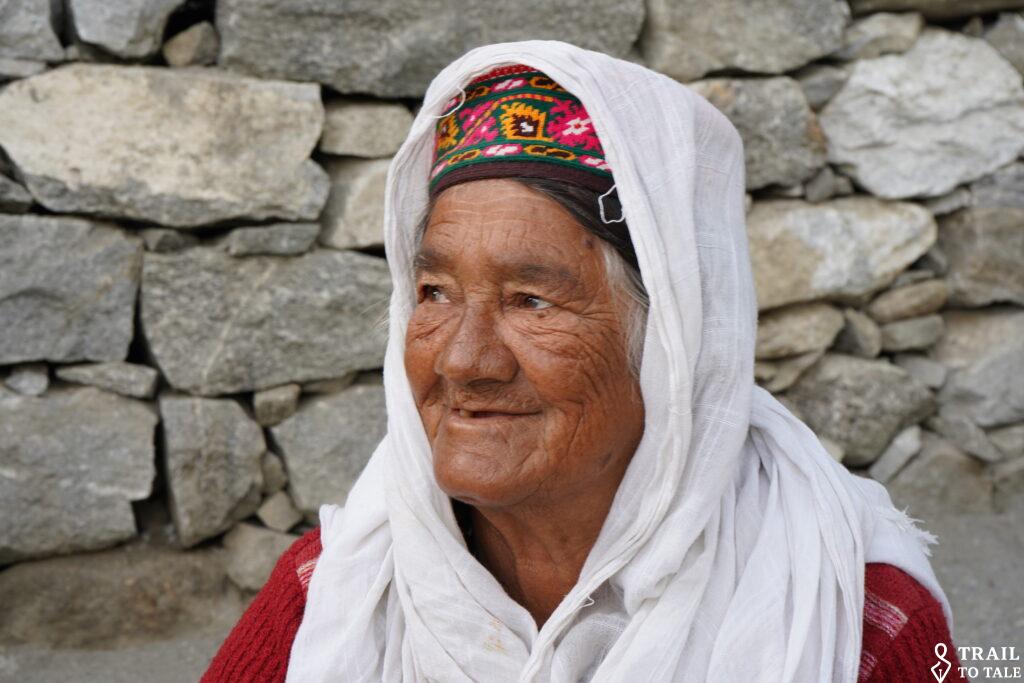
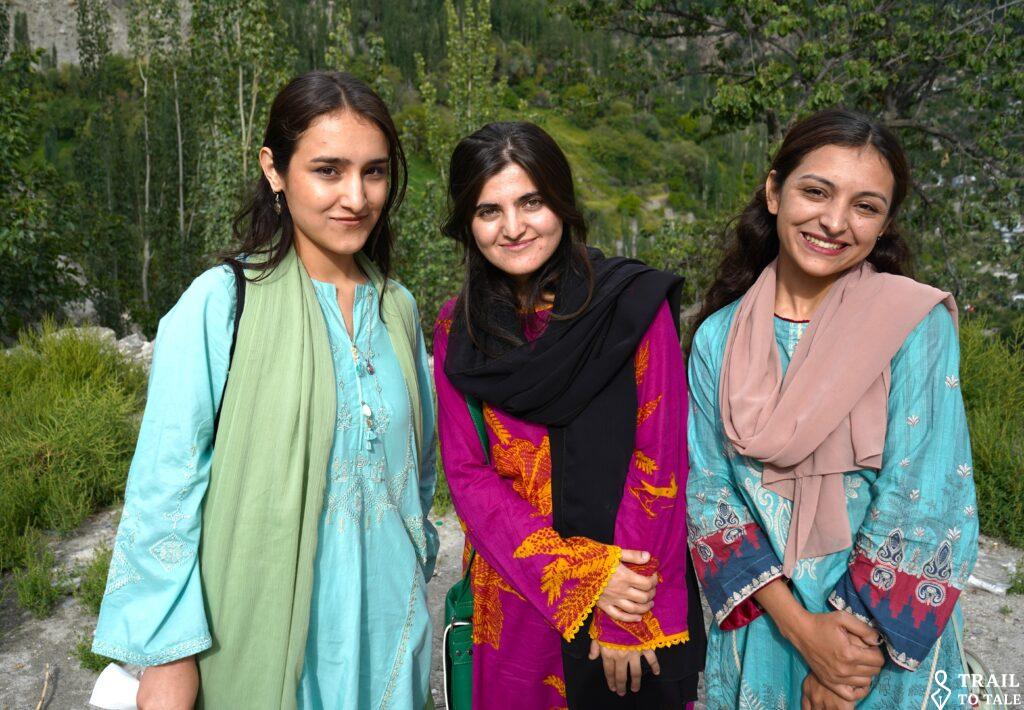
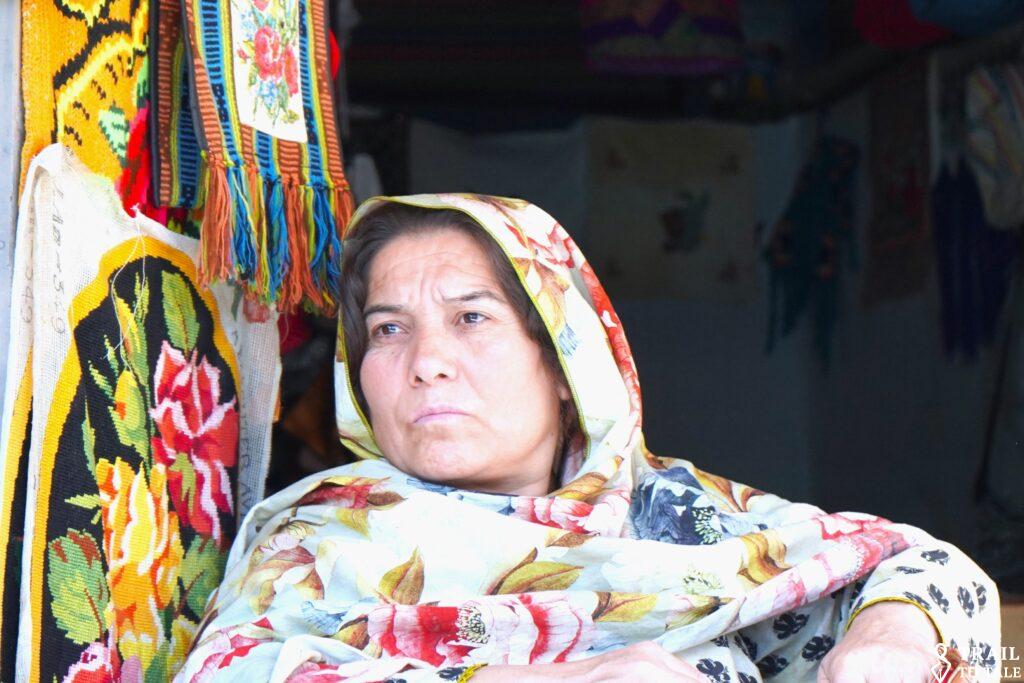
Strolling through the villages the friendly smiles of the locals were often accompanied by a welcoming hint to enter their simple housing where usually hot tea and dried fruits and nuts were served. The warmth felt from the people of Hunza does prompt the next trip to the Hunza Valley in spring 2024 despite the ongoing ‘noise’ reported in mainstream news channels.
Leave a reply
You must be logged in to post a comment.