


Karachi, Pakistan’s largest port and commercial hub, is the business center of this complex and highly diverse country.

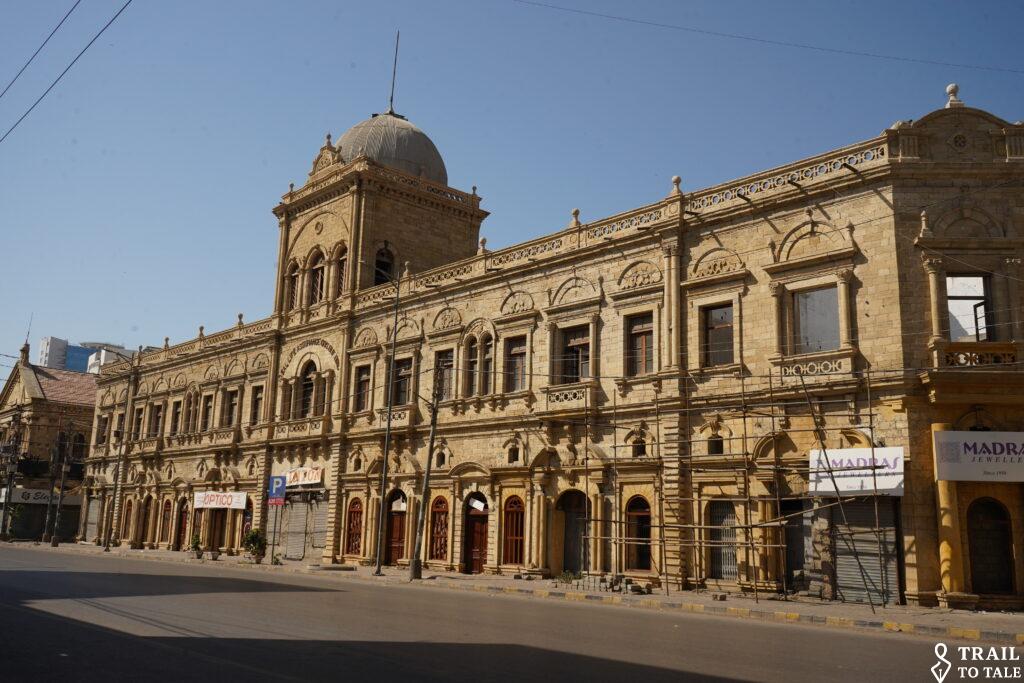
Many buildings were built during the British Raj between 1882 and 1889,
The ‘Empress Market’, dominated by its 140-foot clock tower. Once one of Karachi’s principal marketplaces, it remains one of the city’s most recognizable colonial landmarks.

Scavengers looking for a snack

The Old Ilaco House, built in 1892 as the headquarters of the Indian Life Assurance Company. This magnificent yellow-sandstone building is today known as ‘State Life Building’.
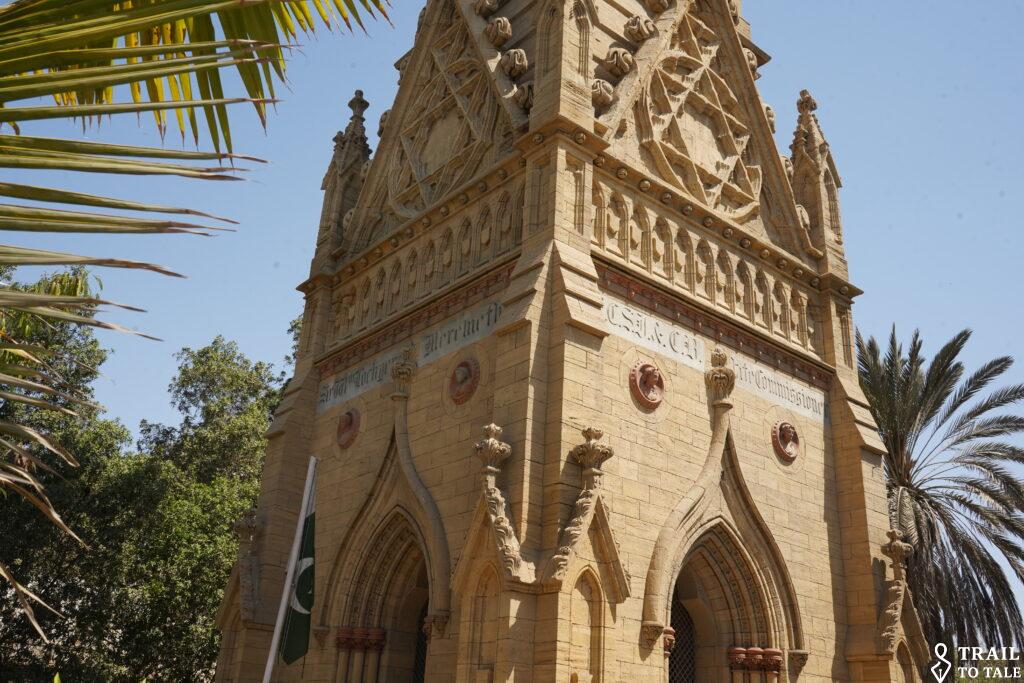
St. Paul’s Church, a striking Gothic Revival church, distinguished by its yellow sandstone, ornate pointed arches and tall octagonal bell tower.

Eduljee Dinshaw Charitable Dispensary, with its ornate Italianate architecture and central clock tower is one of the city’s oldest surviving colonial landmarks.
Mazar-e-Quaid, the imposing white-domed mausoleum of Muhammad Ali Jinnah, founder of Pakistan, is Karachi’s most important national monument and a powerful symbol of the country’s independence.

The Tooba Mosque, completed in 1969, is known for its striking white marble and enormous pillarless dome making it one of the city’s most recognizable places of worship.

It accommodates around 30,000 worshippers, including outdoor areas, with a distinctive red carpet in the main prayer hall.

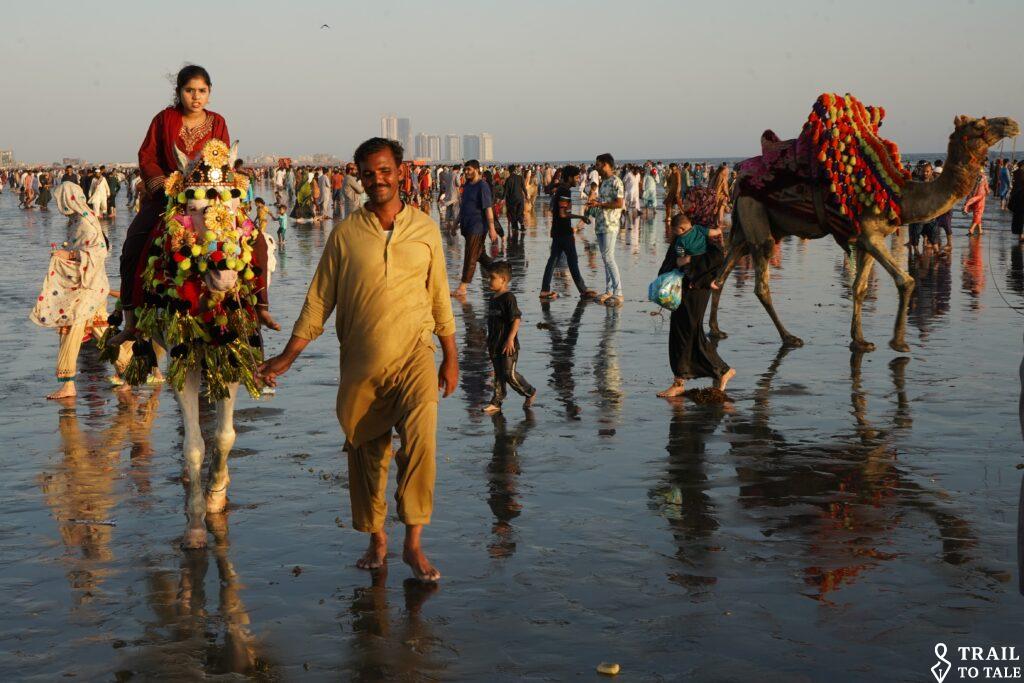
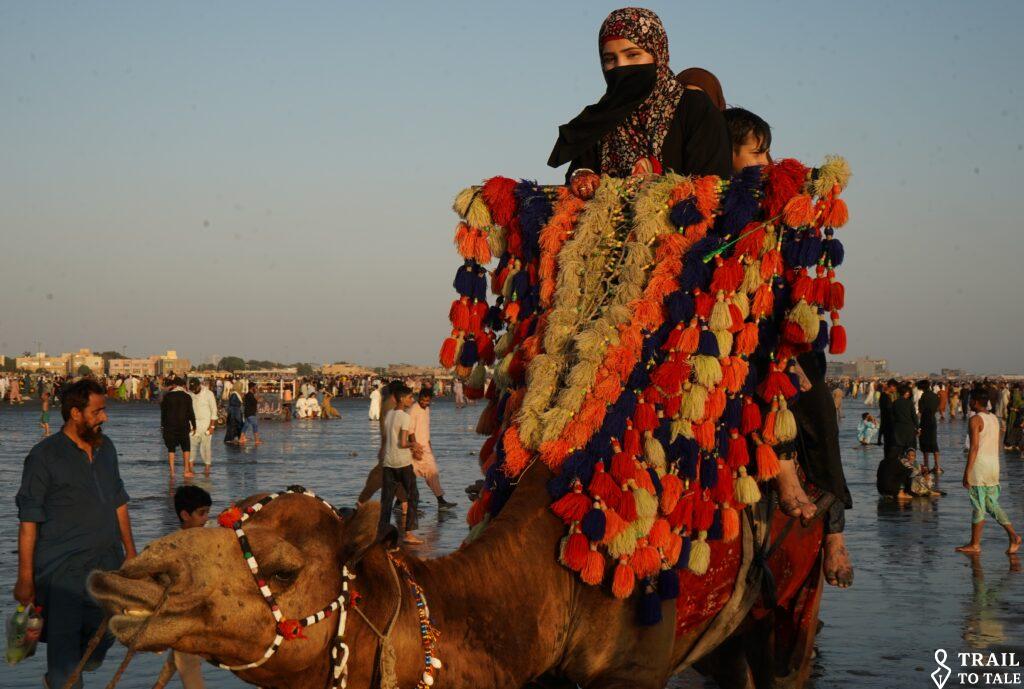
Clifton Beach is a popular Sunday afternoon destination for families.


At low tide, vendors bring camels and horses for tourists to ride, with Karachi’s modern high-rises forming the backdrop.

The Chaukhandi Tombs, dating from the 15th to 18th centuries, are renowned for their intricately carved sandstone graves, adorned with geometric and floral motifs.

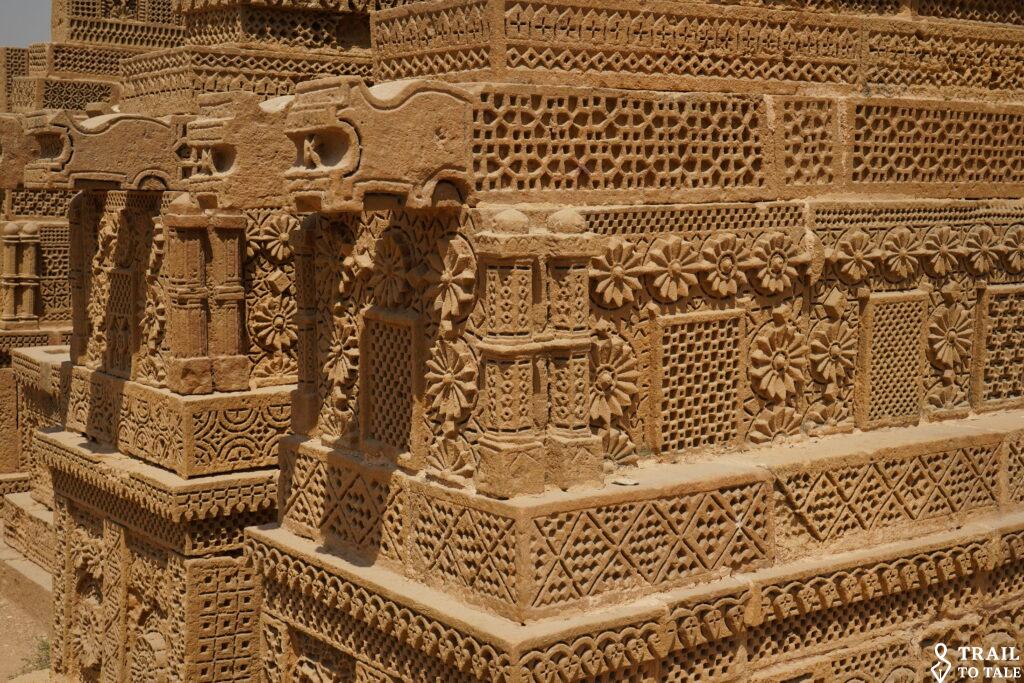

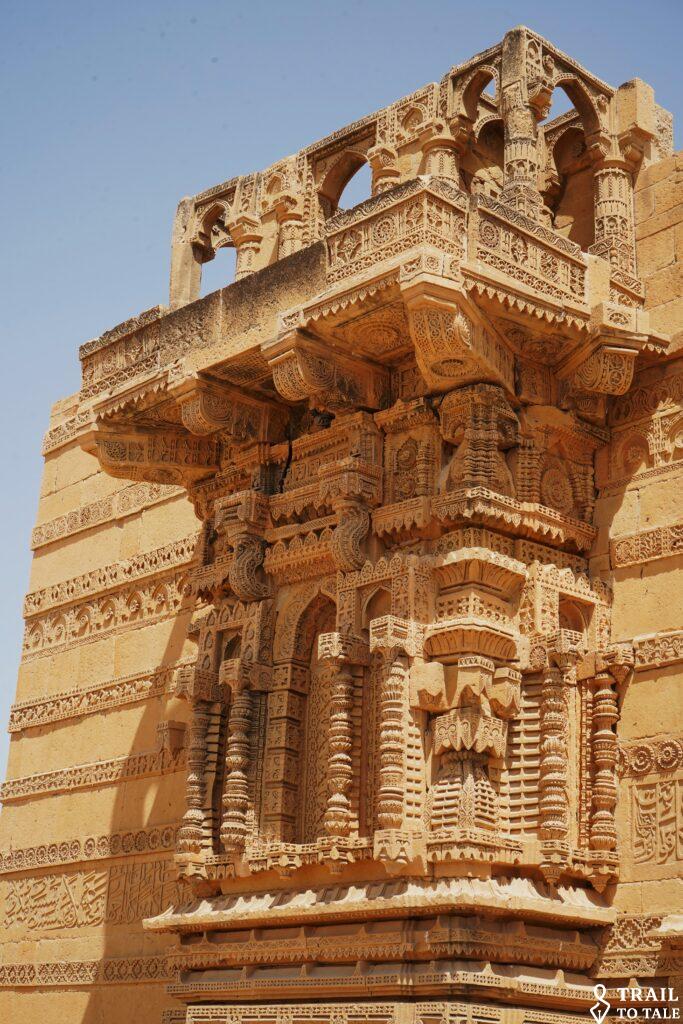
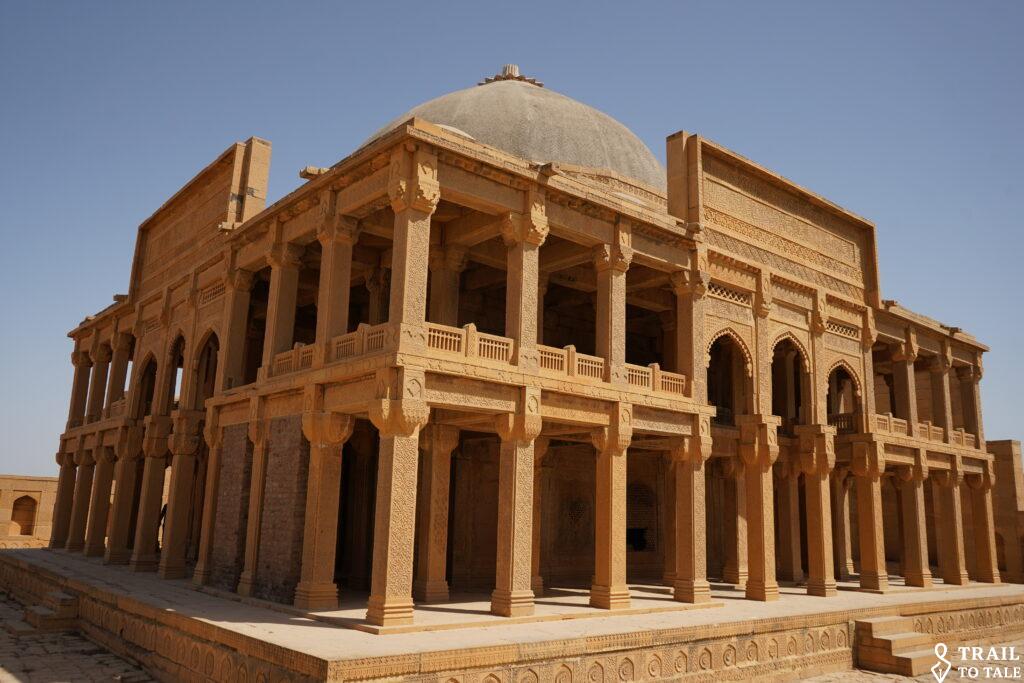
Makli Necropolis, a UNESCO World Heritage Site near Thatta, is one of the world’s largest funerary sites, with hundreds of thousands of tombs and monuments spanning more than 500 years of Sindh’s history.


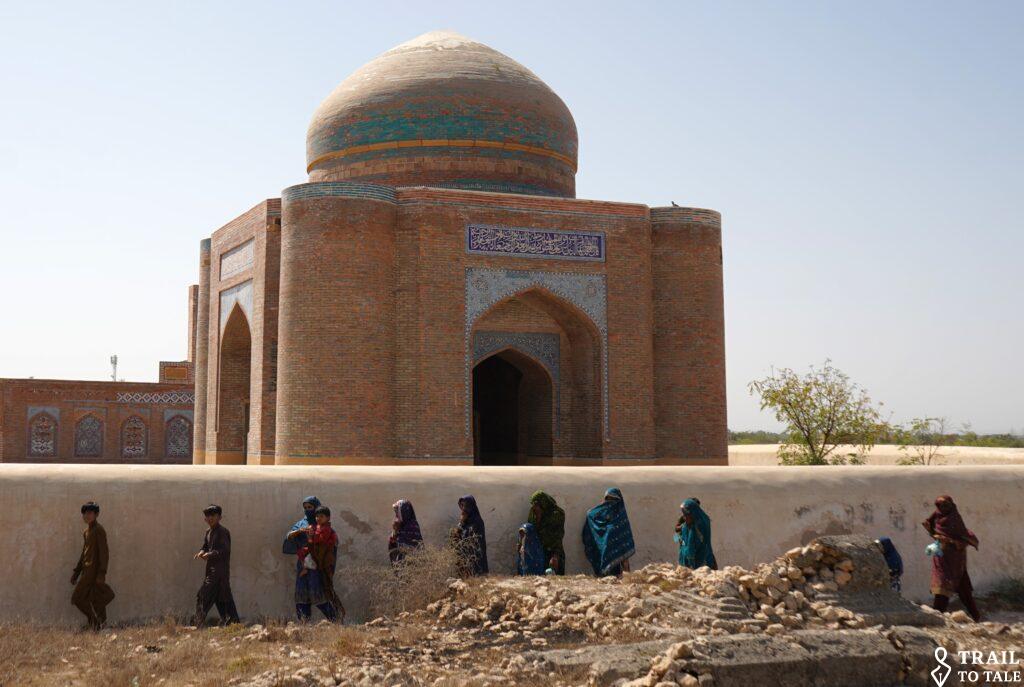
The Shah Jahan Mosque in Thatta, built in 1647, is renowned for its magnificent blue-and-white tilework, intricate brick decoration and remarkable system of 93 domes.
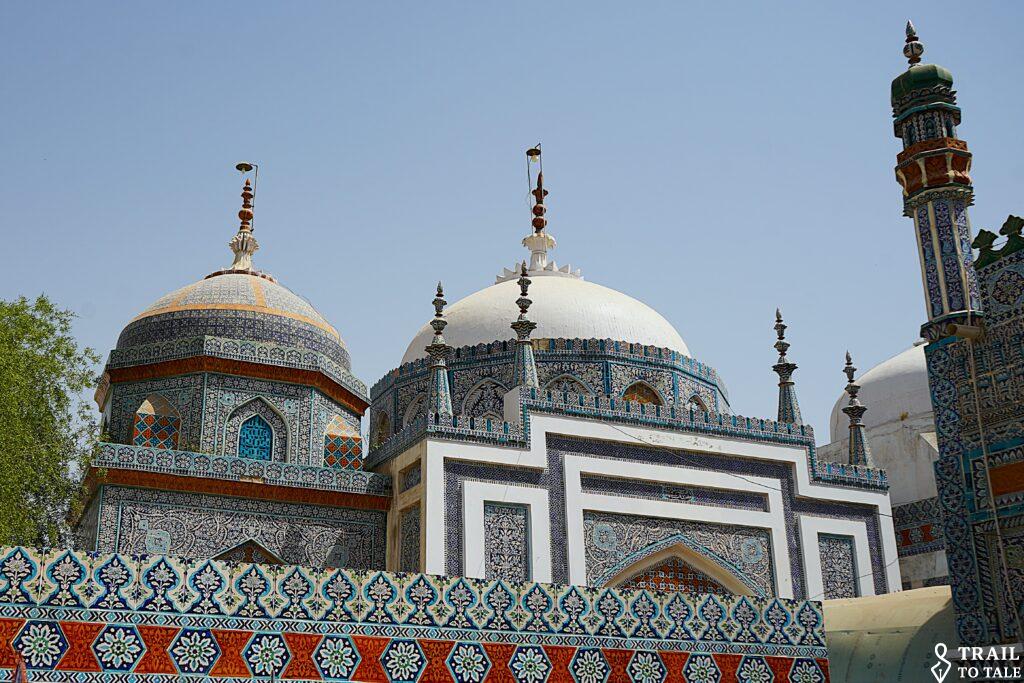


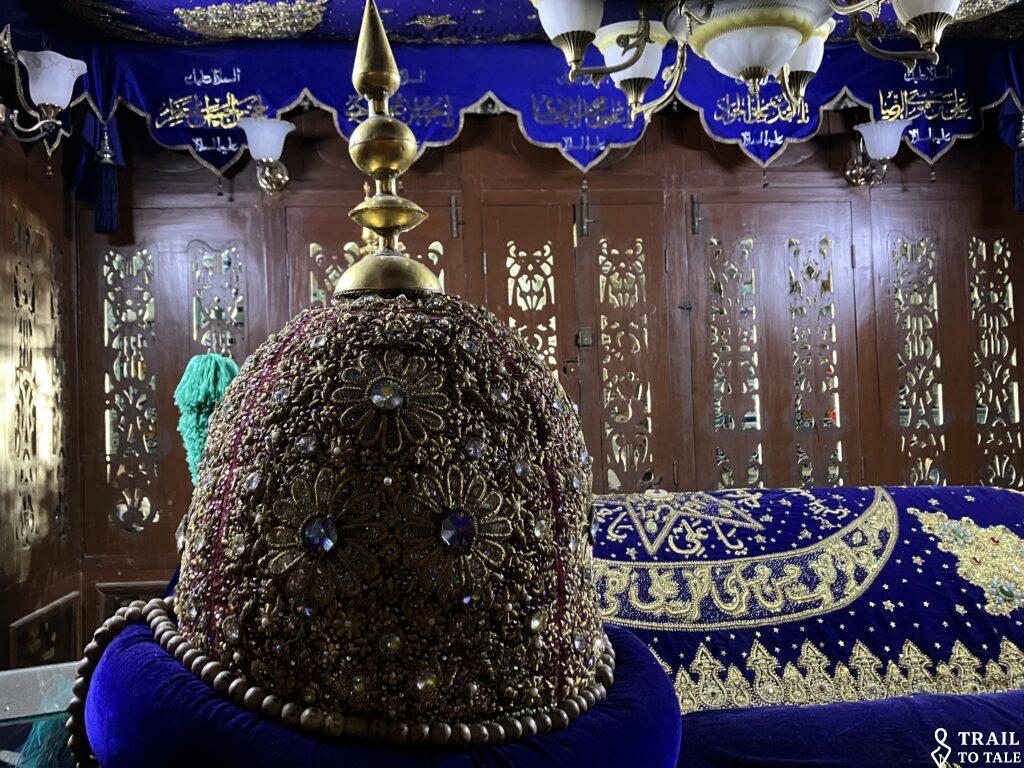
A tomb enshrined behind a beautifully carved wooden screen, draped in an embroidered blue cloth and adorned with an elaborate ceremonial headdress.

Musician at Shah Jahan Mosque


Ranikot Fort, known as the “Great Wall of Sindh,” is one of the world’s largest forts. The surrounding wall are stretching for about 32 km across the rugged hills of Sindh.
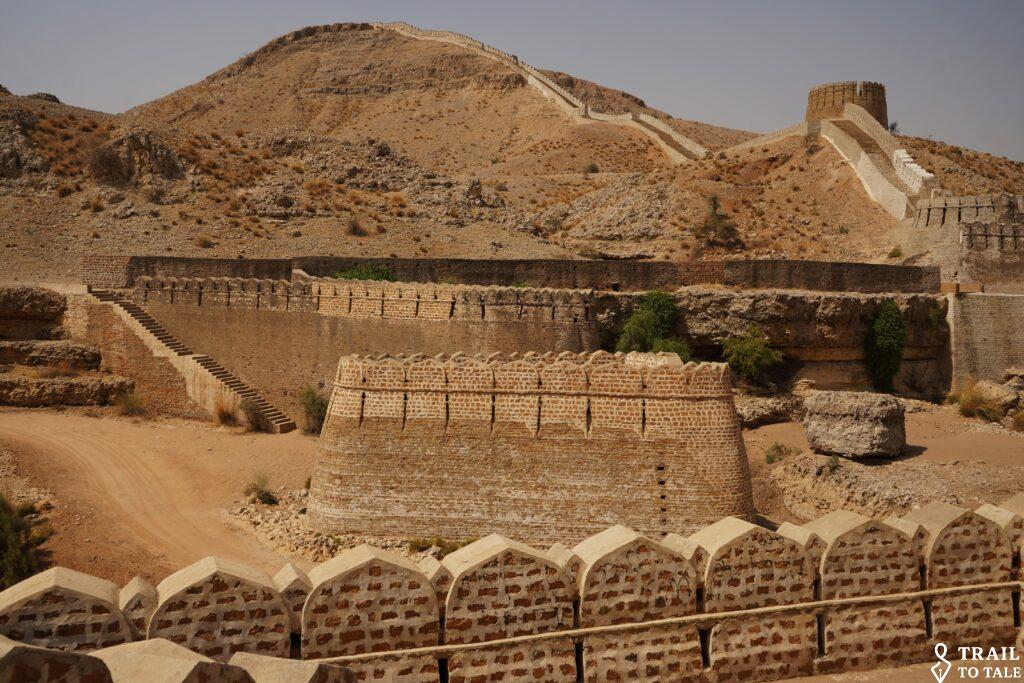
The West Gate
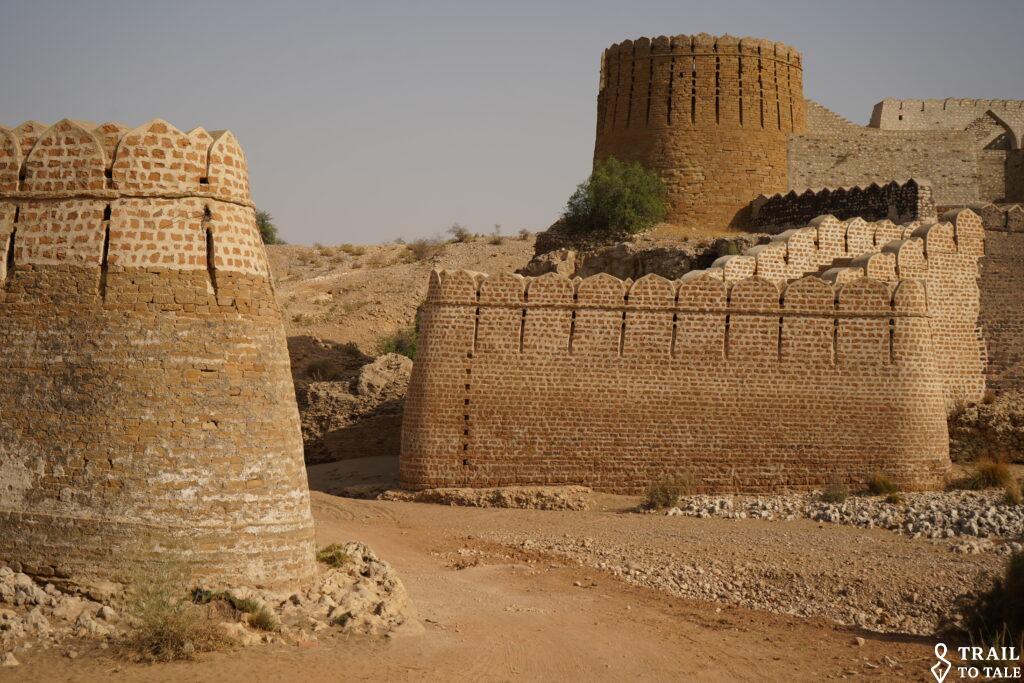
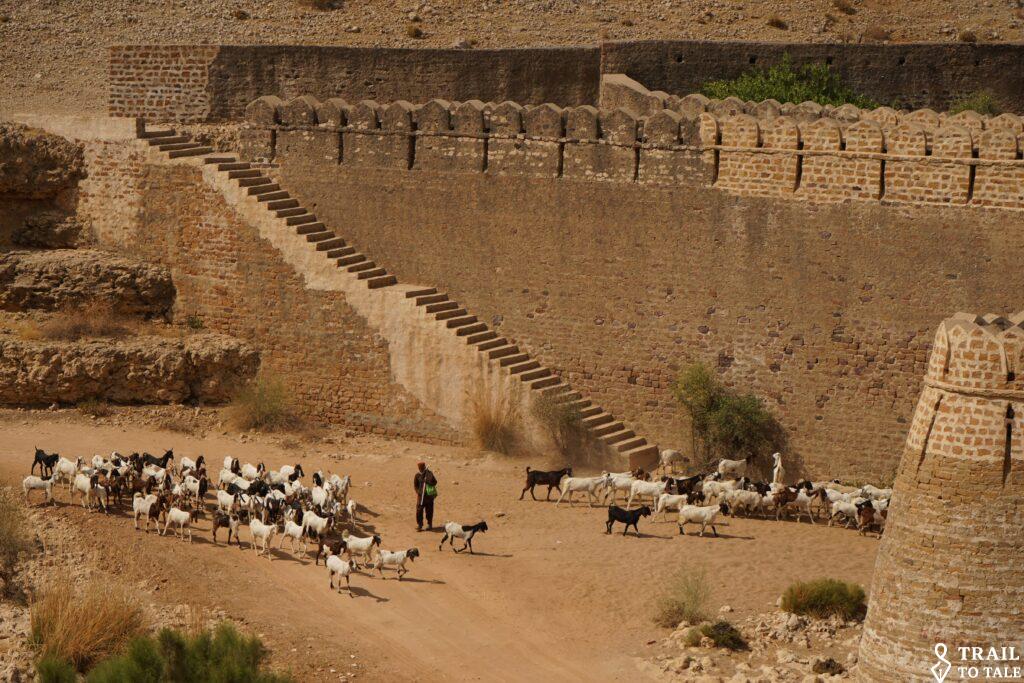
The inner Ranikot Fort

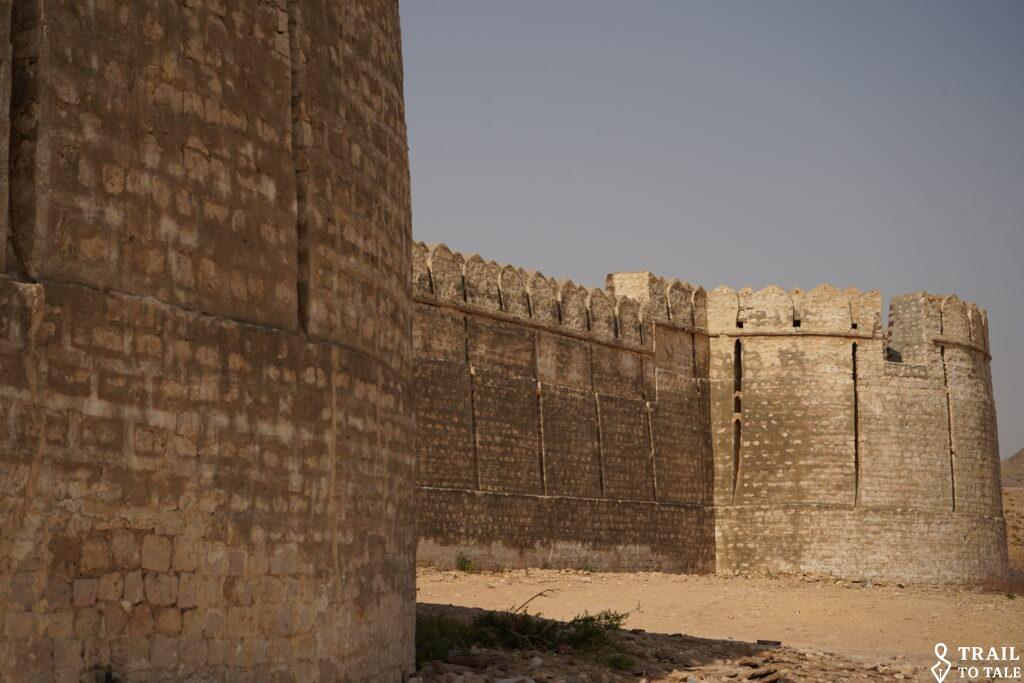
Locals walking along the inner wall

An ornamented arch

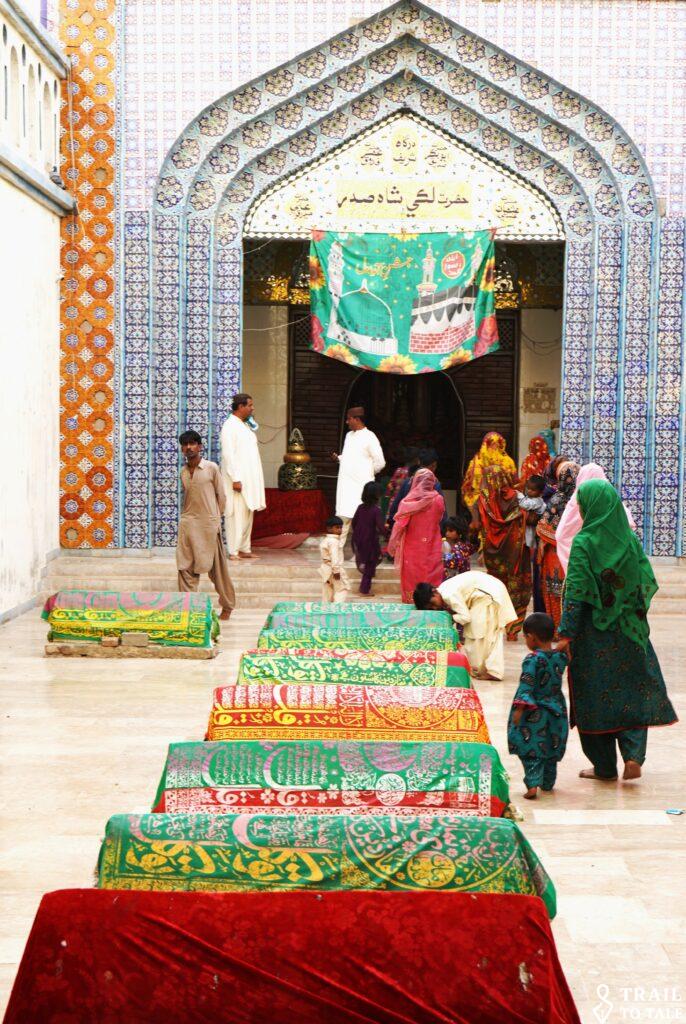
The Sulfi Shrine of Syed Sadruddin Lakyari in Sindh surrounded by the historic Laki Shah Saddar cemetery, with the Lakki Hills rising behind it.

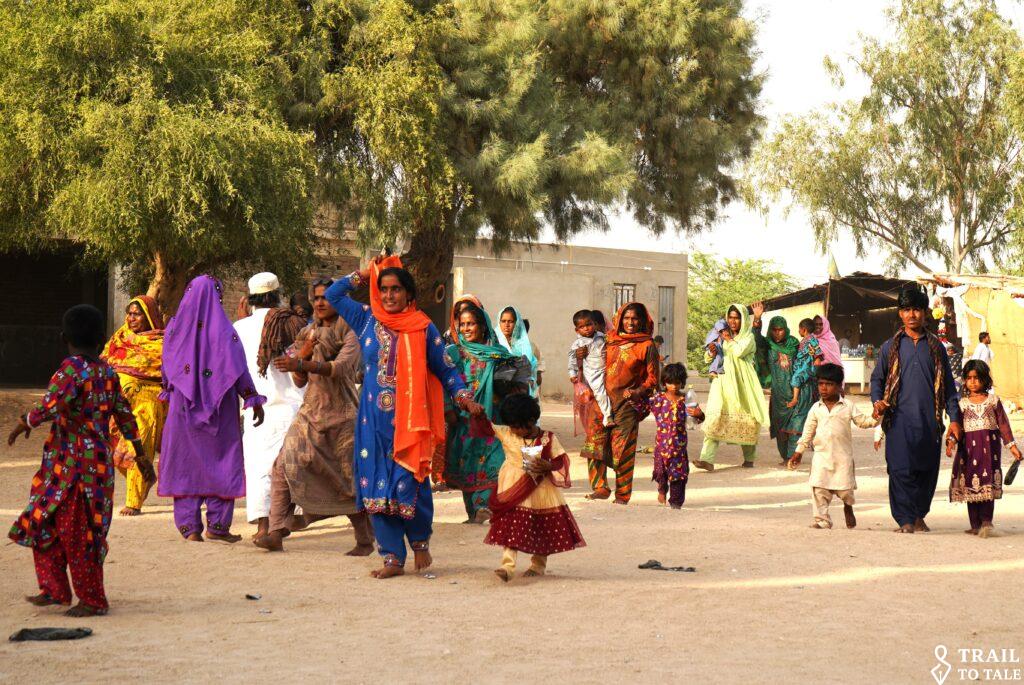
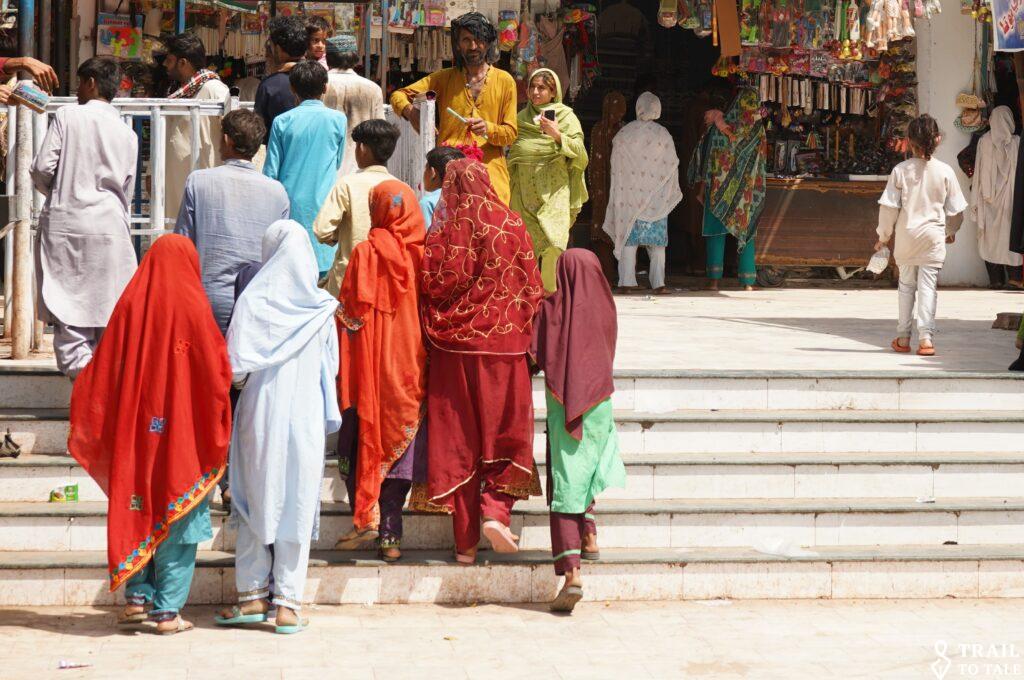
Worshipers in colourful saries
A youngster paying respect at the decorated tumbs
At the shrine of Lal Shahbaz Qalandar in Sehwan Sharif, worshippers chant and move rhythmically to the pounding drums of the dhamaal.

Some gradually lose themselves in a state of spiritual ecstasy. The shrine is one of Sindh’s most revered Sufi sanctuaries, remarkable for its religious inclusiveness and its powerful tradition of ecstatic devotion.

During the chanting at the shrine, men gather at the front, while women remain in a separate area toward the back.

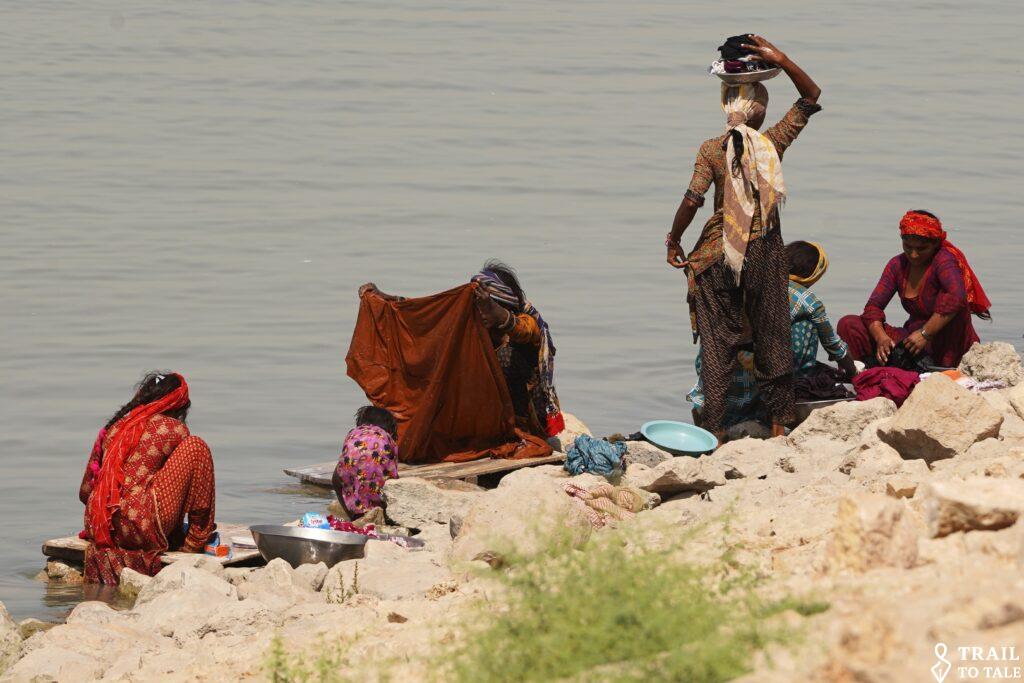
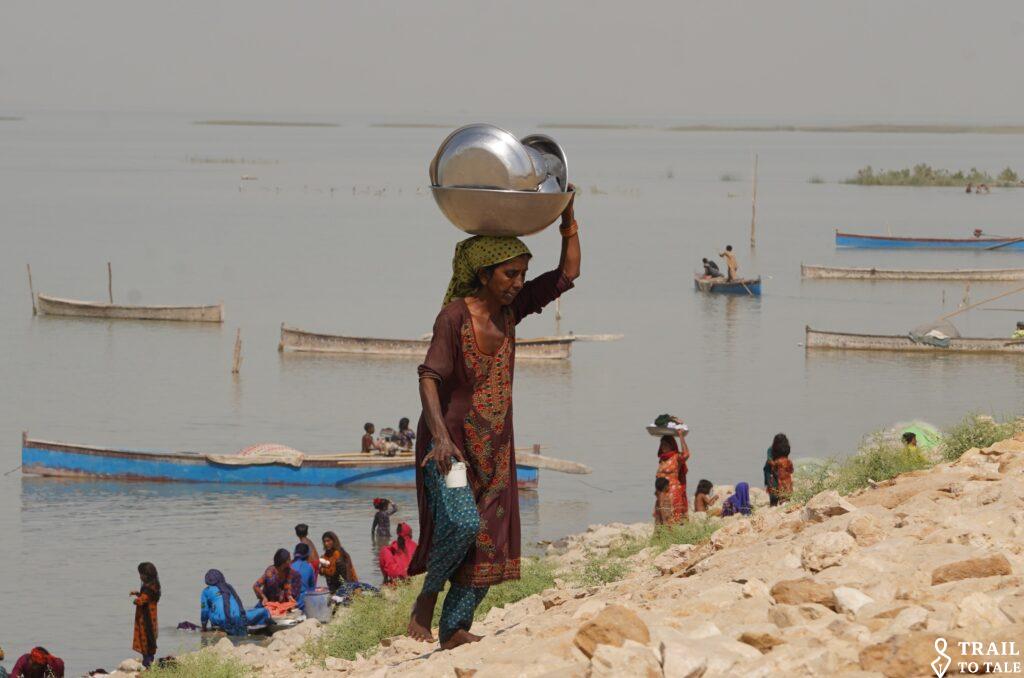
The Mohana people are a traditional fishing community living on and around Manchar Lake in Sindh, renowned for their distinctive houseboats and a lifestyle closely tied to the lake’s fishing and reed harvesting.
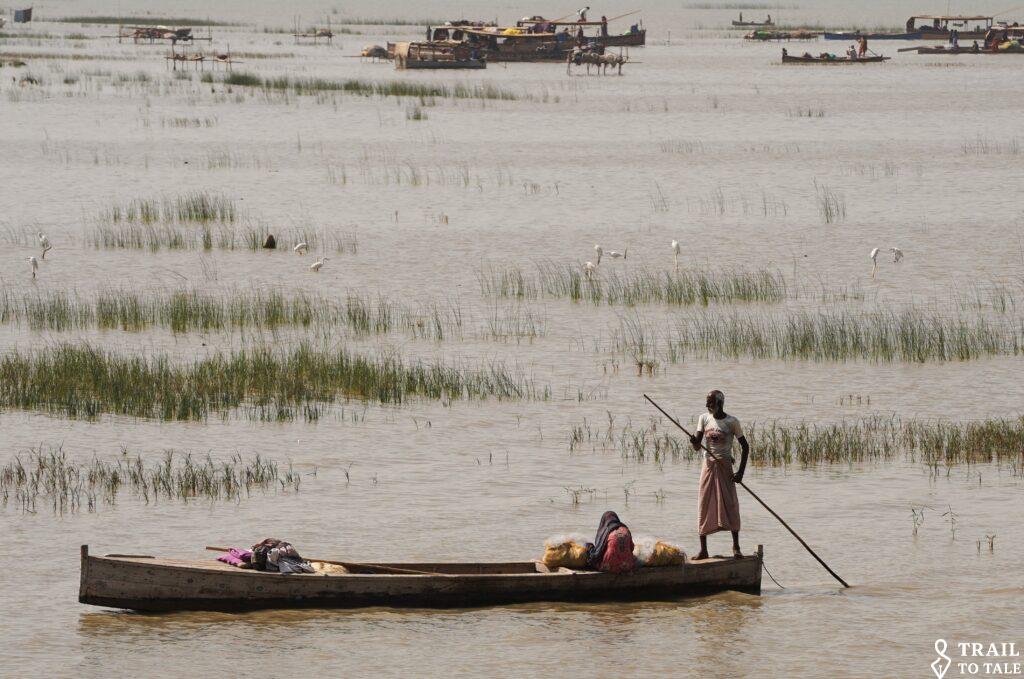
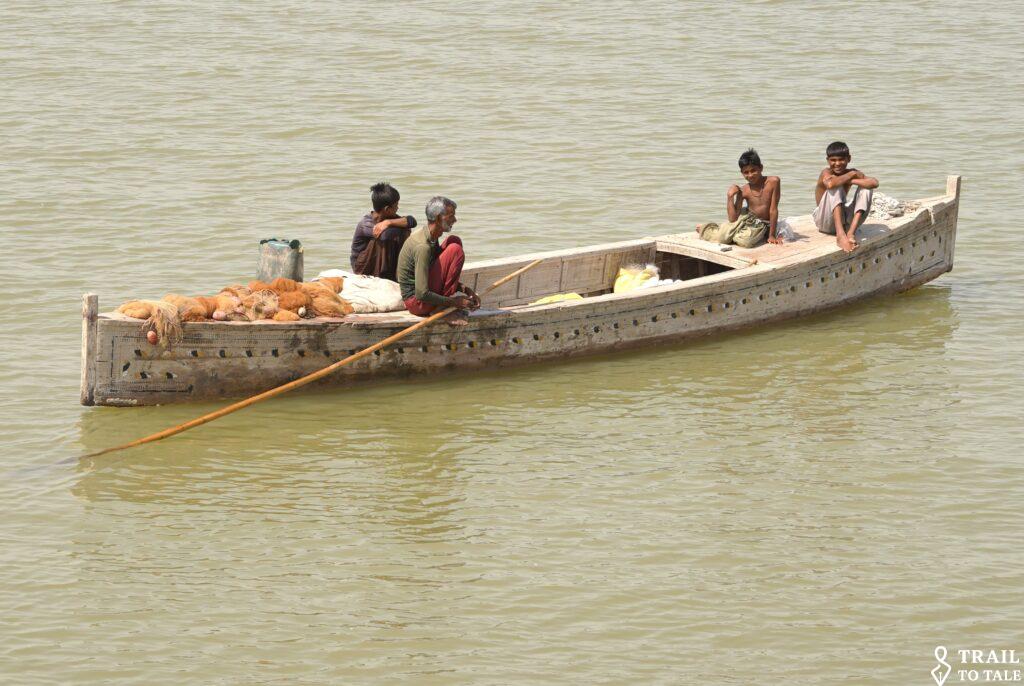
Cleaning of cloths and dishes Laundry
Archeological sites at Mohen Jo Daro in Larkana are one of the best-preserved urban settlements in South Asia dating back to the 3rd millennium BCE. The site presents the metropolis of the Indus Civilization which flourished between 2,500 – 1,500 BCE in the Indus Valley.


This outstanding universal value resulted in the inscription on the UNESCO’s World Heritage List in 1980.

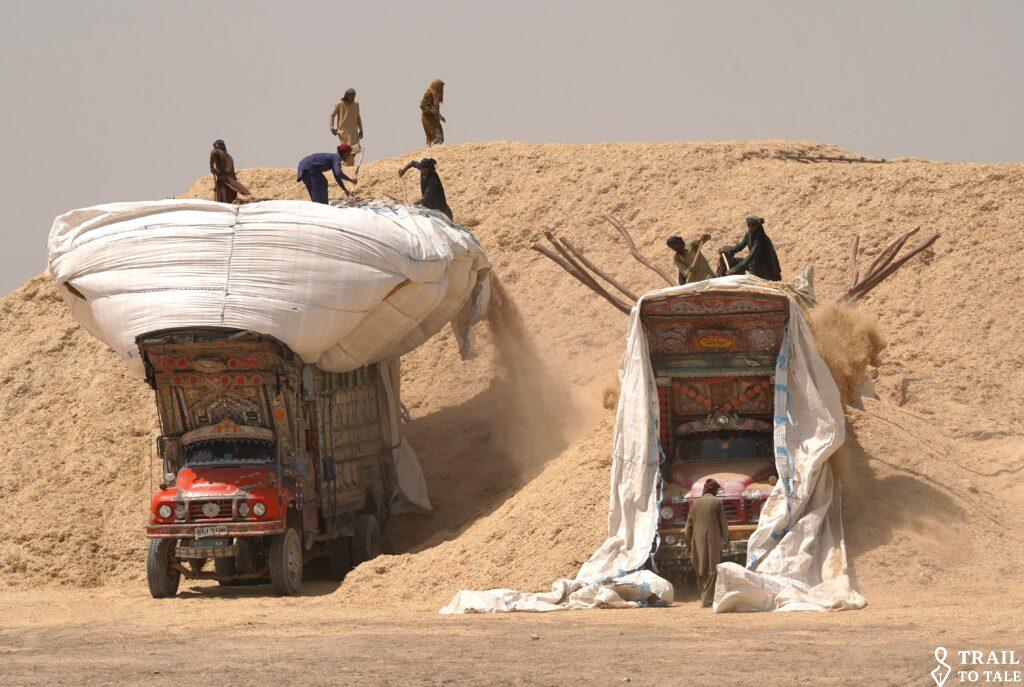
Grain harvest is physically demanding


The dry residue left after the grain harvest shoveled on trucks, creating enormous mounds of straw and chaff for transport and use as animal fodder.
In Pakistan, “overloaded” is less a warning than a transport strategy. Buses, cars and trucks are packed to maximum capacity, because apparently, if there is still room, the journey isn’t efficient enough.

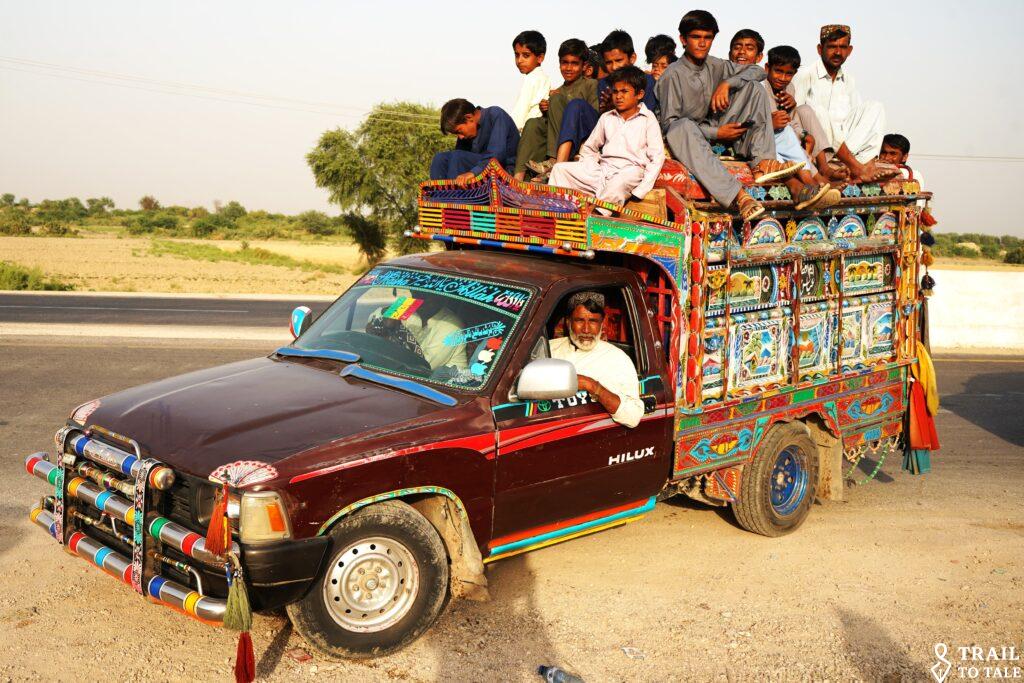


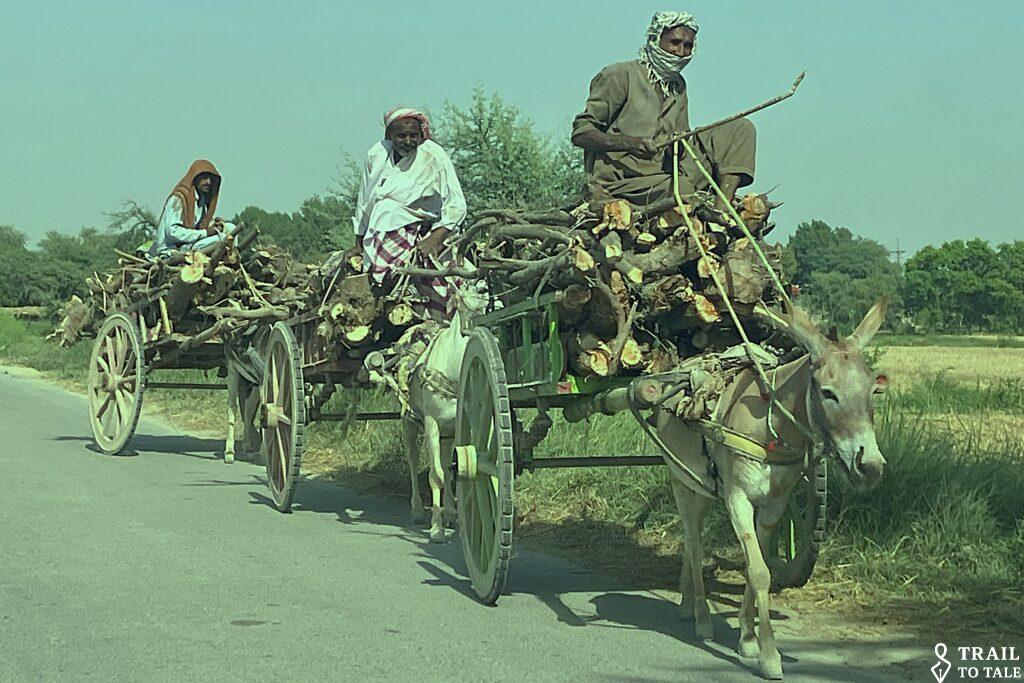

Optimized loading and transport
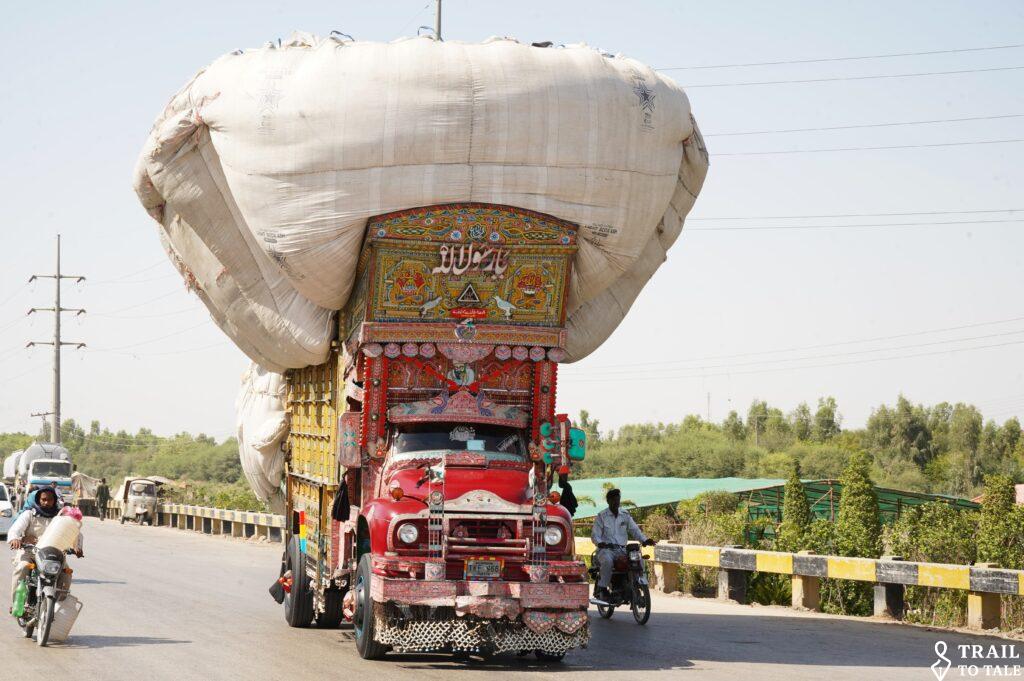

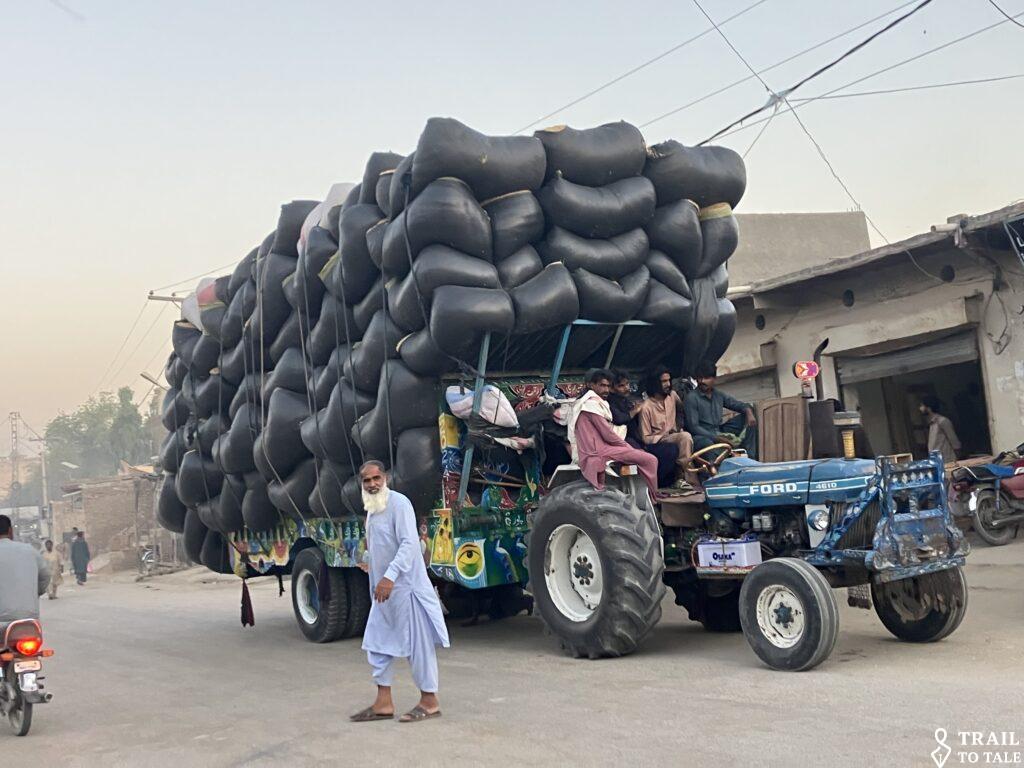
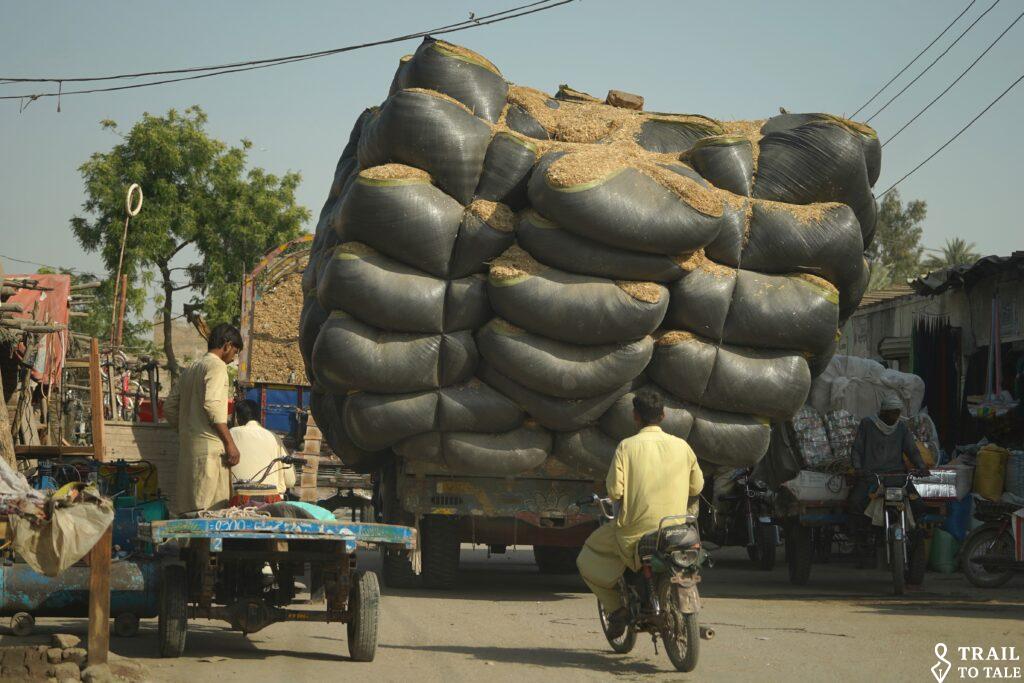

The ‘Kings of the roads”

Livestock are a source of pride and tradition for the locals


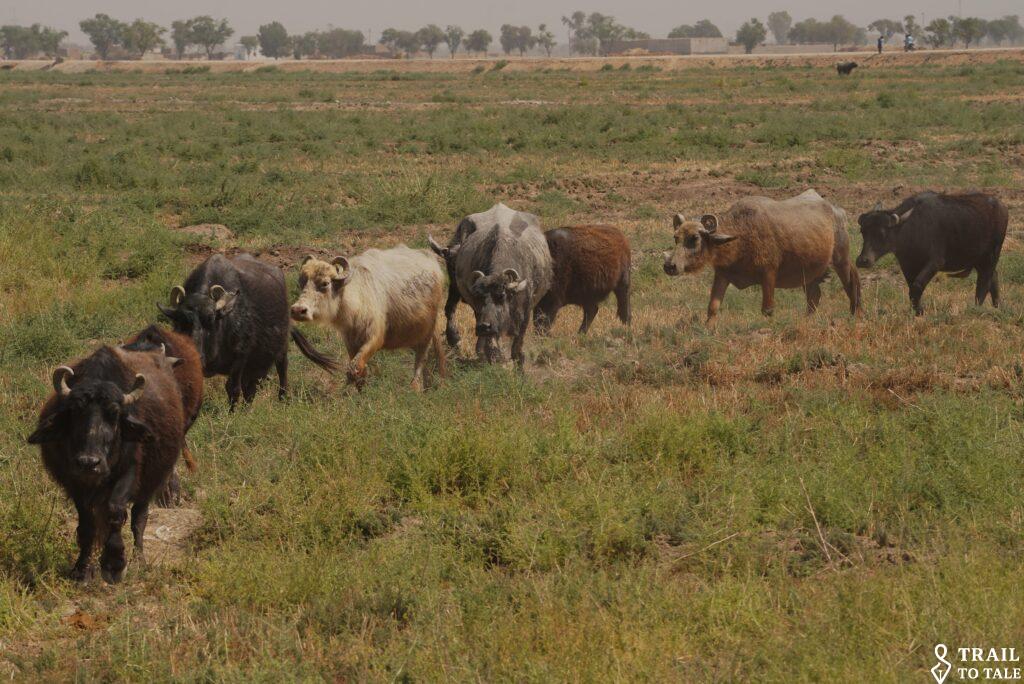
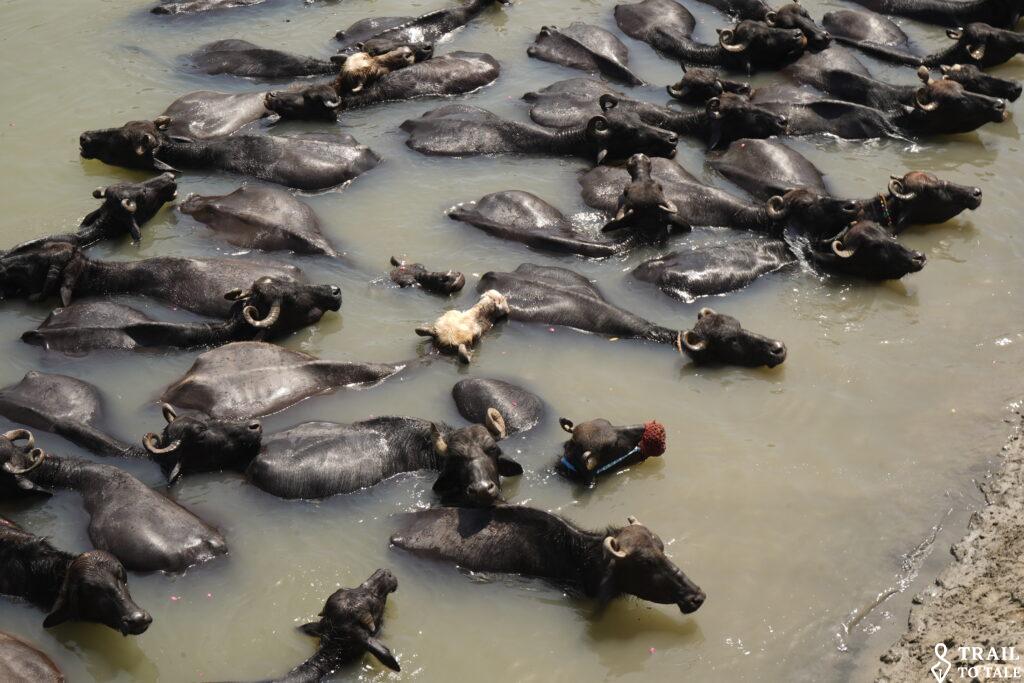
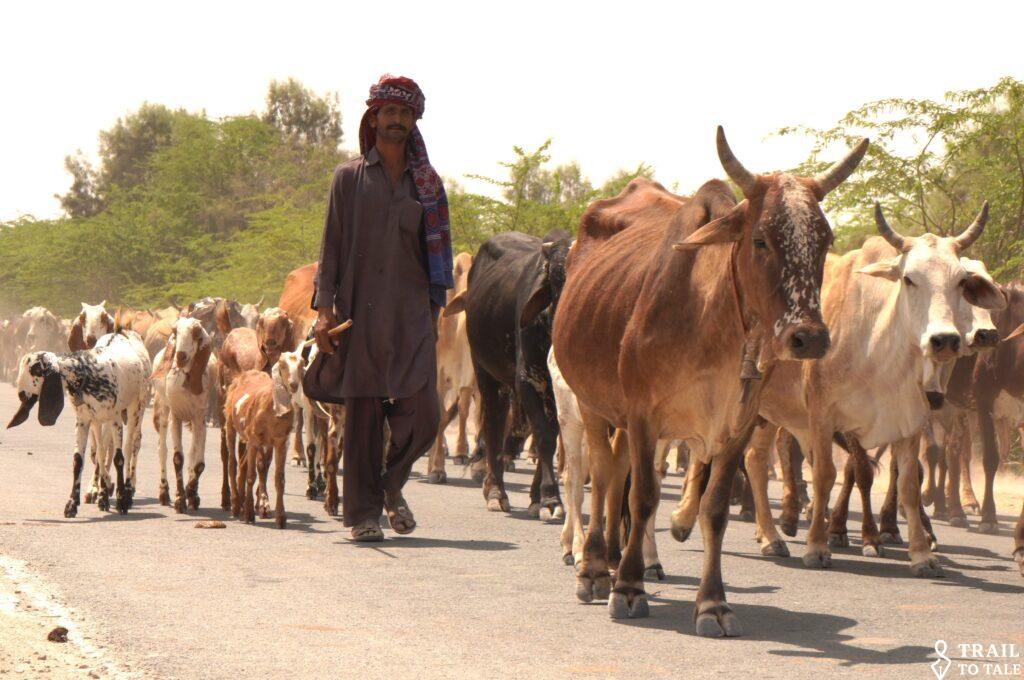
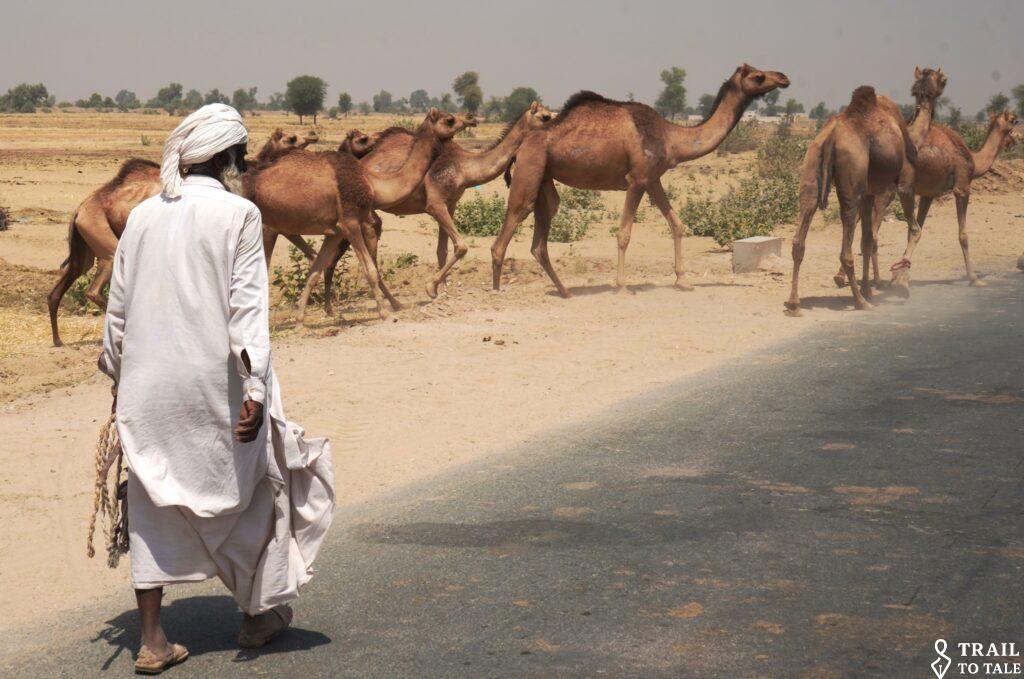
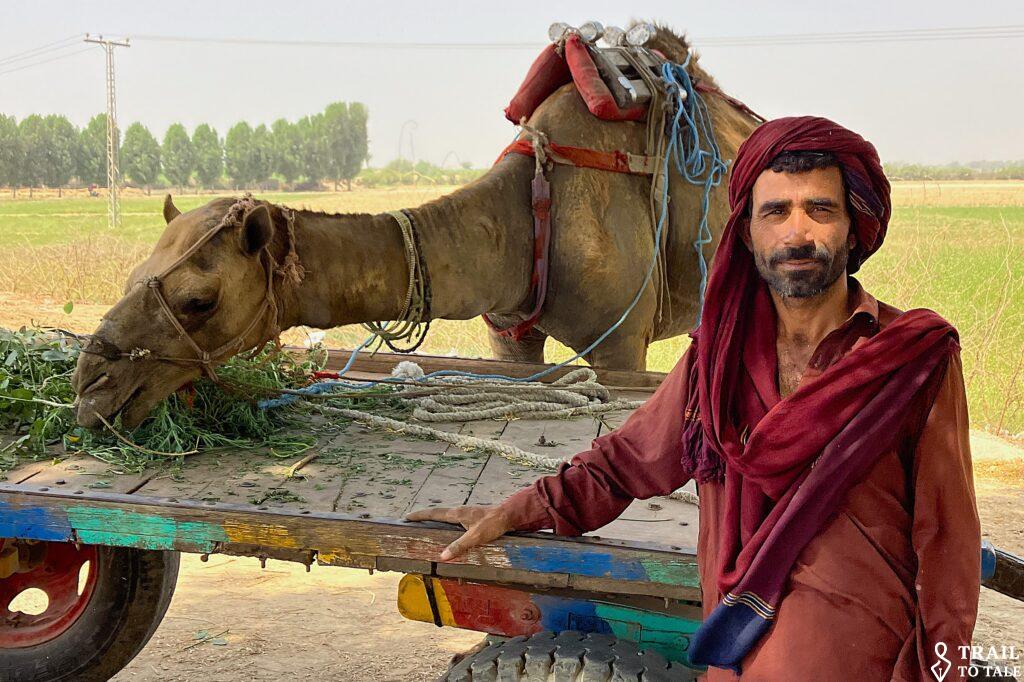
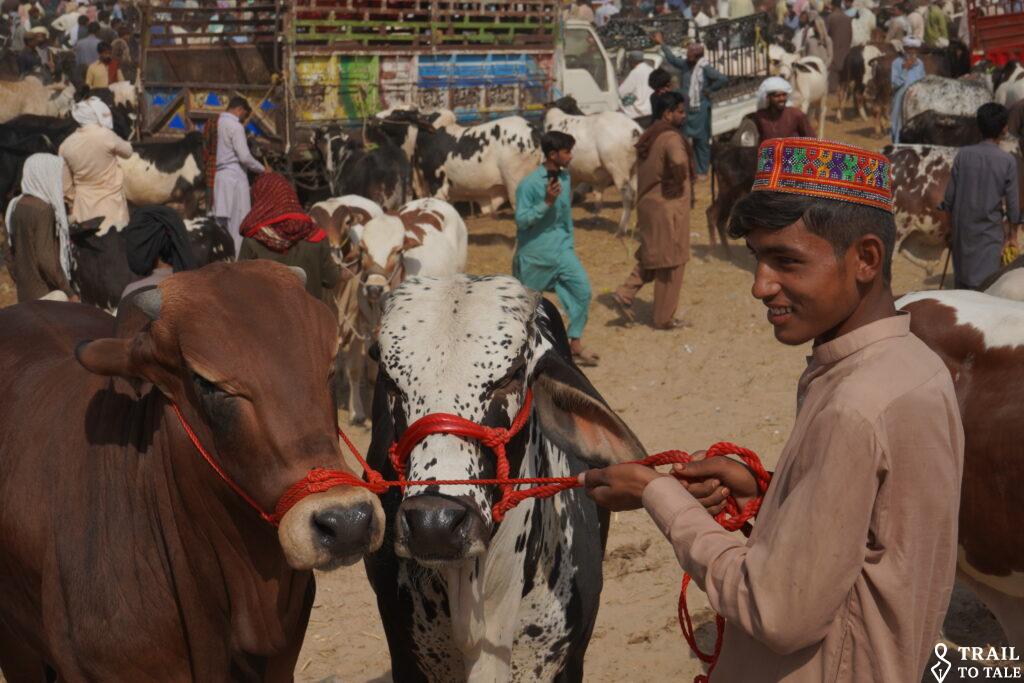
At the weekly cattle market, animals are offered for sale, prices negotiated, and deals sealed with a handshake.

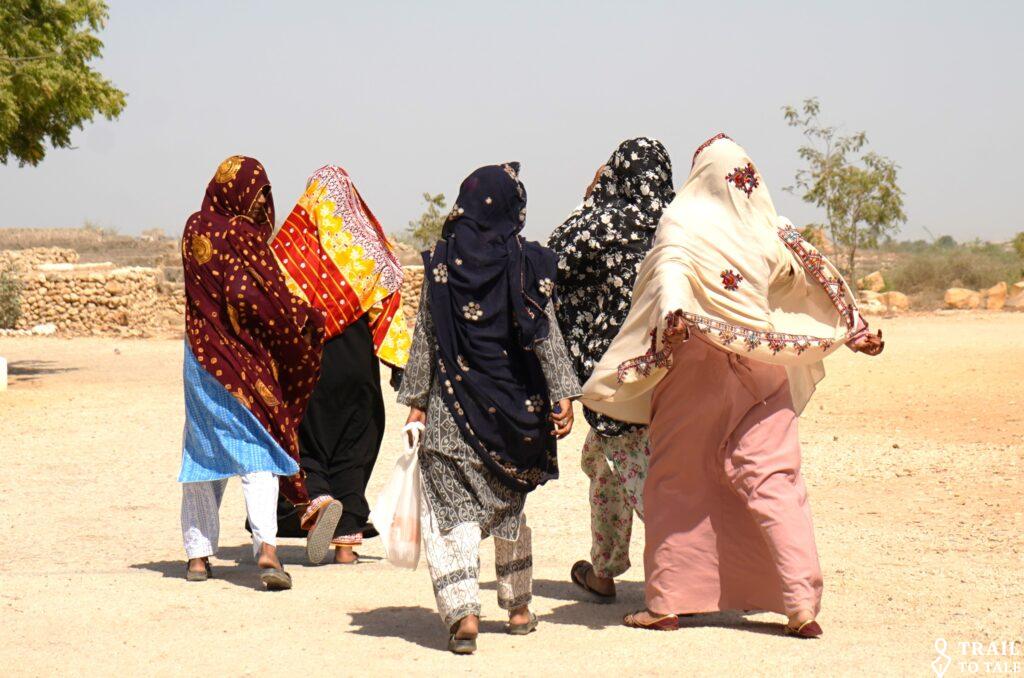
The bright saris of Pakistan women standout like blossoms scattered across a parched and often desert like terrain.

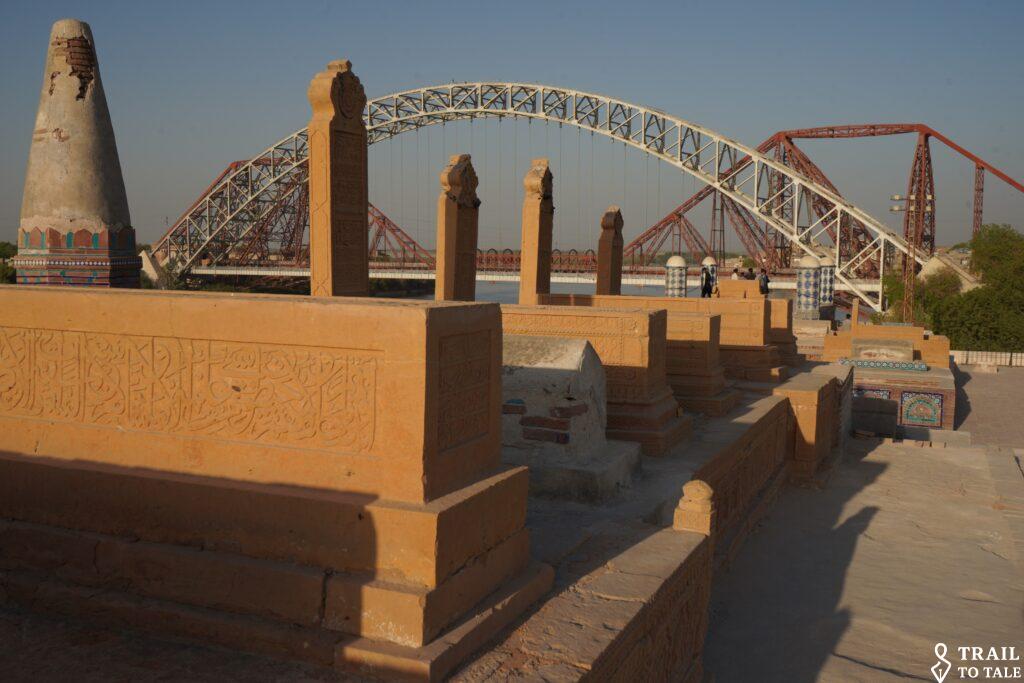
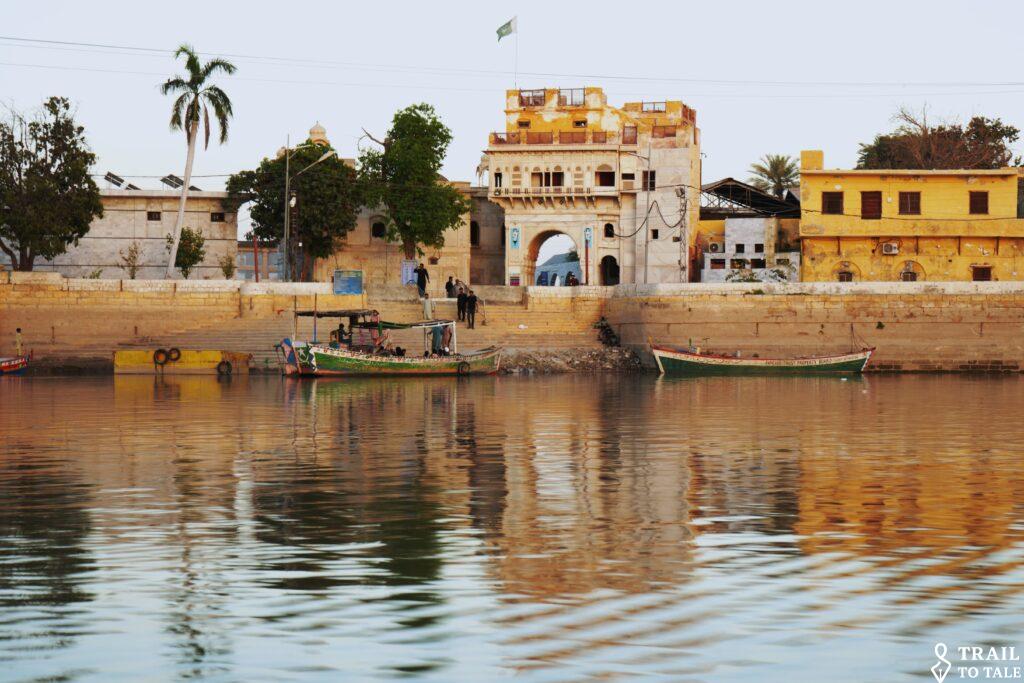
The historic graves at Sukkur, with the imposing Lansdowne Bridge spanning the Indus in the background, create a striking juxtaposition of Sindh’s heritage and colonial-era engineering.
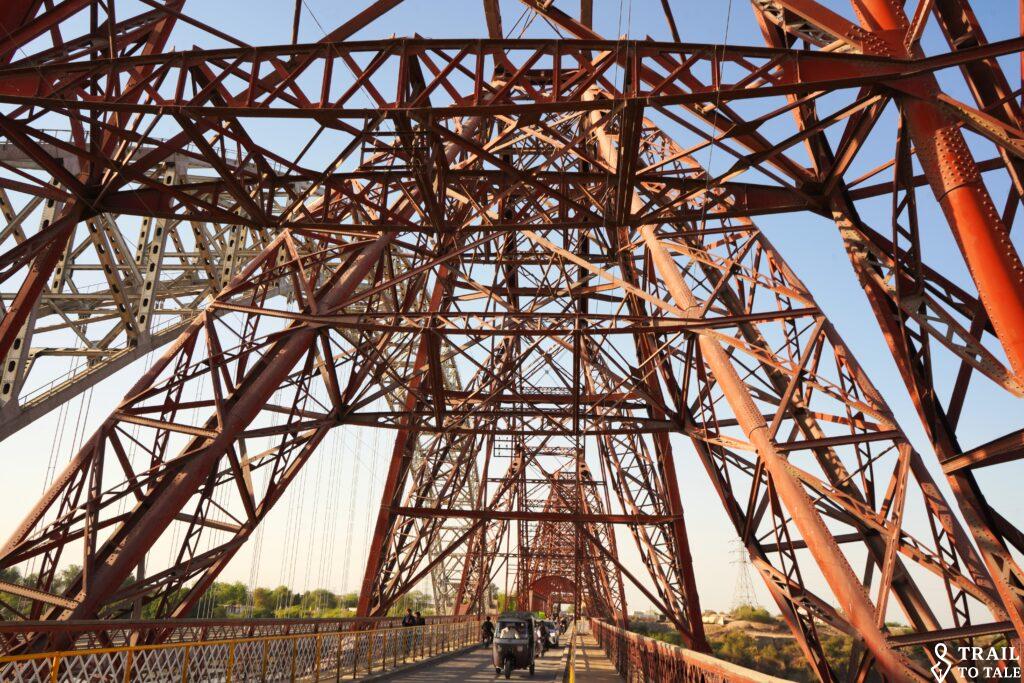
The steel railway bridge was completed in 1889 and is one of the remarkable engineering achievements of British India.
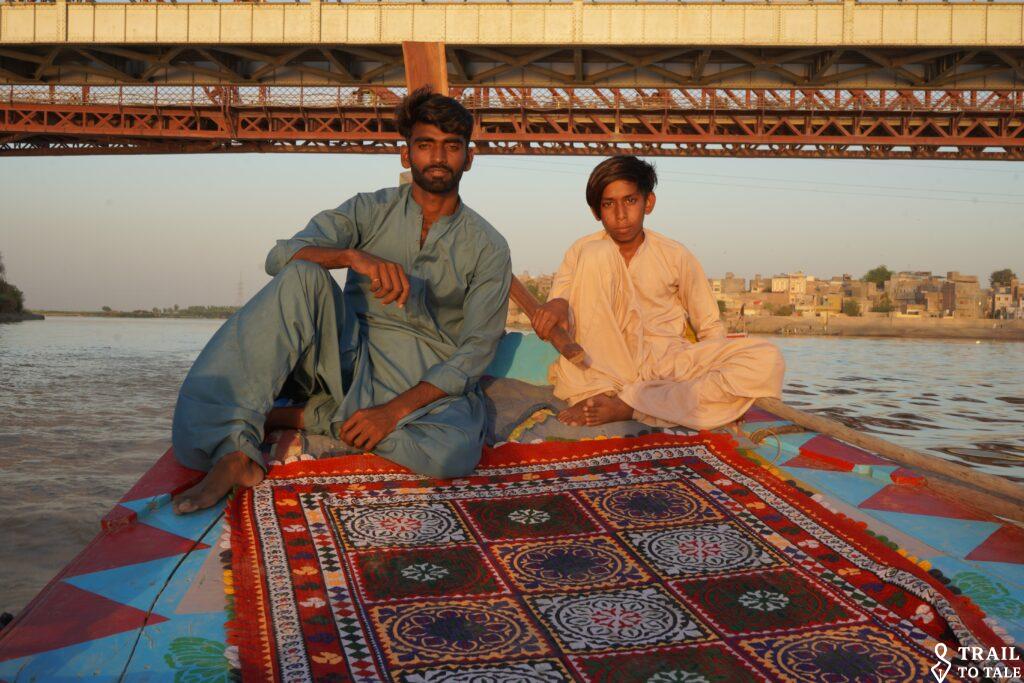
Boating on the Indus River to watch Blind Dolphins with Lansdowne Bridge in the background.

The Faiz Mahal is a magnificent 18th-century royal palace built by the Talpur dynasty and one of Khairpur’s finest architectural landmarks.

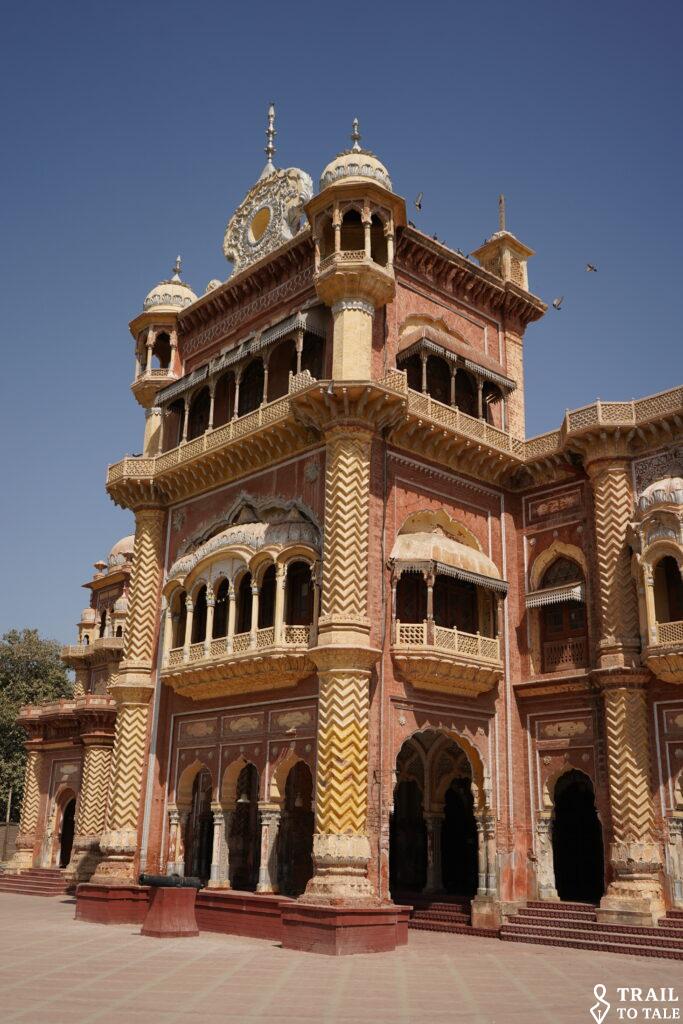
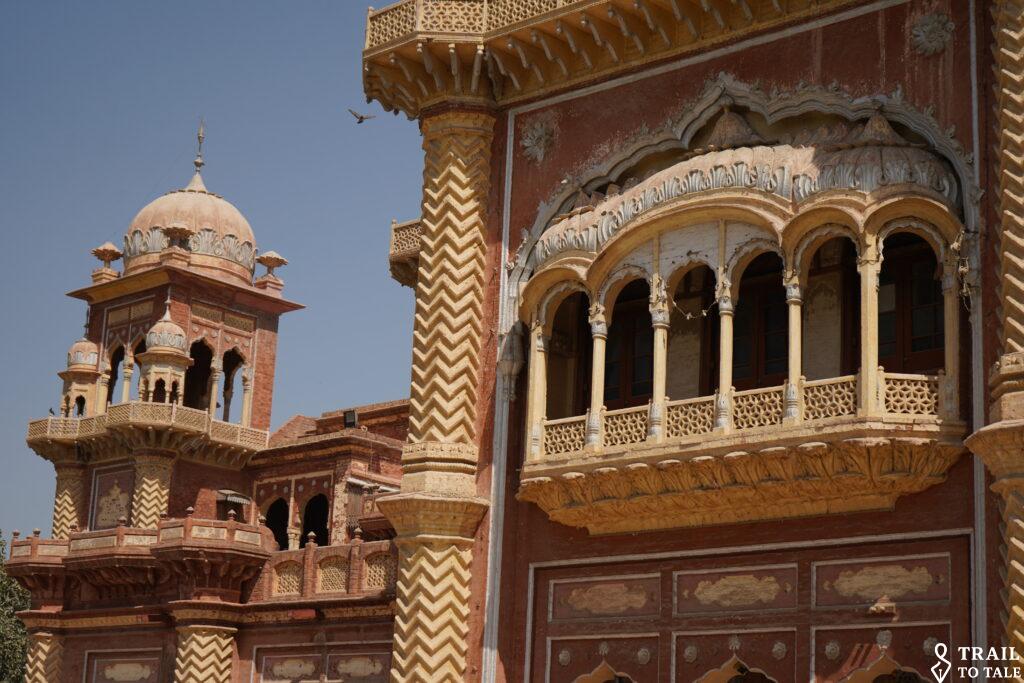
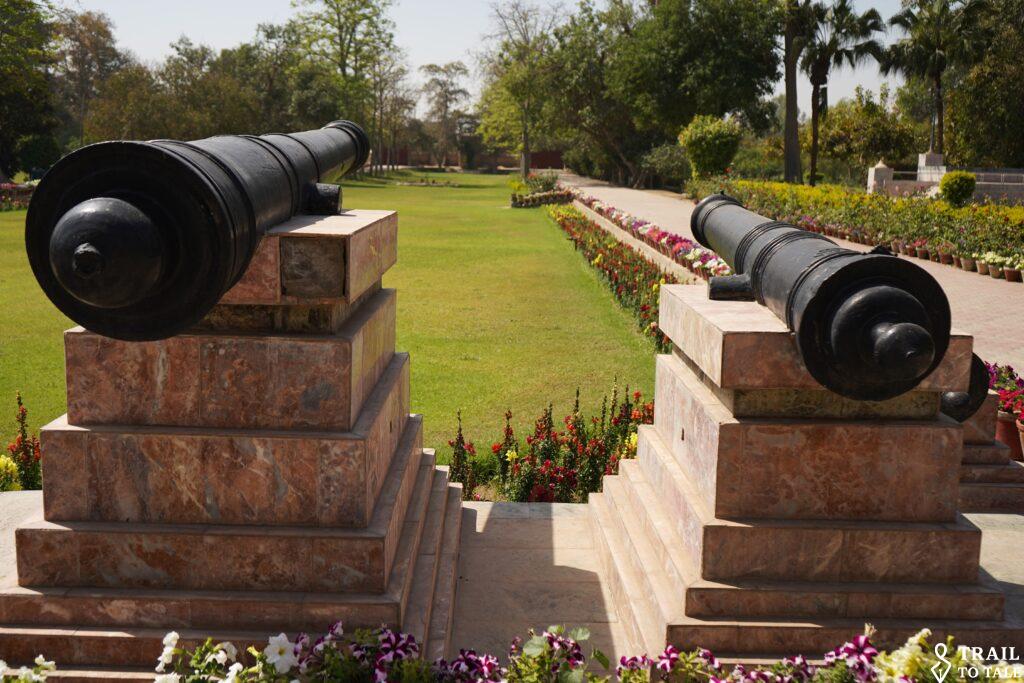
Its ornate façade, grand arches and decorative details remain remarkably well preserved, still reflecting much of its original beauty.
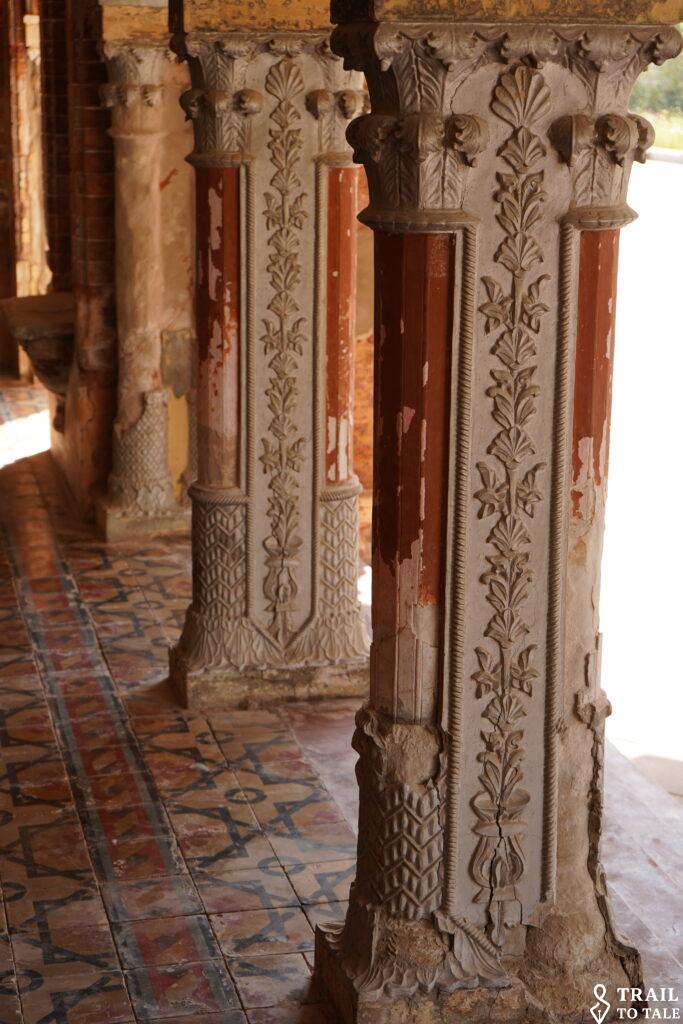
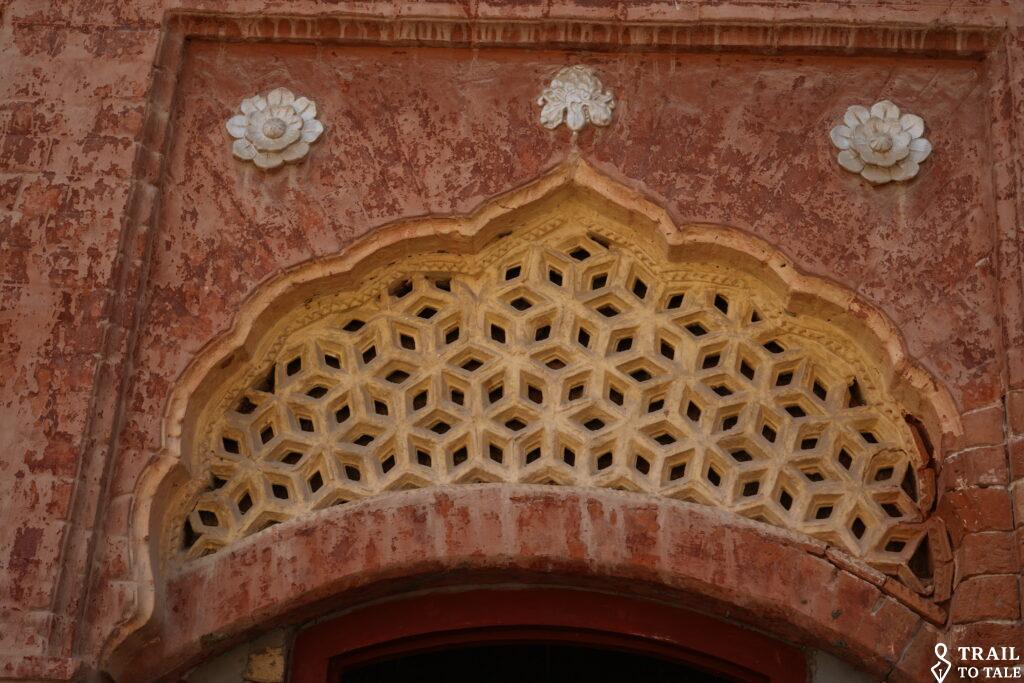


Today, the palace provides an impressive backdrop for photography.

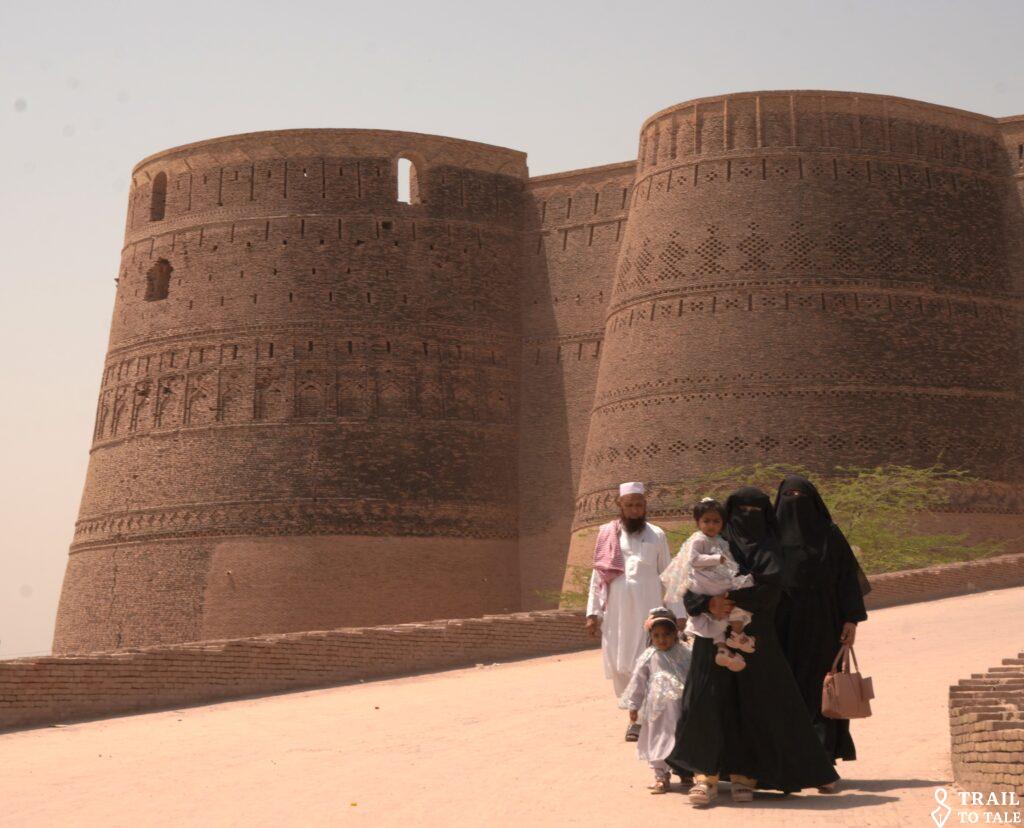
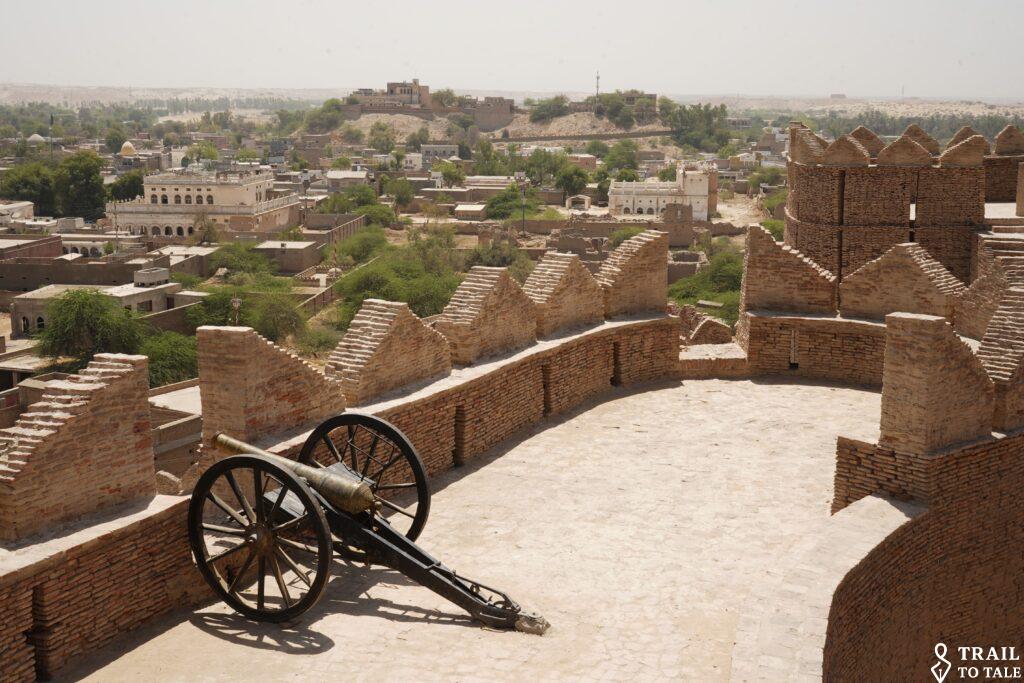
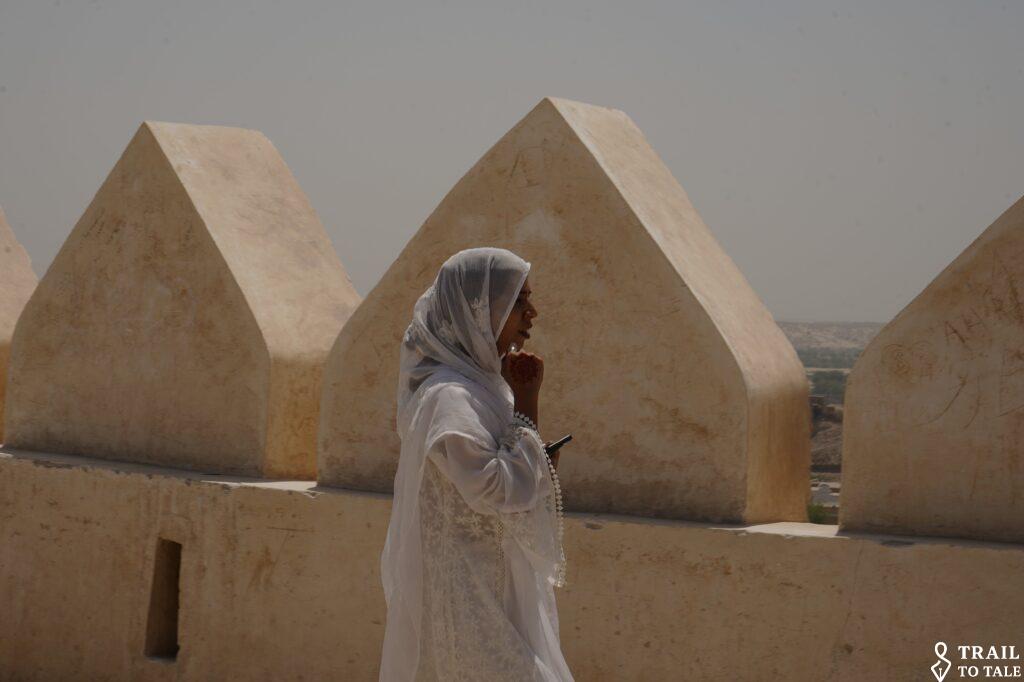
Derawar Fort, with its 40 massive rounded bastions rising dramatically from the Cholistan Desert, is one of Pakistan’s most striking historic fortresses and a spectacular example of medieval desert architecture.
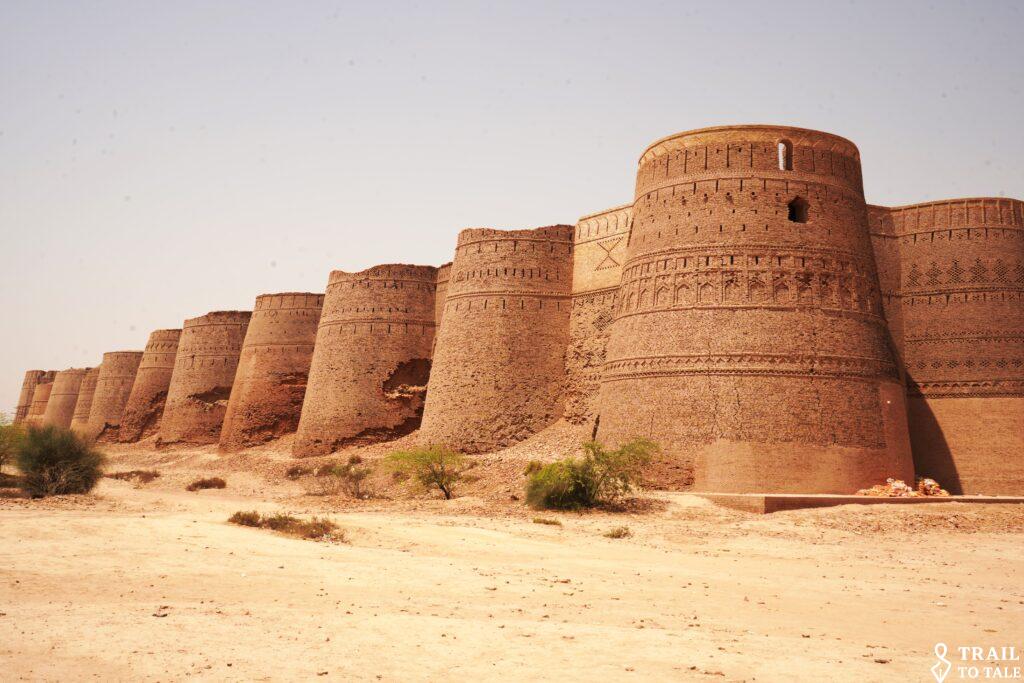
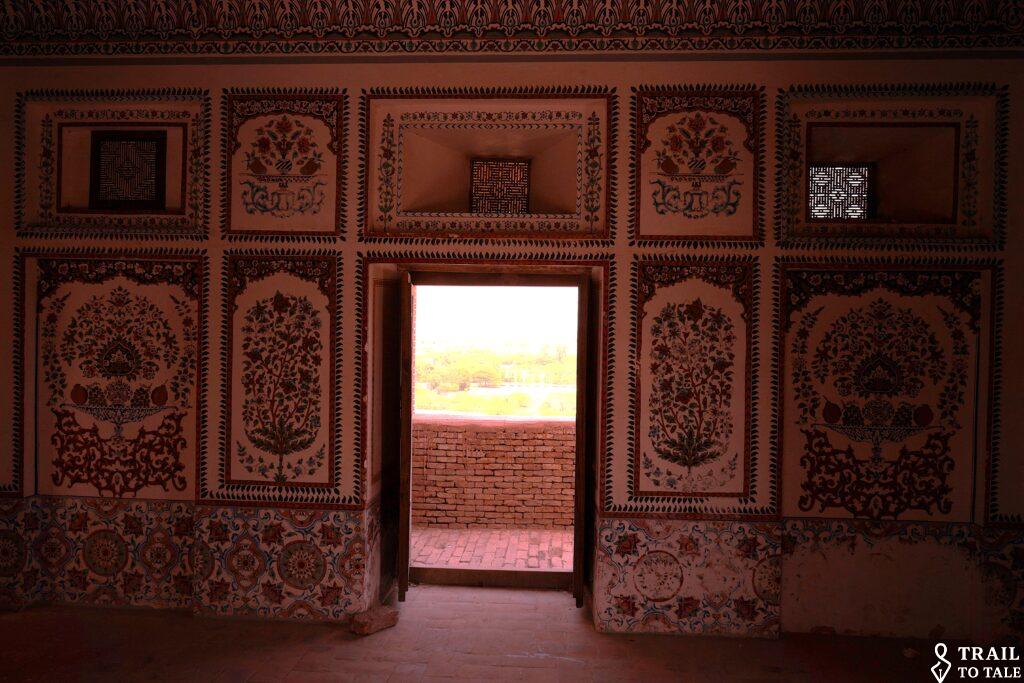
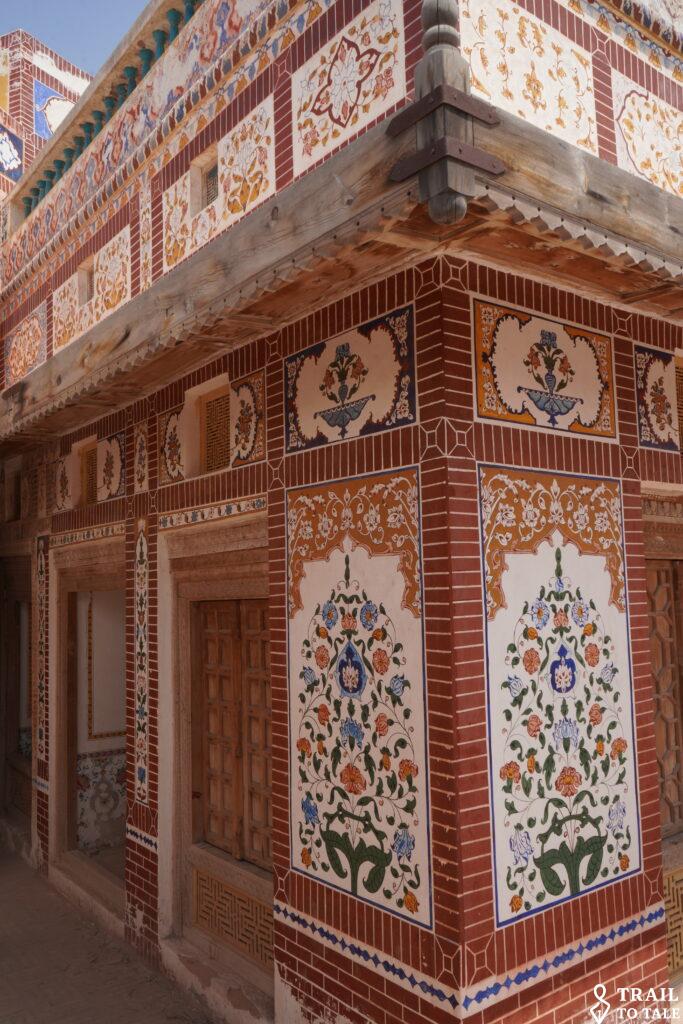

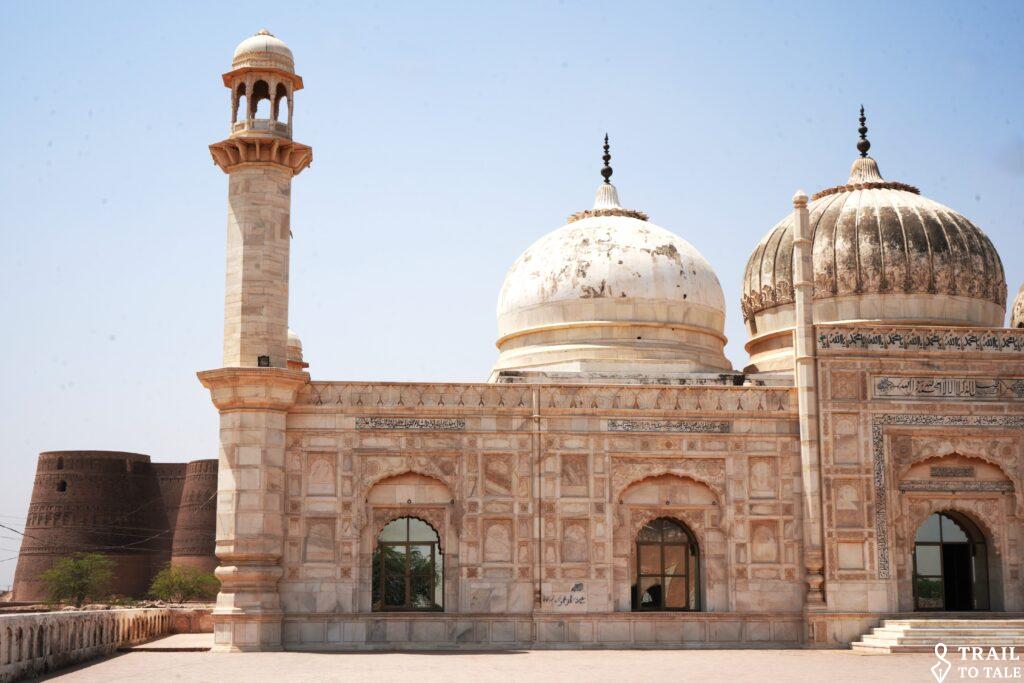
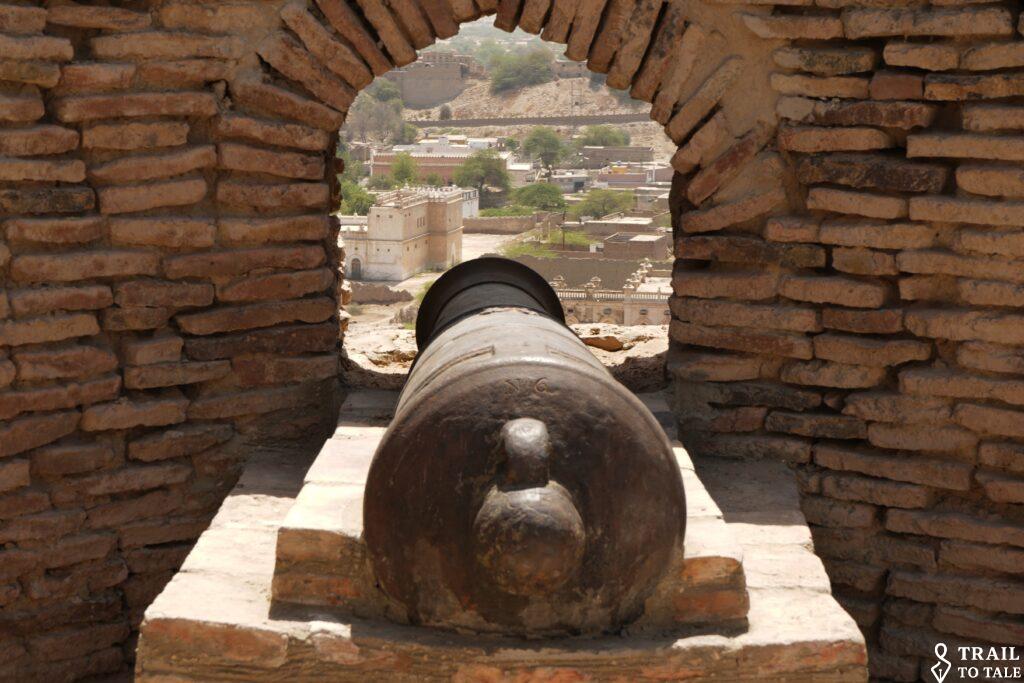
Seen from the ramparts of Derawar Fort, the elegant Abbasi Mosque, built in 1849 by the Nawabs of Bahawalpur, rises like a white marble jewel from the surrounding Cholistan Desert.


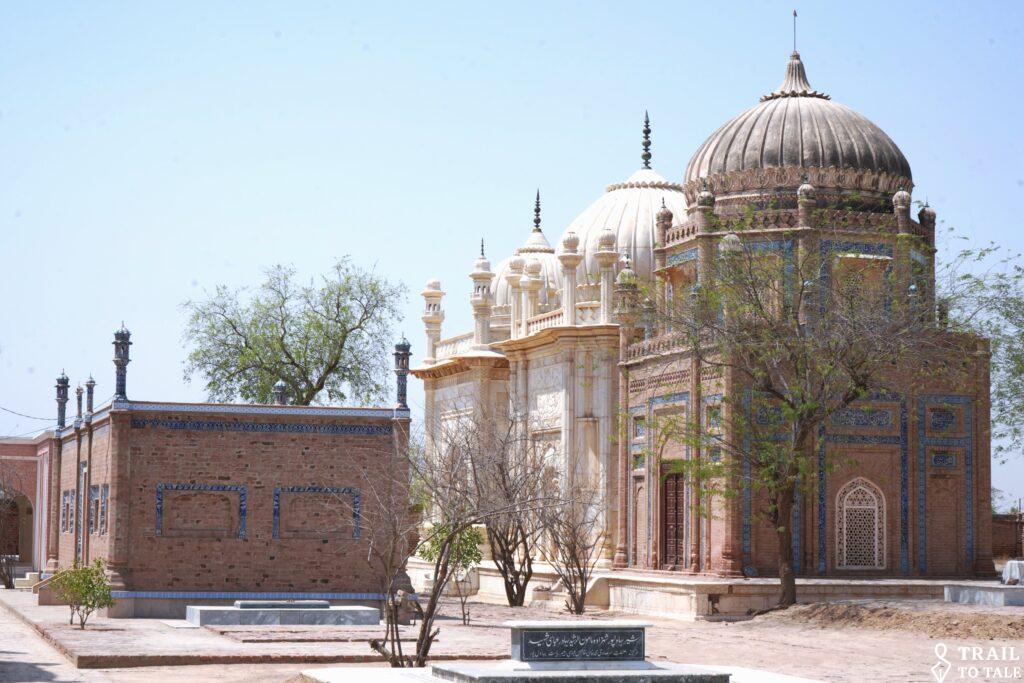
The Royal Graveyard of the Abbasi Nawabs beside Derawar Fort, where ornate domed mausoleums decorated with glazed tiles and marble mark the final resting place of the rulers of Bahawalpur and their families.


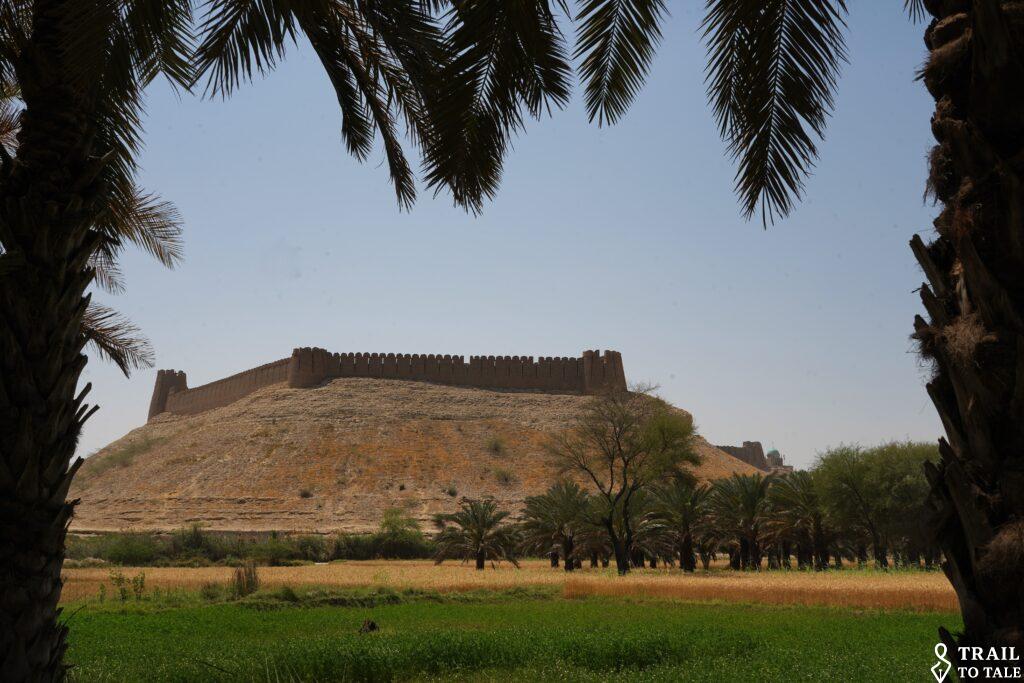
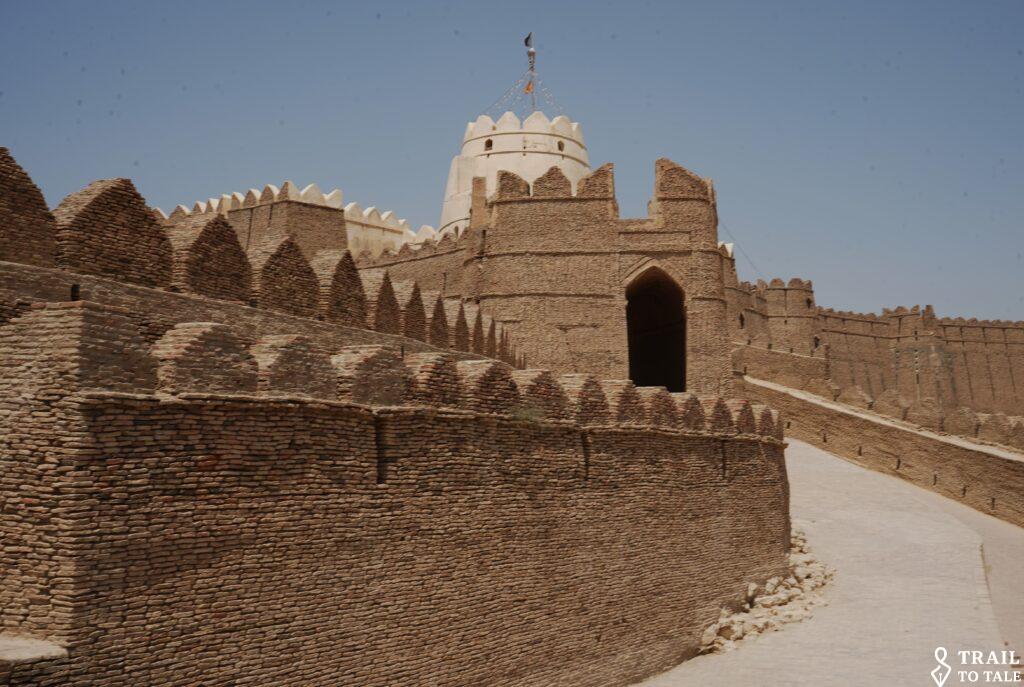
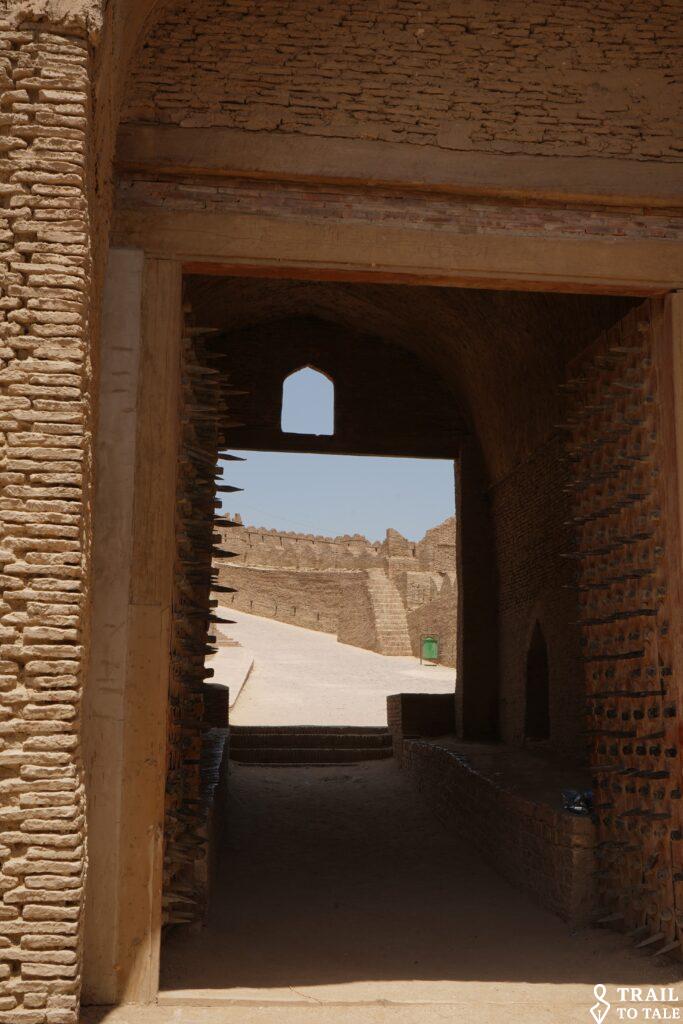
Kot Diji Fort, built in the late 18th century by the Talpur rulers near Khairpur, is a striking hilltop fortress overlooking the surrounding Sindh plain, with massive walls, bastions and a commanding gateway
The Tomb of Shah Rukn-e-Alam in Multan, built in the 14th century, is a masterpiece of Indo-Islamic architecture, renowned for its imposing dome, intricate brickwork and blue-and-white tile decoration.


The Jilani Mosque at the Syed Najamuddin Shah Jilani shrine complex in Nasarpur, Sindh.

The Iman

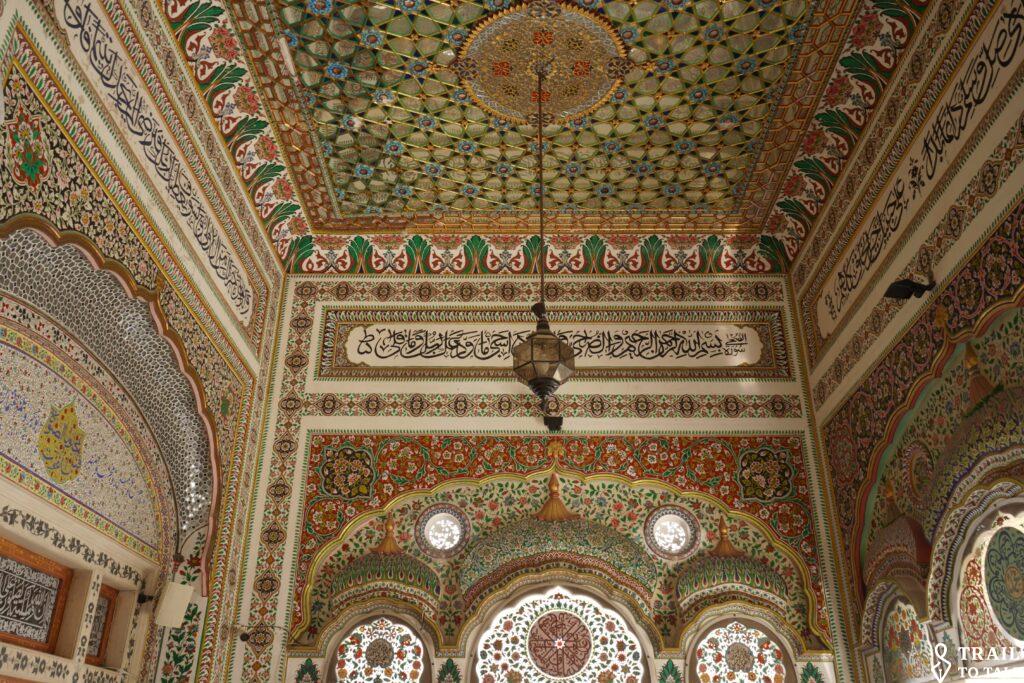
The mosque, founded in 1911, is famous for its extraordinarily elaborate Kashi Kari glazed-tile decoration, with richly ornamented domes and slender minarets.
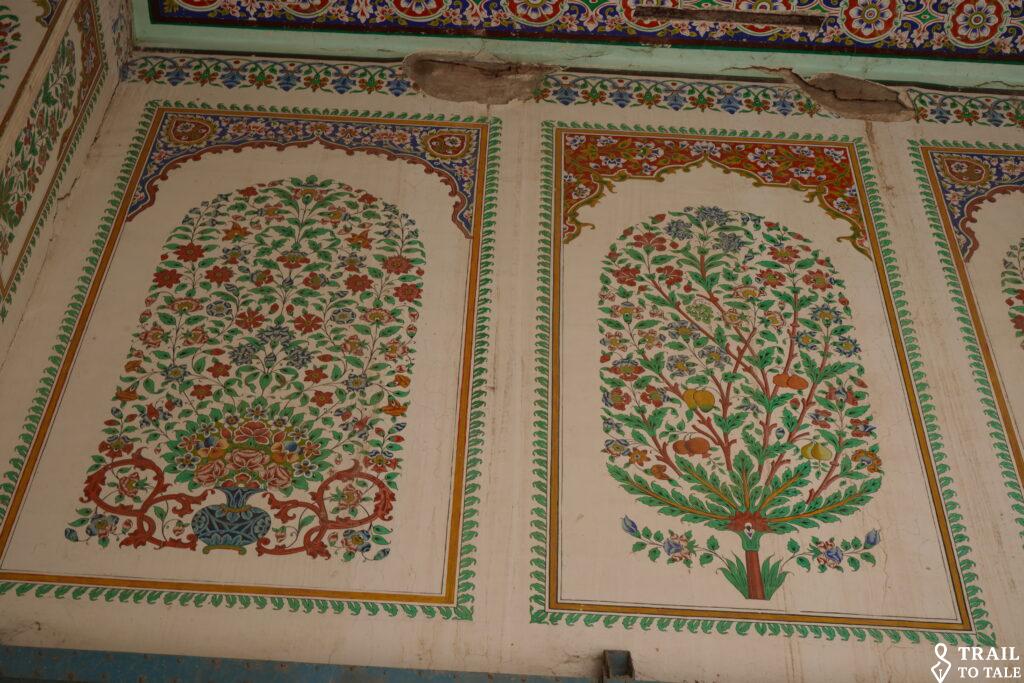
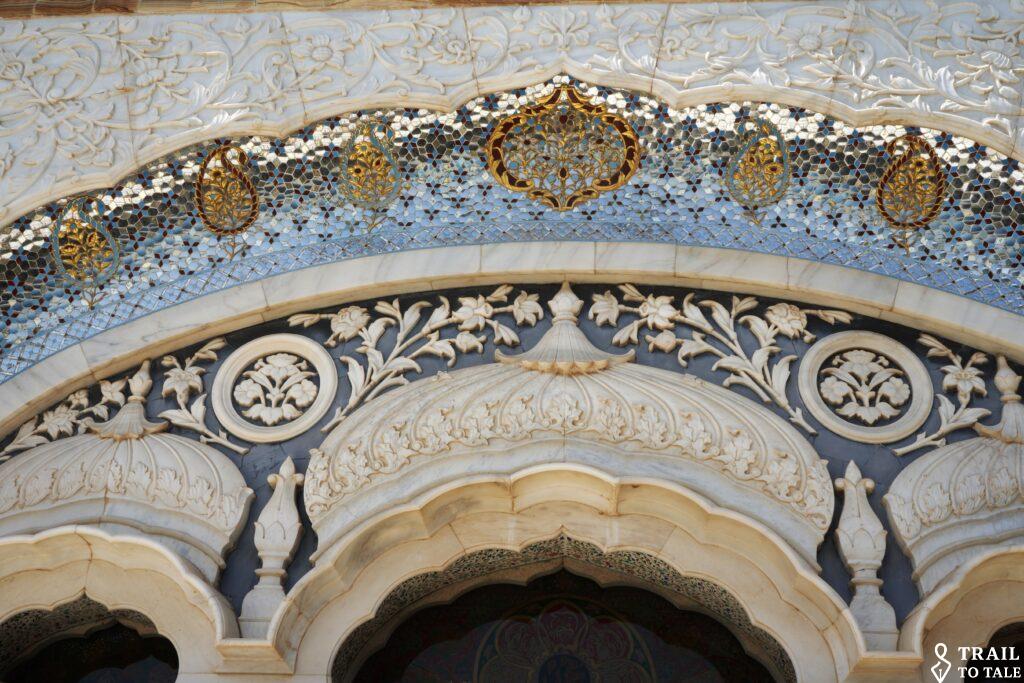
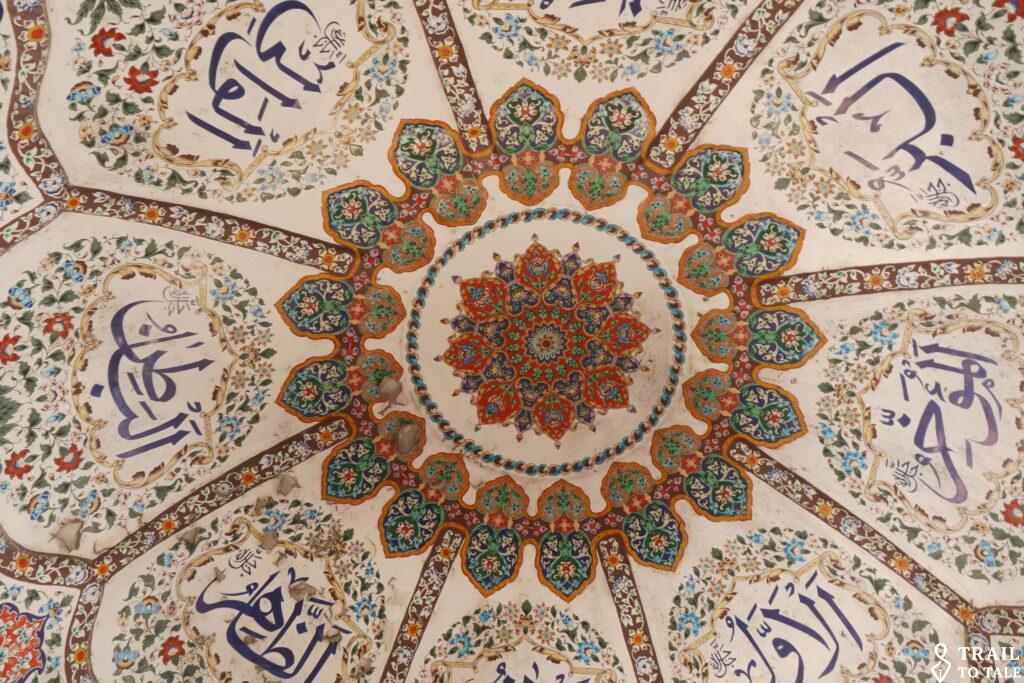
The Sadiq Garh Palace, a magnificent 19th century royal residence near Bahawalpur, stands as a fading reminder of the grandeur of the former princely state.


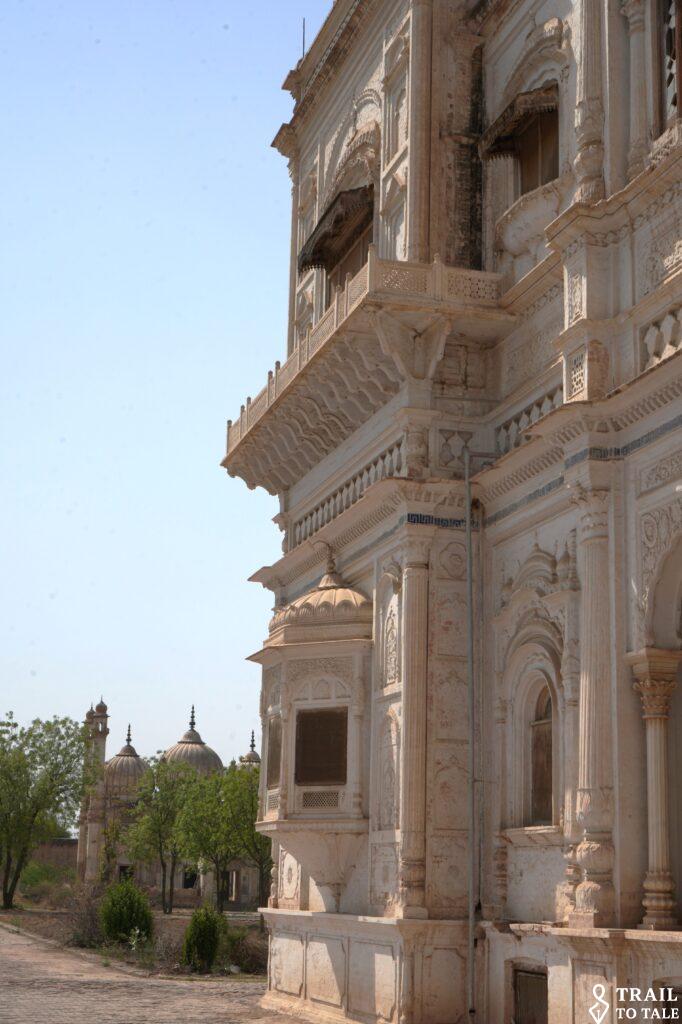
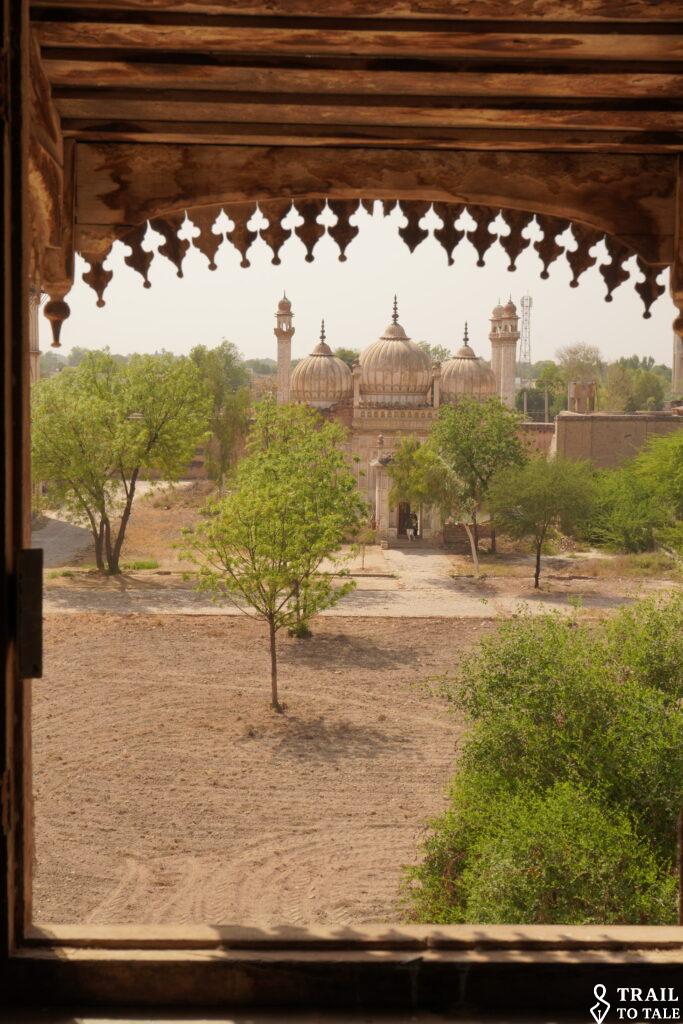
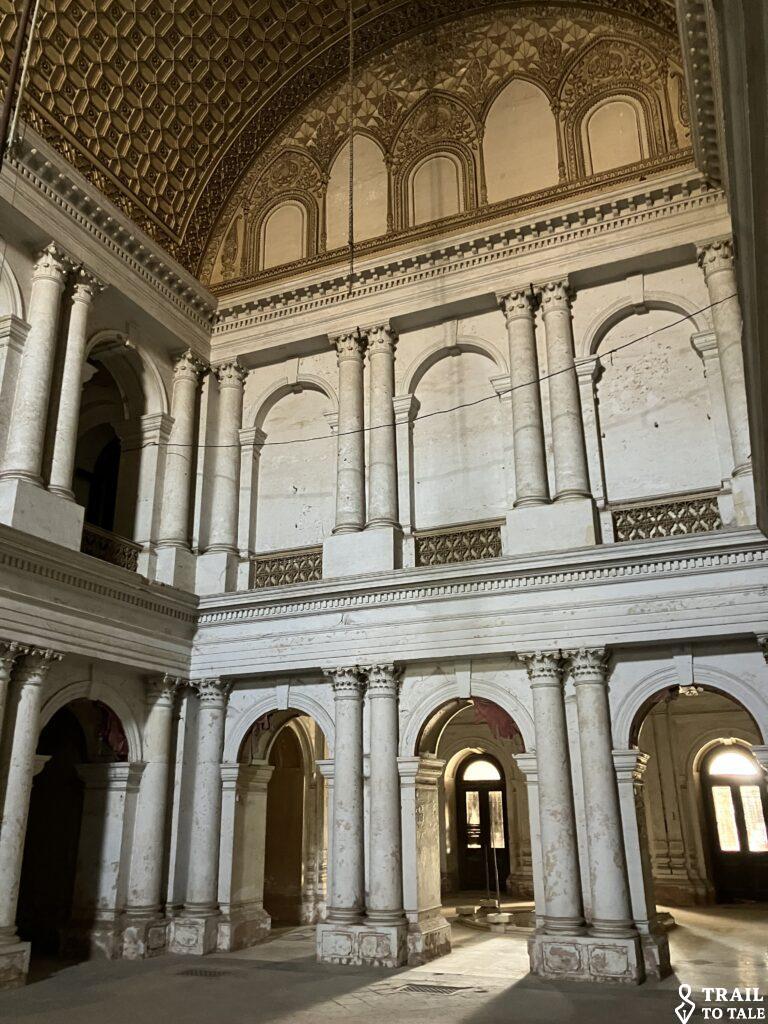

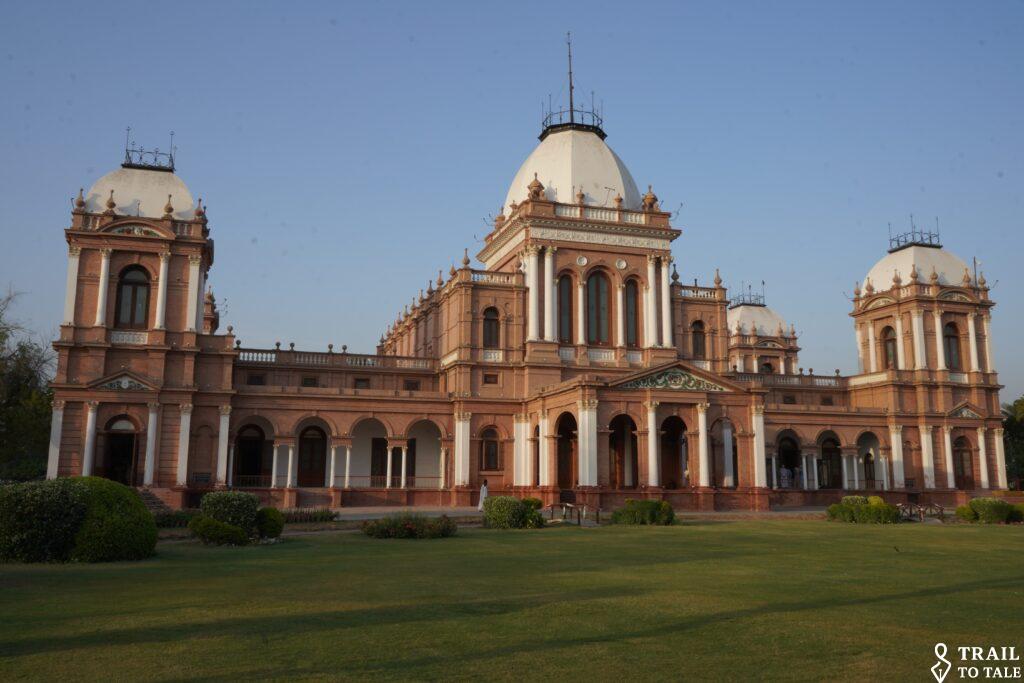
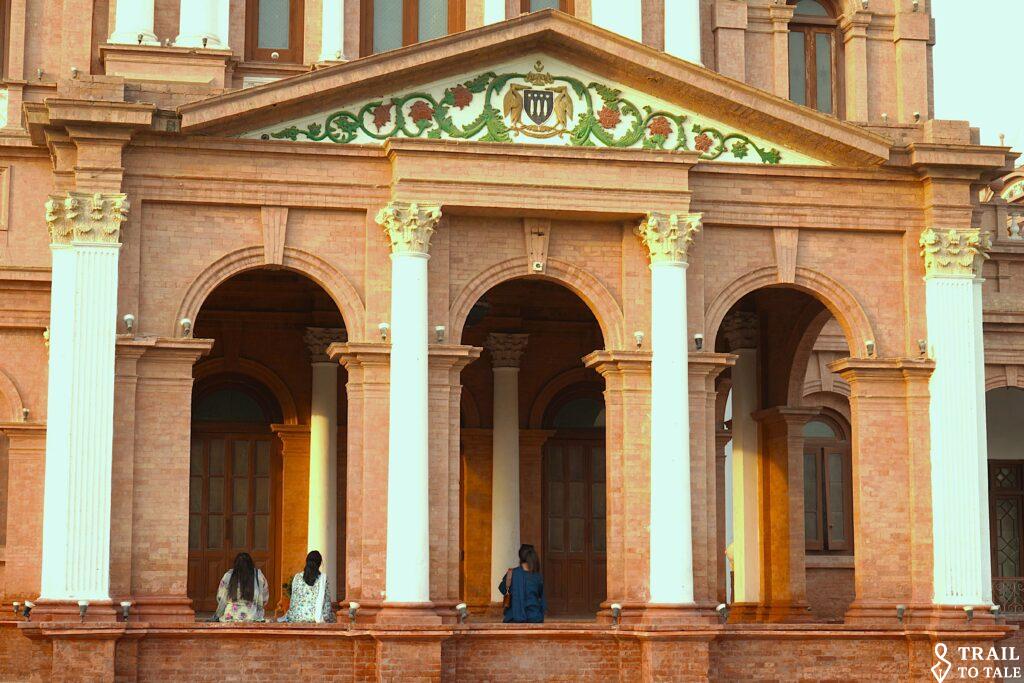
Noor Mahal in Bahawalpur is a magnificent late-19th-century palace built in an Italianate style, renowned for its elegant façade, grand interiors and beautifully preserved royal heritage.
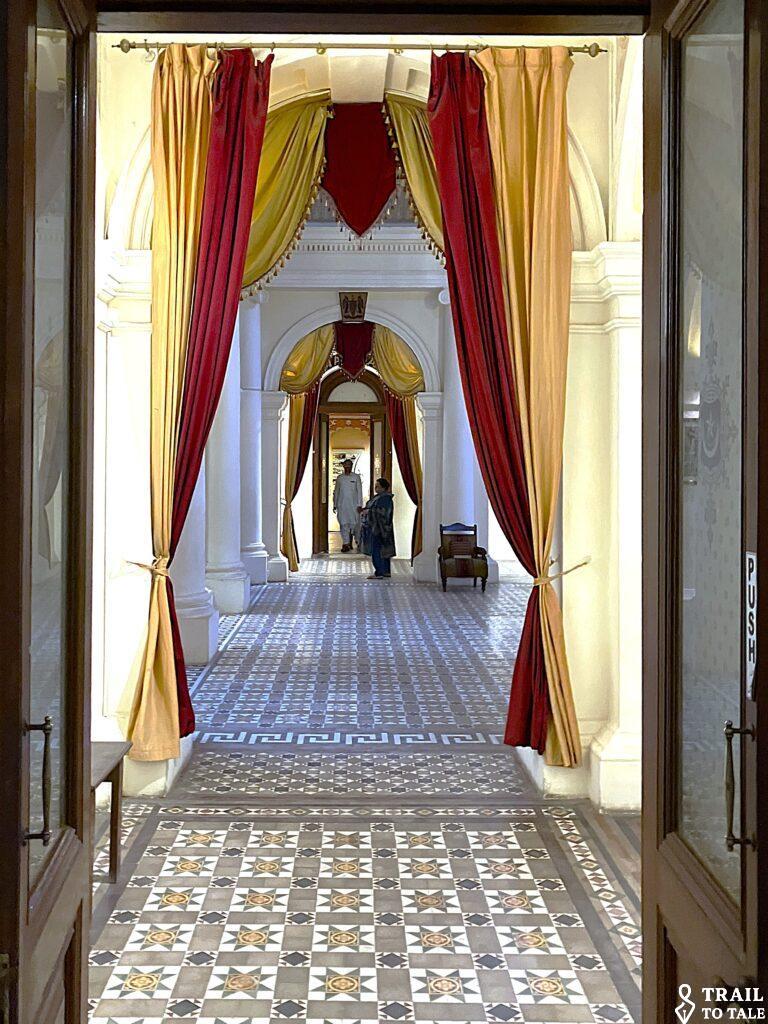
The interior of Noor Mahal is richly decorated with ornate chandeliers, carved wooden ceilings, elaborate stucco work, gilded details, large mirrors and elegant European-style furniture, reflecting the opulence and cosmopolitan tastes of the Nawabs of Bahawalpu




Noor Mahal is illuminated after sunset

After travelling extensively through western and northern Pakistan, and being thoroughly impressed and blown away by its magnificent landscapes and mountains, exploring the country’s southern regions finally offered a very different, but equally fascinating perspective on this former British colony.


Leave a reply
You must be logged in to post a comment.