


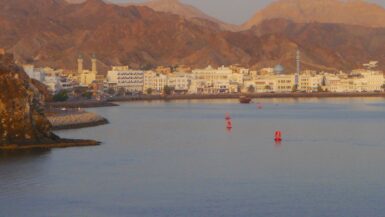
Departing from Oman’s laid-back Capital Muscat through the South Gate.
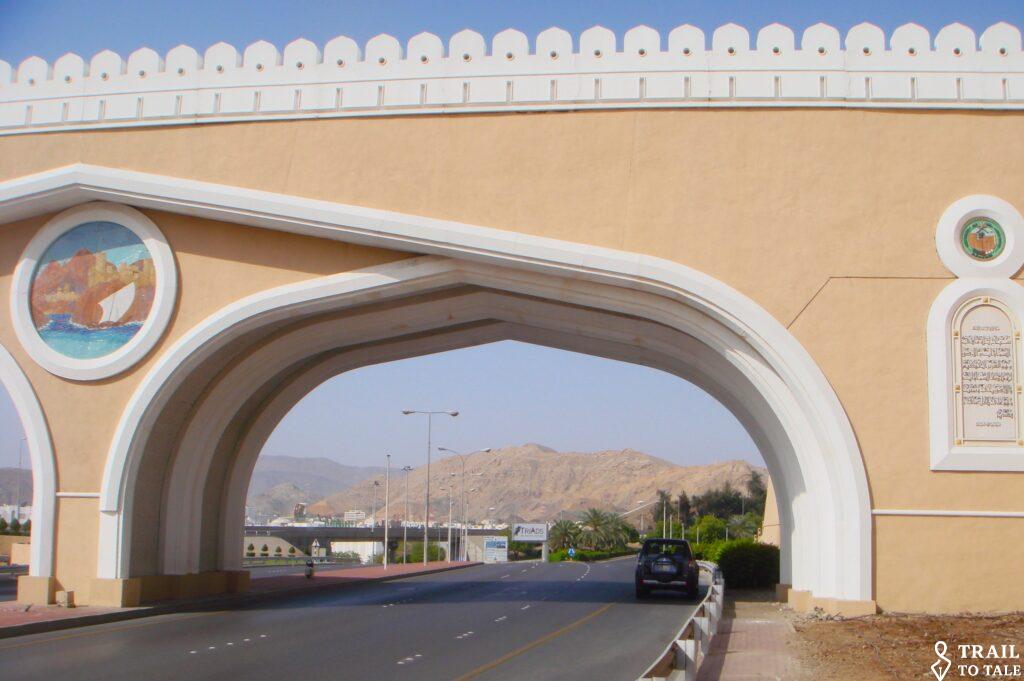
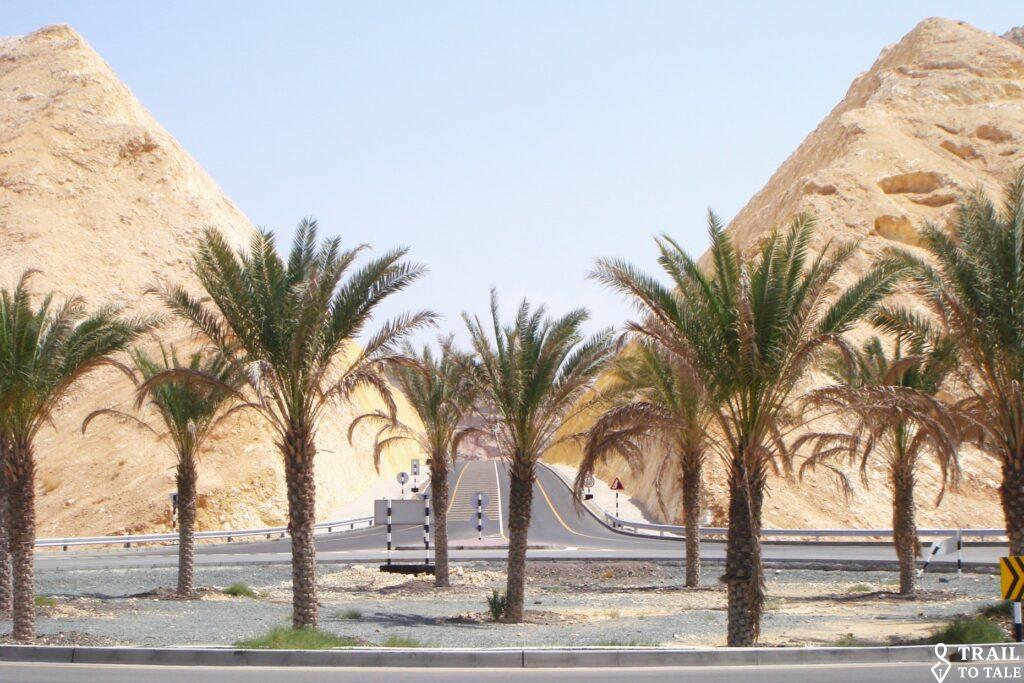
Continue south on well-maintained road infrastructure.
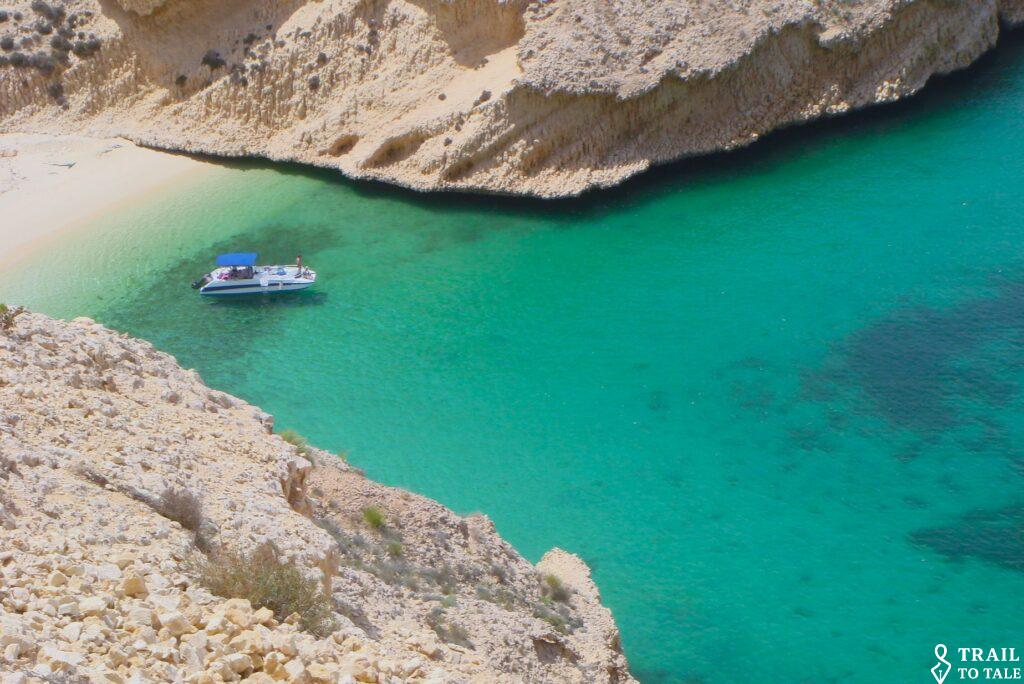
Passing white sand at the ‘Fins Beaches’.
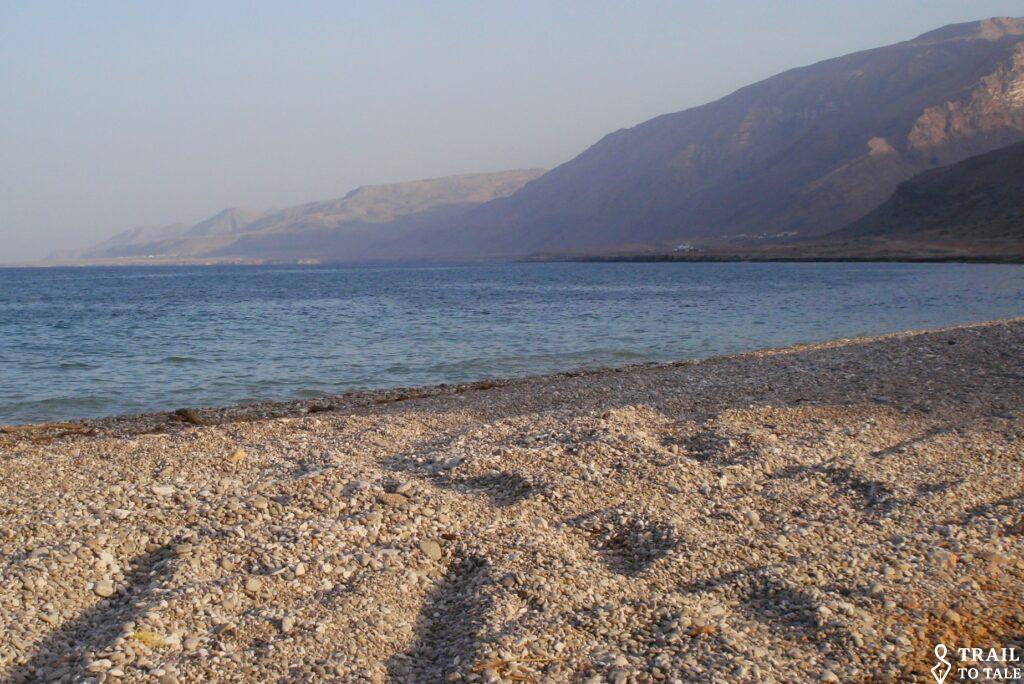
Followed by gravel beaches further south
The drive soon narrows into dusty gravel roads through arid land, interrupted by wadis where lush vegetation thrives around oases, and by the occasional fort rising above the landscape.
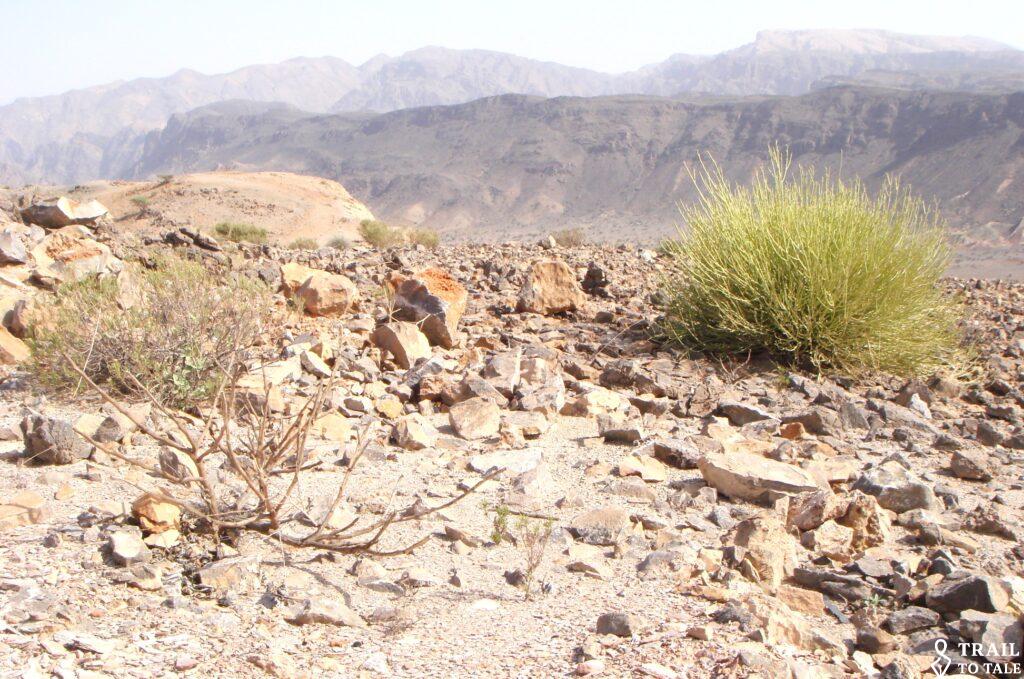
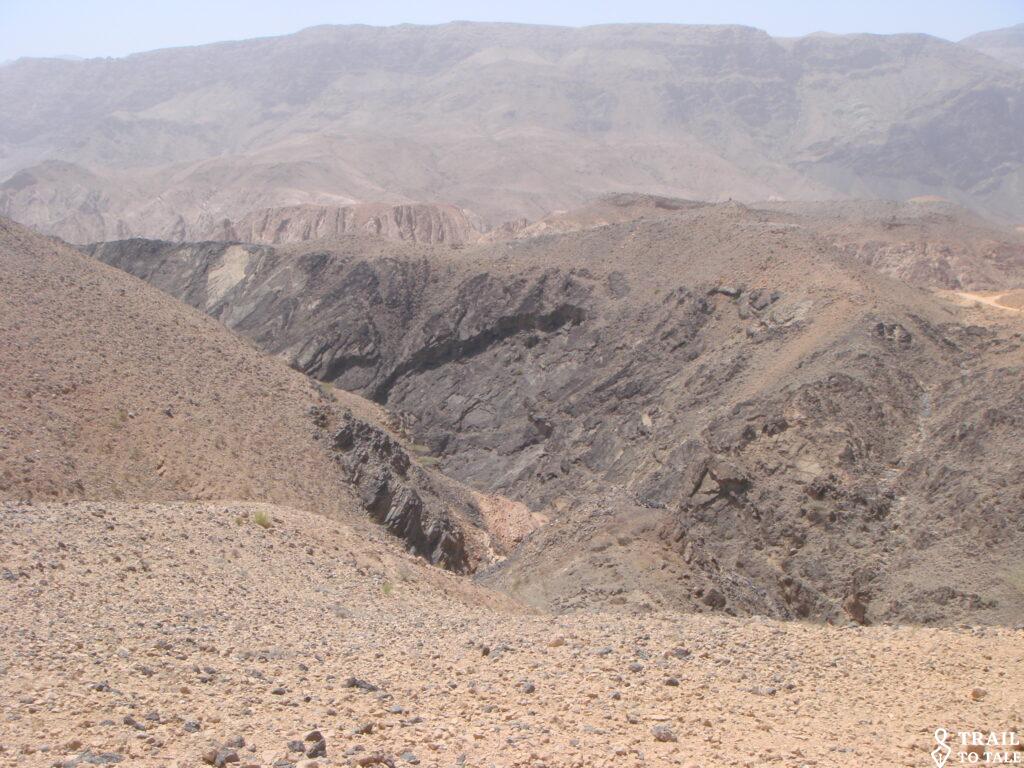
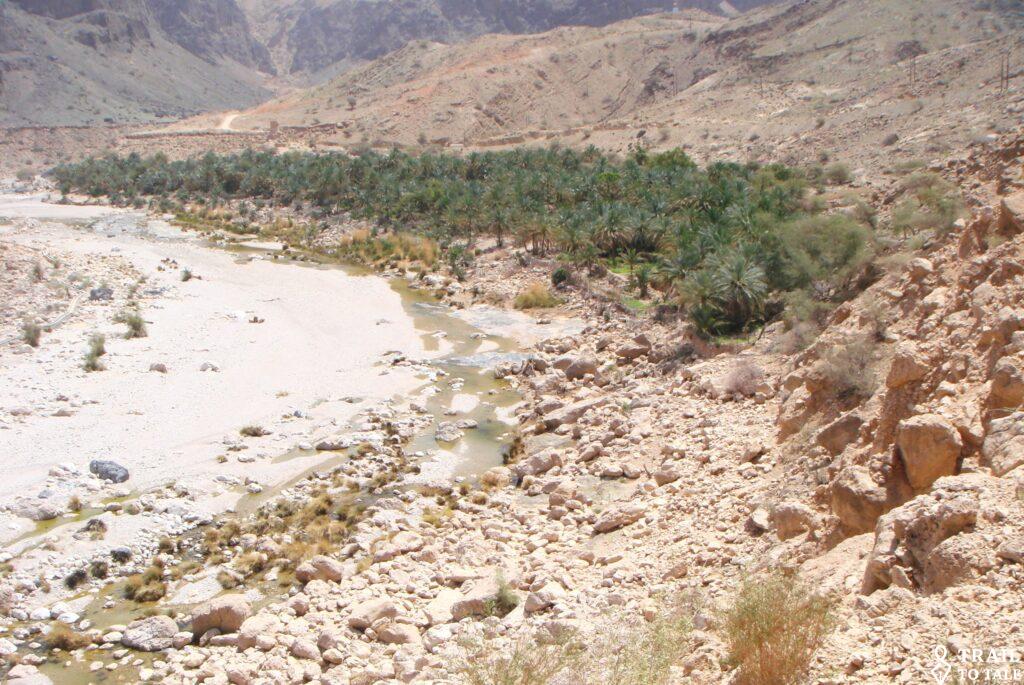
The rugged Wadi Shab, with its steep canyon walls and emerald pools, is one of Oman’s most striking natural wonders.
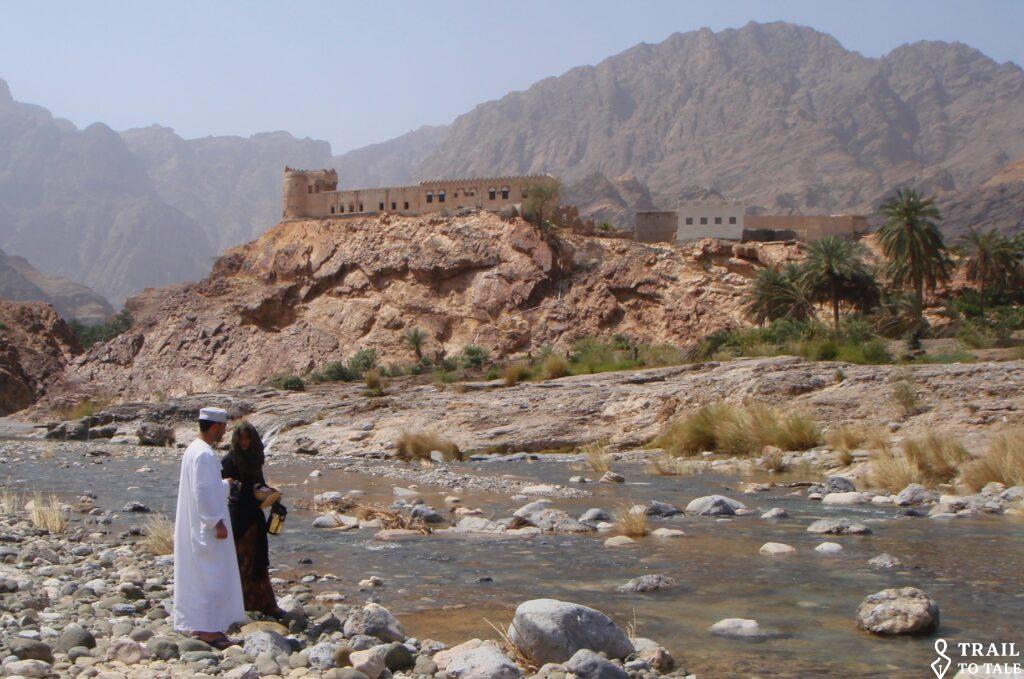
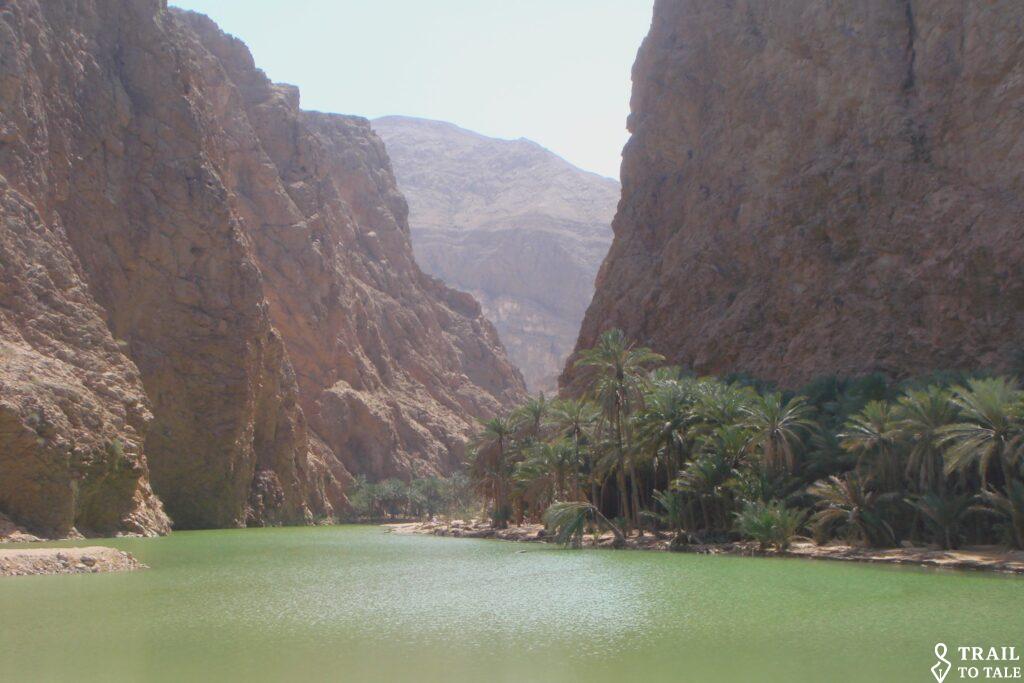
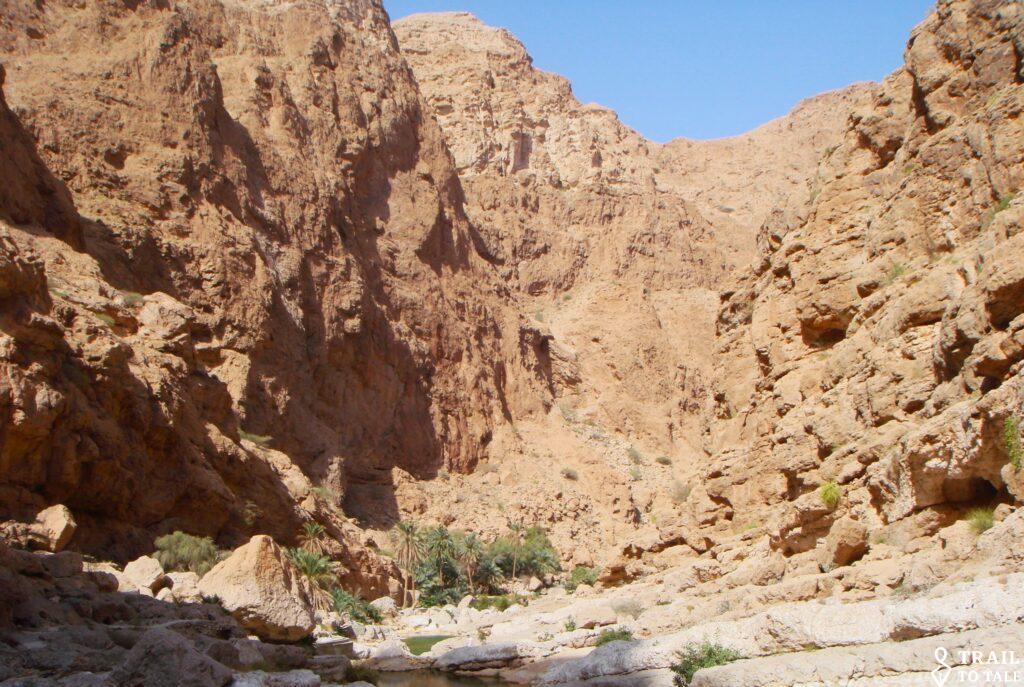
Hiking up Wadi Tiwi, its natural rock pools invite a refreshing swim.
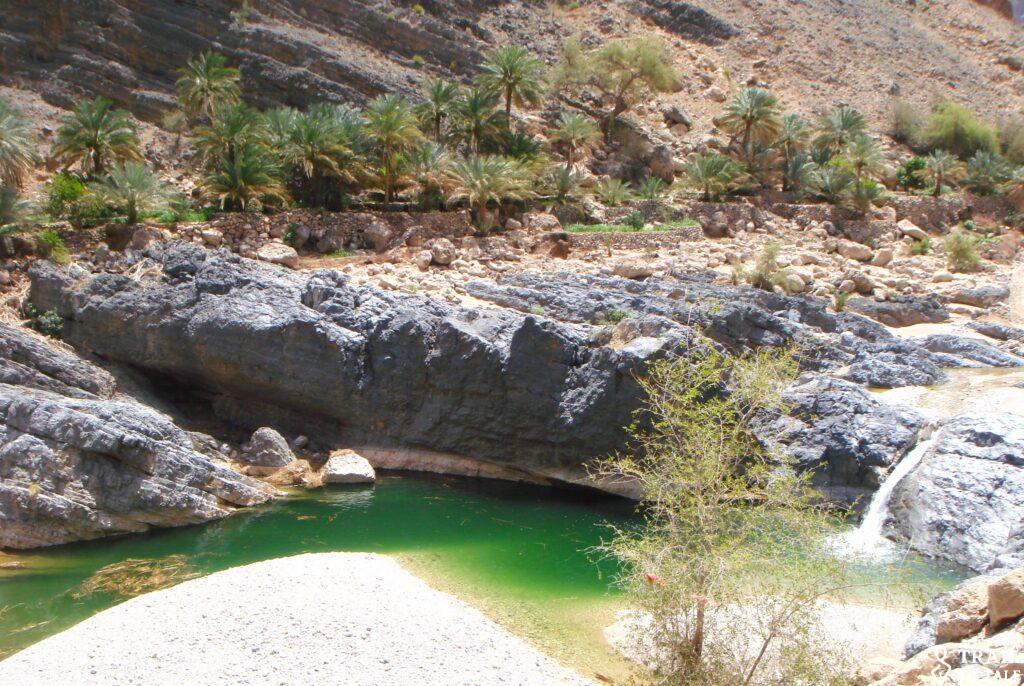
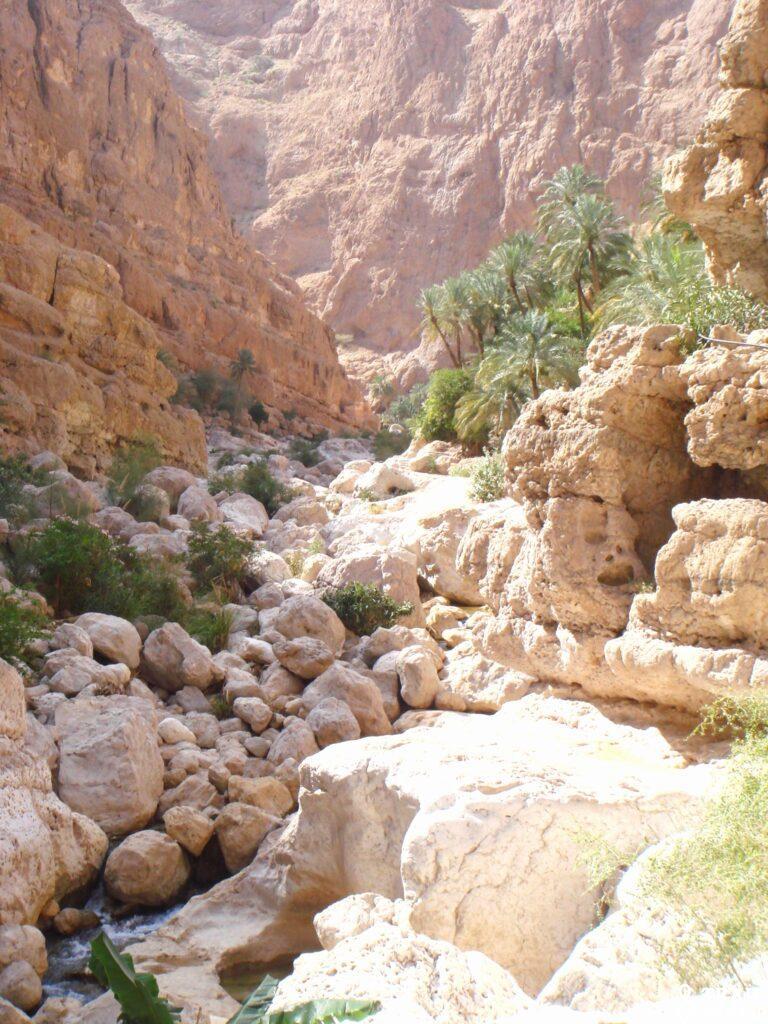
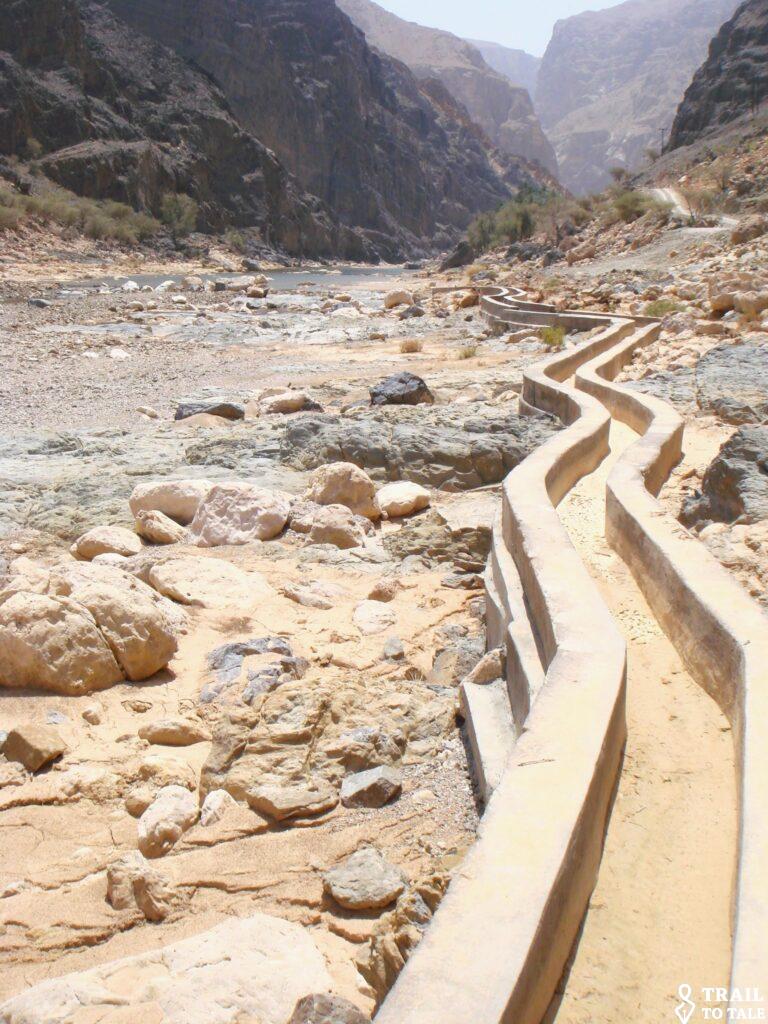
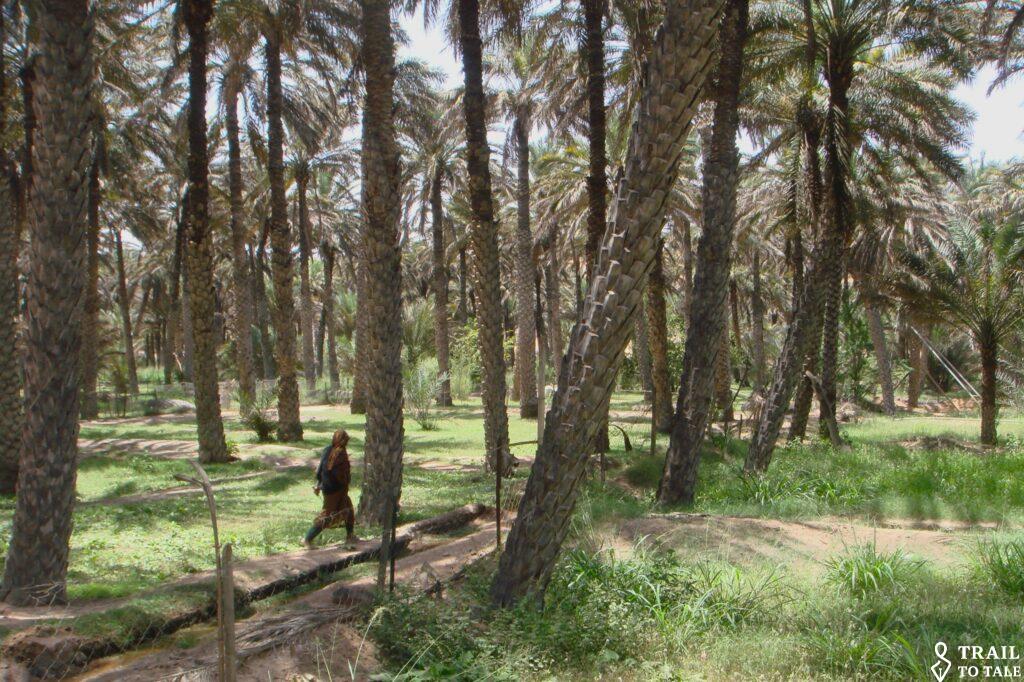
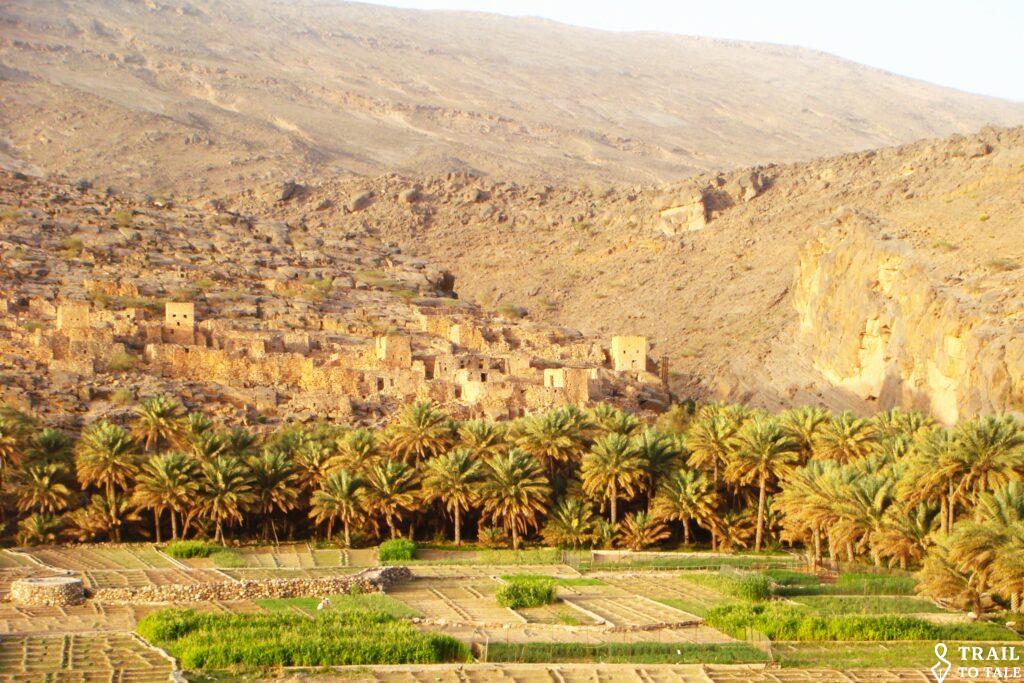
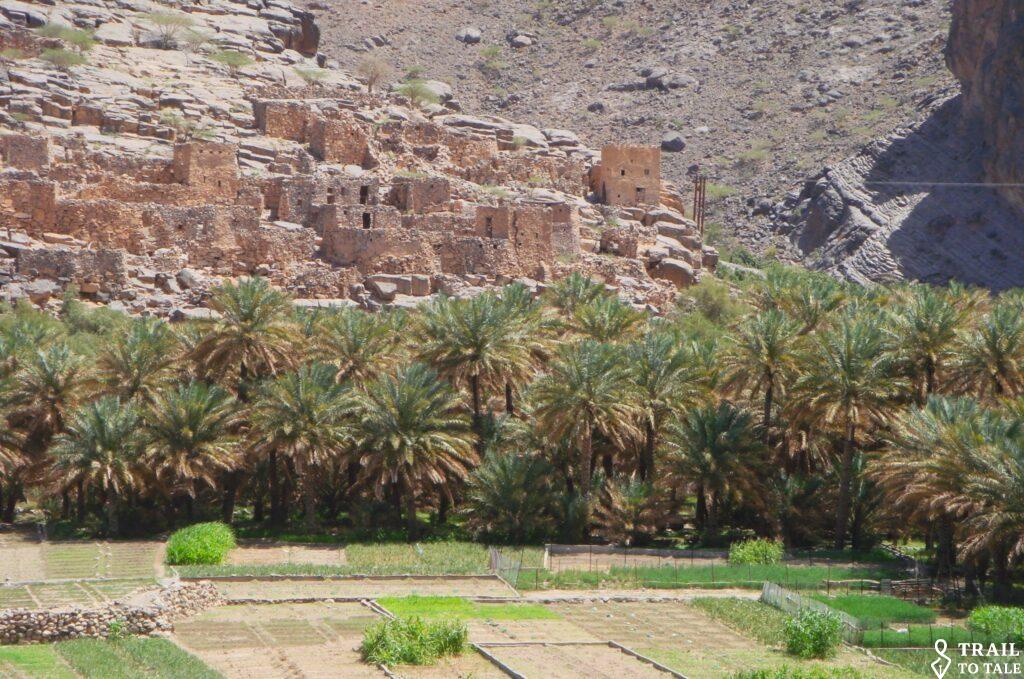
Water is channelled into canals along the wadi, allowing irrigation even during times of drought.
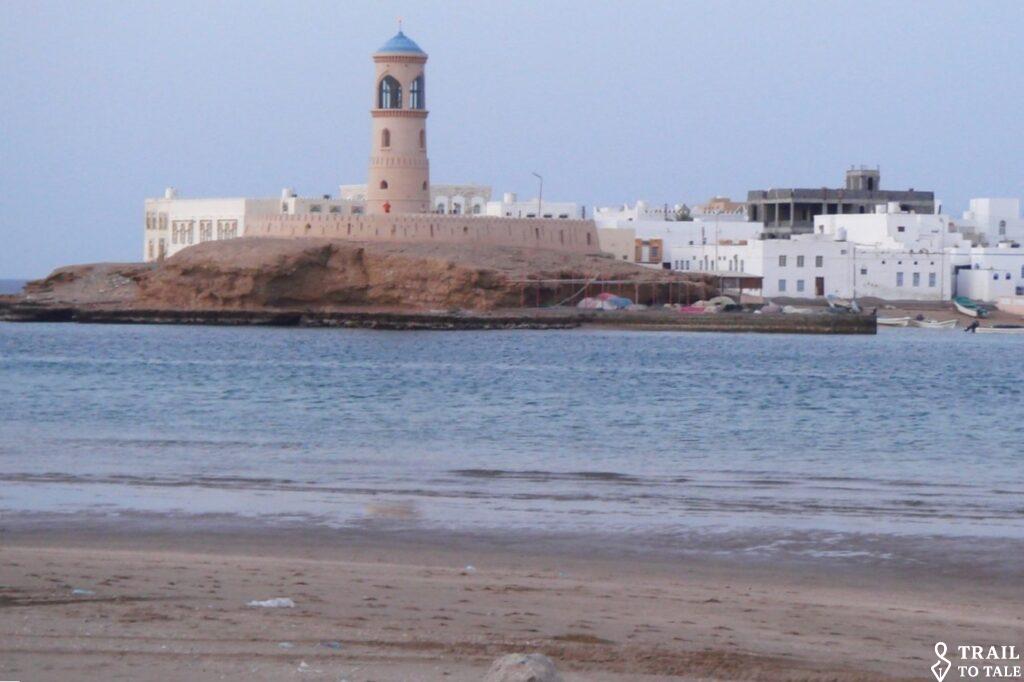
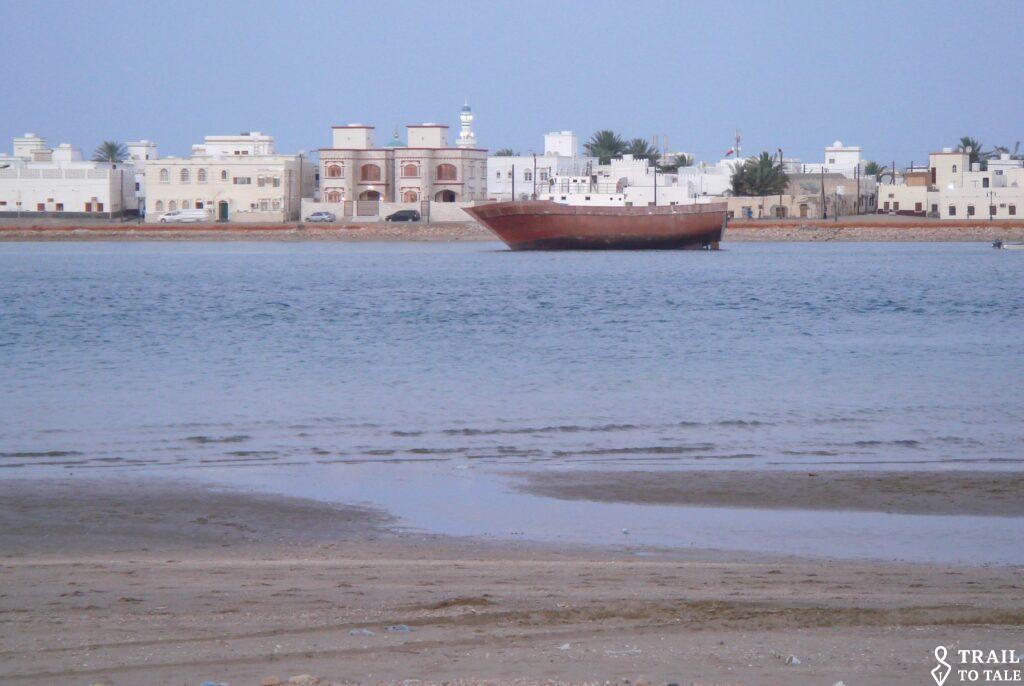
The port city of Sur is famed for its dhow shipyards, where traditional wooden vessels are still crafted by hand, and for its long maritime history.
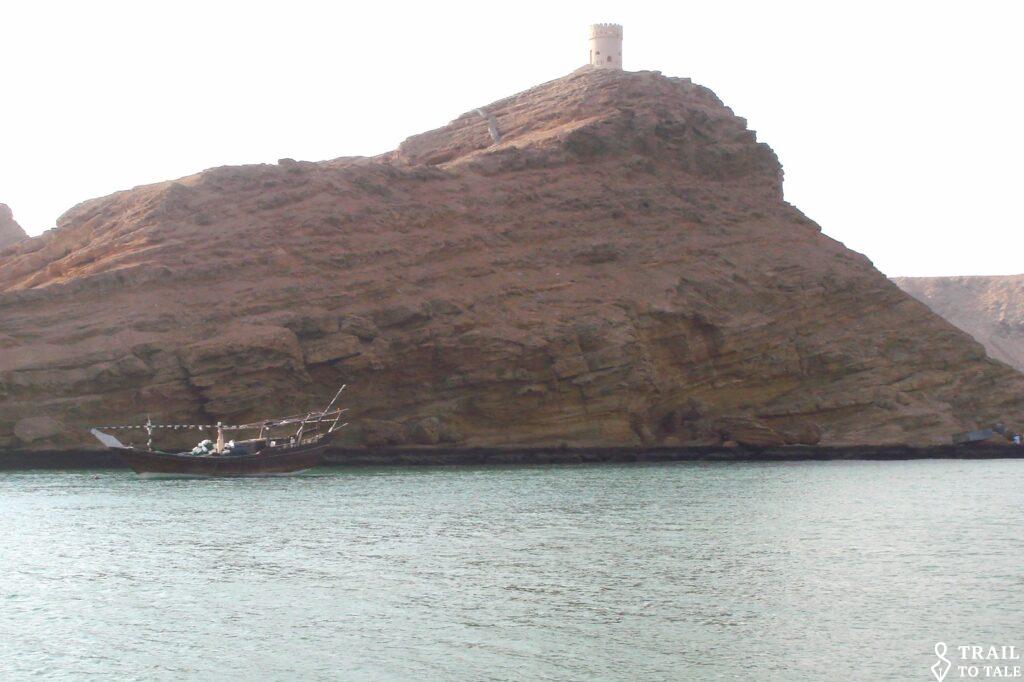
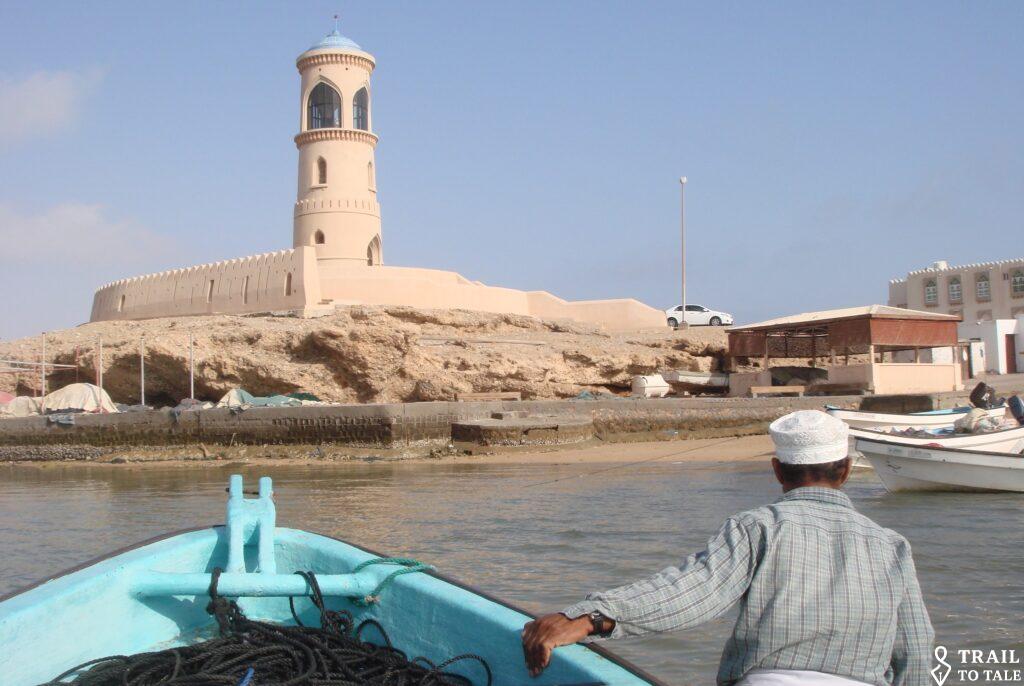
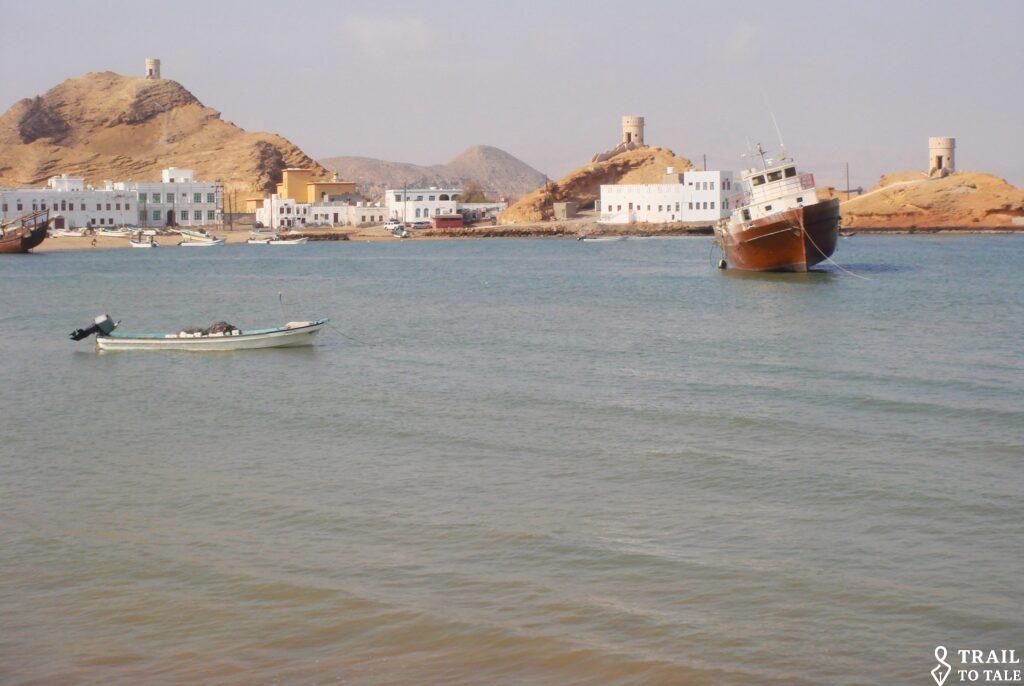
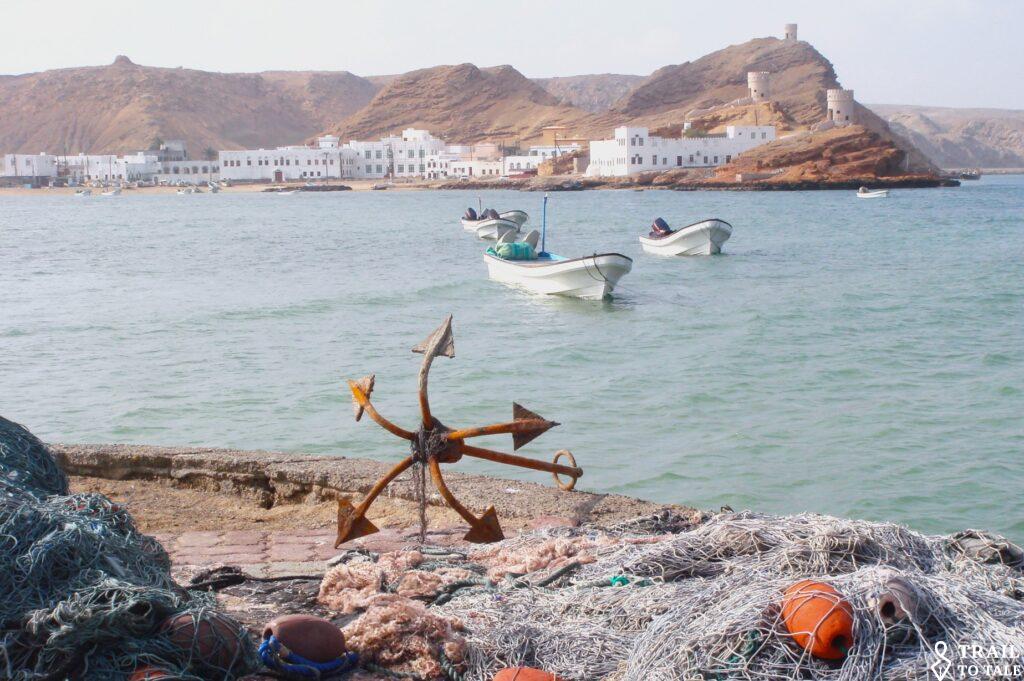
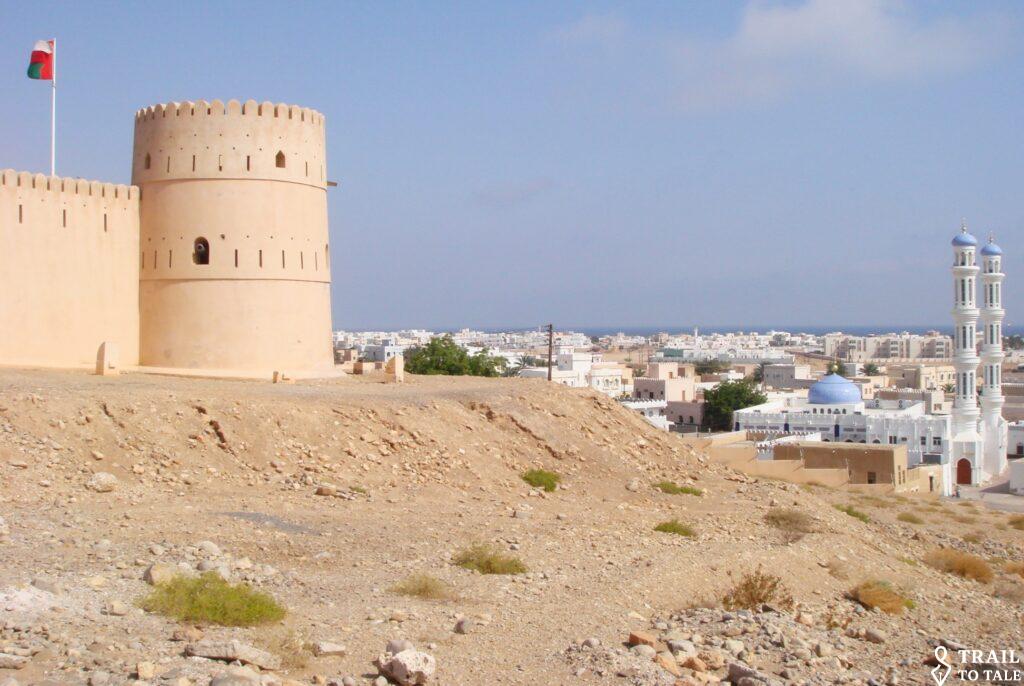
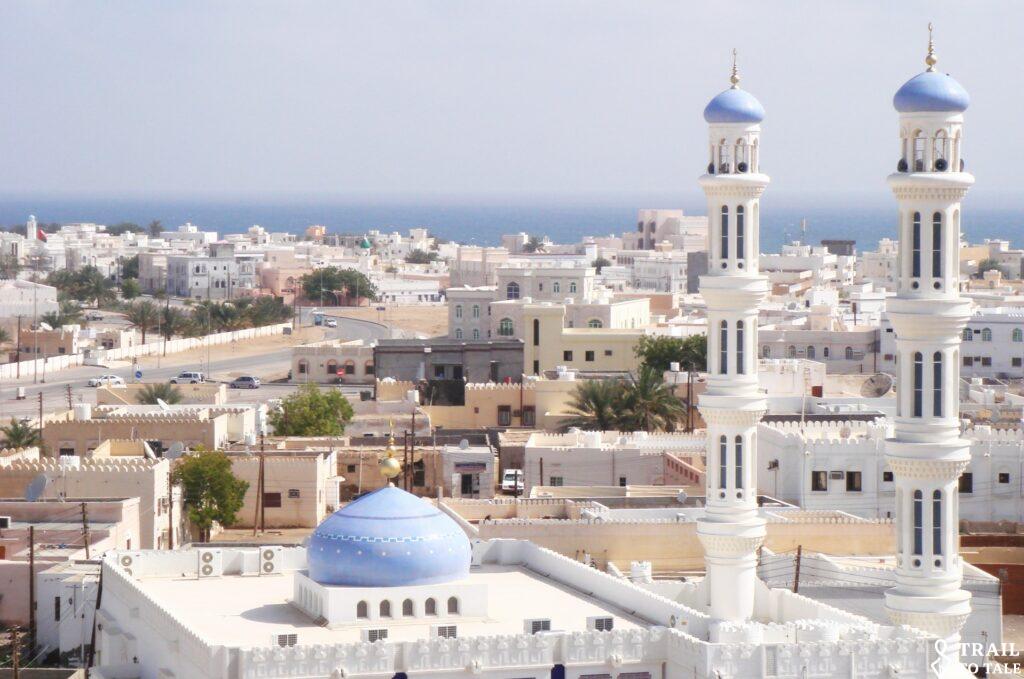
Heading inland visiting oases at the start of the sand dunes.
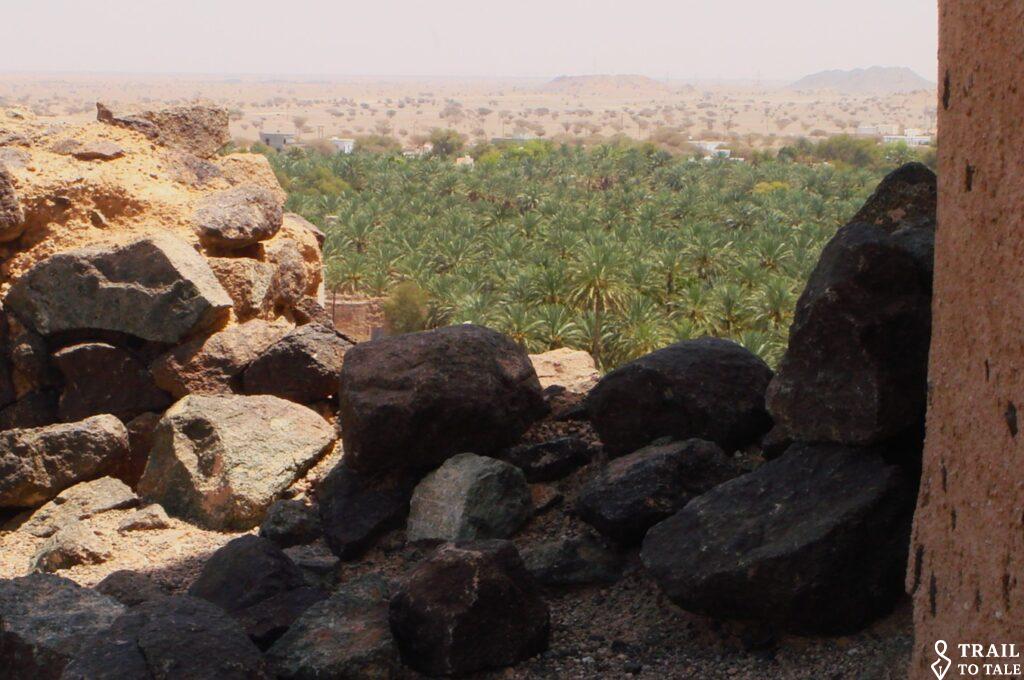
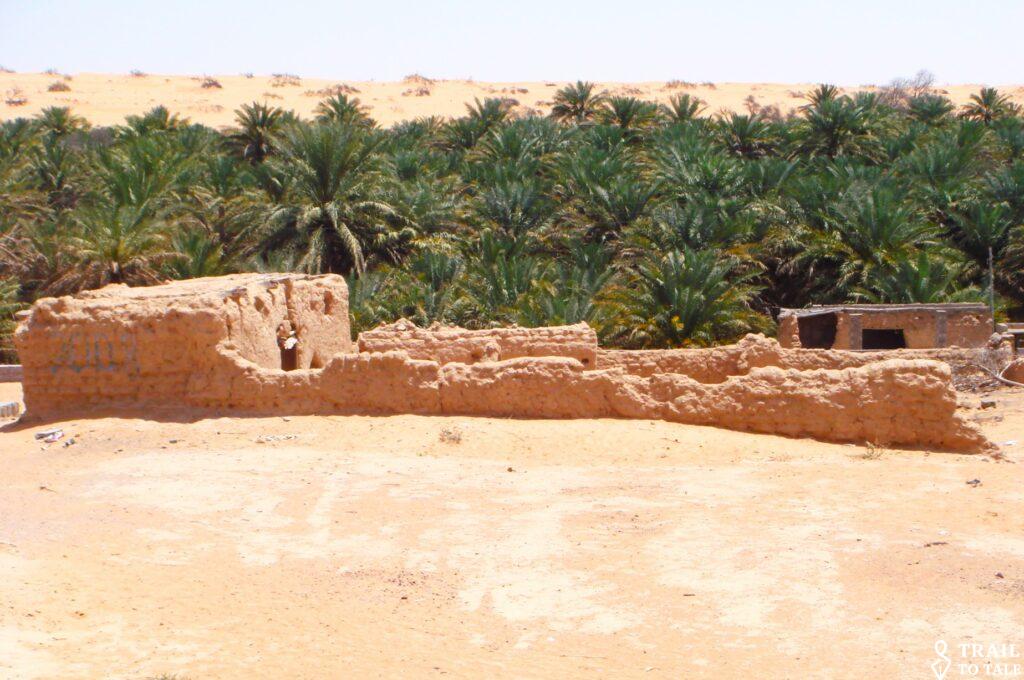
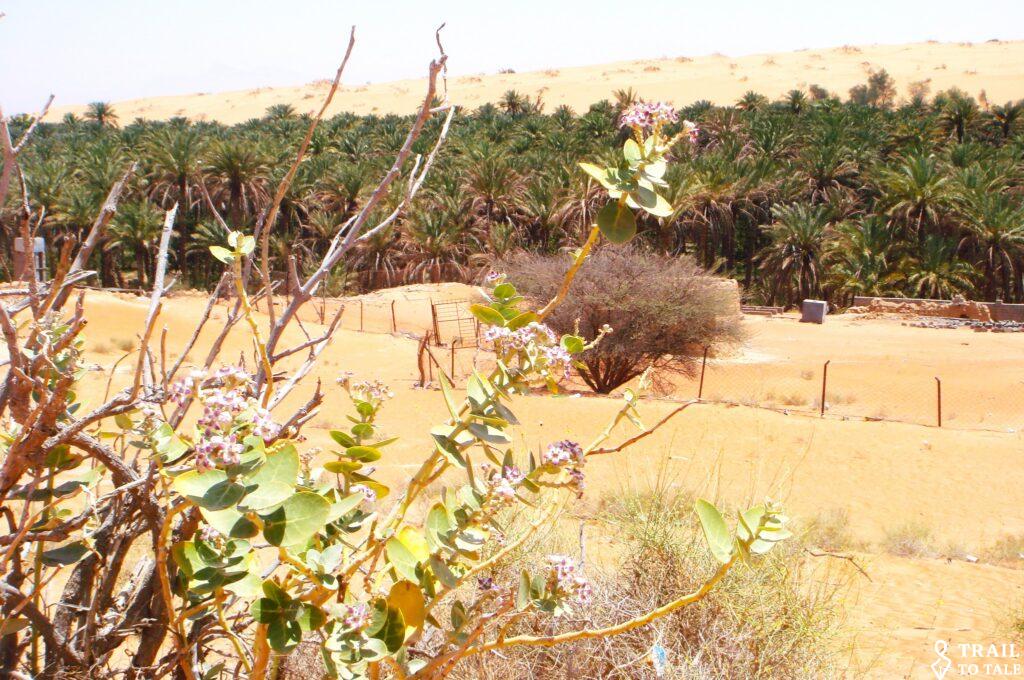
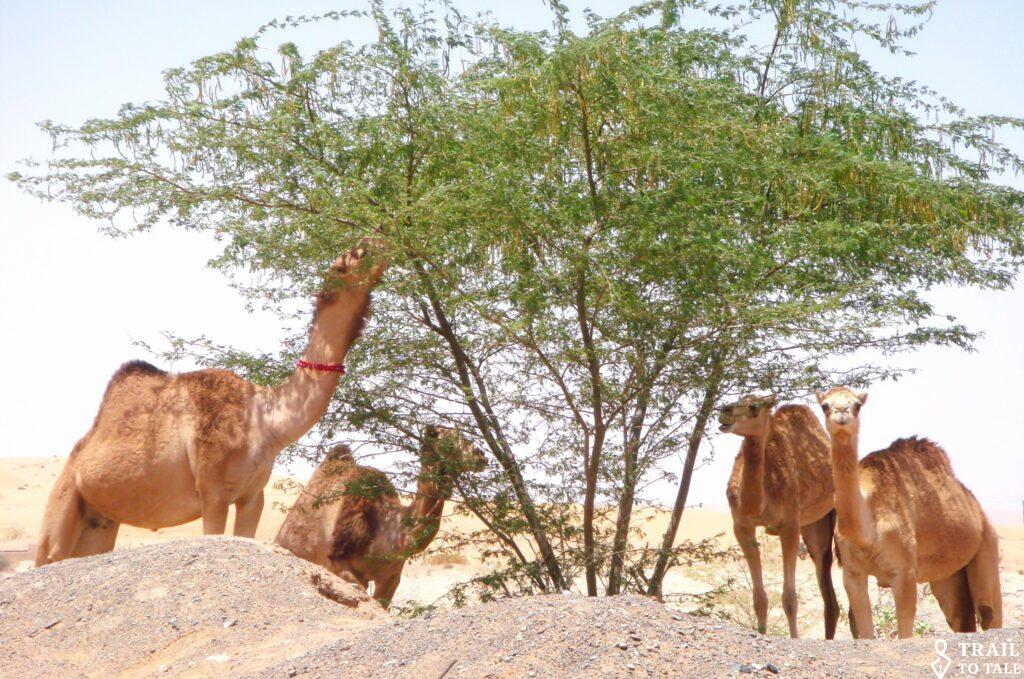
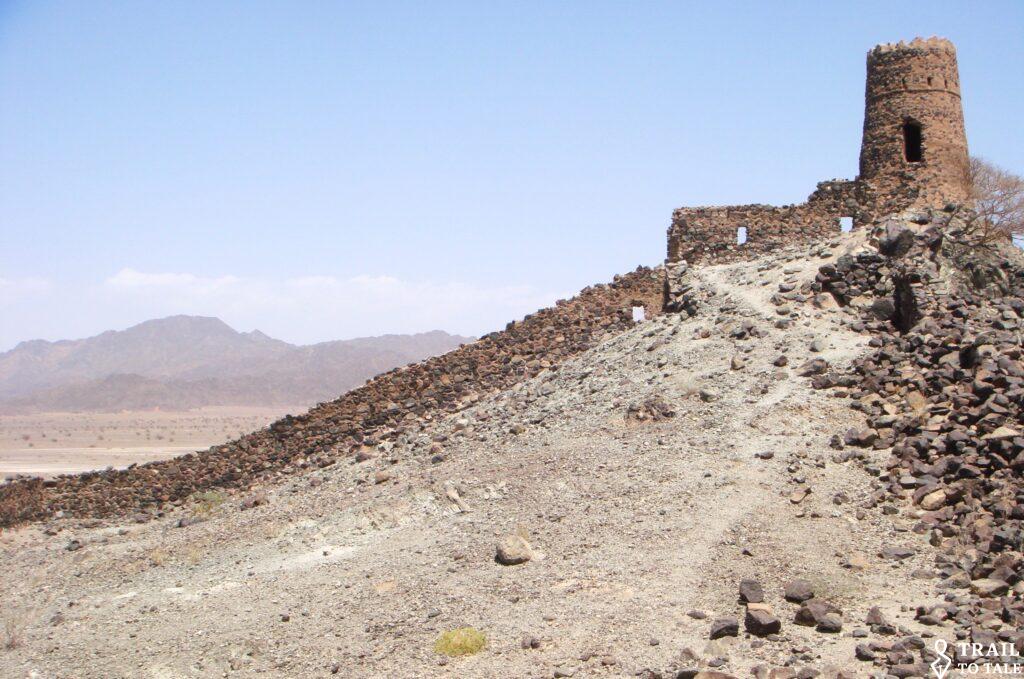
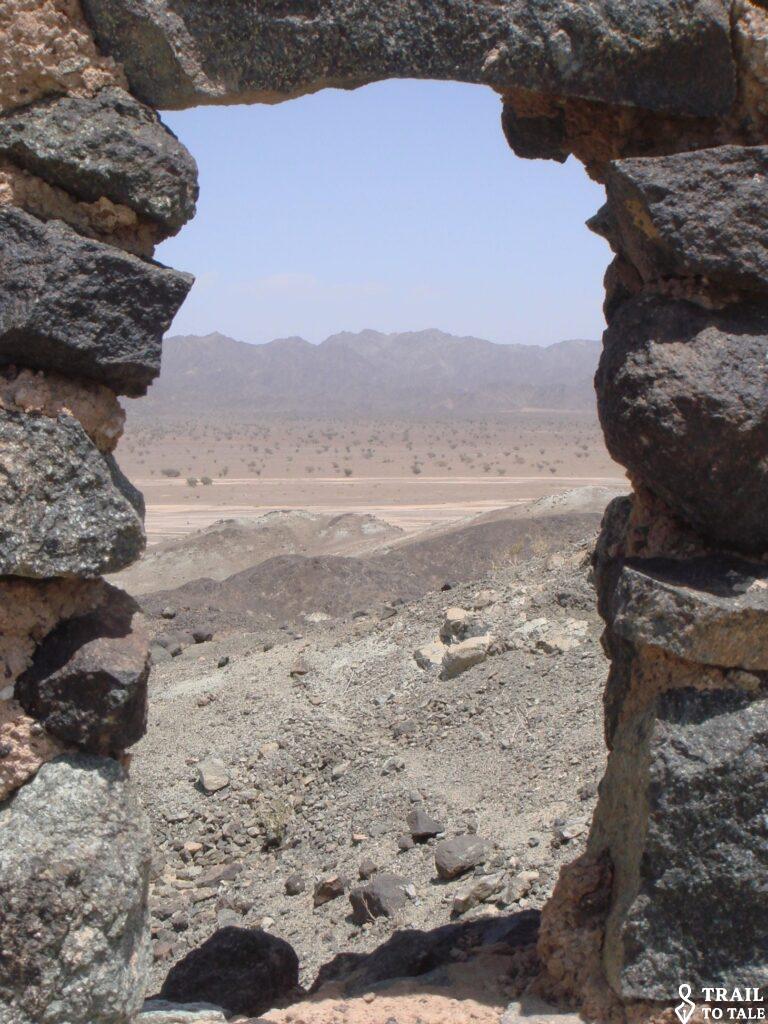
The journey continues through barren stone desert, punctuated by the regular sight of forts rising above the landscape.
Nizwa (also called the ‘Pearl of Islam‘) is a historic oasis city.
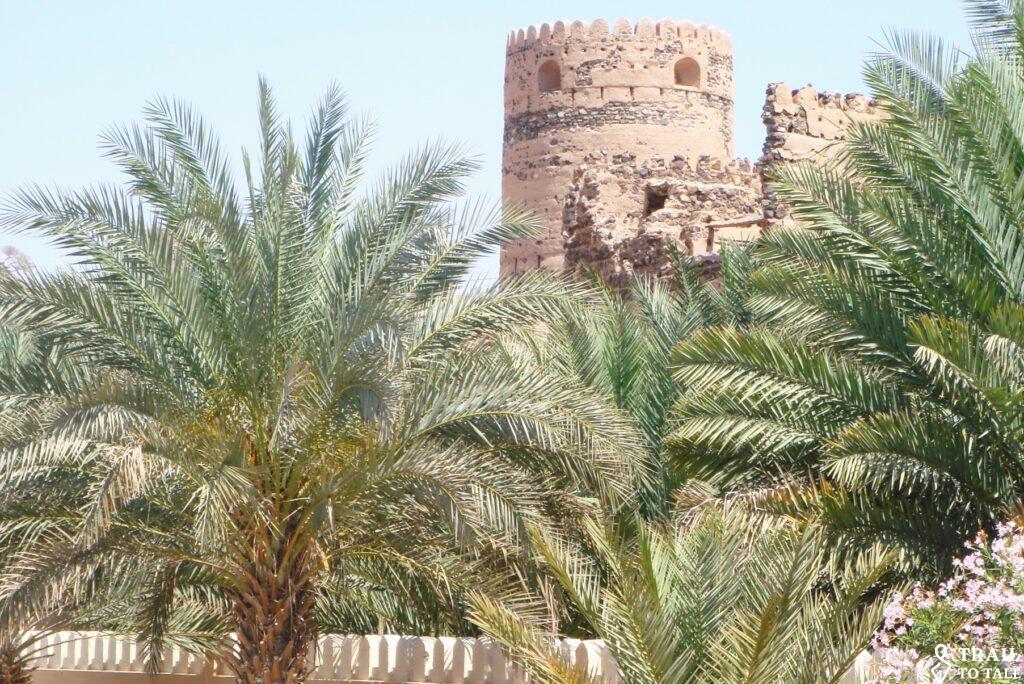
Nizwa has always played a prominent role in Oman’s interior. Because of its importance, Sultan bin Saif built a remarkable fort there. Today, the restored Nizwa Fort stands beside nearby Bahla Fort, a UNESCO World Heritage Site, as one of the country’s most impressive landmarks.
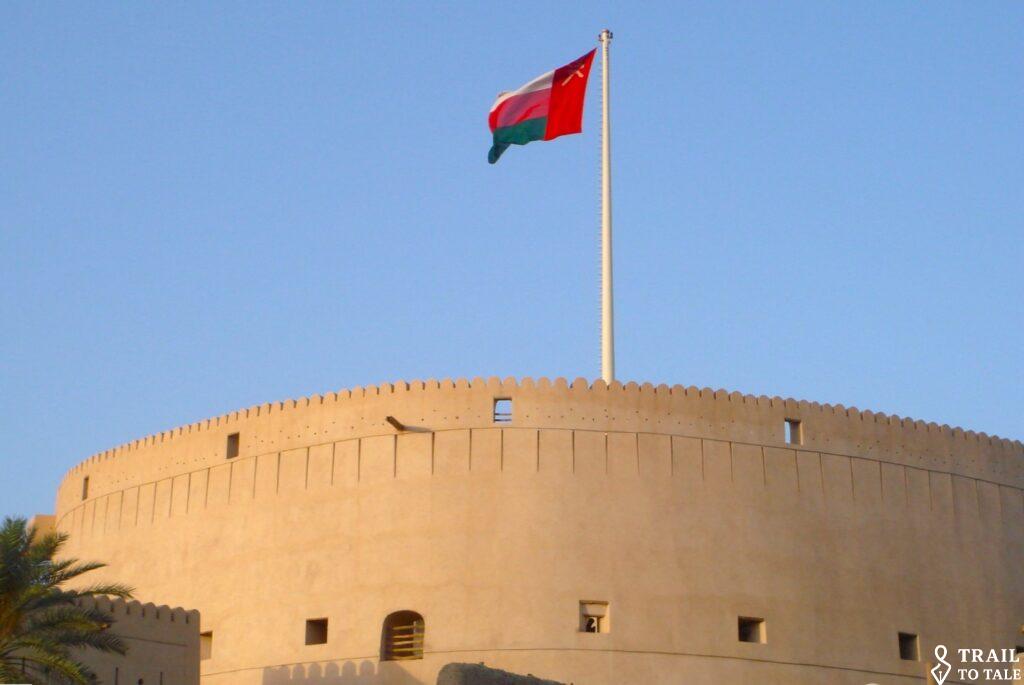
It featured curtain walls 10 m high and ‘murder holes’ through which defenders poured boiling date syrup onto the invaders.
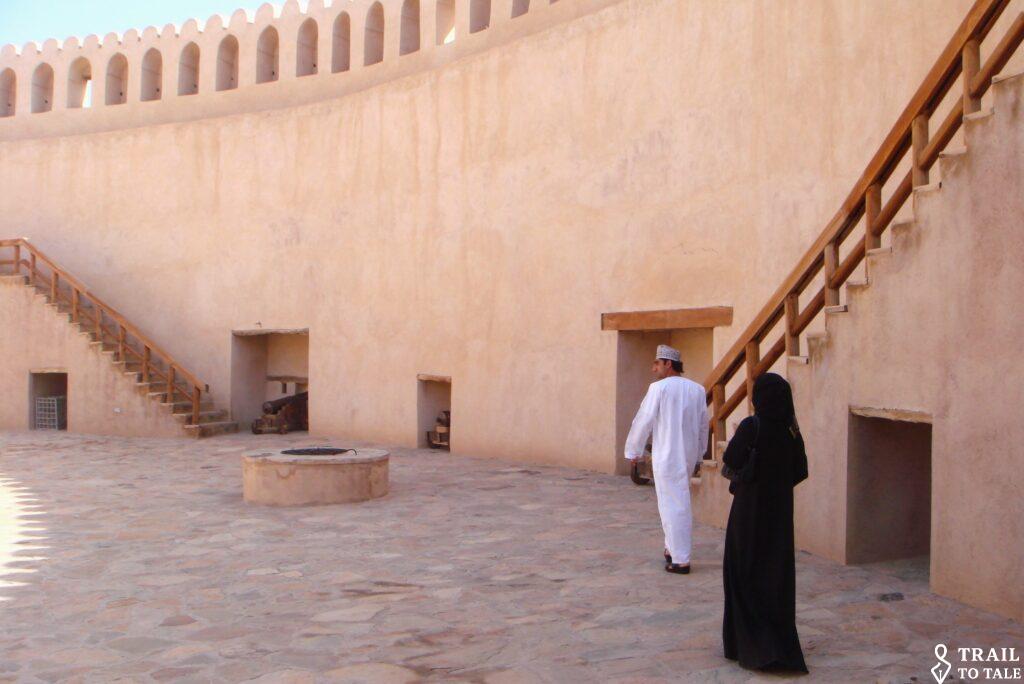
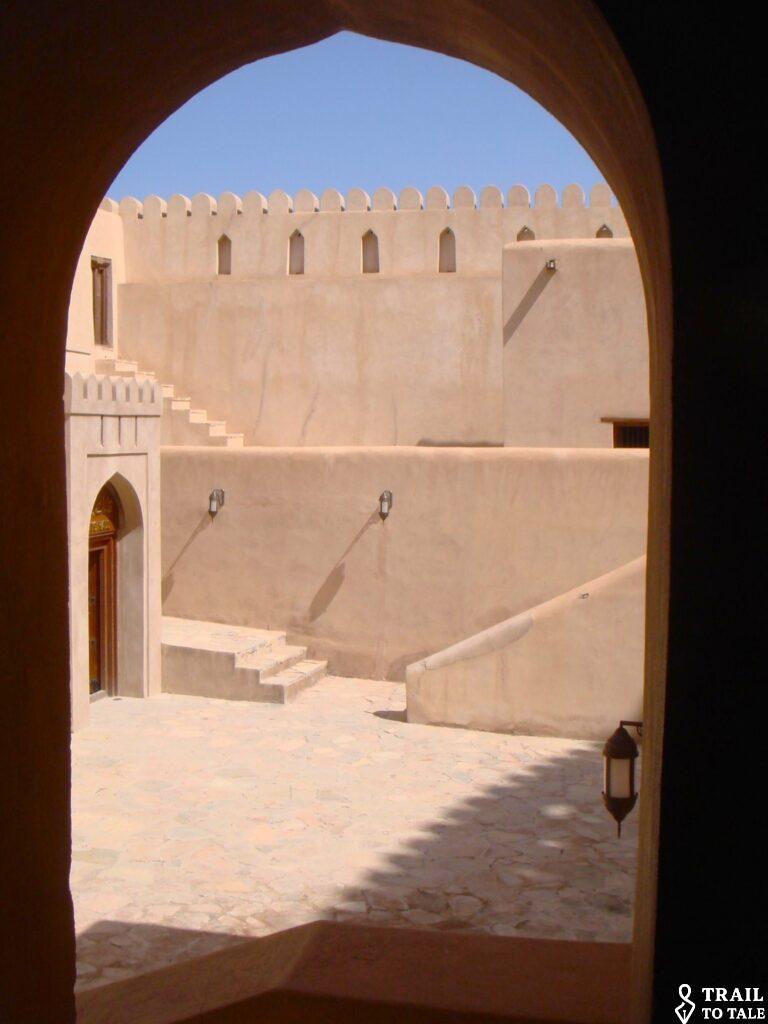
It provided a 360-degree sightline above the surrounding palms, defended by 23 encircled cannons.
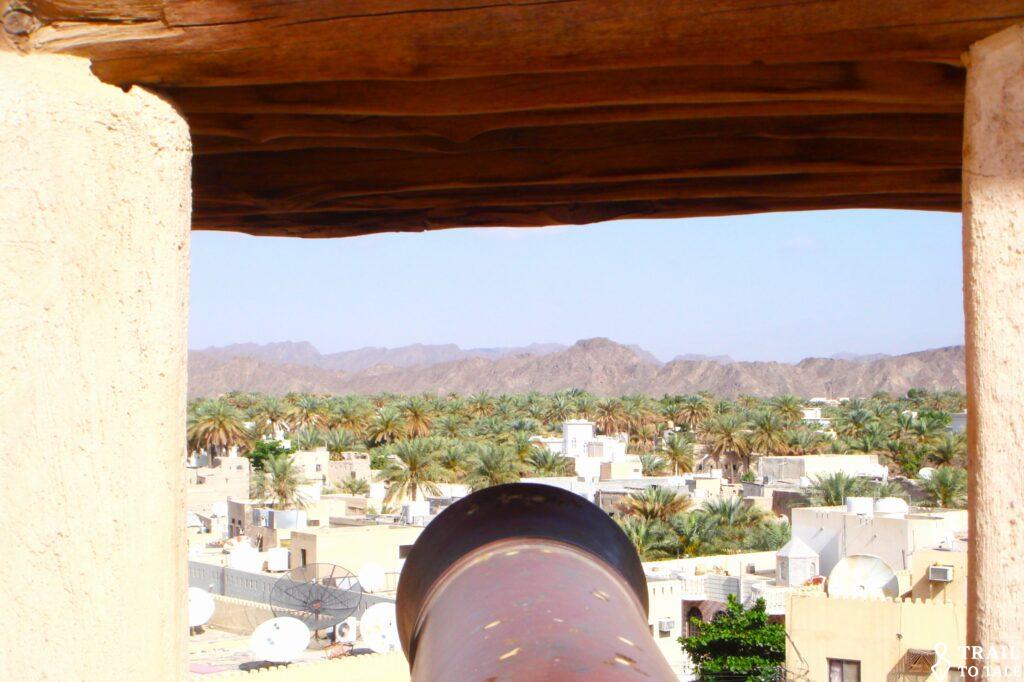
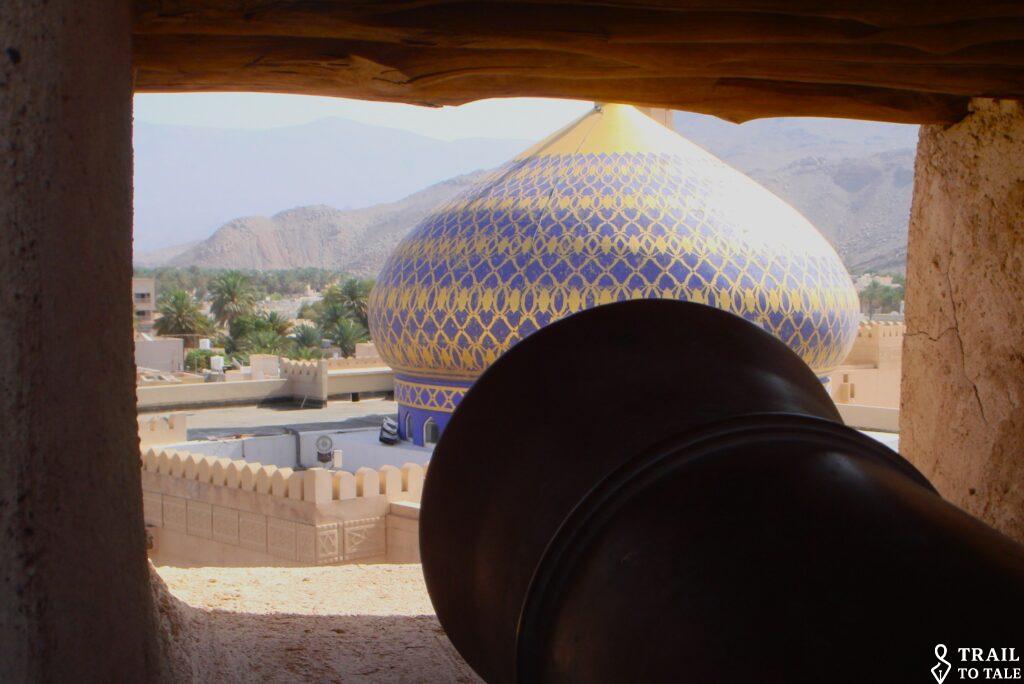
Adjacent to the fort stands the Al Qala’a Mosque, its roof gleaming like blue and gold in the sunlight.
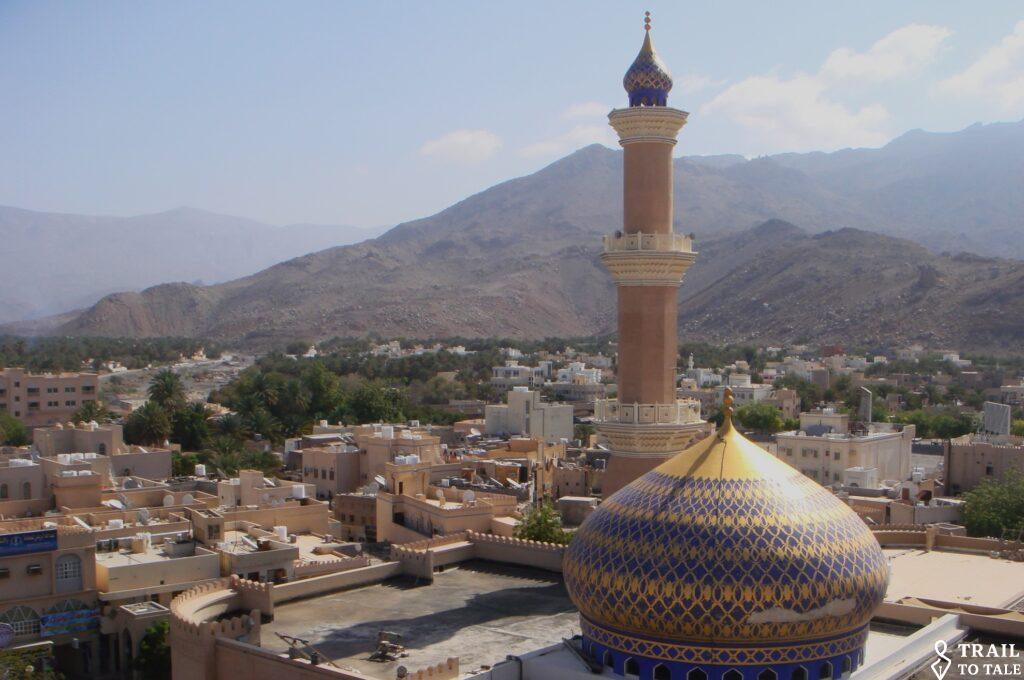
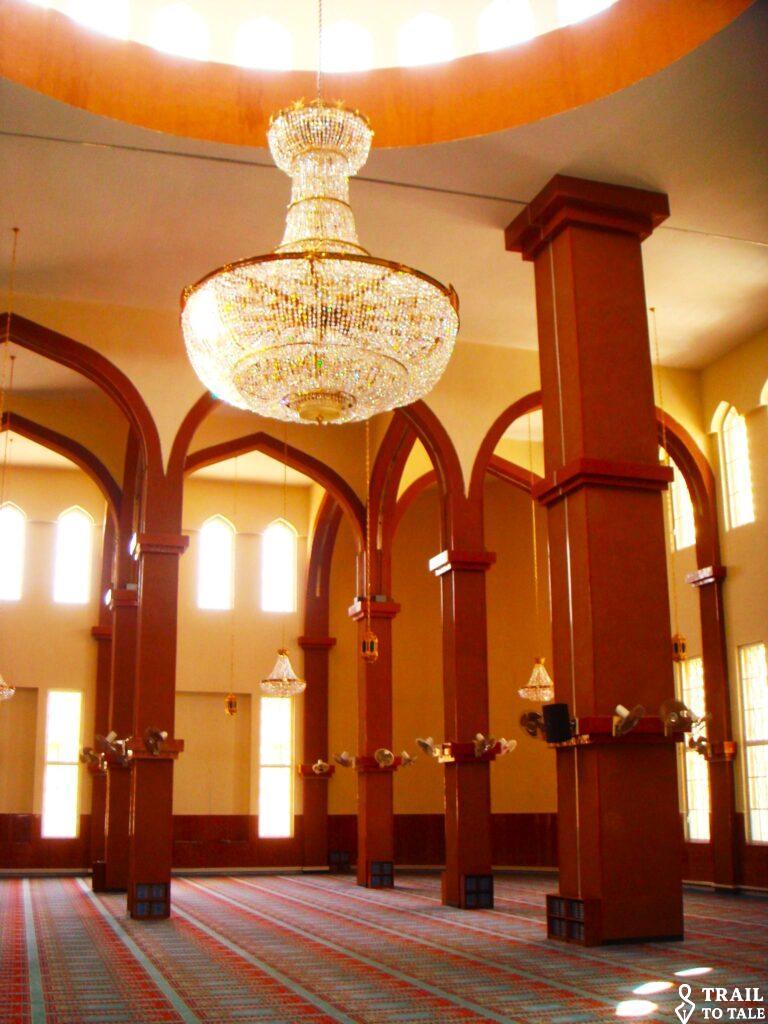
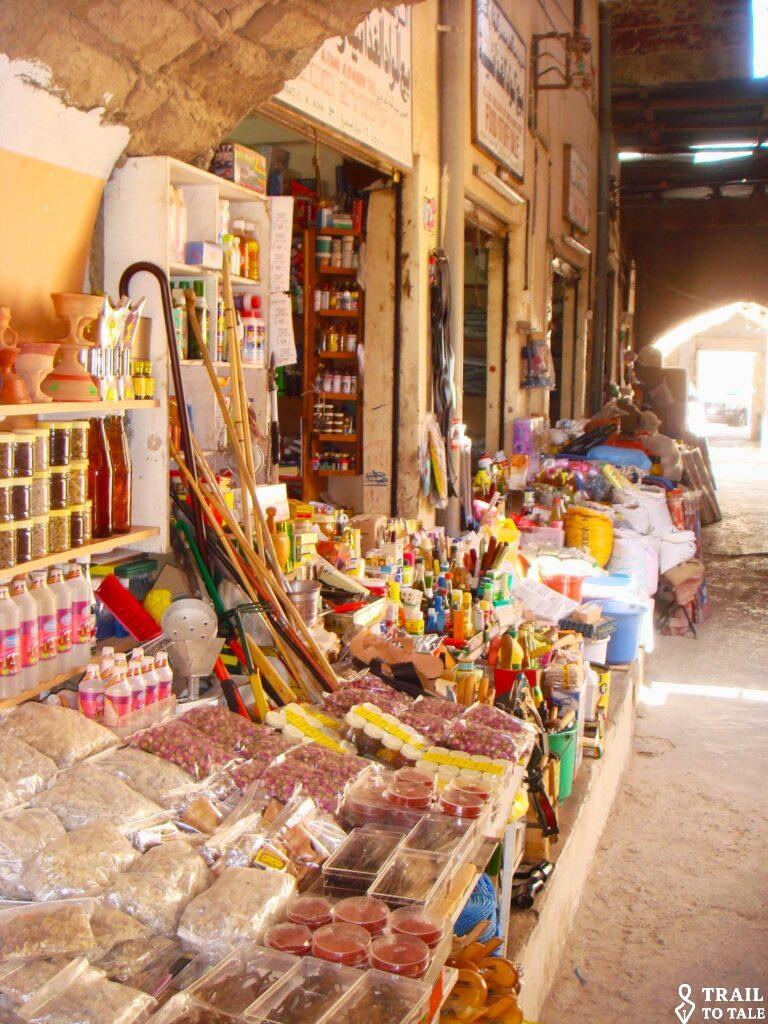
Next to it lies the bustling souq.
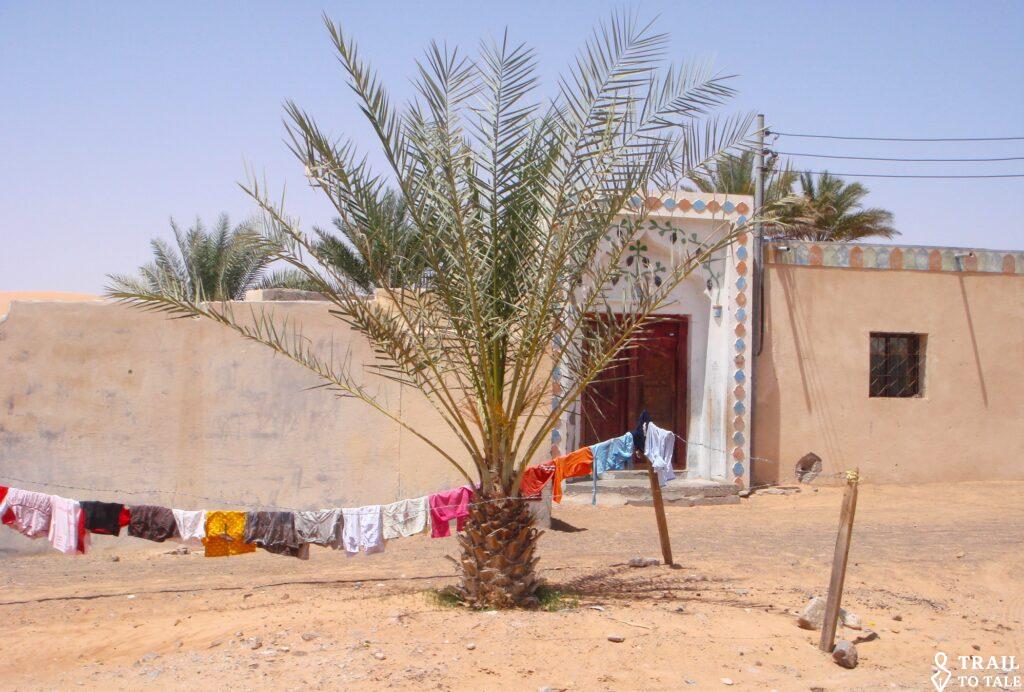
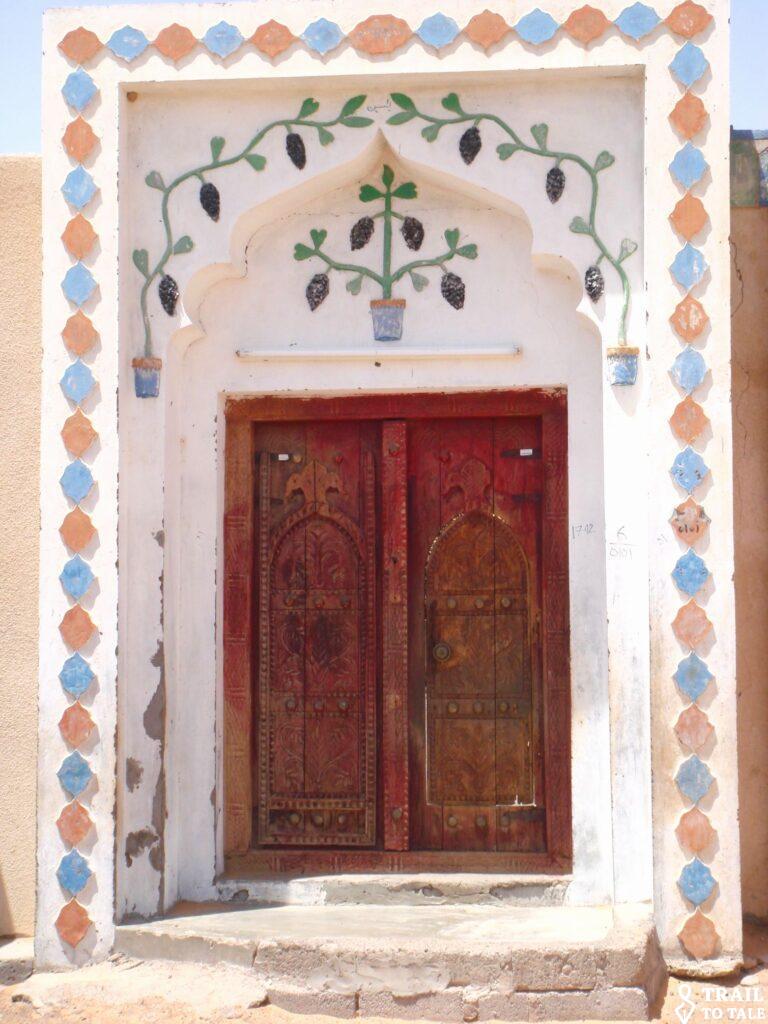
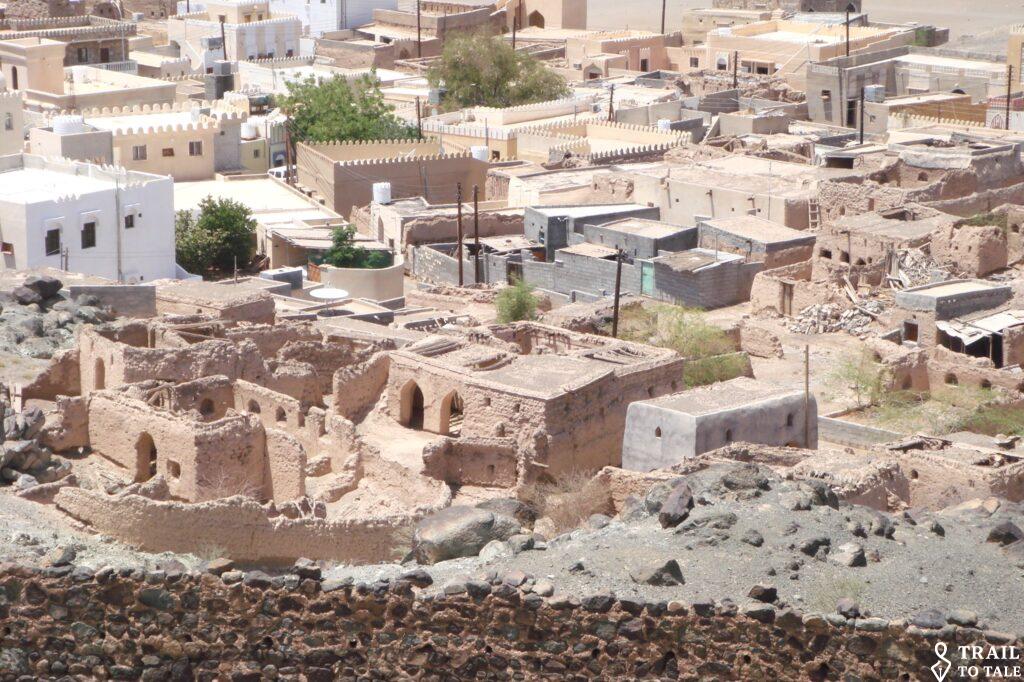
Local housing.
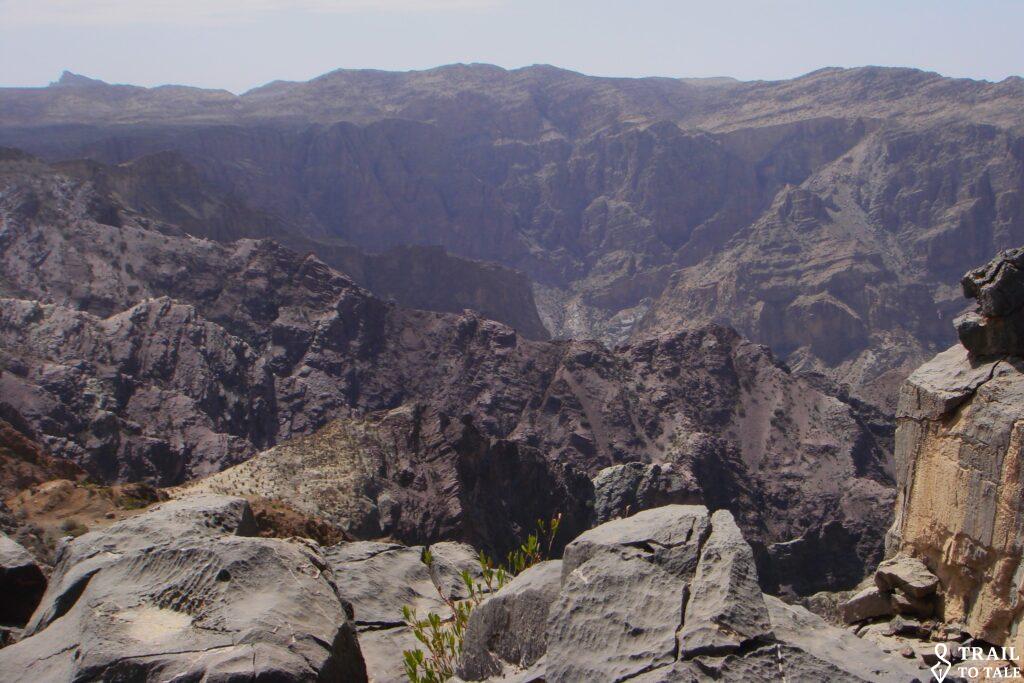
At an elevation of 2,500 m stands Diana’s View Point named after Princess Diana’s visit with vast panoramas over the valleys. From the Sayq Plateau there is a magical view down the steep gorges and across the surrounding rugged mountains.
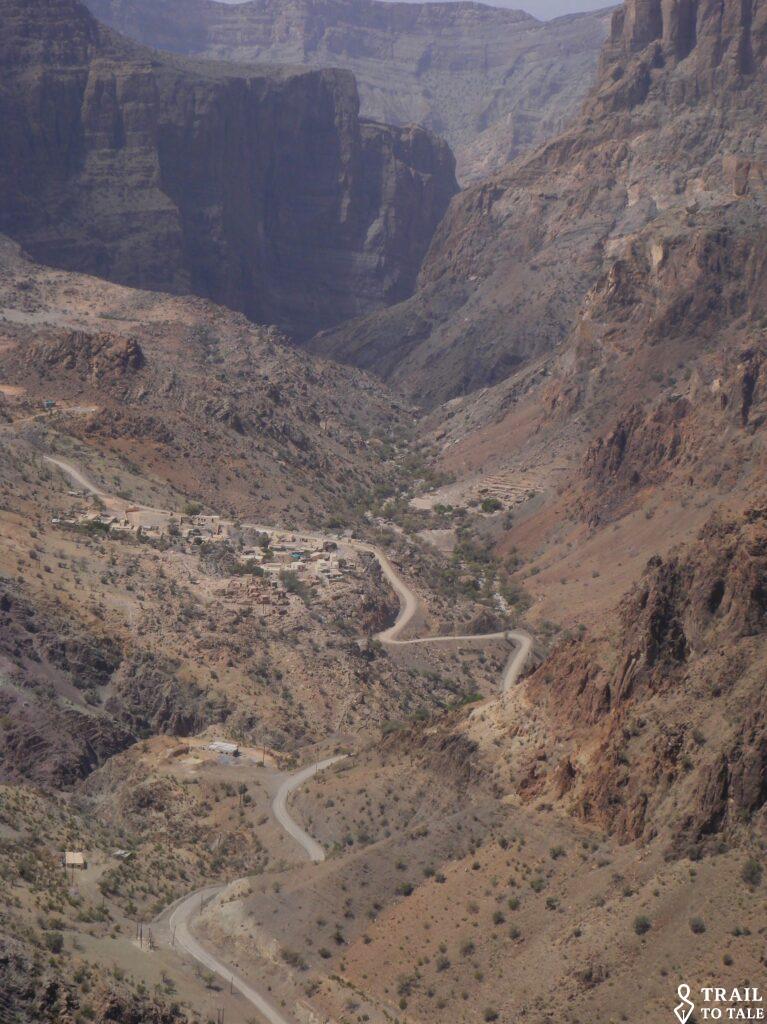
…and visited the small villages with their rose terraces clinging to the steep mountains.
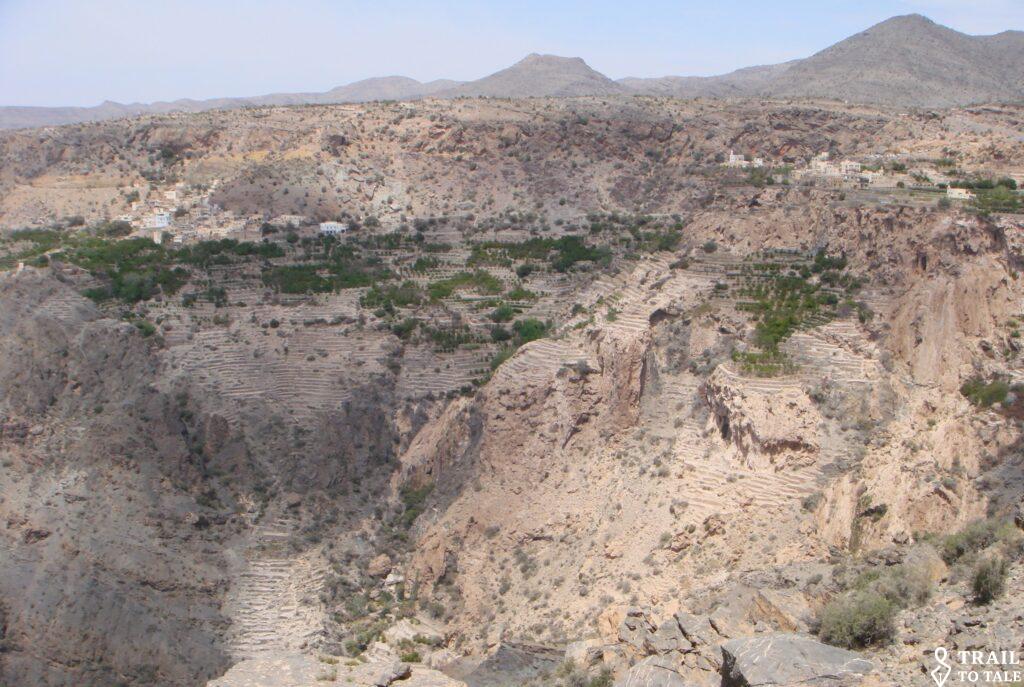
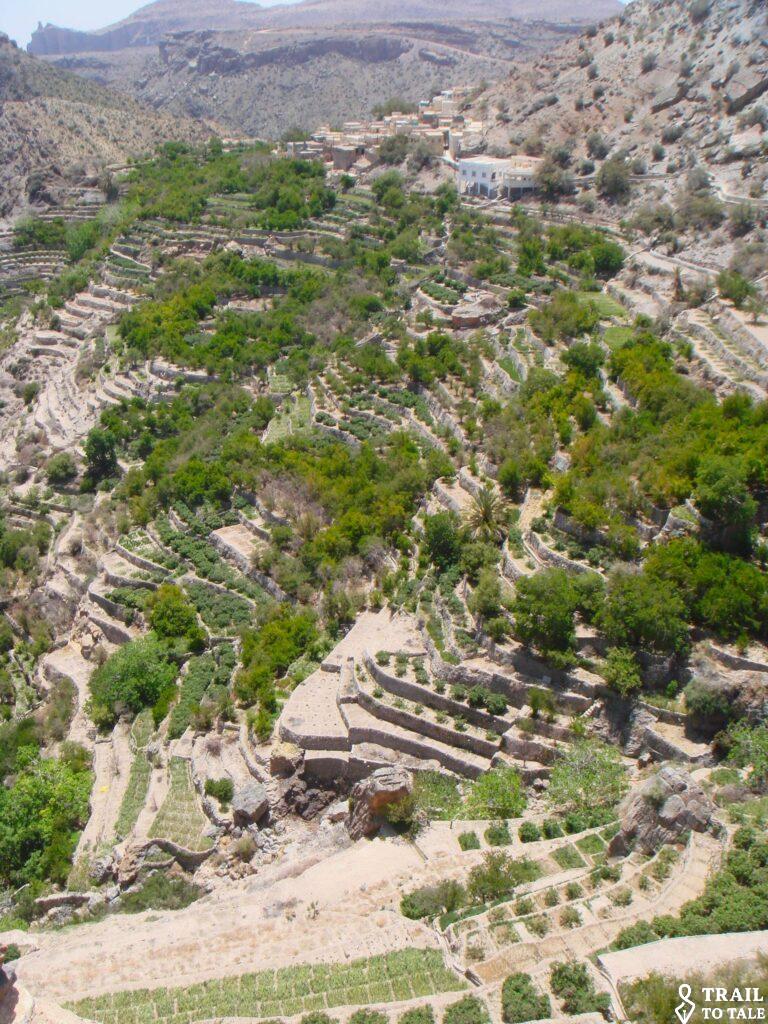
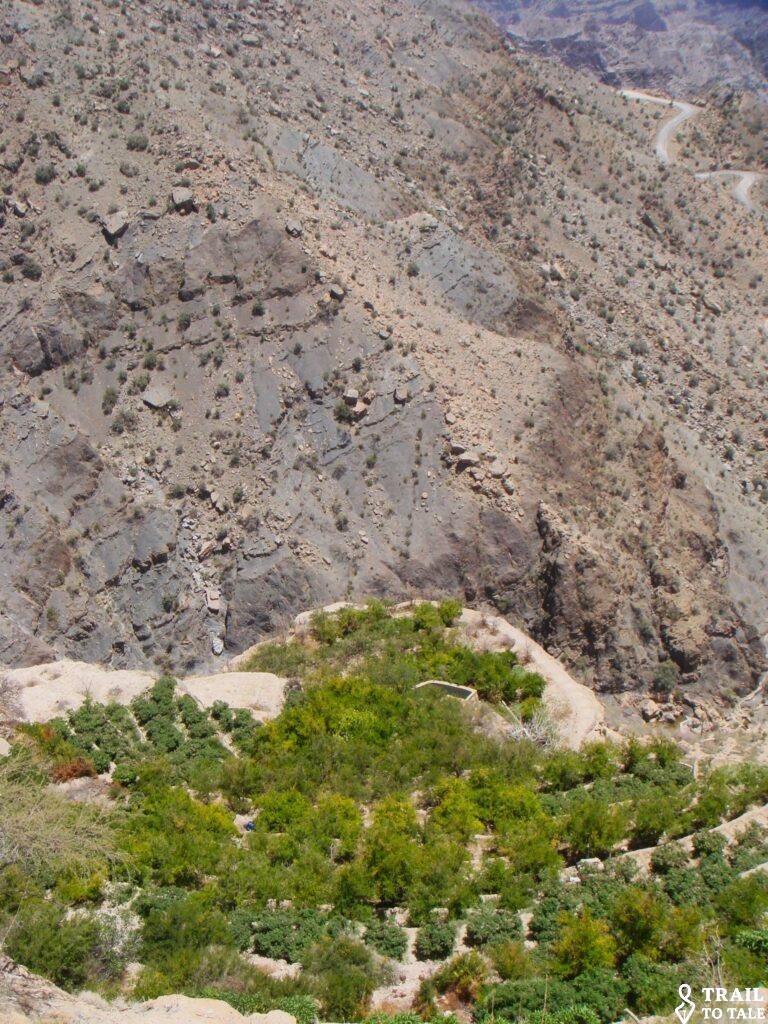
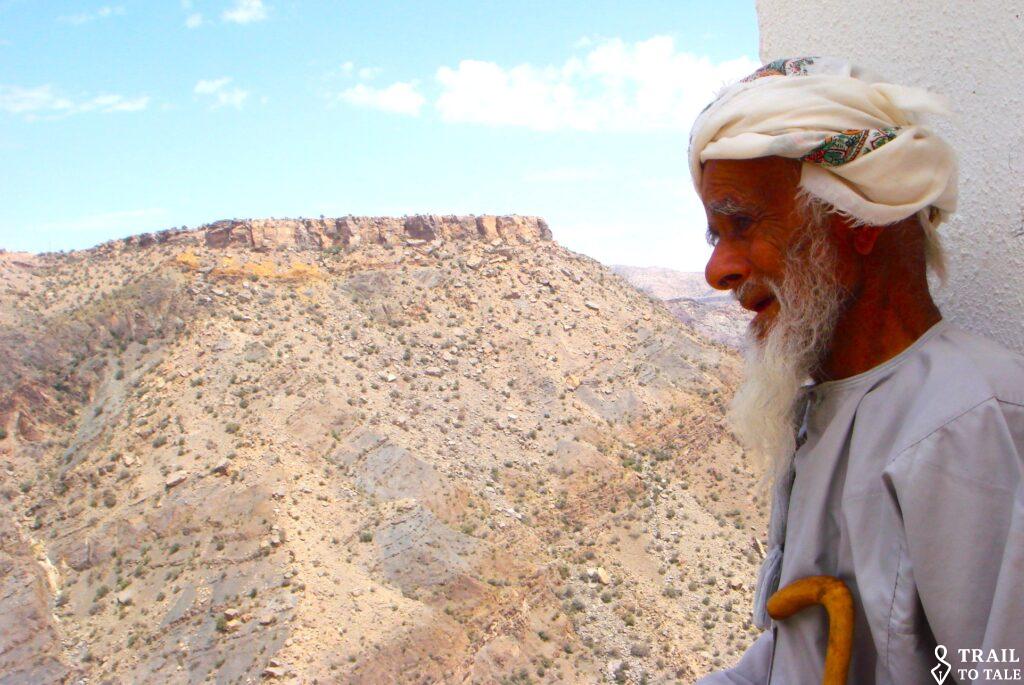
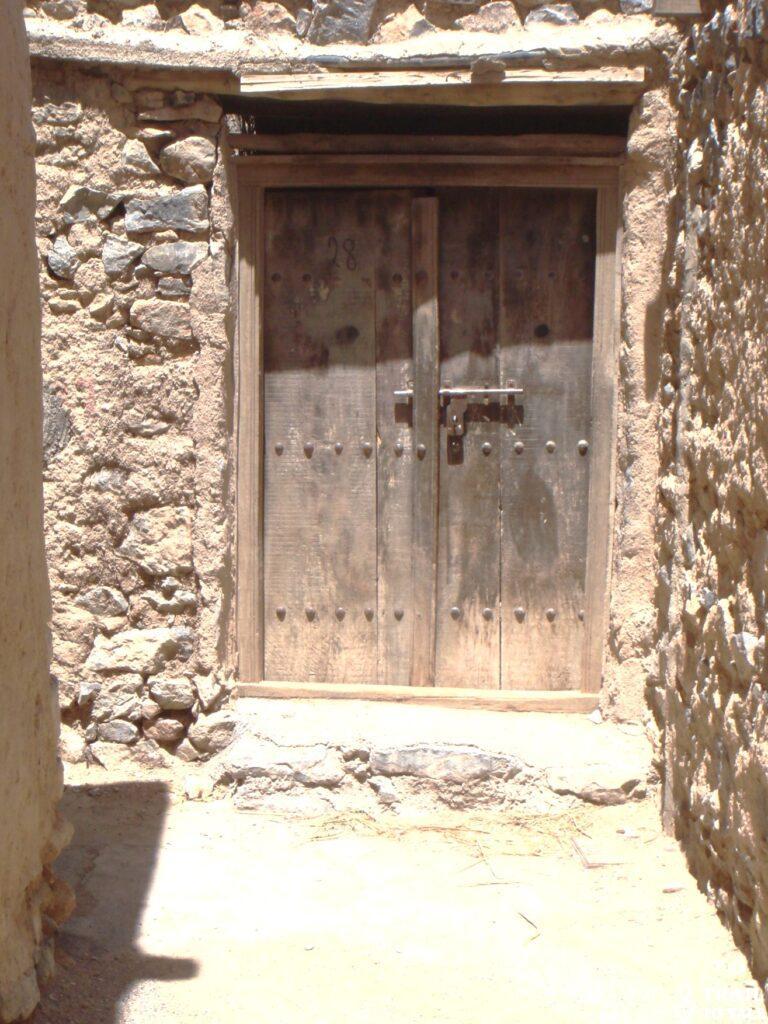
After the washed-out road the journey continued on foot to visit Al Nakhr Gorge often called the “Grand Canyon of Arabia”. “Jabal Shams” the Sultanate’s highest peak is not far from here.
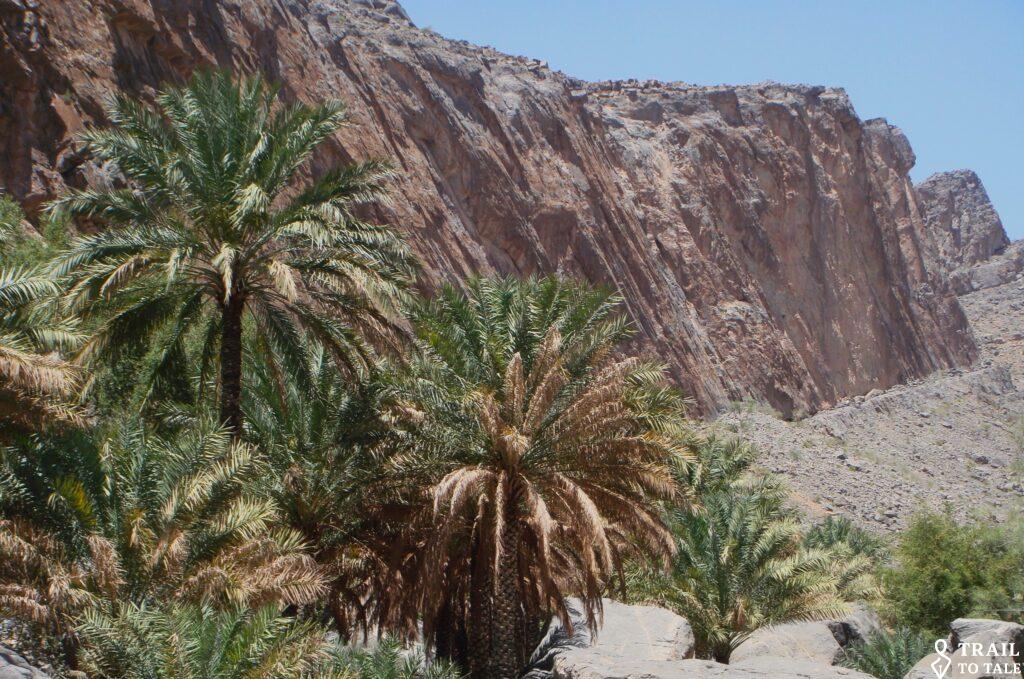
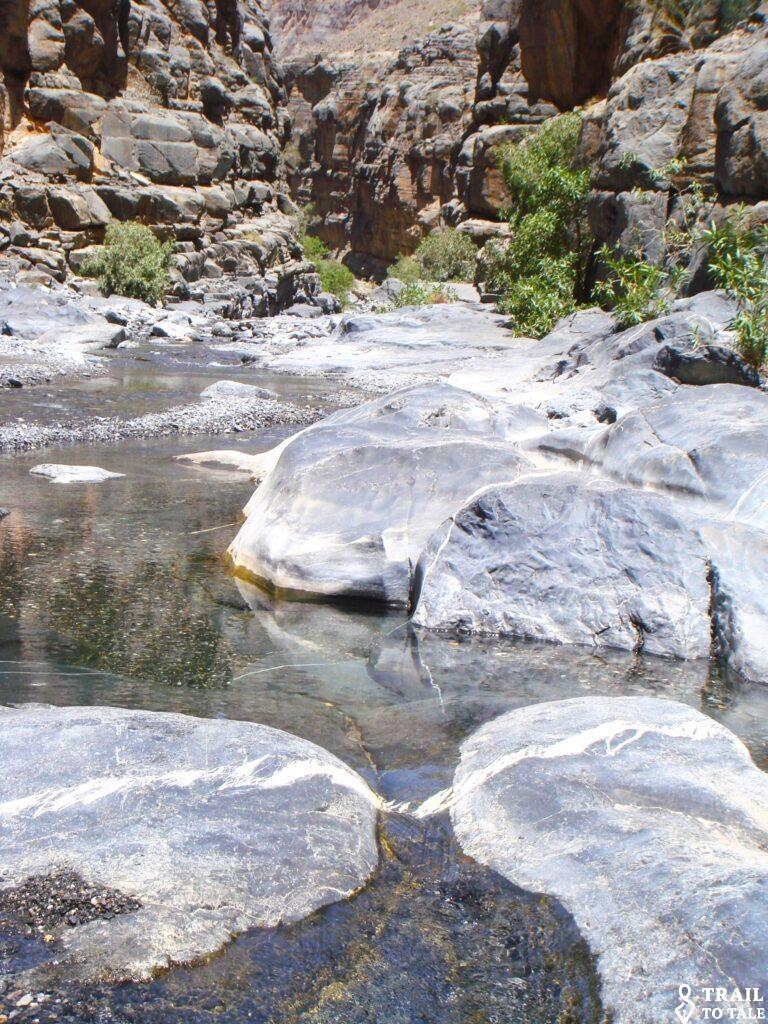
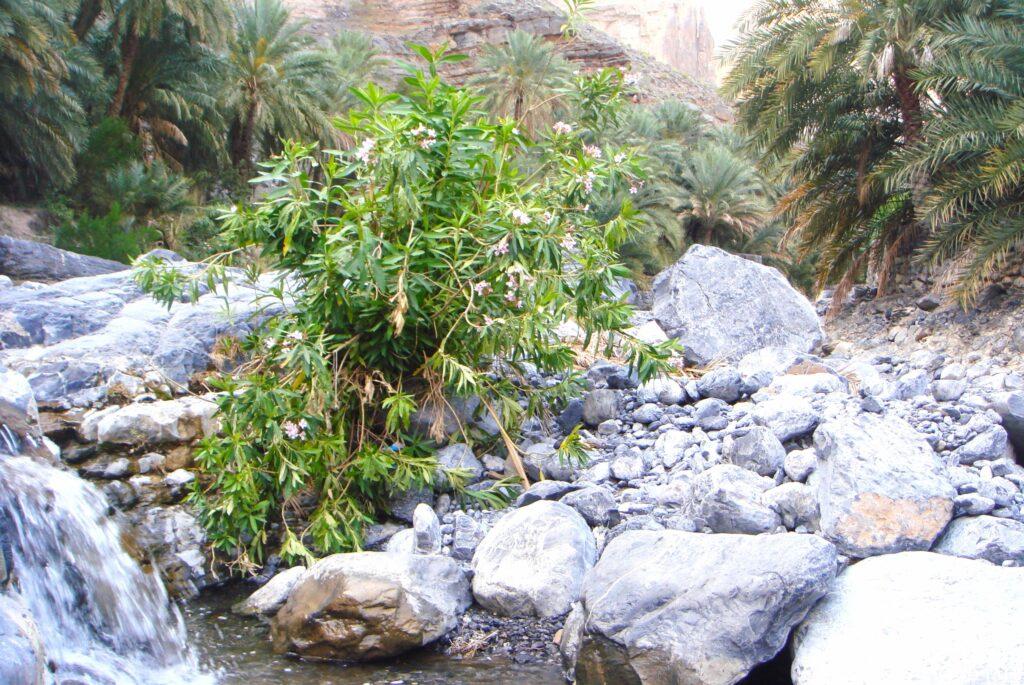
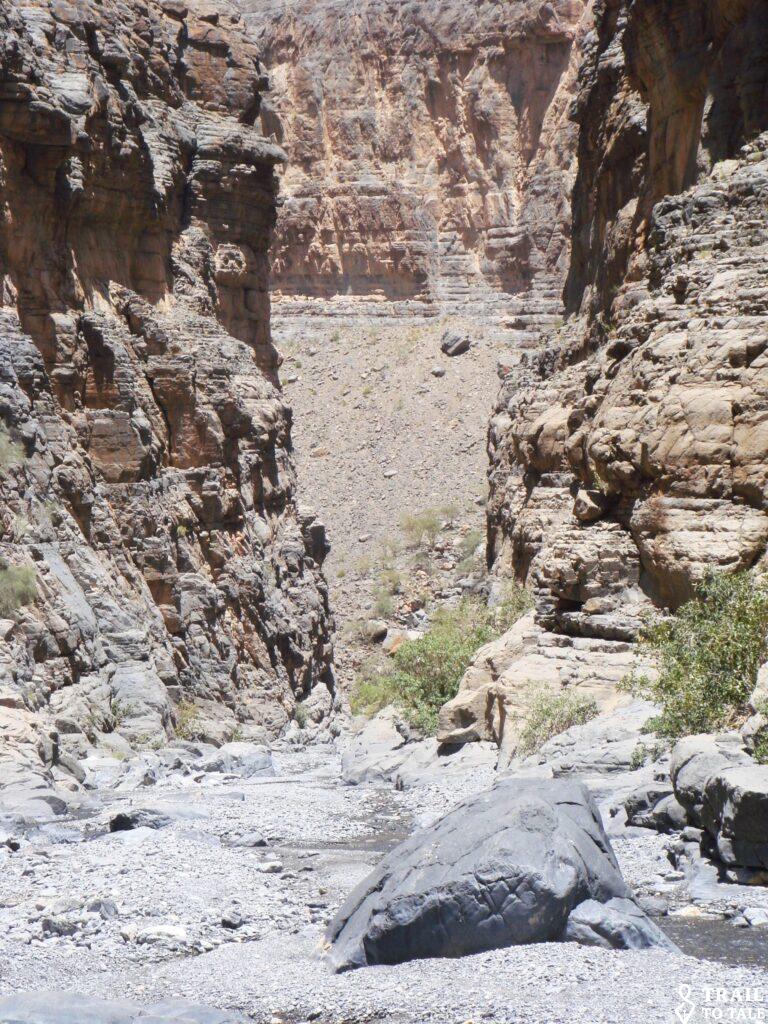
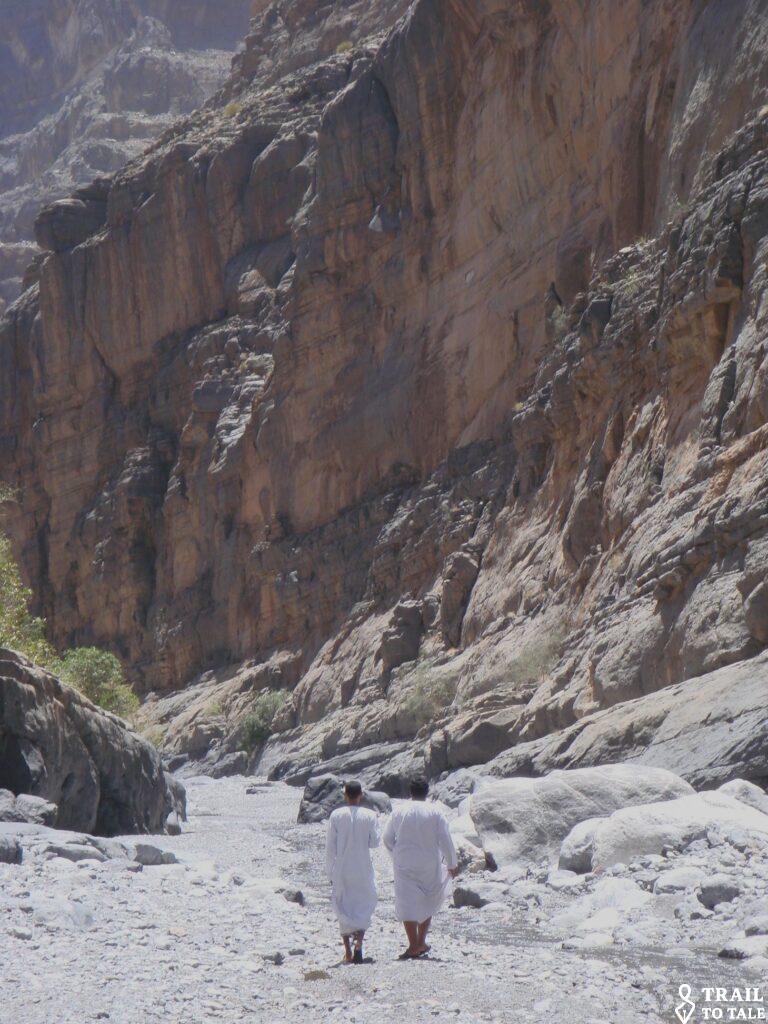
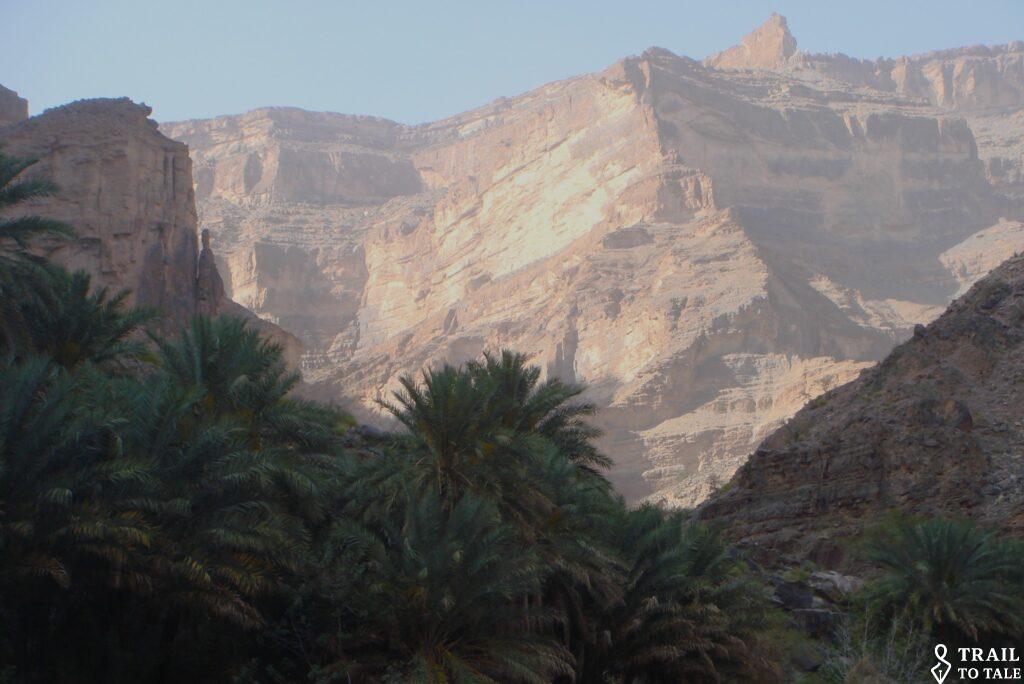
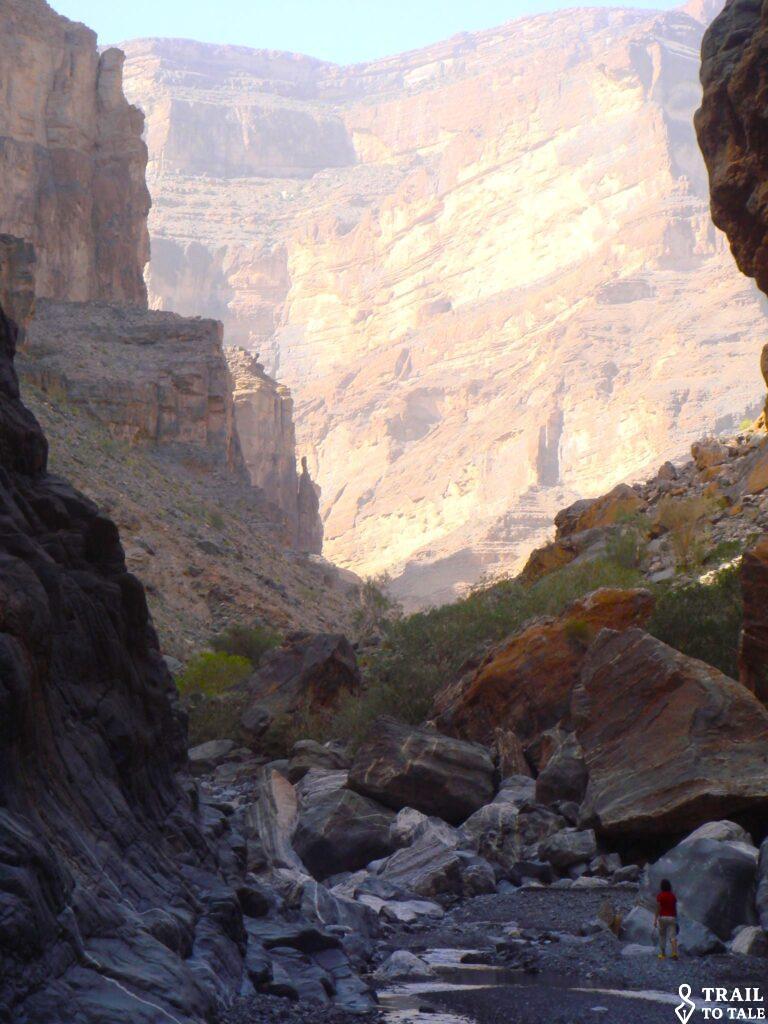
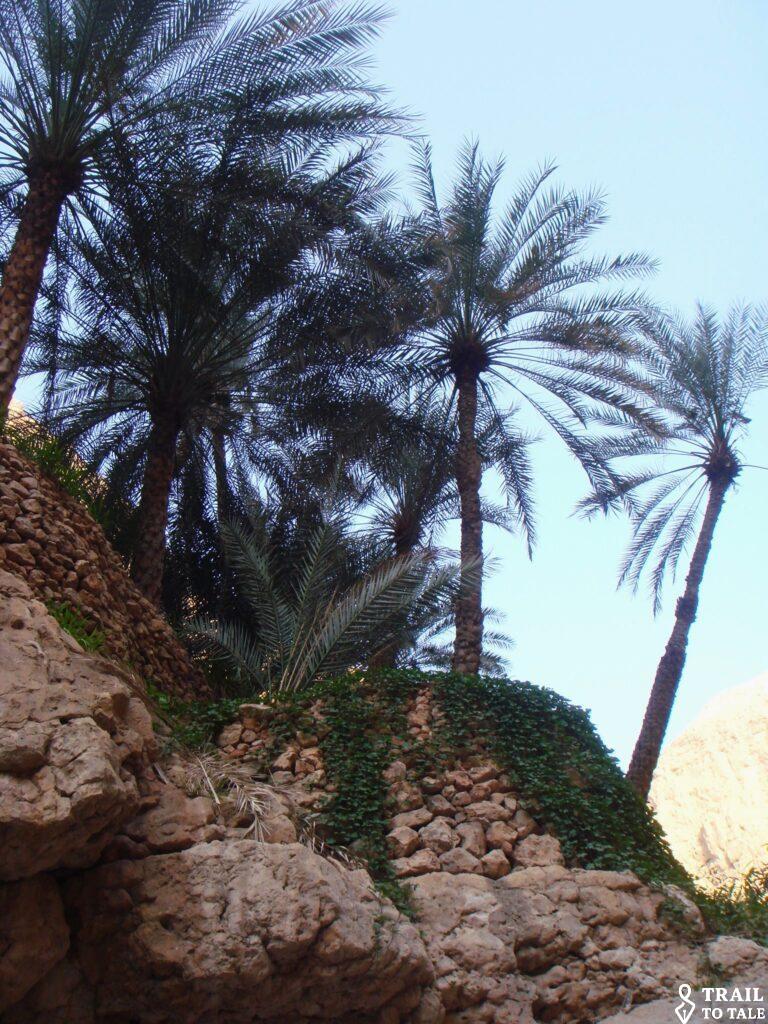
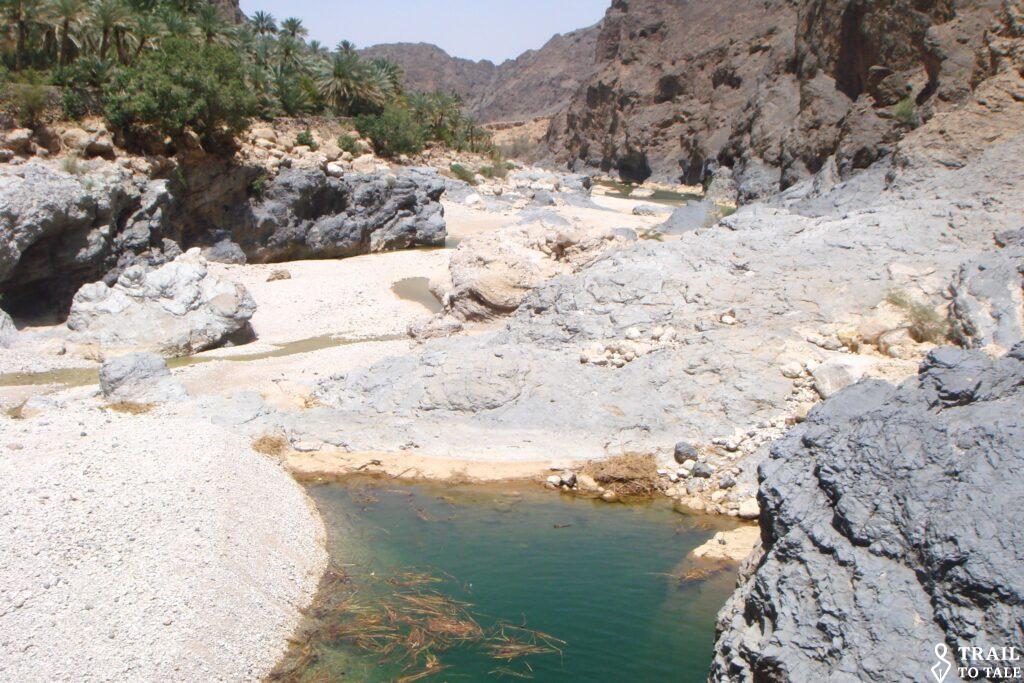
Hiking up a wadi, we followed a stream of cool clear water lined with date palms, stopping for tea in the occasional village.
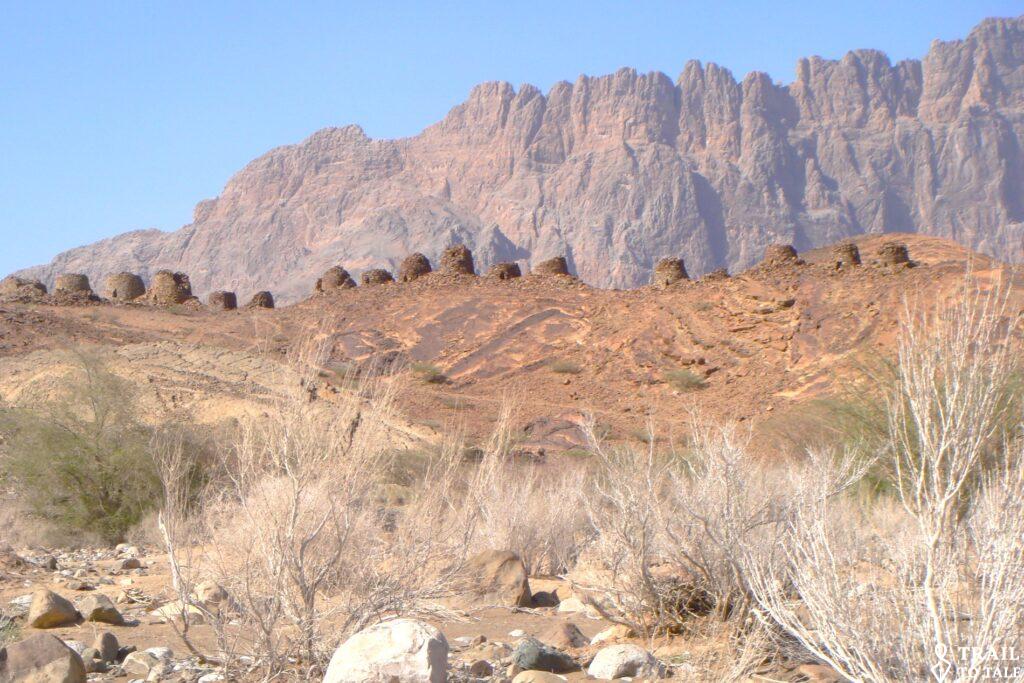
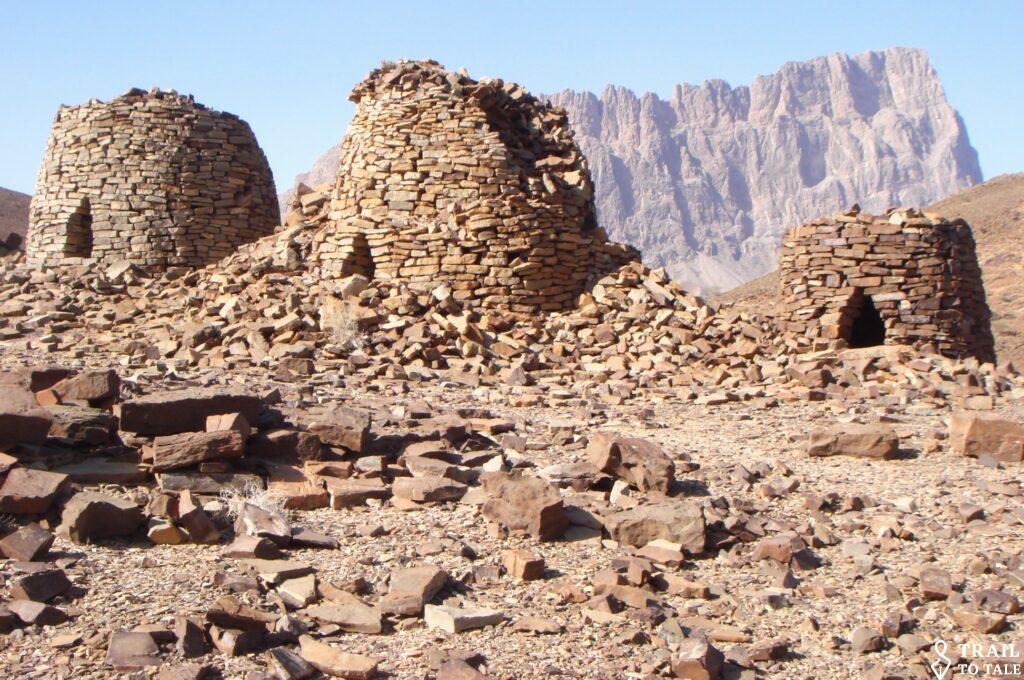
The Beehive Tombs of Al Ayn, located in northern Oman’s Al Dhahirah Region near the UAE border, stand against the dramatic cliffs of Jebel Misht. Believed to have been communal burial sites, these stone structures date back to around 3000–2000 BC, the Early Bronze Age, and form part of a UNESCO World Heritage Site.
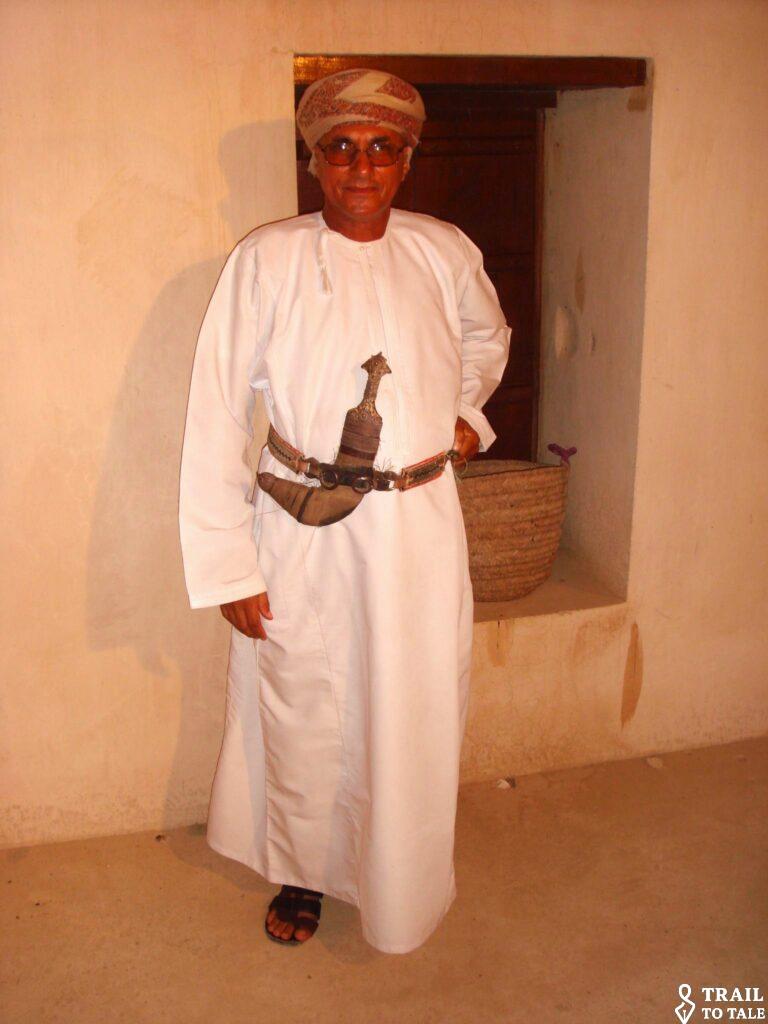
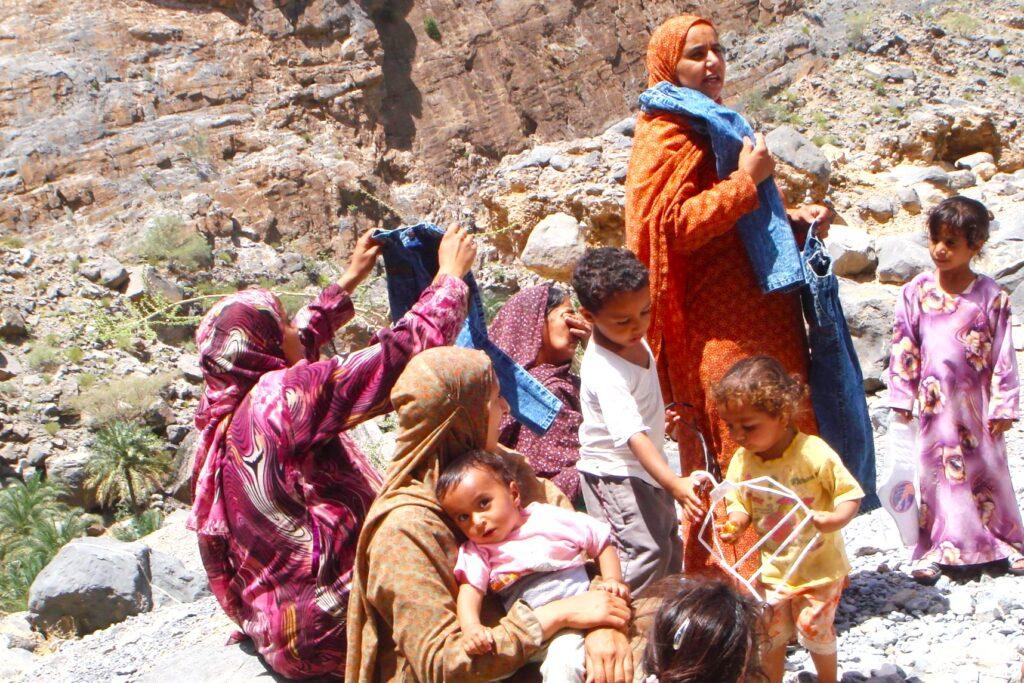
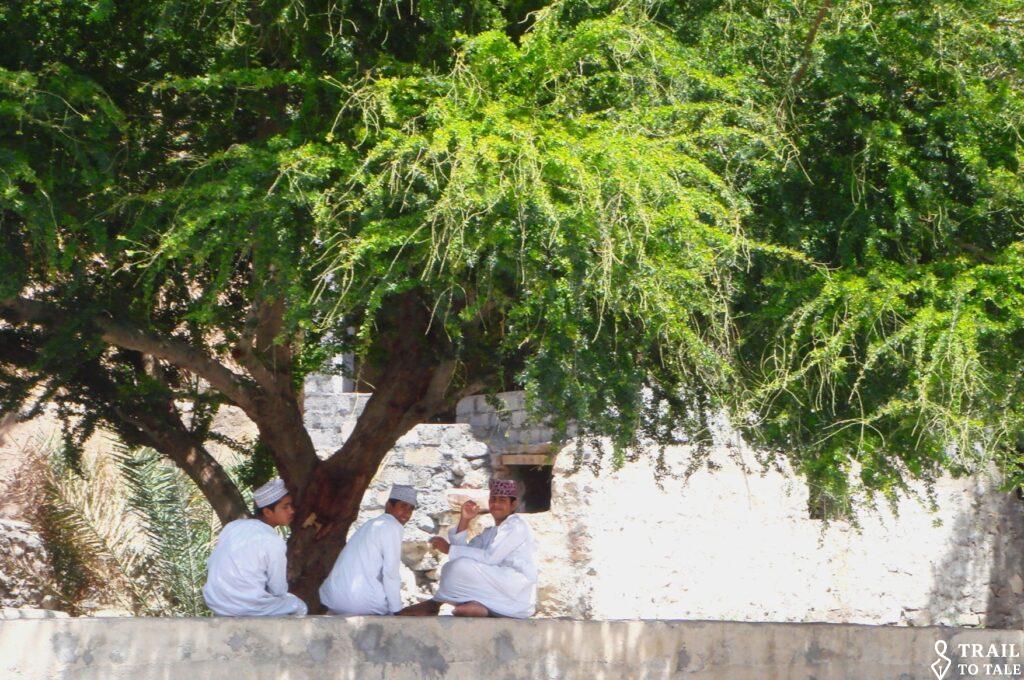
Beyond the often stunning nature it was the friendliness of the Omani people that left the deepest impression, a warmth I had not experienced in three years of living in the Gulf region among other Arabs. When I shared this observation with an Arab colleague back in the UAE he replied with a wry smile, “Of course, they are still poor!”
Leave a reply
You must be logged in to post a comment.